

Dogs are often celebrated as loyal companions and family members. Most bring joy, love, and a sense of security into our lives. Yet the reality is that any dog, regardless of how sweet it appears, has the potential to bite under the right circumstances.
Over 4.5 million people get bitten by dogs every year in the United States, which is a staggering number when you think about it. Not every bite is serious, of course, but many require medical attention and some can tragically be fatal. Let’s be real, understanding which breeds appear most frequently in bite statistics isn’t about vilifying dogs. It’s about awareness, prevention, and responsible ownership. So let’s dive in.
Pit Bulls
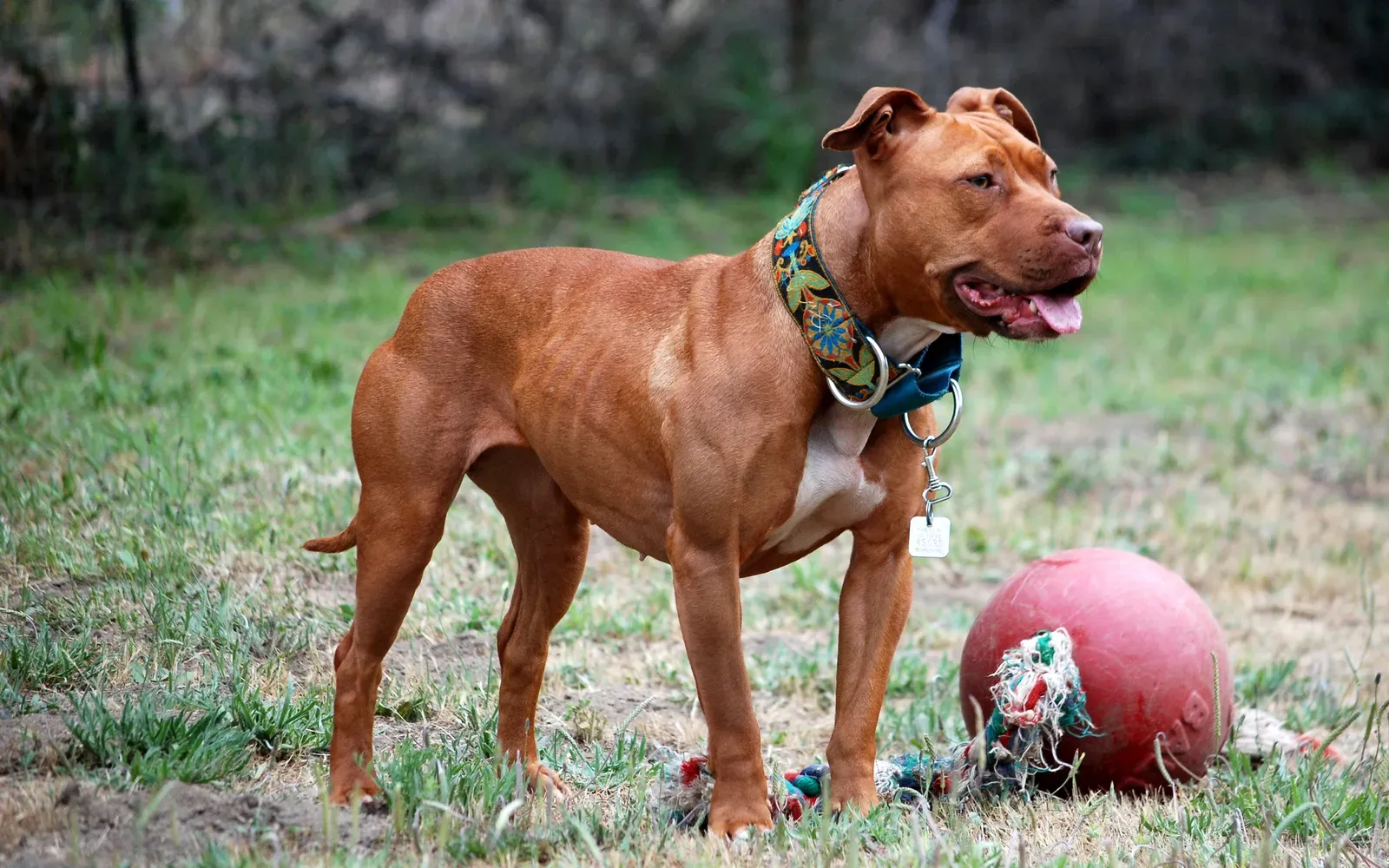
American pit bull terriers are considered some of the most dangerous dogs due to the high number of incidents involving this breed, with pit bulls responsible for over 60 percent of all fatal dog attacks in the U.S. Honestly, this statistic is shocking, even if you’ve heard it before. The controversy surrounding pit bulls is intense because advocates argue that poor ownership and mistreatment are the real culprits.
Pitbulls are 31% more likely to attack strangers compared to other breeds, which is notable when you consider how often these dogs live within families. Their powerful jaws and muscular build mean that when a bite does occur, the damage can be severe. Still, many people who own pit bulls describe them as affectionate and loyal to their owners. The problem often comes down to training, socialization, and sometimes the unfortunate reality that these dogs have been bred or trained for aggression.
Rottweilers

Rottweilers are large and muscular guard dogs known for their protective instincts which can turn into aggression if they perceive a threat, and they account for around 10 percent of fatal dog attacks annually. These dogs descend from Roman mastiffs, which means they have a long history of being bred for strength and guarding. Their loyalty and work ethic are admirable, yet this protective nature can quickly shift into something dangerous.
What I find interesting is that rottweilers need exercise, mental stimulation, and proper socialization – without these factors, this breed can be destructive and their behavior can get out of control quickly. It’s hard to say for sure, but many bite incidents involving Rottweilers likely stem from lack of proper care rather than inherent viciousness. These are powerful animals that require dedicated, experienced owners who understand what they’re getting into.
German Shepherds
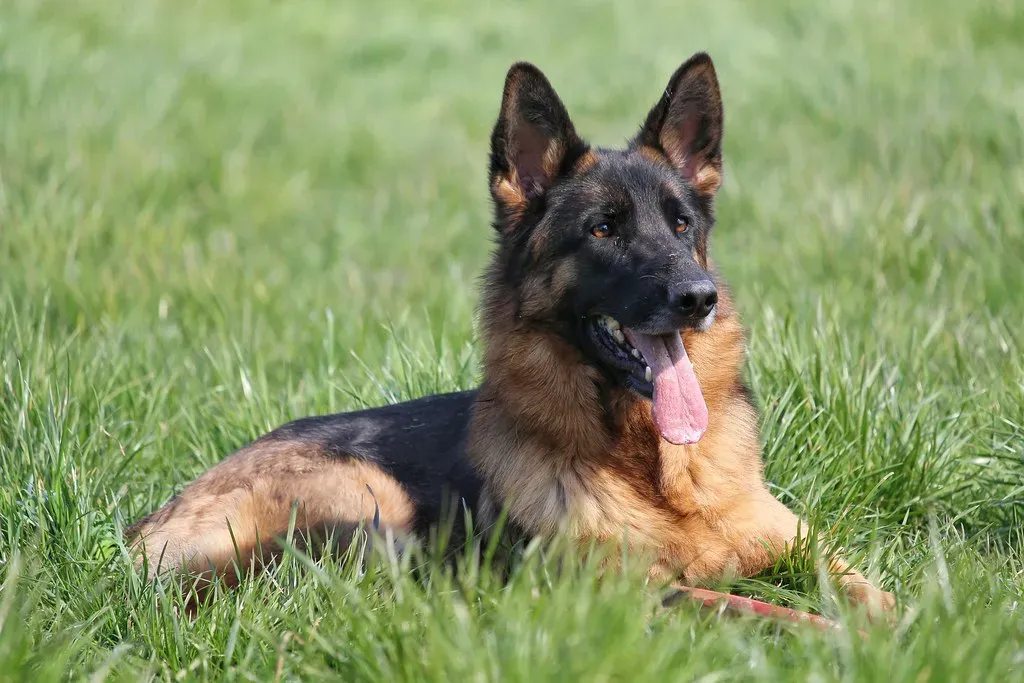
German Shepherds are beloved for their intelligence, trainability, and versatility. They serve in police forces, military units, and search and rescue operations worldwide. Pit bull terriers and German shepherds are the most common breeds involved in attacks, which might surprise those who see German Shepherds as noble protectors.
The German Shepherd is one of the world’s most useful dogs, being used as everything from guard dogs to drug detection dogs, and one of the attributes that makes them good at these tasks is that they are willing to bite if required. The issue is that this willingness to bite doesn’t always differentiate between a criminal and an innocent person. Their popularity also plays a role in statistics since more German Shepherds exist compared to rarer breeds.
Chow Chows

While the Chow Chow might look like a cuddly teddy bear, this breed is known for being highly territorial and independent, and they are responsible for a surprising number of dog bite injuries, especially given their relatively smaller size. I know it sounds crazy, but these fluffy dogs can be surprisingly aggressive. Their aloof personality and protective instincts make them less tolerant of strangers.
The stubbornness of Chow Chows also makes training more difficult. Their stubborn nature makes them difficult to train, and without proper socialization, they may become aggressive. These aren’t dogs for first-time owners or families with young children who might not respect boundaries. Give a Chow space when you meet one, especially if it’s unfamiliar to you.
Siberian Huskies

Siberian Huskies are stunning dogs with piercing eyes and wolf-like features. They’re energetic, intelligent, and bred for endurance in harsh climates. Yet huskies have strong predatory instincts and require more exercise and mental stimulation than other dog breeds, and if they become frustrated or are poorly trained, they can lash out, leading to fatal attacks.
Their independent streak can make them challenging to control, especially around small children or unfamiliar animals. Roughly about one in ten fatal dog attacks involve husky-type breeds according to some historical data. What’s crucial to understand is that Huskies aren’t inherently mean, they just require experienced handlers who can meet their physical and mental needs consistently.
Alaskan Malamutes

Like Siberian huskies, Alaskan malamutes are large, energetic dogs bred for endurance and strength, and while they are not commonly associated with fatalities, they are involved in a number of dog bite incidents each year. These dogs share many characteristics with Huskies, including strong prey drives and a need for consistent training and exercise.
Their strong-willed nature can make them difficult to control without consistent training, which means they’re not ideal for casual pet owners. Think of them as working dogs at heart who need a job to do. Without proper outlets for their energy, they can become destructive or even aggressive when frustrated.
Doberman Pinschers

Doberman Pinschers have long been associated with guard dog work and protection. They’re sleek, athletic, and incredibly intelligent. Dobermans’ protective instincts can lead to aggression, especially toward strangers, and their strong build and sharp reflexes make any dog attack from this breed a serious matter.
These dogs were literally bred to protect, which means they’re naturally suspicious of unfamiliar people. When properly trained and socialized, Dobermans can be wonderful family pets. The problem arises when owners fail to establish clear boundaries or when these dogs perceive a threat that may not actually exist. Their powerful bite force makes any incident potentially severe.
Jack Russell Terriers

Here’s the thing: small doesn’t always mean harmless. It may surprise some that the Jack Russell Terrier is the dog most likely to bite, as these popular small dogs were originally bred to hunt and kill rats and other vermin, so giving chase and biting are very much in their DNA. Their bite may not cause the same damage as a larger breed, but they still bite frequently.
Jack Russells are feisty, energetic, and fearless beyond their size. They were designed to go into burrows and fight animals, which explains their tenacity. While their bites might not send you to the hospital as often as a Rottweiler’s would, their willingness to snap is notable. Training can minimize this behavior, yet their instincts remain strong.
Dachshunds

Yes, you read that right. Smaller dog breeds, like the dachshund and chihuahua, were found to show the most aggression toward strangers through snaps, bites, or attempts to bite, with one-fifth of all dachshunds in the study receiving the maximum score for aggression. Dachshunds are adorable with their long bodies and short legs, yet they can be surprisingly aggressive.
Their breeding as badger hunters meant they needed courage and tenacity. These traits translate into a dog that won’t back down easily, even from much larger threats. Dachshunds can be unpredictable and may bite family members or strangers without much warning. Their small jaws mean injuries are typically minor, yet children can still be hurt.
Labrador Retrievers

This one might shock you. Labrador Retrievers are America’s most popular dog breed, known for being friendly, gentle, and great with families. Yet pit bulls cause more dog bite injuries and hurt more people than any other dog, with Labrador retrievers coming in second place. The vast majority of Labs are indeed gentle, yet their sheer numbers mean they appear in bite statistics more often.
Most bites from Labradors occur during play or when the dog is startled or in pain. Their mouths are strong, designed for retrieving game, which means even an accidental bite can cause injury. It’s worth noting that Labs are generally not aggressive by nature, their presence in bite statistics reflects population size more than temperament issues.
Conclusion

Understanding which breeds appear most frequently in bite statistics isn’t about promoting fear or discrimination. Let’s be real, any dog can bite under the right circumstances regardless of breed. Factors like poor training, lack of socialization, abuse, neglect, and irresponsible ownership play far bigger roles than genetics alone.
The breeds listed here often appear in statistics either because of their physical strength, protective instincts, breeding history, or simply because of their popularity and numbers. Responsible ownership matters more than breed. Proper training, socialization, exercise, and supervision can prevent the vast majority of bite incidents. Did you expect to see small breeds like Dachshunds on this list? What would you have guessed?


