

You’ve probably heard the stories. The neighbor whose couch got completely shredded while they were at work. The friend who came home to find their kitchen floor excavated like an archaeological dig site. Maybe you’ve even lived through it yourself, standing in your doorway wondering what hurricane just tore through your living room – only to realize it was your beloved four-legged companion.
Here’s the thing. Dogs aren’t destructive because they hate you or your furniture. They’re just wired differently, and some breeds take that energy and channel it in ways that can feel downright catastrophic if their needs aren’t met. Let’s be real, certain dogs require more than a ten-minute walk around the block and a pat on the head. They need jobs, challenges, and outlets for all that intensity bubbling inside them. Without those things, your home becomes their canvas for chaos. So let’s dive in and explore which breeds are most likely to redecorate your space when they’re understimulated, anxious, or just plain bored.
Border Collie: The Workaholic Who Never Clocks Out

Border Collies can quickly become bored without anything to occupy them, which then results in destructive behavior like chewing and digging. I think that says it all, honestly. These dogs are basically canine Einsteins bred to work alongside shepherds all day long. They’re bred to work side by side with shepherds all day long, constantly engaged – mentally tracking sheep, physically herding them, and always reading cues from their handler – so it’s no wonder that these dogs might struggle when left alone.
Picture this scenario: you leave your Border Collie at home for eight hours with nothing but a bowl of kibble and a squeaky toy. A bored Border Collie will display destructive behaviors such as digging and chewing. The devastation you return to isn’t malice. It’s desperation. Border Collies can be more susceptible to separation anxiety than some other breeds, and extended periods without human interaction or mental stimulation can lead to stress or destructive behavior. Give them a puzzle, a task, or a long run, and suddenly you’ve got a different dog entirely.
Siberian Husky: The Escape Artist with Endless Stamina

Huskies need at least two hours of exercise daily, which is one of the highest out of any dog breed. Two hours! Let that sink in for a moment. When bored, the Husky is a destructive chew monster that will chew through your things while yowling, howling, and barking, which is common Husky behavior.
These northern beauties were bred to pull sleds across frozen tundra for miles on end. They’re not exactly suited to apartment living or a sedentary lifestyle. Huskies may resort to digging, chewing furniture, or tearing up household items as a way to relieve boredom or anxiety. Honestly, if you’re not ready to commit to marathon exercise sessions and constant mental challenges, this breed will test every ounce of patience you have. They’ll also test the structural integrity of your fences, because escaping is basically their hobby.
Jack Russell Terrier: Small Dog, Massive Energy Problem

Don’t let the size fool you. The Jack Russell Terrier is known for having a big personality in a small body, and without enough exercise and playtime, a Jack Russell can get frustrated and let loose their energy in less-than-pleasant ways. They might chew up anything in sight or turn your flower beds into their personal digging zone – yapping all the while!
Coming from a working background, these pint-size pooches have boundless energy, and without it, they’ll descend ins like excessive digging and chewing on furniture. Jack Russells were bred to hunt vermin and chase foxes down burrows. That instinct doesn’t just disappear because you live in suburbia now. They can be very destructive if left unattended and unemployed, and most behavioral problems are due to a lack of companionship, discipline, activity, and exercise. Keep them busy or pay the price.
Labrador Retriever: The Lovable Chewer You Didn’t Expect

The Labrador Retriever is one of the most popular dog breeds in the US, and known for their friendly nature and high energy levels, Labradors may be a surprising entry on this list. But here we are. As puppies, the breed is prone to eating things that shouldn’t be eaten, like phones, shoes, and table legs.
It is normal for a Labrador to continue chewing destructively up until around his second birthday, and chewing tends to fall off quite dramatically after that in dogs with sufficient company and mental stimulation. Yes, you read that right – two years. Labrador Retrievers are both playful and highly active, and they have the added trait of being a retrieving gundog with an innate instinct to pick things up in their mouth – if they are not sufficiently exercised, they may resort to exercising their jaws on whatever they find to chew. So really, that couch leg never stood a chance.
Dalmatian: The Spotted Dynamo That Needs a Job
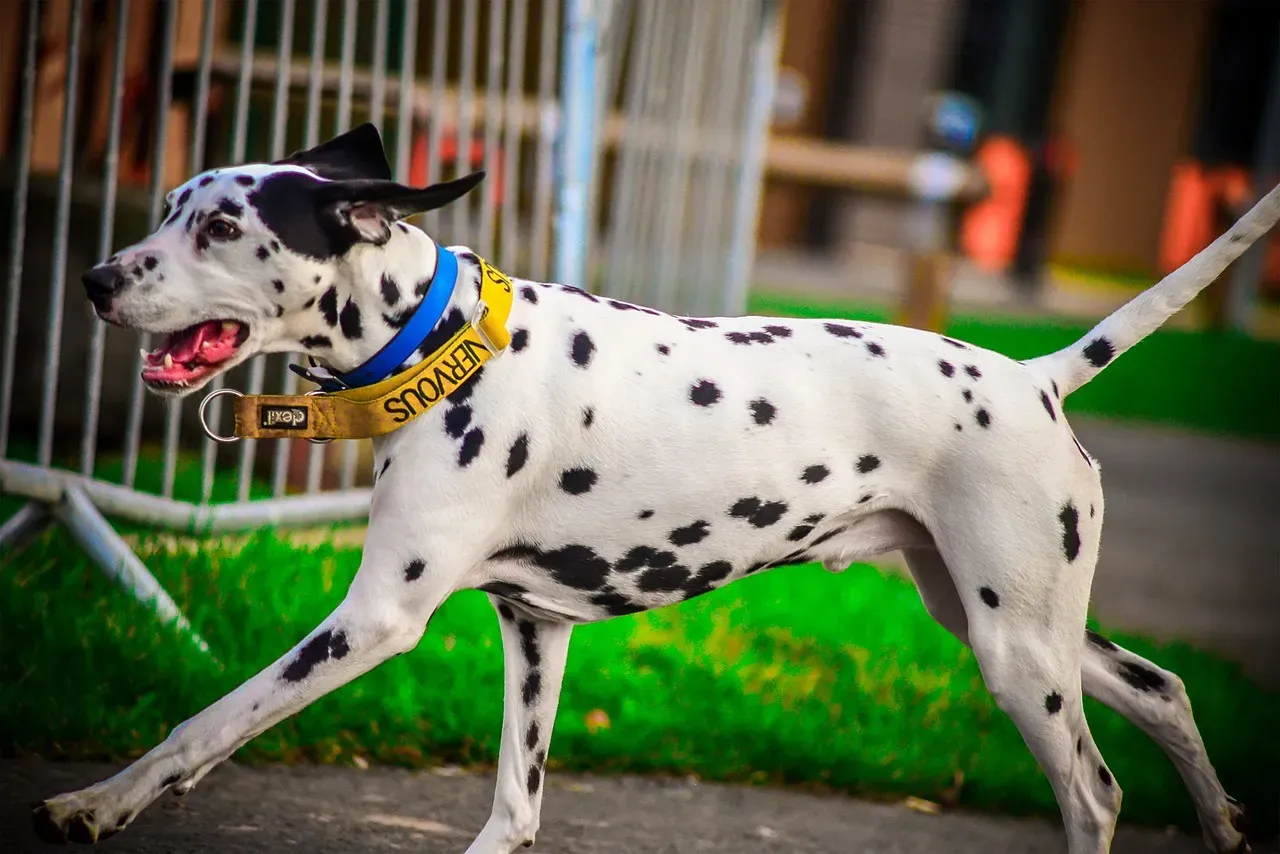
Dalmatians are famous for their striking spotted coats and history as firehouse mascots, but they were bred as carriage dogs meant to run long distances and guard horses. Dalmatians can quickly become bored and restless when they don’t receive enough physical exercise or mental stimulation, and this boredom can lead s such as chewing on furniture, digging up the yard, or finding ways to escape.
These dogs aren’t content to lounge around looking pretty. Dalmatians are also known for their intelligence, meaning they need tasks challenging their minds and bodies – without proper outlets for their energy, they can develop bad habits that are hard to break. They’re stunning to look at, absolutely, but they’re also bundles of barely contained energy that will find an outlet one way or another. Preferably through activities you approve of.
Australian Shepherd: The Brainy Herder with a Work Ethic

Australian Shepherds are prone to destructive chewing – they’re natural high-fliers, high-energy workaholics, and if they don’t have the opportunity to make the most of those traits, they’ll seek alternative habits to satisfy them. Think of them as the honor students of the dog world who absolutely cannot sit still during a boring lecture.
These intelligent dogs are also one of the breeds most likely to suffer separation anxiety, and some resort to gnawing through the furniture in protest. It’s not spite. It’s stress. Australian Shepherds were bred to herd livestock across vast ranches, making split-second decisions all day long. One of the major triggers for chewing is to relieve boredom and stress – busy dogs that love a job can find inactivity very dull, and if they don’t get sufficient mental and physical activity, they often resort to chewing as an outlet for all that energy.
Beagle: The Scent-Driven Demolition Expert

Beagles are among the destructive dog breeds most likely to cause chaos in your home. Why? Because their nose leads the way, and everything else follows. Beagles have been known to tear apart trash bags, dig into laundry, or chew through food containers in search of an interesting scent – if there’s something that smells good to a Beagle, they’ll likely stop at nothing to find it.
These adorable hounds were bred to track rabbits and other small game, often working in packs for hours. That single-minded focus on scent can translate into some seriously destructive behavior when they catch a whiff of something interesting in your kitchen trash or laundry basket. They’re not being bad. They’re just doing what centuries of breeding programmed them to do. Unfortunately, that programming doesn’t care about your new rug.
Boxer: The Playful Goofball with Too Much Energy

As an active breed, Boxers have a low boredom threshold, which makes them more likely to help themselves to what they may view as a perfect chew toy – make sure you keep them well stimulated with plenty of mental and physical activity. Boxers are perpetual puppies at heart, bouncing through life with infectious enthusiasm and zero concept of personal space.
These muscular clowns need constant engagement. They were bred as working dogs – guarding, hunting, even serving in wars. That’s a lot of intensity packed into one wiggly package. Without sufficient exercise and enrichment, that playful energy turns destructive fast. Your shoes, the couch cushions, that expensive throw pillow – all fair game to a bored Boxer looking for entertainment.
Collie: The Sensitive Herder Who Gets Anxious

Collies are wonderful dogs with a few potentially destructive habits – originally bred for herding, Collies have a lot of energy and need for mental stimulation, and without enough exercise or activities to keep them engaged, they can become bored, and a bored Collie can quickly turn into a destructive one. Think Lassie, but with separation anxiety.
Their high energy levels require plenty of daily exercise, and they are also more prone to struggle with intense boredom when alone, which can often lead and excessive barking. Collies are incredibly smart and deeply bonded to their families. That combination can be wonderful, but it also means they don’t handle being left alone particularly well. They need structure, activity, and mental challenges to stay balanced.
Weimaraner: The Velcro Dog with Separation Issues

These lovely dogs are extremely loving pets and will also develop separation anxiety if left alone for long – as a breed prone to chewing, they can gnaw through furniture and other household items. Weimaraners are nicknamed “Velcro dogs” for a reason. They stick to their people like glue and absolutely hate being separated.
They are also likely to chase after squirrels, cats, and other animals and should not be left alone outdoors – they will figure out how to break free from a yard if they want to chase after something. These sleek hunting dogs were bred to work closely with their handlers all day. They’re not independent loners. When forced to spend hours alone, their anxiety manifests as destruction. Chewed doors, shredded cushions, and scratched walls are all distress signals from a dog that just wants to be with you.
Conclusion: Understanding the Why Behind the Destruction

Look, destructive behavior in dogs isn’t about them being bad or spiteful. It’s about unmet needs. These ten breeds all share common threads: high intelligence, intense energy, strong working instincts, and deep bonds with their families. When those needs aren’t addressed, destruction becomes the outlet.
The good news? Understanding is half the battle. If you know your Border Collie needs mental puzzles, your Husky requires marathon exercise sessions, and your Jack Russell craves a job to do, you can prevent most destructive behaviors before they start. Provide adequate exercise, mental enrichment, training, and companionship, and suddenly that “destructive” dog transforms into the loyal, loving companion you always dreamed of.
So before you blame your dog for the shredded couch, ask yourself: did they really get what they needed today? Did they get their puzzle, their run, their training session? Because honestly, most of the time, our dogs are just trying to tell us something. What do you think – have you experienced this with your own pup?


