

You come home after a long day, kick off your shoes, and walk into the living room – only to find your couch cushion in shreds, your favorite shoes turned into confetti, and your dog looking at you with those big, unrepentant eyes. Sound familiar? You’re not alone, and honestly, it happens to the best of us.
Chewing can actually be good for dogs – it exercises and strengthens their jaw, cleans teeth, and alleviates boredom. The problem is when it graduates from a chew toy to your dining table leg. Certain breeds, like Labradors, Beagles, and Jack Russells, are naturally energetic and curious, making them more prone to destructive chewing – and often it’s not bad behavior, but a sign of boredom, anxiety, or too much pent-up energy. Let’s dive into the breeds that are most notorious for it, and equally important, the calmer, furniture-friendlier picks worth knowing about.
1. Labrador Retriever: The Enthusiastic Mouth-er
Labrador Retrievers are both playful and highly active, so they love to be kept busy – and they have the added trait of being a retrieving gundog with an innate instinct to pick things up in their mouth. It’s almost hardwired into their DNA. Think of it this way: a Lab without a job is a bit like a toddler left alone in a candy store.
If they are not sufficiently exercised – both mentally and physically – they may resort to exercising their jaws on whatever they find to chew, which is fine if it’s a durable toy, less so if it’s your furniture. Keeping a Lab well-stimulated with daily runs, fetch sessions, and food puzzles makes a massive difference. Stock up on tough rubber chew toys – your sofa will thank you.
2. Beagle: The Nose-Led Nibbler

Beagles are infamous for their destructive habits. They love eating more than anything, whether it’s edible or not, and tend to follow their noses, chewing on anything they perceive to be tasty. Put a Beagle in a quiet room and they’ll sniff out something to gnaw on within minutes. It’s both adorable and infuriating.
Some dogs simply do not get enough physical and mental stimulation, and bored dogs tend to look for ways to entertain themselves – chewing is one very popular option. For Beagles specifically, scent-based puzzle toys and treat-stuffed Kongs work brilliantly as redirectors. Keep their noses busy and your furniture stands a fighting chance.
3. Siberian Husky: The Dramatic Destructor

Huskies need lots of exercise and mental stimulation to keep destructive behaviors at bay – they thrive with challenging activities like puzzle feeders and long runs, and without these outlets, their boredom can quickly escalate into chaos. I honestly think Huskies are part escape artist, part comedian, and part wrecking crew all in one beautiful package.
Dogs that are in a state of conflict, arousal, or anxiety – such as separation anxiety – may turn to chewing and other forms of destructiveness as an outlet. Huskies are especially prone to this when left alone for long stretches. If you work long hours and love a pristine home, a Husky might just redecorate it for you – free of charge.
4. Golden Retriever: The Sweet-Natured Chewer

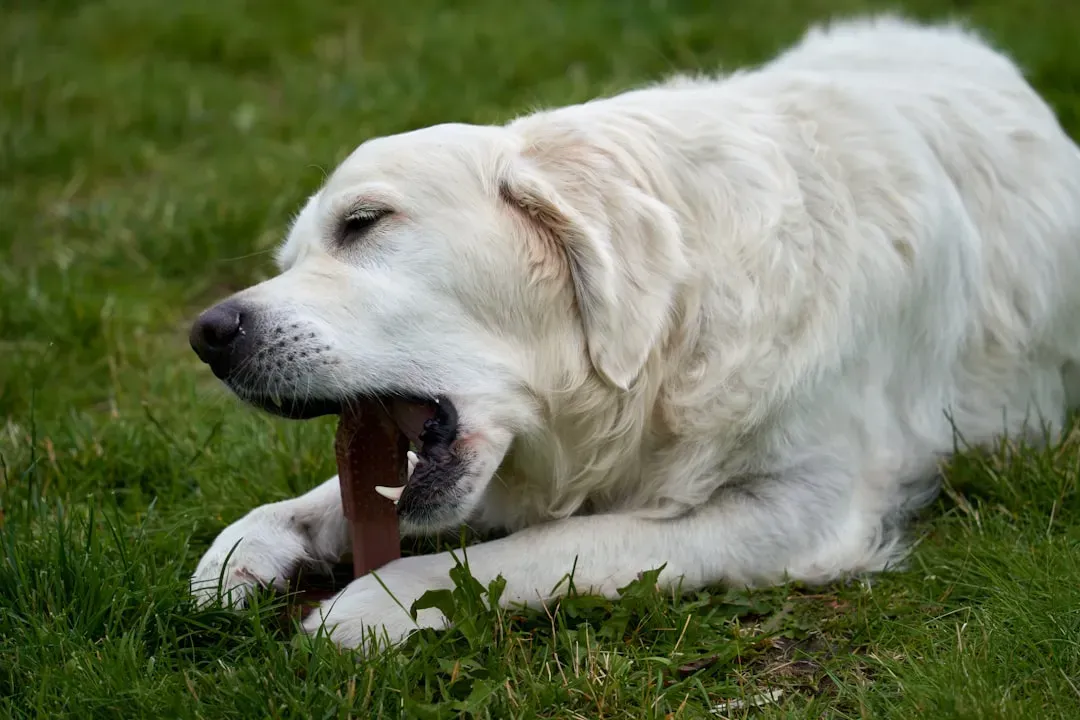
Golden Retrievers were bred to retrieve waterfowl, so they like to hold things in their mouths – and as a result, many Goldens also love to chew. They like to be kept busy, so if they don’t have enough chew toys or aren’t trained properly, they may become destructive and chew on shoes, remotes, or anything else they can get hold of. It’s genuinely hard to be mad at a Golden. They just look so sorry about it.
Bred to be a working retriever, the Golden is a breed with a desire to do a job and be active – and a propensity to chew on whatever’s handy if he becomes bored. Using positive reinforcement to direct him to appropriate chew toys from an early age helps curb destructive behavior. Start early, stay consistent, and rotate their toy stash regularly to keep things exciting.
5. Border Collie: The Brainy Biter

Border Collies are widely recognized as the most intelligent dog breed, and with that brilliance comes a need for constant engagement. If a Border Collie isn’t given enough mental and physical stimulation, they’ll often direct their energy into chewing – their sharp minds crave challenges, and when those needs aren’t met, they’ll find their own entertainment, often at the expense of your belongings.
With lots of energy and a keen intellect, Border Collies can get bored easily and become restless – and when they get bored, they start finding things to keep them busy, like finding out what the inside of the couch looks like. To keep them from destroying your furniture, engaging them in creative activities like flyball or agility courses is recommended. Think of it as giving a genius student a proper curriculum instead of letting them run loose in the library.
6. Australian Shepherd: The Anxious Overachiever

Australian Shepherds are prone to destructive chewing – they’re natural high-fliers, high-energy workaholics, and if they don’t have the opportunity to make the most of those traits, they’ll seek alternative habits to satisfy them. These intelligent dogs are also one of the breeds most likely to suffer from separation anxiety, and some resort to gnawing through furniture in protest.
Dogs that are in a state of conflict, arousal, or anxiety, such as separation anxiety, may turn to chewing and other forms of destructiveness as an outlet. Aussies need both a physical outlet and a mental one every single day. If your Aussie is chewing the baseboards, it’s less about bad behavior and more about a very smart dog running out of runway.
7. Boxer: The Bored Powerhouse

As an active breed, Boxers have a low boredom threshold, which makes them more likely to help themselves to what they may view as a perfect chew toy. And given their muscular jaws and sheer enthusiasm, the damage they do can be impressive – in the most unfortunate way. Your coffee table legs are no match for a bored Boxer on a slow Tuesday.
Boxers, which require lots of exercise, can be destructive to owners’ homes, with a notably high average damage cost per year. Boxers enjoy interactive play, which can serve as a good outlet for their energy – and regular exercise combined with structured playtime is vital. Training sessions that challenge their minds can further help in minimizing destructive chewing behaviors. A tired Boxer is a calm Boxer. Simple as that.
8. Weimaraner: The Stylish Wrecker

Weimaraners are known for chewing on – and sometimes eating – things that aren’t food or toys. Puppies are especially likely to cause destruction around the home, so providing proper exercise, mental stimulation, and training is essential. Like most hunting dogs, they like to be kept busy as much as possible.
Weimaraner dogs are rated as one of the most destructive dog breeds you can own. It’s hard to say for sure whether it’s their size, their intelligence, or their sheer stubbornness – probably all three. These gorgeous silver-gray dogs are wonderful companions, but they need a committed owner who treats exercise like a non-negotiable daily appointment, not an occasional luxury.
9. German Shepherd: The Intense Worker
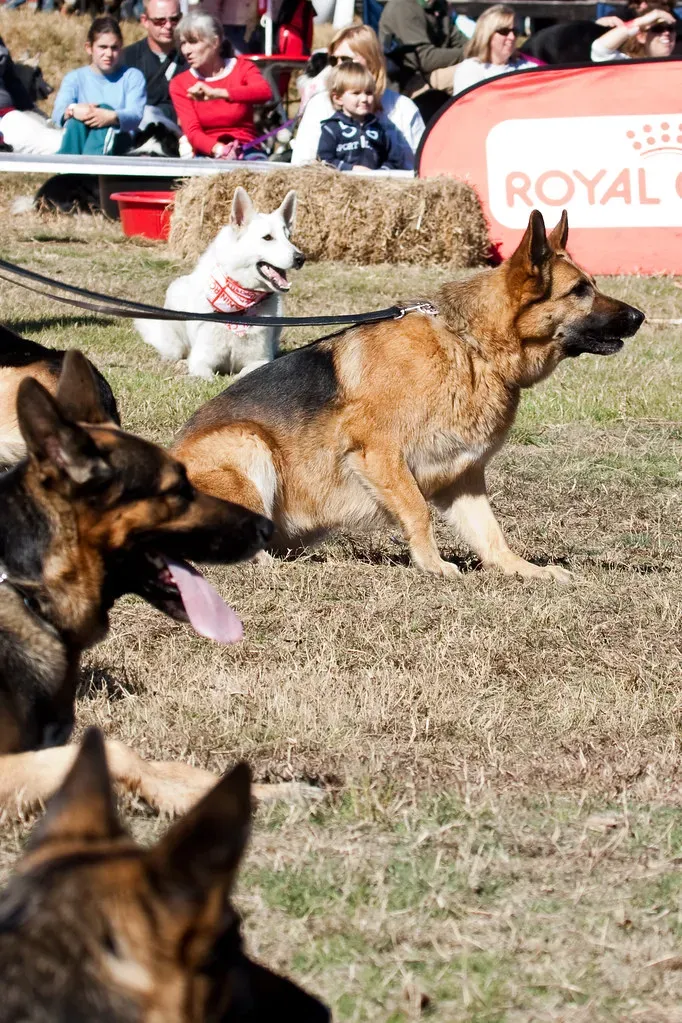
German Shepherds excel in roles as police, service, and family dogs, but they can also be notorious chewers – especially during their puppy phase. They need plenty of stimulation and exercise; otherwise, their boredom or anxiety may lead to destructive chewing. Here’s the thing – a German Shepherd’s mind is always switched on. Leave it without a task and it writes its own job description, usually involving your furniture.
Providing German Shepherds with structured activities, training, and tough chew toys is essential. They love having tasks to do and thrive when they feel useful. When their needs are met, they’re wonderful, devoted companions – but if left alone with nothing to do, even the most well-trained Shepherd might make a meal out of your favorite shoes or chair leg. Early training and consistent enrichment are your best tools here.
10. Chihuahua: The Tiny Terror

Chihuahuas are prone to boredom, separation anxiety, and nervousness – and this leads them to chew objects to help alleviate these feelings. Don’t let their size fool you. A determined Chihuahua can do surprising damage to soft furnishings, cables, and shoes. They are, without question, punching well above their weight class.
Despite their small size, Chihuahuas have a strong desire to chew – this breed is known for its alertness and spunky personality, and offering chew toys suited to their small mouths is essential. They can be particularly fond of soft toys or rubber chews that are easy to manage. Early training and socialization can help alleviate excessive chewing, and encouraging playtime with a variety of toys keeps their curious minds occupied and reduces destructive behavior.
Furniture-Friendly Picks: Calmer Breeds Worth Considering
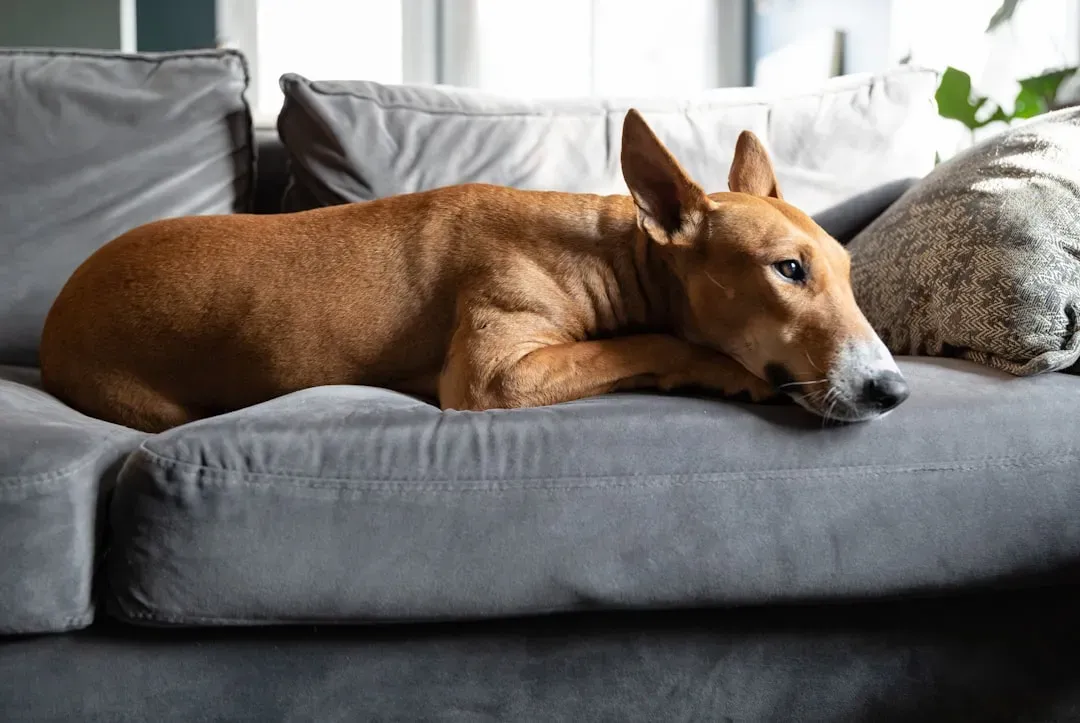
Not every dog will turn your home into a demolition site. Let’s be real – breed tendencies matter, especially if you’re a first-time owner or you spend long hours away from home. Calmer, lower-energy breeds with less of an oral fixation tend to coexist peacefully with your belongings.
Greyhounds, despite their racing history, are surprisingly gentle and calm indoors – greyhounds and sighthound types tend not to be chewers in the same way that Labs and other mouthy breeds are. The Shih Tzu is another great pick. The Shih Tzu is an outgoing pup that does well with children and families and doesn’t need a lot of exercise – a short walk or two will do, and they do well with apartment living and first-time owners. The Basset Hound, Maltese, and Cavalier King Charles Spaniel are also widely regarded as low-destruction companions that are content with moderate activity, lots of cuddles, and a good nap.
Universal Tips to Protect Your Furniture – Regardless of Breed

Bored dogs tend to look for ways to entertain themselves, and chewing is one option – so to prevent destructive chewing, be sure to provide plenty of ways for your dog to exercise both mind and body. Think of enrichment as a daily prescription, not a special occasion. A mentally tired dog is far less likely to redecorate your living room.
A practical first step is to limit access and offer clear, attractive alternatives – block rooms with high-value furniture pieces and put shoes, cords, and remotes out of reach. This reduces damage while you teach better habits. Chewing is normal – redirect rather than punish for better results. Bitter apple sprays on furniture legs, rotating toy selections, and puzzle feeders are all simple, effective tools that really do work over time.
Conclusion: Love Your Chewer, Protect Your Home
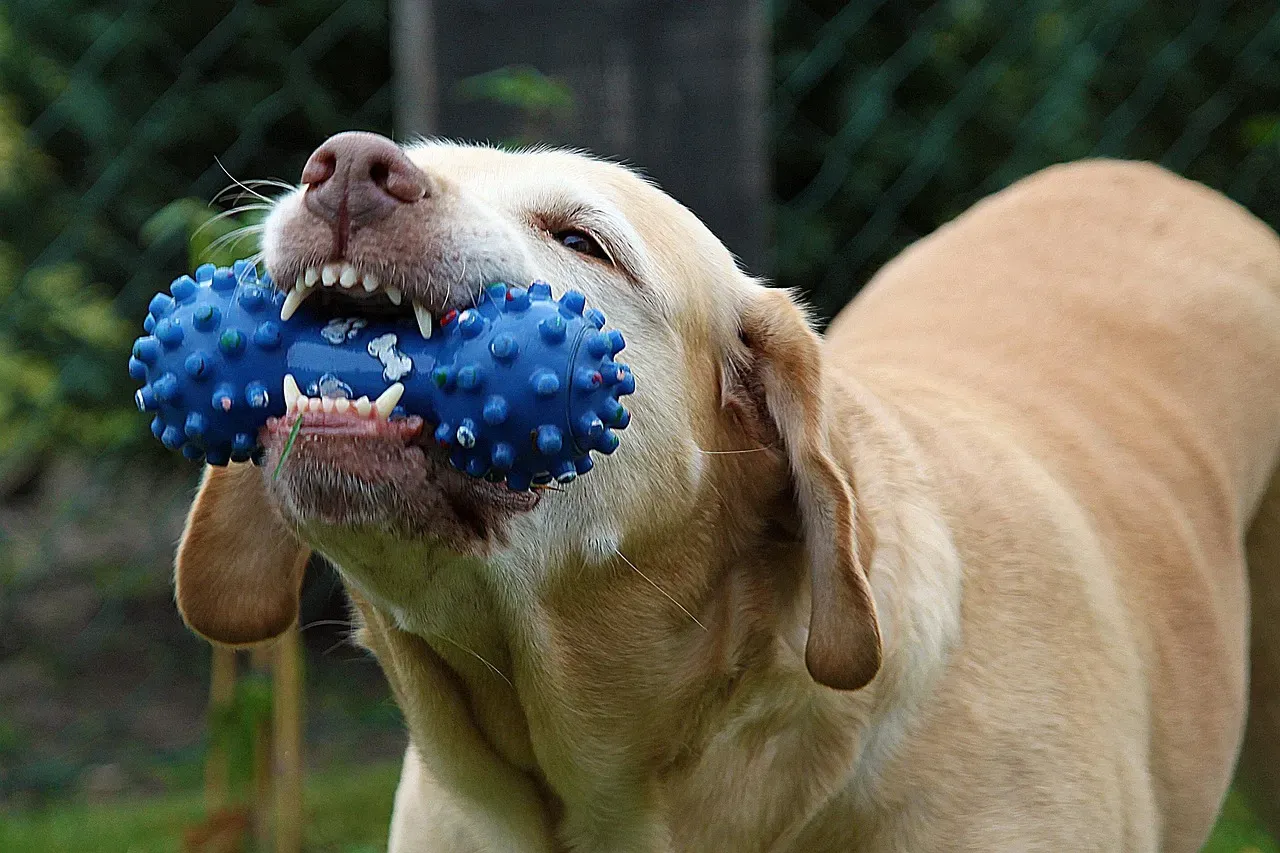
Dealing with a super chewer can be frustrating, but it doesn’t mean your dog is “bad.” With the right toys, training, and plenty of exercise, even the most determined chewers can learn better habits – it’s all about understanding their needs and channeling that energy in the right direction. Your dog isn’t trying to ruin your life. They’re telling you something.
Whether you have a chew-happy Lab, a velcro-anxious Aussie, or a tiny Chihuahua with an attitude the size of a Great Dane, the solution is almost always the same: more connection, more stimulation, and more understanding. Chewing can mean many things for a dog – from simple play to a sign of discomfort or stress. Your job is to figure out which one it is. The worn chair leg? That’s just a message waiting to be decoded.
So, does knowing your dog’s breed tendency change how you’ll approach their chewing habit? Tell us in the comments – we’d love to hear your story.


