Every dog owner has been there. You’re standing in your living room with treats in hand, repeating the same command for the fifteenth time, and your beloved pup looks at you like you’re speaking a foreign language. Or maybe you’ve experienced the opposite: you teach your dog to sit exactly once, and suddenly they’re performing like a seasoned professional. The truth is, some dogs seem hardwired to please, while others march to the beat of their own drum.
Understanding which breeds tend to learn quickly and which ones require a bit more dedication can make all the difference in your training journey. It’s not about intelligence, honestly. Many of the most stubborn dogs are actually brilliant problem solvers. They just happen to have their own ideas about what’s worth doing. Let’s explore the breeds that make training feel like a breeze and those that remind us patience is truly a virtue.
1. Labrador Retriever: The People Pleaser Extraordinaire
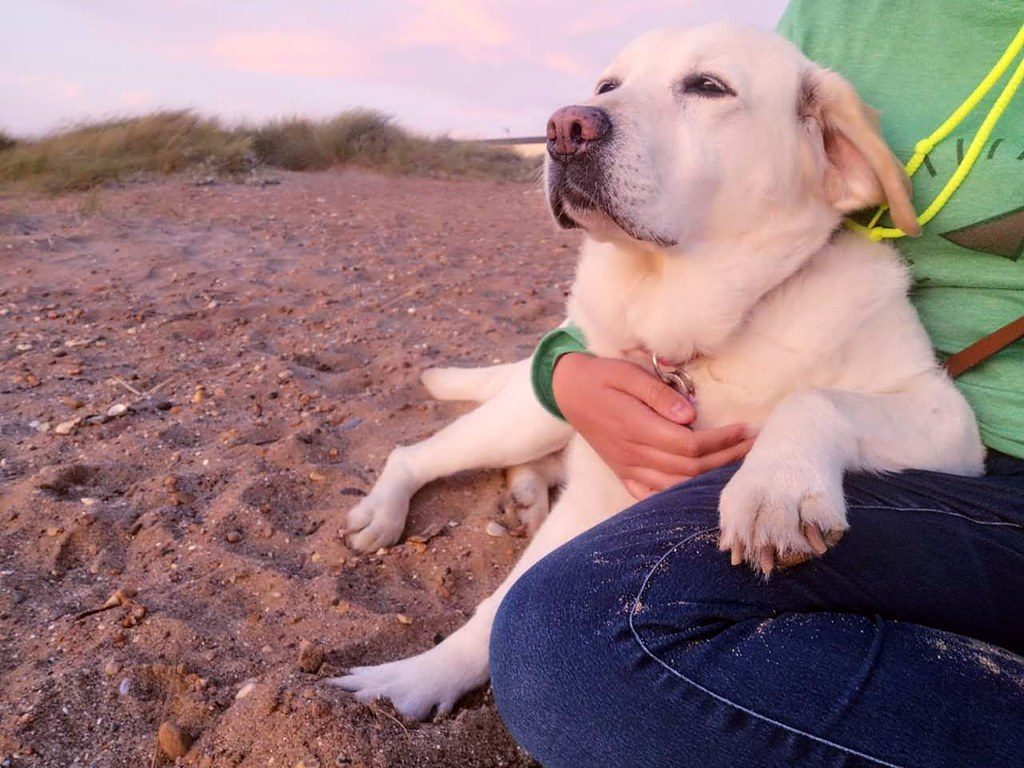
Labrador Retrievers are often a go-to choice for first-time dog owners because of their friendly nature and eagerness to learn. These gorgeous dogs genuinely seem to live for your approval. When you praise a Lab, their whole body wiggles with joy.
What makes them so trainable goes beyond just smarts. Their intelligence, coupled with their love for people, makes them perfect candidates for service work and family life alike. They’re food motivated, affectionate, and incredibly forgiving of training mistakes. Picture a dog who wants nothing more than to understand what you’re asking and then do it perfectly.
2. Border Collie: The Canine Einstein
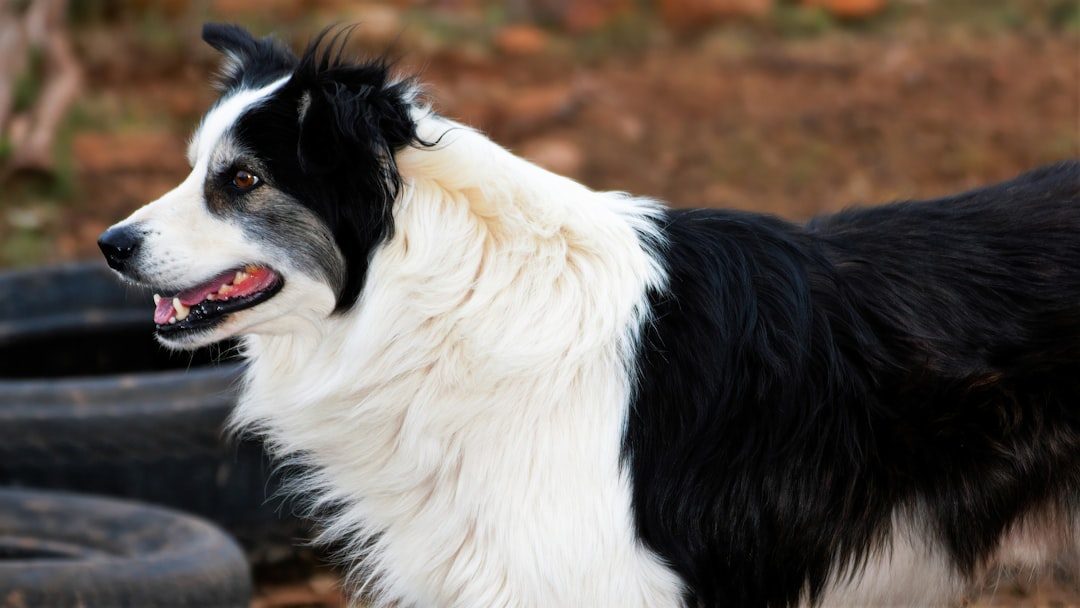
The Border Collie is universally recognized for being the easiest dog to train with outstanding intelligence. I’ve watched these dogs in action, and it’s almost unsettling how quickly they pick things up. They seem to anticipate your next move before you even think it.
Known for their remarkable intelligence and high energy levels, Border Collies thrive when given jobs to do. Originally bred for herding, they have a strong work drive and love learning new commands. Here’s the thing, though: this brilliance comes with responsibility. An understimulated Border Collie can become destructive faster than you can say “fetch.” They need constant mental challenges, or they’ll create their own entertainment, which rarely ends well for your furniture.
3. Golden Retriever: The Gentle Student
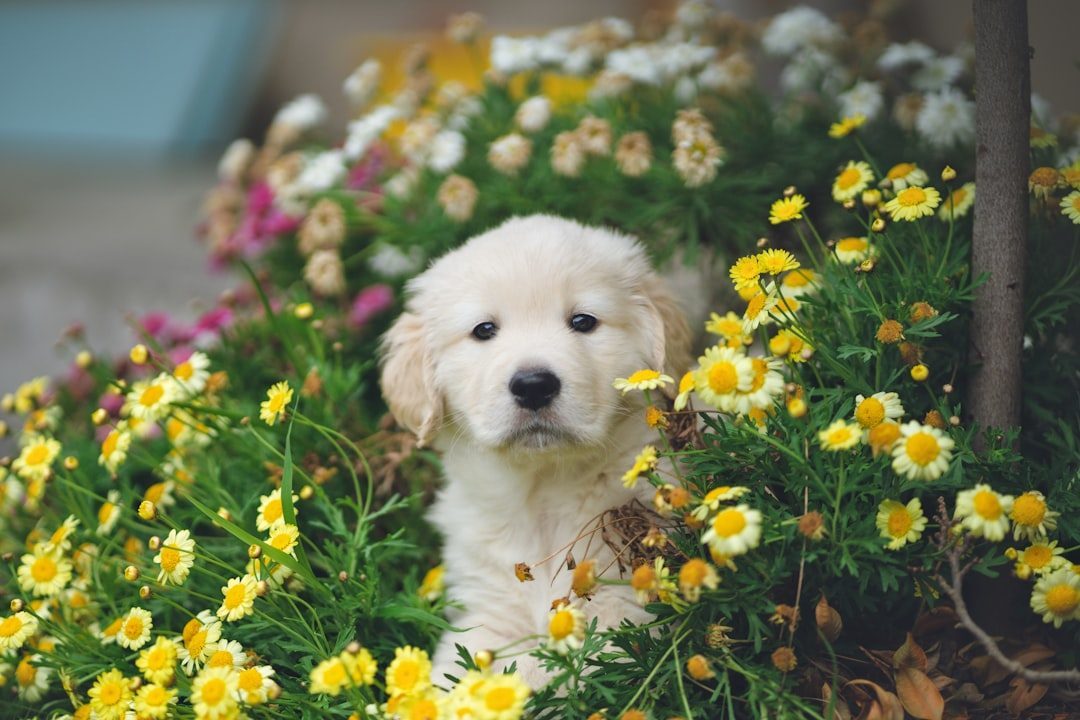
If there were a consensus to be taken, the one dog breed that would appear on every list of ‘Easiest Dog for Beginners’ is Golden Retriever. They are one of the most popular dog breeds, not just in the US but the world. There’s something magical about their temperament that just works.
They’re patient with children, tolerant of training fumbles, and genuinely enthusiastic about learning. Consistently near the top of the most popular breeds list, this beautiful and friendly dog is also very trainable and eager to please. Golden Retrievers can be silly and fun, but don’t underestimate their brainpower. Their versatility is remarkable – from therapy work to search and rescue, these dogs adapt beautifully.
4. Poodle: Brains Behind the Fancy Haircut
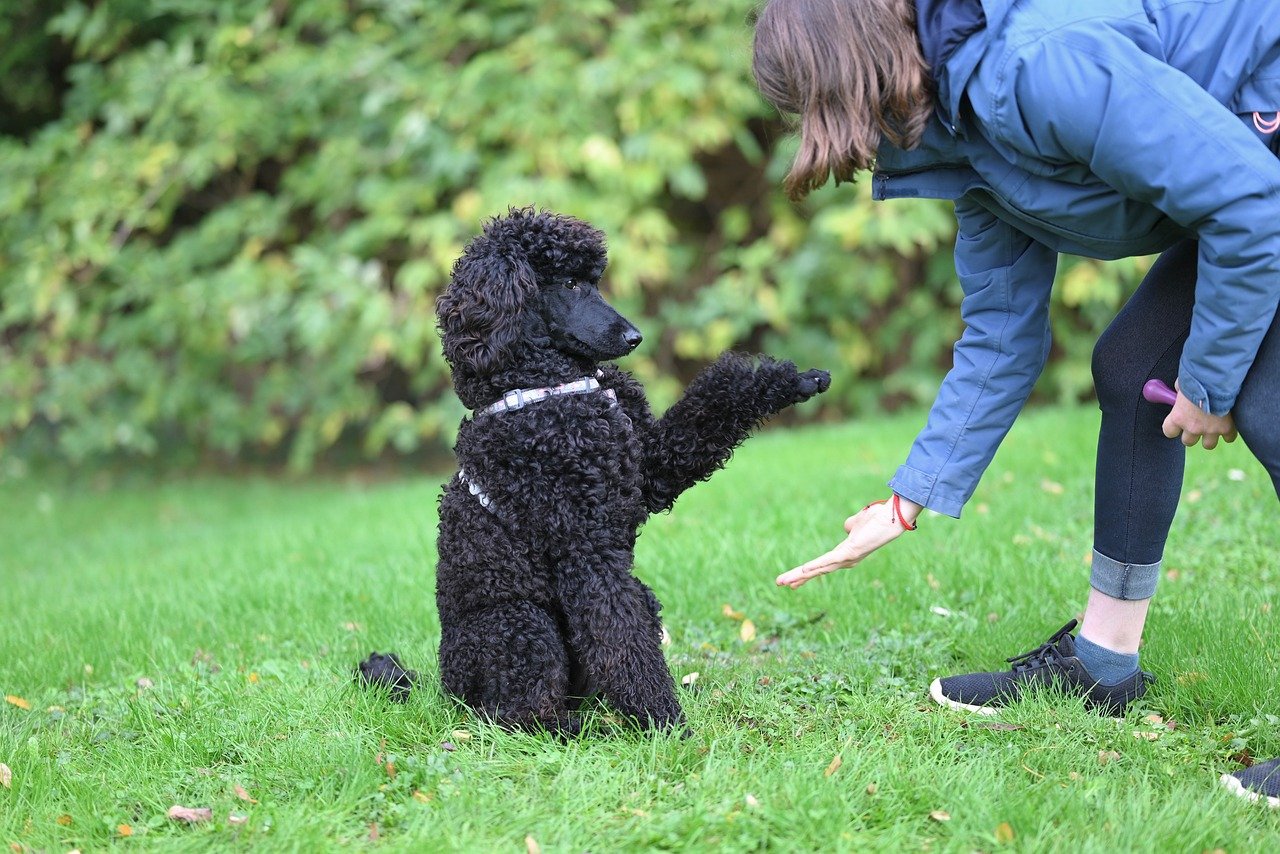
Don’t let the elaborate grooming fool you into thinking Poodles are just pretty faces. Poodles, regardless of size, are intelligent and highly trainable. They have both the smarts and the focus to master various activities, from obedience and agility to water sports. Poodles are eager to please and respond well to consistent, positive training techniques.
What really sets them apart is their sensitivity. These dogs can read your mood like an open book. If you’re frustrated, they know it. If you’re delighted with their progress, they absolutely glow. This emotional intelligence makes training sessions feel more like a conversation than a lesson.
5. German Shepherd: The Loyal Protector Who Lives to Learn
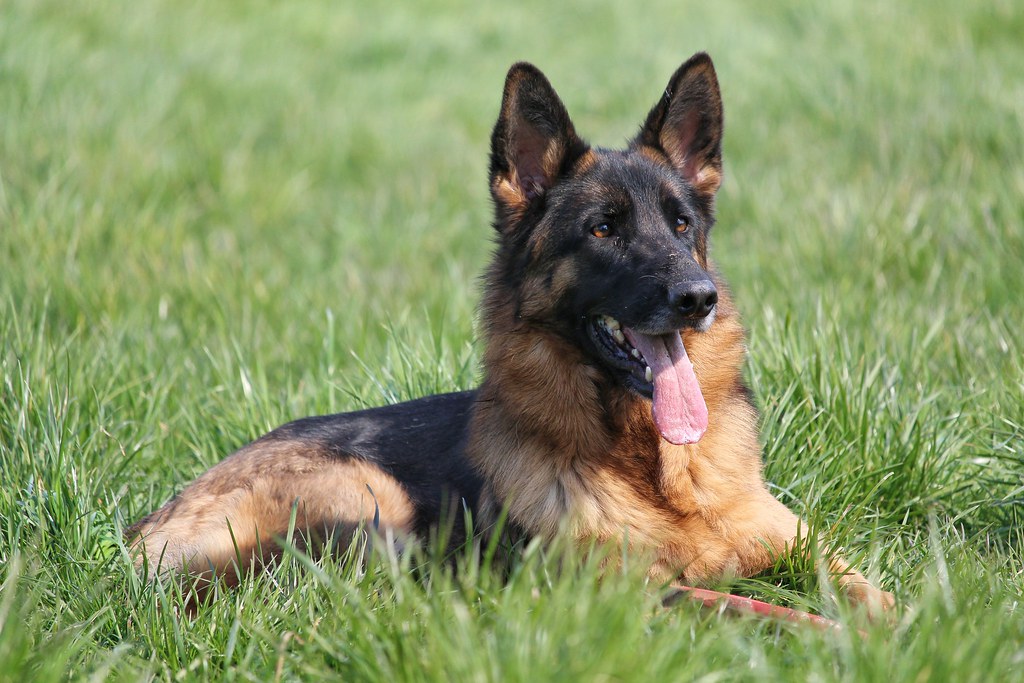
Guide dogs for the blind, service dogs, watchdogs and herding dogs often have one thing in common: They’re German shepherd dogs. These are some of the easiest dogs to train for work and family life. Their reputation speaks volumes.
The German Shepherd’s trainability comes from their intense desire to work alongside humans. The German Shepherd Dog is a tireless worker and wants nothing more than to please their handlers. Early socialization matters tremendously with this breed, though. Their protective instincts are strong, so teaching them to distinguish between actual threats and normal situations is crucial.
6. Shetland Sheepdog: The Small Package of Brilliance
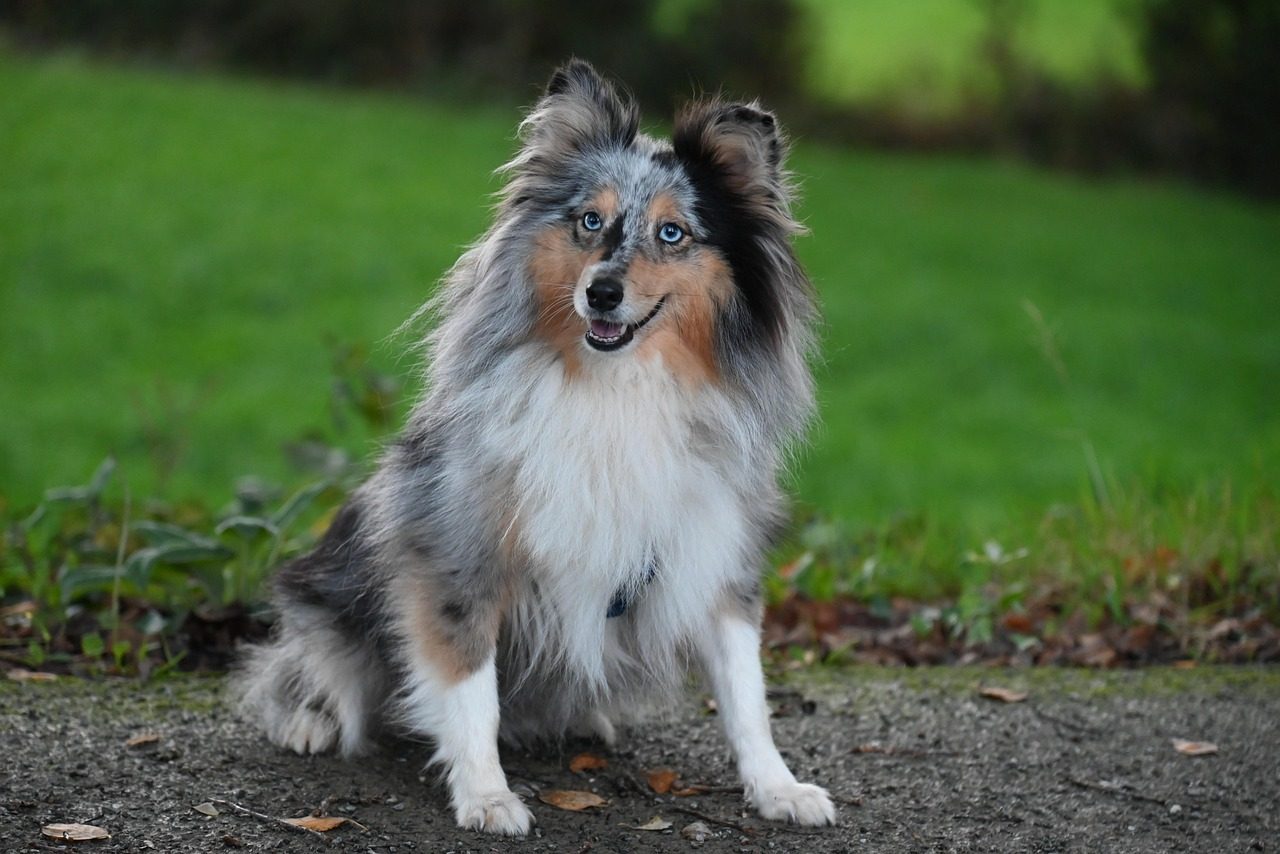
Shelties are often overlooked, which is a shame because they’re absolute training superstars. This gorgeous herding breed is playful, affectionate with family, and loves to learn new behaviors. Shetland Sheepdogs make excellent competitors in dog sports such as agility or obedience.
Their size makes them perfect for apartment living, but their herding background means they need mental stimulation. They’re incredibly attentive to your body language and voice tone. Sometimes it feels like they’re reading your mind rather than responding to commands.
7. Pembroke Welsh Corgi: The Charismatic Achiever
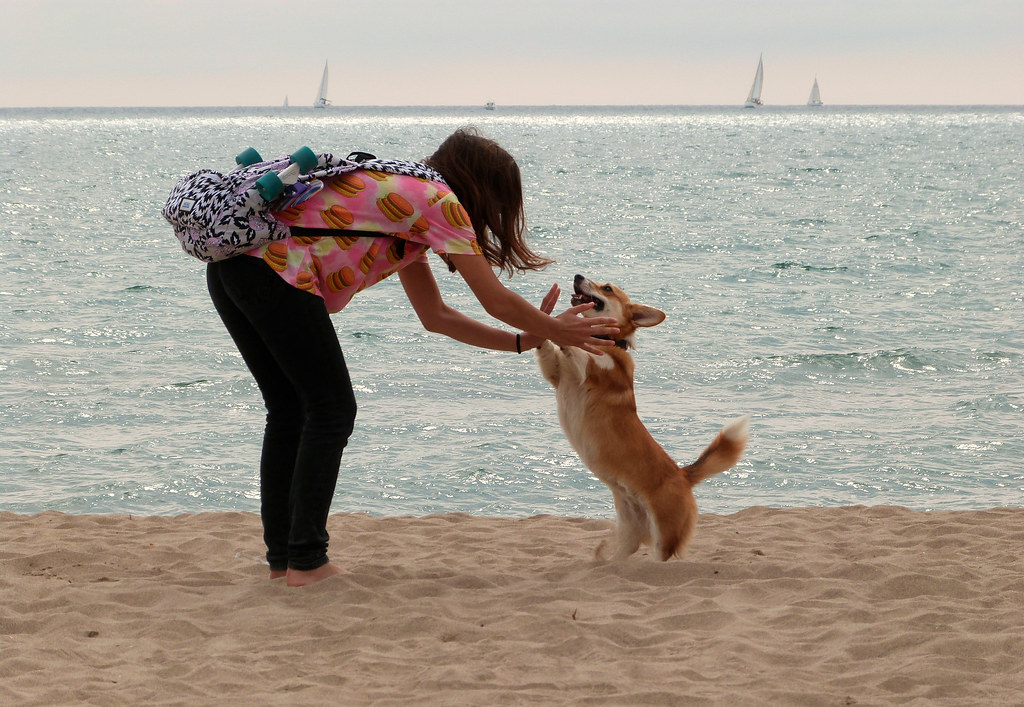
Cardigans are also larger than their cousins, usually outweighing them by 8 or so pounds, but both breeds “love learning new cues.” These cute pups are smart, food-motivated, and bred to work closely with people. Corgis excel in obedience as well as agility and make super cute swimmers.
Those short legs don’t slow them down one bit when it comes to training. Corgis are wonderfully responsive, especially when treats are involved. Their herding instinct might make them a bit bossy with other pets, but their eagerness to learn makes addressing this behavior relatively straightforward.
8. Australian Shepherd: The Energetic Overachiever
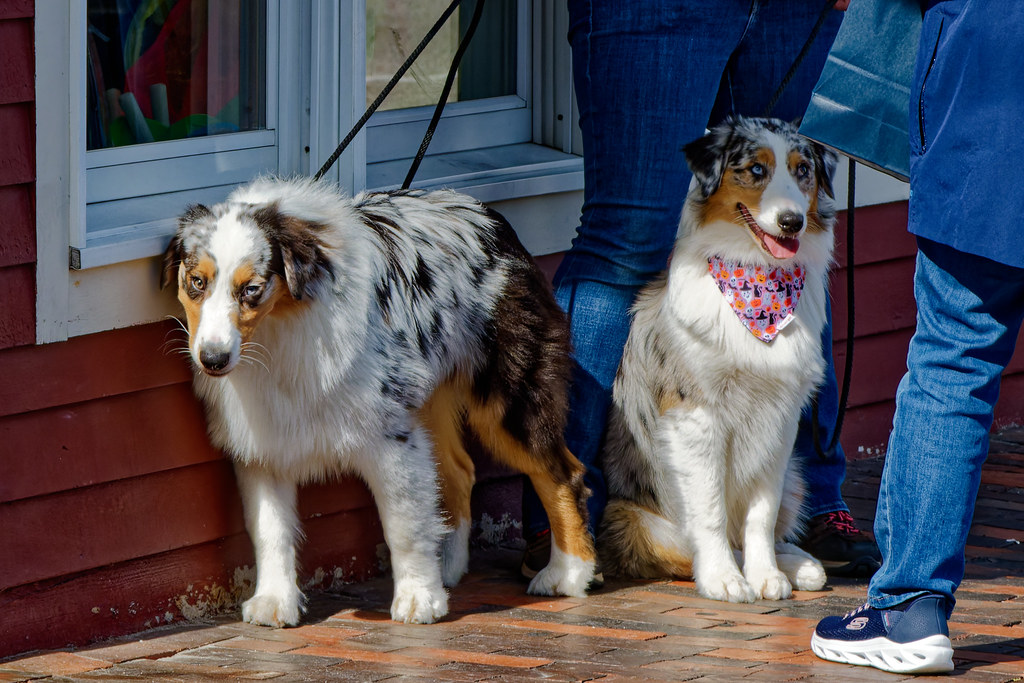
Australian Shepherds are hardworking dogs with a strong drive to learn. Bred for herding, they are great problem-solvers who need mental and physical stimulation. Positive reinforcement helps them excel in learning new commands, and their ability to tackle complex tasks makes them a joy to train for active owners.
Let’s be real – these dogs are not for couch potatoes. They require owners who can match their energy and provide constant challenges. However, if you’re active and engaged, training an Aussie feels effortless. They anticipate commands and seem to genuinely enjoy the process of learning.
9. Papillon: The Tiny Dog with a Giant Brain
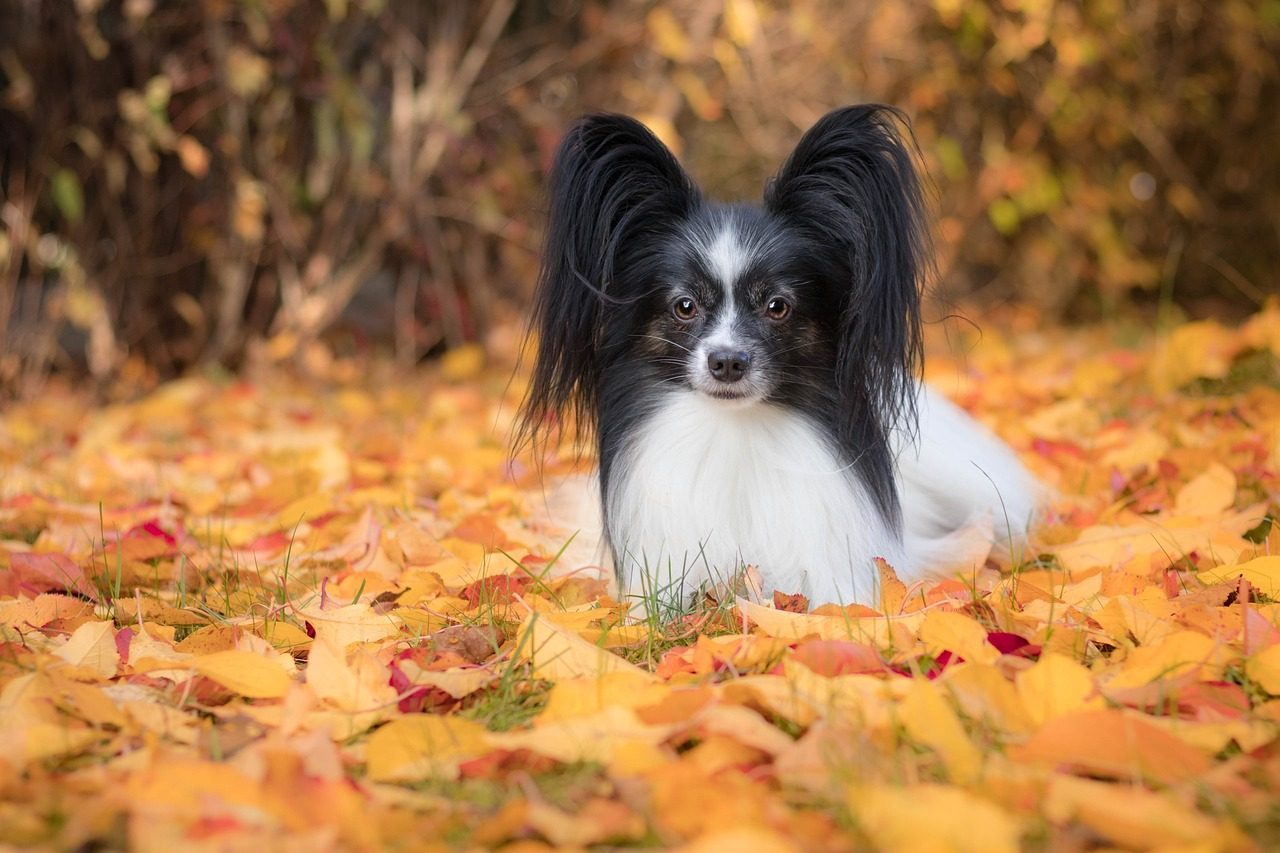
If you are looking for a smaller breed of dog that is easy to train, then the Papillon could be for you – they have quick minds and actively enjoy learning new things. Their butterfly ears aren’t just adorable; they seem to help them hear praise from miles away.
Named for their butterfly-like ears, this alert toy breed is eager to please their owners. Papillons are curious, quick studies, and enjoy learning new things. Don’t underestimate them because of their size. These little dogs compete successfully in agility and obedience competitions, often outperforming much larger breeds.
10. Doberman Pinscher: The Focused Guardian
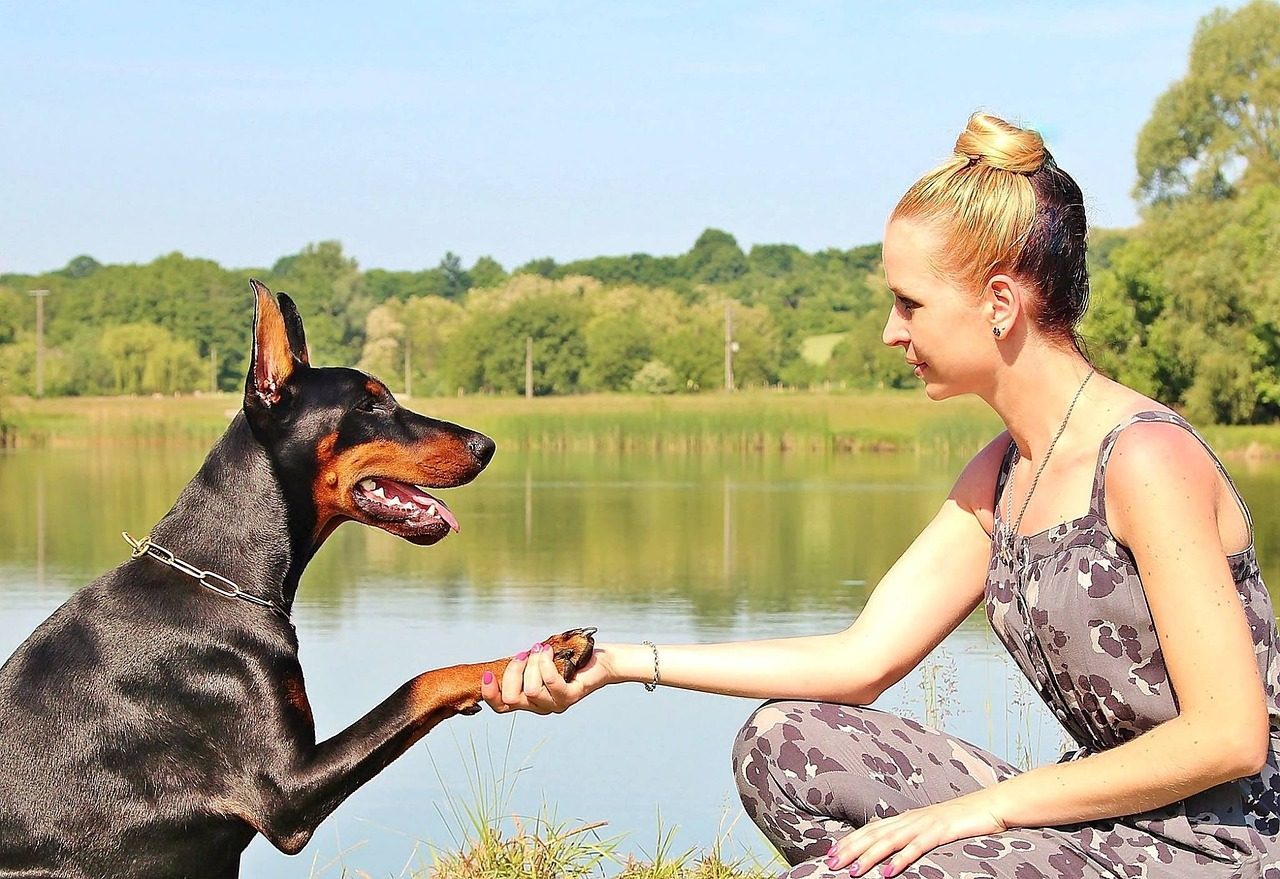
Another common police and military breed, the commanding Doberman Pinscher is a fearless and loyal companion. They are enthusiastic workers and are renowned for their ability to learn and retain their training. Their reputation as guard dogs sometimes overshadows their trainability, which is unfortunate.
Dobermans bond intensely with their families and channel that devotion into learning. They’re sensitive despite their imposing appearance, responding beautifully to positive reinforcement. Consistency is key with this breed, as they remember everything – both the good habits and any inconsistencies in your training approach.
11. Afghan Hound: The Beautiful Independent Spirit
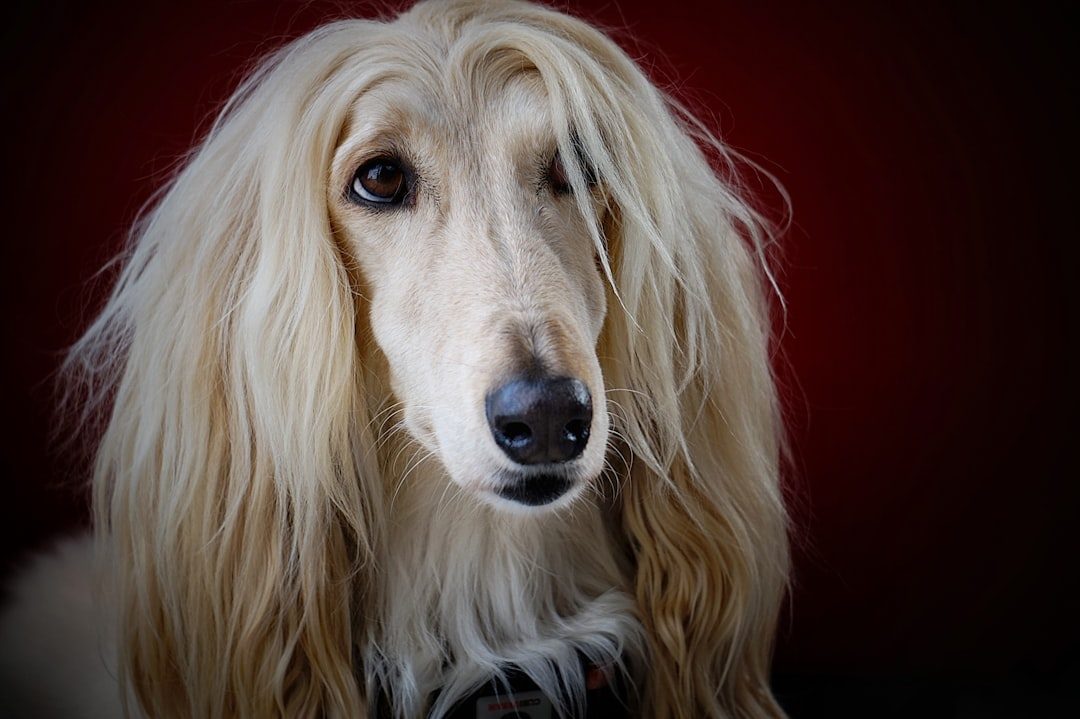
Now we shift gears to the dogs who require extraordinary patience. Dignified and sophisticated, a strong stature, elegant in looks – Afghan hounds are an ancient breed that are the “royals” of the dog world. While they have a noble heart and will serve their kingdom (aka you and your home) with utmost loyalty, they are renowned for having a will of their own. They are individualistic to the point of stubbornness, and at times they can be extremely aloof, making it hard to grasp and maintain their attention.
Training an Afghan Hound feels like negotiating with a particularly elegant diplomat. They’ll hear your command, consider it, and decide whether it aligns with their current interests. Another reason why the Afghan hound isn’t the easiest to train is because of their high prey drive. Although not impossible, it’s extremely difficult to train them out of their desire to chase.
12. Siberian Husky: The Gorgeous Escape Artist
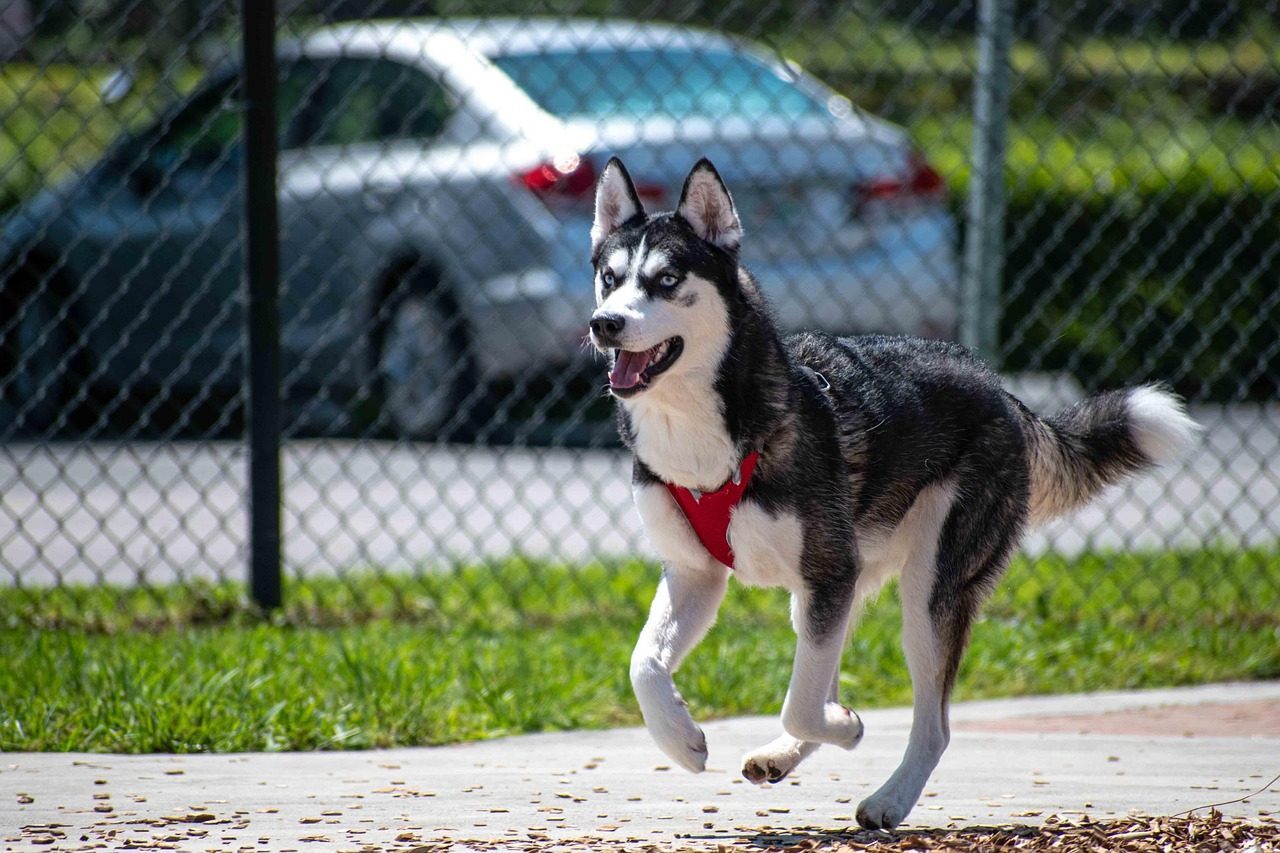
Although they’re one of the goofiest and loveliest dog breeds out there, huskies are an extremely energetic breed that need loads of exercise. They were originally bred to run for miles on end in frozen tundra, and their souls are still born to run – for hours! Their striking appearance draws people in, but their training challenges surprise many new owners.
They were bred to be independent, as this ensured a mushing group of huskies would ignore commands if the terrain was deemed unsafe. However, all these years later, that independence means they have a stubborn streak when it comes to listening to commands. They’re not defiant – they’re just making their own decisions, which rarely coincide with yours.
13. Beagle: The Nose That Rules Everything
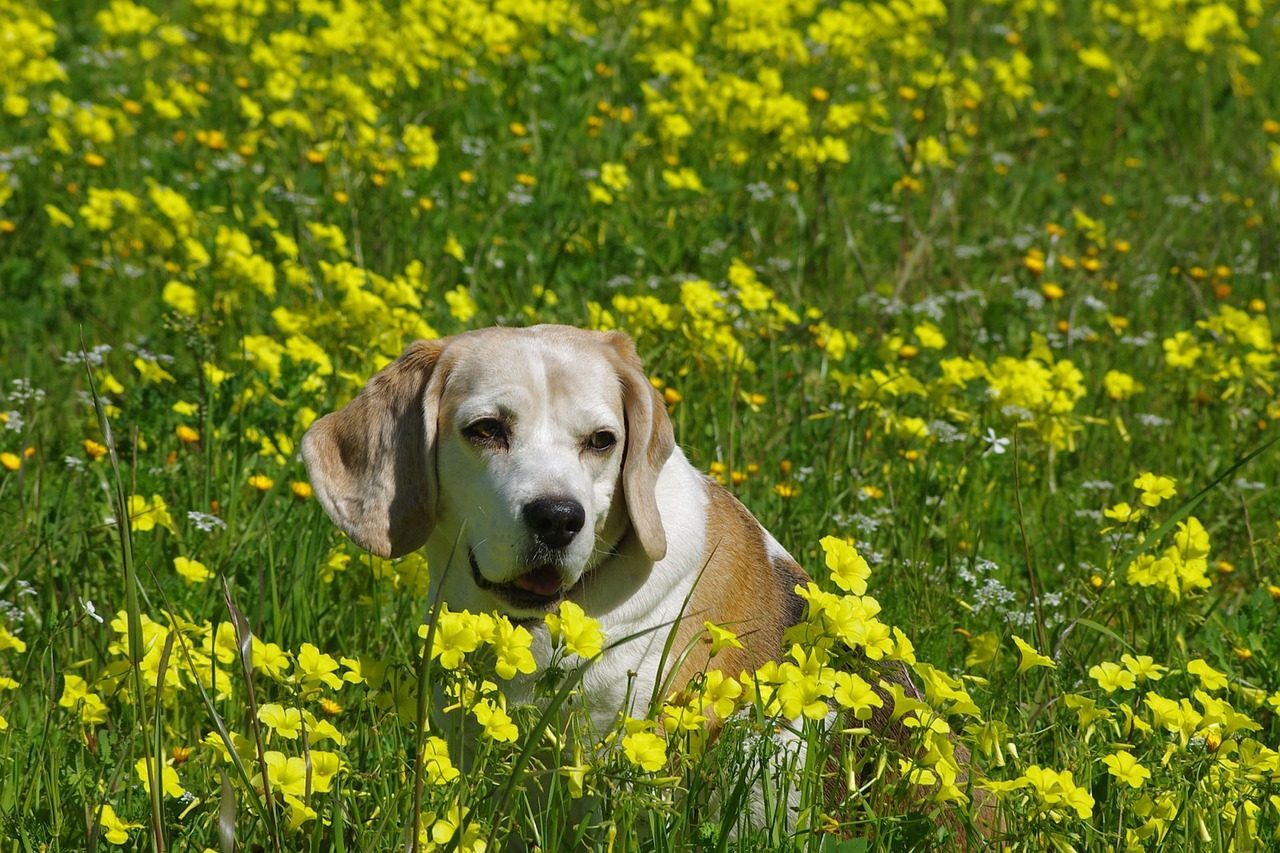
Beagle has a nose for everything – literally. This breed’s exceptional sense of smell often leads them to be easily distracted by scents, making training a challenge. You can be mid-command, and suddenly your Beagle has picked up the scent of something three blocks away.
Their determination is admirable, honestly. Most Beagles have high amounts of energy, which is why they are hard to train. They are independent and take longer to get used to commands, but with consistent training and a lot of patience, training a Beagle is certainly achievable. Food motivation helps tremendously, though you’ll need to compete with every interesting smell in the environment.
14. Basset Hound: The Lovable Couch Negotiator
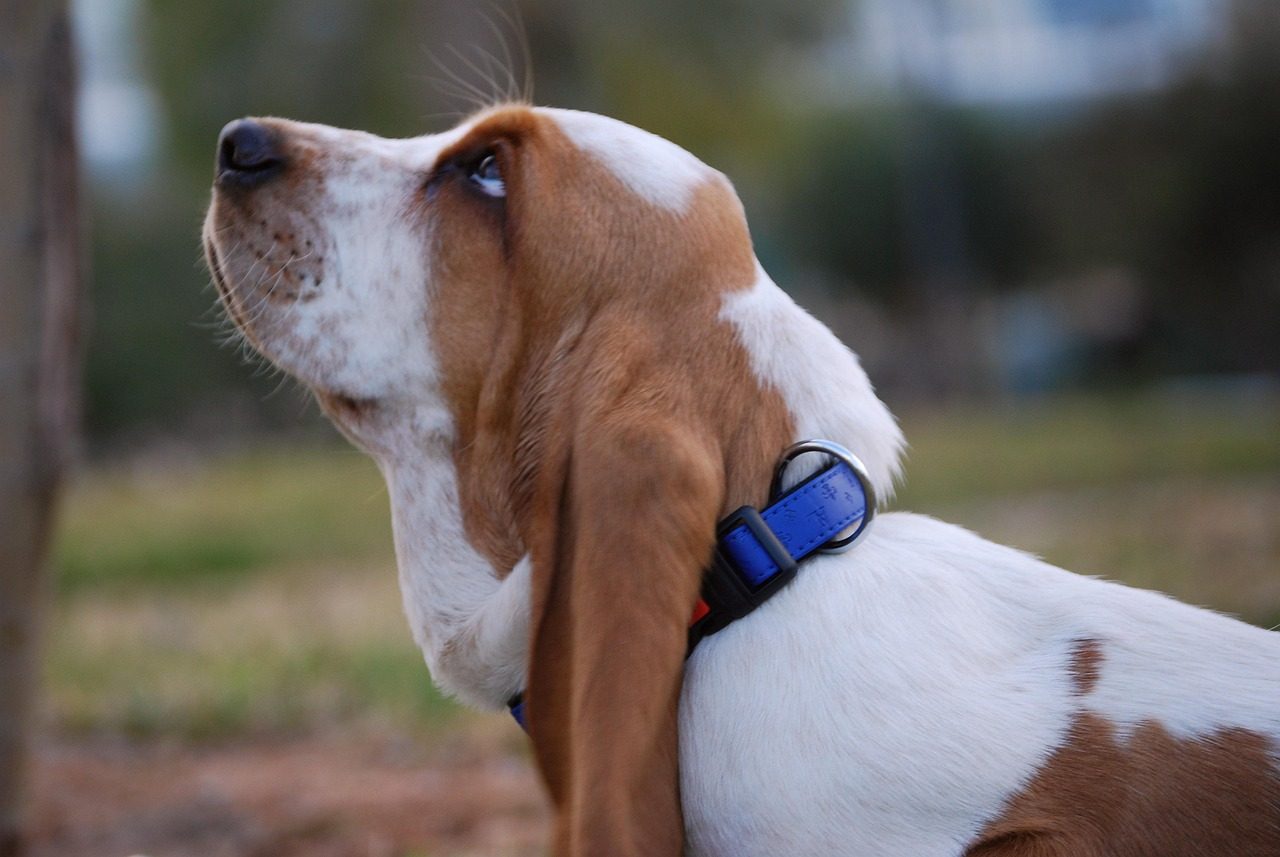
Those droopy eyes and long ears hide a surprisingly stubborn personality. Basset Hounds are adorable but can be stubborn, especially when it comes to housebreaking. Their keen sense of smell often distracts them during training sessions.
Bassets have perfected the art of selective hearing. They’ll respond enthusiastically when it suits them, typically when food is involved. Positive reinforcement and patience are key with this breed. Celebrate even the smallest successes with treats, enthusiastic praise, and playful interactions. This builds trust and motivates them to learn. Thankfully, they are extremely food motivated, so just keep some treats handy during training sessions.
15. Chinese Shar-Pei: The Wrinkled Guardian
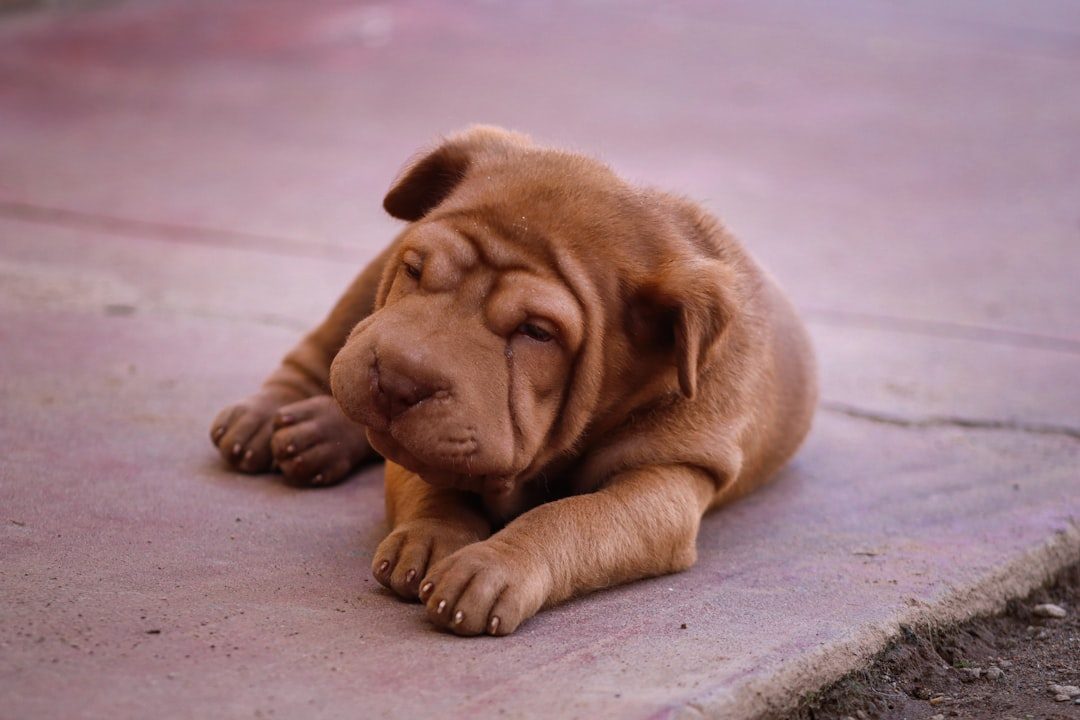
An American Kennel Club expert on the breed has this to say about the Chinese Shar-Pei: “Get a jump-start on basic obedience, and don’t let this dog be the boss!” Shar-Peis are smart and devoted dogs, but their independent thinking and love of doing things at their own pace can make training them a constant battle. They will take on a dominant role if given the opportunity.
Keep in mind Shar-Peis are protective by nature. In the care of an ill-equipped owner, they can become too overprotective, which can lead them to act out aggressively toward strangers. They need a determined owner who has experience dealing with strong-willed pups or is dedicated to learning the ins and outs of how to train and socialize them. Their loyalty is beautiful, but channeling it appropriately requires dedication.
16. Chow Chow: The Dignified Skeptic
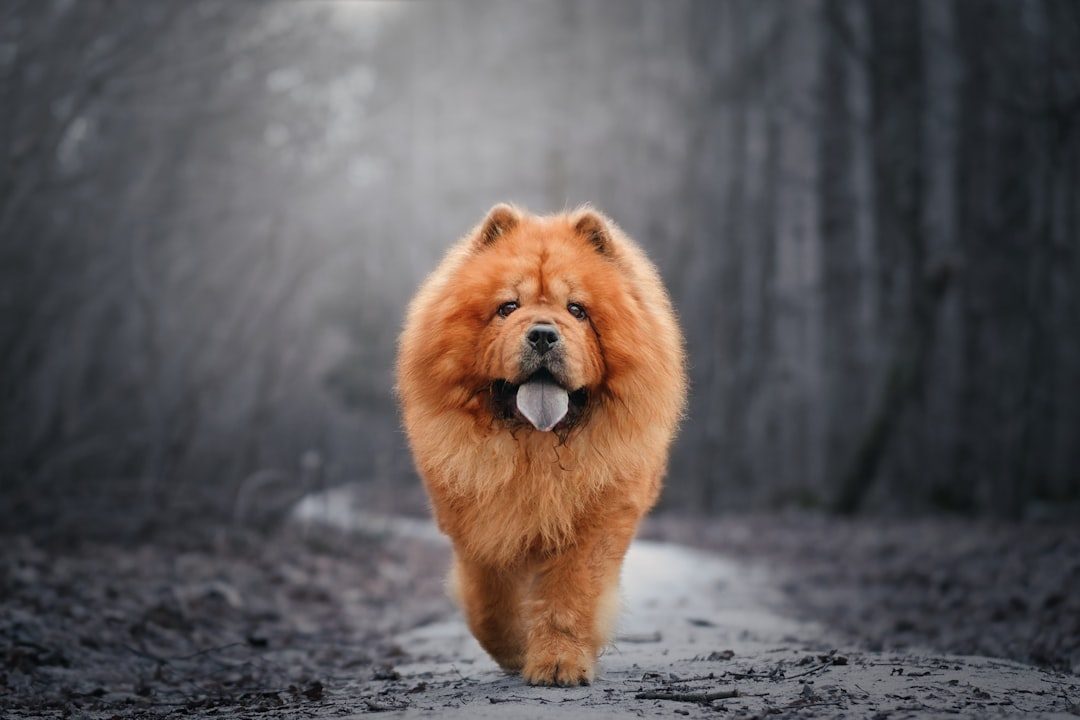
Chow Chows carry themselves with an air that suggests they’re doing you a favor by even acknowledging your existence. With a tendency toward aloofness, these dogs form deep bonds with their families but can be wary of strangers. Without early socialization, they may develop overprotective instincts that make them territorial.
Their cat-like independence makes training sessions interesting, to say the least. They’ll learn commands when they see a good reason to obey them. Patience and consistency matter enormously, as does starting training extremely early in puppyhood.
17. Jack Russell Terrier: The Tiny Tornado
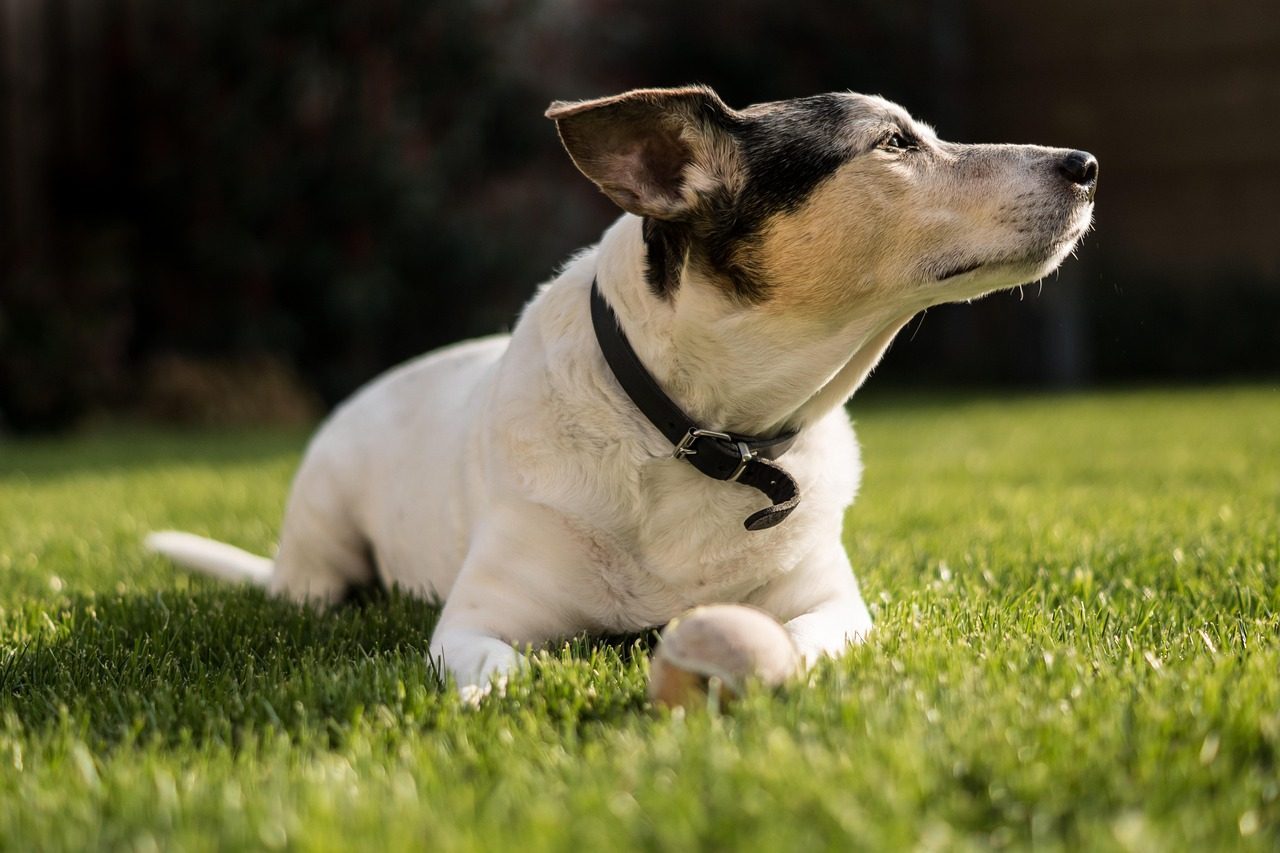
Jack Russell Terriers are lively, intelligent, and highly energetic dogs. They possess a strong prey drive and may exhibit stubborn tendencies. What they lack in size, they make up for in sheer determination and mischief-making ability.
These little dynamos were bred to hunt, which means they’re fearless and incredibly focused when something catches their interest. Consistent, patient training methods that utilize reinforcement and mental stimulation are essential. Regular exercise and engaging activities will help keep them focused and prevent destructive behavior. Without proper outlets, they’ll create their own entertainment, usually involving digging or barking.
18. Bloodhound: The Scent-Obsessed Detective
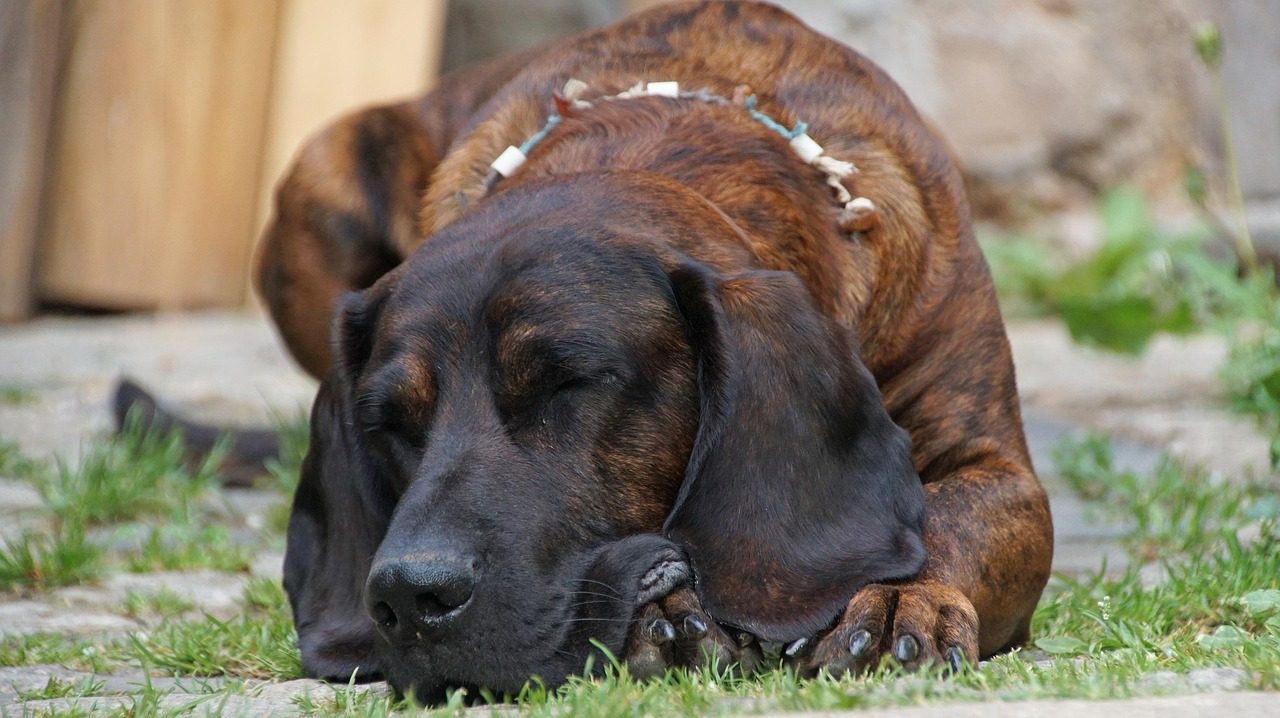
Similar to beagles, bloodhounds are hunting dogs renowned for their exceptional sense of smell. “The bloodhound is law enforcement’s go-to choice to locate fugitives and find missing individuals.” However, their instincts and self-reliance can pose a challenge during training. Bloodhounds are stubborn and easily sidetracked, making standard training techniques less effective.
When a Bloodhound catches a scent, the world around them essentially ceases to exist. You become background noise to the fascinating story their nose is telling them. Training requires understanding this fundamental aspect of their nature rather than fighting against it.
19. English Bulldog: The Adorable Procrastinator
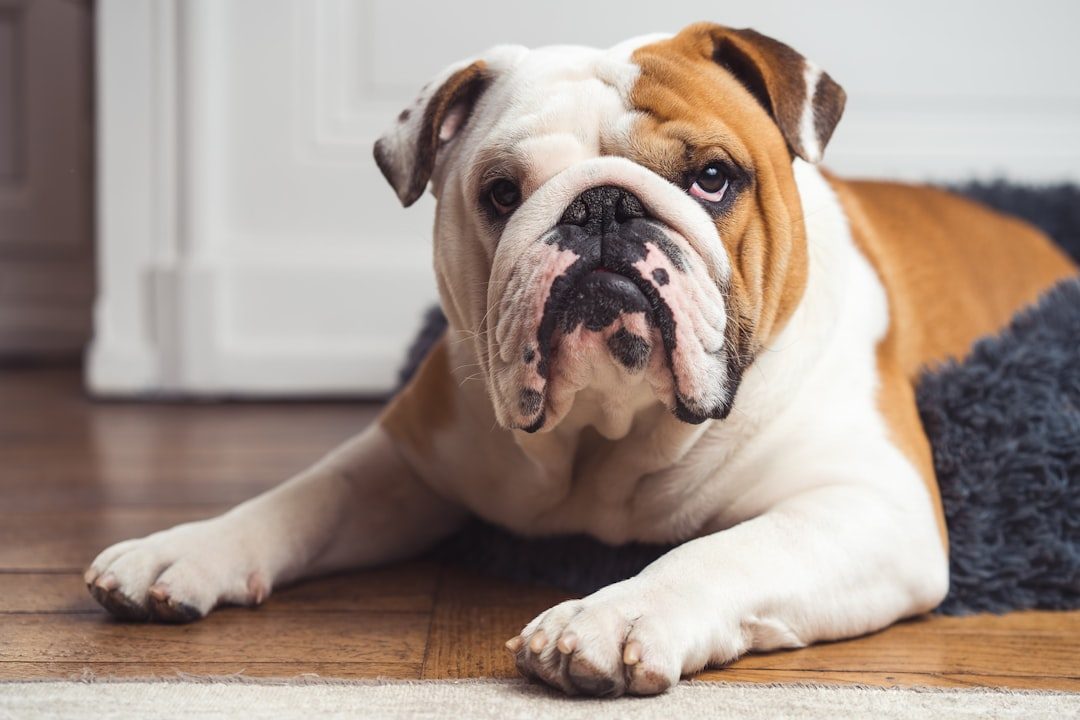
The Bulldog may seem lazy, but don’t mistake that for obedience. These dogs can be willfully slow to respond. Their stubborn dog tendencies are softened by their sweet nature. They’re not being difficult; they’re just considering whether your request is worth the effort.
Bulldogs respond best to short, engaging training sessions that respect their physical limitations and low energy levels. Use treats and short, engaging training sessions. Patience is absolutely essential, as is a good sense of humor about their delightfully obstinate personalities.
20. Basenji: The Cat in a Dog’s Body
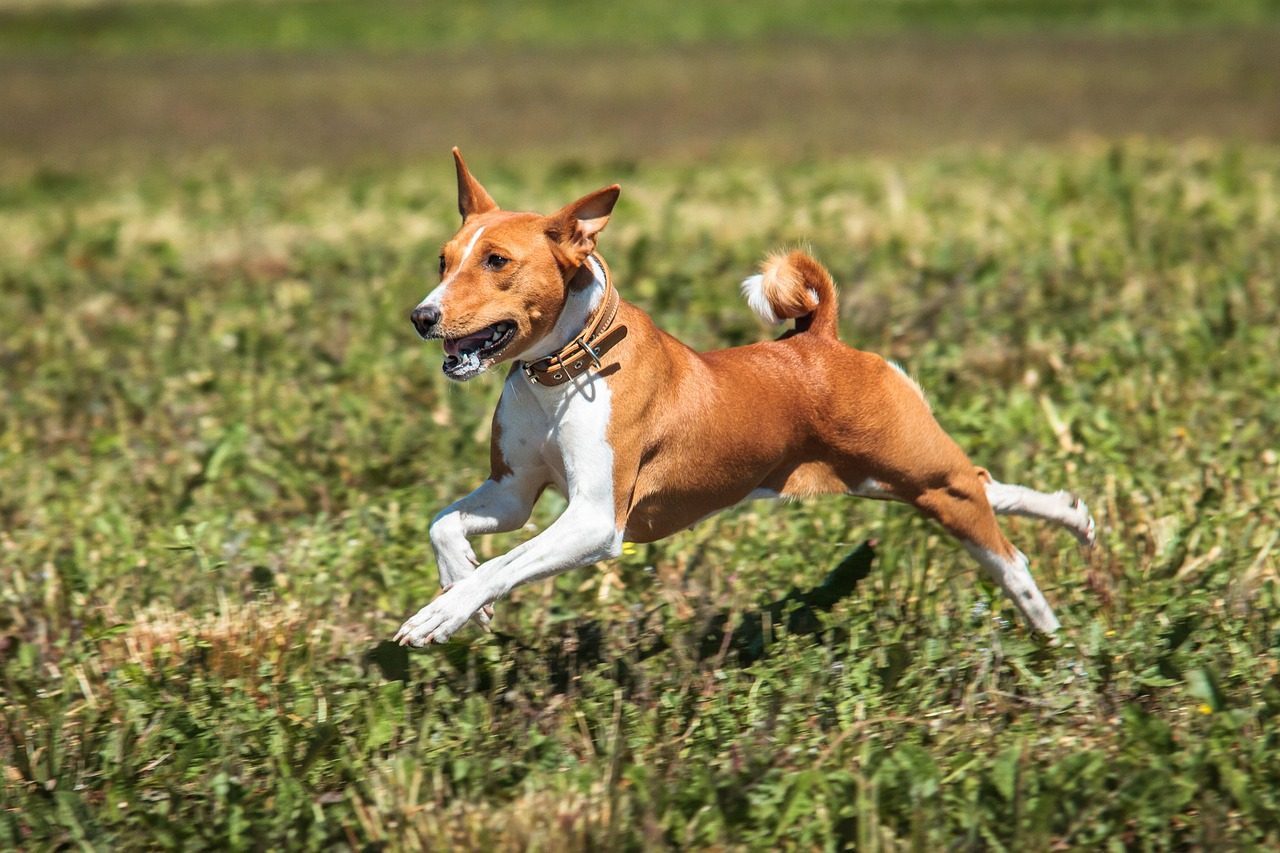
Known for its cat-like independence and self-grooming habits, this breed is unique not only for its elegant build and alert expression but also for its signature “yodel” – a sound that replaces the typical bark. Training a Basenji can feel like negotiating with a clever, self-assured roommate. These dogs are incredibly intelligent yet notoriously stubborn, often preferring to do things on their own terms.
They thrive on mental stimulation, so traditional drills won’t cut it – creative methods like puzzle games and scent challenges help keep their sharp minds engaged. Their high prey drive and curiosity can easily override recall, especially in busy or stimulating environments. Consistency and patience are key, along with early socialization and one-on-one attention from a primary trainer they bond with most deeply. With a Basenji, you’re not training a dog; you’re negotiating a partnership.
Conclusion: Every Dog Has Their Own Journey
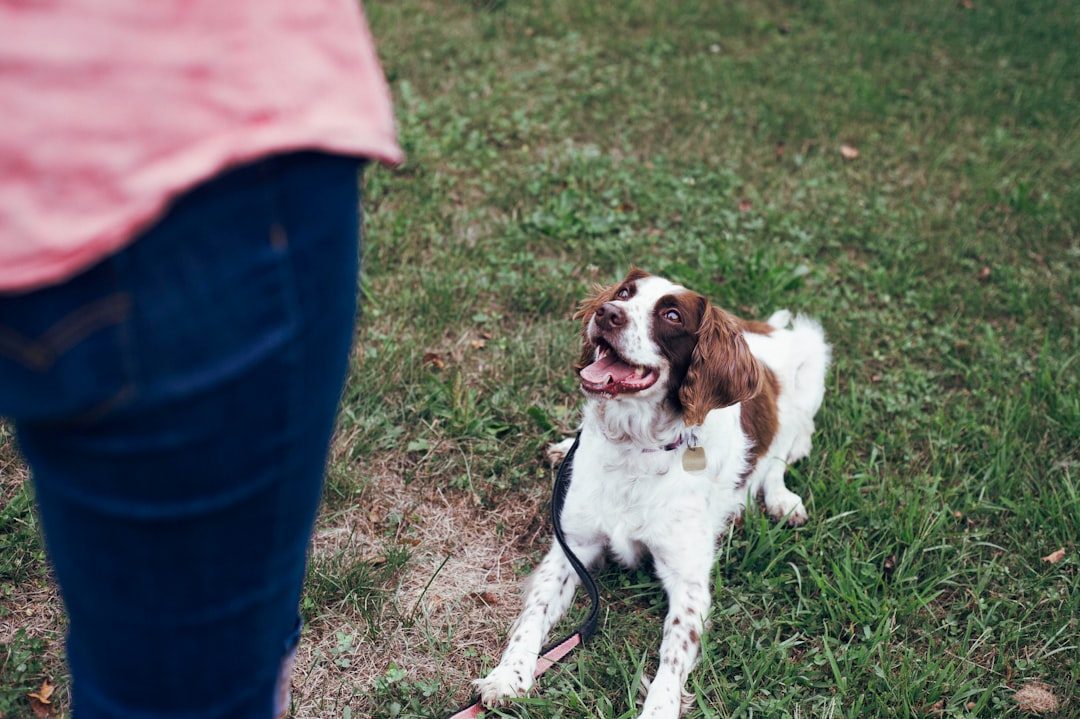
A common misconception is that if a breed is considered difficult to train, it’s because they’re not smart. However, a lack of intelligence is rarely the cause behind their lack of trainability. While these breeds are renowned for being the hardest dogs to train, there is no untrainable pup – the breeds listed above just require more dedication, patience, and perseverance.
The most important thing to remember is that every single dog, regardless of breed, has the capacity to learn and grow. Some just take different paths to get there. The so-called difficult breeds often become the most rewarding companions precisely because of the extra effort required. You’ll never take their obedience for granted.
Whether you have a Labrador who learned “sit” in thirty seconds or a Basenji who’s still considering whether it’s worth their time after three months, celebrate the unique personality of your dog. Training isn’t just about commands; it’s about building understanding, trust, and a bond that lasts a lifetime. What’s your training story been like? Has your pup surprised you with how quickly they learned, or have they taught you patience you never knew you had?