
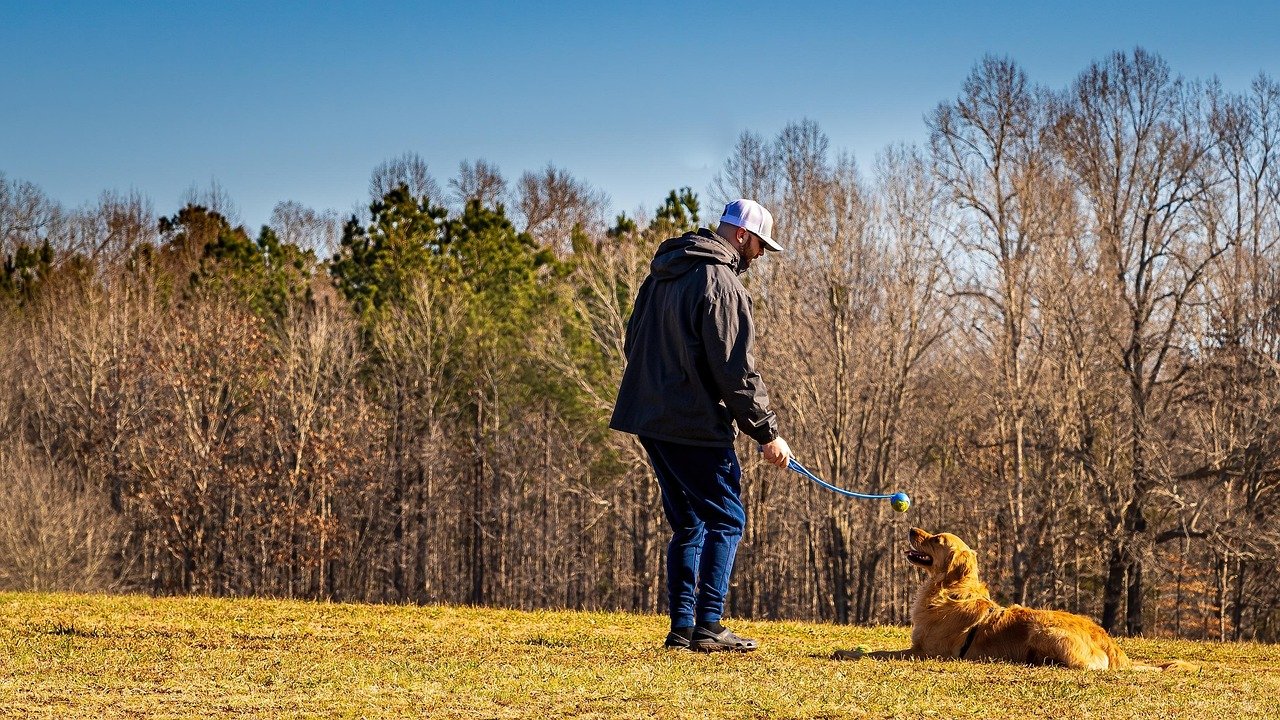

Picture this: you’re standing in your living room, treat in hand, and your new pup sits perfectly on command the first time you ask. Magic, right? Not quite. Some breeds are just wired to make training feel effortless, while others will have you questioning every life decision that led to this moment. Training a dog can be one of the most rewarding experiences of pet ownership, but it’s also where many new owners discover that not all dogs are created equal. Some listen as if they were born understanding human language. Others look at you like you’re speaking ancient Greek.
Let’s be real. The difference between an easy-to-train breed and a challenging one can mean the difference between peaceful evening walks and full-on wrestling matches with the leash. It’s not about intelligence, though. Many of the toughest breeds are brilliant. It’s about willingness, temperament, and whether your dog thinks your commands are merely suggestions. So buckle up. We’re about to explore twenty breeds that will either make you look like a professional trainer or test every ounce of your patience.
Labrador Retriever – The People-Pleasing Champion
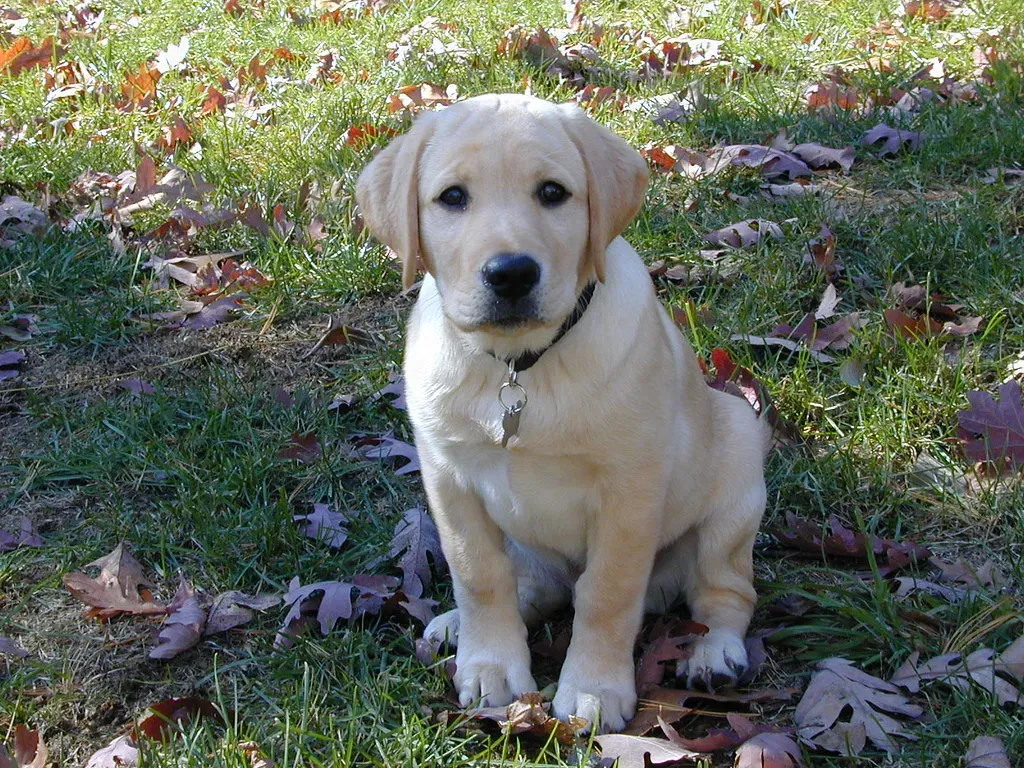
Labs are often the go-to choice for first-time dog owners because of their friendly nature and eagerness to learn, thriving on interaction and responding well to reward-based methods. They’re the golden standard for a reason. Their food motivation is legendary, which basically means you can teach them anything if you’ve got treats in your pocket.
Labs are known for their friendly and outgoing personalities and are among the easiest dogs to train, bred to be people-pleasing, stable and confident, which makes them excellent family pets. They don’t get rattled easily, which is huge for beginners who might be learning alongside their pup. Their forgiving nature means mistakes during training won’t set you back weeks.
Golden Retriever – The Gentle Genius
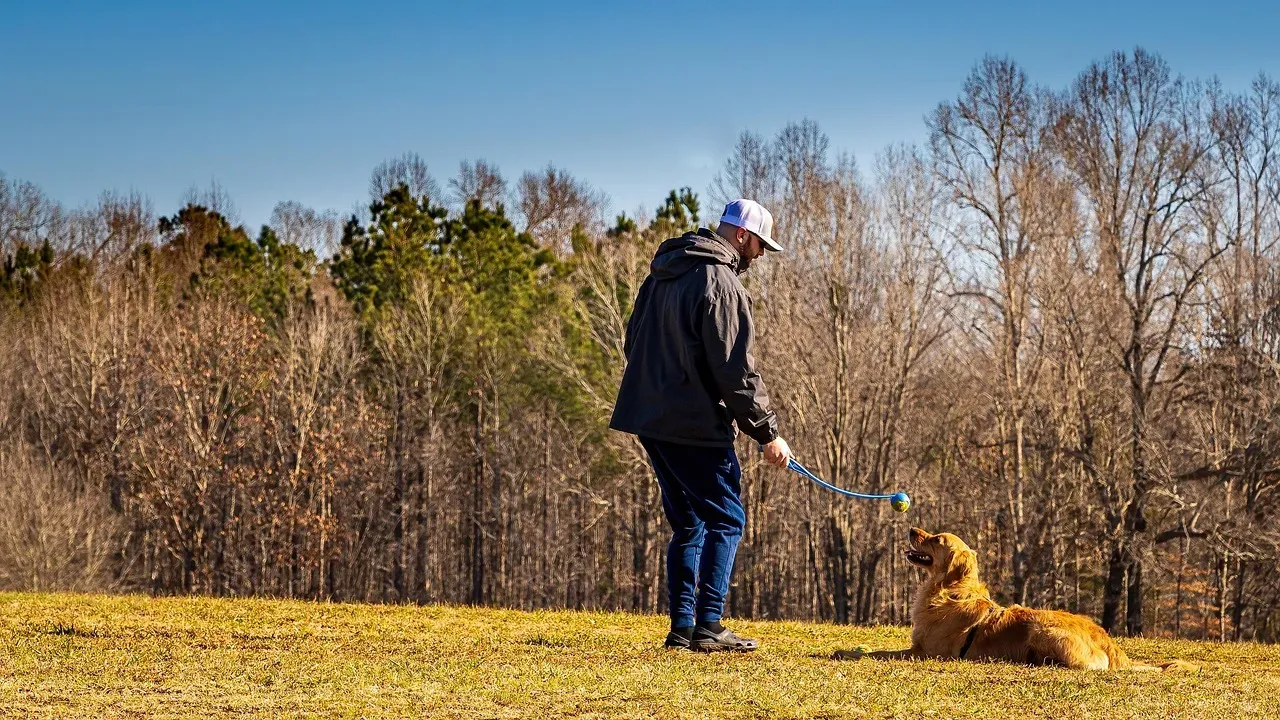
Golden Retrievers are great family dogs and highly trainable, intelligent and eager to please, making them quick learners. Honestly, if there was a dog breed that could write its own training manual, it would be a Golden. They seem to intuitively understand what you want before you even ask.
Golden Retrievers are outgoing, fun, and loyal dogs that are great family pets because they are eager to please and can learn all kinds of tricks. Their tolerance and devotion to their families make the training process smooth. These dogs genuinely want to make you happy, which is half the battle won before you even start.
Poodle – The Versatile Smarty-Pants
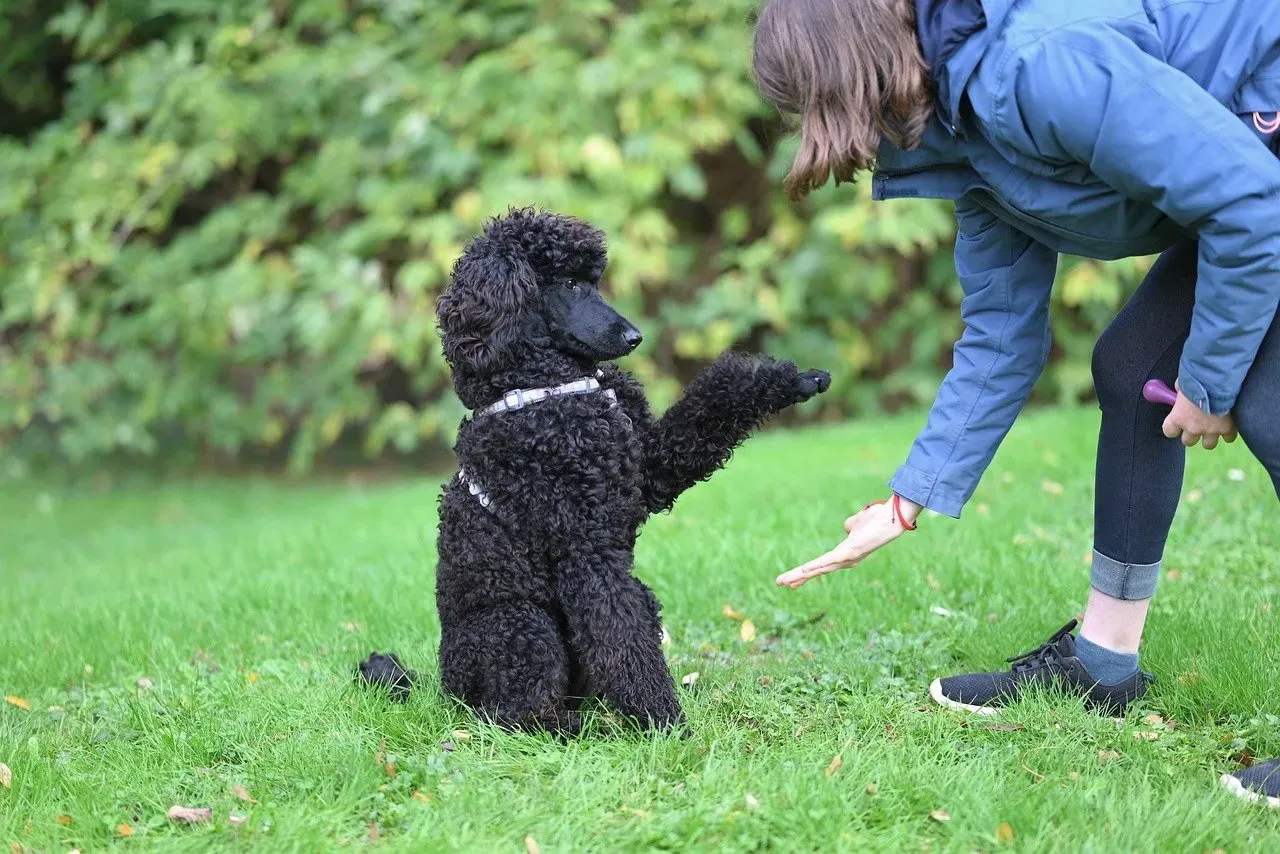
Poodles are notorious for their intelligence and versatility, and all sizes are known for their ability to grasp commands quickly, making them excellent family pets. Whether you get a standard, miniature, or toy version, you’re getting serious brainpower wrapped in curls. They excel at obedience, agility, and pretty much anything you throw at them.
The catch? They are people-pleasing but can have a sensitive nature. This means harsh training methods are a no-go. Stick to positive reinforcement and you’ll have a willing partner who learns faster than you can teach.
German Shepherd – The Loyal Protector
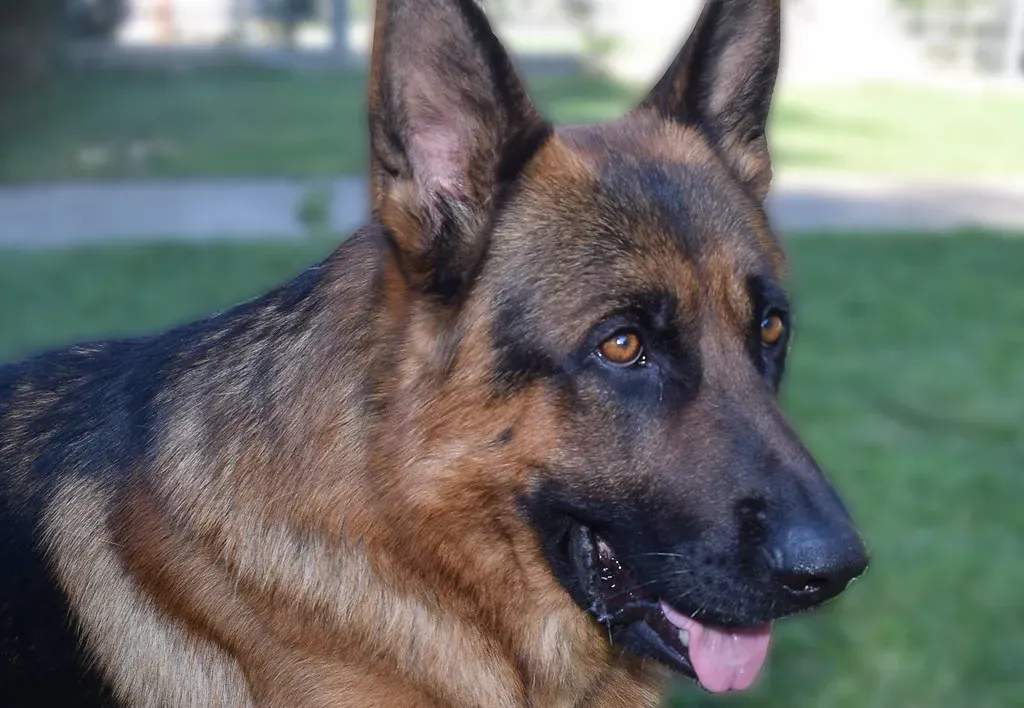
German Shepherds are not only known for their loyalty and protective nature but also for their ease of training, being highly intelligent, loyal and courageous with a great rapport with their handler. They’re the go-to for police and service work for good reason. These dogs are all about the job.
Though smart and trainable, they need a lot of activity and exercise to prevent boredom and frustration, and their guarding nature needs management by a confident owner as they are strong dogs requiring physically strong handlers. So while they’re trainable, they’re not exactly low-maintenance. You need to be ready to step up as a leader.
Border Collie – The Overachieving Workaholic
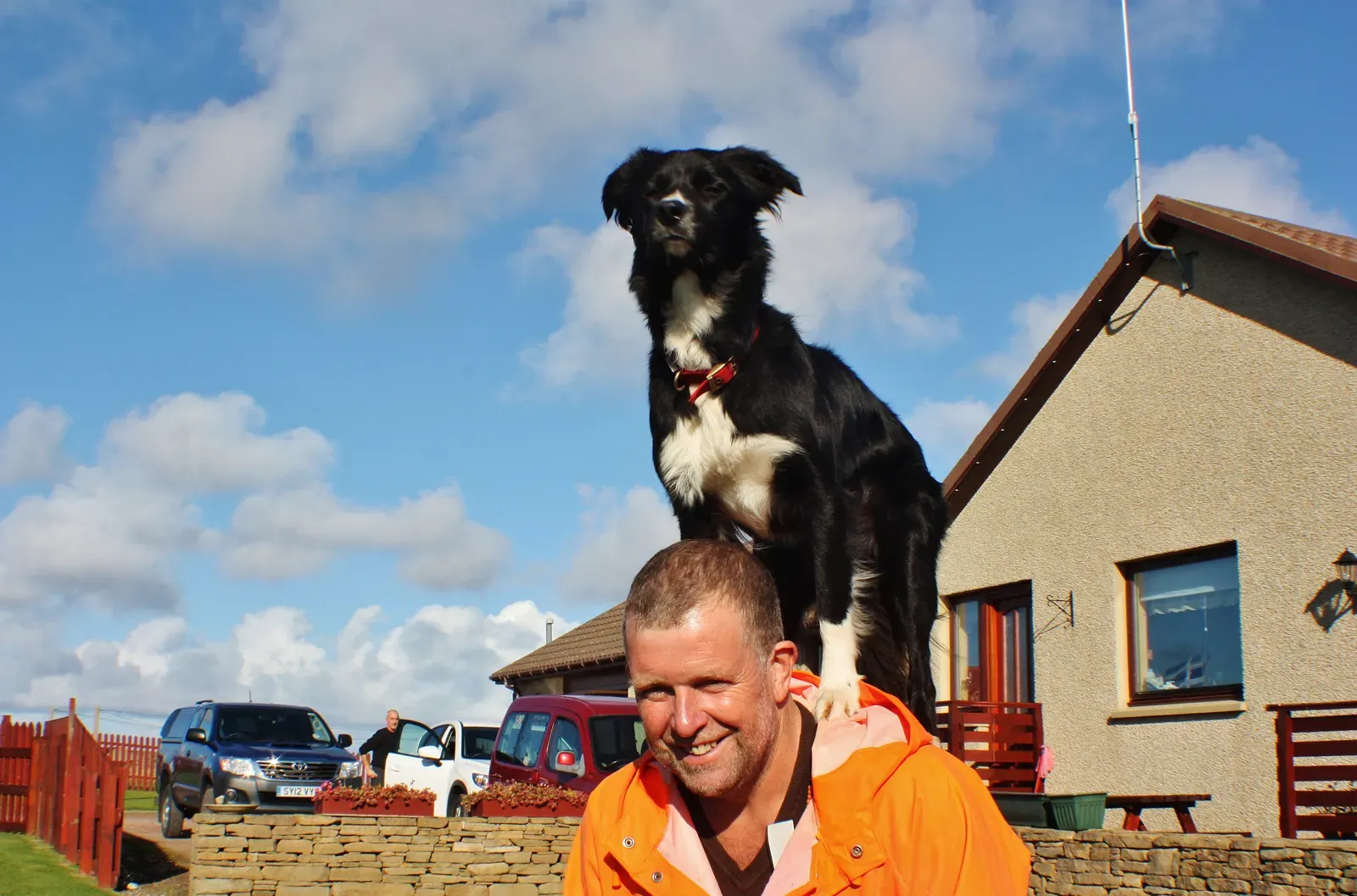
Border Collies are known for their remarkable intelligence and high energy levels, thriving when given jobs to do, originally bred for herding with a strong work drive and love for learning new commands. They’re basically Einstein with fur. If there was a college for dogs, Border Collies would graduate with honors.
Here’s the thing though. In a normal home environment they can potentially become too hyper-vigilant, oversensitive and reactive. They need constant mental stimulation or they’ll find their own entertainment, and trust me, you won’t like what they come up with.
Pembroke Welsh Corgi – The Clever Little Herder
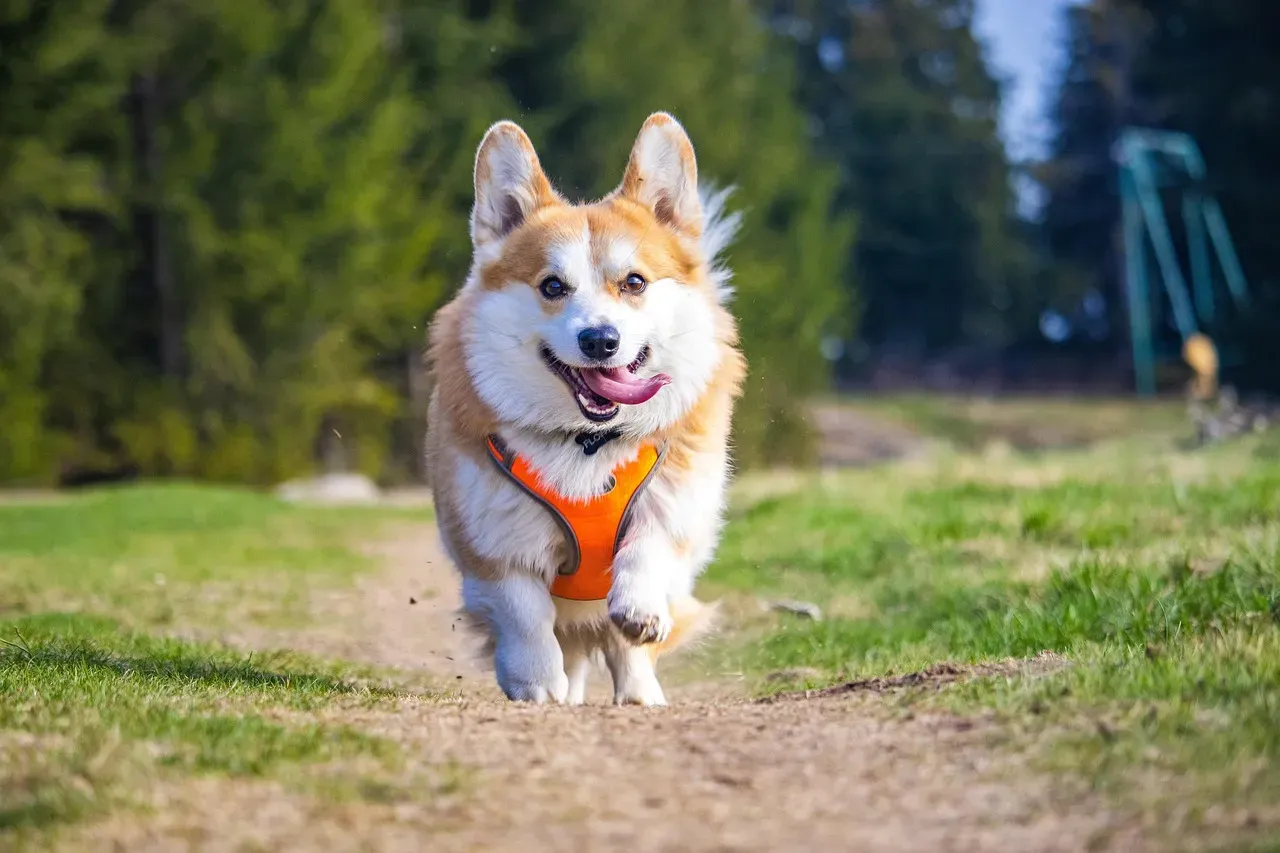
Corgis love learning new cues, are smart, food-motivated, bred to work closely with people, and excel in obedience as well as agility. Despite their short legs, these dogs pack a ton of personality and intelligence. They’re surprisingly agile and incredibly responsive to training.
Their herding background means they’re natural problem-solvers. This works in your favor during training sessions because they genuinely enjoy the mental challenge. Plus, their food motivation means you’ve always got leverage when introducing new commands.
Papillon – The Tiny Brainiac
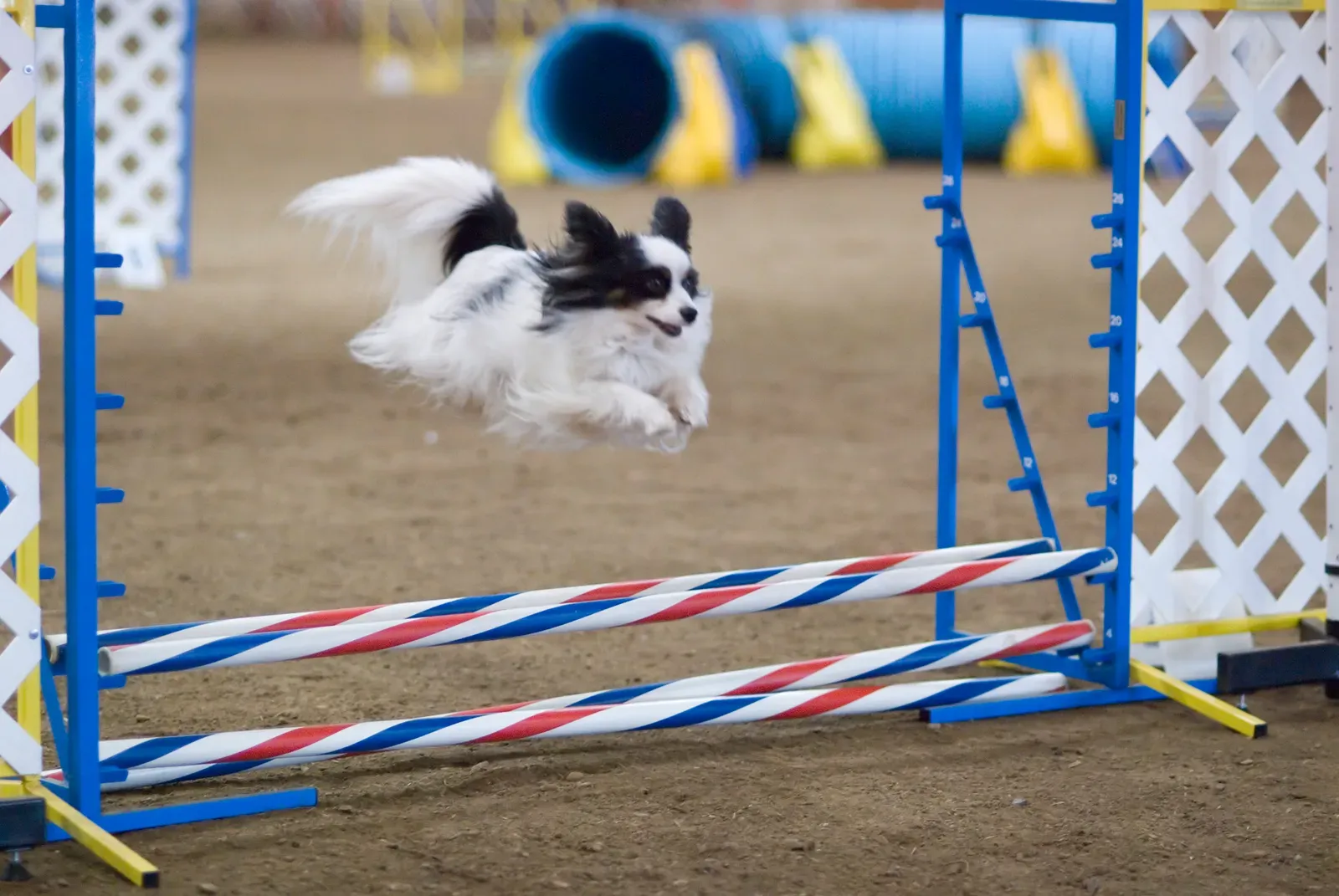
Papillons are known for their intelligence and agility despite their small size, are quick learners and can perform tricks with ease. Don’t let the delicate butterfly ears fool you. These little dogs have big brains and even bigger hearts for their people.
They love to connect with their people and are happy, outgoing and intelligent, making them relatively easy to train. They’re proof that great things come in small packages. Perfect for apartment dwellers who want a trainable companion without the space demands of a larger breed.
Shetland Sheepdog – The Eager Student
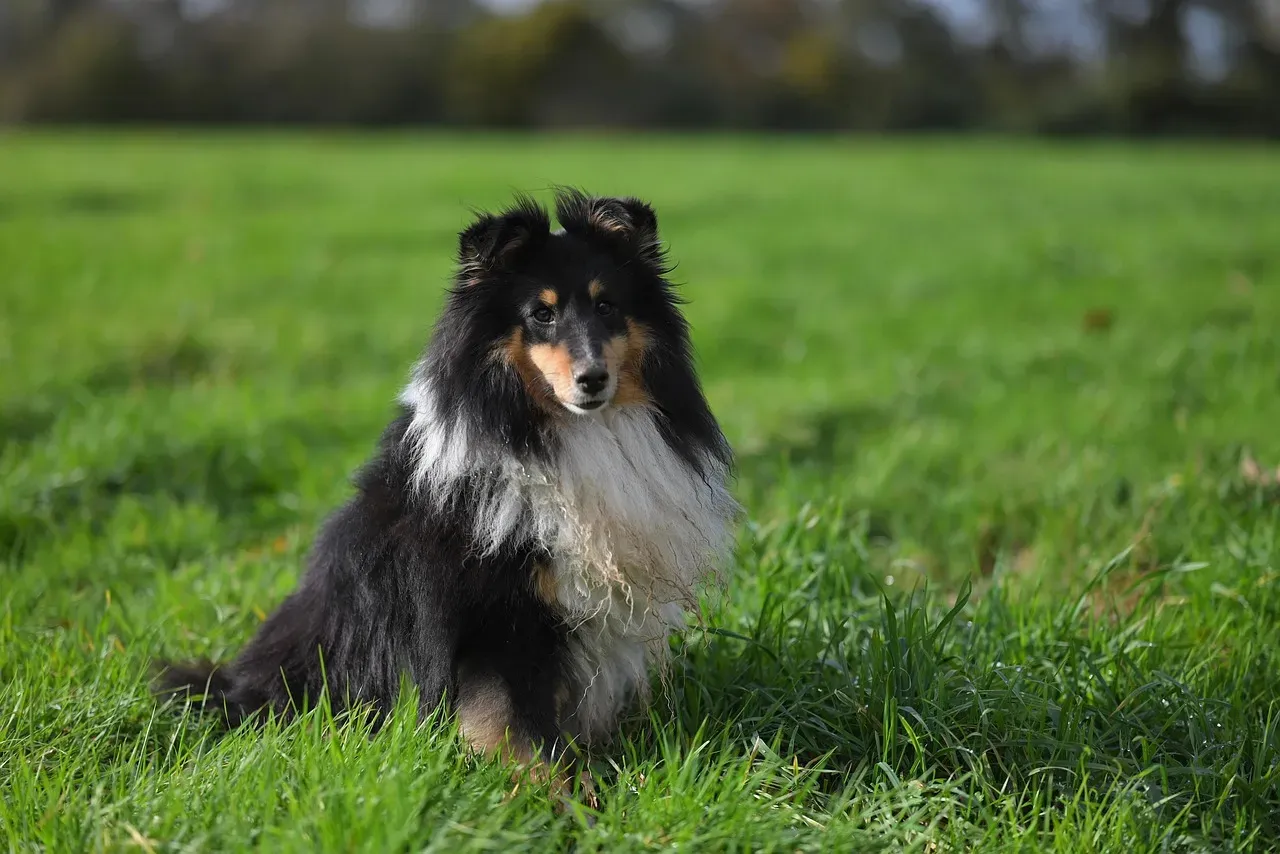
Shetland Sheepdogs, or Shelties, are loyal, patient, and kind dogs that are also highly intelligent and observant, which helps them pick up tasks quickly, with their ability to learn and repeat placing them in the upper 10% of all breeds. They’re like the honor roll students of the dog world. Consistent, reliable, and always ready to learn.
Shelties bond deeply with their families and are incredibly responsive to training cues. Their herding background gives them natural focus and the desire to work closely with humans. They’re essentially built for teamwork.
Australian Shepherd – The Energetic Problem-Solver
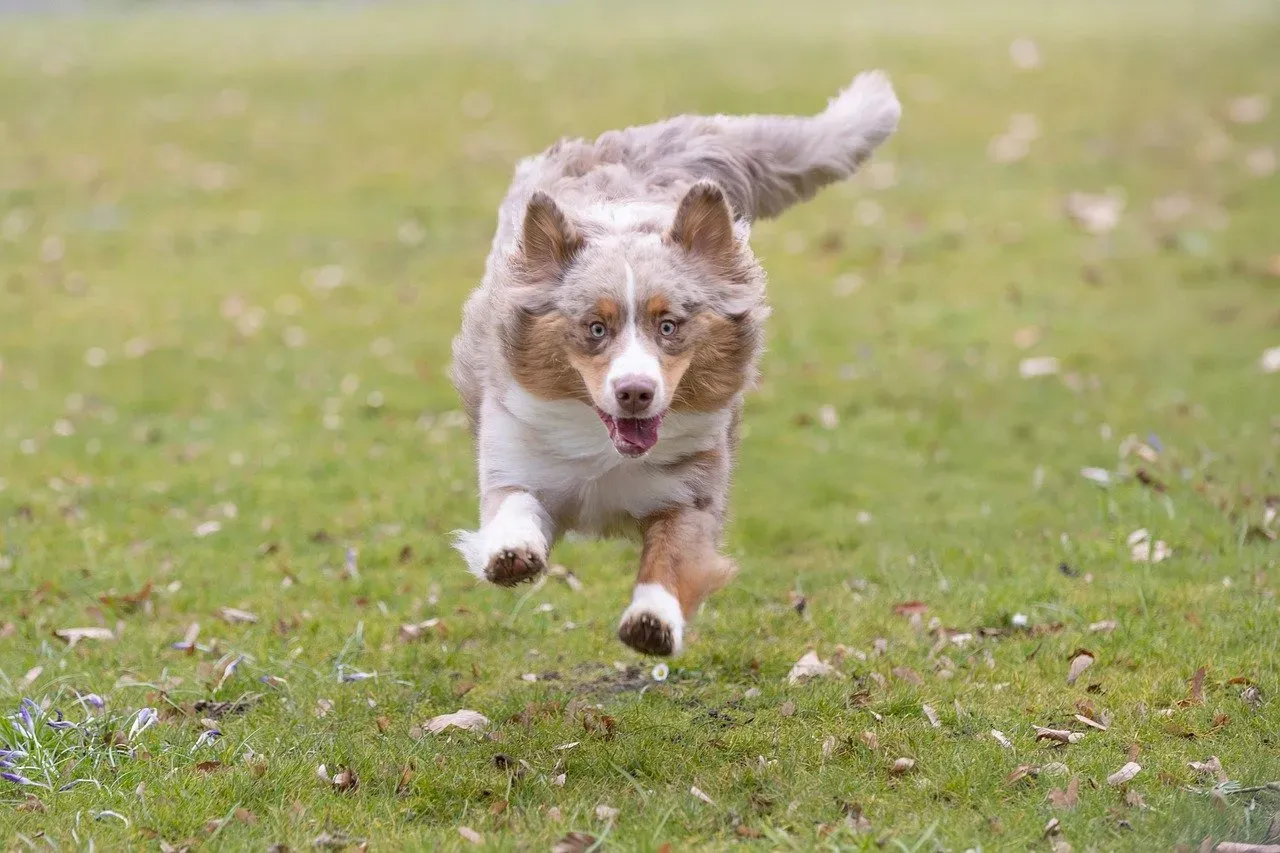
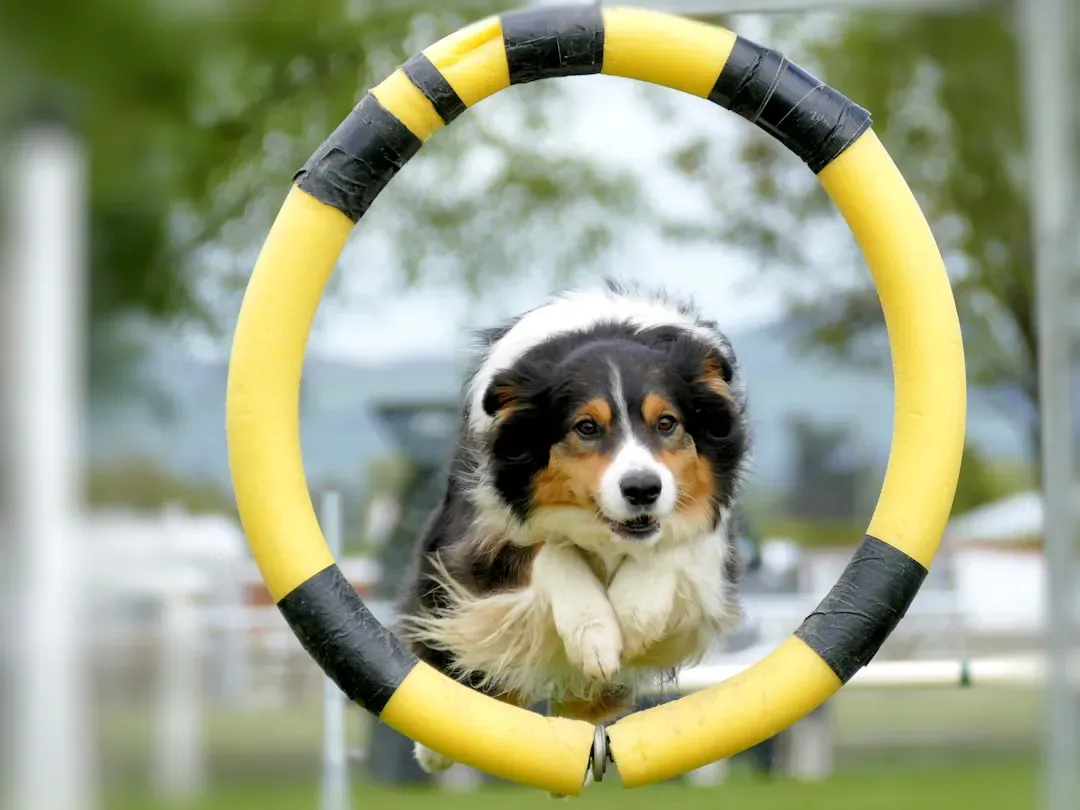
Australian Shepherds are hardworking dogs with a strong drive to learn, bred for herding, and are great problem-solvers who need mental and physical stimulation, excelling in learning new commands with positive reinforcement. These dogs are bundles of focused energy. They want to work, they want to learn, and they want to do it all with you.
For active owners who can match their energy levels, Aussies are absolute dream students. They thrive on routine, love structure, and respond beautifully to consistent training. Just make sure you’re ready to keep up.
Bernese Mountain Dog – The Gentle Giant
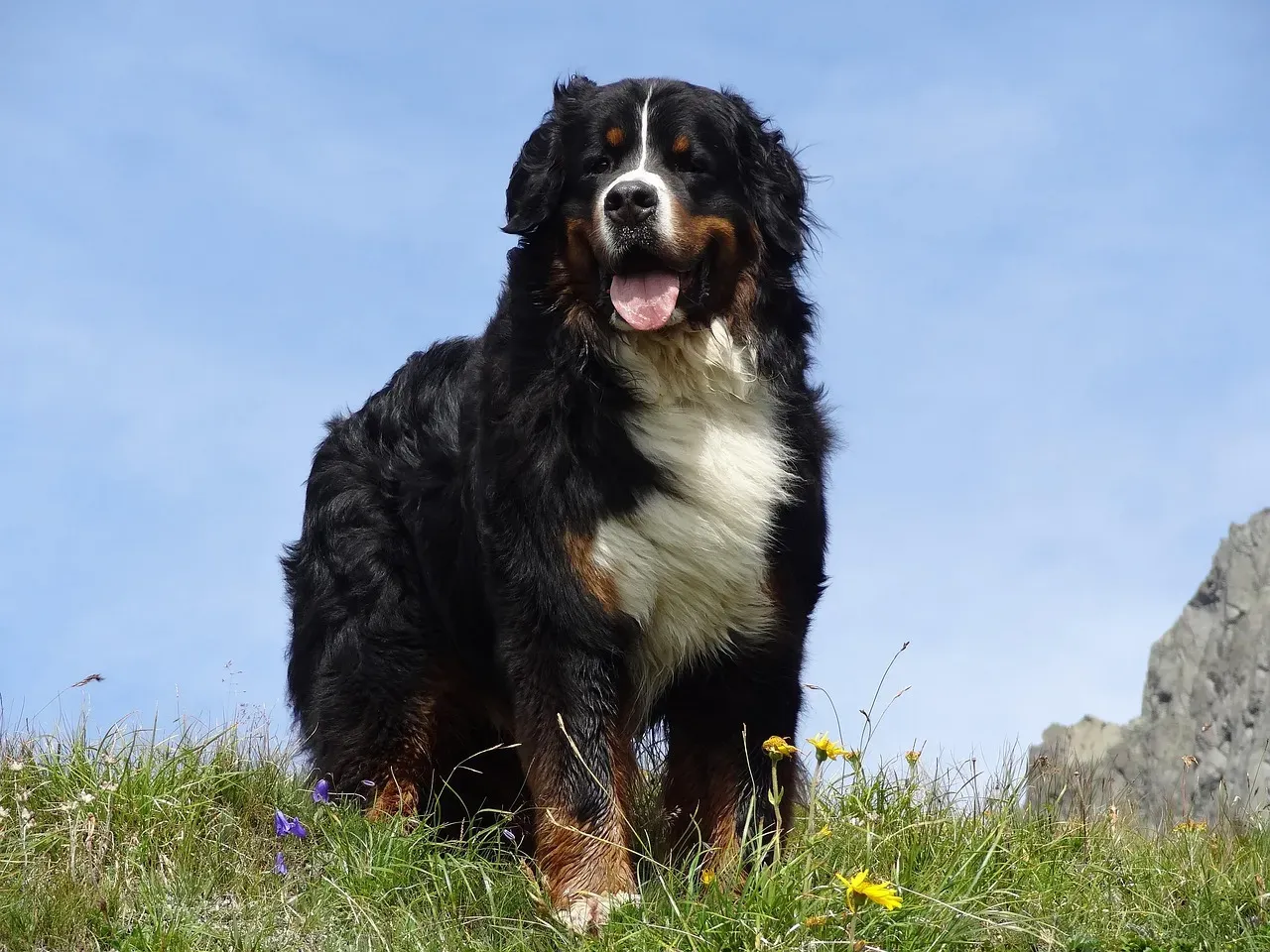
Bernese Mountain Dogs are gentle and loving, want lots of attention and enjoy training and exercise. There’s something incredibly endearing about a massive dog who’s eager to please. They’re patient learners who respond well to gentle guidance.
Due to their massive size, early socialization and obedience training are essential, and like other giant breeds, they reach full maturity around three years old, which may take them longer to pick up potty training since they don’t have full bladder strength until six months. Patience is key, but the payoff is a beautifully mannered gentle giant.
Siberian Husky – The Beautiful Free Spirit
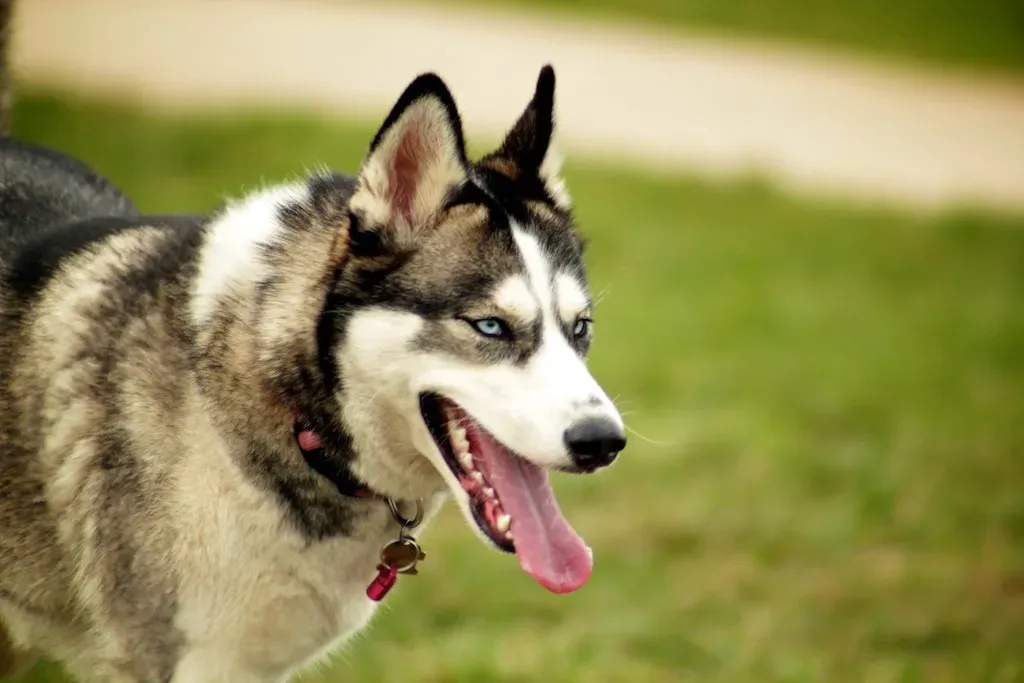
Now we’re entering different territory. Although they’re one of the goofiest and loveliest dog breeds out there, huskies are an extremely energetic breed that need loads of exercise, originally bred to run for miles on end in frozen tundra. They’re stunning, but they’re also a handful.
They were bred to be independent, as this ensured a mushing group would ignore commands if the terrain was unsafe, but that independence means they have a stubborn streak when it comes to listening to commands. They’ll look you dead in the eye and choose to do the opposite. It’s not malice; it’s genetics.
Basenji – The Barkless Rebel

Basenjis are known for their cat-like personalities, being both independent and intelligent, notoriously difficult to train due to their stubborn nature, and are curious and easily bored. They might not bark, but they definitely have opinions about your training methods.
The Basenji doesn’t like bothering with training, and unlike breeds bred to be trainable, they have spent thousands of years thinking for themselves. Why should they start listening now? Training a Basenji requires creativity, patience, and accepting that you’re negotiating, not commanding.
Afghan Hound – The Elegant Independent
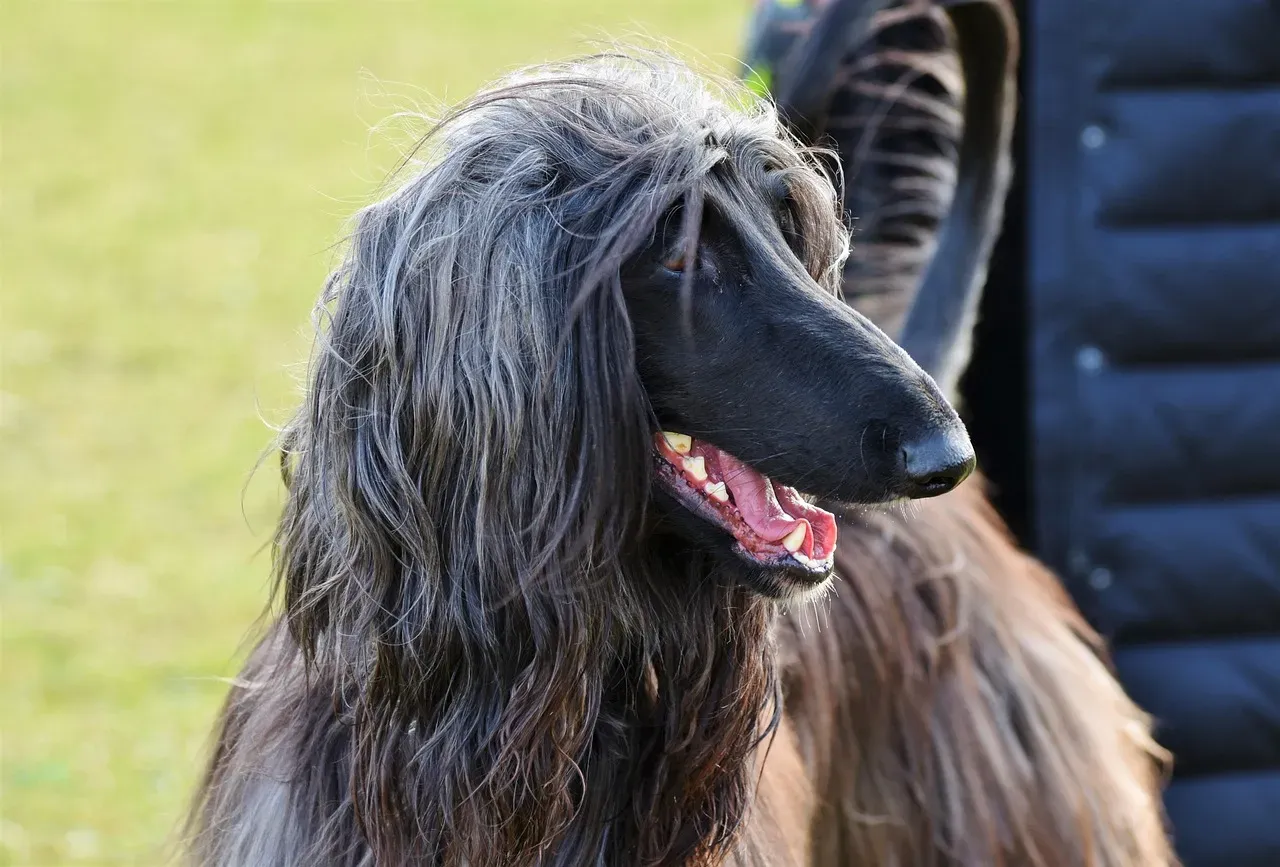
The Afghan Hound has an elegant appearance and aloof demeanor as a classic stubborn breed, originally bred for hunting with a strong independent streak. They’re regal, beautiful, and utterly convinced they know better than you.
Afghan Hounds are highly intelligent but tend to think for themselves, often displaying selective hearing when given commands, preferring to do things on their own terms. Imagine trying to train a supermodel who’s also a cat. That’s an Afghan Hound.
Beagle – The Nose-Driven Wanderer
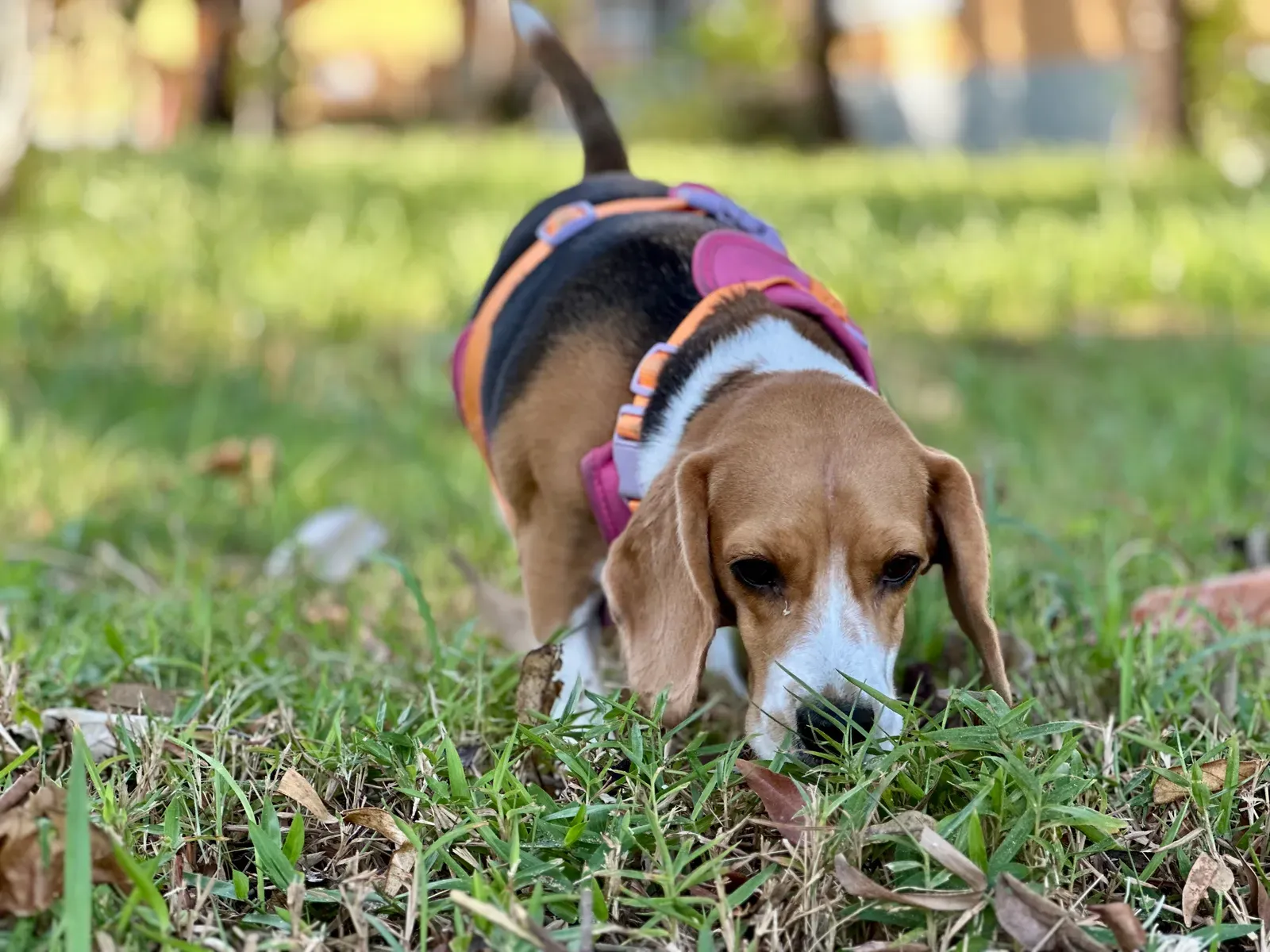
Beagles have an exceptional sense of smell that often leads them to be easily distracted by scents making training a challenge, have high amounts of energy which is why they are hard to train, and take longer to get used to commands. Their nose runs the show, not their brain and definitely not your commands.
These hunting dogs have a very strong focus on the smells around them and a strong genetic inclination to follow scent trails, which makes them one of the hardest dogs to train and can be a challenge in distracting outdoor environments. Once they catch a scent, you might as well be invisible.
Chow Chow – The Aloof Guardian
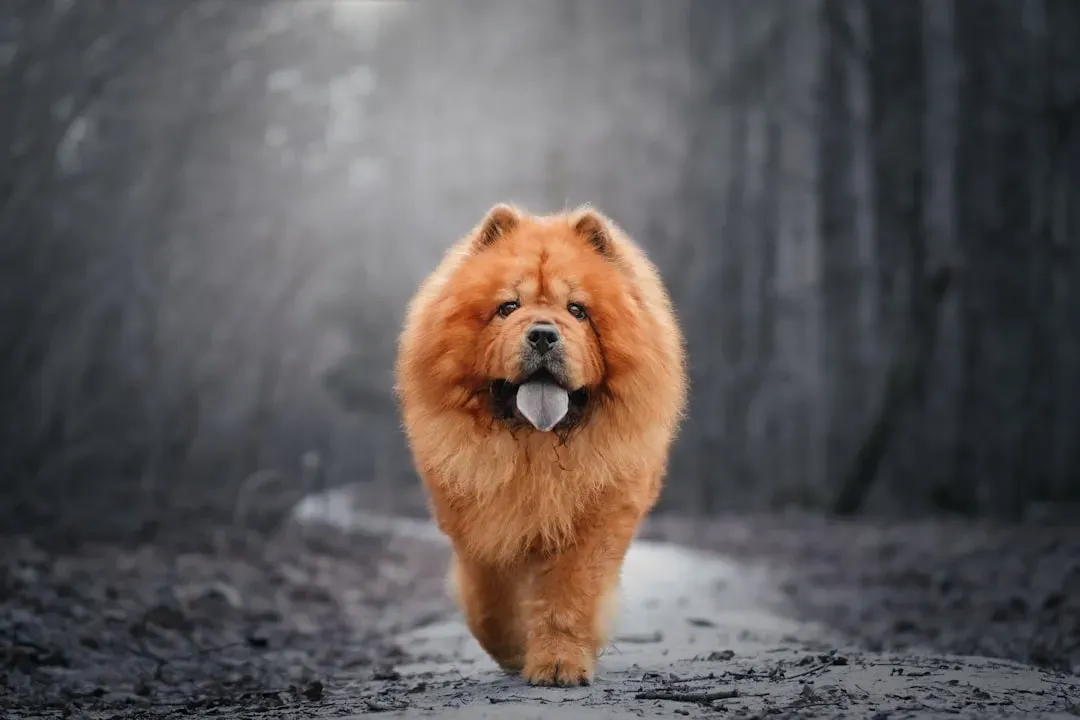
Chow Chows have a reputation for being strong-willed and aloof, can be wary of strangers and may require extensive socialization. They’re essentially teddy bears with the personality of a grumpy security guard. Training requires establishing mutual respect, not dominance.
Chow Chows tend to be aloof and very independent, which can make training a challenge, are not naturally inclined to obedience, and are independent thinkers who value autonomy. They’ll learn what they want to learn, when they want to learn it.
Jack Russell Terrier – The Energetic Trickster
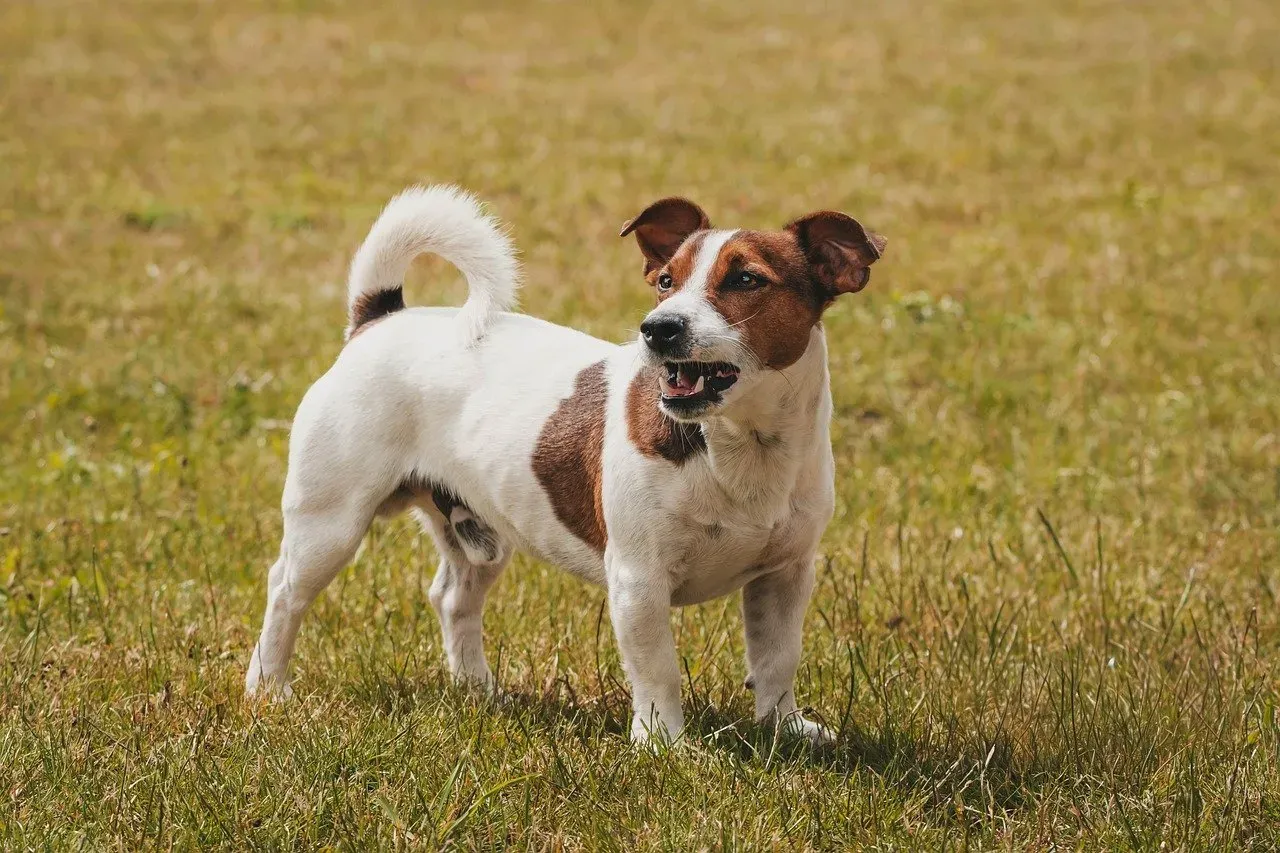
Jack Russells are notorious for their stubborn streak and high prey drive, which often leads them to chase anything that moves, with their independent nature meaning they tend to follow instincts over commands. They’re small dogs with massive attitudes and energy levels that could power a small city.
Jack Russell Terriers are energetic terrier breeds that are as clever as they are stubborn, bred to hunt small prey like foxes, so it’s no surprise they often act like they’re on their own mission. Training them is less about obedience and more about channeling their chaos.
Bulldog – The Lovable Couch Potato
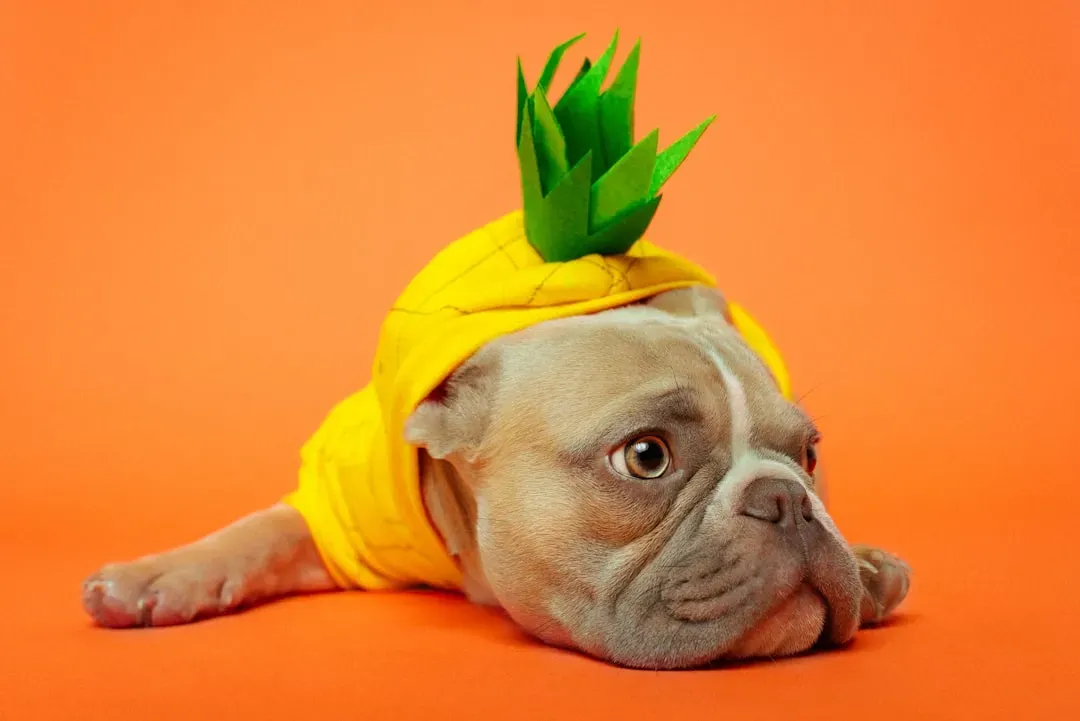
Bulldogs don’t have a good reputation for being smart or trainable, but they are very smart and learned how to get their humans to do things for them while they take a nap. They’re not dumb; they’re just incredibly lazy and see no reason to exert themselves.
The Bulldog may seem lazy, but don’t mistake that for obedience as these dogs can be willfully slow to respond, with their stubborn dog tendencies softened by their sweet nature. Short training sessions with lots of treats are your only hope.
Dachshund – The Stubborn Sausage
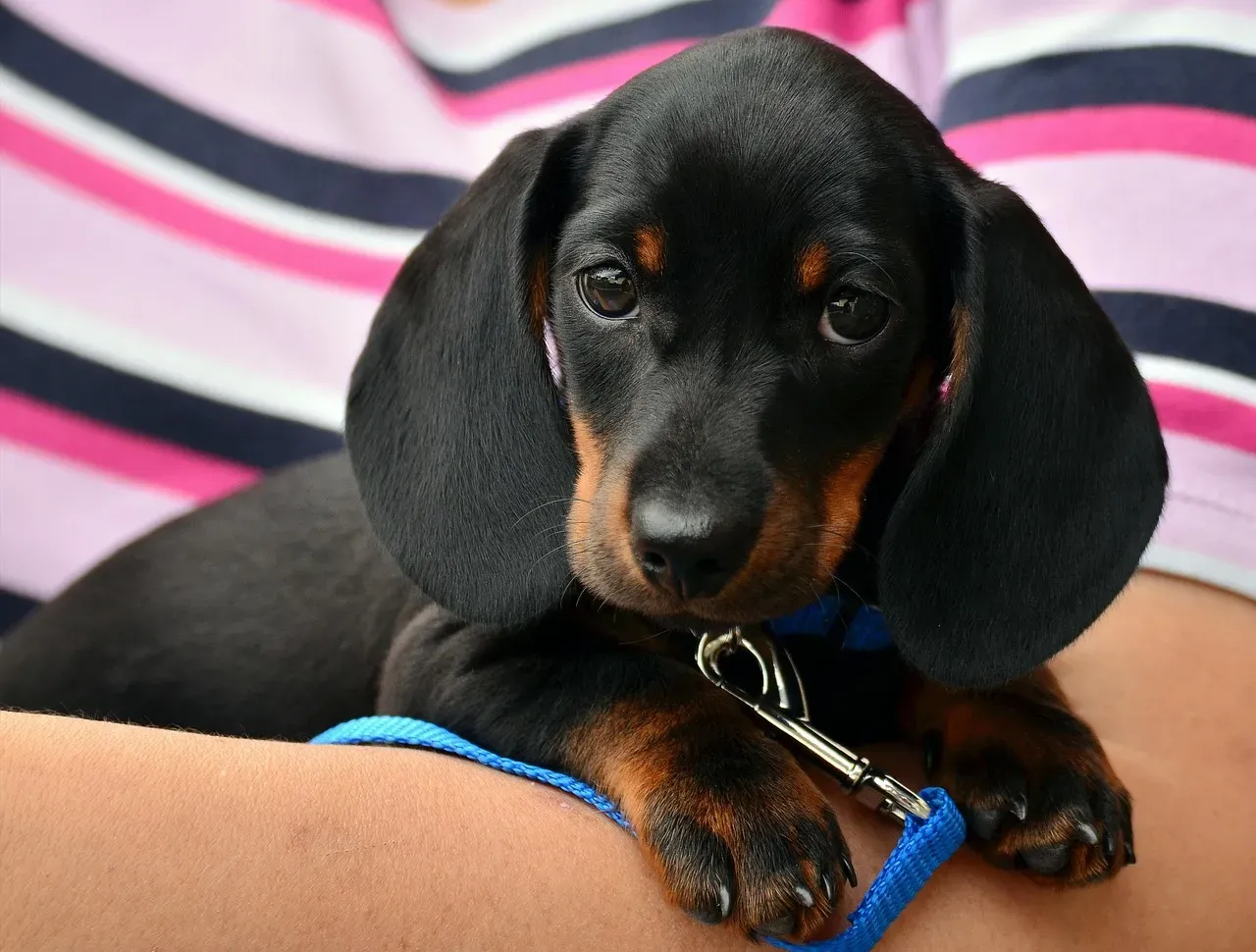
Dachshunds are vivacious, friendly and ever-alert, bred to be independent hunters of dangerous prey, with their independence being a hallmark of the breed. These little dogs were designed to chase badgers into burrows. That takes serious courage and even more serious stubbornness.
The difficulty with Dachshunds comes from their often stubborn nature and their difficulty with potty training, which can make some pet parents want to pull out their hair during the puppy stage. Patience and consistency are everything with these independent little hunters.
Shiba Inu – The Cat-Dog Hybrid
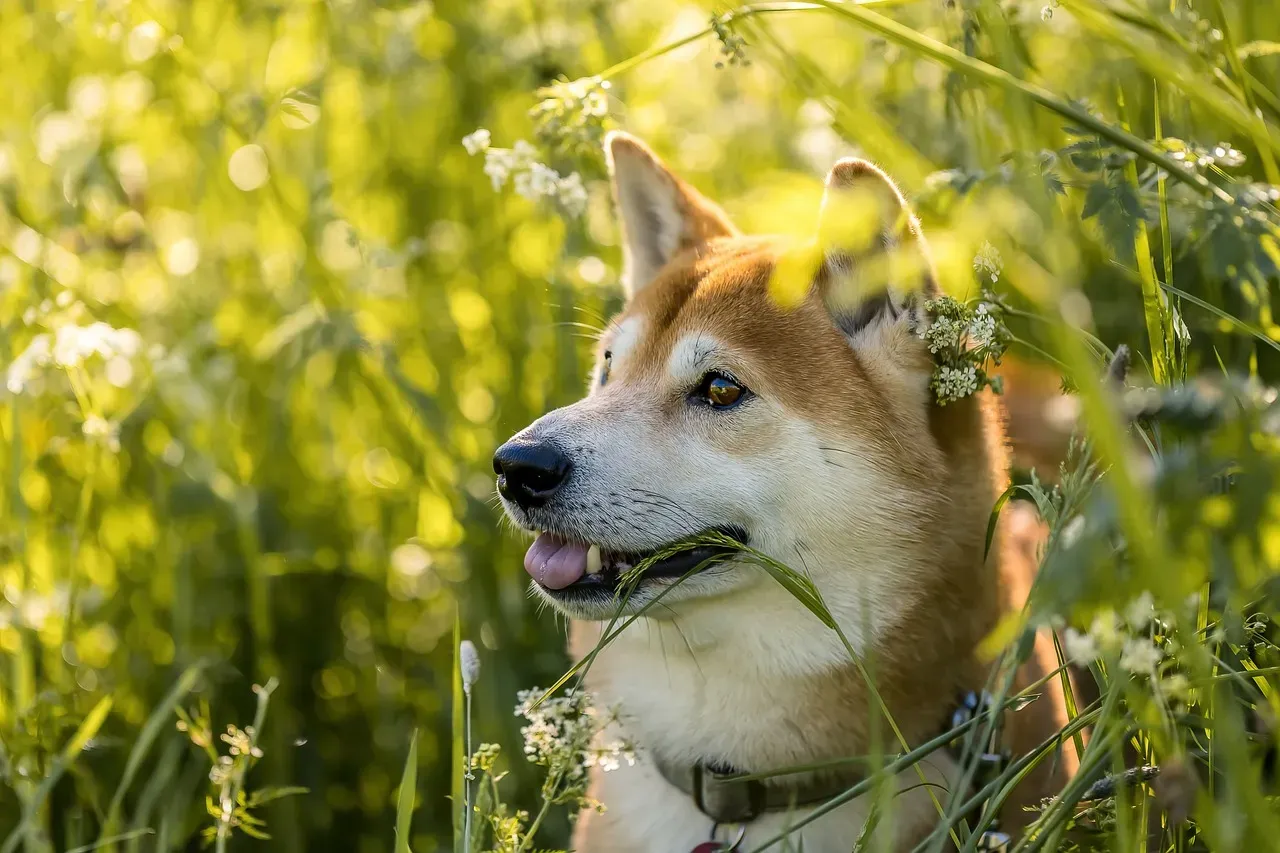
The Shiba Inu is in many ways more like a cat than a dog, being small, good-natured, fiercely independent and notoriously difficult to train. They’re beautiful, clean, and utterly convinced that your rules don’t apply to them.
The Shiba Inu is charming but headstrong, known for its strong-willed temperament and dislike of following commands, and while it’s highly intelligent, its independent nature can make training a challenge. Think of them as adorable little foxes who happen to live in your house on their terms.
Rottweiler – The Powerful Protector
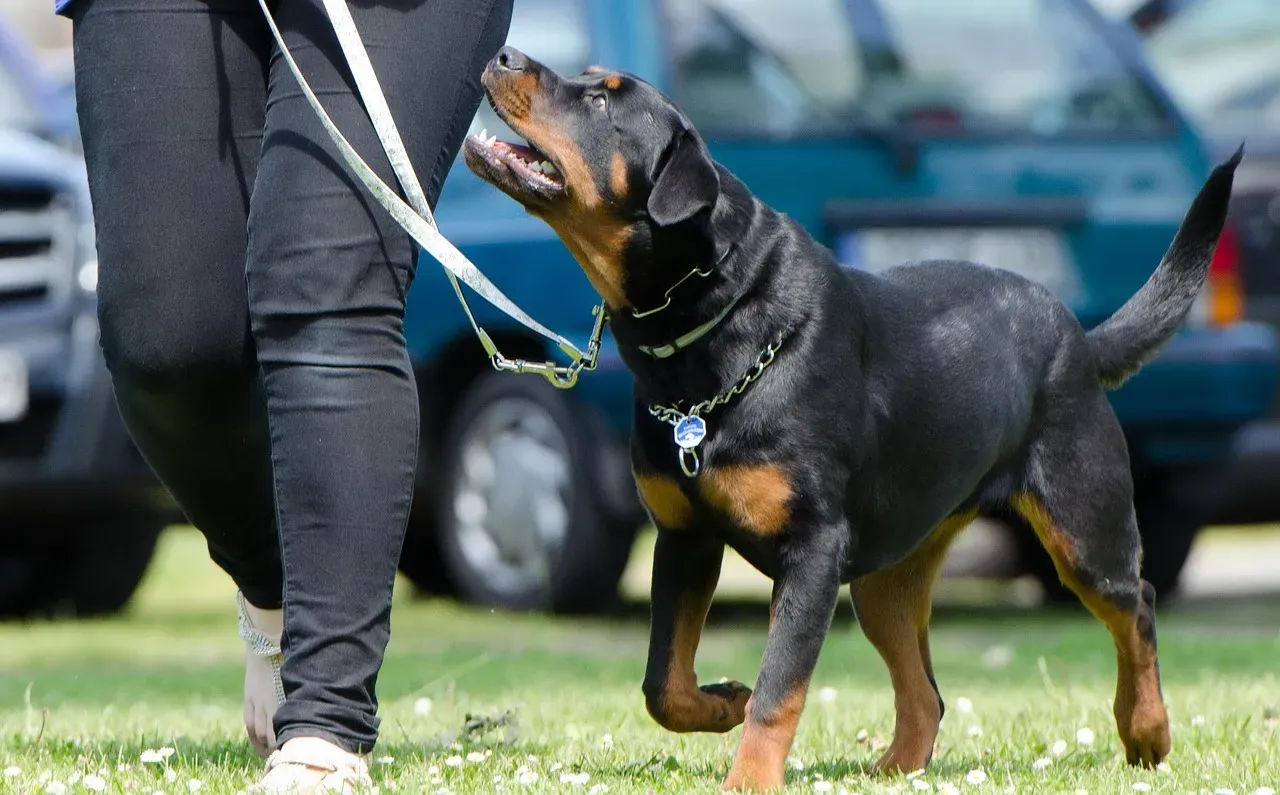
Rottweilers are loyal companions with great strength, but are also self-confident and protectors of their inner circle, meaning if there isn’t a calm, stable, and firm pack leader, they will assume that role. They need an experienced handler who understands how to establish leadership without force.
If you’re considering a Rottweiler, get professional help to learn how to properly train them. They’re not for beginners. These dogs are smart, powerful, and need consistent boundaries from someone who knows what they’re doing. Get it right, and you’ll have an incredible companion. Get it wrong, and you’ll have problems.
Conclusion
Training a dog is never just about the breed. Individual personalities, your consistency, and the bond you build matter more than genetics alone. Still, knowing what you’re signing up for makes all the difference. Easy-to-train breeds offer beginners a smoother path to success, building confidence for both dog and owner. Challenging breeds reward patient, experienced handlers with incredibly unique relationships built on mutual respect.
The truth is, every dog deserves a committed owner willing to work with their nature, not against it. Whether you’re drawn to the eager-to-please Labrador or the independent Afghan Hound, understanding breed tendencies helps set realistic expectations. So what’s your take? Would you rather have an easy student or embrace the challenge? Let us know your experience in the comments.
Gargi from India has a Masters in History, and a Bachelor of Education. An animal lover, she is keen on crafting stories and creating content while pursuing a career in education.


