
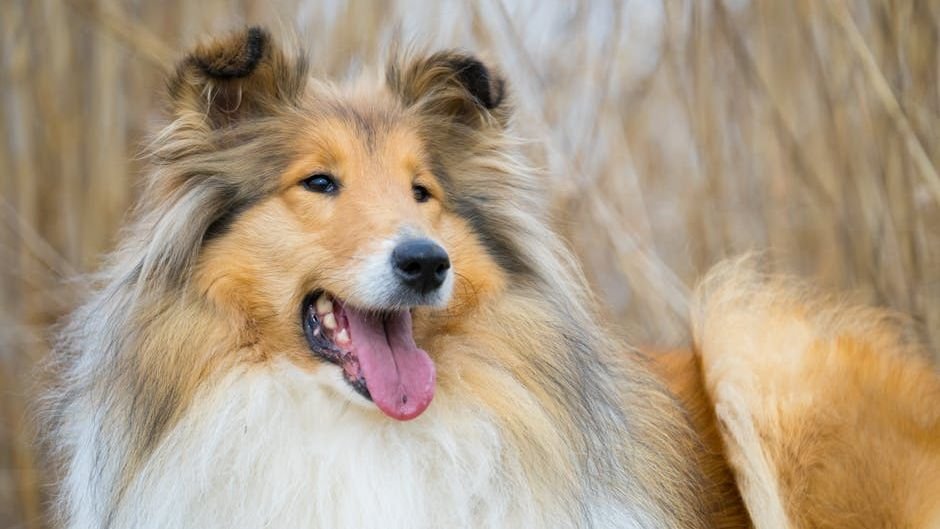
Picture this: you bring home an adorable new puppy, full of excitement and hope, only to watch your resident cat flee to the top of the refrigerator and refuse to come down for three days. Sound familiar? Multi-pet households are beautiful, chaotic, joyful places, but the harmony inside them doesn’t happen by accident. The breed of dog you choose can make the difference between a peaceful household and a daily episode of National Geographic.
Here’s the truth that not enough people talk about: some dogs are social butterflies who genuinely love the company of other animals, while others are deeply wired to prefer being the one and only. Neither is better. They’re just different. Understanding that distinction before you bring a new dog home might be the most loving thing you can do for every creature under your roof. Let’s explore who plays well with others, and who truly prefers the spotlight all to themselves.
1. Golden Retriever: The Ultimate Social Butterfly

If there were a trophy for “Most Likely to Befriend Every Living Thing,” the Golden Retriever would win it every single year. Golden Retrievers are one of the best dogs for cats, and the word “golden” is a fitting descriptor. Kind and empathetic, Golden Retrievers accept cats readily as part of the family. That same warmth extends to other dogs, rabbits, and frankly, anyone who walks through the door.
Golden Retrievers are known for their playful personalities. They need a good amount of daily exercise, but they are adaptable and outgoing, which makes them potentially great cat companions. The key behavior cue to watch for during introductions is a loose, waggy body posture, which signals comfort and friendliness in any interaction.
2. Labrador Retriever: Friend to All, Rival to None
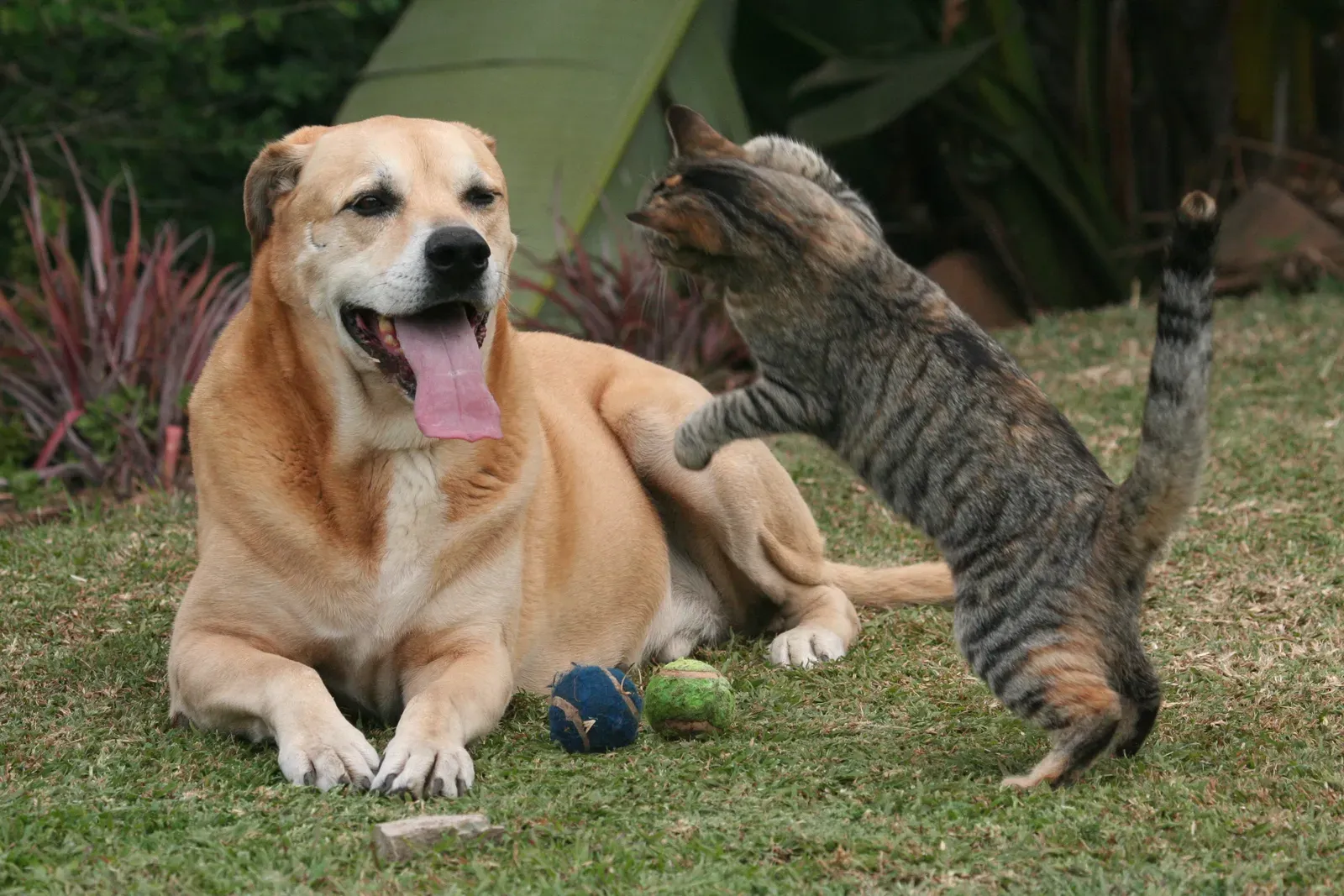
Labrador Retrievers are kind and outgoing and are known to get along with everyone they meet, regardless of species. They are gentle, intelligent, and eager to please. It’s honestly hard to find another breed that brings this much goodwill to every interaction. They don’t have a territorial bone in their body.
The Lab is not only one of the most popular dog breeds but is also known for their friendly and easygoing nature. Labs typically have a low prey drive and are often welcoming to cats when properly introduced. If you have a busy multi-pet household, a well-socialized Lab is about as safe a choice as you can make.
3. Beagle: Pack Mentality Makes Everything Easier

Here’s something that genuinely surprised me when I first learned it. Beagles don’t just tolerate other animals. They actually thrive with them. Beagles were bred to hunt in packs, so they are typically friendly with other animals. Their happy-go-lucky nature makes them a pleasure to live with. They are loving companions that are likely to see a cat as just another member of the pack.
With proper socialization, Beagles can develop great friendships with cats and can learn to live harmoniously, especially when raised together from a young age. Beagles have historically been used as hunting dogs, however, so it is important to establish appropriate behavior early on in your household. Introducing Beagles to cats while they are still puppies, and smaller than the cat, is a good idea. That last tip is one of the most practical pieces of advice out there for any multi-pet home.
4. Cavalier King Charles Spaniel: Gentle Soul With Room for Everyone

The Cavalier King Charles Spaniel’s temperament is friendly and loyal. They make great family dogs and are known to be tolerant, patient, and good with other pets and young children. Honestly, few breeds carry as much warmth in such a small package. Think of them as tiny, silky-eared ambassadors of peace.
Cavaliers enjoy other dogs as playmates. They are not threatened by dogs bigger than themselves and will play well with dogs of any size, making them ideal for households that welcome a variety of dogs into the family. One important caveat: while their hunting instincts aren’t as strong as their Cocker Spaniel cousins, Cavaliers are still Spaniels with a moderate prey drive. They love a good game of chase and might be inclined to catch pet birds, so bear this in mind if you have any feathered friends at home.
5. Basset Hound: The Low-Key Peacekeeper

The Basset Hound is one of those dogs that looks perpetually unimpressed, but beneath those droopy eyes and floppy ears lies a genuinely gentle soul. This breed is known for its laid-back and easygoing nature, which is naturally helpful with skittish cats. The dogs’ low energy levels make them less likely to chase or insist on playing if your cat is not so inclined. Basset Hounds also tend to respect space and boundaries, which is important for successful integration with cats.
The Basset Hound is loyal, patient, and low-key. Training may be a bit of a challenge because they have a hound’s stubborn streak, but their mild-mannered attitude makes them friendly and tolerant of other animals. So yes, you may need a little extra patience at training time, but what you get in return is a mellow, non-confrontational housemate for your other pets.
6. Pug: Small Dog, Big Heart, Zero Drama
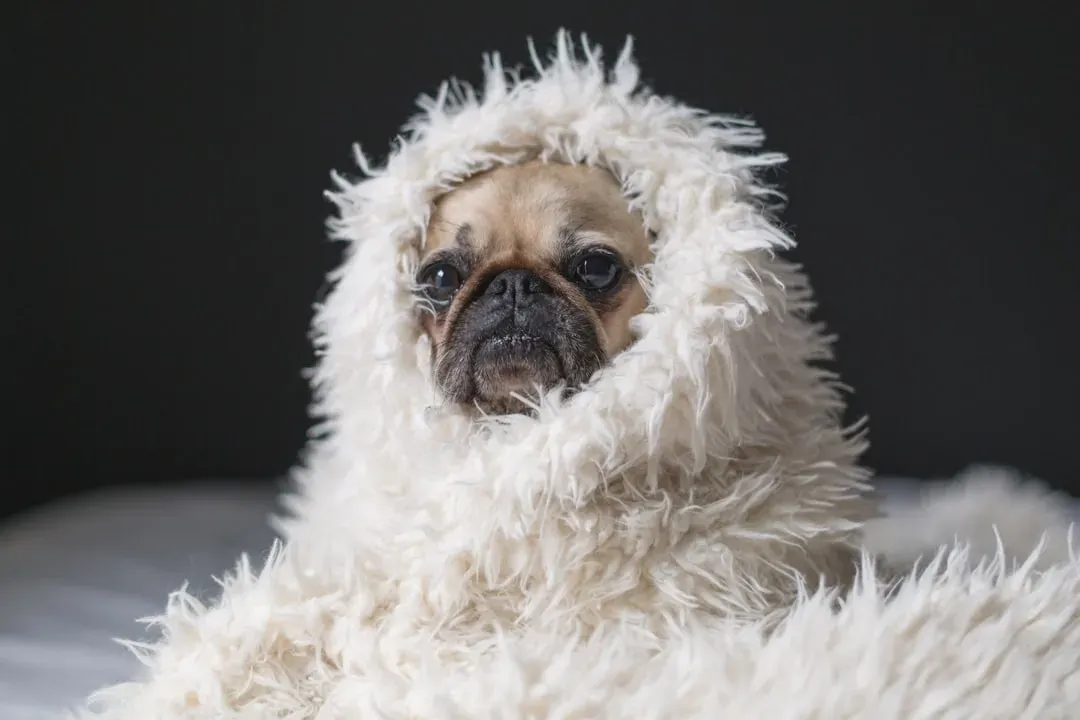
Pugs are undoubtedly full of love, and cats can make for their perfect, unlikely friend that matches their size. Pugs are usually calm and easy to please, but able to stand their ground firmly against their bossy cat friends. Being such social dog breeds, pugs can get along well with most any pets. Think of a Pug as the easygoing roommate who never starts conflicts but also never backs down from a gentle standoff over the couch spot.
Pugs often don’t mind having feline company either. In fact, you’re more likely to find them snuggling together than in the middle of a feisty exchange. Dogs that are good with cats, such as Pugs, can often be the sweetest canines, and this breed is known for being generally good-tempered and sociable. One health note worth knowing: it’s worth noting that pugs are brachycephalic, meaning they have a shortened face and protruding eyes, which can cause respiratory and eye issues. Regular vet visits are especially important for this breed.
7. Collie: The Gentle Herder Who Knows Better
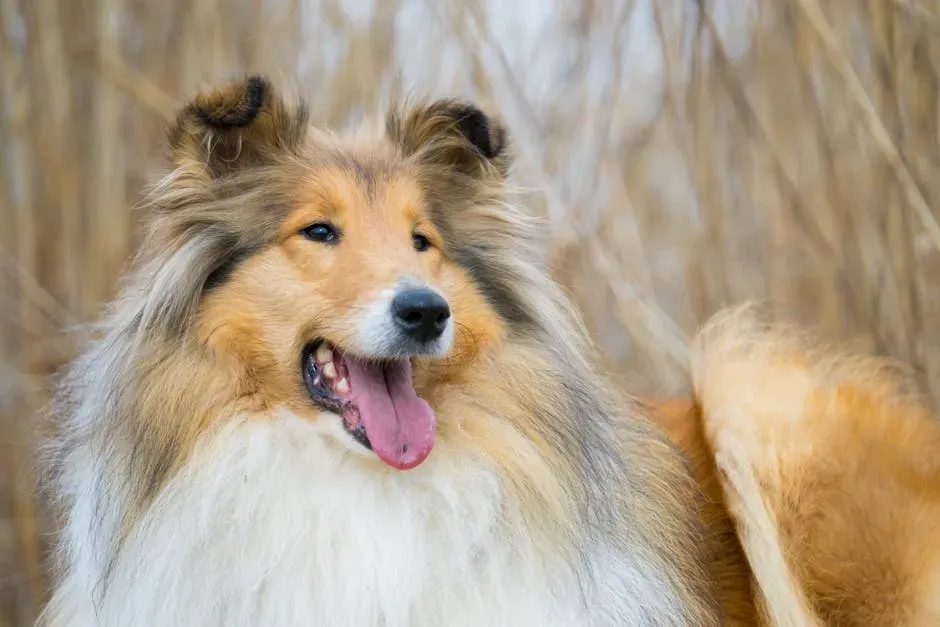
You might assume a herding dog would be a nightmare around cats, but Collies tend to be a beautiful exception to that rule. Collies are remarkably loyal to their human and furry siblings. Because they are wicked smart and sweet, they can learn how to interact and adjust to living with a cat sibling. Their high intelligence is genuinely a superpower in a multi-pet home.
Collies are athletic; they do best with a lot of exercise and companionship. They are vocal dogs that tend to be tolerant of other family pets. The behavior cue to watch here is “soft eyes” and a relaxed posture around other animals. If a Collie starts crouching into herding stance, that’s your signal to redirect their attention with a toy or a task.
8. Bichon Frise: The Sociable Little Cloud

If you’ve ever seen a Bichon Frise trotting around the house looking like a freshly laundered cotton ball, you already know there’s something deeply cheerful about this breed. The Bichon Frise breed can be extremely sociable with both humans and other animals, and will often get on well with other pets. So, if you’re considering adding a cat-friendly dog breed to your family, this breed is definitely worth considering.
The Bichon’s playful and affectionate nature means it rarely carries tension into social situations. Their energy is contagious without being overwhelming. That said, bear in mind that their enthusiasm can occasionally get the better of them. Matching their energy with an equally playful cat or dog is the recipe for an adorable friendship. Regular grooming is non-negotiable for this fluffy breed, and keeping them mentally stimulated helps channel that social energy positively.
9. Newfoundland: The Gentle Giant With a Heart of Gold
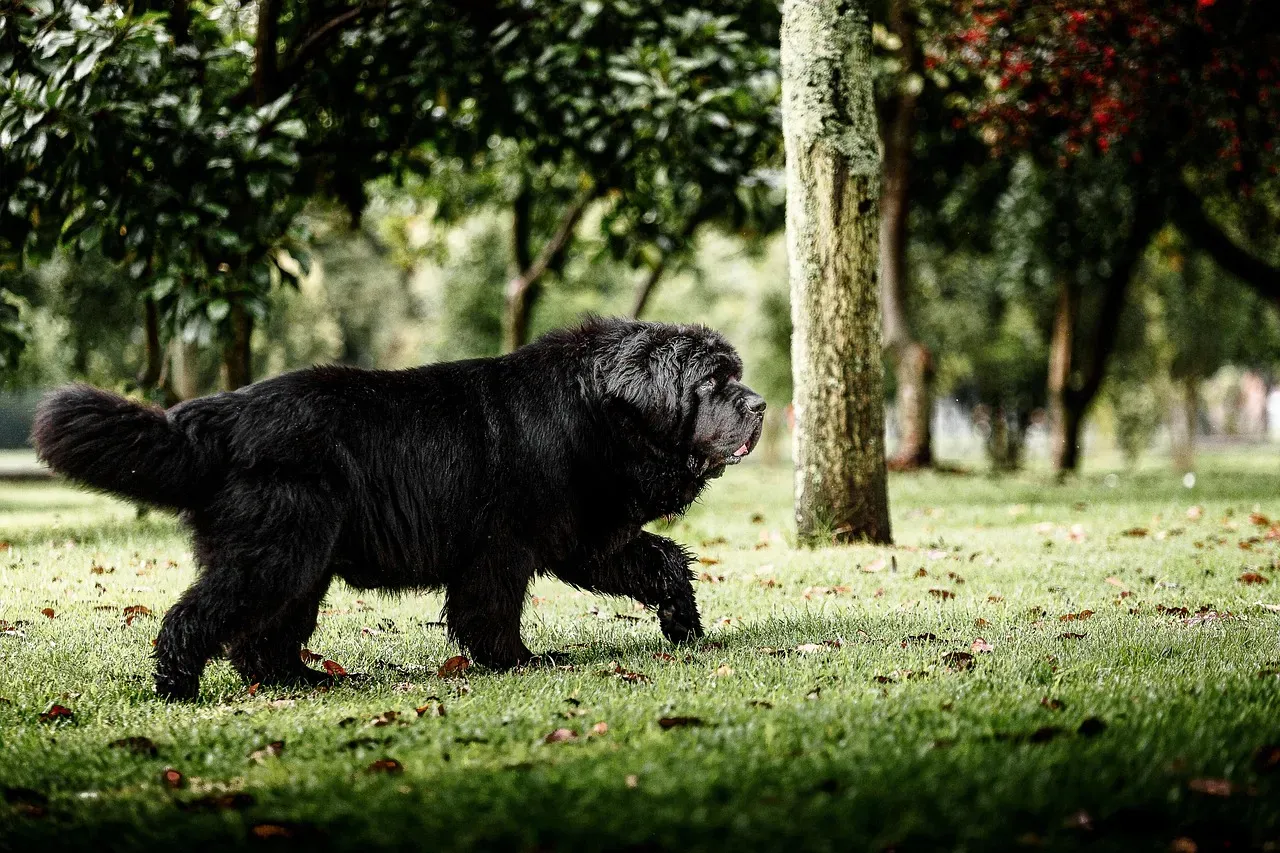
Newfoundlands are sweet and full of fluff and would love nothing more than to be the center of attention, getting all the pets and scratches. Their patient and calm demeanor pairs perfectly with the personality quirks of cats. I think “patient” is the key word here. Newfoundlands don’t rush introductions. They have this quiet, self-assured way about them that actually calms other animals down.
Their sheer size can be startling to smaller pets at first, so slow, scent-based introductions are the way to go. Let the cat sniff a blanket the Newfie slept on before they ever share the same room. Newfoundlands don’t tend to get overly excited by everyday occurrences, and this quality not only lends to their willingness to spend time alone but also makes them ideal therapy dogs. That same calm applies beautifully to life with other pets.
10. Irish Setter: Life of the Party in the Best Way
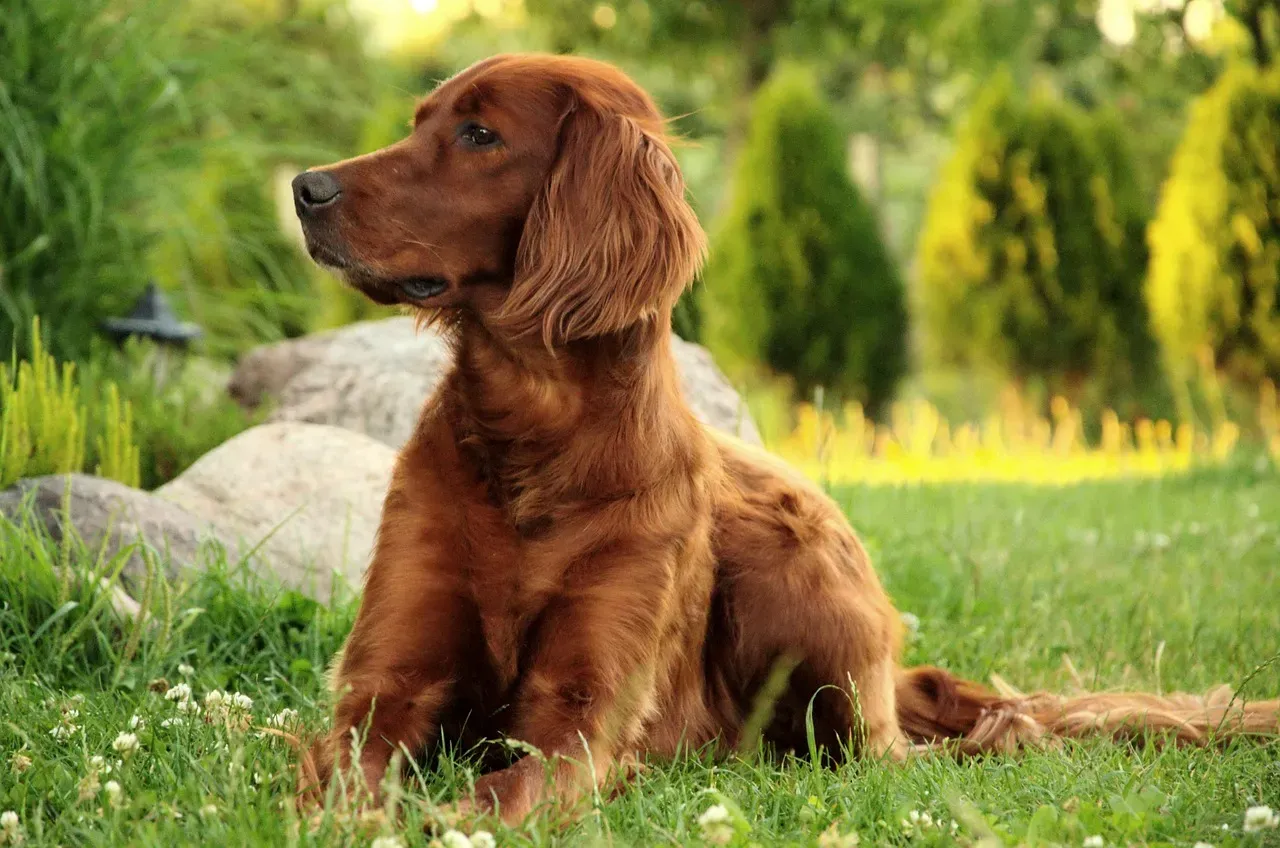
This high-energy and boisterous dog is literally a party animal and happy to mingle with new friends, including cats. It would be difficult for even the grumpiest cat to ignore an invitation to play with their fun-loving Irish Setter. There’s something genuinely infectious about an Irish Setter’s enthusiasm. They don’t approach other animals with caution. They approach them with jazz hands.
Their boundless energy does mean they need a solid outlet before chaotic introductions with calmer pets. A well-exercised Irish Setter is a far more manageable social partner than a bored one. This gorgeous red, feathery-coated dog has more going for it than just its gorgeous fur: It can also peacefully co-exist with a cat. With consistent positive reinforcement and proper socialization, the Irish Setter can be a joyful, warm presence in any multi-pet home.
11. Chow Chow: Dignified, Devoted, and Happiest Alone
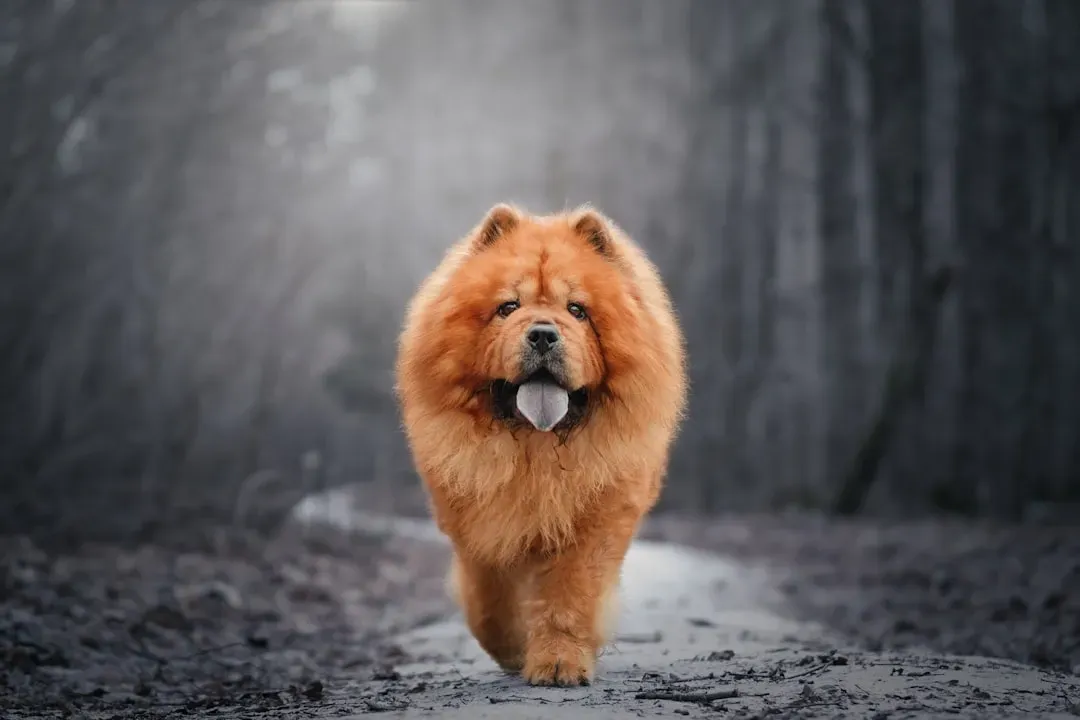
Now we enter different territory. Some dogs simply aren’t built for the social chaos of a multi-pet household, and that’s completely okay. The Chow Chow is one of the most striking examples. “Known for their cat-like independence, Chow Chows don’t always enjoy the company of other dogs,” says one veterinary expert. “They can be territorial and selective with playmates, so they often do best in a single-dog household.” One of the oldest dog breeds around, Chows served as imperial guards in China, and they have the regal attitude to match.
Though Chow Chows have attention-grabbing good looks, they prefer keeping a low profile. Rather aloof, they reserve all of their affection for immediate family members, and even then aren’t especially demonstrative. Because of their independent natures, Chows adapt easily to time alone. This is a breed that gives deep loyalty to their person and asks for peace and respect in return. Respect that and they’re absolutely wonderful.
12. Shiba Inu: The Proud Solo Artist
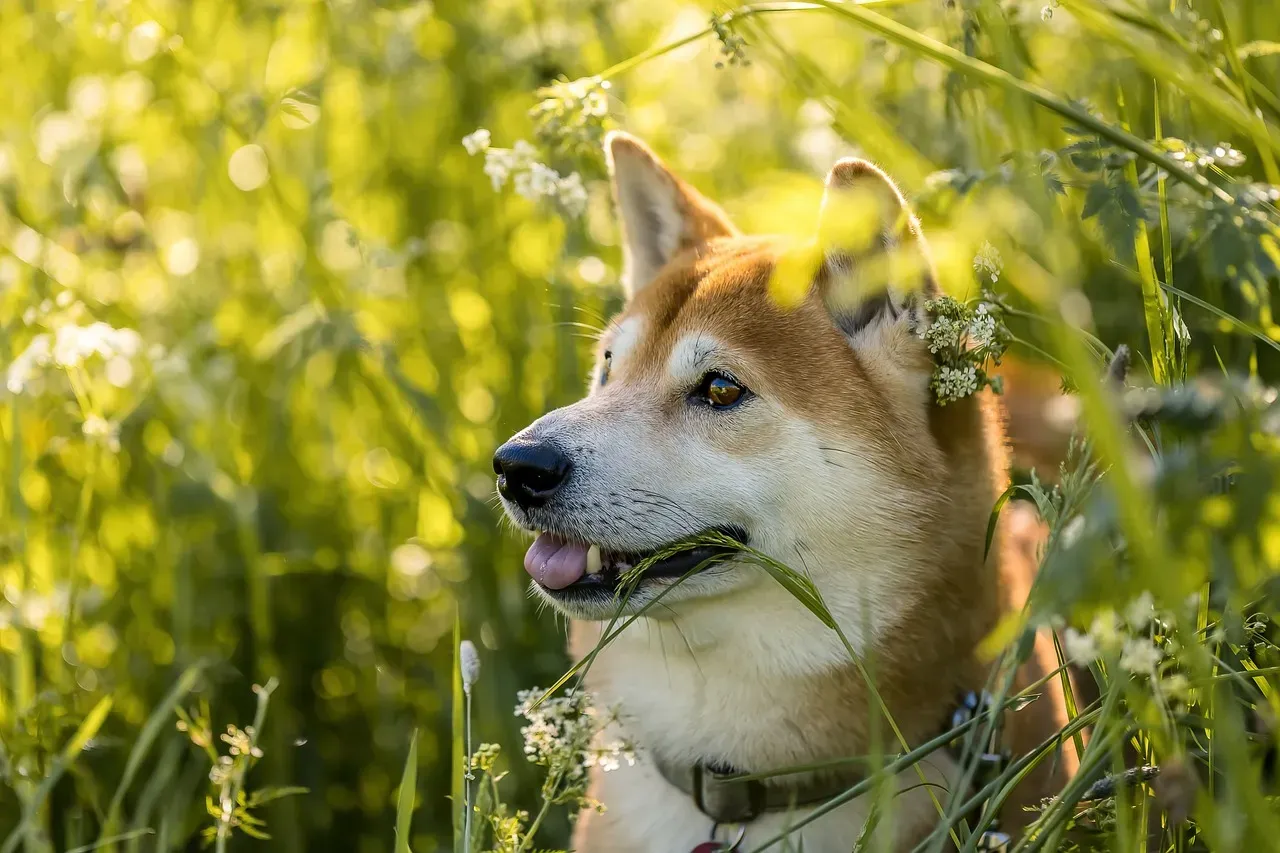
The internet’s favorite dog has a personality that’s a lot more complex than the memes suggest. “Independent and strong-willed, Shiba Inus often like things on their own terms,” says one veterinary consultant. “They may get along with some dogs but can be territorial, especially at home. Many thrive as a single dog, where they don’t feel the need to compete for space or resources.”
Shibas have a reputation for being catlike. If they aren’t interested in socializing, they’ll go off and do their own thing. That independence isn’t a flaw. It’s a personality. Highly intelligent, Shiba Inus are trainable, but can be stubborn, independent, and strong-willed, so consider starting training at a young age. If you’re a single-pet household and want a fascinating, spirited companion, the Shiba Inu might be your perfect match.
13. Akita: Loyal to Their Person, Wary of Everyone Else
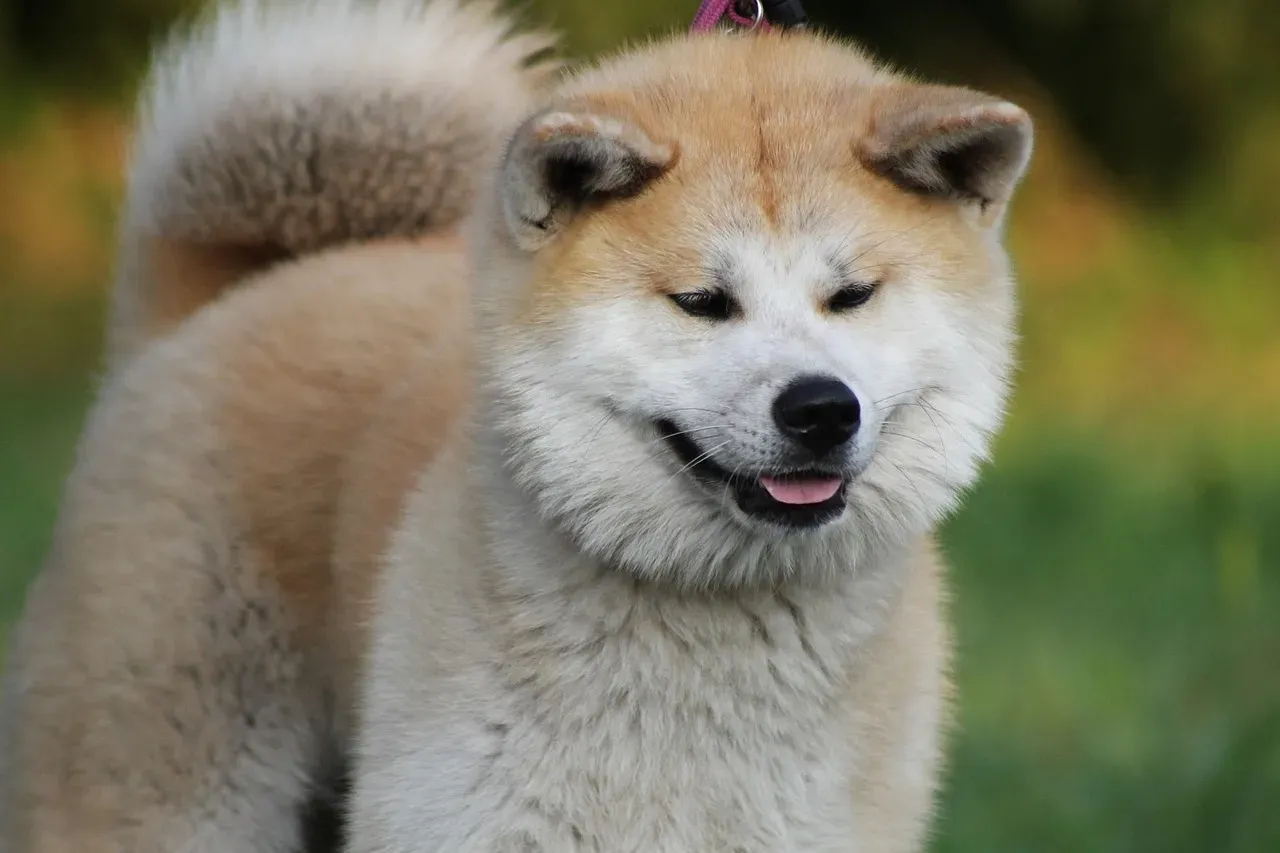
The Akita is one of those breeds that inspires deep devotion from their owners, and honestly, it’s easy to understand why. “Akitas are loyal, protective and deeply bonded to their families, but they can be aloof or even aggressive toward unfamiliar dogs,” says one veterinary consultant. “Their strong guarding instincts often make them happiest as the sole canine companion.”
Akitas are also a bit territorial and have trouble tolerating dogs of the same sex. Dog fanciers claim that Akitas should not be a person’s “starter” dog. This is sound advice. The Akita needs an experienced handler who understands their complexity. The best fit for an Akita is a quiet home with a close family and consistent schedule. Give them that, and they’ll be fiercely devoted to you.
14. Shar Pei: Reserved, Wrinkled, and Wonderfully Self-Sufficient
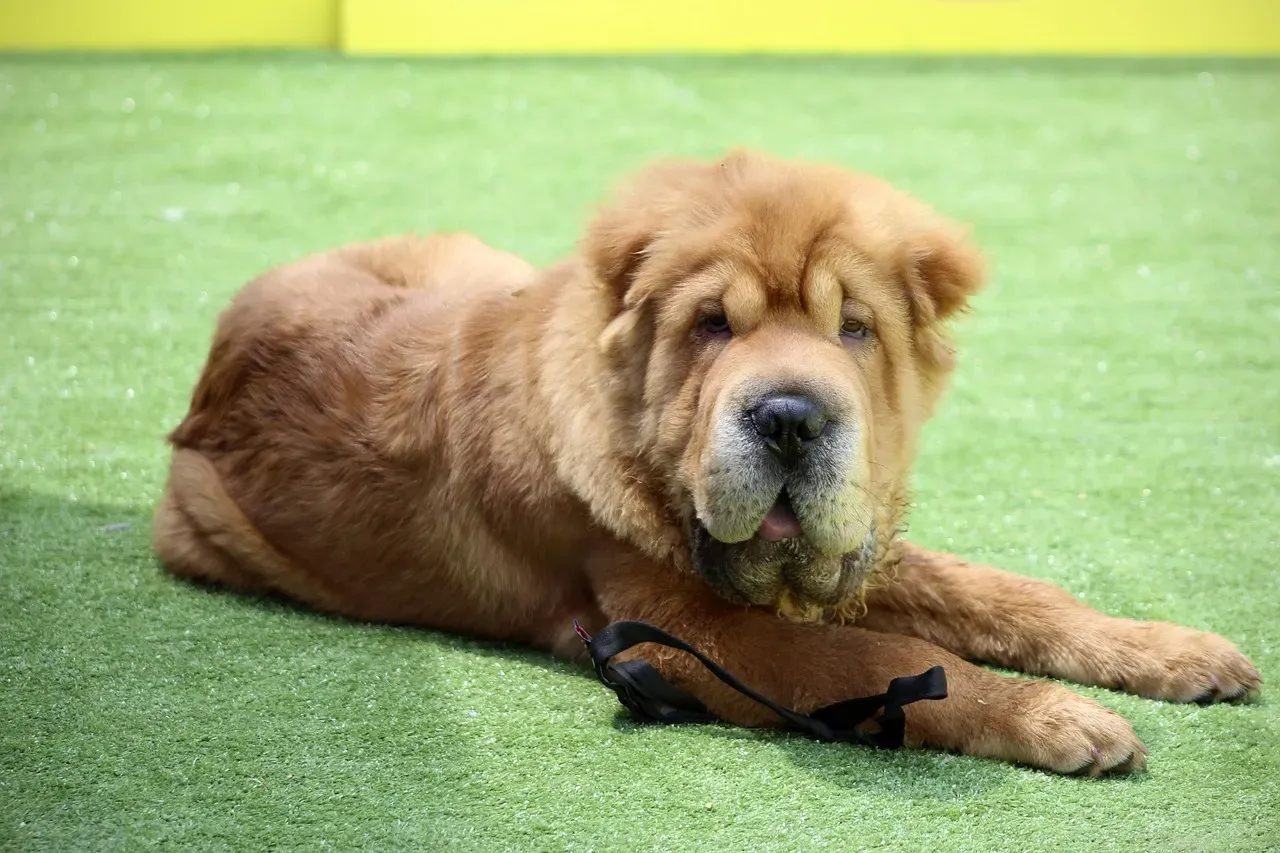
Originally bred as a farm and guard dog in China, the Shar Pei is a reserved and independent breed that often prefers its own company. They are known for being somewhat aloof and can be suspicious of strangers, traits that contribute to their ability to spend time alone without feeling distressed. Shar Peis are loyal to their families but do not require constant interaction or affection to remain content. Their calm demeanor and self-sufficiency make them suitable for households where they might need to entertain themselves for portions of the day.
A quiet and relatively low-energy breed, Shar-Peis are smart, sometimes stubborn, but always devoted to their owners. “Originally bred as guard dogs, Shar-Peis tend to be reserved and protective.” Introducing a Shar Pei to other pets requires careful, slow management and ideally starts in puppyhood. Watch for stiffened body posture or hard stares as warning signs during any new animal introduction.
15. Greyhound: Speed Demon at the Track, Couch Potato at Home (But With Caveats)
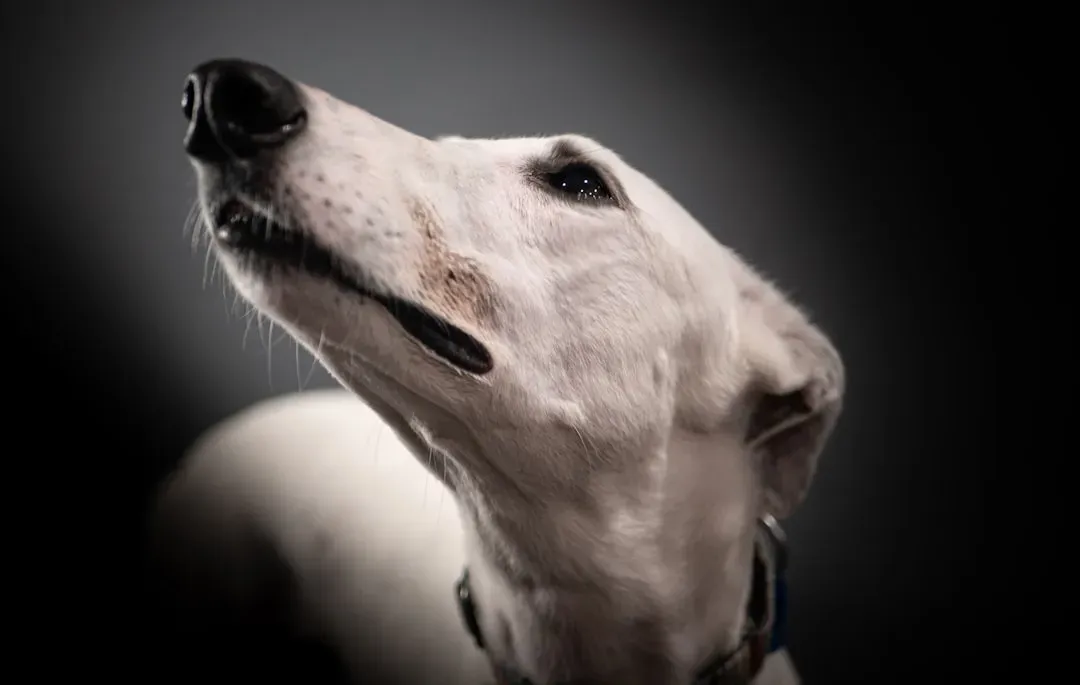
The Greyhound is genuinely one of the most misunderstood breeds in the world of multi-pet households. People assume ex-racing Greyhounds are hyperactive or aggressive. The reality is almost the opposite. Despite being known as racing dogs, Greyhounds are surprisingly laid-back and low-energy when not on the track. They are known for being “couch potatoes” and can spend large parts of the day sleeping peacefully. This breed is generally not prone to separation anxiety and can handle being alone better than many other breeds.
Here’s the important caveat though. While some retired racers enjoy the company of other Greyhounds, many Greyhounds prefer a quiet life with just their human family. They’re gentle and affectionate, but their calm, laid-back personalities often shine brightest as an only pet. They still have a strong prey drive, which means they’ll often want to chase after smaller animals, keeping them on leash when out is a good idea. Think twice before placing one with a small cat or rabbit without very careful, supervised introductions over several weeks.
A Final Note: Every Dog Is an Individual
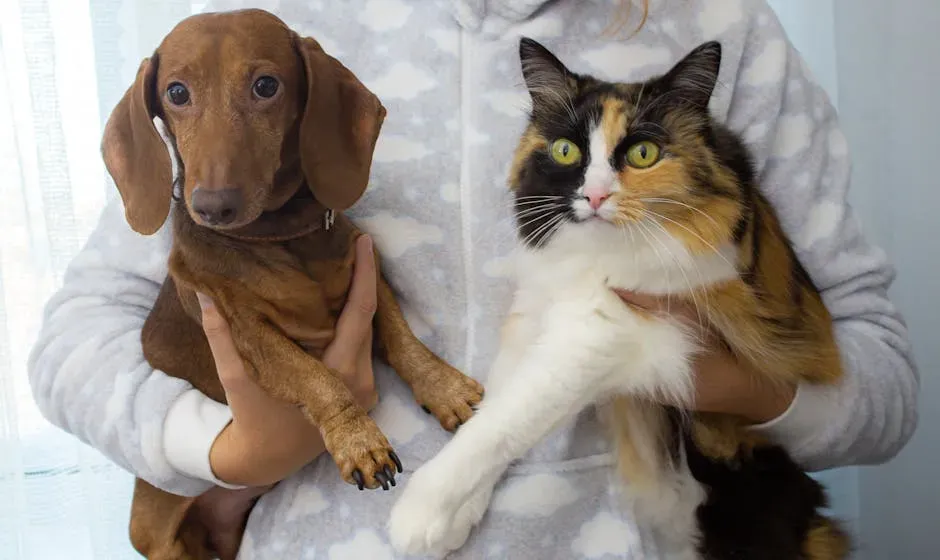
Here’s something worth remembering before you make any decisions. While successful integration largely depends on the individual personalities of the pets involved, certain dog breeds have traits that make them more likely to get along well with cats and other pets. Breed is a starting point, not a guarantee. A Golden Retriever raised in isolation may struggle with other animals, just as a well-socialized Akita might surprise you with its tolerance.
Most dog breeds can live calmly with a cat if they are socialized as puppies and are trained to leave the cat alone. Teaching your dog a “leave it” cue and a strong “stay” can help keep the peace. Proper introductions will also help, and it’s a good idea to make sure the cat always has an escape route. Whether your household is bustling with four animals or perfectly peaceful with just one, the most important thing you can do is honor each pet’s personality, move at their pace, and never force connection before trust is built.
The right breed match can transform your home into a place of warmth and beautiful chaos. The wrong one can create stress for every creature involved, including you. So take your time, do your research, and trust your instincts as a pet parent. You clearly care deeply already, otherwise you wouldn’t be reading this far. What multi-pet combo is living under your roof right now? We’d love to hear your story in the comments!


