Picture this: you walk into a dog park and see a stunning Belgian Malinois effortlessly clearing a six-foot fence, or watch an Afghan Hound’s flowing coat catch the breeze like something out of a shampoo commercial. These moments might make your heart skip a beat and think, “I want that dog!” But hold on just a minute. Behind those Instagram-worthy moments lies a reality that many first-time owners simply aren’t prepared for.
Some dogs are like that gorgeous sports car you’ve always dreamed about – absolutely breathtaking to look at, but demanding expertise, time, and resources that go way beyond what meets the eye. These breeds aren’t difficult because they’re bad dogs – they’re challenging because they were bred for specific, intense purposes that don’t always translate well to modern family life.
Belgian Malinois: The Four-Legged Workaholic
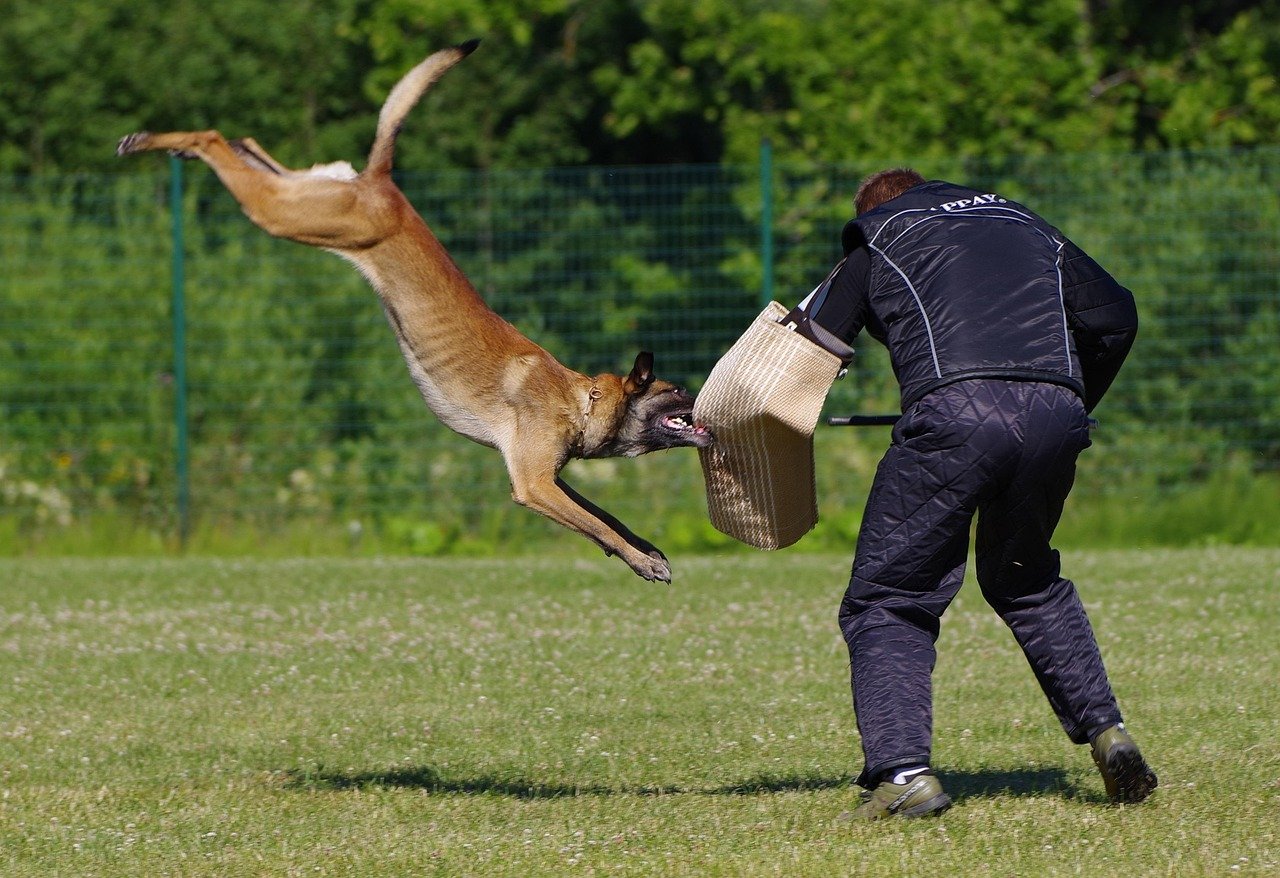
Ever met someone who makes you tired just watching them? That’s the Belgian Malinois in a nutshell. These dogs are extremely high-energy and need considerable amounts of active engagement, both mentally and physically, requiring at least 2 hours of intensive exercise per day with their owner by their side. We’re not talking about a leisurely stroll around the block either.
When Belgian Malinois don’t get enough exercise or mental stimulation, they often start to exhibit destructive behaviors, creating their own activities to keep themselves entertained. Without sufficient exercise and training, they can be extremely destructive and headstrong, especially when young. Think of them as the overachieving student who, when bored, starts dismantling the classroom just to have something to do.
Afghan Hound: Beauty with a Price Tag
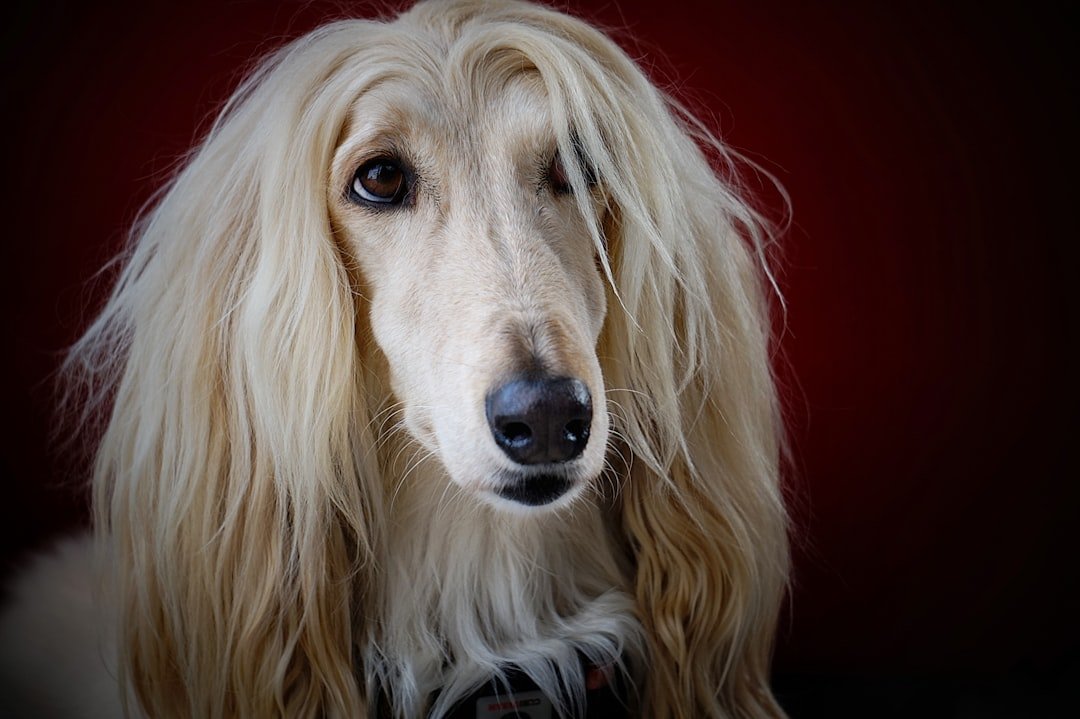
Afghan Hounds are often considered among the most challenging dog breeds, with show-quality puppies costing as much as $2,500. But the price tag is just the beginning of your investment. These dogs require daily brushing, and show dogs need bathing twice a week.
Though smart, their independent nature and high level of sensitivity can make training an Afghan Hound a difficult task that requires consistency and plenty of patience. Most Afghan owners will tell you that their dogs are smart as a whip and stubborn as a mule. It’s like trying to negotiate with a supermodel who knows they’re gorgeous and isn’t particularly interested in your opinion.
Siberian Husky: The Escape Artist

These famous sled dogs are known for their high energy levels, intelligence, and independence, but what makes them challenging is their high prey drive, stubbornness, and tendency to be escape artists. They have strong-willed personalities that make them prone to ignoring commands and doing things their way, particularly when it comes to escaping, as these escape artists are notorious for running out the door whenever given the chance.
Siberian Huskies were bred to pull sleds across icy landscapes, meaning they’re built for endurance and need a lot of exercise, and without it, they can develop destructive behaviors like digging, howling, and chewing everything in sight. Imagine having a roommate who never sleeps and thinks your furniture is fair game for entertainment.
Chow Chow: The Furry Dictator

Unlike most dogs, Chows don’t live to please their owners and aren’t the type to fetch slippers or eagerly follow commands, often ignoring commands completely unless they see a good reason to follow them. They have a strong sense of self-importance, and if they don’t feel like doing something, good luck changing their mind, making training a challenge especially for first-time owners who aren’t used to handling stubborn breeds.
Chows are naturally suspicious of strangers and highly territorial, and if not properly socialized early, they can become overly protective or even aggressive toward unfamiliar people and animals. They’re like that neighbor who’s perfectly pleasant once they know you, but views everyone else with deep suspicion.
Australian Cattle Dog: The Relentless Energizer

The Australian Cattle Dog is always on duty even when there’s no job to do, and these high-energy herders have a relentless drive, razor-sharp intelligence, and an independent streak a mile long. They thrive on work and don’t just want activity – they need it, as a quick walk won’t cut it since they crave intense exercise, mental challenges, and structured tasks.
Without a job, they get creative – and trust me, you won’t like their version of entertainment. They’re wickedly smart but also independent thinkers, and if a command doesn’t make sense to them, they might ignore it, with first-time owners often struggling with this and mistaking intelligence for stubbornness.
Border Collie: The Canine Genius
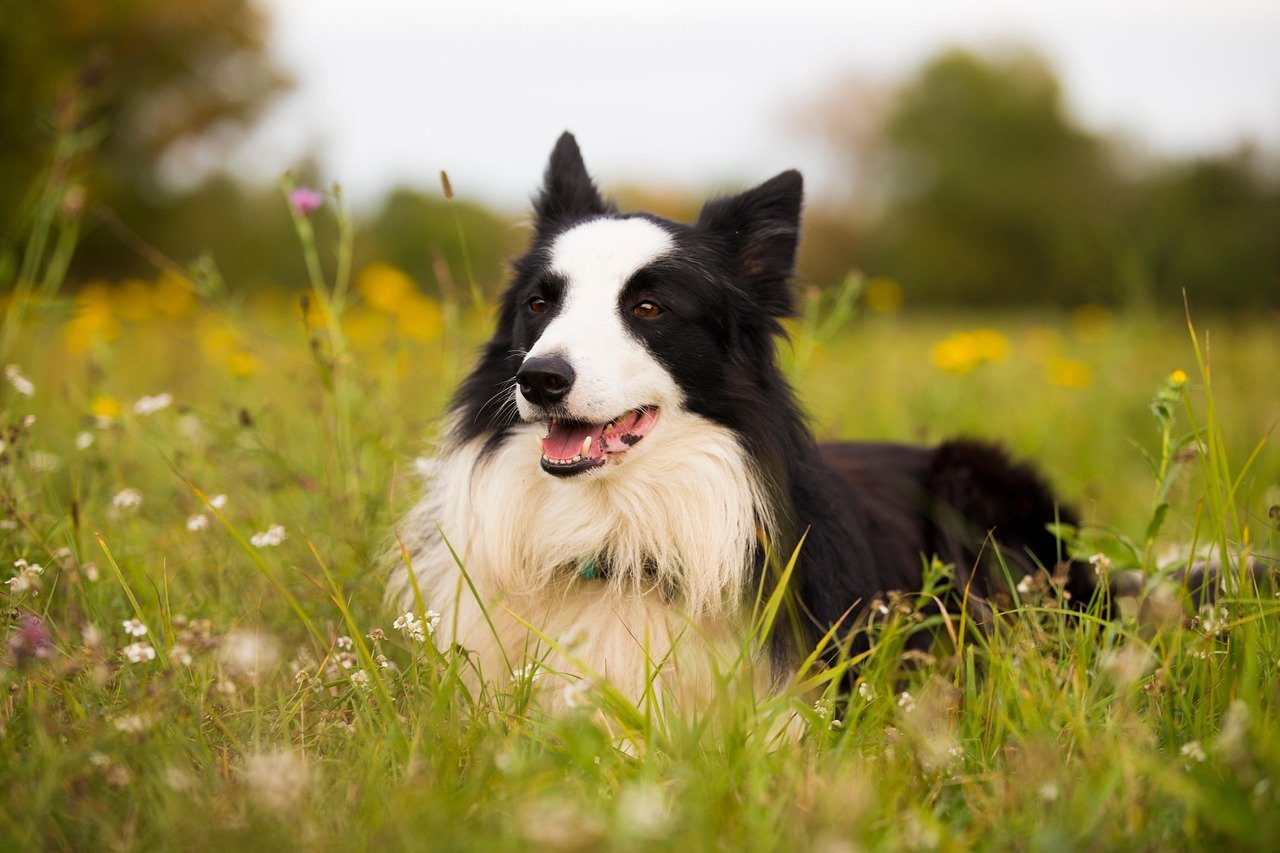
Border Collies are extremely intelligent and bursting with energy, qualities that make them exceptional workers but also lead to plenty of mischief when there’s no job to be done. With a history of livestock herding, they’re revered for their remarkable intelligence and high energy levels, thriving when given a task to focus on, but without a way to express their natural herding instincts, they may act out and try to outsmart their owners, becoming easily stressed when not provided with enough mental stimulation and physical activity.
These dogs are best suited to country life and don’t do well as urban apartment dwellers because of their intense need for physical activity, and as natural herders, they’re prone to nipping at people’s heels while being loyal and affectionate with owners but standoffish or snappy with strangers. It’s like living with a brilliant professor who gets bored easily and has strong opinions about how you should organize your life.
Rottweiler: The Gentle Giant with an Attitude
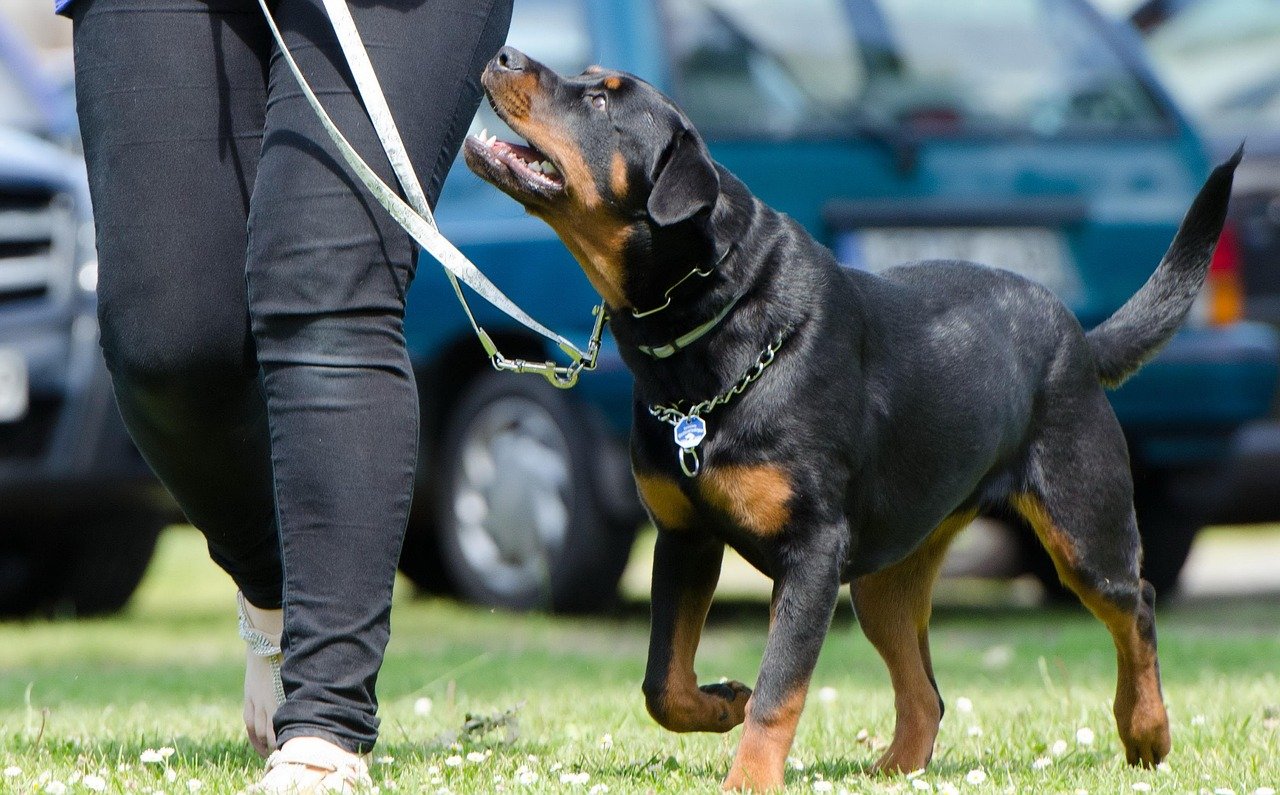
Rottweilers are loyal and protective breeds with a reputation for being a handful, being intelligent, powerful, and naturally guard dogs that need consistent training and early socialization to channel their protective instincts in a healthy way. Although he can be a gentle giant, the wrong Rottweiler with the wrong owner can truly be a scary dog, as a Rottweiler wants someone to be the boss, and if you’re not taking the job, he will, being powerful and protective and known for being extremely loyal when it comes to his people and property, and considering he can weigh as much as 130 pounds of mostly muscle, he can generally back up his threatening growl.
Without proper guidance and a loving owner by their side, Rottweilers can develop destructive behaviors and become overprotective, requiring consistent leadership, patience, and ownership by someone who understands the responsibility of raising such a strong-willed dog. Think of them as the bouncer at your favorite club – great to have on your side, but you need to establish who’s in charge from day one.
Jack Russell Terrier: Small Dog, Big Attitude
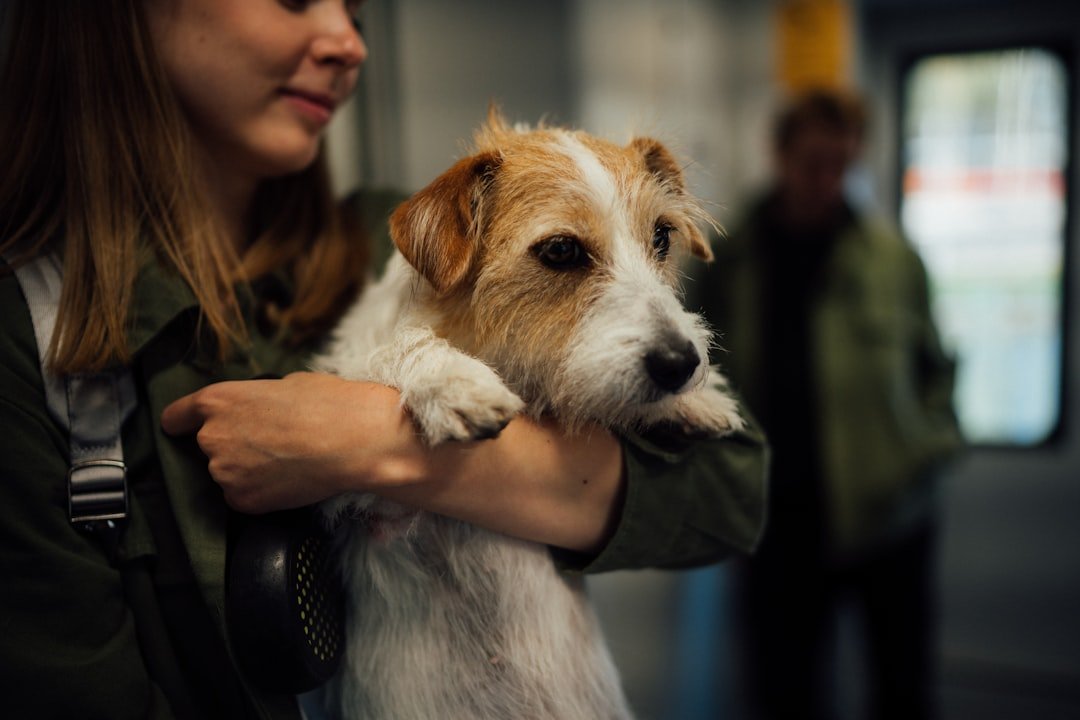
You cannot be fooled by this small dog, as Jack Russell Terriers are high-energy breeds with a strong prey drive and highly independent nature, bred for hunting foxes with a strong instinct to chase and dig. They have spirited personalities and seemingly boundless energy, earning them the reputation of being “hyper,” with a strong prey drive that makes them prone to behaviors such as barking and digging, which can be especially challenging for first-time dog owners to handle.
They need a lot of exercise and mental stimulation to keep them out of trouble, and without it, you might see chewed-up furniture, holes in the yard, and a frustrated dog owner. They’re like that friend who drinks three espressos before 9 AM and then wonders why you can’t keep up with their energy level.
Alaskan Malamute: The Furry Freight Train

Often confused with a bigger, fluffier Husky, the Alaskan Malamute is a powerful working breed known for their stubbornness and training difficulties, bred to hunt big game and haul heavy loads. He’s friendly, joyful and exuberant, which may make him attractive to someone seeking a first dog, but be warned: the Alaskan Malamute sheds like crazy, pulls on leash with all of his 65-100 pounds and is a talented escape artist, made to travel far on his own four feet and needing a family committed to a lot of exercise when it’s best for him, with that thick fur coat leaving him vulnerable to heat injury.
Malamutes have a strong prey drive and a desire to roam, making them a challenge to keep contained, known for being stubborn and making training a task that requires patience and consistency, with their thick coat also requiring regular grooming and being best suited for experienced dog owners who can provide the exercise, training, and attention these majestic dogs need.
Catahoula Leopard Dog: The Fearless Hunter

Bred to herd cattle and hunt wild hogs, Catahoula Leopard Dogs are strong and fearless, but while loyal and protective, they are a challenging breed for inexperienced dog owners, as their courage and independent nature often lead to stubbornness and they’re more than willing to stand up against their owners, requiring proper training and socialization from an early age or they can be tough to manage.
These dogs also have intense exercise needs and need plenty of space to run, not being well-suited to apartment living, with mental stimulation being vital too, and without physical exercise, mental stimulation, and training, they tend to get in trouble with digging, chewing, and other destructive behaviors being common when their extensive needs aren’t met. Imagine having a roommate who was raised by wild boar hunters and thinks compromise is a four-letter word.
Conclusion
Look, these breeds aren’t on this list because they’re bad dogs – they’re here because they’re specialists. Each one was bred for a specific, demanding job that required particular traits like independence, high energy, protective instincts, or incredible intelligence. The problem comes when those working-dog qualities meet modern suburban life.
Before you fall head-over-heels for any of these breeds, ask yourself honestly: Do you have several hours every single day for training and exercise? Can you handle a dog that might outsmart you on a regular basis? Are you prepared for grooming bills that rival your own salon visits? If you’re nodding yes to all of these, then maybe you’ve found your perfect match.
But if you’re hoping for a couch companion who’s content with a daily walk and some belly rubs, you might want to look elsewhere. These dogs aren’t just pets – they’re lifestyle commitments. Did you expect owning a working breed would be this demanding?