
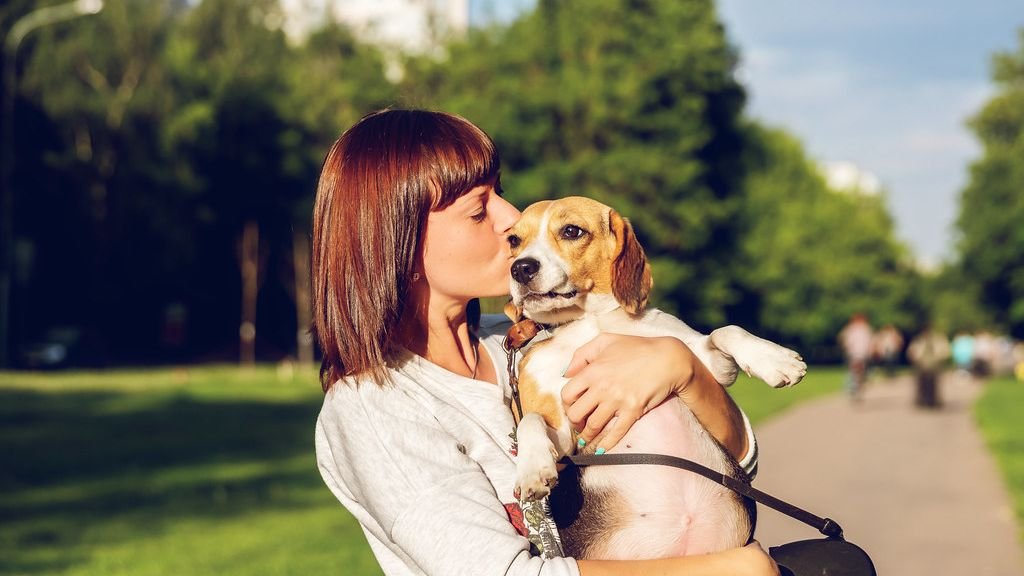
Imagine coming home after the worst day of your life, and before you even drop your bag, there’s a warm, wiggly body pressed against your legs. No judgment. No words needed. Just pure, unshakeable presence. Dogs have been doing this for humans for thousands of years, and yet we still underestimate just how deeply their breed shapes their emotional superpower.
Here’s what most people don’t realize: not all dogs are wired the same way when it comes to emotional attunement. Some breeds carry a kind of natural healing energy in their very DNA. Others, bless their hearts, are walking bundles of nerves who could use a little therapy themselves. Knowing which is which could genuinely change your life, or at least help you understand your dog so much better. Let’s dive in.
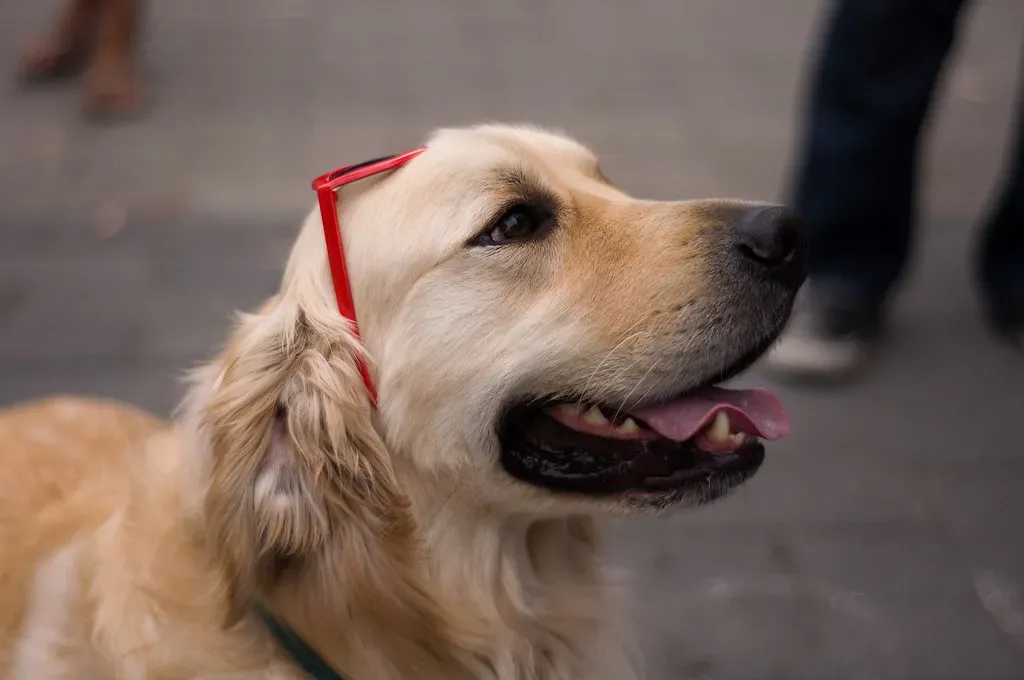
1. Golden Retriever: The Classic Soul Healer

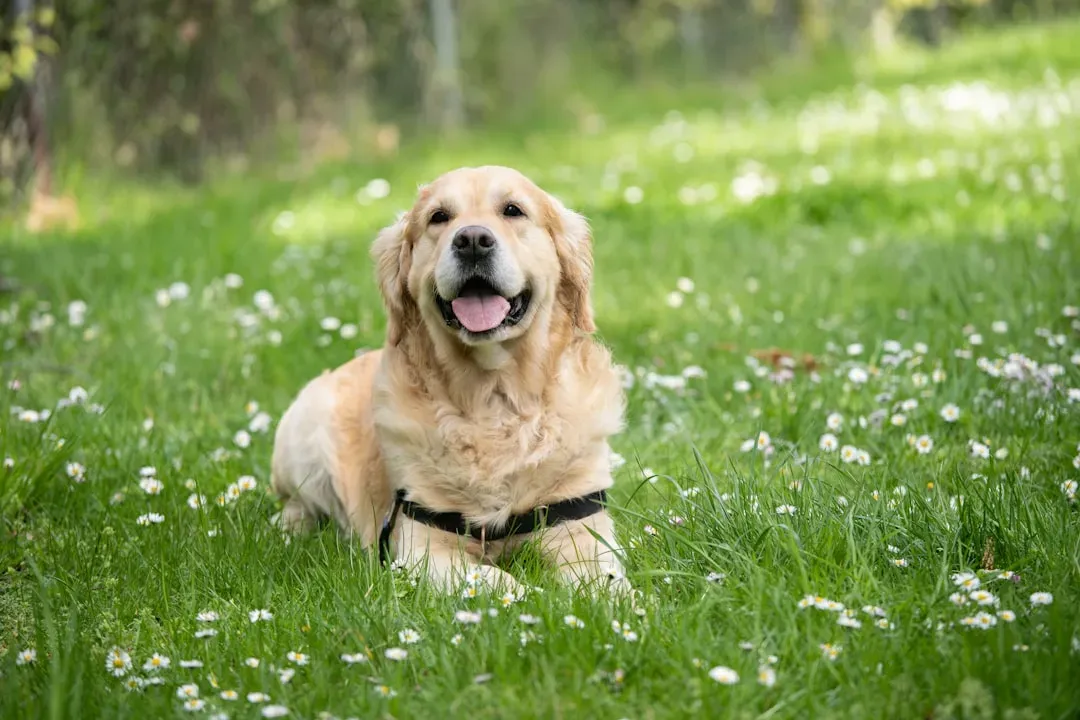
There’s a reason Golden Retrievers show up in hospitals, schools, and crisis centers all over the world. Known for their friendly and gentle nature, Golden Retrievers are highly sociable and compassionate dogs with a natural instinct to comfort and connect with people. Honestly, it’s almost unfair how good they are at this.
Golden Retrievers are well known for their gentle and loving nature, making them ideal emotional support dogs or service dogs. They are also highly intelligent, easy to train, and good with children. Think of them like that friend who always knows when to hug and when to just sit quietly beside you. That’s your Golden, every single day.
2. Labrador Retriever: The World’s Most Trusted Companion
The Labrador Retriever is the most common therapy dog breed across the United States. A very versatile companion, they are relatively easy to train, and the main reason this breed is so popular among those who experience stress and anxiety is their affectionate and focused personality. They are, in the simplest terms, impossible not to love.
Labrador Retrievers consistently exhibit an ideal temperament that complements the unique needs of people including veterans with PTSD, children with autism and neurodevelopmental disabilities, and adults with physical challenges. Whether they’re visiting disaster survivors or simply curling up on the couch with someone having a hard week, Labs show up fully every time.
3. Cavalier King Charles Spaniel: The Pocket-Sized Empath

The Cavalier King Charles Spaniel is a small, elegant toy breed known for its affectionate nature and expressive eyes. Originally bred as a companion to royalty, this dog thrives on human connection and loves to cuddle. Royalty had the right idea, honestly. Nothing resets your nervous system like a Cavalier settling into your lap.
They are particularly attuned to human emotions, making them excellent, empathetic companions for emotional support. They are wonderful for special needs children and provide a calming presence for individuals with PTSD. Although they love going for walks, they are not nearly as demanding as larger breeds and are happy spending most of the day on someone’s lap.
4. Poodle: The Brilliant Healer in Disguise
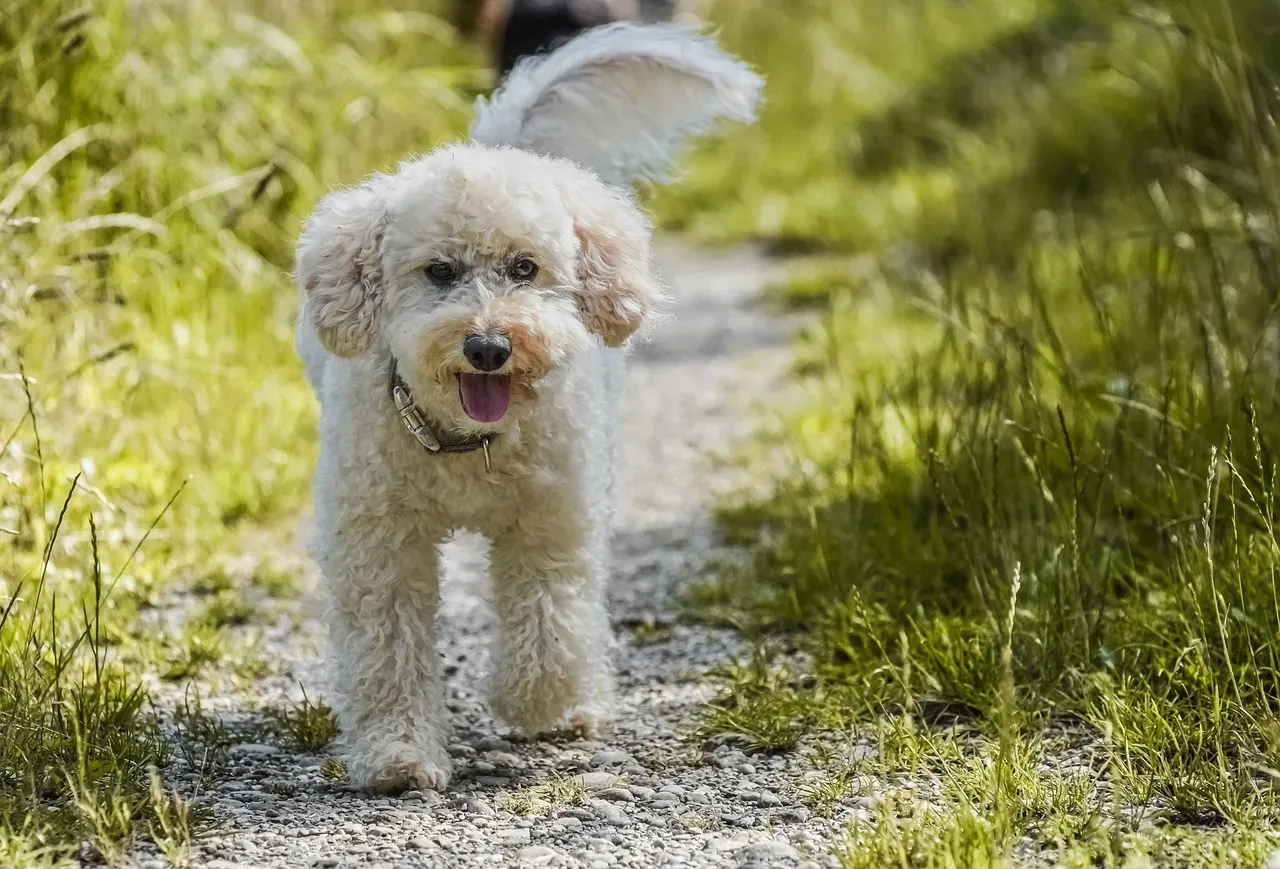
Most people think of the fancy haircuts first. Let’s get past that. The Poodle is renowned across the globe for its excellent intelligence and perky attitude. This breed serves as superb therapy dogs because of their hypoallergenic coat, affectionate personality, and adaptability to different environments. The hypoallergenic coat alone makes them a game-changer for people who need comfort but struggle with allergies.
Poodles come in three sizes – standard, miniature, and toy – which makes them a versatile breed. They are known for being intelligent and easily trainable, which is why they’re so often used as service dogs. They are also known for their hypoallergenic coat, which is useful for people with allergies. Whatever your lifestyle, there is genuinely a Poodle-sized solution for it.
5. Beagle: The Cheerful Little Mood-Lifter
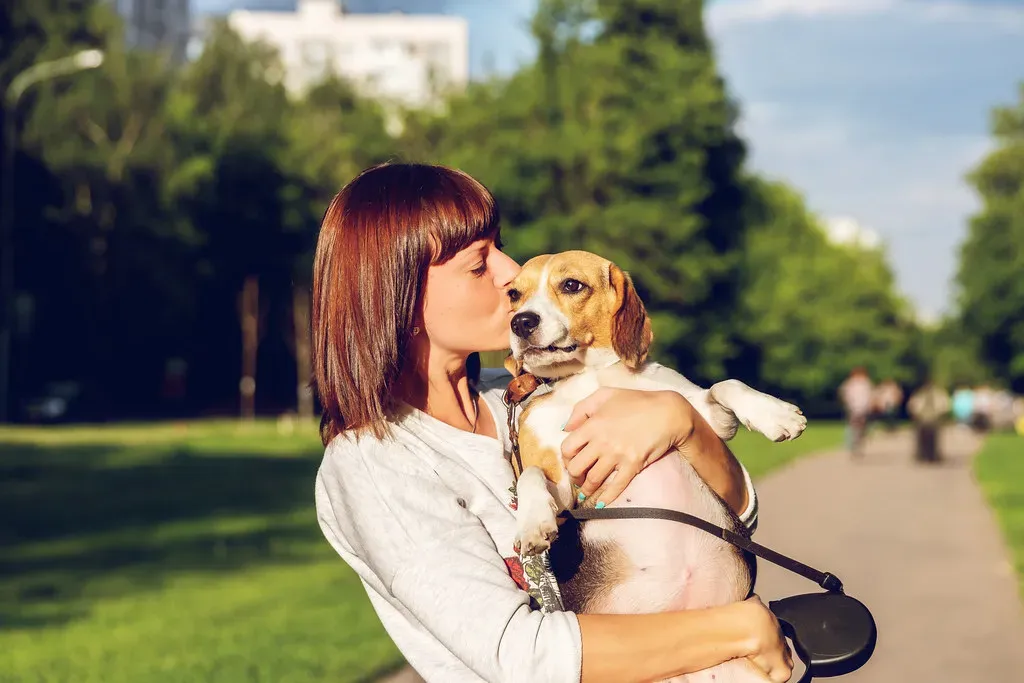
While the Beagle has hunting dog roots, this pup has a happy-go-lucky personality that instantly soothes the people around it. Their curious, cheerful nature and big brown eyes make them natural mood-lifters. As one of the most comforting dog breeds, Beagles thrive on routine and social interaction, forming strong emotional connections with their pet parents.
Think of a Beagle as the canine equivalent of your funniest, most upbeat friend. They won’t let you stay in your feelings for too long. With their playful yet soothing nature, Beagles are the perfect combination of cheerful companion and stress-relieving, affectionate dog, making them ideal for families, singles, or anyone seeking a dog that lifts your mood and melts stress away.
6. Collie: The Empathetic Protector
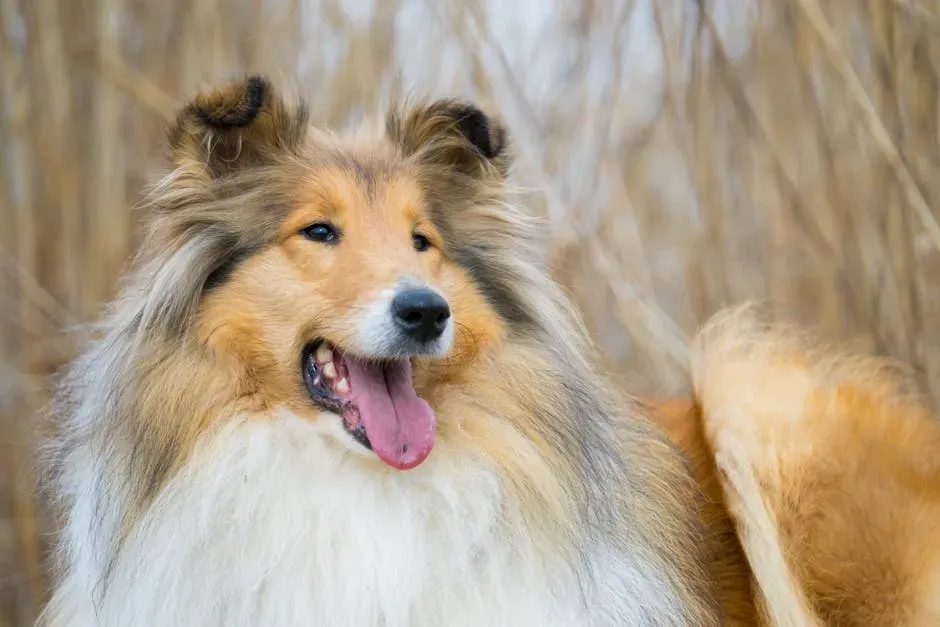
Collies are considered to be one of the smartest dog breeds around. They’re predictable, rarely aggressive, and enjoy play and training. They provide great emotional support for people experiencing depression, as well as anyone who needs to gain more activity and exercise to help their condition. There’s a reason Lassie became a cultural icon. The loyalty is absolutely real.
Collies are incredibly sensitive to shifts in their owner’s mood, almost like they have an internal emotional radar. They’ll nudge you when you’re sad and stay close when the world feels heavy. Just be aware that they do need consistent exercise and mental engagement to thrive and give their best therapeutic selves back to you.
7. German Shepherd: The Loyal, Deep-Bond Healer

German Shepherds are a highly trainable breed, originally bred in Germany as working dogs. They’re widely used by law enforcement and the military because of their intelligence, strength, and agility. What surprises many people is how deeply nurturing they can be in a home environment. They carry such calm authority.
They need frequent exercise, both physically and mentally, to keep them happy and well-behaved. Those who are willing to put in the work will find a loyal furry companion that will motivate them to get outside and be active, while providing unconditional emotional support. When a German Shepherd bonds with you, they become your shadow, your protector, and your emotional anchor all at once.
8. Pug: The Comedy Therapist

Pugs are often chosen as assistance dogs for psychiatric therapy because they have many human-like expressions such as surprise and happiness. They are considered to be one of the ideal domestic dogs since they get along well with kids and seniors both in city and in the countryside. Their little snorting faces are genuinely impossible to stay sad around.
Pugs thrive on human companionship and are known to be great with kids and other pets. Despite their laid-back attitude, they have a mischievous streak that adds to their charm. With their expressive eyes and endearing snorts, Pugs bring laughter and warmth to any home. Sometimes the best therapy isn’t silence; it’s a Pug doing something ridiculous at exactly the right moment.
9. Bichon Frise: The Fluffy Little Cloud of Comfort

Bichons tend to be easy-going and intelligent. They’re alert to strangers and are great watchdogs. They are curious, confident, and warm. They love to stay by your side. Like a living stuffed animal that somehow also has feelings and wants to know how your day went.
The Bichon Frise forms an almost inseparable bond with their person. They are small enough to take nearly anywhere, calm enough to sit through a long evening of quiet, and affectionate enough to fill a room with warmth without making any demands. For someone who lives alone and needs consistent companionship, they are genuinely hard to beat.
10. Corgi: The Spirited Little Cheerleader

The Corgi is a great candidate for emotional support. They can be quite energetic, so they will suit someone who enjoys getting out or wants to be more social. Being small, affectionate, and intelligent means they are easy to handle and will excel in training. They’re like having a tiny life coach with very short legs and extremely strong opinions.
Corgis push you to engage with life. They are playful and social, and they have an almost comedic ability to turn even a gloomy morning walk into something joyful. Their enthusiasm is infectious in the best possible way. The best ESAs often sense shifts in their owner’s mood or stress levels and instinctively respond with comfort, and Corgis absolutely do this with their whole entire personality.
11. Border Collie: Brilliant but Wired Tight
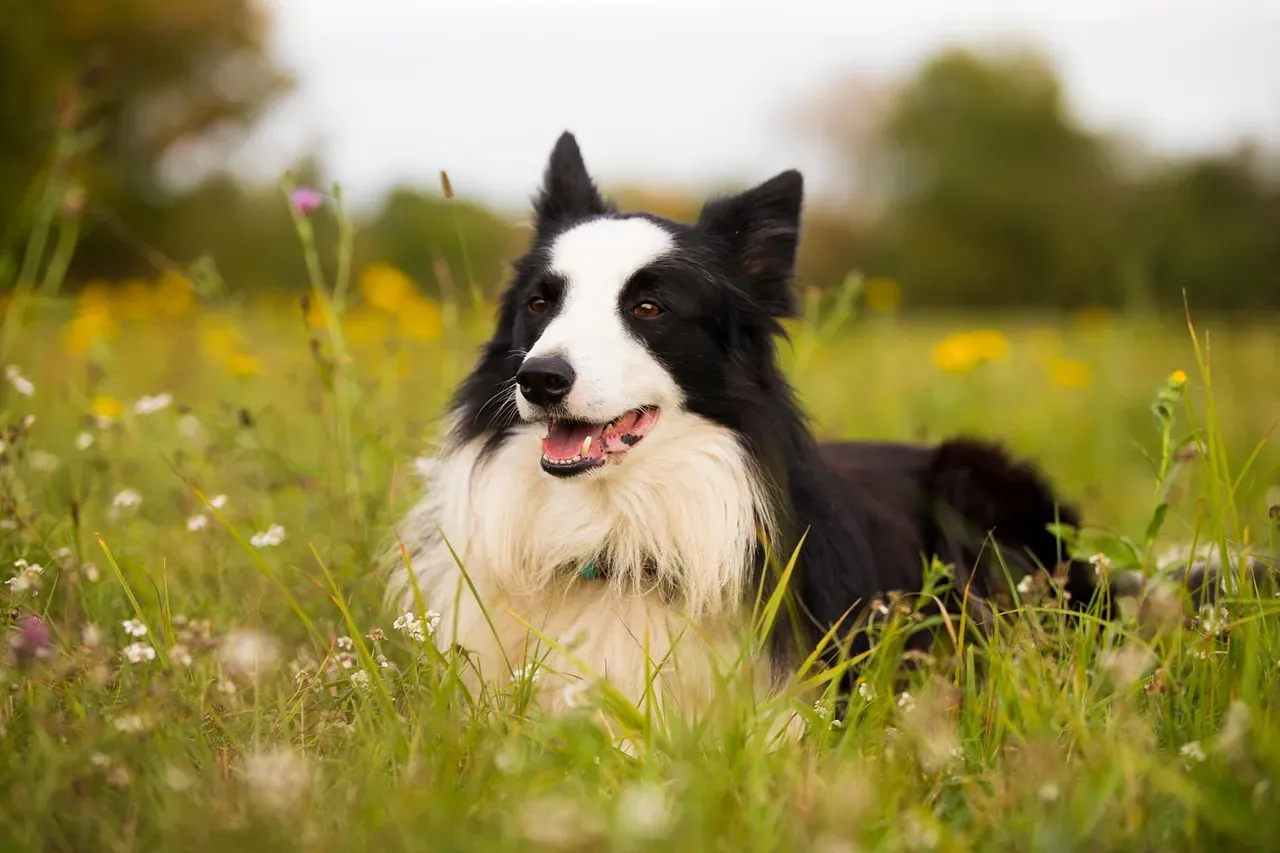
Now we step into the other side of the conversation. Let’s be real: some of the most beautiful dogs alive are also some of the most emotionally complex. The Border Collie is first on this list. Border Collies are renowned for their intelligence, agility, and herding prowess, but these very traits can also predispose them to severe anxiety. Their high intelligence and energy levels mean that they require constant mental and physical stimulation; without it, they can quickly become anxious and exhibit behaviors such as obsessive pacing, barking, and destructive chewing.
Border Collies’ keen awareness of their environment can lead to stress when they’re in unfamiliar or chaotic situations, because loud noises or sudden changes can feel overwhelming. This breed often needs to feel in control of their surroundings, and when things feel out of order, it can be a cause of anxiety. This can manifest as obsessive behaviors like chasing cars or trying to herd children. They need a job, structure, and a patient human who truly understands them.
12. Jack Russell Terrier: Adorable Tornado of Nerves
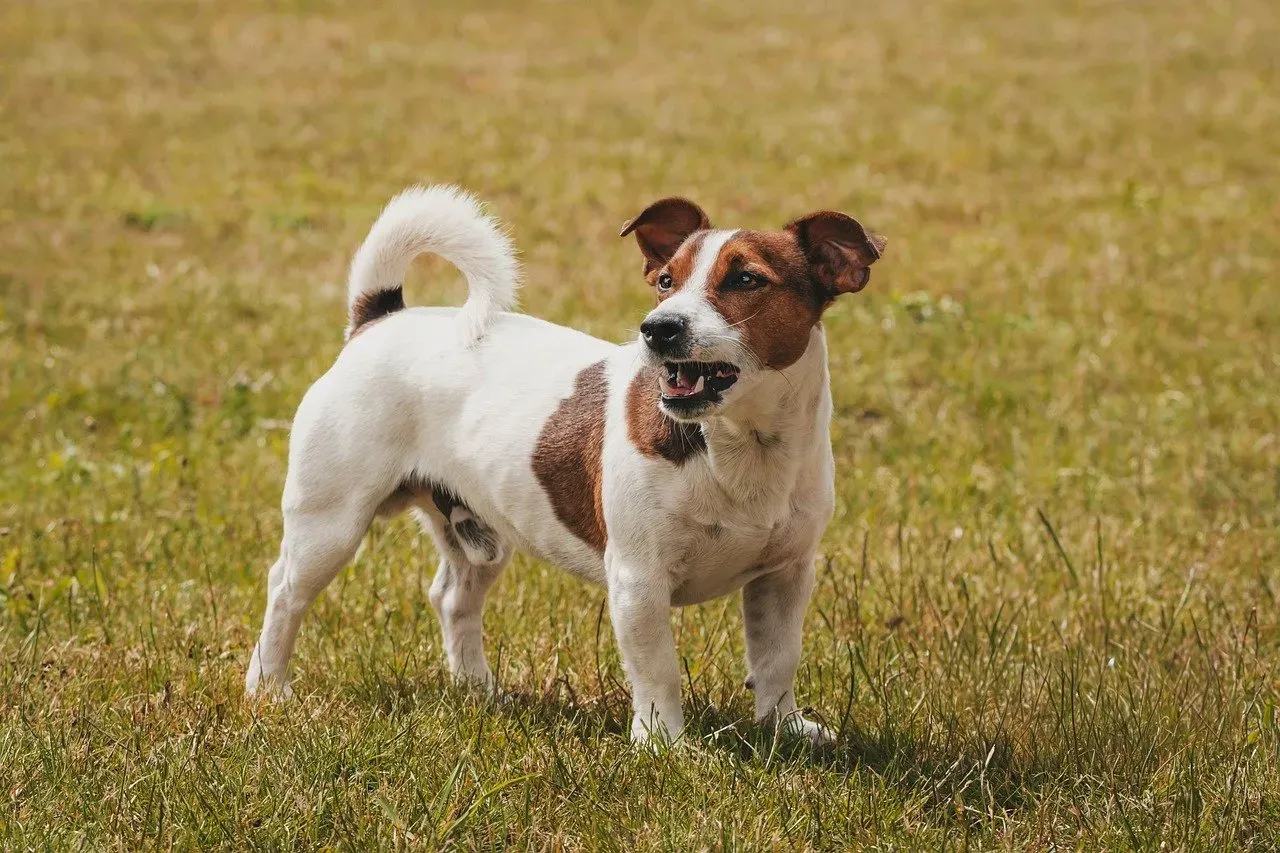
Jack Russell Terriers are small in size but large in personality, known for their fearless nature and boundless energy. Originally bred for fox hunting, their high prey drive and stamina mean they require lots of physical and mental stimulation. Without it, they can quickly become anxious and engage in destructive behaviors such as digging and excessive barking. Jack Russells are also highly intelligent and can become bored easily, leading to anxiety when not provided with enough activity or attention.
Their strong personalities require consistent, firm training from an early age to manage anxiety and ensure they remain well-adjusted pets. They are charming, funny, and fiercely loyal, but they are not low-maintenance companions by any stretch. Think carefully before bringing one into a calm, quiet household.
13. Australian Shepherd: The Worrier Who Needs Work
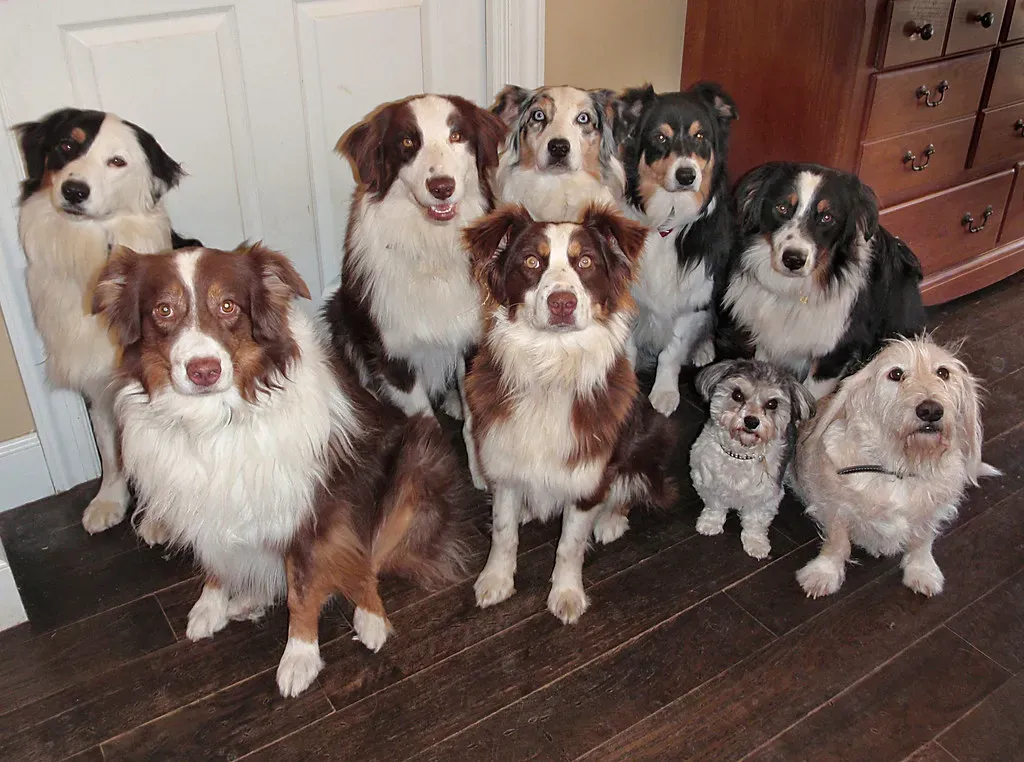
Australian Shepherds, known for their intense work drive, were bred to herd livestock and assist with various tasks on the farm. This work ethic means they thrive on having a job to do and can become anxious and restless without regular, challenging activities. These dogs require both physical and mental stimulation to stay happy and healthy. Without a sense of purpose, Australian Shepherds may exhibit behaviors such as excessive barking, digging, or even destructive chewing.
Australian Shepherds tend to bond tightly to their owners, which also makes them great guard dogs. This strong connection means they often suffer when their owner leaves them alone for long periods of time, even if they are getting enough exercise. It’s hard to say for sure, but many Aussie owners describe them as dogs who need a full-time emotional support human in return.
14. Chihuahua: Big Feelings in a Tiny Package

Chihuahuas may be the smallest dog breed, but they have one of the biggest personalities, often unaware of their diminutive size. This breed is known for its loyalty and attachment to its owners, which can unfortunately lead to severe separation anxiety. Chihuahuas are also prone to fear-based anxiety, particularly around larger dogs or in loud environments, due to their small stature making them feel vulnerable.
Early socialization and training are crucial for Chihuahuas to help them become more confident and reduce anxiety. Despite their size, they require adequate mental and physical stimulation to prevent anxiety from manifesting in behaviors such as excessive barking or aggression. With the right love and patience, a Chihuahua can become a deeply devoted little companion. They just have to learn the world isn’t as scary as they think it is.
15. Weimaraner: The Velcro Dog Who Needs Constant Connection

Weimaraners are another breed with high energy and a strong desire to be active. Known for their sleek, silver coats and striking appearance, these dogs are often described as having a “high-strung” nature, especially if their exercise needs are not met. They are stunning animals. But they are not easy ones.
Known for their athleticism, Vizslas require significant daily exercise to prevent boredom and anxiety. These dogs are highly intelligent and trainable, but their need for constant mental and physical stimulation can make them challenging for less active owners. The same principle applies strongly to the Weimaraner. If you have a high-anxiety dog, there’s good news: many dogs improve with patience and the right support. Stick to a predictable routine. Dogs feel safer when they know what to expect.
Conclusion: Every Dog Deserves to Be Understood
Here’s the thing: even the dogs in the second half of this list are not “bad dogs.” They are simply more complex dogs who need more deliberate care. Any dog or pet can be registered as an ESA, but that doesn’t mean every dog would be a good choice for emotional support. Some dog breeds have a temperament that lends itself well to the job, while others may be too high-energy or prone to anxiety themselves to be as helpful. The best dogs for emotional support are ones that are known to be loyal, patient, and low-key.
Choosing a dog is one of the most emotionally significant decisions you’ll ever make. Match your energy to theirs. Respect their instincts. And remember that the connection between humans and dogs is a powerful tool for managing mental health challenges like anxiety, depression, and PTSD, and an emotional support animal provides comfort and companionship that contributes significantly to therapeutic care.
The most healing relationship you’ll ever have with a dog isn’t about finding the “perfect” breed. It’s about truly seeing the animal in front of you and meeting them where they are. Did this change how you see your own dog? Tell us in the comments which breed surprised you most.


