
Picture this: you’re walking through your living room, minding your own business, and suddenly your dog is at your heels, teeth grazing your ankle. No growling, no warning, just a quick little nip. Startling? Absolutely. A sign your dog is vicious? Almost certainly not.
Nipping is one of the most misunderstood behaviors in the dog world. It can mean a hundred different things depending on the breed, the moment, and the emotional state of your dog. Nipping is a quick, controlled snap or grab with the teeth, not to be confused with a full bite, but still uncomfortable and potentially dangerous if left unchecked. The good news is, understanding why it happens is more than half the battle.
Some breeds are far more predisposed to this behavior than others, and often for deeply rooted historical reasons. Be aware of your dog’s breed or breed mix when considering their biting behavior. While dogs of all breeds can make fantastic pets, our ancestors specifically selected some dogs to have a stronger nipping instinct during the domestication process. So let’s dive into the 10 breeds most prone to nipping and, more importantly, exactly how you can redirect them with kindness and consistency.
1. Pembroke Welsh Corgi: The Little Dog With a Big Herding Brain
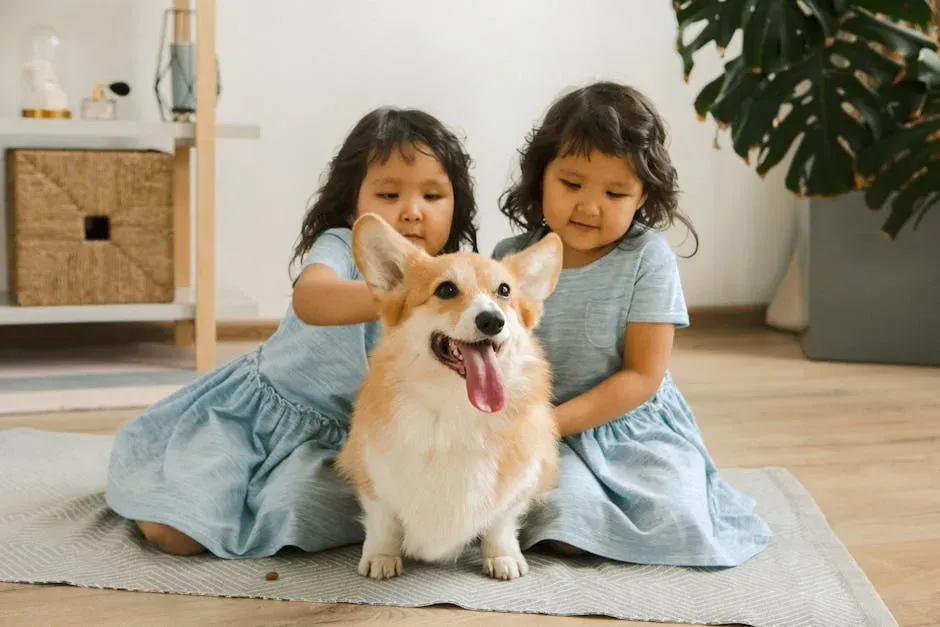
Don’t let that adorable face fool you. Pembroke Welsh Corgis were bred to move cattle by nipping at their heels. That is not a footnote in a breed history book. It is a behavioral program that is still running in your dog’s brain. When your kids sprint across the backyard, your Corgi isn’t being naughty. It’s doing exactly what centuries of selective breeding designed it to do.
When your children run, scream, or move in unpredictable ways, your Corgi’s herding drive activates. The nipping is purposeful and precise, aimed at ankles and heels, often accompanied by a low crouch and intense focus. Watch for that crouching stance and fixed gaze as early warning signals before a nip happens.
A well-socialized Corgi has better impulse control across the board, which directly reduces nipping. Socialization teaches your Corgi to regulate their arousal levels. Use baby gates during chaotic play sessions and reward calm observation with treats. You’re essentially teaching your Corgi that watching children play is more rewarding than chasing them.
2. Australian Shepherd: Brilliant, Busy, and Born to Herd
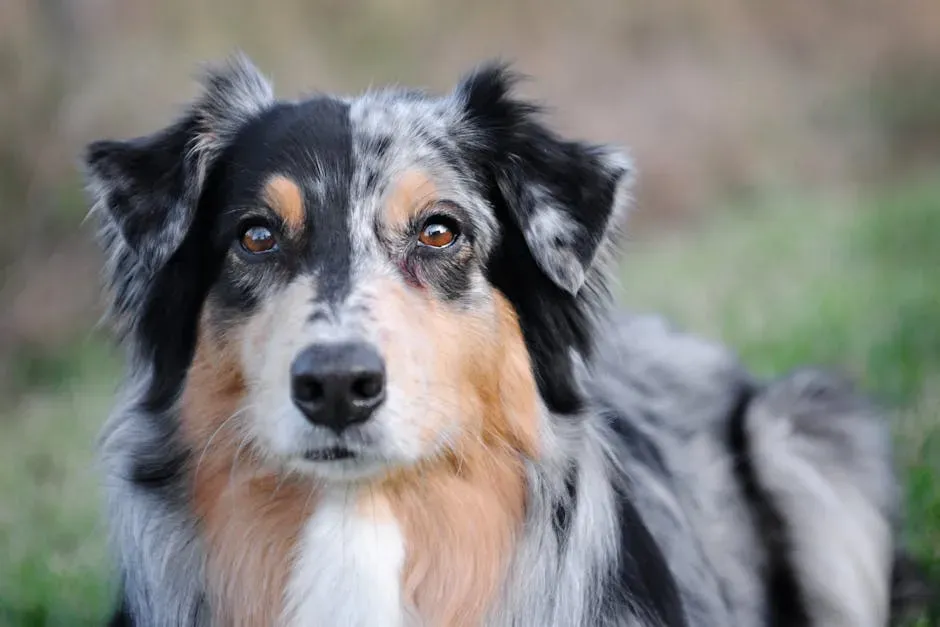
Australian Shepherds are renowned for their intelligence, agility, and strong work ethic, which makes them prone to herding behaviors. Their herding instinct is a trait that originates from their history as working dogs on ranches and farms. Honestly, when you understand that background, the ankle nipping starts to make a lot more sense.
Herding breeds like Australian Shepherds are born with this instinct, which can emerge as early as six months old. Herding breeds often give warning signs before they start herding, such as dropping their head, crouching, or staring at the target. By watching your dog for these signs, you can intervene before they start to move towards the person or object.
Without sufficient outlets for their energy, these intelligent dogs can become bored, which may lead to undesirable behaviors. Engaging them in activities such as agility training, obedience exercises, or games that mimic herding tasks can help channel their natural instincts while keeping them mentally sharp. Think of it like giving a surgeon a puzzle instead of letting them operate on the couch cushions.
3. Border Collie: The Intense Genius You Need to Keep Busy
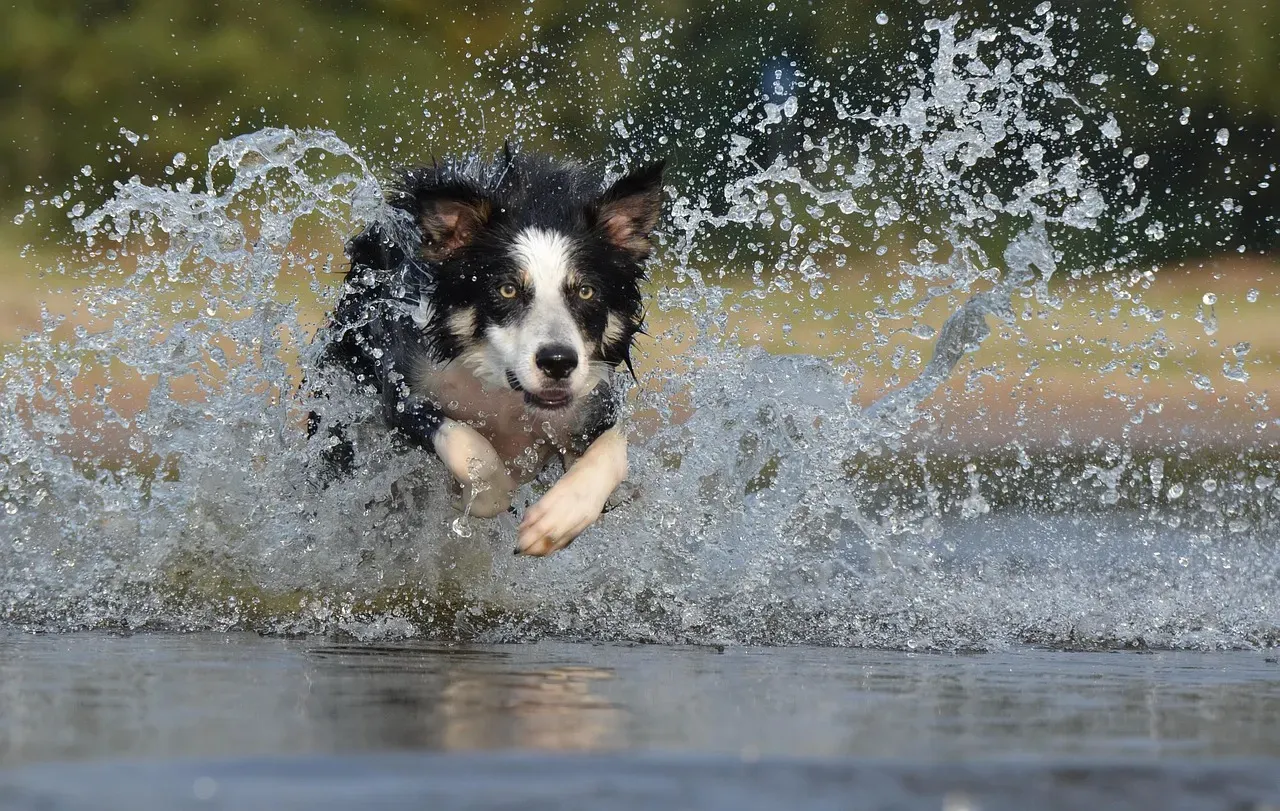
The genetic makeup of a herding dog plays a significant role in determining its herding behavior, including nipping. Some breeds are more inclined to nip due to their historical role in herding. Border Collies, known for their intense focus and high energy, are more likely to exhibit nipping behavior as part of their herding instinct. They’re basically the overachievers of the dog world.
Breeds like Border Collies have strong herding instincts. They might use nipping to try and control the movement of people or other animals. If your Border Collie is nipping, it’s not acting out. It’s bored, understimulated, and probably trying to do its job in a world that no longer offers sheep.
You can curb most nipping by giving your dog appropriate outlets for their natural herding instincts. Enrichment activities like herding balls or agility training can satisfy your dog’s need to “herd” without involving human ankles. A tired dog is also less likely to engage in herding behaviors, so ensure your dog gets plenty of physical exercise. Daily structured activity is non-negotiable with this breed.
4. Australian Cattle Dog: The Original “Heeler” for a Reason
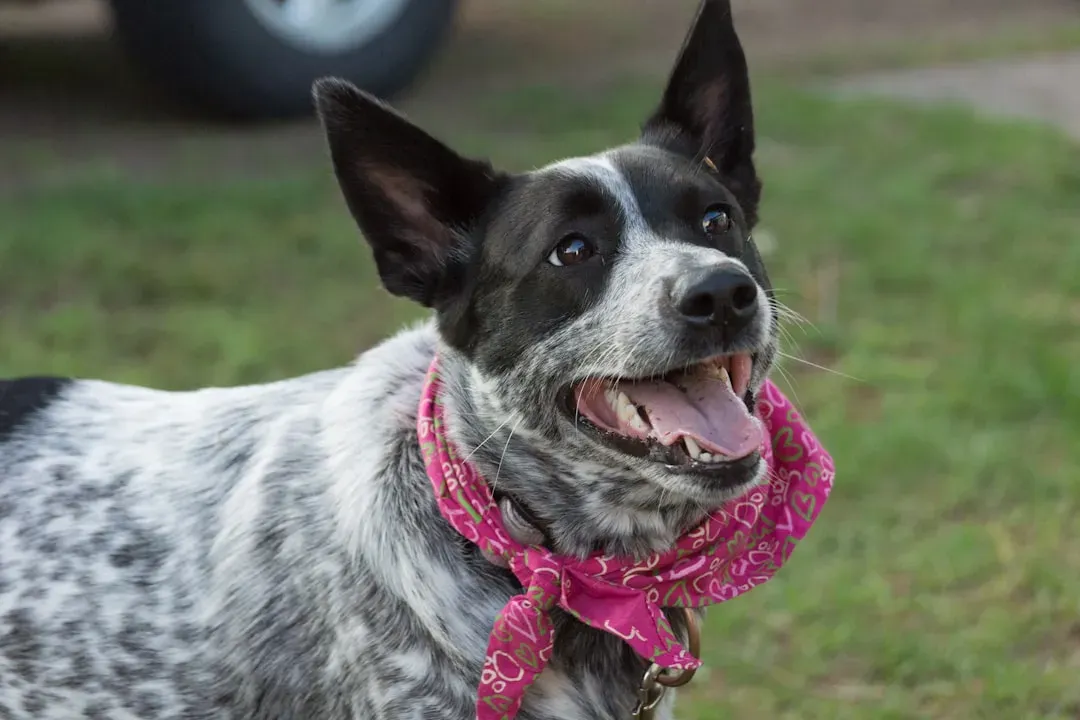
Australian Cattle Dogs are nicknamed “heelers” because they were originally developed to herd cattle by nipping at their feet. This is why professional trainers often don’t recommend them to families with young, fast-moving kids. The breed’s very nickname tells you everything you need to know about their default setting.
If you own one of these dogs, nipping might need to be managed for their entire life, even after they’ve reached full maturity. There’s nothing wrong with this! Your dog is simply acting on the instincts we bred into them over generations and generations. It would be unfair to expect them to resist the urge completely.
Here’s the thing: management is your superpower with this breed. Give herding dogs opportunities for active enrichment like chasing a ball outside. Structured fetch games, scent work, and obedience training become essential daily rituals rather than optional extras. A Cattle Dog with a job to do is a Cattle Dog that won’t invent its own job on your shins.
5. German Shepherd: Power, Drive, and the Need for Clear Boundaries
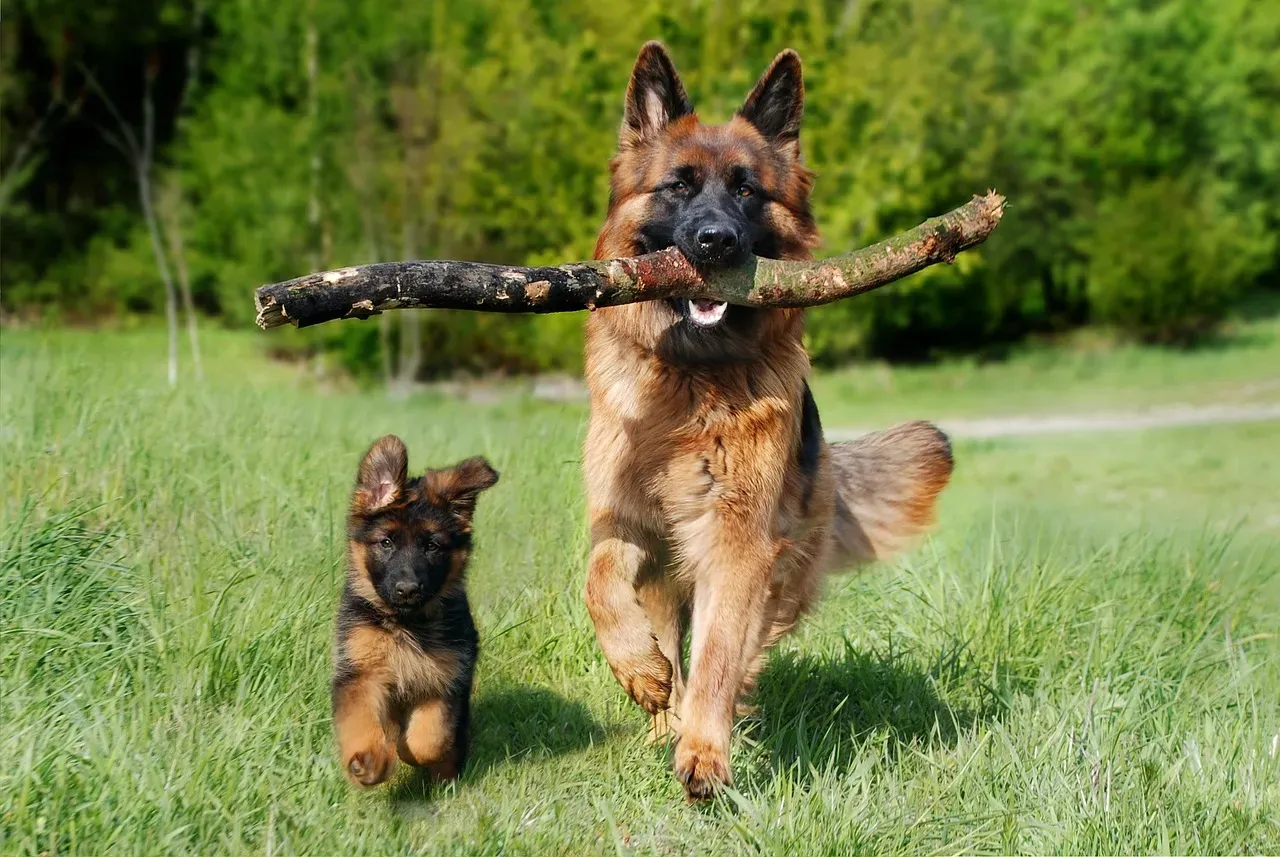
German Shepherds might be especially nippy because they were bred to nip at livestock to move herds. Beyond that herding history, German Shepherds are also protection-oriented working dogs with high drive and sensitivity to their environment. A bored or under-exercised Shepherd will find creative outlets for all that energy, and some of those outlets will involve teeth.
Breeds like German Shepherds are particularly prone to nipping as puppies. The key behavior cues to watch for include stiffening of the body, intense eye contact, and a sudden burst of playful energy that tips quickly into overstimulation. These are your yellow lights before the red.
For high-energy breeds, it’s crucial to teach the “settle” command, which means going to their bed and relaxing. This command helps in managing their energy and encouraging calmness. Pair that with consistent daily training sessions, and your German Shepherd will channel all that brilliance into behavior you actually want to see.
6. Belgian Malinois: Incredibly Capable, Incredibly Mouthy
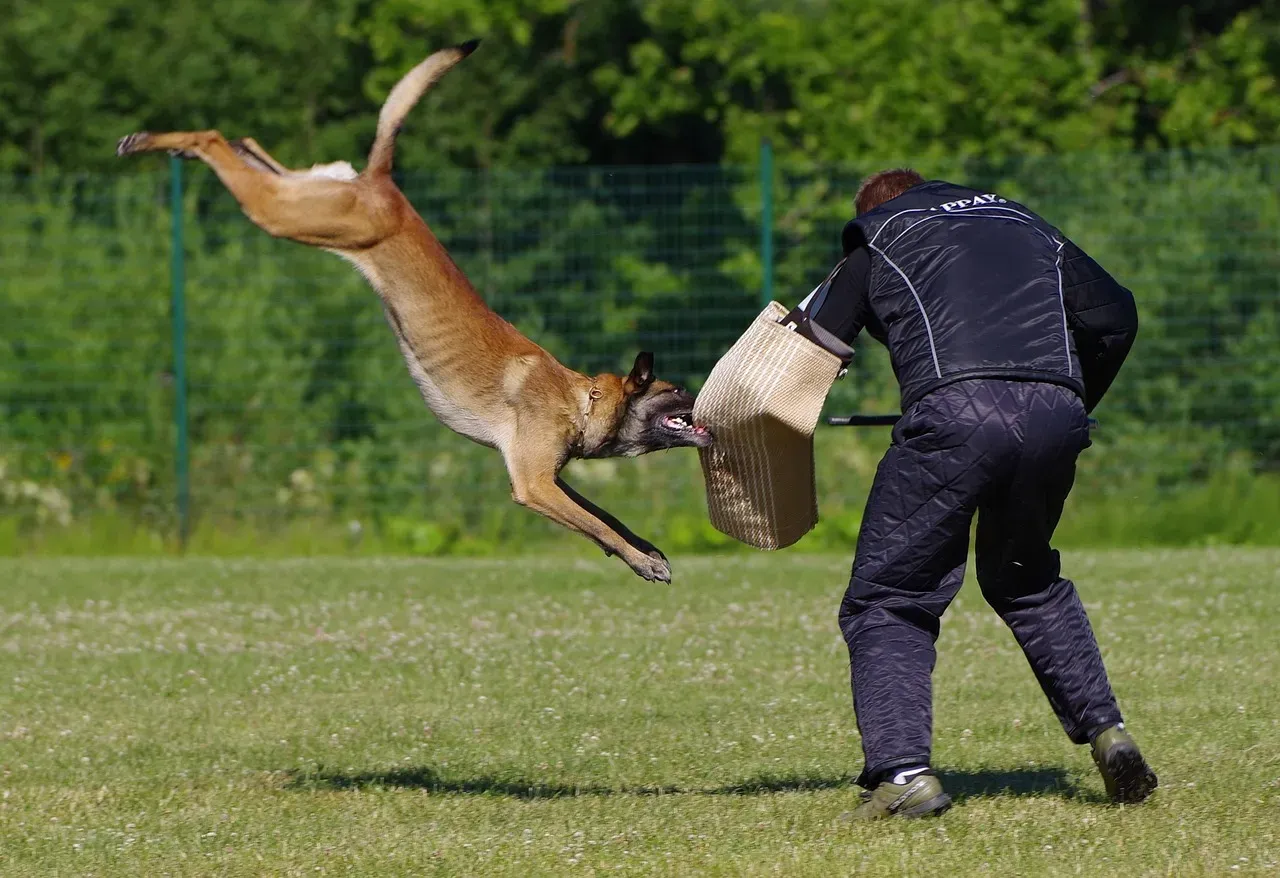
Let’s be real about this one. Genetically, the Malinois has been bred since the 1800s to be a herding dog, and today they are most often employed as police and military service dogs. Malinois puppies are known for nipping and biting, a strong herding instinct. If you’ve ever met a Mal puppy, you know this firsthand, possibly with scratches to prove it.
A tired Malinois is a well-behaved Malinois. These dogs need at least 90 minutes of exercise daily, including running, agility drills, and mentally stimulating games. Skipping exercise with a Belgian Malinois is like skipping fuel in a race car. Things go sideways fast.
If your puppy bites during play, let out a high-pitched “ouch” to mimic how puppies communicate with littermates. Then pause the play to show that biting ends the fun. Teach bite inhibition early by redirecting biting to toys and stopping play when they get too rough. Consistency from every family member is critical with this breed.
7. Jack Russell Terrier: Small Dog, Surprisingly Sharp Bite
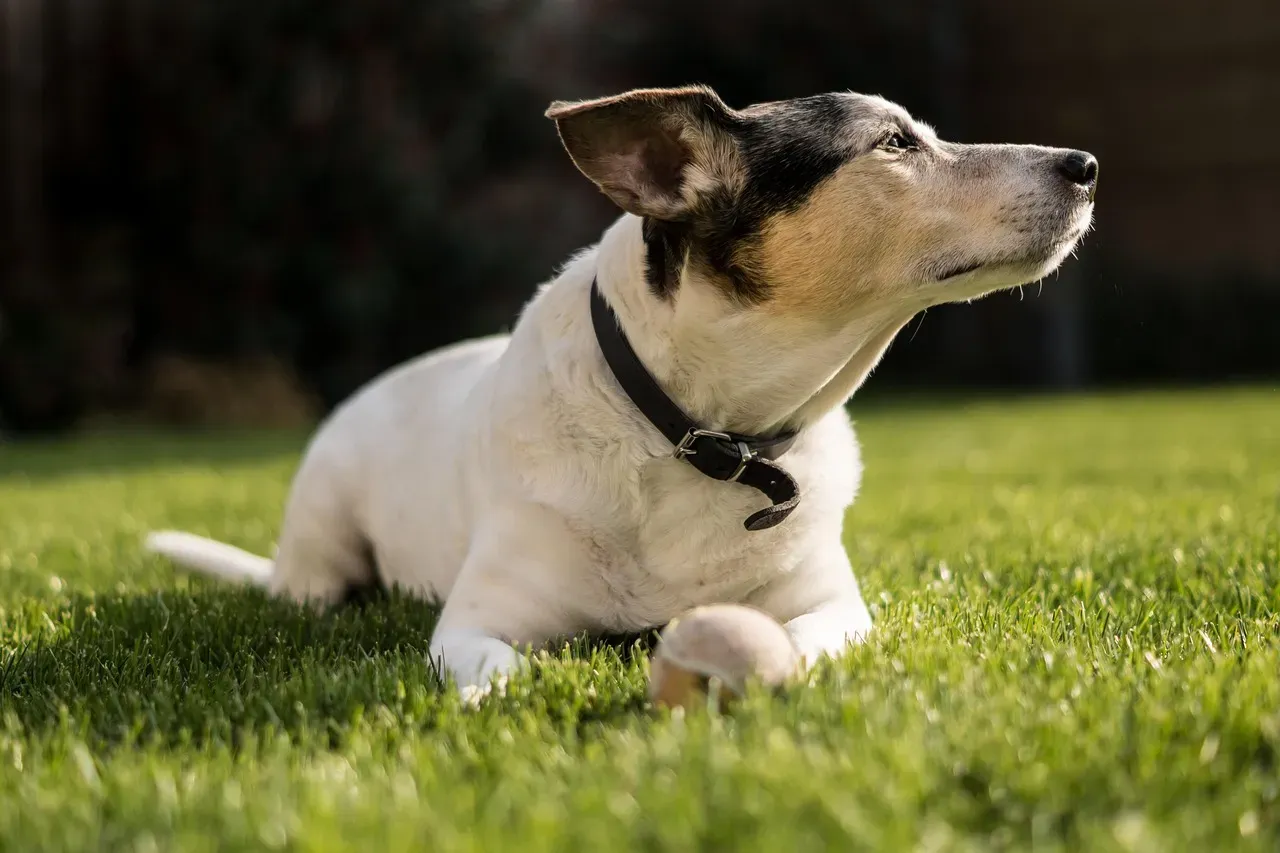
Nobody expects a 14-pound dog to cause much drama, but Jack Russell Terriers have a way of surprising everyone. JRTs are smart, independent, high-energy, demanding, mischievous, and quick to nip and bite when handled carelessly, particularly by children. They were originally bred to flush foxes from their dens, a job that requires boldness and a willingness to use those teeth.
Terriers may become very aroused by play or other stimulating circumstances and will nip as their natural hunting behaviors are brought out. The trigger is often movement and excitement, which means rough, chaotic play sessions with children are prime nipping territory for this breed.
Nipping and biting is how a puppy explores its world and learns its boundaries. When you allow a puppy to nip or bite at you, or your clothes, without an appropriate correction or consequences, you are actually teaching this youngster that it is acceptable behavior. Time-outs and immediate withdrawal of attention are far more effective than yelling, which a Jack Russell will happily interpret as exciting participation.
8. Chihuahua: Fearless, Fierce, and Frequently Misunderstood
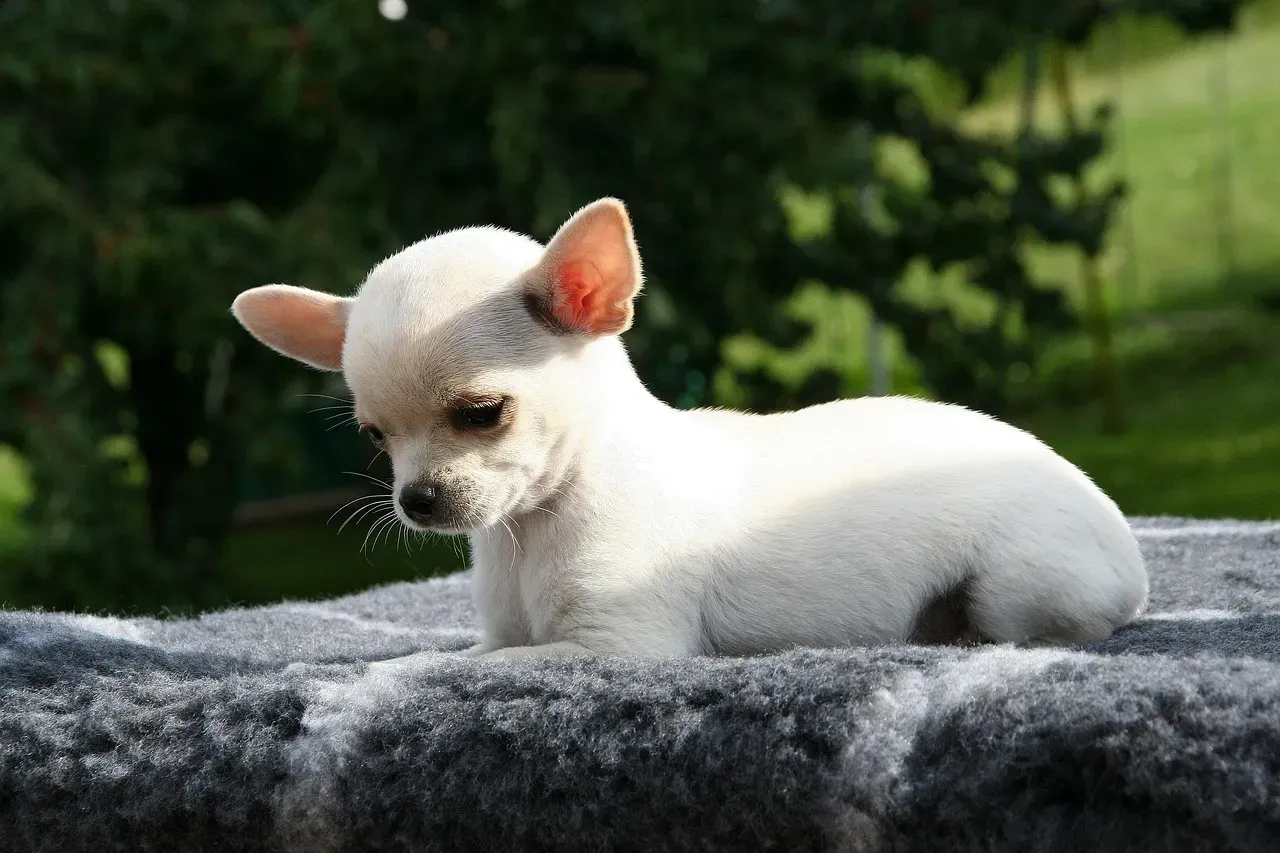
I know it sounds crazy, but Chihuahuas are one of the most nip-prone breeds in existence, and the small size often means their owners let it slide. Chihuahuas are likely to nip when hurt or frightened. They frequently show possessive or reactive aggression because they are just like that, and also because people let them get away with growling and lunging since they are small. That dynamic is a recipe for a dog with no boundaries.
Fearful or anxious dogs may resort to nipping or biting as a form of self-defense. This is often a result of past traumatic experiences. If a dog is scared, it can nip or bite as a way of protecting itself. Chihuahuas are deeply loyal to one person and can become anxious in crowded or noisy environments, which is frequently when nipping occurs.
Dog breeds that need a lot of attention like Chihuahuas may benefit from scheduled play sessions or additional training as a bonding exercise. When your dog’s needs are met, they may be less likely to nip as an attention-seeking behavior. Gentle handling, calm environments, and never rewarding the nip with attention or coddling are your three main tools here.
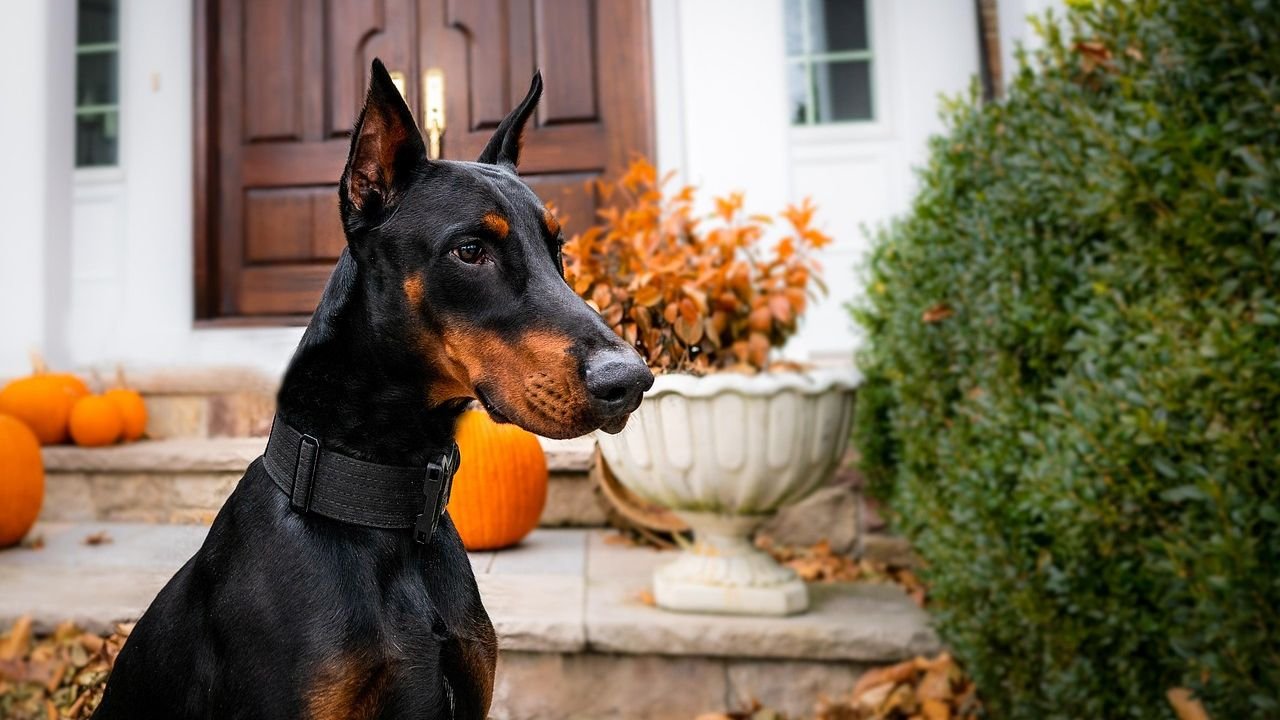
9. Doberman Pinscher: Dominant, Driven, and Needs Early Guidance
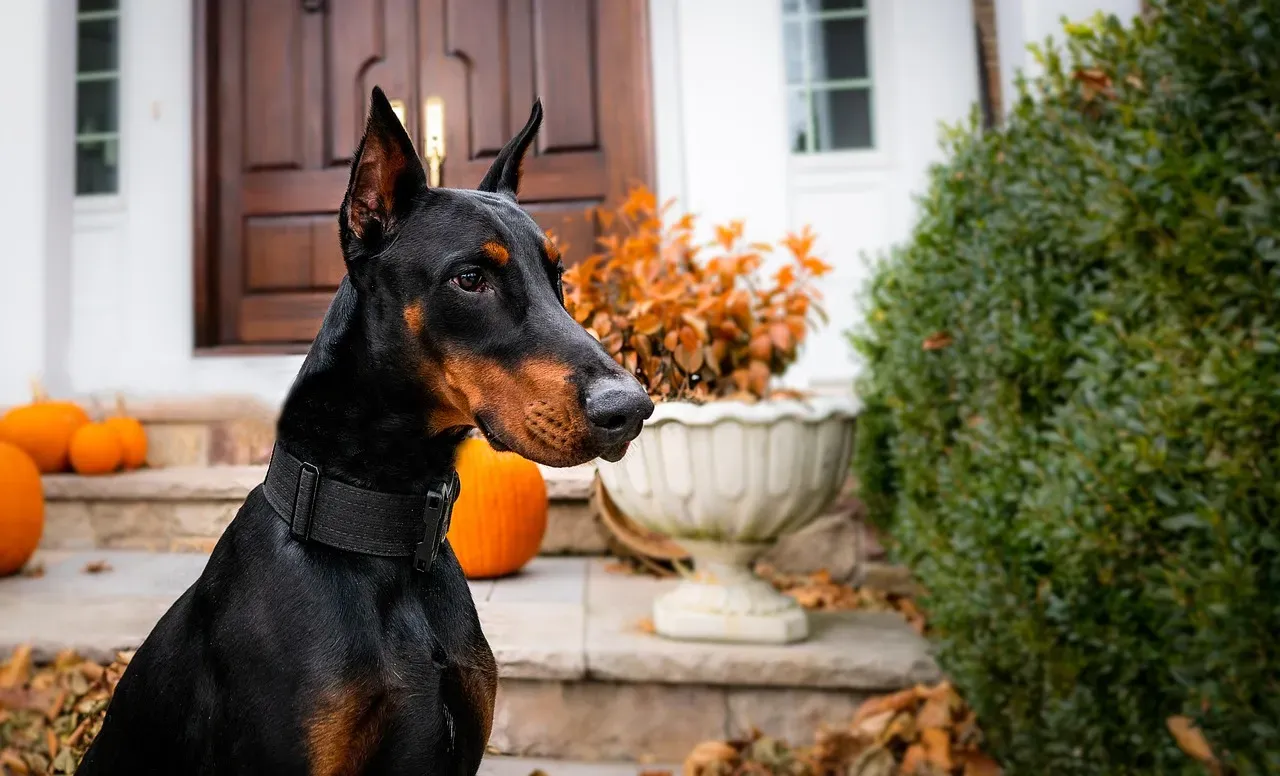
Dobermans are known for being headstrong and dominant dogs, so it’s understandable why so many owners have problems getting their Doberman puppies to stop nipping and biting. The pecking order of littermates is figured out when a Doberman is very young through the use of biting, nipping, shoving, and other similar actions. It’s social communication, not malice. Still, it has to be addressed early.
Given how alert, curious, energetic, and enthusiastic Dobermans are, it can be easy to underestimate how much sleep your puppy needs. An exhausted puppy doesn’t look tired. In fact, they tend to ramp up, zooming around the house, nipping anyone who tries to stop them. Overtiredness is a sneaky trigger that catches a lot of new Doberman owners off guard.
If left unchecked, a cute nipping Doberman puppy could grow up to be a very intimidating adult Doberman with serious biting issues. So we have to address it. Begin teaching your Doberman puppy basic commands like sit, down, and stay, as well as loose-leash walking, from an early age. Structure, calm leadership, and daily training sessions will shape this breed into the loyal, trustworthy companion they’re genuinely meant to be.
10. Shetland Sheepdog (Sheltie): Sensitive, Smart, and Secretly Nippy
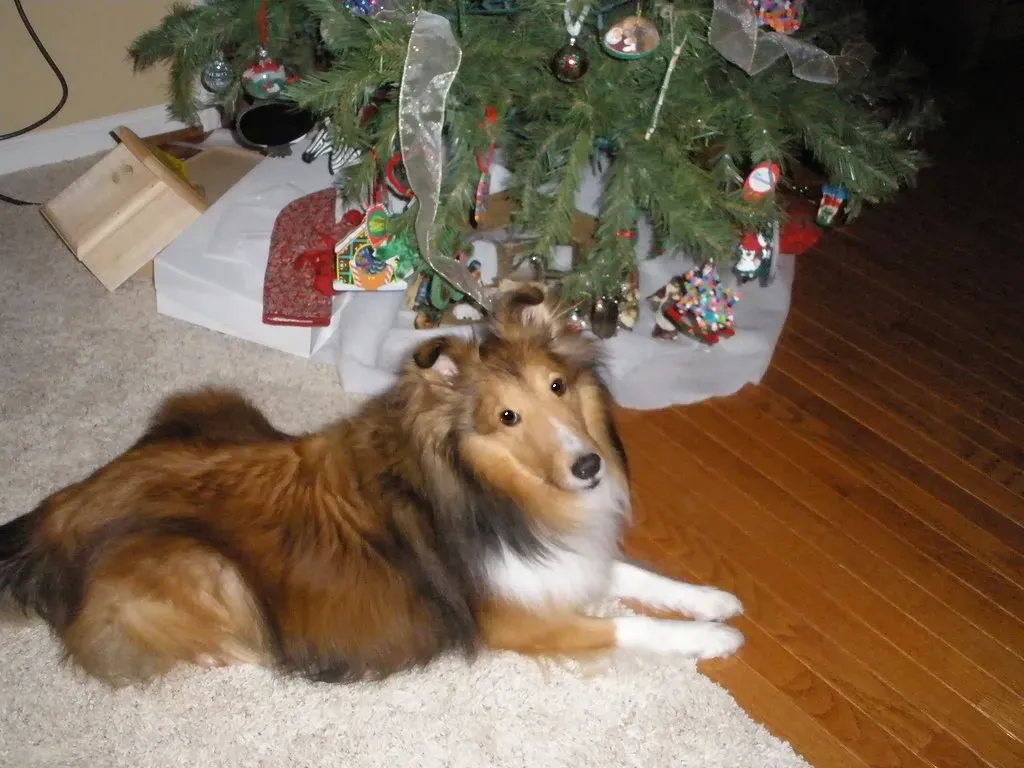
Shelties don’t always make it onto nipping lists, and honestly, that’s part of the problem. Most mouthing and nipping is playful in nature, but if a dog gets overly excited, the nipping can become harder and more difficult to stop. Some herding breeds and breed mixes tend to nip at a person’s feet or heels, mimicking the livestock herding behavior they were originally bred for. Children are most likely to be on the receiving end of such nipping, especially when they are running around or playing vigorously.
Shelties are sensitive souls who are deeply attuned to the emotional energy around them. Loud environments, chaotic gatherings, and unpredictable movement can tip them into anxious nipping fairly quickly. Dogs may nip to protect themselves if they are scared or anxious. This is a natural, protective instinct. If your dog displays other signs of fear or anxiety like cowering, excessive barking, or destructive behavior, it’s important to address the underlying emotional issue.
Dogs that feel uncomfortable in unfamiliar situations might nip out of fear. Socializing your dog by introducing them to new people, places, and other dogs will help them feel more at ease and reduce the likelihood of fear nipping. With a Sheltie, calm and gradual socialization paired with positive reinforcement is far more effective than any correction-based approach. These dogs want to please you deeply. They just need to feel safe first.
A Final Word for Every Dog Parent Reading This
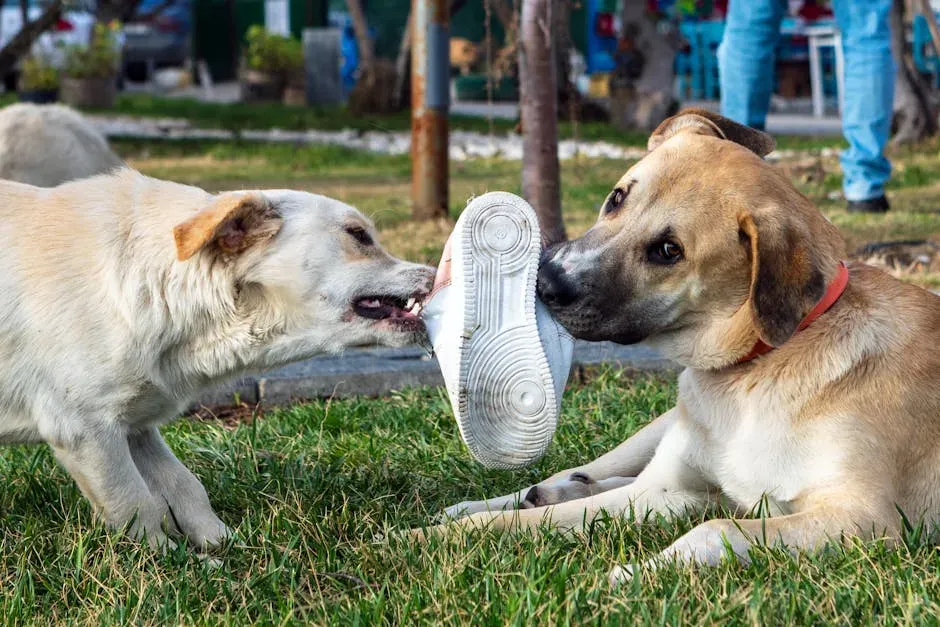
Here’s what ties all 10 of these breeds together: their nipping comes from somewhere real. It’s instinct, overstimulation, anxiety, or the simple fact that they were designed by centuries of selective breeding to use their mouths in purposeful ways. Nipping is your dog’s way of communicating something, whether excitement, fear, stress, or simple instinct. The key is understanding why it’s happening and then meeting your dog with the right tools, boundaries, and compassion.
Punishing your dog can provoke aggression and make nipping behavior worse. Instead of yelling at your dog or using a physical punishment for nipping, offer them a chew toy or bone and praise them for chewing on that instead. Redirection, not punishment, is the golden rule. Think of it less like correcting bad behavior and more like teaching your dog a better vocabulary.
Understanding why dogs nip and bite is crucial in order to address and manage this behavior effectively. With patience, consistency, and positive reinforcement, you can help your furry friend become a well-mannered and happy companion. Your dog isn’t broken. They’re just speaking a language you’re now equipped to understand. And that, honestly, changes everything.
What’s your experience been with nipping? Which breed surprised you most on this list? Share your story in the comments below. We’d love to hear from you!


