
Have you ever watched someone at the dog park running after their pup, completely exhausted, while the dog still looks like they could run a marathon? Or maybe you’ve heard stories of dogs who seem to have separation meltdowns the moment their owner steps out the door. We love our dogs fiercely, that’s not up for debate. However, some breeds come with demands that go far beyond the occasional walk and belly rub.
There are dogs out there who need more than just basic care. They crave structure, mental gymnastics, consistent leadership, and emotional connection in ways that can honestly feel overwhelming if you’re not prepared. This doesn’t make them bad dogs. It just means they’re not for everyone. Let’s be real, bringing home certain breeds without understanding their intensity can turn your life upside down pretty quickly.
Some dog breeds stand out due to their demanding physical and emotional needs, best matched with experienced and committed pet parents. This article isn’t meant to scare you away from these magnificent breeds. Instead, it’s here to give you a real, honest look at what life with these dogs truly involves. Because when you understand the challenge ahead, you can make a choice that’s best for both you and your future companion. Let’s dive in.
Border Collie: The Brilliant Workaholic Who Never Stops
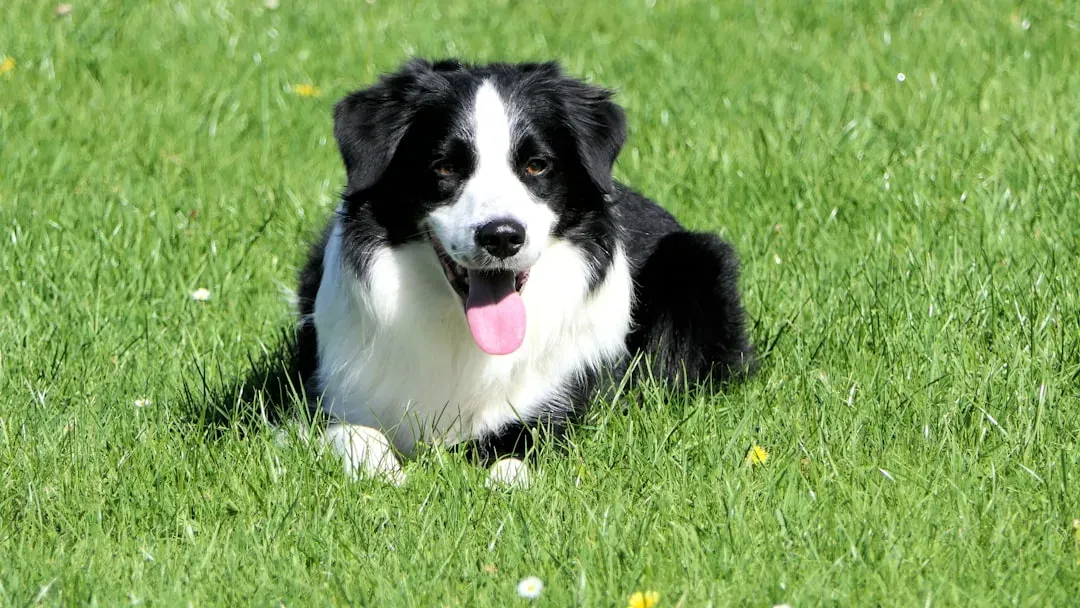
Border Collies check just about every box when it comes to being high-maintenance, rated the most intelligent of all canine species with a big brain that requires a whole lot of stimulation. Honestly, if there were a competition for “Most Likely to Outsmart Their Owner,” the Border Collie would win every single time. These dogs are brilliant, no question about it, but that intelligence becomes a problem when they’re bored.
That switched-on temperament can become destructive, hyperactive, or even aggressive if you don’t keep them busy and sufficiently exercised. Picture a dog who’s constantly thinking, constantly analyzing, and constantly looking for their next task. Without proper outlets for that energy, they’ll create their own entertainment, and trust me, you won’t like what they come up with.
In the overwhelming majority of cases working with Collies and other herding dogs, it is a case of either excess energy, or overstimulation, or frustration in a dog that is not being fulfilled. These aren’t dogs who will happily lounge on the couch all day. They need jobs, they need challenges, and they need owners who can stay one step ahead of them.
Australian Shepherd: The Emotional Velcro Dog with Herding Instincts
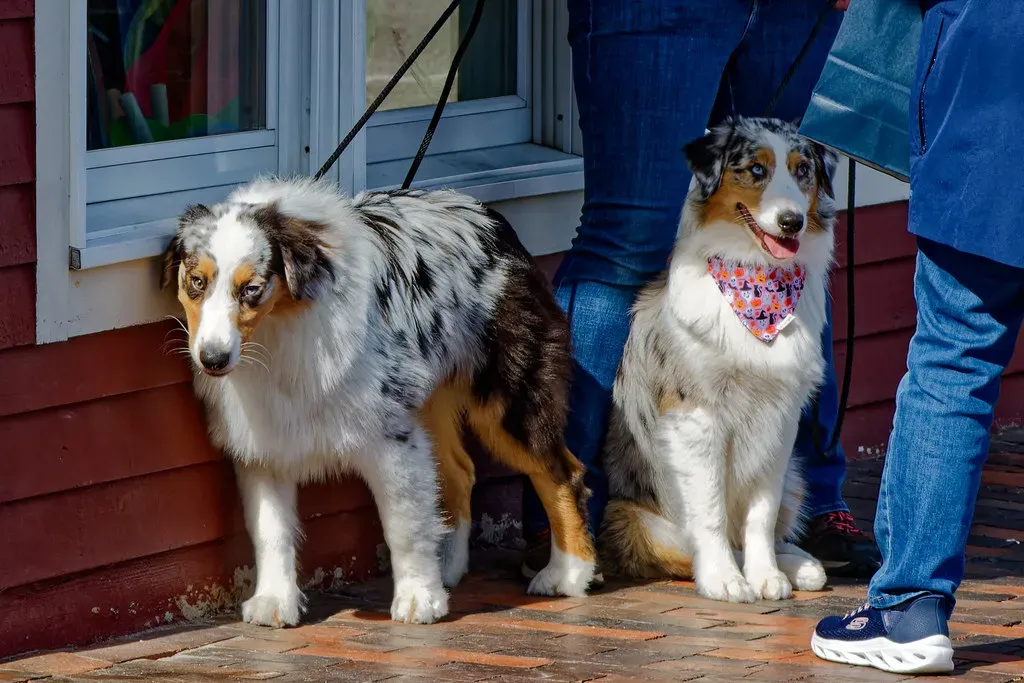
Australian Shepherds are a delightful breed with several high-maintenance requirements, their main demand being exercise and plenty of it, yet they are a sensitive breed emotionally which requires a lot of affection, interaction and human companionship. These dogs form incredibly strong bonds with their families, which sounds wonderful until you realize they might struggle to cope without constant interaction.
Aussies weren’t bred to sit around looking pretty. Australian Shepherds have striking, multicolored coats and are highly intelligent and energetic dogs that need plenty of physical and mental exercise to prevent boredom and destructive behaviors. They’ll try to herd everything that moves, including your kids, your cats, and possibly even your guests at dinner parties.
The emotional demands can catch owners off guard. These dogs don’t just want to be near you – they need to be near you. When their needs aren’t properly met, their instincts can lead to aggression, reactivity, and control-driven behaviors. It’s a lot to handle, especially for first-time dog owners.
Siberian Husky: The Stubborn Escape Artist
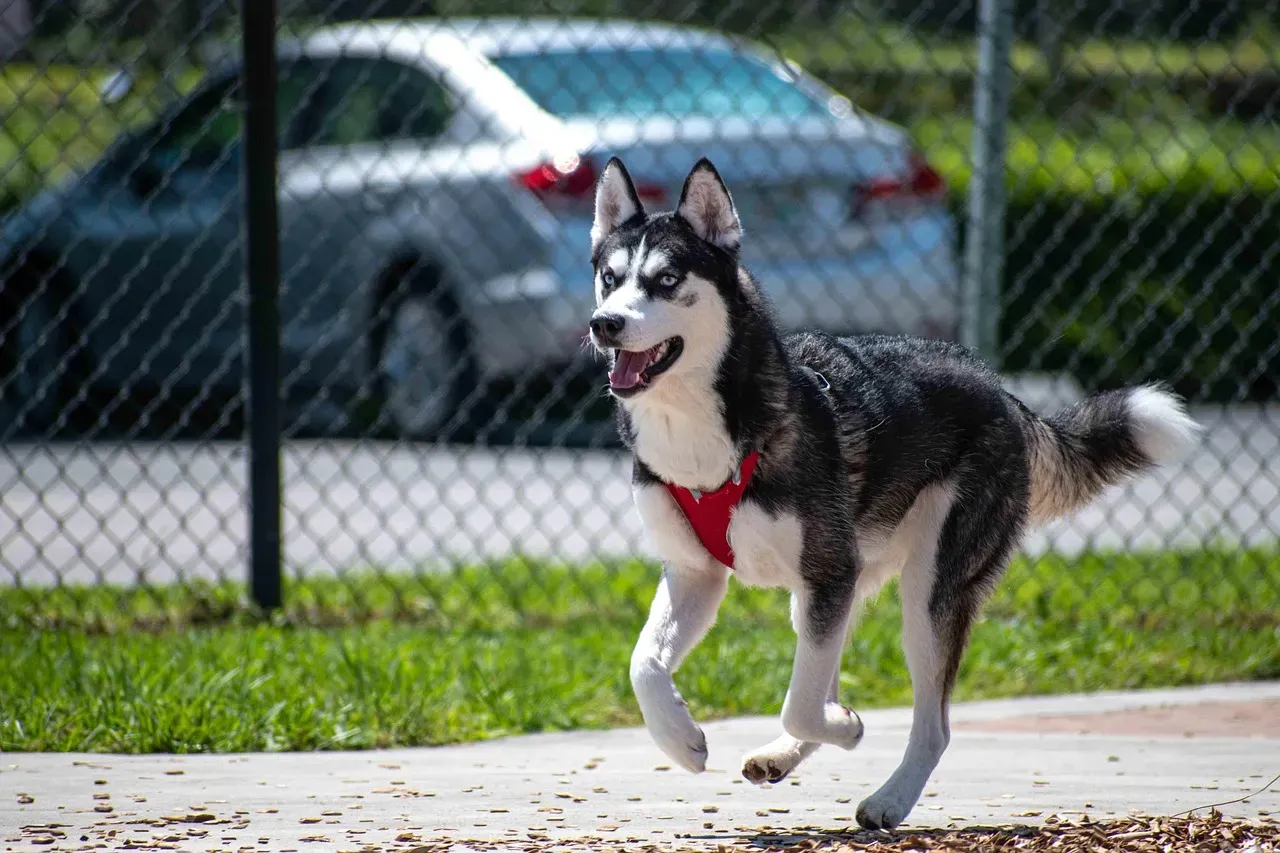
Let’s talk about the Husky. Sure, they’re gorgeous with those piercing blue eyes and wolf-like appearance, but beneath that stunning exterior lies a dog who’s basically plotting their next great escape. Built for endurance, Huskies are high-energy dogs with a strong prey drive who shed heavily and have a reputation for being escape artists.
Often aloof and difficult to train, not eager to obey commands, Huskies are known to dig, jump, or chew their way out of enclosures. These aren’t dogs who follow commands because they want to please you. They follow commands when it suits them, which means training becomes an ongoing negotiation rather than a straightforward process.
Huskies don’t blindly follow commands – they question them, have an irresistible prey drive toward cats, squirrels, and small animals, and are notorious for climbing fences, digging under gates, or finding any way out. You need secure fencing, tons of patience, and the willingness to accept that your Husky will always have a mind of their own.
Akita: The Proud Guardian with an Independent Streak
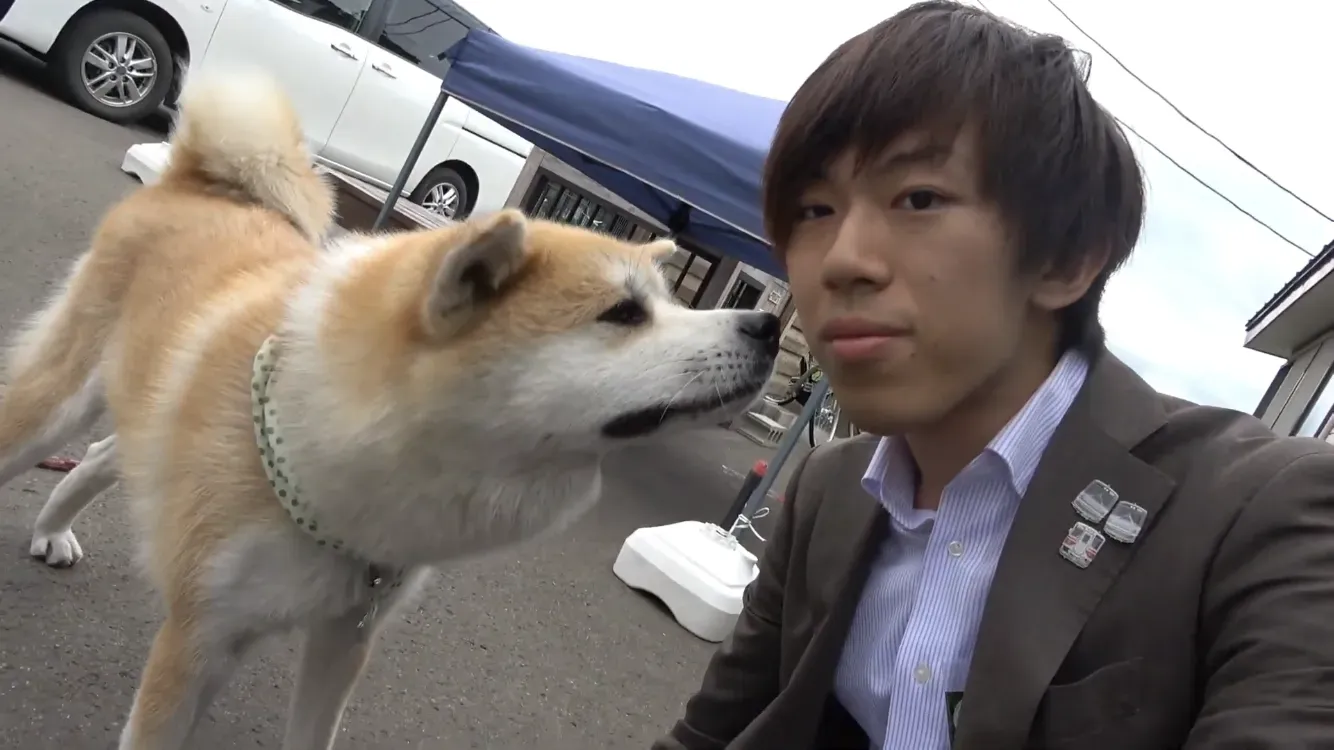
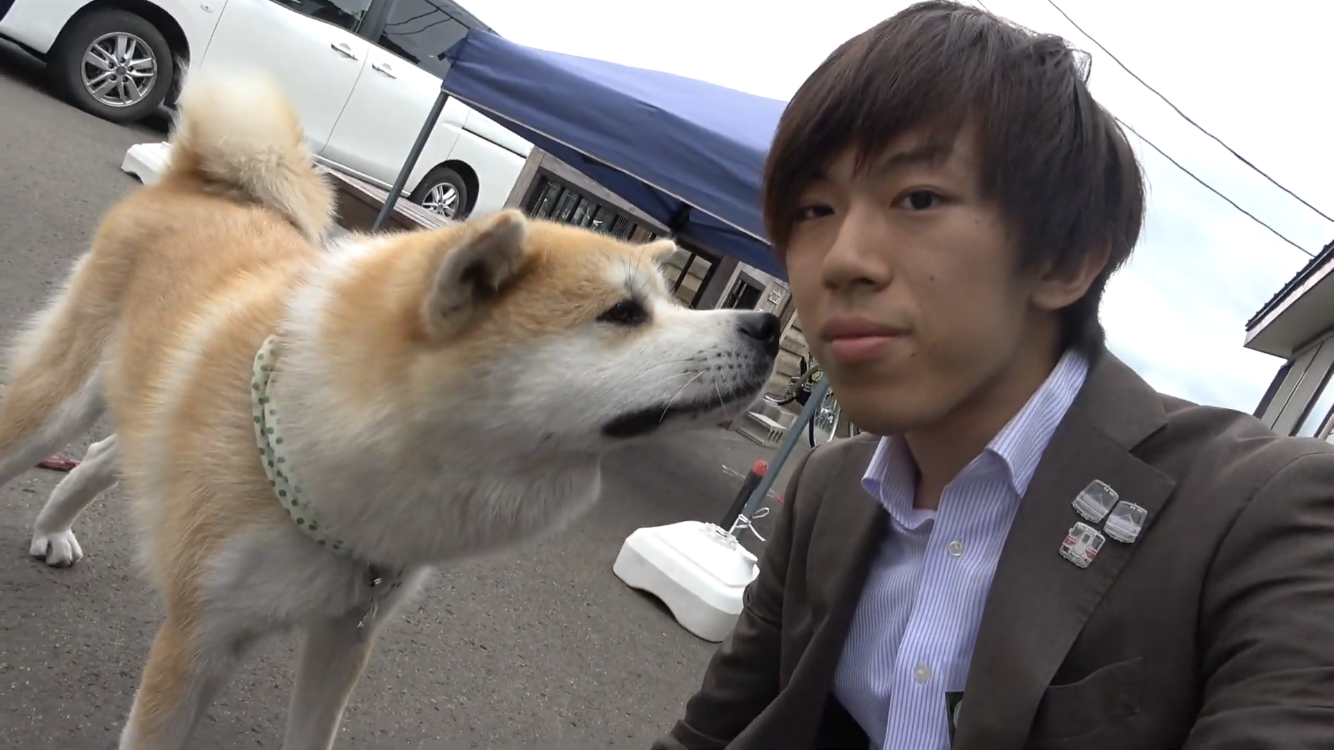
Akitas are strong-willed and protective, with thick coats requiring seasonal grooming and independence calling for experienced handlers. These dogs have a dignified, almost regal presence that commands respect. The problem? They know it, and they expect you to know it too.
Their behaviors include a strong assertive nature and they don’t tolerate poor dog handling – this is a bold breed that does not suffer fools gladly and is not a dog for inexperienced dog owners. Here’s the thing: Akitas aren’t mean, but they are serious. They require an owner who understands dominance structures and can establish clear, consistent leadership from day one.
Naturally protective, Akitas may be aggressive with strangers or other dogs. Early socialization is absolutely critical, and even then, you’ll need to manage their interactions carefully throughout their lives. They’re loyal to their core, but that loyalty comes with a price tag of constant vigilance and training.
Belgian Malinois: The Intense Working Machine
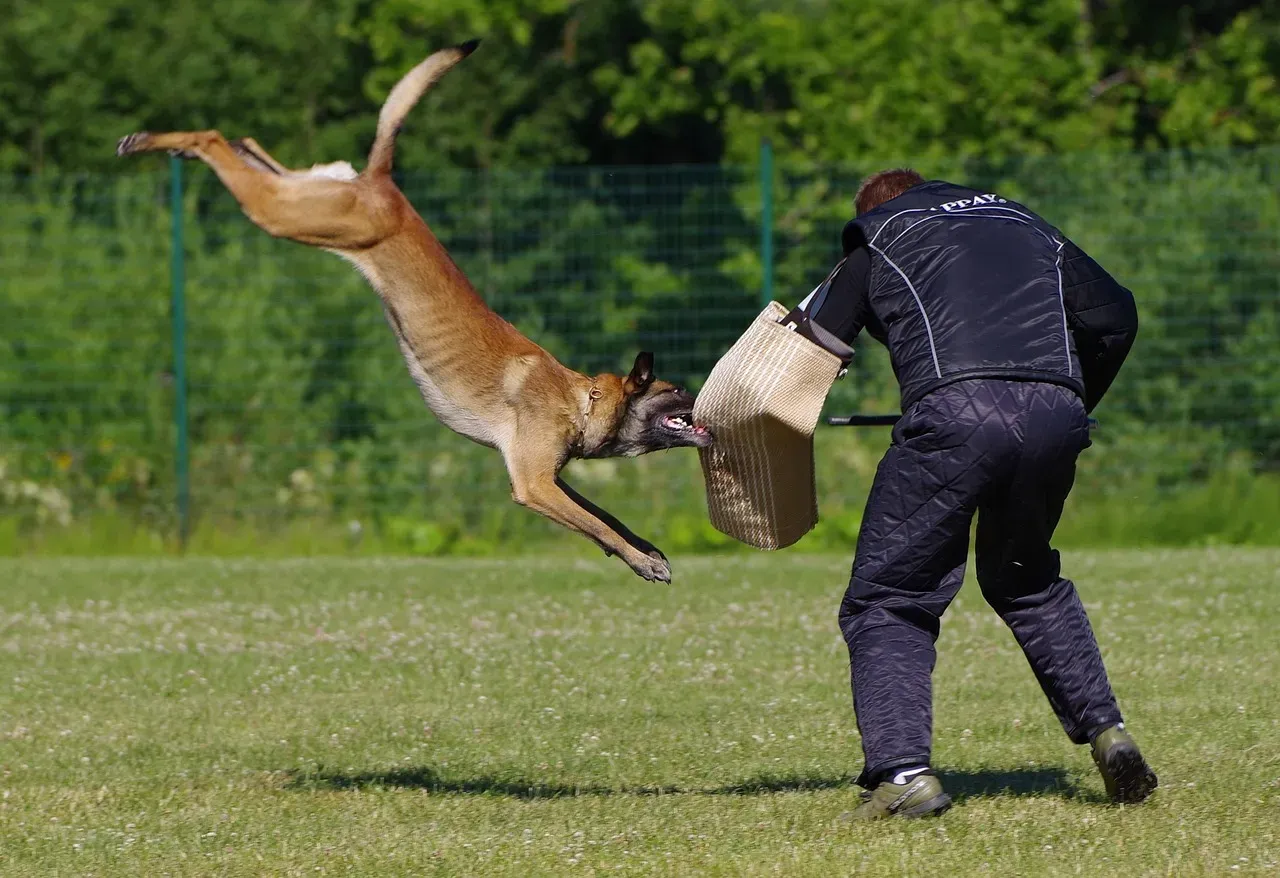
A favorite among working dog professionals, the Belgian Malinois is not a casual companion – they require extensive training, physical exercise, and socialization. I honestly think this is one of the most misunderstood breeds out there right now. People see them in movies or military work and think they look cool. Then reality hits like a freight train.
This dog is demanding and needs an experienced owner, with a wide range seen in temperament and aggressiveness – they want nothing more than to be with their family, which makes them unsuitable as a kennel dog. Belgian Malinois need a job, plain and simple. Without intense daily activity and mental challenges, they become destructive, anxious, and difficult to manage.
Many new owners are not prepared for the high degree of intensity in this dog’s personality – whatever they do, they do to the maximum, whether that be work, play, or just adoring you, their master. They’re not dogs who can be left alone for long hours or ignored when you’re tired. They demand engagement, and they demand it constantly.
Dalmatian: The Energetic Firedog with a Stubborn Side
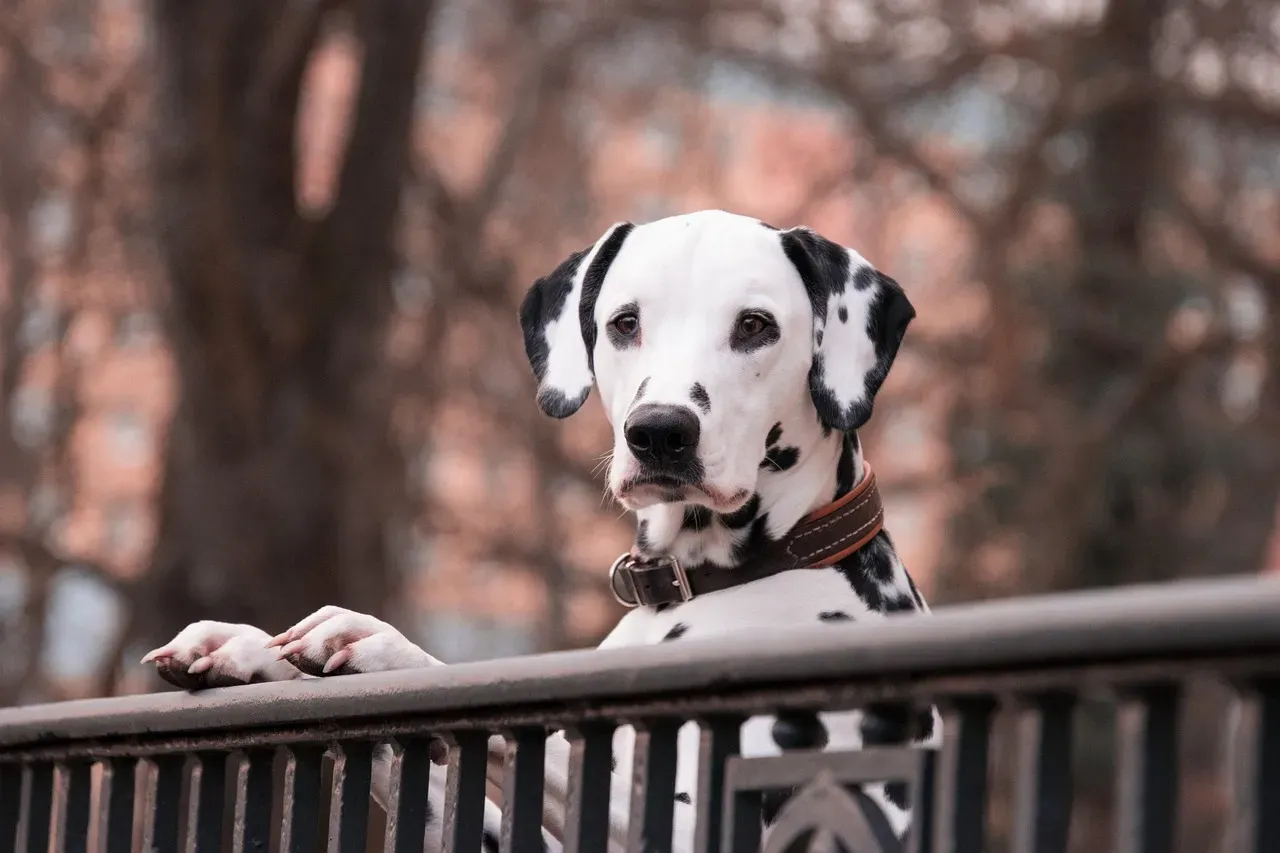
It takes a special kind of person to raise a Dalmatian – their spots are adorable, but this breed can be aggressive and a bit stubborn, requiring constant training and a healthy dose of daily exercise. Those iconic spots might draw you in, but living with a Dalmatian is about much more than their unique appearance.
Beyond their iconic spots lies a high-energy, sensitive breed with historical roots as carriage dogs, and their endurance bred for trotting alongside horse-drawn carriages translates to training challenges when exercise needs go unmet. These dogs were literally bred to run alongside carriages for miles. That kind of stamina doesn’t just disappear because they’re now living in suburban homes.
Without proper guidance, their intelligence becomes problematic as they invent their own entertainment, and Dalmatians form strong opinions about people and situations, sometimes becoming stubborn when pushed. They’re sensitive souls who need positive reinforcement, yet they’re also incredibly energetic and headstrong. It’s a challenging combination to manage.
Jack Russell Terrier: The Tiny Tornado with Big Separation Issues
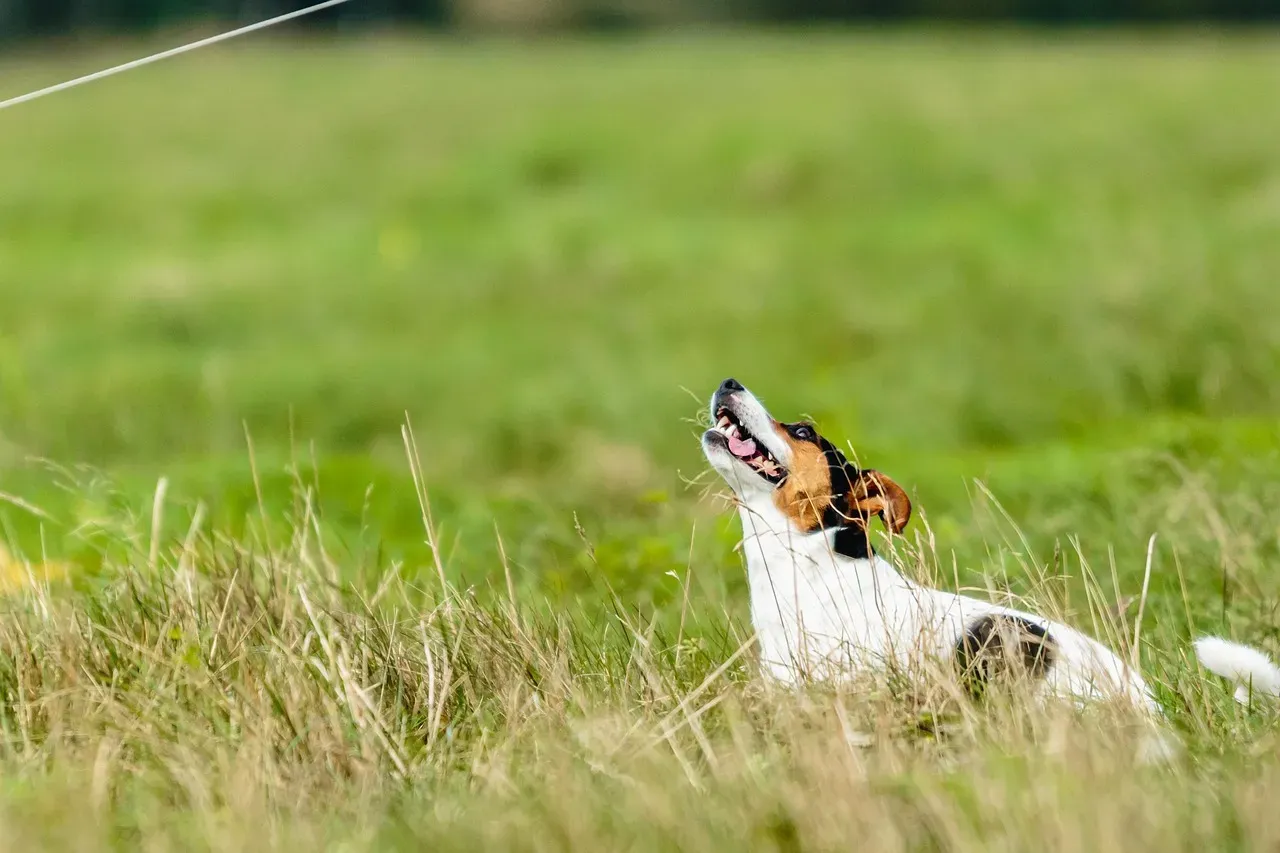
Don’t let the small size fool you. Pocket-sized dynamos with outsized personalities, Jack Russells pack more energy and determination into their small frames than seems physically possible, originally bred to hunt foxes, approaching life with tireless enthusiasm and selective hearing. These little dogs are bundles of pure, concentrated energy wrapped in a deceptively cute package.
Boredom is your enemy – an under-stimulated Jack Russell transforms into a destructive tornado of furniture-chewing, hole-digging chaos, requiring consistent boundaries delivered with respect for their working heritage and mental challenges as important as physical exercise. They’re smart, stubborn, and prone to serious separation anxiety when bonded too closely with their owners.
Separation anxiety is a behavioral disorder affecting dogs when left alone, characterized by excessive barking, whining, chewing, digging, and other destructive behaviors, typically occurring when a dog’s routine changes or when their owner is away for longer than usual. For Jack Russells, this can become a major problem that requires dedicated training and behavior modification to overcome.
Weimaraner: The Clingy Shadow Dog

Weimaraners are often called “Gray Ghosts,” and not just because of their distinctive silvery coat. The “Gray Ghost” earns its nickname through both color and an uncanny ability to shadow owners everywhere, including bathrooms. These dogs take attachment to a whole new level, following their owners from room to room with unwavering dedication.
The problem with this level of devotion? It can quickly turn into severe separation anxiety. Weimaraners need constant mental stimulation and physical exercise to channel their boundless energy. They’re hunting dogs at heart, bred to work alongside their handlers all day long. Leaving them alone in an apartment for eight hours while you work isn’t going to end well.
These dogs need owners who have active lifestyles and can genuinely include them in daily activities. A quick walk around the block won’t cut it. They need running, hiking, and engaging tasks that challenge both their bodies and minds. Without that outlet, the clinginess intensifies and behavioral problems develop rapidly.
Chow Chow: The Aloof Lion Dog
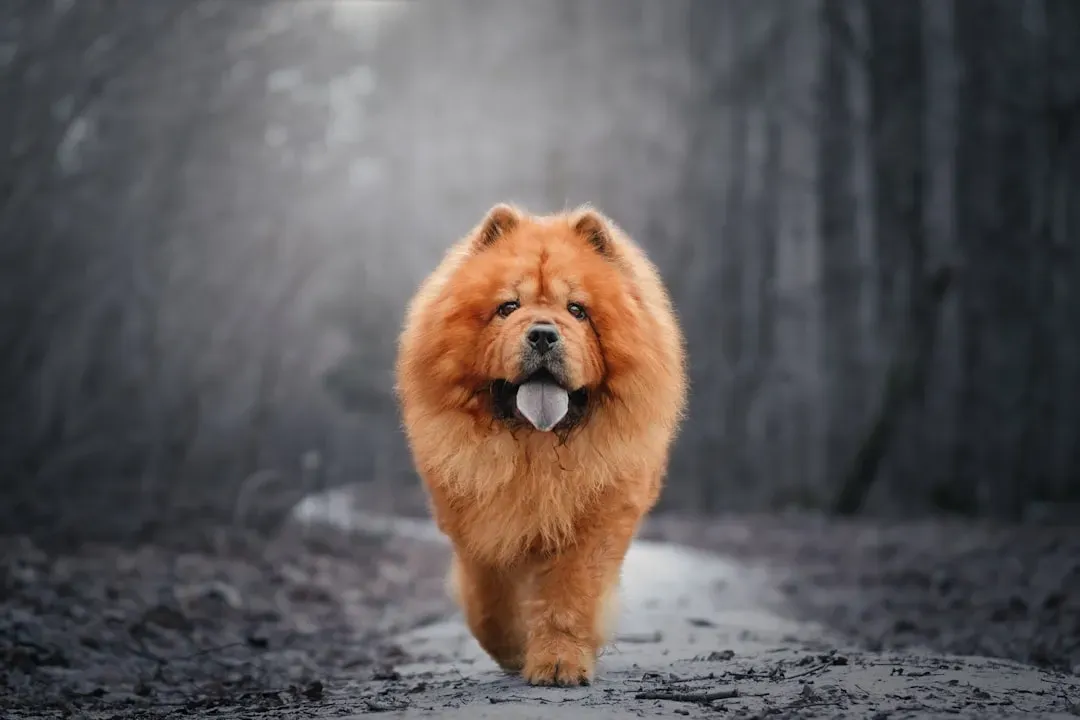
Chow Chows have a reputation for being strong-willed and aloof, can be wary of strangers and may require extensive socialization, with training requiring firmness, consistency, and reinforcement along with early socialization and obedience training being crucial. These dogs look like fluffy teddy bears, but their temperament is anything but cuddly.
Chow Chows, ancient Chinese guardians, approach training with a stubborn dignity that borders on outright refusal, with their aloof, cat-like independence making basic obedience a negotiation rather than a given as they remember every interaction, both positive and negative. They’re incredibly intelligent, yet they use that intelligence to decide whether your commands are worth following.
Here’s the reality: Chow Chows require patient owners who understand and respect their independent nature. They’re naturally suspicious of strangers, which can make socialization challenging. Aloof and cat-like, Chow Chows require firm, consistent training and regular coat maintenance. Their grooming needs combined with their stubborn personalities create a perfect storm of high-maintenance demands.
Cocker Spaniel: The Sensitive Soul

Known for their sweet disposition, Cocker Spaniels also need regular grooming and are prone to ear infections and other health concerns, susceptible to ear infections, skin issues, and eye problems, and are sensitive and emotional, can be reactive if not well socialized. These gorgeous dogs with those soulful eyes might seem like the perfect family pet, but their emotional sensitivity can catch owners completely off guard.
Cocker Spaniels form incredibly deep attachments to their families. They love their people a little too much – they don’t want to be apart from them, ever, and like other companion animals, Cockers are prone to separation anxiety, needing to learn at an early age that it’s okay to be left alone. Without proper training from puppyhood, these dogs can develop crippling anxiety that manifests in destructive behaviors.
Their grooming requirements are also substantial. That beautiful, flowing coat needs professional grooming every few weeks to prevent matting and tangles. Add in their tendency toward ear infections due to those adorable floppy ears, and you’ve got a breed that requires significant time, money, and emotional investment to keep healthy and happy.
Conclusion
Choosing a dog is one of the most important decisions you’ll make, and it should never be based solely on appearance or popularity. When matched with the right owner, high-maintenance dogs don’t just survive – they thrive, forming deep bonds and bringing joy, purpose, and companionship to everyday life. The breeds we’ve discussed aren’t impossible to own, they’re just not for everyone.
These dogs require commitment that goes beyond the basics. They need owners who understand their unique challenges and are willing to put in the work – daily exercise, consistent training, proper socialization, and loads of patience. If you’re considering one of these breeds, ask yourself honestly: Do I have the time, energy, and experience to meet these demands? Can I handle a dog who might challenge me every single day?
There’s no shame in admitting that a high-maintenance breed isn’t the right fit for your lifestyle. It’s actually the most responsible thing you can do. These magnificent dogs deserve owners who can truly meet their needs and appreciate their complex personalities. What do you think? Are you ready for the challenge, or do these stories make you grateful for your laid-back Labrador?


