
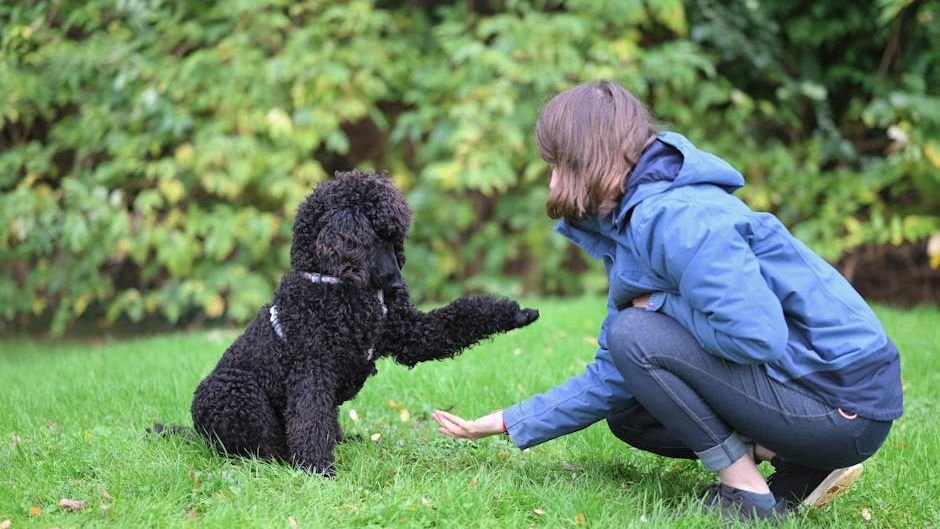
Getting a dog for the first time is one of those life decisions that feels exciting right up until the moment your brand-new puppy ignores every single command you give. You’ve watched the videos. You’ve read the tips. Yet there you are, treat in hand, wondering if your dog even speaks the same language as you.
Here’s the thing most people don’t tell you: training success doesn’t just depend on how consistent you are. It depends heavily on the dog you choose. Being “easy to train” doesn’t just mean being smart. It also includes how well a dog listens, responds, and works with people. The breeds below bring all of that to the table, making them genuine gifts for first-time owners. Each one has a natural temperament that works with you, not against you.
1. Labrador Retriever: The Forgiving Best Friend
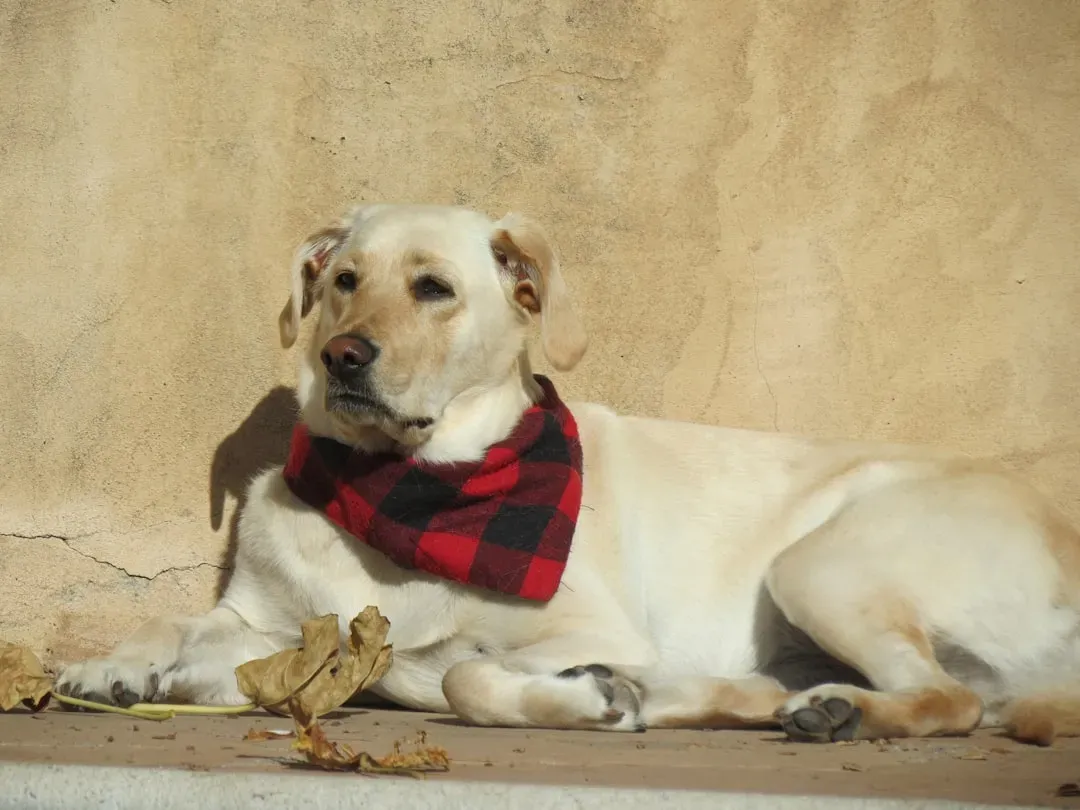
Labrador Retrievers are often recommended as first dogs for good reason. They combine intelligence with a friendly, forgiving temperament, making learning enjoyable for both the dog and the owner. Labs are eager to please, which means training sessions are usually met with wagging tails and enthusiastic focus. Mistakes don’t faze them; they’re happy to try again.
The Labrador’s origins trace back to Newfoundland, where they helped fishermen retrieve nets and fish from icy waters. This working background shaped their strong swimming ability, endurance, and cooperative nature. Today, this trainable breed is among the most popular worldwide, commonly serving as guide dogs, therapy dogs, and family companions. If your household is a little chaotic, a Lab won’t hold it against you. Consistent exercise is essential to keep their mind and body in balance, as a bored Lab can develop unwanted behaviors. Keep them active, and they’ll reward you tenfold.
2. Golden Retriever: Sunshine With a Sit Command
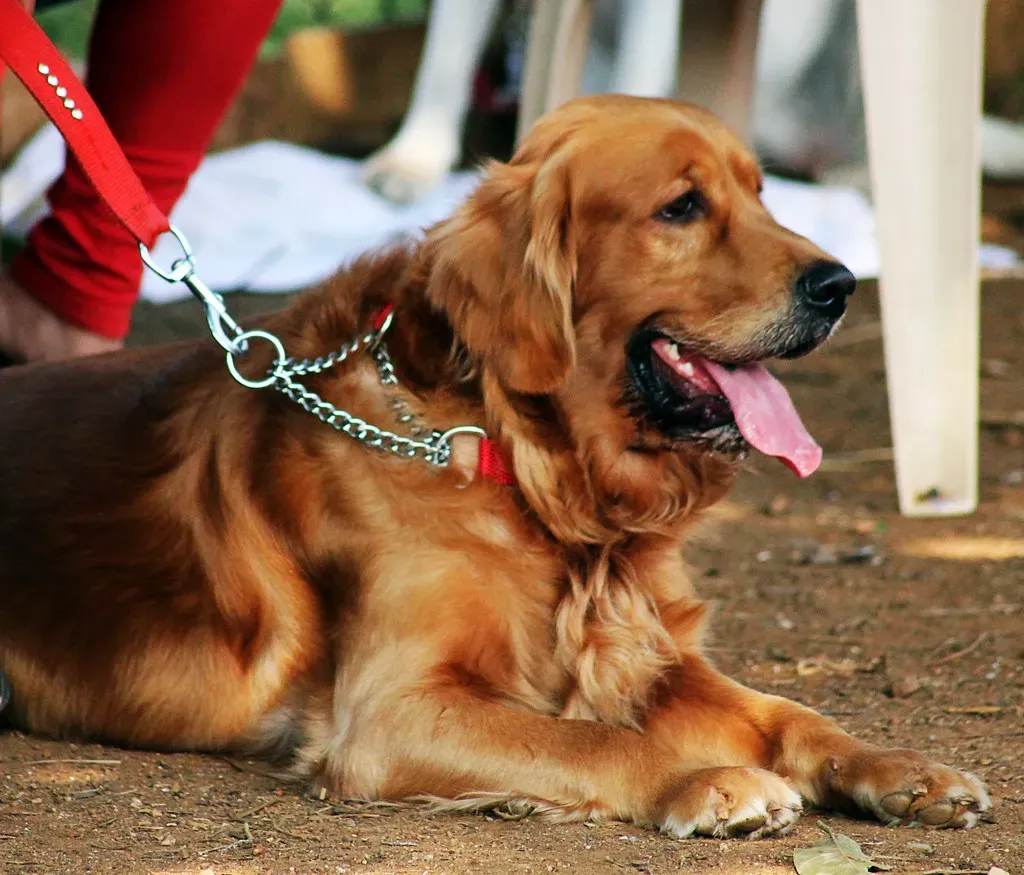
Golden Retrievers are known for their gentle nature and exceptional trainability. They are intelligent and eager to please, which makes them highly responsive to commands and training routines. Their patience and calm demeanor make them especially suitable for beginners. The combination of emotional warmth and sharp intelligence is genuinely rare in the dog world.
With training, Golden Retrievers can excel in various tasks such as hunting, retrieving, obedience, and even service and therapy work. These intelligent sporting dogs have a notoriously gentle nature. Their ability to learn quickly and respond well to commands means they’re relatively easy to train with a pocket full of treats to reward their food-motivated minds. Keep training sessions short and upbeat. They need a good deal of exercise to keep them in the best physical condition, preventing boredom. A tired Golden is a well-behaved Golden.
3. Poodle: The Genius in a Curly Coat
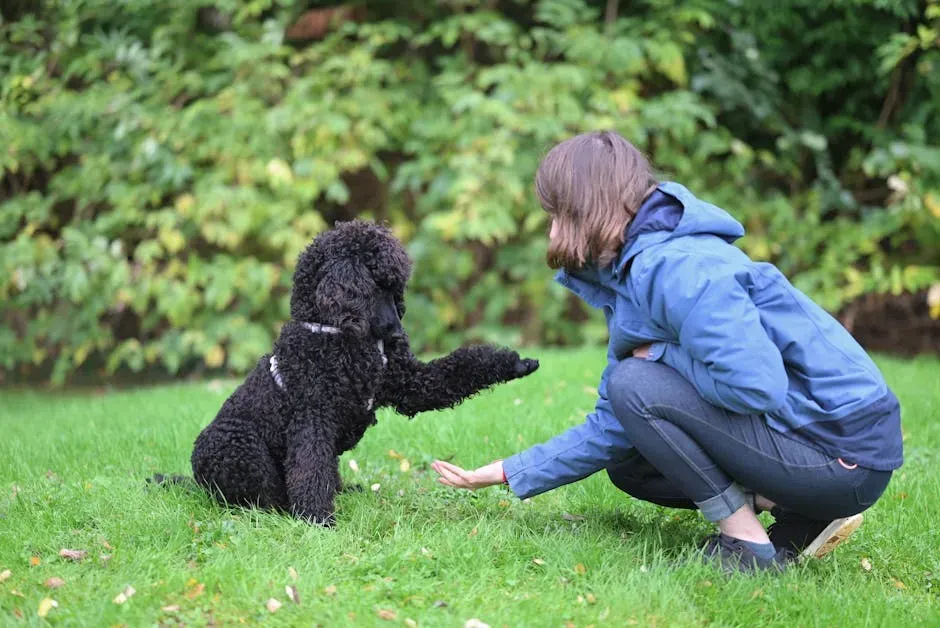
Poodles are often misunderstood as just fancy show dogs, but beneath those stylish curls lies one of the sharpest canine minds around. Standard Poodles are highly intelligent, adaptable, and remarkably intuitive, which makes them excellent companions for first-time owners. They understand commands quickly and often remember them for life. Training can feel like teaching a very enthusiastic student.
They come in three sizes, Toy, Miniature, and Standard, so there’s a Poodle to fit almost any home. Poodles are adaptable, friendly, and bond closely with their families. They have a gentle nature with children and other pets, making them versatile companions for a variety of households. One practical note: these dogs are energetic and need both physical exercise and mental stimulation. Without enough activity, they can become bored or restless, which may lead to undesirable behaviors. Puzzle toys and short daily training games go a long way.
4. German Shepherd: The Committed Learner
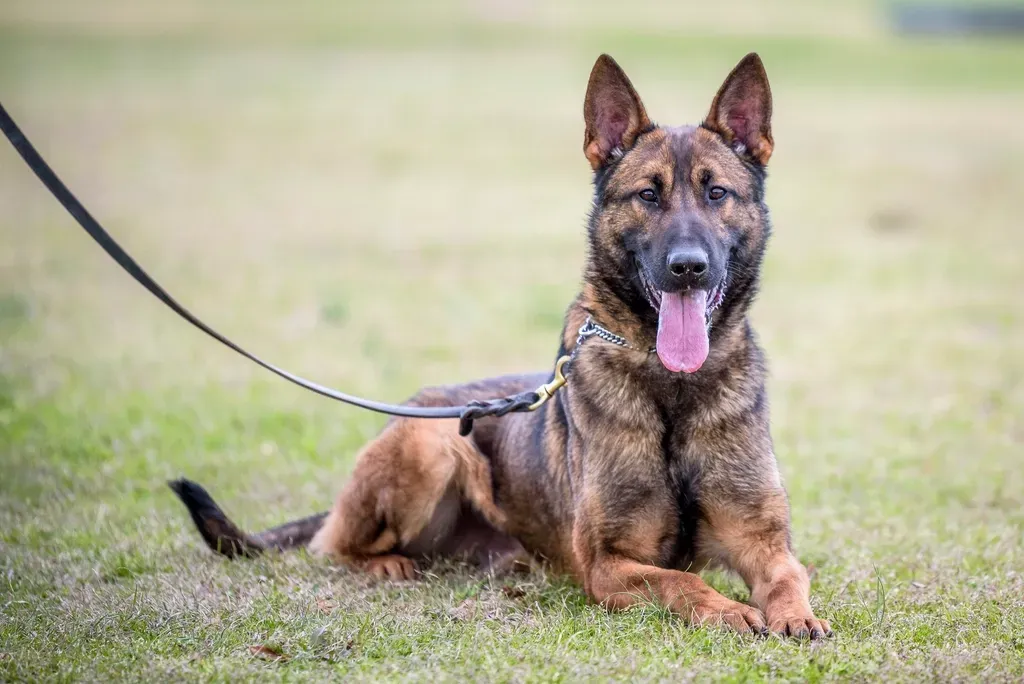
German Shepherds are often employed in military, police, and service work because of their intelligence, loyalty, and courage. They are quick learners who thrive on having a job to do and are extremely loyal to their owners. While they need firm but fair leadership, their desire to please and protect makes them one of the most trainable breeds.
Successful German Shepherd training relies on consistency, patience, and positive reinforcement. These dogs respond best to clear communication and rewards rather than harsh punishment. Early socialization is equally important. Under-socialized German Shepherds tend to think everyone is a threat, while well-socialized German Shepherds are far more likely to have more common sense around reading people and dogs. Start slow, stay consistent, and this breed will astonish you with what it can learn.
5. Shetland Sheepdog: The Herder Who Lives to Please
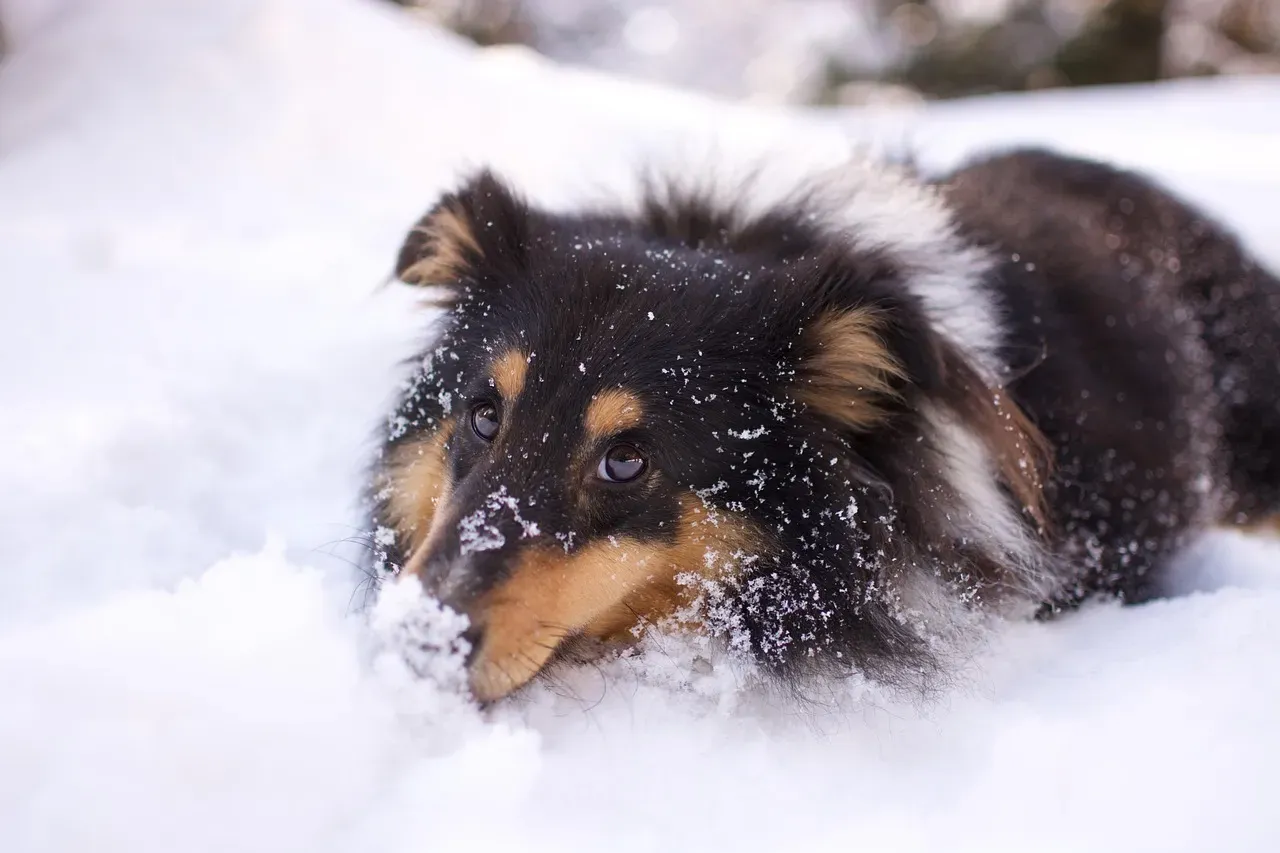
The Shetland Sheepdog, often called the “Sheltie,” is proof that brilliance can come in a fluffy, compact package. These dogs are incredibly quick learners, often picking up new commands after only a few repetitions. They thrive on praise and enjoy pleasing their humans, which makes training feel less like work and more like a shared game. For first-time owners who enjoy engagement, Shelties are a joy.
Shetland Sheepdogs are another herding breed that is incredibly smart and responsive. They have a natural ability to follow directions and can quickly grasp new commands. Their desire to work and cooperate with humans makes them very trainable, though their sensitivity means they do best with positive reinforcement rather than harsh discipline. Worth noting: they’re vocal dogs who sometimes bark to alert their owners, but training can manage this tendency. Shelties bond closely with their families and can be reserved around strangers, so early socialization helps build their confidence.
6. Border Collie: The Overachiever of the Dog World
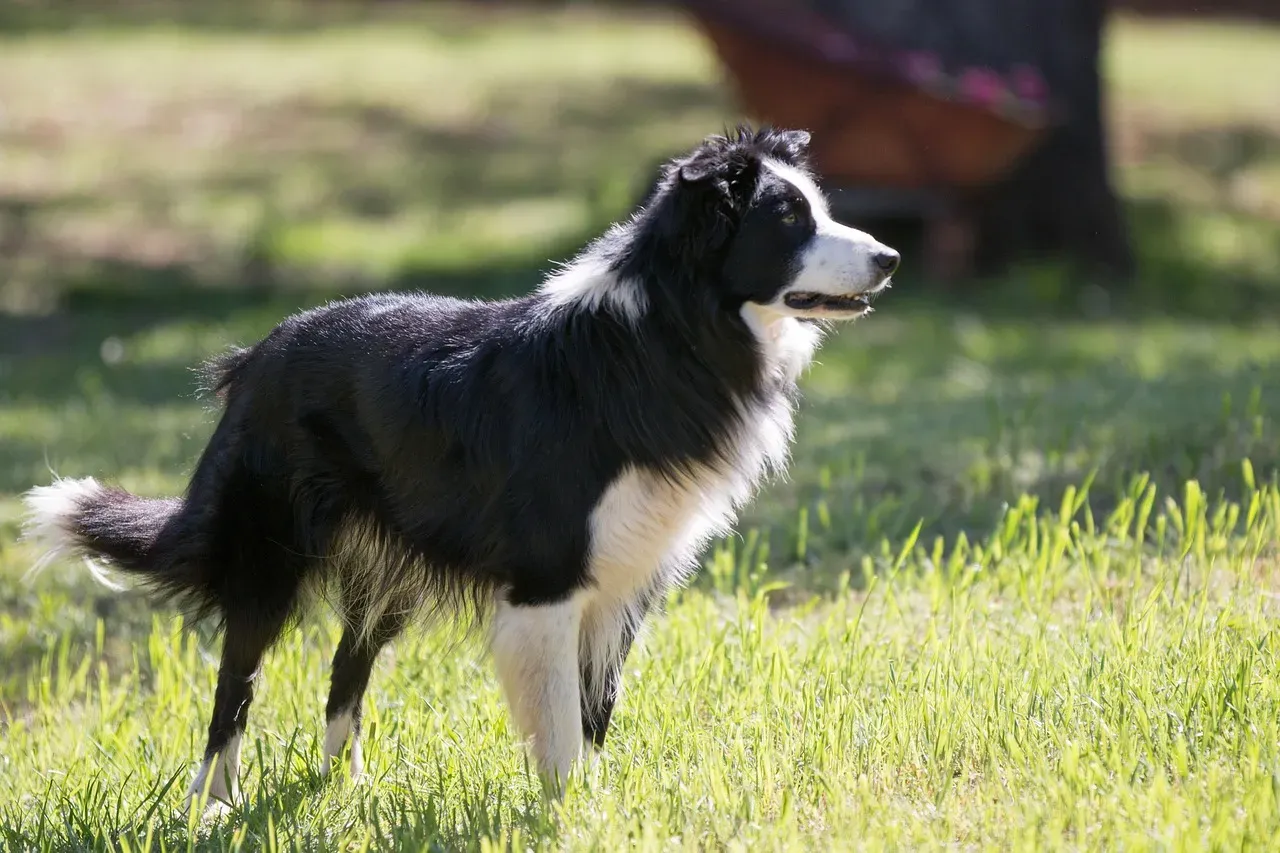
There’s a reason that Border Collies are a favourite for the tricky business of herding sheep. They are incredibly intelligent, and research suggests they are the most clever of all the dog breeds, learning amazingly fast. These dogs require both physical and mental stimulation to stay happy. Border Collies thrive when given tasks or challenges, and they respond exceptionally well to training.
The uber-trainable Border Collie is part of the herding group, so they are happiest when they have a job to do. Their boundless energy means they can work for extended periods without tiring, so they’re excellent companions for farmers and ranchers. Dog puzzle toys and energy outlets like dog agility will help them live fulfilling lives if they’re not rounding up sheep on the farm. This breed isn’t for couch-dwellers, but if you’re active and committed, the Border Collie is unmatched.
7. Cavalier King Charles Spaniel: The Gentle Apartment Star
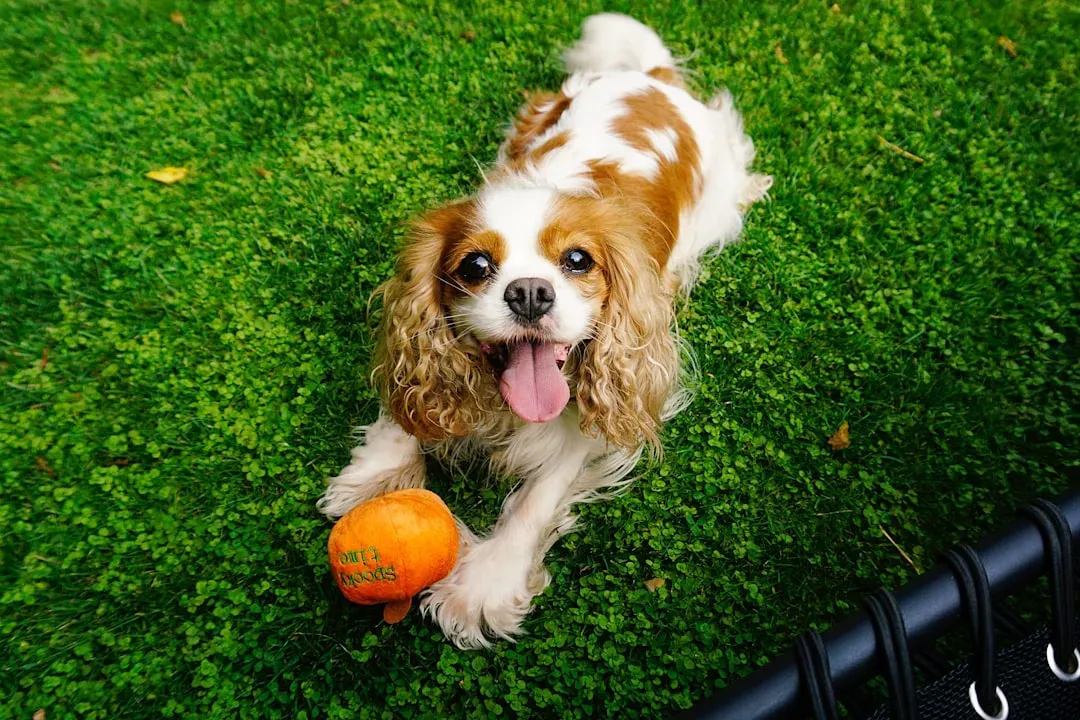
If you’re looking for a smaller, low-maintenance breed, the Cavalier King Charles Spaniel is a wonderful choice. Known for their affectionate nature, these dogs are easygoing, friendly, and love cuddling with their owners. They’re also relatively low-energy, making them a great fit for apartment living or families with young children.
Starting socialization and training early helps your Cavalier grow into a confident adult dog. Their smart, cooperative nature means even basic commands are learned quickly. With patience and consistency, they make a loyal and loving lifelong companion. One health note worth knowing: Cavalier King Charles Spaniels can be prone to heart conditions as they age. Regular veterinary checkups, especially as they enter their middle years, are an important part of responsible ownership with this breed.
8. Bichon Frise: The Small Dog With Big Training Energy
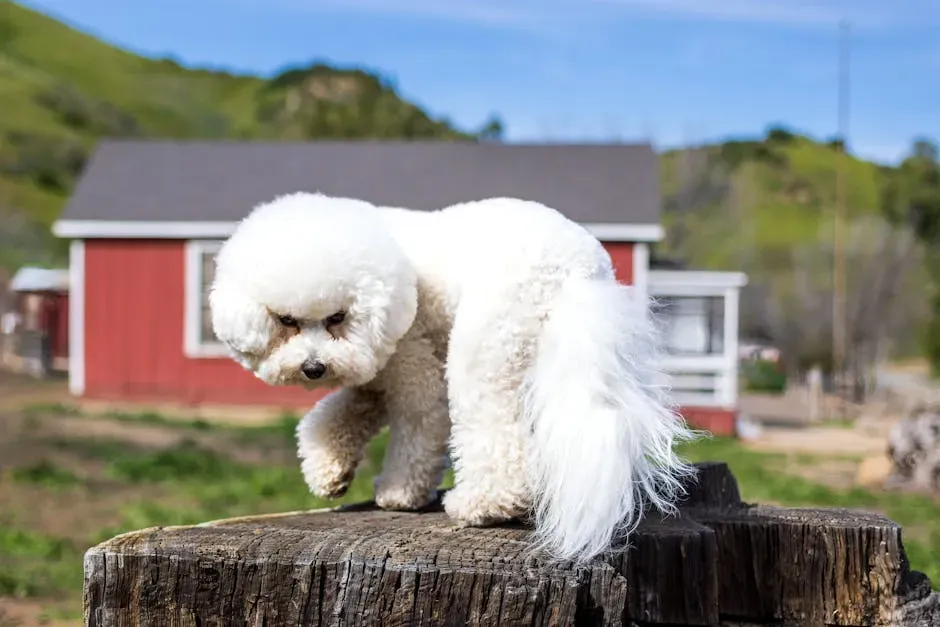
The Bichon Frise is a small, cheerful dog with a fluffy, hypoallergenic coat. They’re adaptable, affectionate, and thrive on human interaction. Bichons are quick learners and respond well to positive training techniques. With regular grooming and moderate exercise, they’re easy to care for and bring endless joy to their families.
The cheerful Bichon Frise’s playful attitude makes training feel like a fun game, and this also earns them a reputation as one of the best small dogs to potty train. That’s genuinely helpful news for first-time owners who dread housebreaking. Keep sessions short and reward-based. Their hypoallergenic coats are a bonus, making them a favorite among dog lovers with allergies. Just plan for regular professional grooming to keep that fluffy coat healthy.
9. Papillon: The Tiny Dog With Championship-Level Focus
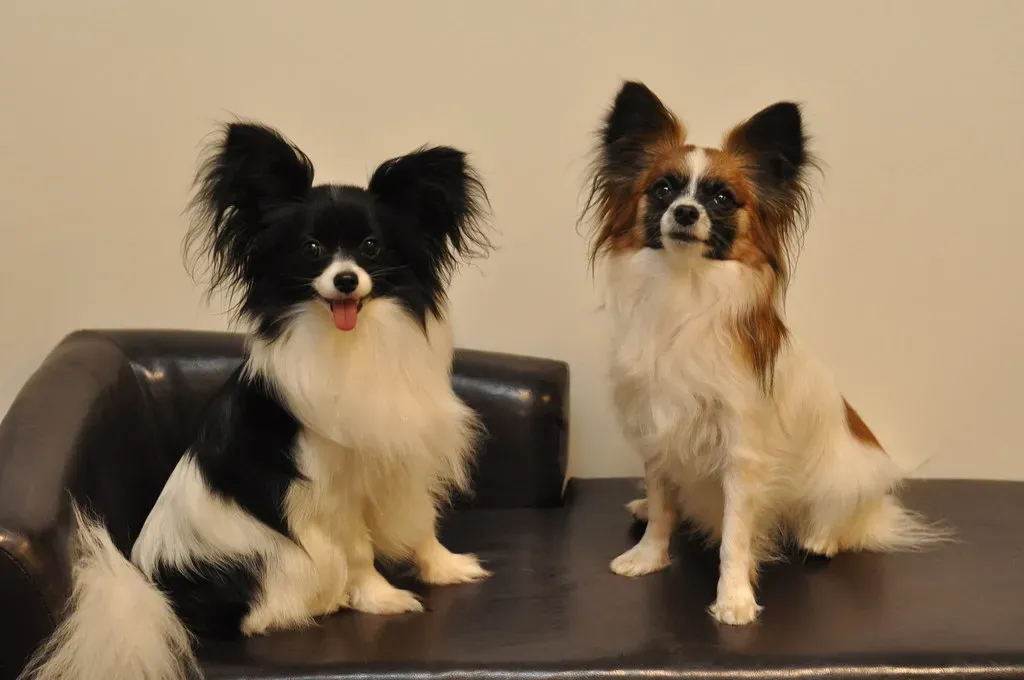
Papillons are small dogs with big personalities, often seeming like they’re smiling all the time. These cheerful, energetic dogs are extremely intelligent and eager to please, which makes them one of the easiest breeds to train. Papillons love being part of family life, enjoying playtime, learning tricks, and cuddling with their humans. They adapt well to both city apartments and country homes, and their friendly nature makes them excellent companions for older children and adults.
French for “butterfly,” this breed is the only Toy Group member in Stanley Coren’s top intelligence rankings. Small in size but big in brain power, the Papillon is super fast. This breed is also a top agility scorer. Despite their petite size, Papillons are surprisingly active. They need daily mental and physical stimulation through short walks, games, or training sessions. Don’t underestimate this one based on size alone.
10. Miniature Schnauzer: The Farm Dog Who Fits on Your Couch
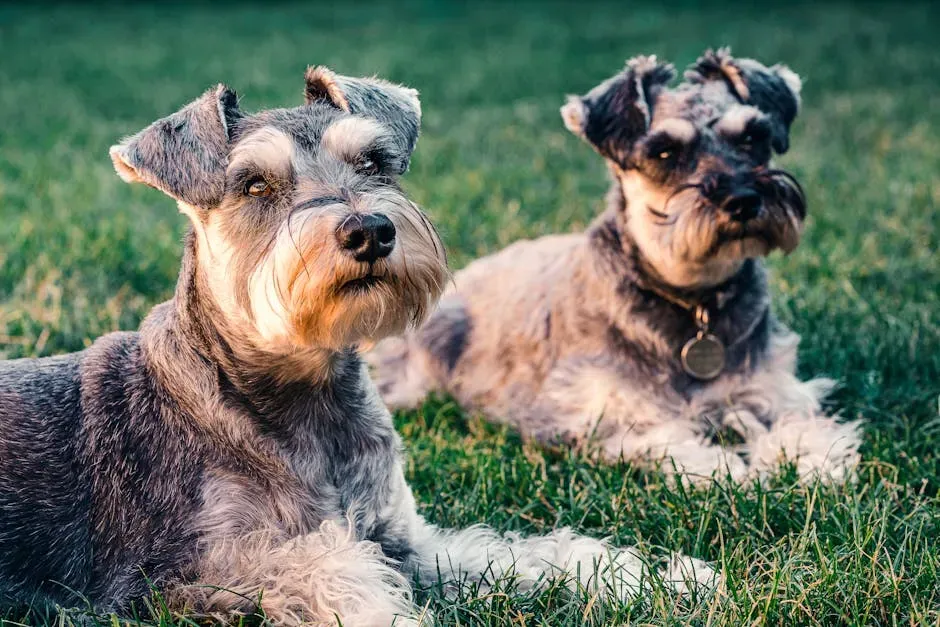
The Miniature Schnauzer is a smart dog breed known for its alert, playful nature. Originally bred to work on farms in Germany, these pups still love having a job to do and require quite a bit of exercise and mental stimulation to be their happiest selves. Agility and obedience training are great ways to engage your Miniature Schnauzer, as they are perceptive and quick to learn new skills.
The only member of the Terrier Group in Coren’s top intelligence rankings and the smallest of the three Schnauzer breeds, the Miniature Schnauzer is a family and all-around farm dog. They’re spirited without being overwhelming, which makes them an excellent fit for first-time owners who want a dog with personality. Be consistent with boundaries early on. Schnauzers are smart enough to test limits if you give them an inch, so clear, kind rules from day one set everyone up for success.
The Bigger Picture: What Makes Training Actually Work
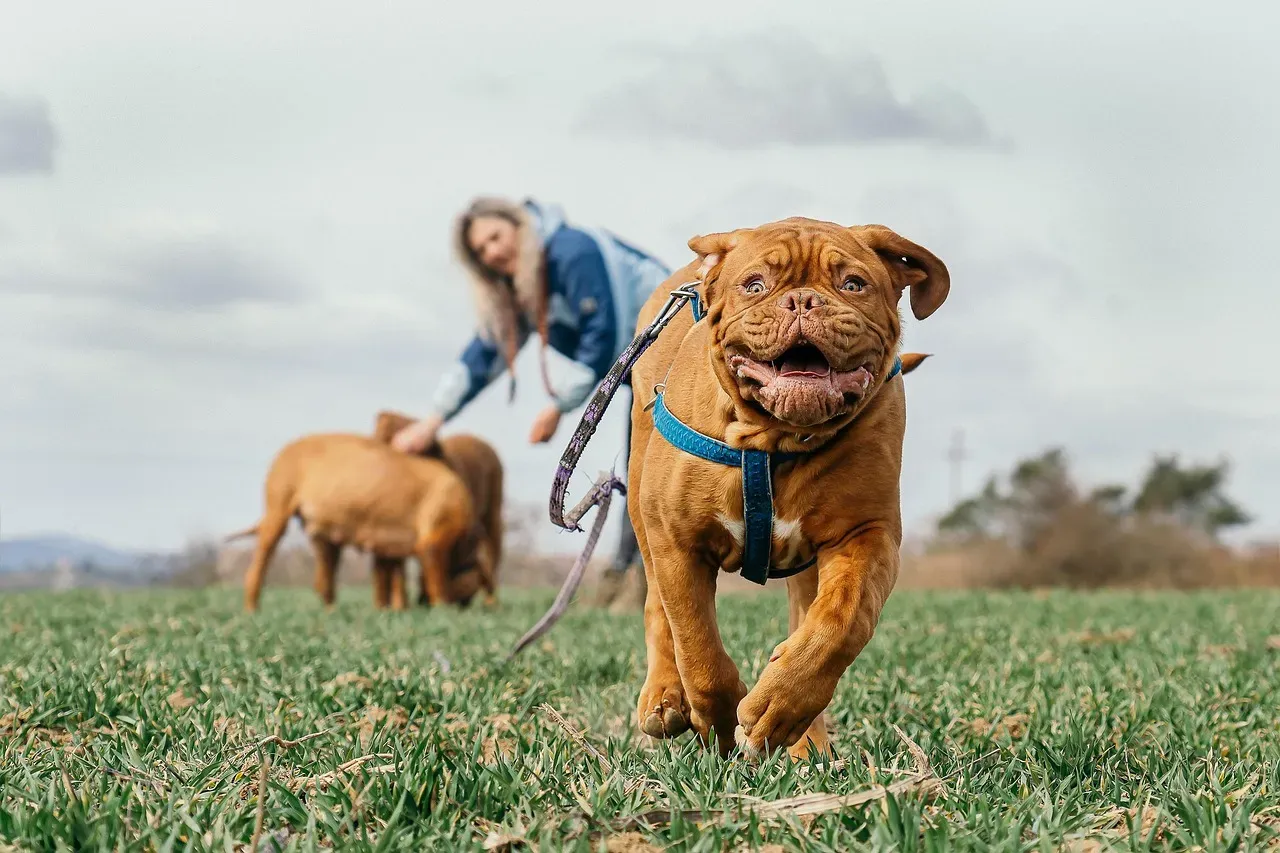
New dog owners should definitely choose a trainable breed because these dogs are easier to teach, adapt more quickly to household rules, and often form stronger bonds through consistent, positive training experiences. Still, breed alone won’t do all the work. The key is understanding each dog’s unique needs, temperament, and learning style. With patience, consistency, and the right techniques, any dog can excel in basic obedience training.
Start early and begin training during puppyhood. Use positive reinforcement to reward good behavior. Keep sessions short and engaging, as ten to fifteen minutes works best. The breeds on this list are wired to meet you halfway. Training not only teaches good behavior but also strengthens the bond between you and your dog. With the right approach and dedication, these breeds can become well-behaved, loyal companions, making your journey as a first-time dog owner both fulfilling and memorable.
The right match between owner and breed is genuinely one of the most important decisions in a dog’s life. Choose a dog that fits your energy, your space, and your lifestyle, stay patient, and the rewards will be real. Training is never just about commands. It’s how you and your dog learn to understand each other, and that relationship is worth every treat and every repeated “sit.”


