
You leave the house, close the door behind you, and somewhere inside your chest there’s that tiny pang of guilt. You’re picturing your dog sitting by the window, waiting. Are they okay? Are they anxious? Did they just eat your favorite throw pillow? Every dog lover knows this feeling all too well.
Here’s the thing: not all dogs experience being home alone the same way. Some breeds settle in beautifully, napping contentedly on the couch like they’ve been waiting their whole lives to have the remote to themselves. Others turn the living room into a scene that would make a tornado jealous. The difference often comes down to breed temperament, history, and what they were originally bred to do. Honestly, it’s one of the most overlooked factors when people choose a dog.
Whether you’re heading to work, running errands, or sneaking off on a weekend trip, what follows will help you understand which dogs are natural-born house sitters – and which ones, bless their hearts, are absolutely not. Let’s dive in.
1. The Greyhound: The Original Couch Philosopher
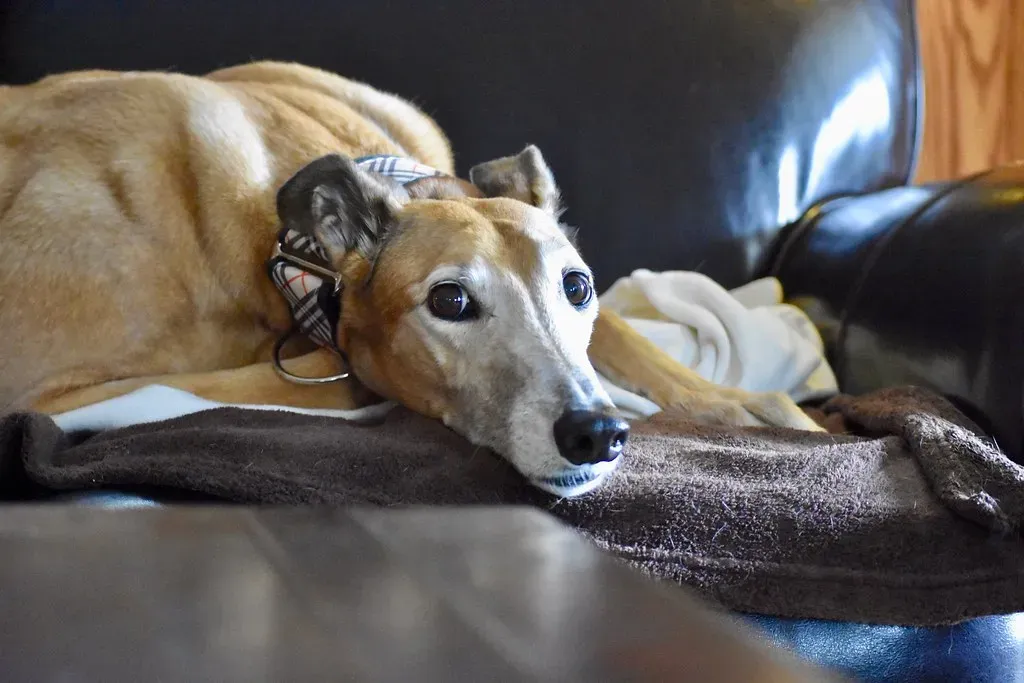
Despite their reputation as racing dogs, Greyhounds are surprisingly calm and gentle pets. Known as “couch potatoes,” retired Greyhounds often enjoy a relaxed lifestyle and are happy to spend their days lounging around the house. It almost seems counterintuitive, right? The fastest dog breed on the planet, perfectly happy to do absolutely nothing all day.
These dogs have a good temperament and are known for being quiet, friendly, and easygoing. They do require regular exercise, such as daily walks or a short run, but are generally not high-energy dogs. Think of them like a cheetah who loves a good nap after a sprint. Give them a morning walk, and they’ll reward you with a blissfully peaceful house for the rest of the day.
2. The Basset Hound: Slow, Steady, and Gloriously Laid-Back
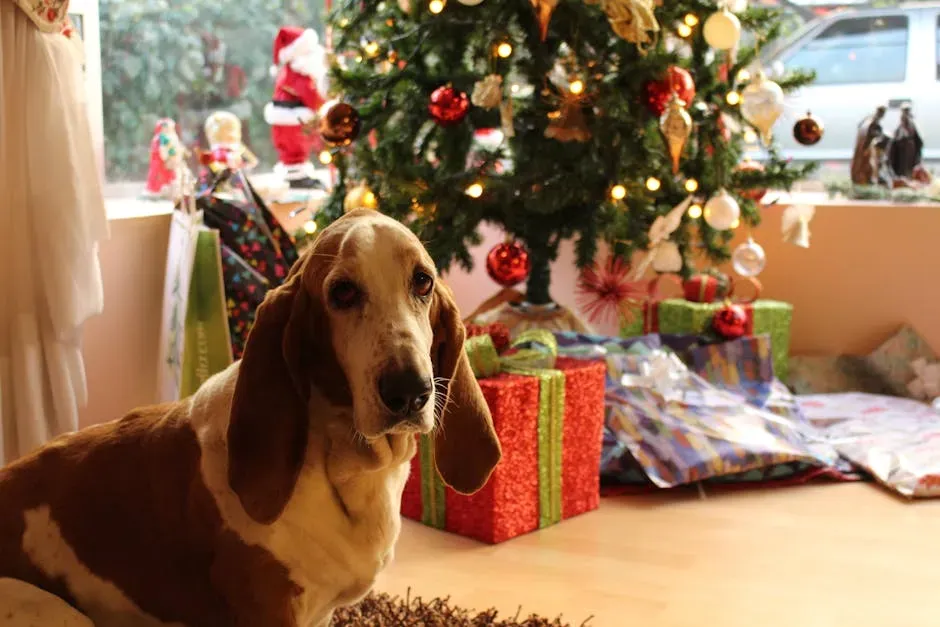
Basset Hounds are one of the most recognizable calm dog breeds, with their long ears, droopy eyes, and relaxed demeanor. These dogs are known for their laid-back personality and are often content to lounge around the house. If calmness were a competitive sport, the Basset Hound would win without even trying.
The Basset Hound is a medium-sized dog with long floppy ears and an affable and bright personality. One of the calmest dogs you’ll ever meet, she might look woeful but will light up in your consistent presence, especially if you play to her strengths. She’ll enjoy using her snoot for scent work before powering down for a leisurely, cozy nap! Leave a few hidden treats around the house before you go, and your Basset will be happily occupied for hours.
3. The French Bulldog: The Apartment-Friendly Stay-at-Home Champion
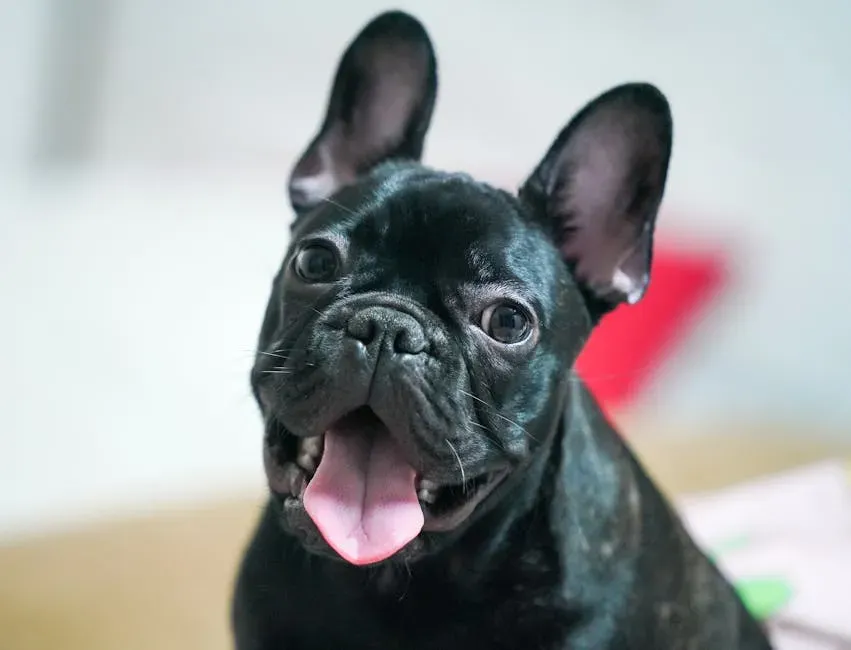
The calm and quiet French Bulldogs are also popular for being affectionate and gentle with children. They love lounging with their humans or following them around. With their lovely personality and proper attention and training, the French Bulldogs make perfect companions. They’re essentially the canine equivalent of a cozy roommate who never makes drama.
French Bulldogs can be found dozing after a walk because that is all their short legs can handle. Also, they are ideal for apartment living because of their quiet and adaptable nature. I think what makes them so special for house sitting is their total contentment. They’re not plotting your downfall. They’re just napping and waiting for you to come back.
4. The Pug: Lovable, Lazy, and Surprisingly Chill
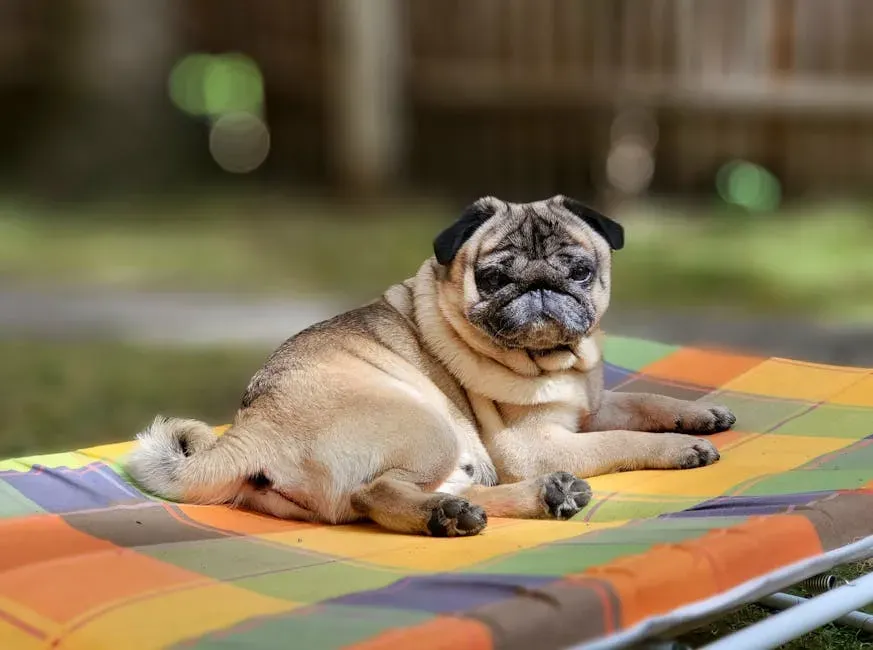
Pug is an ancient Chinese dog that is small in size, has a wrinkled face, curled tail, and large, soulful eyes. It was bred exclusively as a companion dog for Chinese emperors to provide love, affection, and entertainment. That royal heritage means Pugs are genuinely wired to be in a home, close to people, and just… being delightful.
Since it was never bred for work or sport, it naturally prefers lounging and staying close to its owners. It is the happiest when sitting beside you rather than engaging in strenuous activities. One small note of caution: Be careful in extreme heat, as a brachycephalic breed they have trouble regulating their temperature and breathing. Keep the house cool, and your Pug will be just fine holding down the fort.
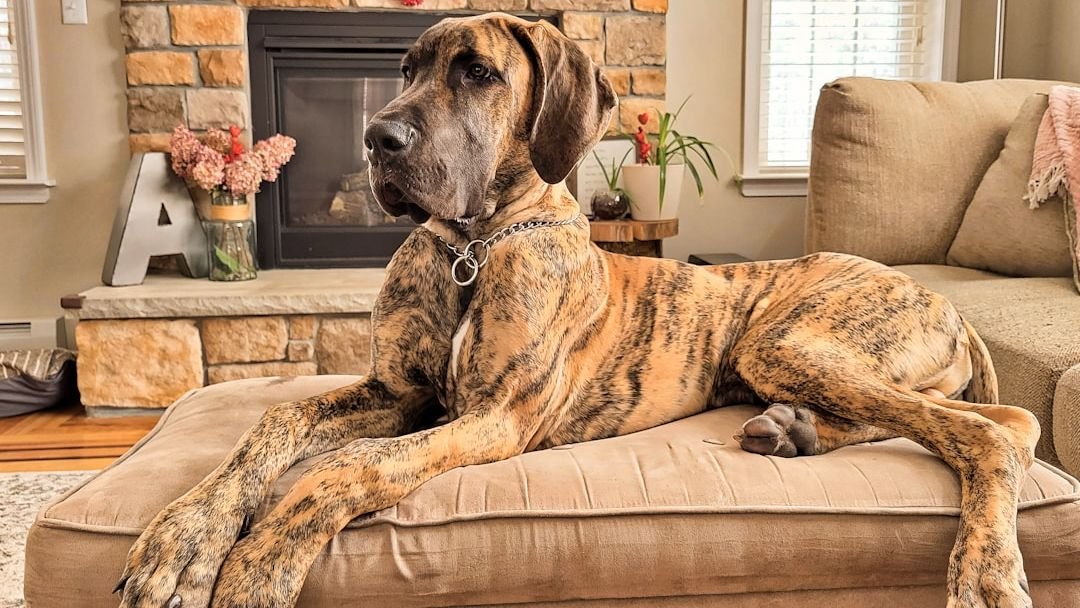
5. The Great Dane: A Gentle Giant Who Just Wants to Snooze
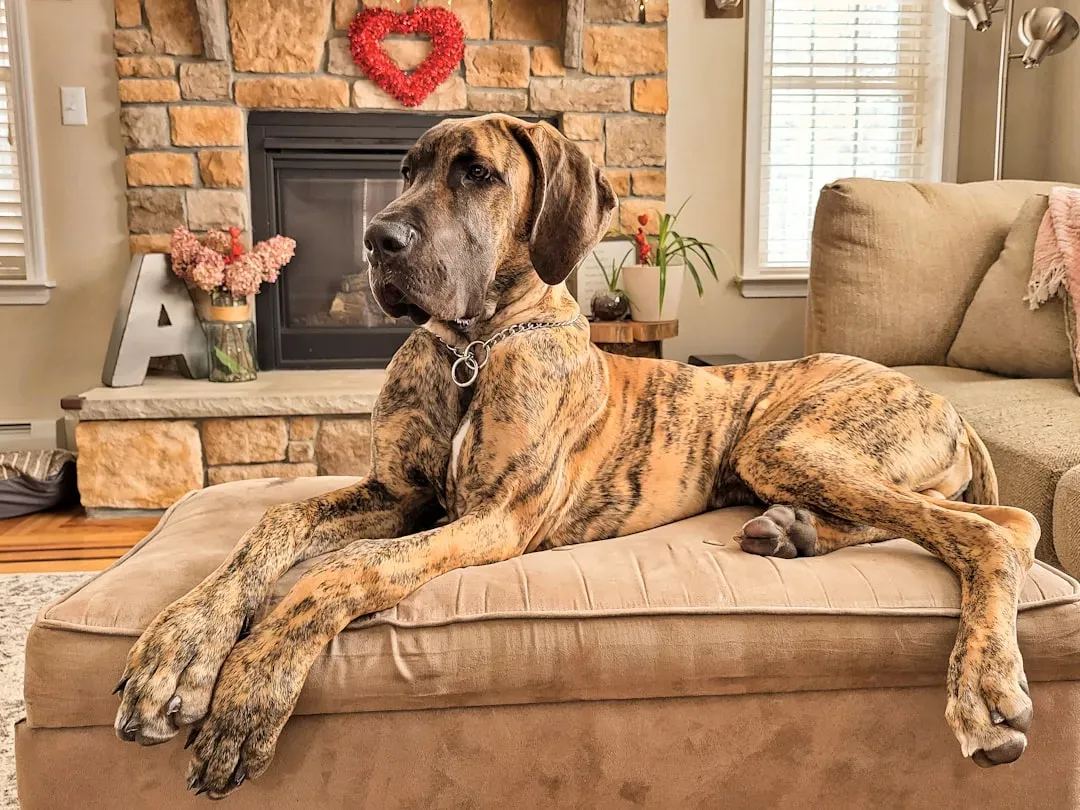
Great Danes are another example of a “gentle giant” breed with a calm and friendly demeanor. Despite their imposing size, Great Danes are known for being affectionate, loyal, and good-natured. They enjoy a relaxed lifestyle with moderate exercise, making them suitable for those looking for a calm dog that enjoys a peaceful environment. Honestly, they’re like having a very large, very serene beanbag in your living room that occasionally wags its tail.
Size isn’t everything: large breeds like Great Danes can be gentle couch loungers, while some small breeds have high energy. This is one of those cases where the biggest dog in the room is somehow the most chill. Just make sure your couch is strong enough, because a fully-grown Great Dane sprawling across it is no small thing.
6. The Newfoundland: The Nanny Dog Who Guards Your Home Gracefully
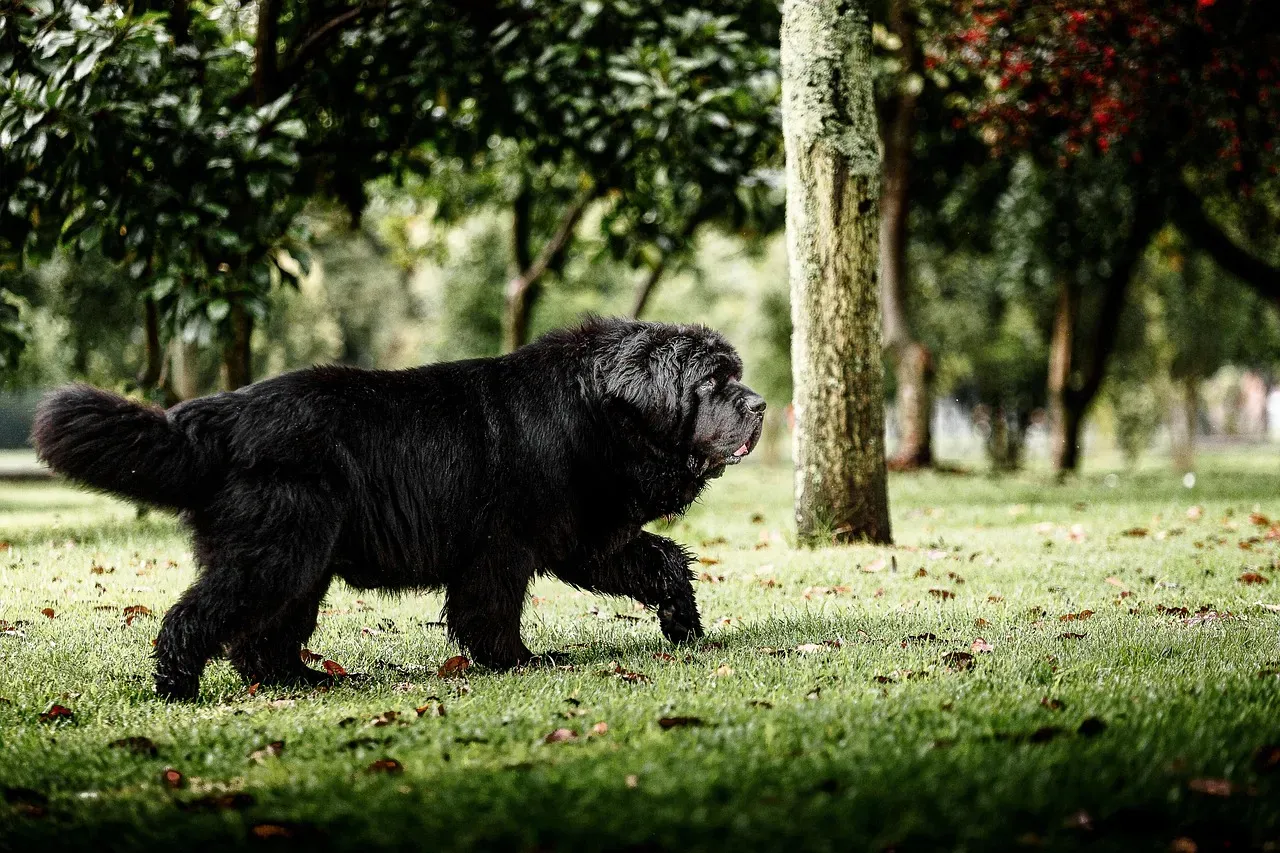
Often referred to as “gentle giants,” Newfoundlands are calm and sweet-natured dogs with a strong desire to please their owners. Despite their large size, they are incredibly gentle and are known for being great with children, often referred to as “nanny dogs.” There is something incredibly reassuring about leaving home knowing this steady, loving presence is watching over things.
This affectionate dog breed is easy to train, which helps ensure your Newfoundland is comfortable in a new place. What’s known about Newfoundlands is that they don’t get riled up easily, which makes them the perfect calm dog for your family. A well-exercised Newfoundland at home alone is the picture of dignified calm. They’re not chewing your furniture. They’re probably just sighing contentedly near the door, waiting for your return.
7. The Saint Bernard: Calm, Patient, and Built for Peace
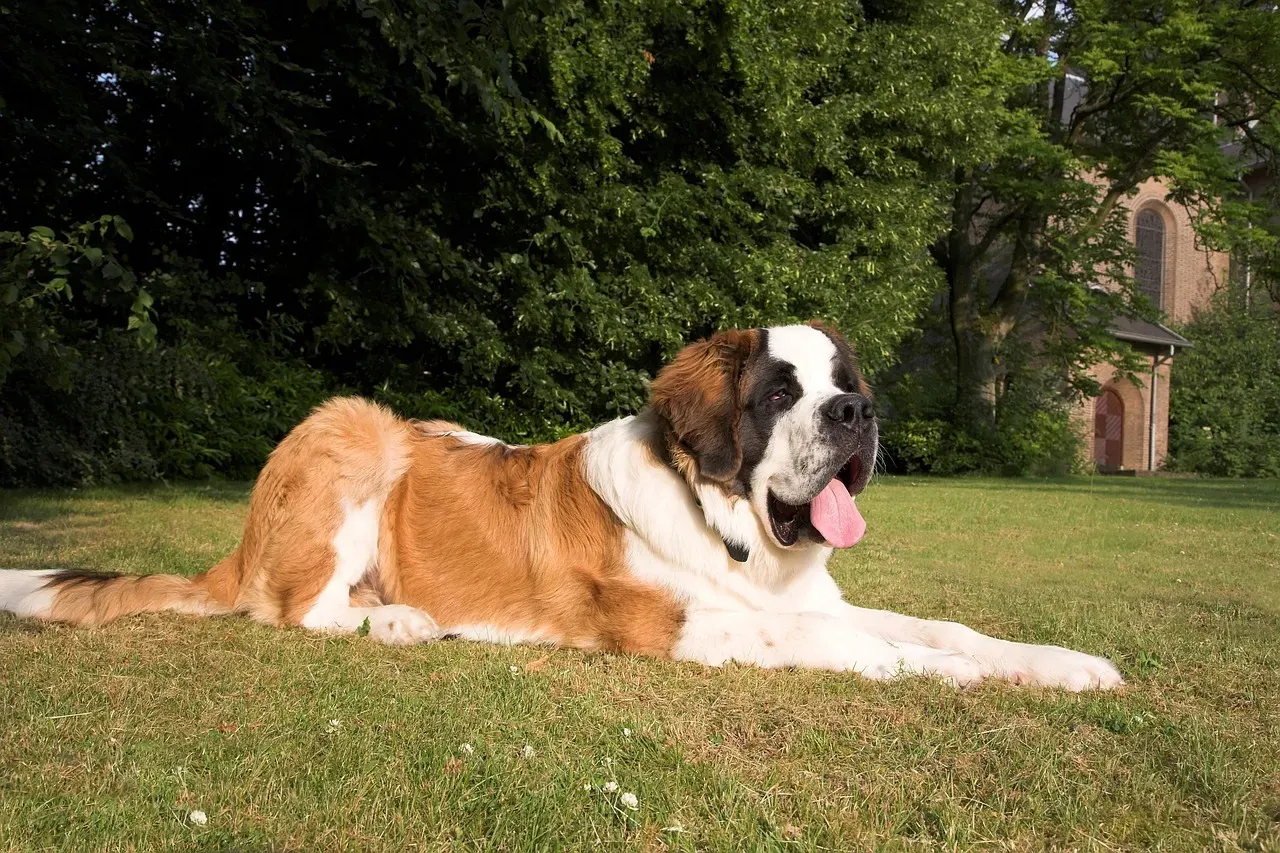
Don’t let the size of Saint Bernard fool you; this is one of the friendliest dog breeds that is also patient and peaceful. They love spending time with their humans inside the house, cuddling on a couch, or going on walks. Saint Bernards carry an air of quiet dignity about them that honestly makes you feel calmer just looking at them.
More often, these traits may not be a given, but they are built over time. A well-bred, well-trained, well-socialized, and mentally and physically stimulated adult Bernard is usually calmer indoors. The key phrase there is “well-exercised and stimulated.” Give your Saint Bernard a good morning walk, and they’ll reward you with a blissfully peaceful house. Skip it regularly, and they may surprise you in less delightful ways.
8. The Dachshund: Small Body, Big Chill Energy
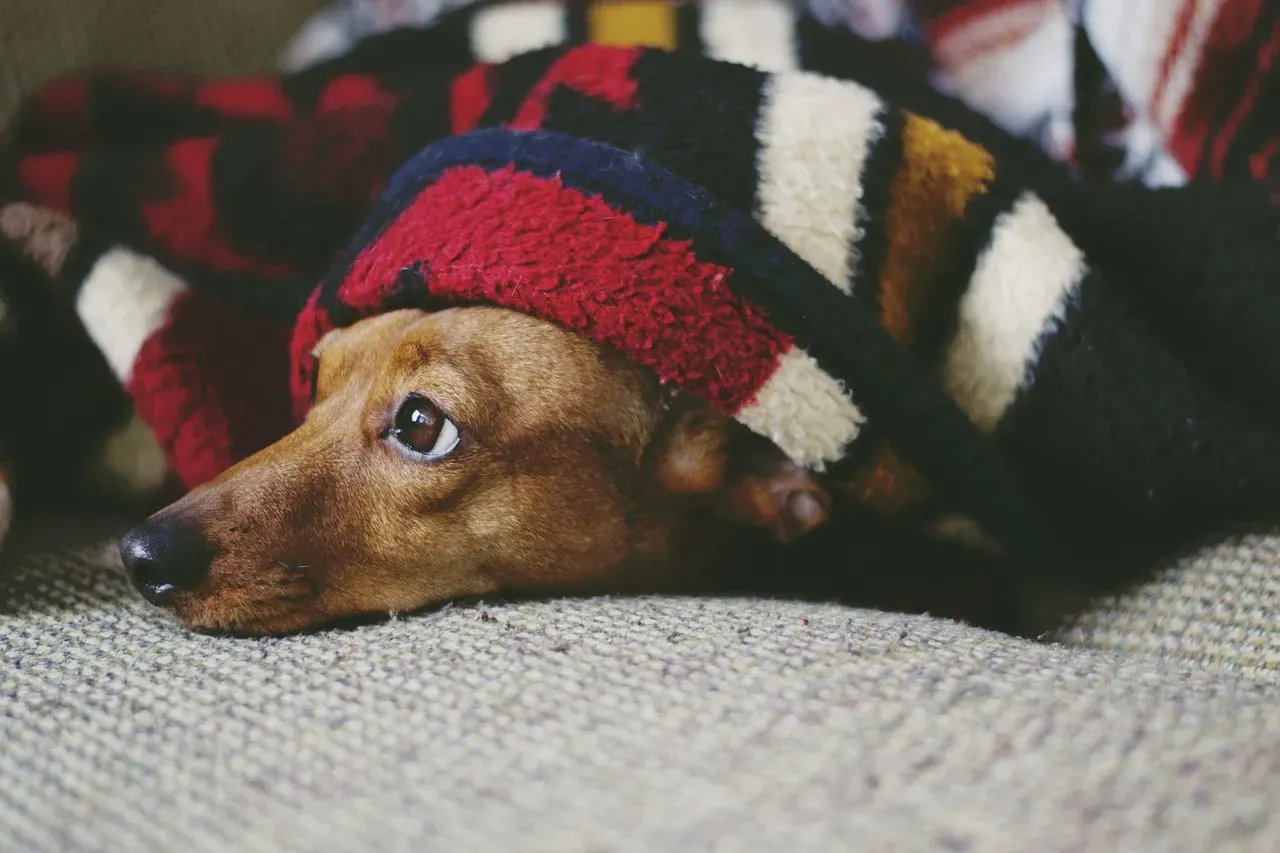
Dachshund is a faithful, devoted, playful, and curious dog. Its compact build makes it easy to manage in smaller living spaces. It does not need large yards and remains contented indoors. Don’t let that long, dramatic body fool you into thinking they need lots of space to be happy. A Dachshund’s idea of the perfect afternoon is modest and beautiful.
After some activity, it is usually happy to curl up and relax with its owners. It loves being close to its people and often enjoys cuddling under blankets or sitting beside its owners. Leave a cozy blanket on the sofa before you head out, and your Dachshund will likely burrow in and sleep like a tiny, sausage-shaped king until you get home.
9. The Irish Wolfhound: Serene, Wise, and Wonderfully Unruffled
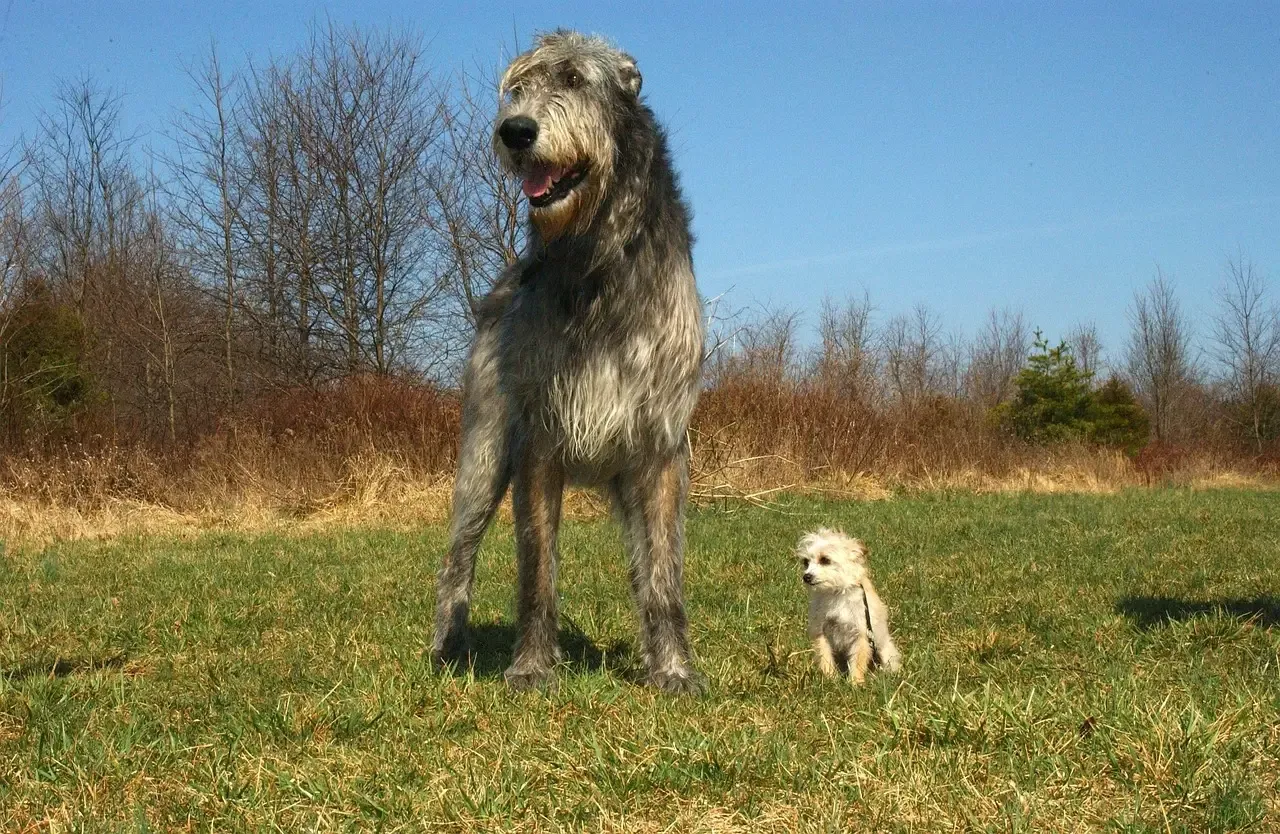
Irish Wolfhounds are massive, serene, and patient dogs with a gentle and friendly demeanor, which ticks all the boxes for a great therapy dog. The interesting part is that they were originally bred to clear the Irish countryside of wolves, but here they are lounging with their humans. The contrast is honestly kind of hilarious and also deeply endearing.
He ranks high on most chill dog breed lists because he’s a loyal, unflappable companion who’s great with children. However, he’s a big boy – usually two feet tall and more than 100 pounds – so early socializing and training help him bring out his best behavior. Start training early, give him space to stretch those enormous legs, and the Irish Wolfhound will be the most composed house sitter you’ve ever had.
10. The Shih Tzu: The Regal Indoor Companion
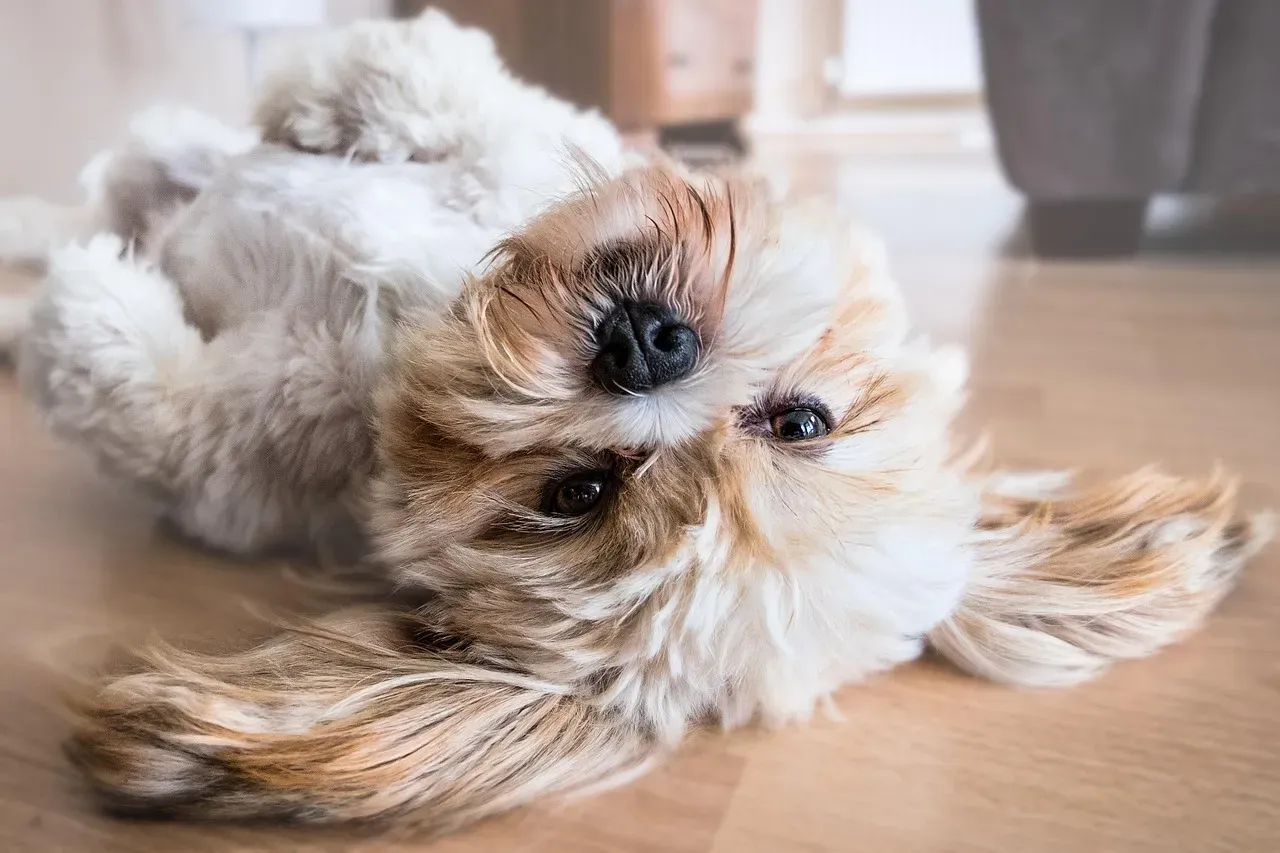
Shih Tzus are also known for their kind and nurturing personalities. Originally bred as palace dogs for Chinese royalty, Shih Tzus are thoroughly indoor animals. They live for comfort, warmth, and proximity to their people, and they carry themselves with a certain small-dog dignity that is genuinely charming.
The key with a Shih Tzu is building a good routine. They do best when their environment is predictable and calm. Even the calmest breeds benefit from thoughtful upbringing. Keep feeding, walking, and rest times on a consistent schedule, socialize early so your dog is confident in different environments, and provide gentle structure rather than overstimulation. Do all of that, and your Shih Tzu will hold down the home like a tiny, fluffy professional.
11. NOT Good at It: The Border Collie
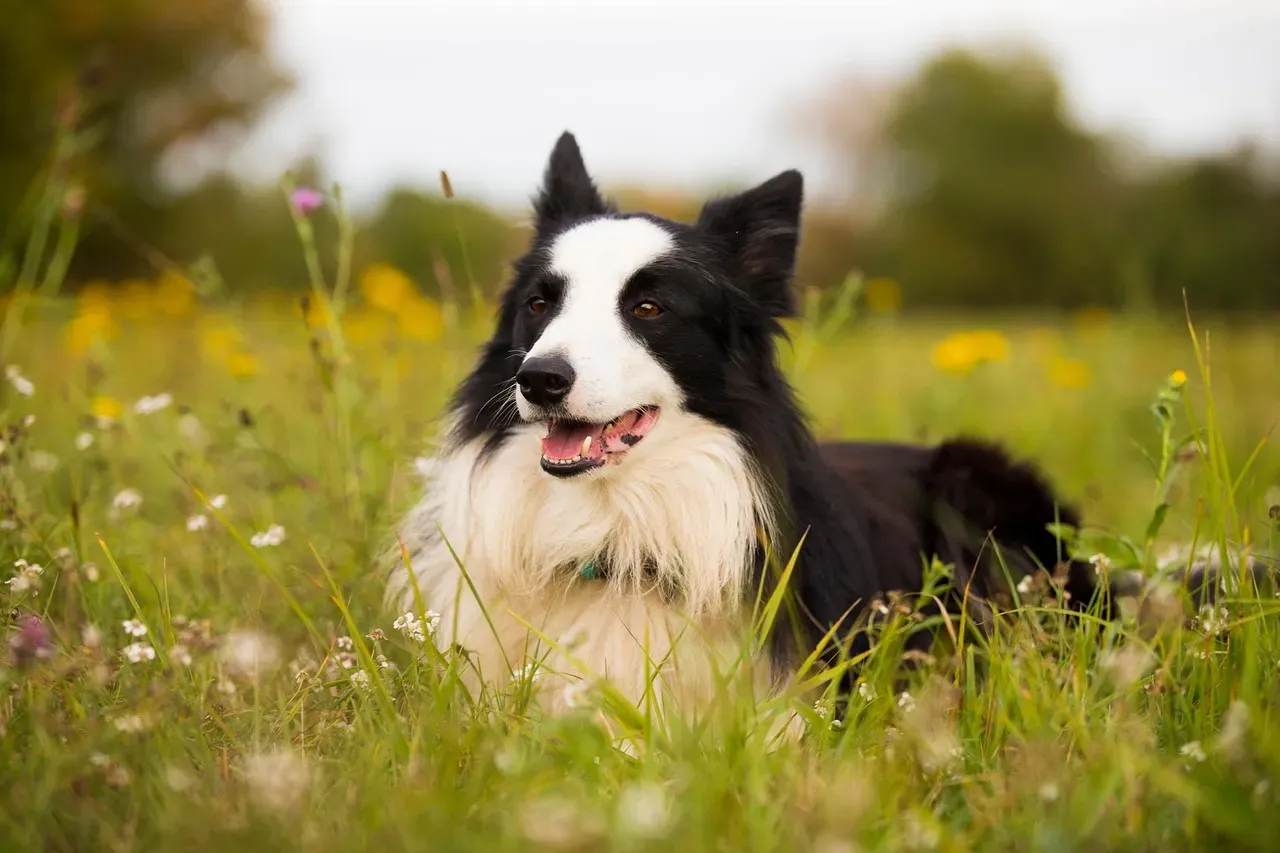
Originally bred for herding, Border Collies are energetic and friendly dogs. But when boredom strikes, they may exhibit anxious behaviors, such as excessive barking. The problem with a Border Collie alone at home isn’t that they’re bad dogs. It’s that they’re almost too smart. An idle Border Collie is a dangerous Border Collie, in the most loving sense of the word.
Border Collies are working dogs that are highly intelligent and high energy dogs. They can perform amazing tricks and are highly trainable dogs. They can get bored easily and may indulge in destructive behaviors like ripping apart the pillowcases, damaging the doors and windows, etc. If you have a Border Collie and a demanding schedule, invest in a dog walker, puzzle toys, and doggy daycare. Your furniture will thank you.
12. NOT Good at It: The Australian Shepherd
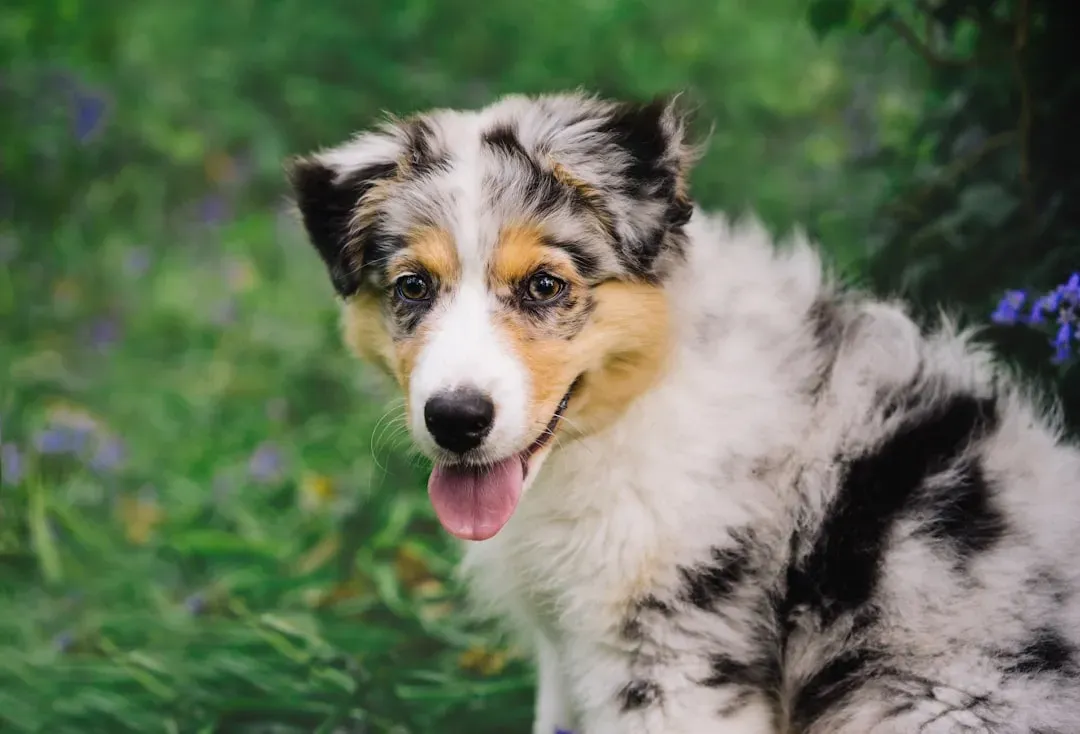
The lovely Australian Shepherd is an extremely intelligent dog that loves nothing more than working for you. Easily trained, they are energetic and athletic – and they need an outlet for that energy. Leaving them alone can cause an undue amount of stress – in severe cases, they can actually become self-destructive if left alone for too long. This is a breed that genuinely needs a job to do, every single day.
This breed has been bred for herding and is a very active dog that does best when at work. They need to stay active and may suffer anxiety when there’s nothing to do. If you do have an Aussie at home alone, mental enrichment is non-negotiable. Sniff mats, frozen Kongs, and training sessions before you leave can help, but honestly, this breed thrives with near-constant human engagement.
13. NOT Good at It: The Jack Russell Terrier
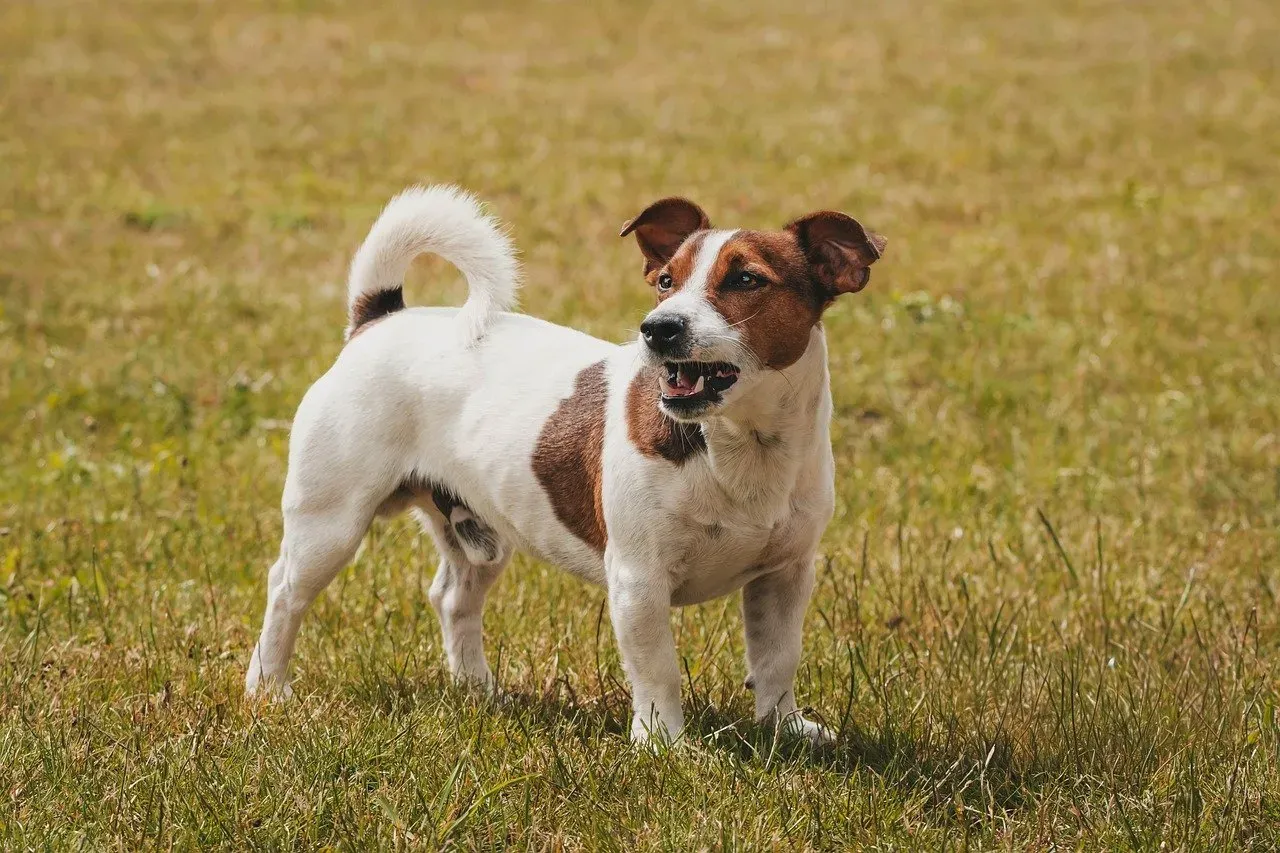
Jack Russell Terriers are bundles of energy that quickly become bored and need lots of entertainment as well as lots of physical activity. They can quickly go awry if there isn’t a human around to help them out and to keep them engaged. They can also do a surprising amount of damage for a small dog. Let’s be real: a bored Jack Russell is basically a small, furry hurricane with a grudge.
Jack Russell Terriers are high energy and easily bored. Digging, barking, and escape attempts are common. Prevention tip: before leaving a Jack Russell alone, give them a serious exercise session and interactive puzzle toys. Even then, keep alone-time as short as possible. These little dogs have big feelings and zero chill.
14. NOT Good at It: The Vizsla
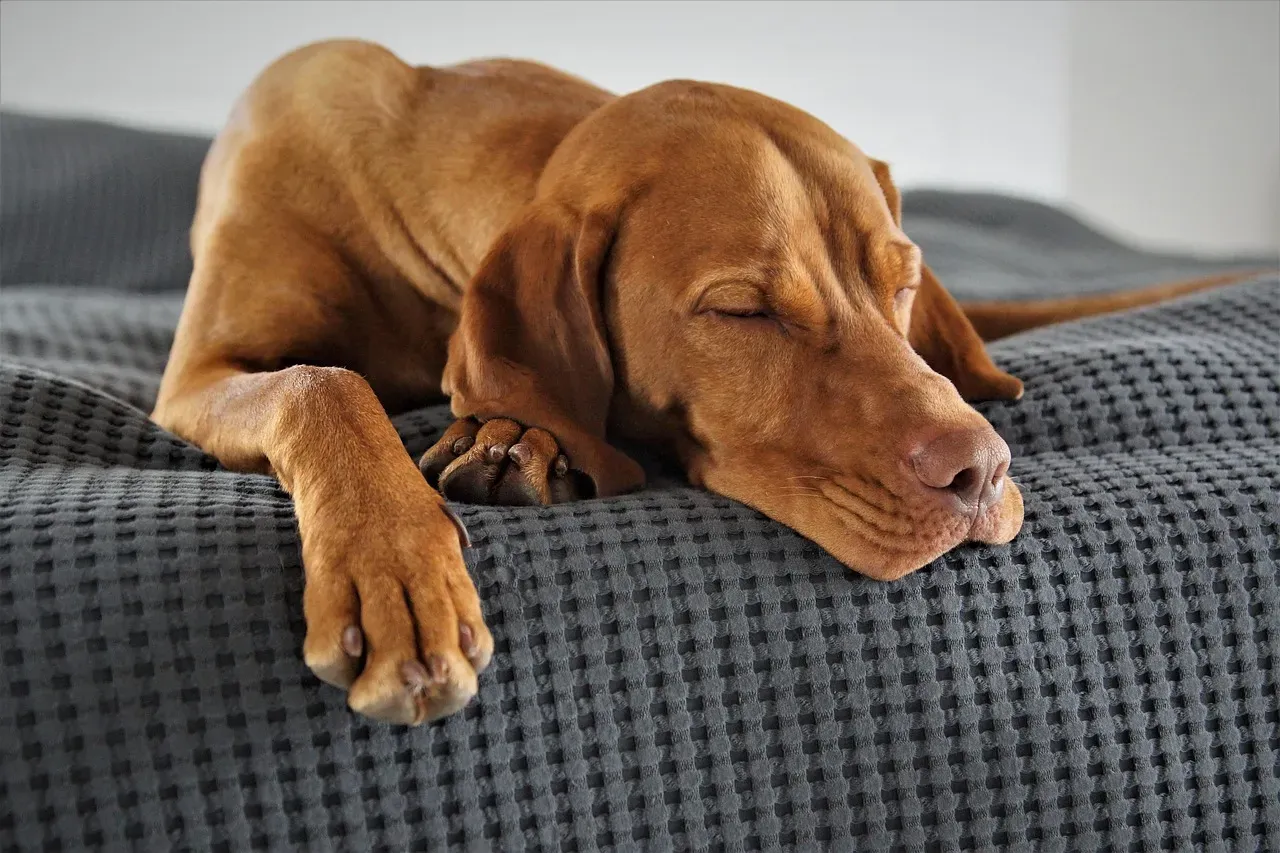
Vizslas are hunting dogs and were bred to hunt with their humans. They are social and do poorly when left alone with nothing to do. Time without physical activity and without their people family can lead to distress and anxiety. Vizslas are sometimes called “velcro dogs” because they bond so intensely with their owners, and separation from them can feel genuinely traumatic for this breed.
Perhaps a lesser known breed than others, the Vizsla is a Hungarian hunting dog that many owners feel passionately about. Vizslas tend to be a high anxiety dog breed because they hate being away from their owners and appreciate a busy, full house. They are known as very affectionate and even great with children, so this breed is really perfect for an active family or a super active person with plenty of time to share with their pet. If you love the Vizsla’s personality but have a busy schedule, consider a second dog for company or reliable doggy daycare.
15. NOT Good at It: The Bichon Frise
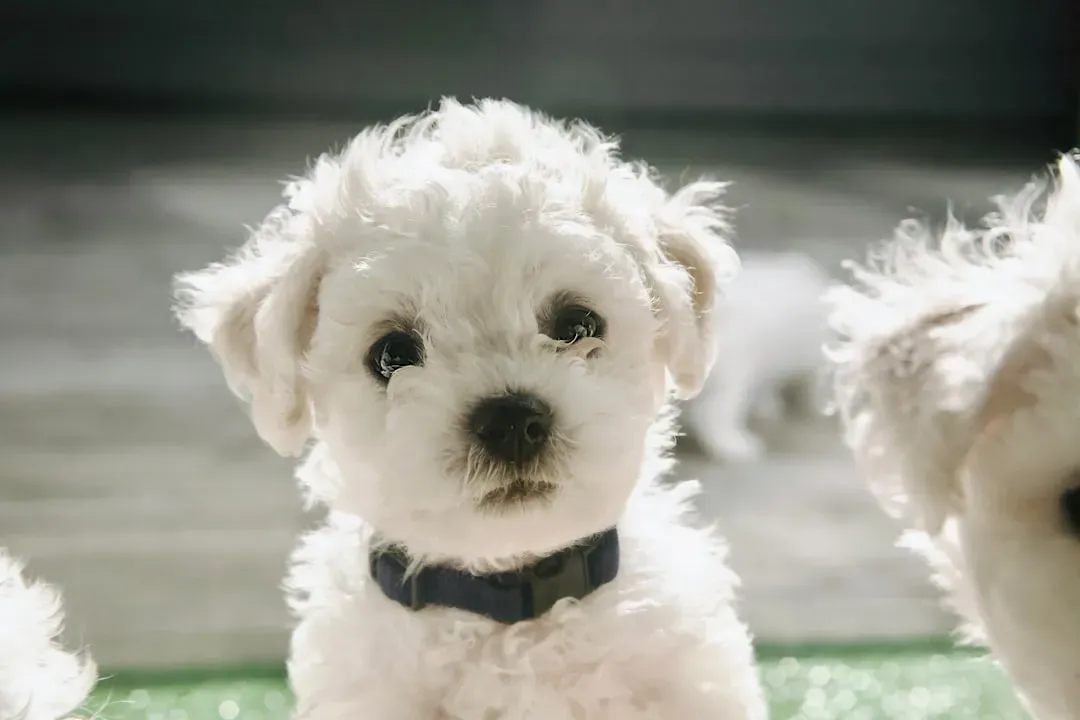
Bred as a companion dog, the Bichon Frise really does best when around their human family. Left alone, they can become bored and can suffer severe distress due to loneliness. It’s hard not to feel for them, honestly. These fluffy little clouds of joy were literally bred to be beside people all day, every day. Asking them to be alone for hours is a bit like asking a social butterfly to live in a room by themselves.
Separation anxiety in Bichons can show up as excessive barking, destructive chewing, pacing, or other signs of stress. While every dog is different, these behaviors often mean a dog is struggling with alone time and may benefit from patience, routine, and gradual independence-building. If your heart is set on a Bichon, work with a trainer early on desensitization techniques, and never make a big production of your departures and arrivals – it only heightens their emotional response.
A Final Word for Every Dog Parent
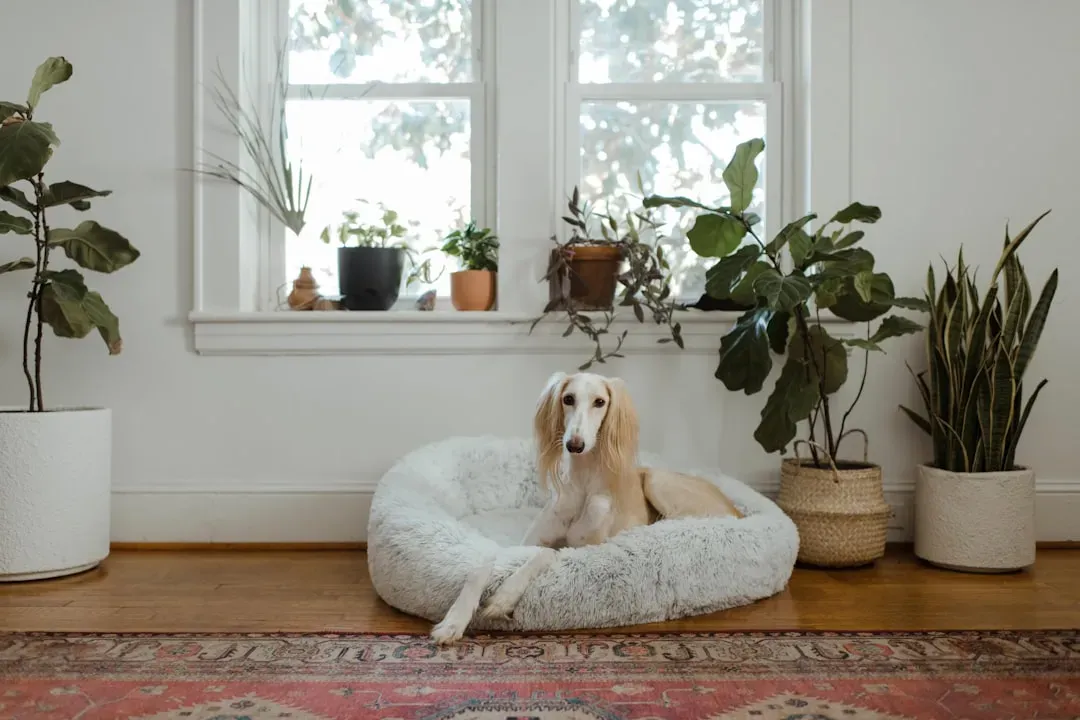
Here’s what I think really matters most: no dog, regardless of breed, should be left alone for excessive stretches of time without enrichment, exercise, and love. The breeds listed above as great house sitters are calmer by nature, but calm is not the same as emotionally indestructible. Every dog needs a routine, mental stimulation, and the reassurance that their person is coming back.
All dogs are individuals and breed alone cannot predict how they’ll react to people, environments, or other animals. The best thing you can do is observe your own dog, respond to their cues, and build a life that meets their specific needs. Managing a dog’s comfort at home involves establishing a routine that provides security, creating a safe space at home where the dog can feel comfortable, and using training techniques like desensitization – gradually getting the dog used to being alone – and counter-conditioning.
Your dog doesn’t ask for much. A warm space, a familiar smell, and the knowledge that you’ll walk back through that door. The more we understand their nature, the better we can love them in the way they actually need. So which dog do you have at home – a seasoned house-sitter or a furniture-redecorator? Tell us in the comments, we’d love to hear your story!


