
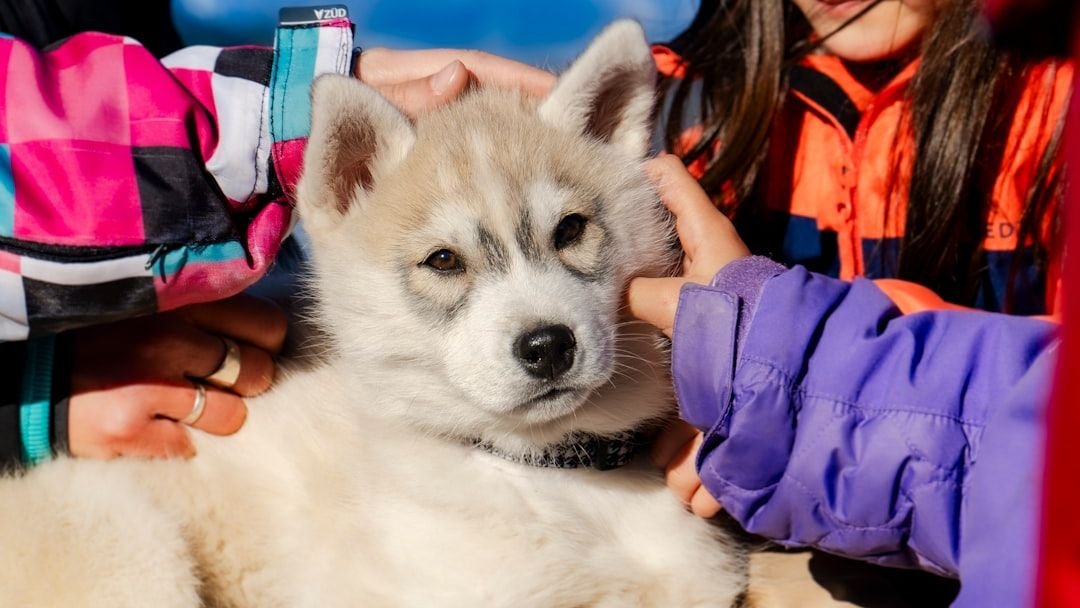
There’s a particular kind of magic that happens when the right dog meets the right family. A toddler who cackles uncontrollably while a floppy-eared dog chases them around the yard. A grandfather sitting quietly on the porch while a calm, warm dog rests its chin on his knee. These moments aren’t accidents. They’re the result of choosing a breed whose natural temperament genuinely fits family life.
The good news is that the list of dog breeds that thrive around children and grandchildren is longer than most people realize. Some of these picks are obvious. Others will genuinely surprise you. What they all share is a combination of patience, trainability, and an instinct to be part of the family, not just near it. Whether your household includes toddlers, teenagers, or visiting grandkids on weekends, here are ten breeds worth knowing.
1. Golden Retriever: The Gold Standard for a Reason
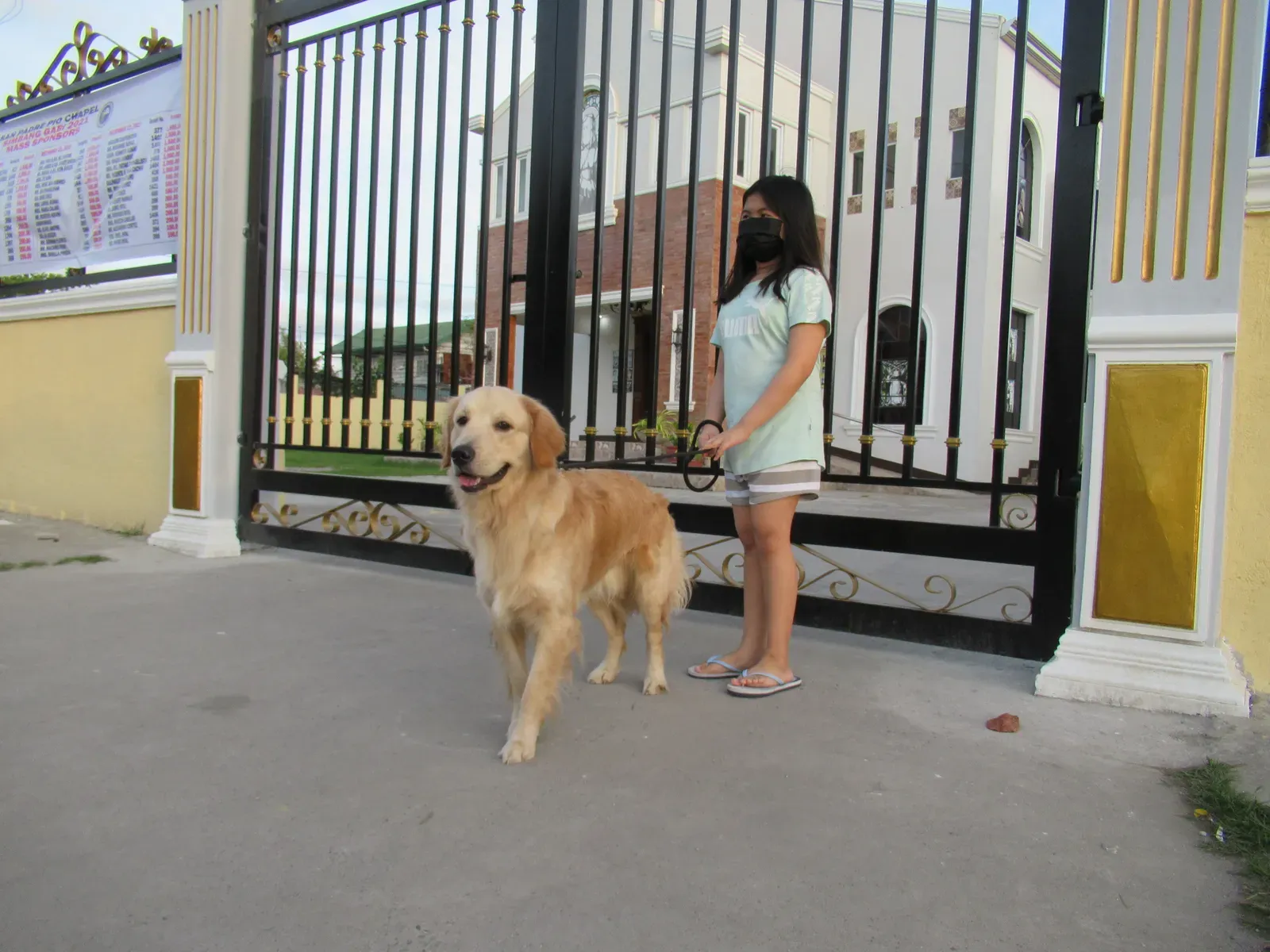
Golden Retrievers are known for their gentle, friendly, and courteous temperaments, and they’re eager to please, which makes them great companions for children. They’re the kind of dog that adjusts to the energy of the room. Around a toddler, they soften. During backyard play, they match the pace perfectly.
Golden Retrievers have naturally soft mouths developed for retrieving game birds without causing damage, a trait that makes them excellent with children and naturally gentle during play, though they can be mouthy when young. The good news is that early training takes care of this quickly. Golden Retrievers are emotionally sensitive dogs who read human moods well and respond accordingly, often excelling as therapy dogs due to their natural empathy and gentle responses to human emotions. That emotional intelligence is a real asset in homes with unpredictable young kids.
2. Labrador Retriever: Energy Meets Endless Patience

The Labrador has ranked as the most popular breed in part because of its impressive child-tolerance score and playful yet patient nature. Labs forgive the occasional accidental tail pull and love nothing more than being part of the pack. That’s not just cute breed mythology. It reflects something genuinely baked into their character.
The Labrador Retriever is one of the most popular dog breeds in the country, and for good reason. These excellent family dogs get along with practically every human and other breed and are great dogs for children of all ages. That said, Labs do require a lot of exercise, like playing catch and swimming. Think of that exercise need not as a burden but as a built-in reason for the kids to get outside. A tired Lab is a happy, calm Lab, and your living room will thank you.
3. Beagle: Small Package, Big Heart

The Beagle dog breed thrives in family homes, especially active ones. Known for their strong sense of smell, these hounds become great companion dogs with attentive training and when their exercise needs are met. Beagles are cheerful, clever, and love to howl. They’re also good with other dogs and kids, and they make excellent playmates because of their friendly and playful nature.
The Beagle’s hunting dog past is actually a positive when it comes to their sweet demeanor. Beagles were bred to work closely with people and other dogs, which means they’re naturally comfortable in group settings. One practical note: their vocal nature is real, so if you live in an apartment with thin walls, that’s worth considering. In a home with a yard, though, a howling Beagle and a giggling child are basically the same kind of joyful noise.
4. Cavalier King Charles Spaniel: Royally Gentle with Everyone
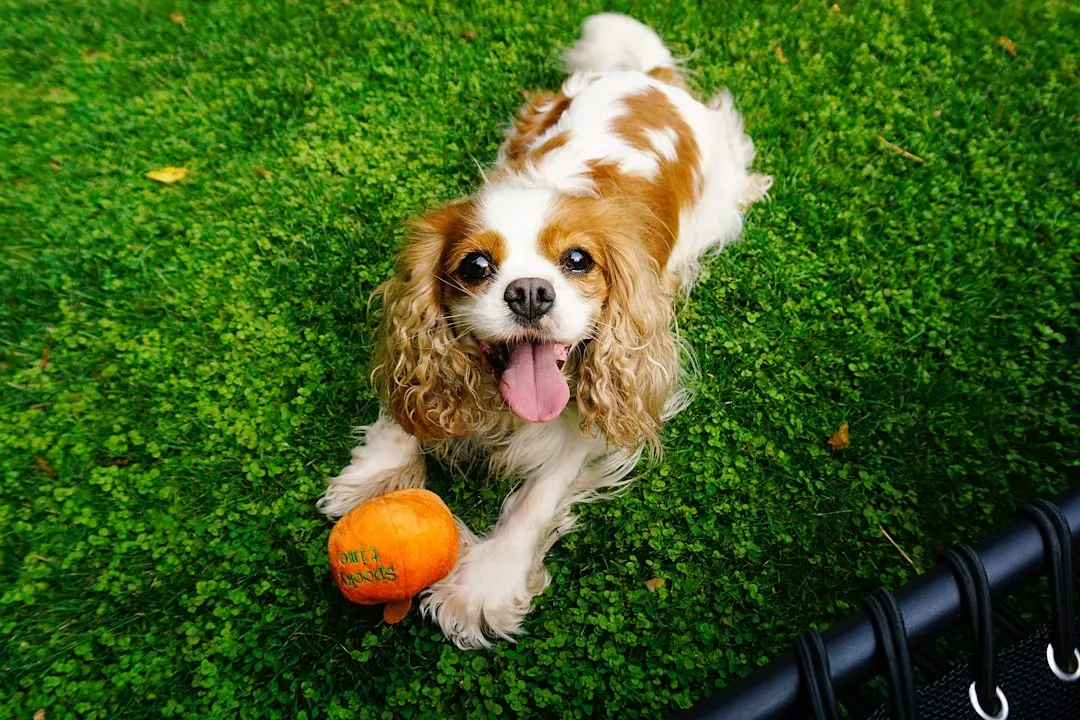
The Cavalier King Charles Spaniel is an enchantingly affectionate, playful, intelligent dog that eagerly indulges its guardians with endearing devotion. Shyness and aggression, fortunately, are not part of this breed’s behavioral milieu. These happy little dogs are excellent with children, and their desire to interact with their guardians makes them pleasurable household companions.
The Cavalier is easy to keep and ideal as a family dog or as a companion for “empty nesters,” as the breed loves to cuddle and has been described as the perfect lap dog. That versatility is what makes the Cavalier so special for multigenerational homes. They can romp gently with a five-year-old in the afternoon and curl up beside a grandparent in the evening. Their adaptability is a key attribute that adds to their appeal. Whether you live in a house or apartment, Cavaliers are content as long as they receive ample love and attention.
5. Bernese Mountain Dog: The Gentle Giant Who Loves a Crowd
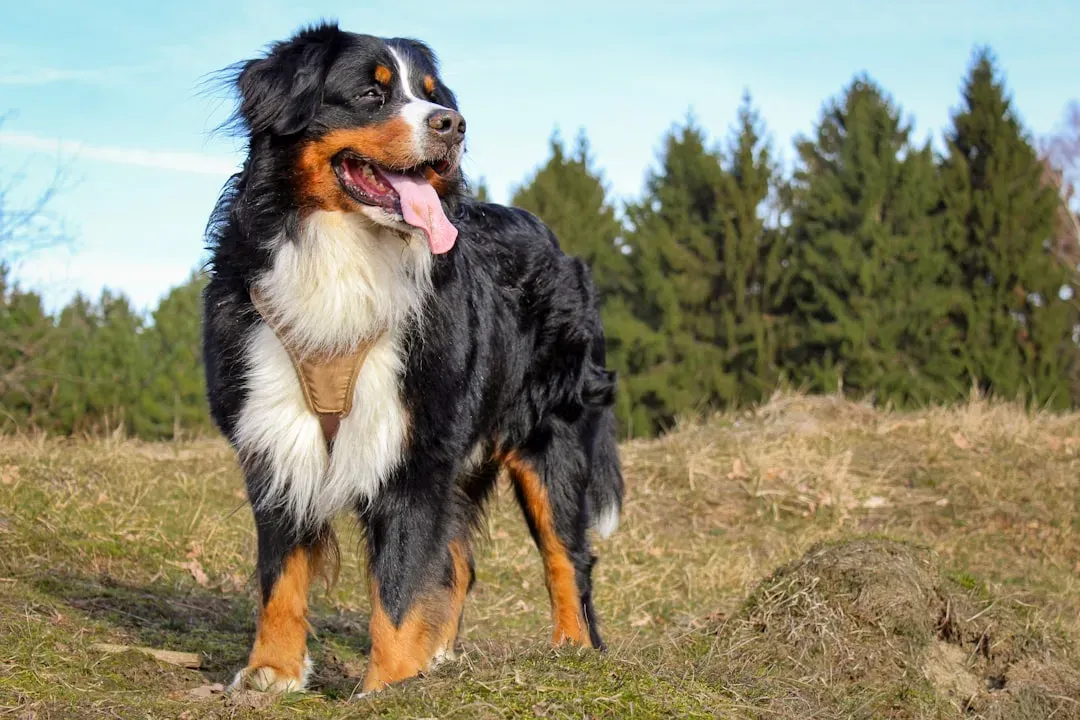
Gentle and patient, Bernese Mountain Dogs are wonderful playmates and companions for children. They carry their large frames with surprising calm. A Berner won’t rush through a room knocking things over. They move deliberately and seem almost aware of their own size around small people.
They’re the type of dogs that will happily pull a sled, let toddlers crawl all over them, and quietly keep an eye on the whole family, basically big, furry guardians with teddy-bear vibes. The one thing to plan for is their shorter lifespan compared to smaller breeds, and their thick double coat needs regular grooming. Bernese Mountain Dogs were originally Swiss farm dogs bred to pull carts loaded with milk and cheese through the Alps, and they can pull weights of up to a thousand pounds. That history of working alongside families for generations is written right into who they are.
6. Boxer: The Playful Protector

Boxers are playful, outgoing, and friendly, which are all traits of a good family dog. However, their energetic and people-loving nature means they’ll jump up for attention. Pet parents will need to patiently train their dog not to jump up, especially if small kids are in the family. That’s a real and manageable issue. With consistent training started early, most Boxers learn to redirect that enthusiasm into gentler greetings.
Boxers are affectionate, patient, and protective, making them wonderful companions for children. They have a strong instinct to watch over the people they love, which makes them feel like a dog that belongs in a household full of life and laughter. Boxers are playful and energetic, making them ideal for families that are active and have plenty of love to give. They are known for their boundless energy and protective nature, which makes them excellent guardians for the kids. Boxers are also very intelligent and thrive on physical and mental stimulation.
7. Collie: More Than Just Lassie
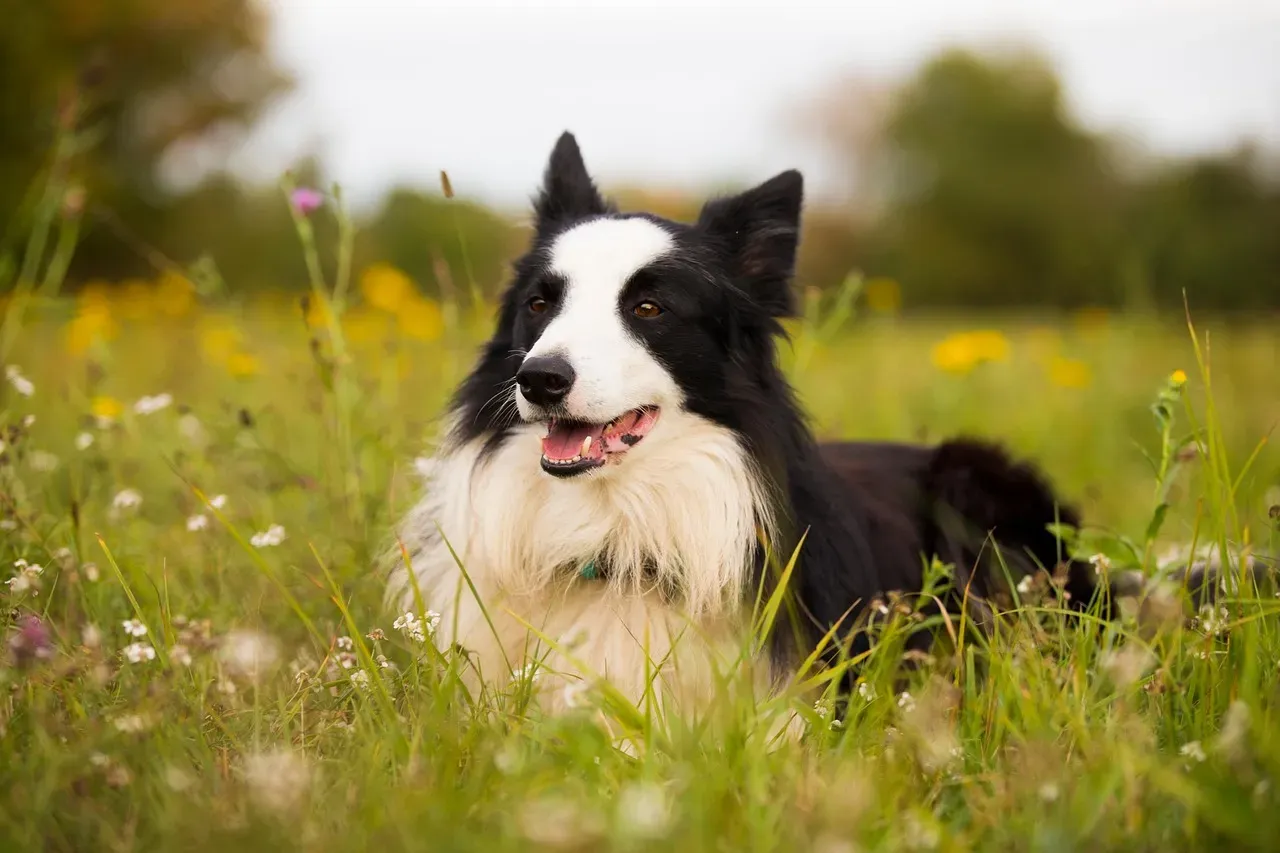
The Collie comes in two coat types: smooth and rough, but no matter which you choose, Collies are one of the best family dog breeds. They’re loyal, gentle, patient with children, and one of the smartest dog breeds. Though not overly hyper, they’re energetic dogs that do best with a family that loves being outside.
Collies are loyal and loving dogs who form close bonds with their families. They are also very intelligent, which makes them easy to train. Because they’re so intelligent, they pick up on commands quickly, making them ideal for families with kids. They’re also gentle and good-natured dogs, so they get along well with other pets in the home. For grandparents who remember Lassie fondly, there’s something quietly wonderful about bringing one of these dogs into a home and watching that reputation turn out to be completely earned.
8. Poodle: Smarter Than They Look, Gentler Than You’d Expect
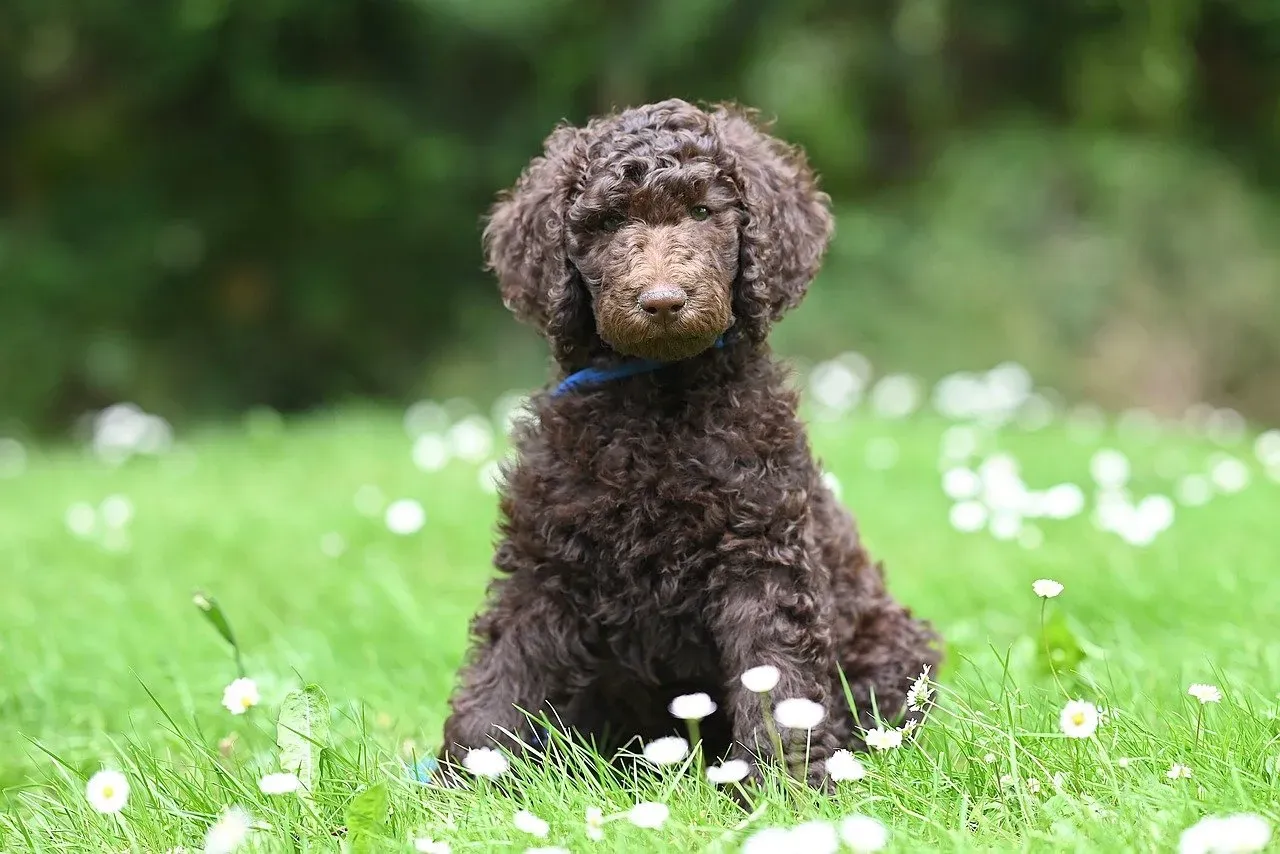
You might think the Poodle is high-maintenance, but don’t let that reputation fool you. While their hair may require some extra grooming, Poodles have perfectly pleasant personalities. There are three types of Poodle, including Standard, Miniature, and Toy, so pet parents can choose the size that’s best suited to their home and the ages of their children.
People-pleasing Poodles are friendly, happy dogs who love to socialize. They are most content when they are the center of attention and have a unique ability to learn behaviors and tricks involving intelligence and agility. As long as they are around people they love in a healthy home environment, Poodles will exhibit a cheerful temperament. Their low-shedding coats are also a genuine plus for families with allergy concerns, and their intelligence means training sessions are something both kids and adults can enjoy together.
9. English Bulldog: The Low-Key Companion Grandkids Adore
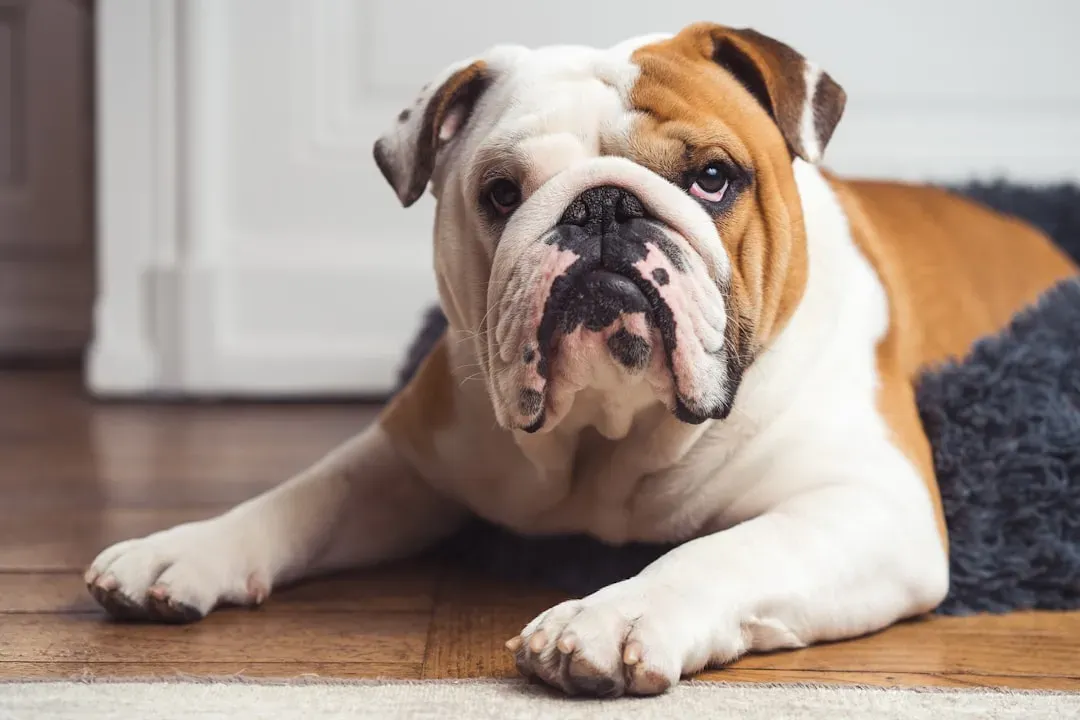
Bulldogs are well-suited for houses where a laid-back pet is preferred. Despite their gruff appearance, Bulldogs are known to form strong, protective bonds with children. They are less energetic but highly affectionate and prefer lounging at home, which makes them excellent companions for movie nights or quiet indoor activities.
With a sturdy build, the Bulldog is an excellent breed for kids who like to roughhouse, but their real superpower is their temperament in calmer moments. Grandparents particularly tend to love them. There’s no frantic jumping, no demanding outdoor marathons, just a solid, affectionate presence that’s happy wherever the family is. Do keep an eye on their breathing in hot weather, as their flat faces make them sensitive to heat. With proper care and reasonable exercise, they’re wonderfully steady companions.
10. Bearded Collie: The Surprise on the List
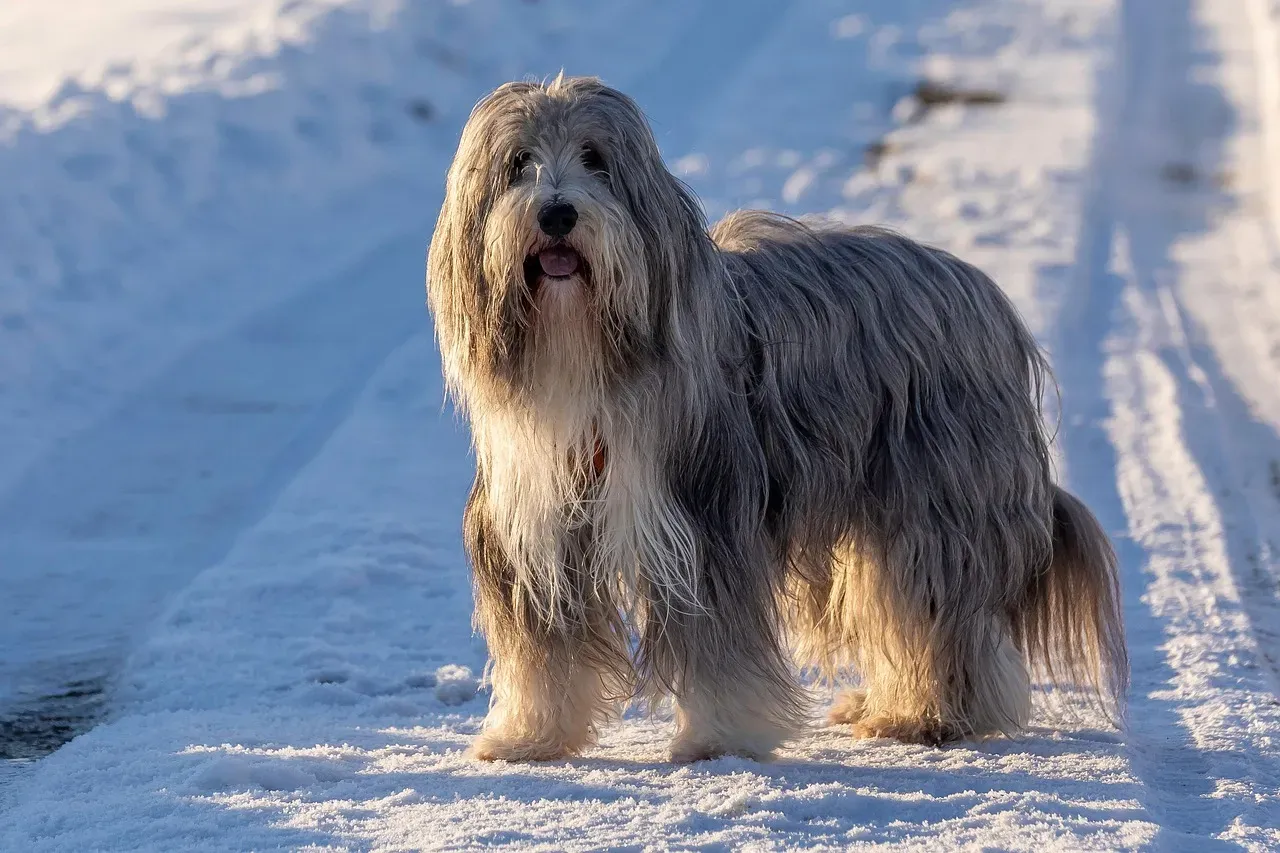
The Bearded Collie is a boisterous and charismatic droving dog from Scotland, with a shaggy coat, and a personality that practically radiates enthusiasm. They’re the dog equivalent of a child who’s always excited to see you, without exception, every single time. That’s both their charm and their calling card. Kids tend to fall in love with them immediately.
Good family dogs are typically patient, trainable, and enjoy being around children. Energy levels vary, so choose a breed that matches your family’s lifestyle. Proper training and socialization are essential for any dog in a family setting, no matter the breed. The Beardie fits this profile well when given enough daily exercise and mental engagement. They’re not a couch breed, but for families that enjoy outdoor activities, hikes, and active weekends, a Bearded Collie is a joyful, shaggy companion who’ll throw himself into every adventure alongside the kids.
A Few Things Every Family Should Know Before Choosing a Breed
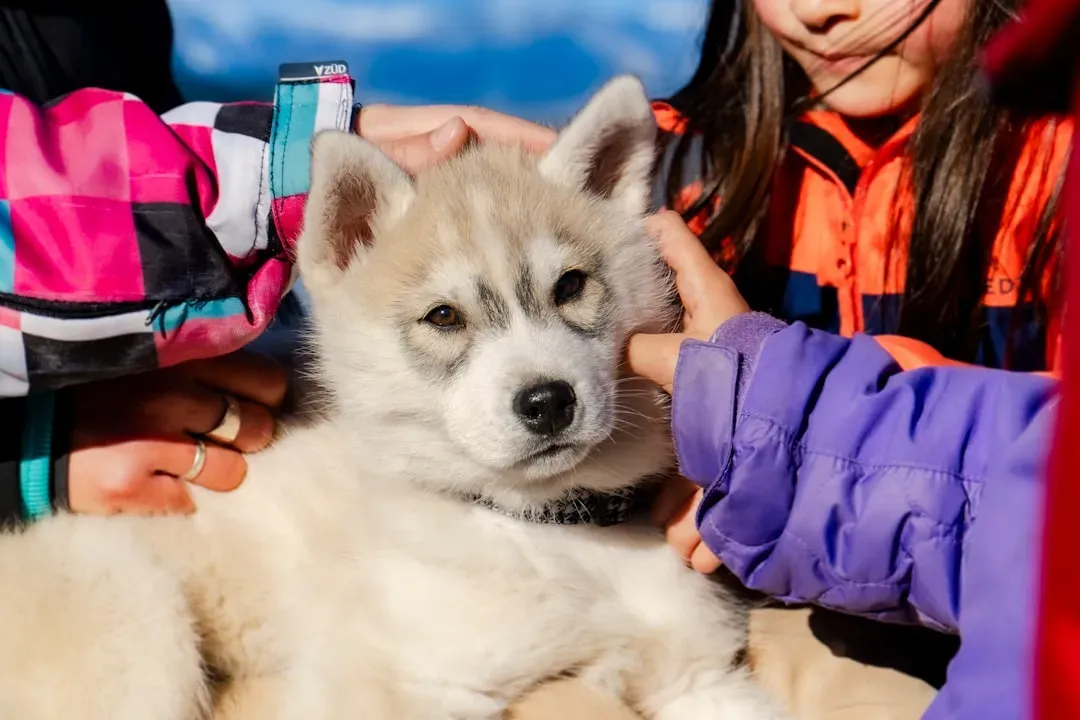
When there are children in the house, thoughtful consideration needs to be made to choose the right dog for your lifestyle, living quarters, and your children’s ages. Breed temperament matters enormously, but it’s only part of the equation. A naturally gentle dog that’s never been socialized can still develop anxious or unpredictable behavior around children.
Research indicates that a dog’s early environment and socialization can significantly affect its temperament. Puppies that are well-socialized during their first few months typically develop into more confident and well-adjusted adults. Alongside that, no matter what the breed or breed type, all dogs have strong jaws, pointy teeth, and may bite under stressful circumstances or mishandling. Young children and dogs of any breed should always be supervised by an adult and never left alone without supervision.
Teaching children how to approach, touch, and read a dog’s body language is just as important as choosing the right breed. A calm, confident child and a well-trained dog are a team. That combination, more than any breed list, is what creates those irreplaceable moments of connection that families carry with them for a lifetime.
Conclusion: The Right Dog Changes Everything
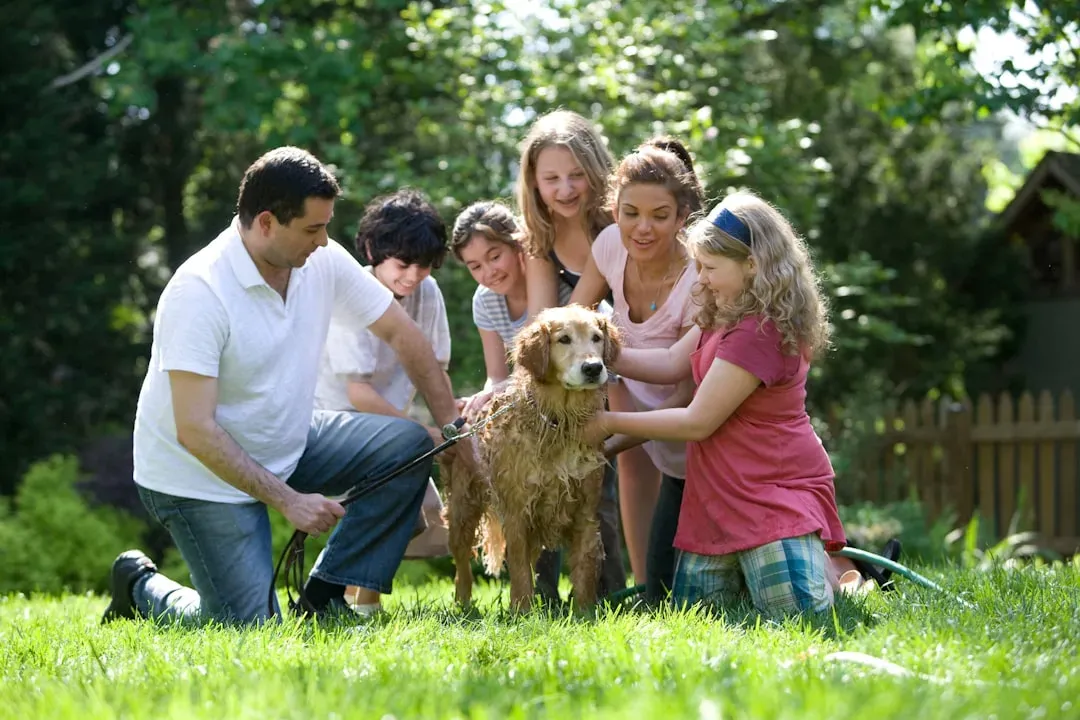
Every breed on this list brings something distinct to a family. Some are tireless playmates. Others are quiet comforters. A few are both, depending on what the moment calls for. What unites them is a genuine temperament fit for the beautiful, chaotic, tender experience of growing up alongside a dog.
Choosing the right breed is less about finding the most popular dog and more about honest self-knowledge: what does your family’s daily life actually look like? How much space, time, and energy do you genuinely have? Match those answers to a breed’s real needs, invest in early training and socialization, and what you’ll end up with is far more than a pet. You’ll have a family member who shows up every single day, tail wagging, ready to be part of whatever comes next.


