
There’s a question that every dog lover eventually has to reckon with: Is it the breed, or is it the owner? Honestly, it’s rarely a simple answer. Dogs are deeply emotional creatures, shaped by their daily environment, the love they receive, and the boundaries set for them. Some breeds, though, carry a higher emotional intensity – like a loaded spring just waiting for either a gentle release or a sudden snap. The wrong environment doesn’t just make them difficult. It can make them dangerous.
This article isn’t here to shame any breed or scare you away from your dream dog. It’s here to give you the honest, compassionate truth that every dog owner deserves. Because knowing your dog’s emotional needs isn’t just good ownership – it’s an act of love. Let’s dive in.
1. Rottweiler – The Loyal Guardian Who Needs Structure, Not Silence
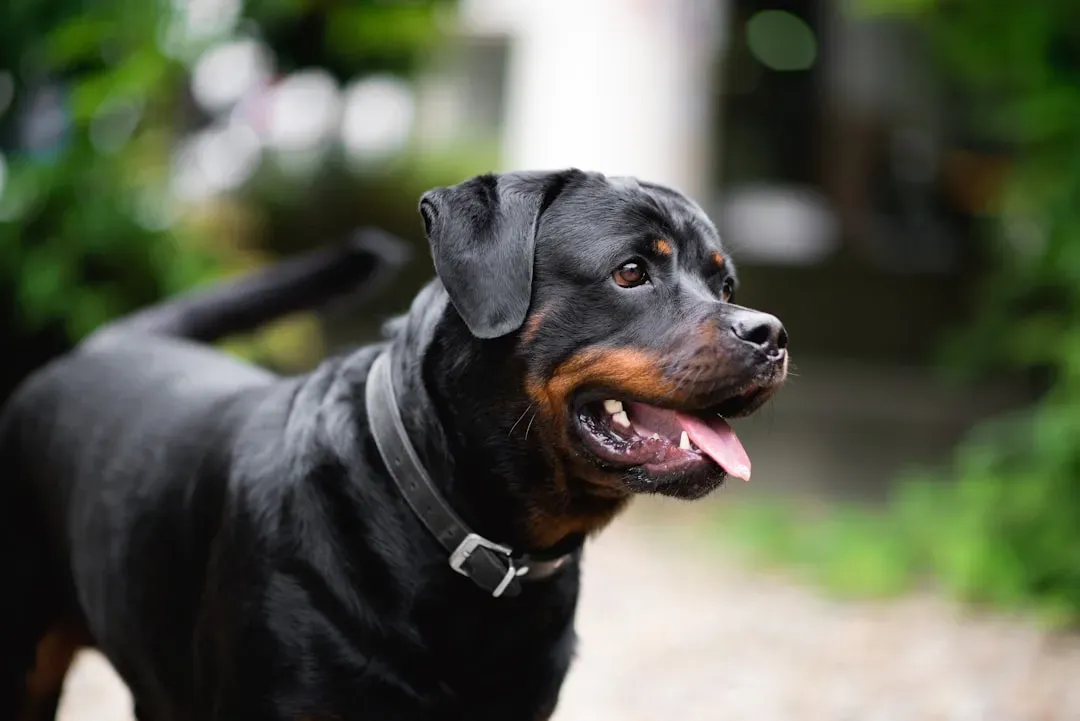
Rottweilers have one of the most unfairly complicated reputations in the dog world. The Rottweiler is often described as a multi-talented working breed, a descendant of ancient Roman drover dogs known for their strength, endurance, and guarding instincts. They are, at their best, deeply devoted family dogs who would do anything for the people they love.
Due to dog bite statistics, they are still ranked as one of the scariest dogs on the planet – and this working breed can quickly become aggressive due to neglect, abuse, and irresponsible pet ownership. That’s the uncomfortable truth. A Rottweiler left without structure, love, or mental engagement doesn’t just get bored. They get dangerous.
Watch for signs like excessive guarding behavior, growling at familiar people, or stiff body posture. These are emotional distress signals, not dominance games. Rottweilers need firm, consistent leadership and extensive socialization – think daily interaction, training sessions, and clear, patient boundaries from day one.
2. German Shepherd – Brilliant Minds Need Worthy Challenges
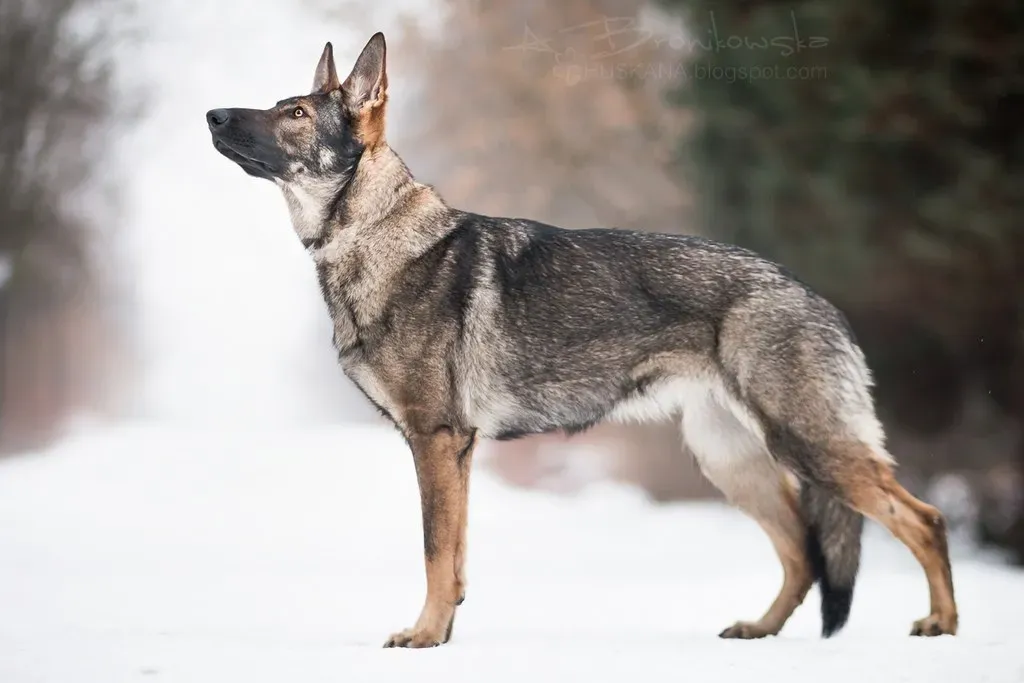
German Shepherds are arguably the most versatile working dog on the planet. These dogs are used for everything from herding to disability assistance, search-and-rescue, police work, and warfare. That tells you something important: this dog has been engineered to work. When the work disappears, the trouble begins.
German Shepherds are very territorial and fiercely overprotective of their families. They need early socialization and someone who understands the breed well. They can become destructive and aggressive without the proper tools and dog training. Imagine hiring a brilliant employee and giving them nothing to do – they’d eventually cause chaos, right? Same logic applies here.
If your German Shepherd starts herding kids obsessively, barking at everything, or nipping, that’s a cry for engagement. Give them a job – even if that job is simply learning a new trick every week, running a scent trail, or completing an agility course.
3. Pit Bull – The Most Misunderstood Dog Needs the Most Consistent Love
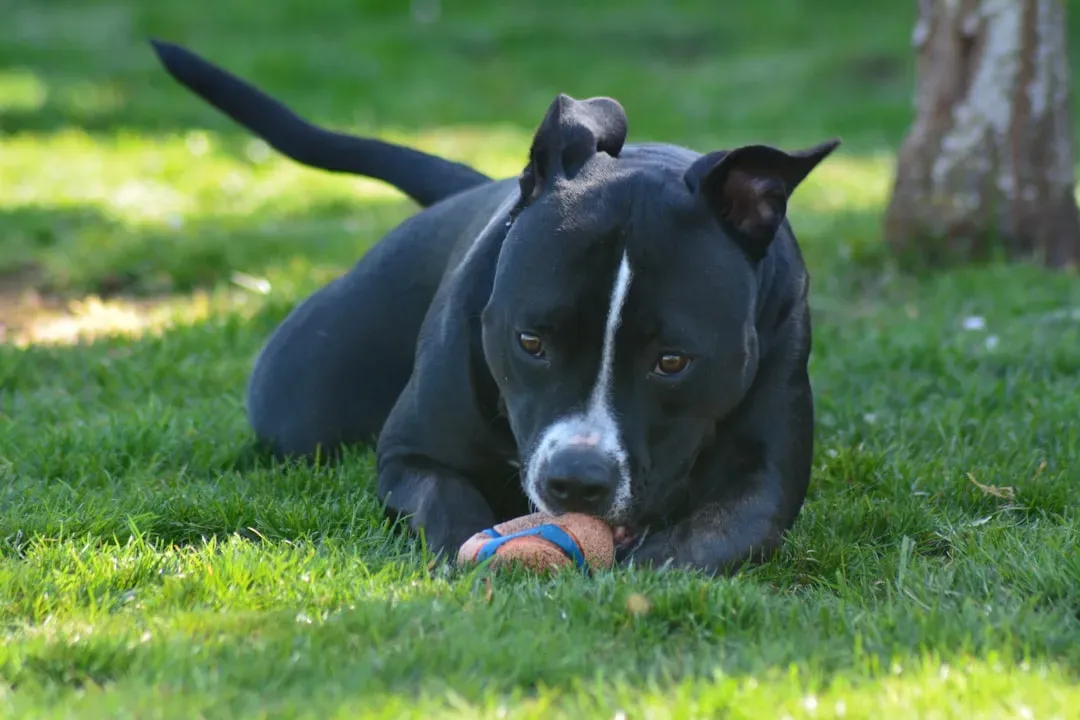
Few dogs carry more emotional baggage than the Pit Bull – mostly baggage that belongs to irresponsible humans, not the dogs themselves. Pit Bulls consistently appear in bite statistics, but this largely reflects their popularity, misidentification, and often poor breeding or training. Originally bred for bull-baiting and later dog fighting, Pit Bulls have strong jaws and high pain tolerance.
Here’s the thing though: a well-loved Pit Bull is one of the most affectionate, clown-like, tail-wagging dogs you’ll ever meet. A well-cared-for Pit Bull is more likely to be a stable pet than a neglected Labrador Retriever. That sentence right there should change how you think about breed-based fear.
Signs of emotional neglect in a Pit Bull include hyperactive destructive behavior, resource guarding, and unpredictable snapping. They need more than food and walks – they need daily bonding, play, and clear, loving guidance. Don’t let their toughness fool you; underneath it is a dog that simply wants to belong.
4. Chow Chow – The Lion-Hearted Loner Who Doesn’t Forgive Easily
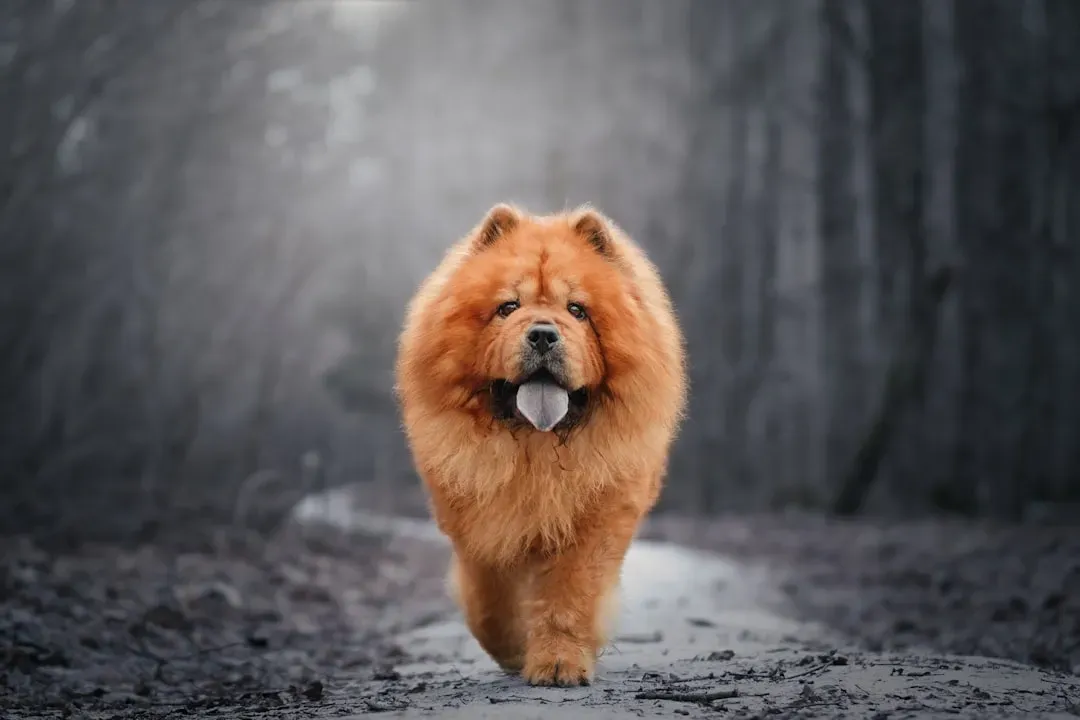
If you’ve ever met a Chow Chow, you’ve probably noticed something distinctly cat-like about them. Chow Chows can be described as aloof, composed, and independent. Their behavior is a lot like that of a cat. That self-contained nature is part of their ancient heritage – but it comes with strings attached.
Chow Chows that are not adequately socialized during the critical developmental period may exhibit fear, anxiety, or aggression towards unfamiliar people, animals, or situations. Limited exposure to diverse environments, stimuli, and experiences can result in a lack of confidence and heightened reactivity. And once a Chow Chow loses trust, winning it back is genuinely hard work.
A Chow Chow raised in a loving, secure, and stimulating environment is less likely to exhibit aggressive behaviors. On the other hand, a Chow Chow exposed to neglect, trauma, or frequent punishment might develop aggressive tendencies as a defense mechanism. Watch for stiff body posture, raised hackles, and pinned-back ears – those are your warning signs that something is off emotionally.
5. Doberman Pinscher – Sensitivity Wrapped in a Fearless Exterior
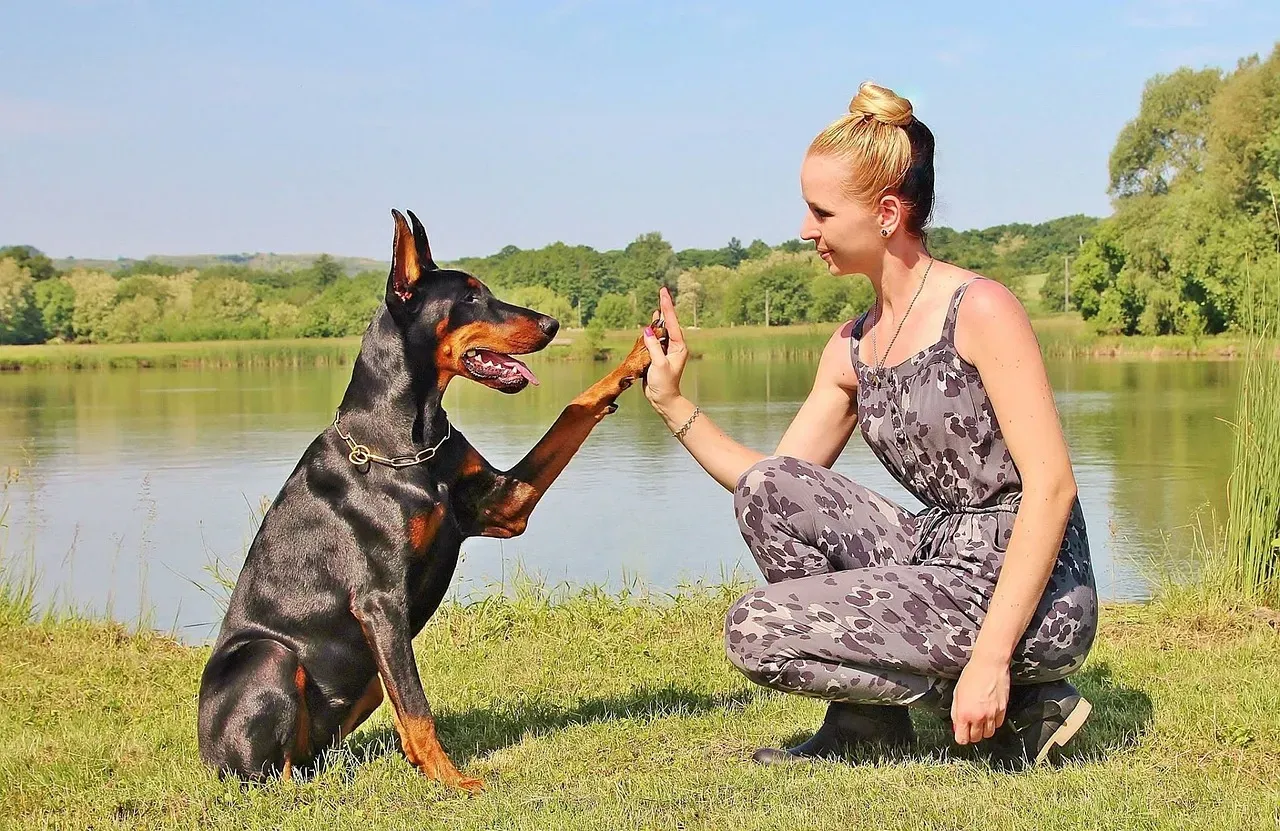
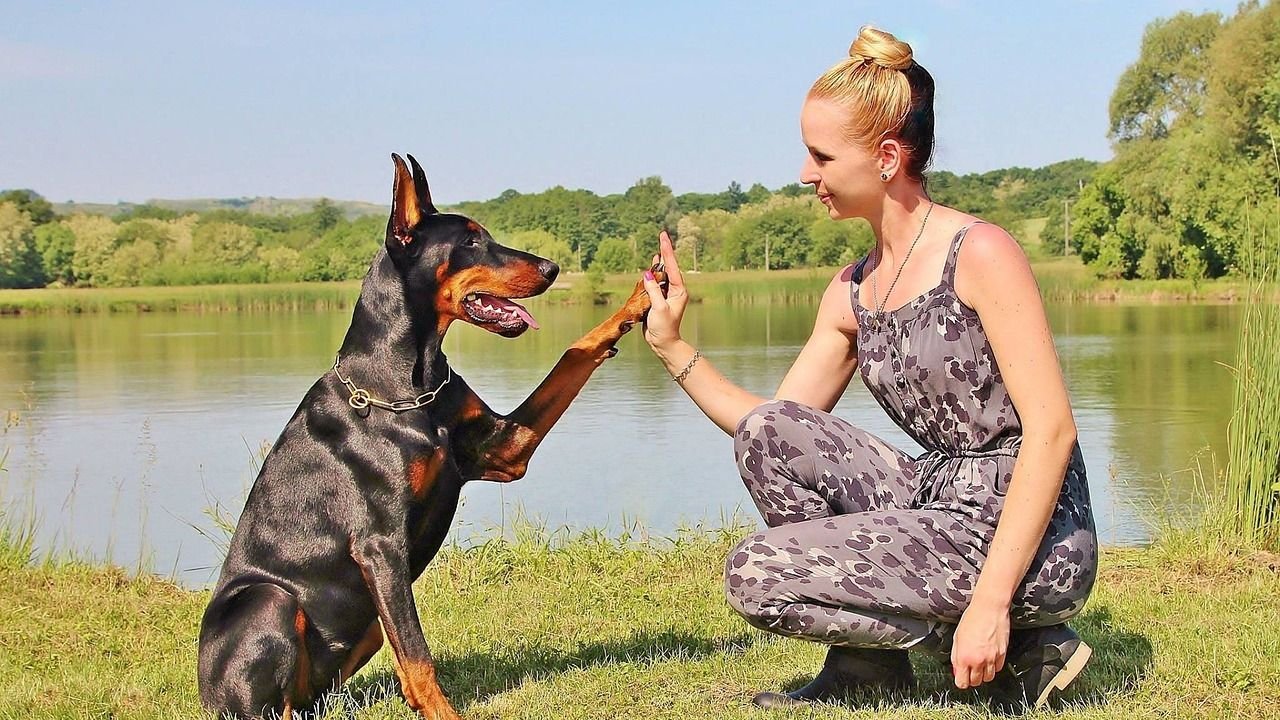
Here’s something most people don’t realize about Dobermans: they are deeply sensitive dogs. Yes, the same breed that plays menacing guard dog in every thriller movie is also a dog that can develop anxiety when left alone too long. This large breed, developed in Germany, is among the most intelligent, tenacious, and energetic of guard dogs. Often used by police, Doberman Pinschers can become aggressive, especially with strangers, if not trained properly.
Neglect for a Doberman doesn’t have to look dramatic. It can be as simple as leaving them alone in the yard day after day, skipping training, or failing to socialize them with different people and environments. Over time, that isolation ferments into fear-based aggression – often directed at strangers or other animals.
The good news? Dobermans respond remarkably well to positive reinforcement training. They live to please the people they trust. Give them structure, mental challenges, and daily human connection, and you’ll have one of the most loyal companions imaginable. Ignore those needs, and you’re playing with fire.
6. Akita – Noble, Proud, and Deeply Unforgiving of Neglect
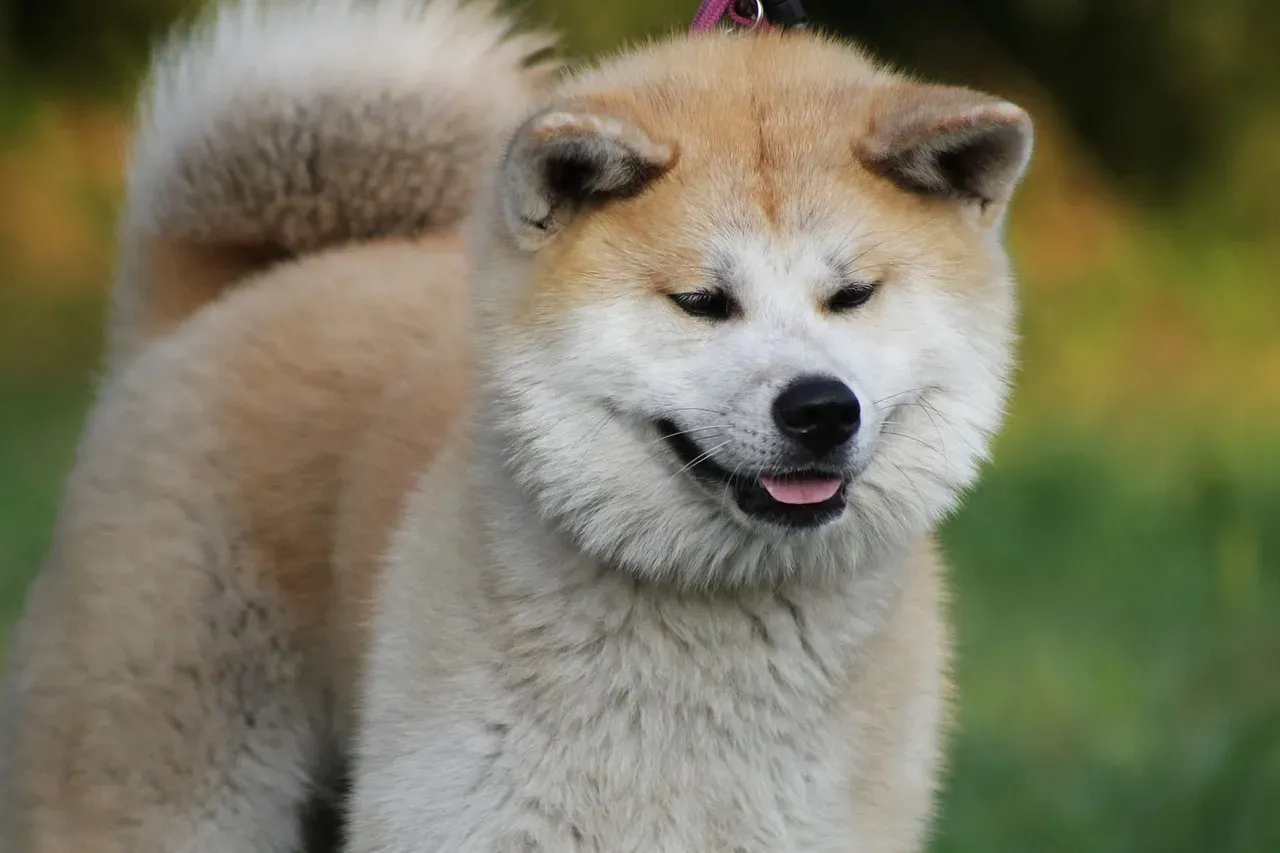
The Akita is Japan’s national dog, a symbol of loyalty, good health, and good fortune. There’s even a legendary story of an Akita who traveled every day to greet his deceased owner at a train station, continuing for years after the owner’s passing. That devotion is real – but it comes packaged with fierce independence and a powerful protective instinct.
If neglected, abused, or presented with an environment that is suggestive of aggressive behavior, these dogs can become vicious, presenting serious dangers due to their mindset, power, and agility. Think of the Akita like a king who was promised a kingdom and then given a closet instead. The frustration will show, and powerfully so.
Unless they are taught to respond calmly, Akitas may overreact to unfamiliar situations and people, potentially with aggressive behavior. Because of their size, aggression from an Akita will always be more dangerous than that of a smaller dog. Early, consistent socialization is non-negotiable with this breed – it’s not optional enrichment, it’s essential survival strategy for everyone involved.
7. Cane Corso – Ancient Power That Demands Experienced Hands
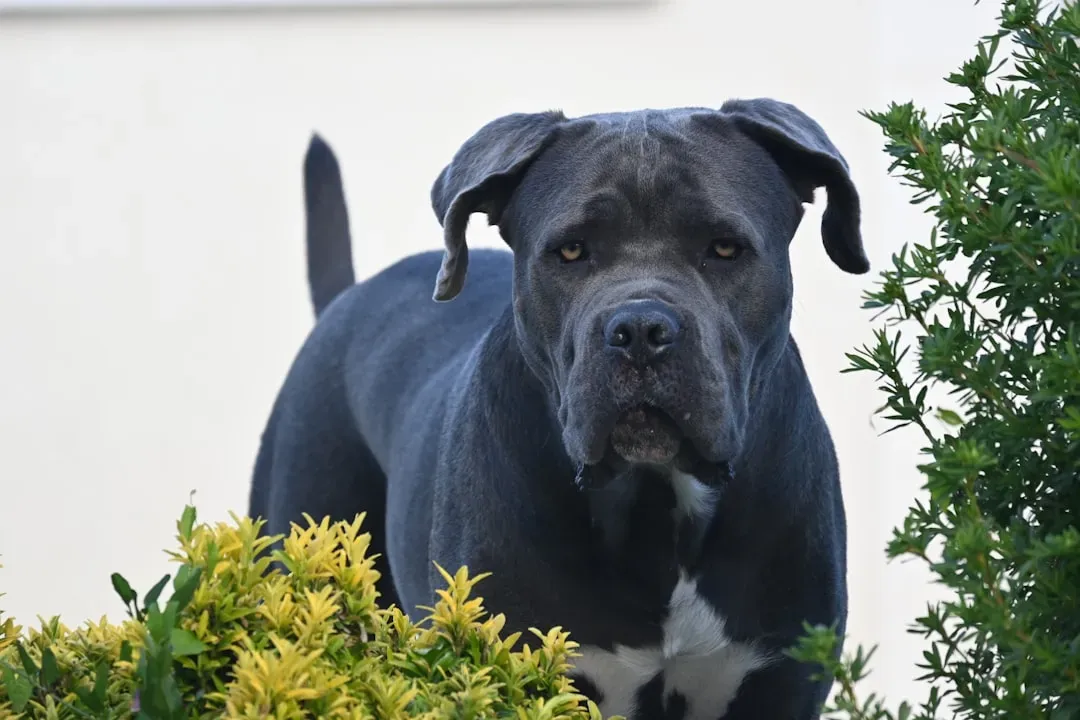
The Cane Corso is not a beginner’s dog. Full stop. This ancient Italian mastiff was originally used to protect property and hunt large game, so it comes with a serious instinctual drive. Confident, territorial, and incredibly powerful, the Cane Corso can make an excellent guardian with the right leadership. Without it? The consequences can be serious.
The Cane Corso tends to be aggressive if not handled and trained well by an expert trainer. This is a dog that reads energy. They can sense when an owner is uncertain, inconsistent, or disengaged – and they will fill that leadership vacuum themselves, on their own terms. That’s not aggression for aggression’s sake. That’s a dog doing what it was bred to do: lead and protect.
If you have a Cane Corso, consistency is your best friend. Daily structured training, clear rules, and a calm but firm household dynamic are non-negotiable. The reward is breathtaking – a dog that is gentle, devoted, and deeply dignified in the right hands.
8. Siberian Husky – A Free Spirit That Unravels Without Purpose
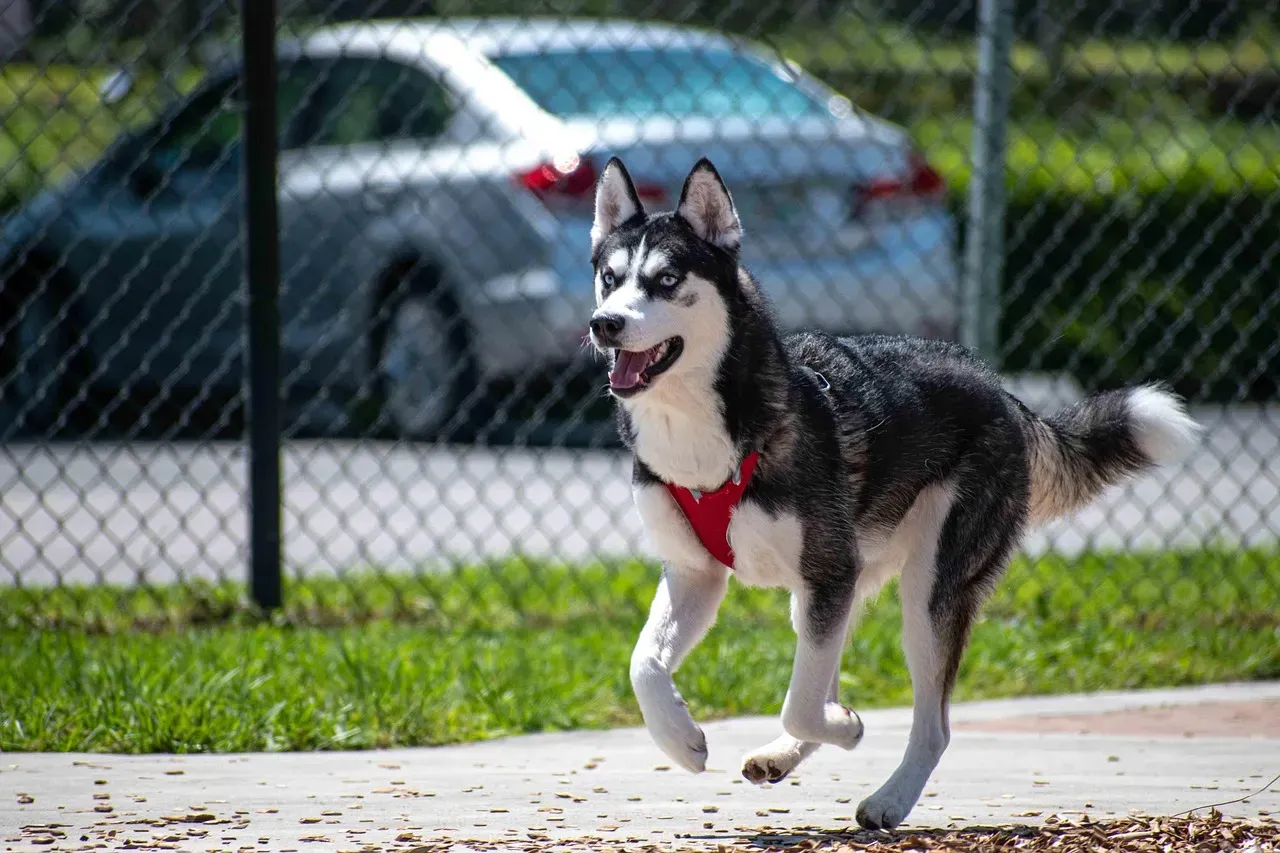
Siberian Huskies are not inherently aggressive dogs. They were bred as working dogs to pull sleds in harsh conditions, requiring teamwork, stamina, and a friendly disposition. They are pack animals at heart – social, expressive, and built for purpose. They genuinely need to feel like they have a role.
Siberian Huskies are high-energy dogs that require ample physical and mental stimulation. If their energy needs are not met, they may develop frustration-based aggression. Think of a Husky cooped up in a small apartment with minimal exercise as a fire hose with no outlet – eventually, something is going to burst. Destructive behavior, howling, and snapping are often the result.
Neglect, harsh punishment, or inconsistent interactions can lead to fear, anxiety, and aggression. The beautiful thing about Huskies is that they are remarkably responsive to love and routine. Give them a tribe, give them a run, give them a daily adventure, and they bloom into the joyful, goofy companions they were always meant to be.
9. Belgian Malinois – A Military Dog That Is Not a Family Companion Without Serious Commitment
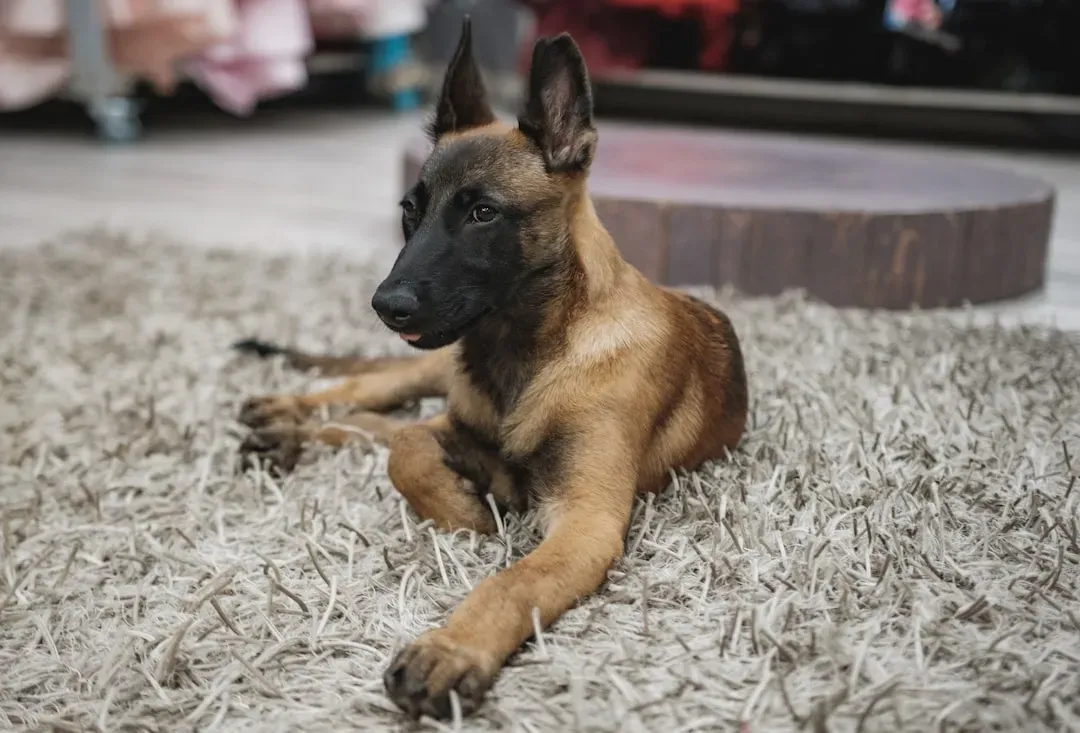
I’ll be honest: the Belgian Malinois is probably the single most mismatched dog for the average pet owner. They look like German Shepherds, but they operate at a completely different intensity level. Often confused with German Shepherds, Belgian Malinois are high-drive working dogs used extensively in police and military work. They’re intense, energetic, and can become aggressive without proper outlets for their energy and drive.
Owning a Malinois without a serious exercise regimen and structured training is like owning a Formula 1 race car and trying to park it in a garage forever. The engine will destroy itself. These dogs need hours of physical activity, mental engagement, and a handler who actually knows what they’re doing.
Several factors contribute to aggressive behavior in dogs, including a lack of socialization – dogs not exposed to different people, animals, and environments during their critical development period of three to fourteen weeks often develop fear-based aggression. For the Malinois, this window is crucial. Miss it, and you’re likely facing a very difficult, potentially dangerous adult dog. Hit it right, and you have a once-in-a-lifetime working companion.
10. Bullmastiff – A Gentle Giant With a Hard Limit
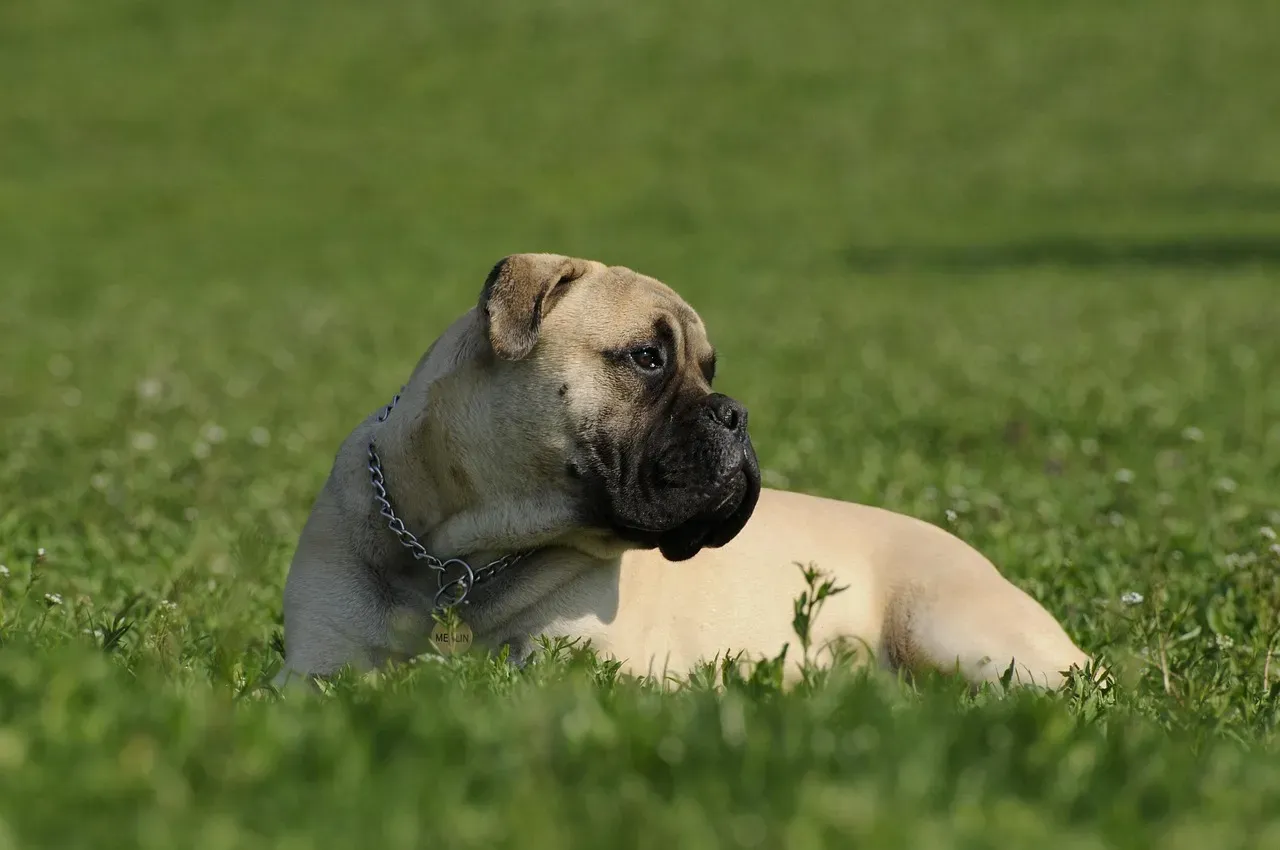
If you’ve ever met a well-raised Bullmastiff, you might have been surprised. They are calm, affectionate, and almost comically gentle with the people they love. With the right environment, training, and care, they can be calm, affectionate, and loyal protectors. They are genuinely one of the more wonderful family breeds when properly raised.
If they are not properly trained early on in life, they can become wary of strangers or even friends of the family. Since most dog bites happen with someone the dog “knows,” it’s not uncommon for a Bullmastiff to find themselves amongst bite statistics. That’s a sobering thought, isn’t it? Their size means there’s very little margin for error if things go wrong.
Bullmastiffs require consistent early socialization, obedience training, and proper supervision, especially around children or strangers. The behavior cues to watch for include excessive territorial behavior toward guests, stiff-legged posturing, and low rumbling growls at familiar people. These are not random outbursts – they are emotional signals from a dog who feels unguided and overwhelmed.
The Emotionally Stable Side: Breeds That Handle Life With Grace
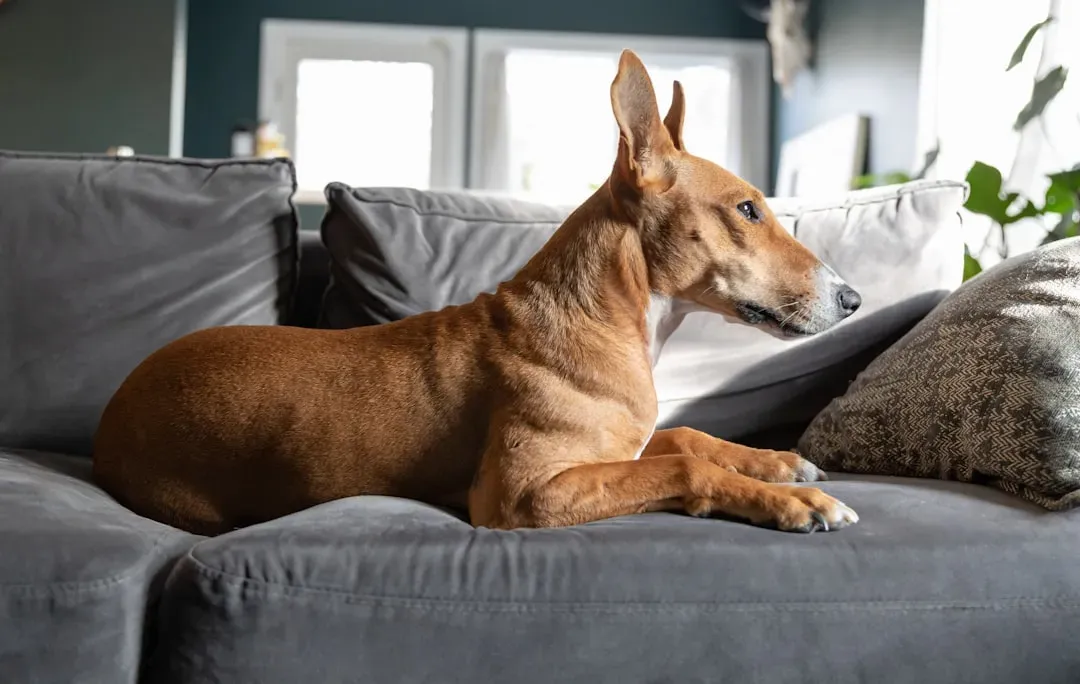
Now for the other side of the coin, because balance matters. Some breeds are remarkably emotionally steady – they handle change, noise, new people, and uncertainty with a kind of canine serenity that honestly puts most humans to shame. Breeds like the Clumber Spaniel, Newfoundland, and Bernese Mountain Dog are known for their emotional stability and low reactivity. They tend to handle new situations and changes in the environment with minimal stress when properly socialized.
Saint Bernards are one of the very calmest dog breeds – which explains how they stay cool, calm, and collected during the avalanche search-and-rescue missions they’re known for. These chill dogs are often called “nanny dogs” because of their affinity for children. The Golden Retriever is another standout – easy-going, affectionate and playful, but gentle with children, making them an ideal family dog.
Choosing an emotionally stable dog can make a significant difference in creating a balanced and supportive home environment. These breeds are prized for their consistent temperament, resilience to stress, and calm reactions in new or unpredictable situations. The Cavalier King Charles Spaniel, Basset Hound, and Great Dane are all beautiful examples of breeds that tend to take life’s curveballs in stride. Though remember – even the calmest breed still needs love, structure, and proper care to stay that way.
Conclusion: Every Dog Is a Mirror of the Love It Receives
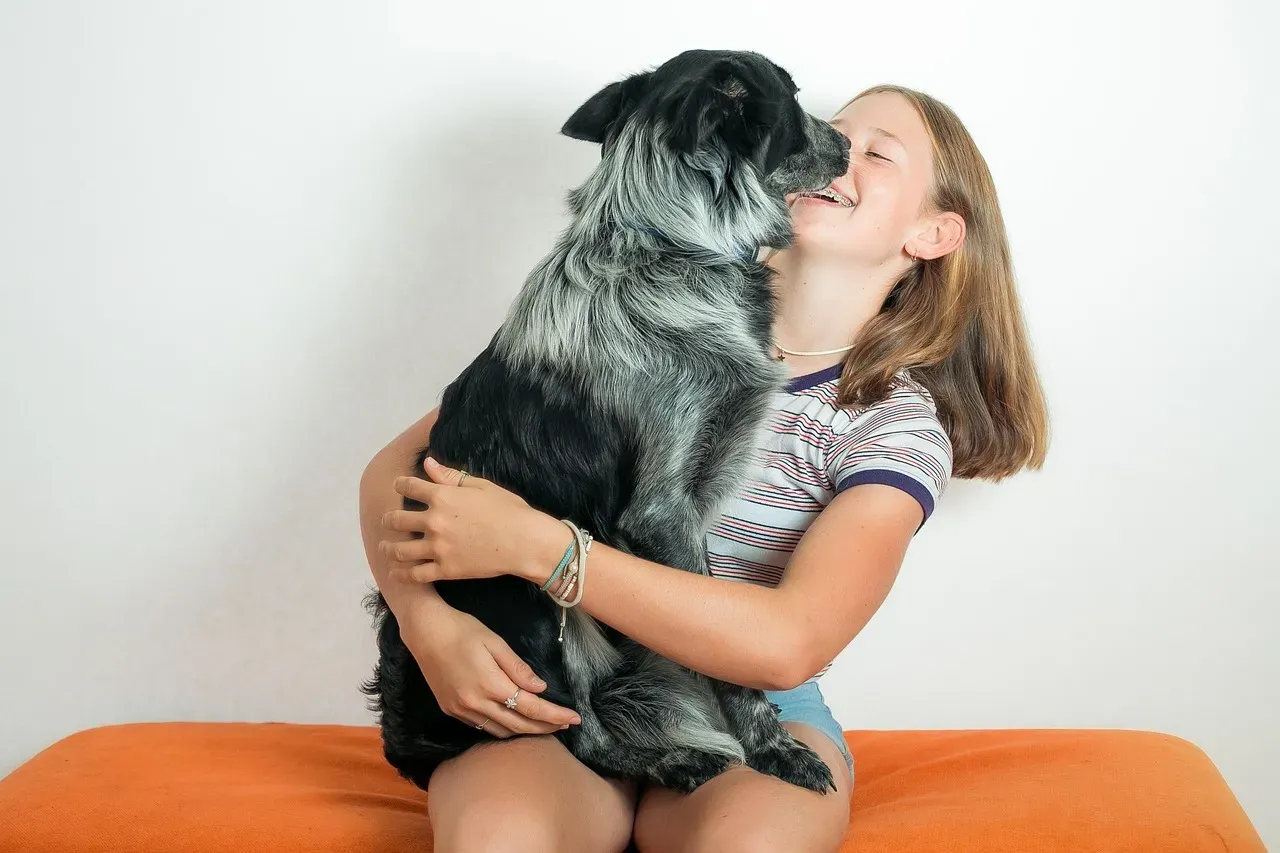
The truth that unites every breed on this list – whether the fierce Akita or the mellow Saint Bernard – is this: a dog in a stressful, neglectful, or abusive home is more likely to develop aggressive tendencies than one in a stable, loving environment. Breed tendencies are real, but they are never destiny.
Early training and socialization are essential – positive reinforcement and controlled exposure to people and other animals help prevent aggression. Responsible ownership matters most: understanding a breed’s temperament, providing structure, and meeting exercise needs can greatly reduce aggression risks.
Your dog is not broken. They are communicating. Sometimes with a wagging tail, sometimes with a growl, and sometimes with a burst of energy that knocks over your coffee table. Learning to listen – really listen – is what separates a good dog owner from a great one. So, knowing all of this now, which of these breeds surprised you the most? Tell us in the comments – we’d love to hear your story.


