

You know that feeling when your carefully planned day gets thrown off course? The slight irritation that builds when nothing seems to follow the pattern you’ve come to expect? Dogs feel that, too. Except they can’t just grab a coffee and recalibrate. They rely entirely on the rhythm you create for them, and when that rhythm falters, some breeds feel it more intensely than others.
Routines aren’t just convenient for us. They’re lifelines for our dogs. They know what to expect and when to expect it, and this predictability is incredibly comforting, especially for certain breeds whose temperaments and histories make them particularly sensitive to disorder. These aren’t just high-energy pups who need long walks. These are dogs who become genuinely unsettled, irritable, and difficult to live with when their days lack structure. Let’s explore the breeds that thrive on predictability and struggle when life becomes chaotic.
Border Collie

Border Collies are often hailed as the workaholics of the dog world, born to herd and organize, thriving when every day follows a predictable pattern, but without a routine can quickly become bored, which may lead to mischief. Here’s the thing about Border Collies: their brains never stop working. They were bred to make split-second decisions while herding sheep across rugged terrain, and that intense mental drive doesn’t disappear just because they’re living in a suburban home.
Exercise and mental stimulation are critical for these hyperactive dogs, as they can get bored easily from understimulation, which can trigger anxiety. When their schedule becomes erratic, they don’t just sit quietly waiting for things to normalize. They pace, they fixate, they invent their own jobs, which often involve behaviors you’d rather they didn’t display. A cranky Border Collie isn’t aggressive in the traditional sense. They’re restless, demanding, and relentlessly persistent about getting your attention.
German Shepherd
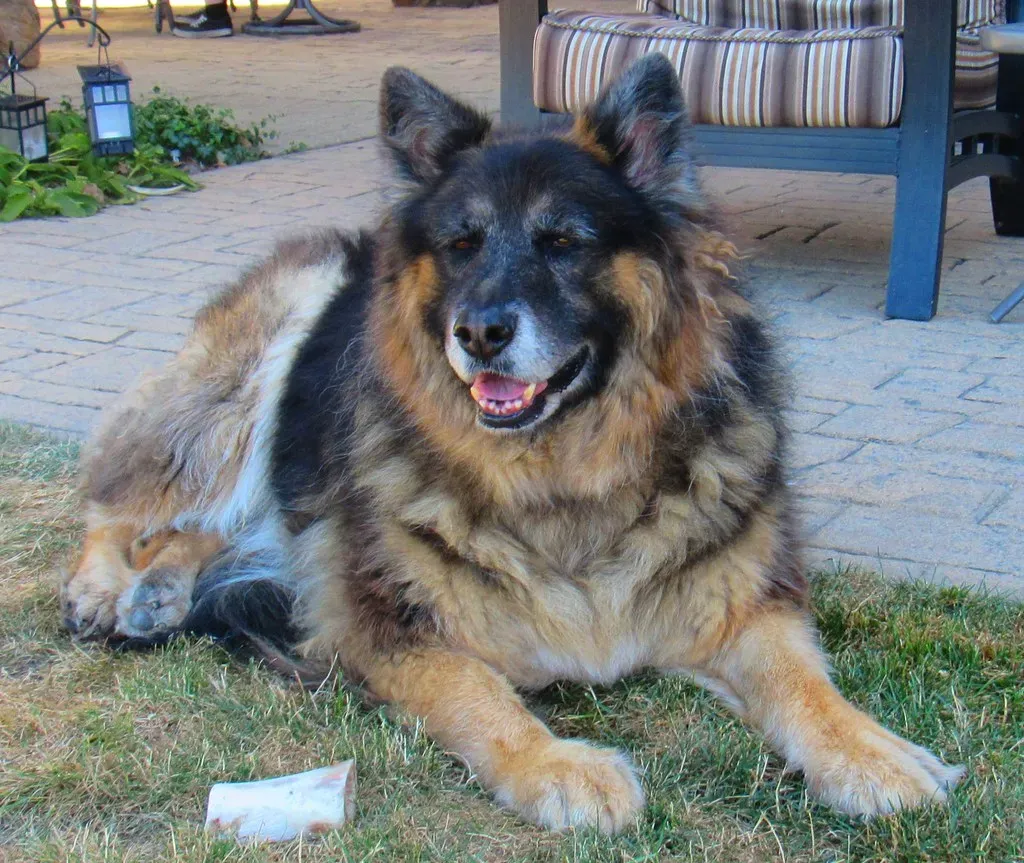
German Shepherds thrive on a consistent routine, and frequent changes to their schedule can lead to separation anxiety and stress. These dogs were bred to work alongside humans in demanding roles, from police work to search and rescue, and that heritage shows in how they approach everyday life. They want to know the plan. They want to understand their role within the household.
Active working breeds such as German Shepherds can experience stress when there is a sudden change to their routine. Without that structure, German Shepherds can become anxious, suspicious, and yes, downright cranky. Establishing a consistent routine and using calm, assertive training methods can provide the stability and structure they need to feel secure. You’ll notice them following you more closely, whining for no apparent reason, or becoming overly reactive to normal household sounds.
Belgian Malinois
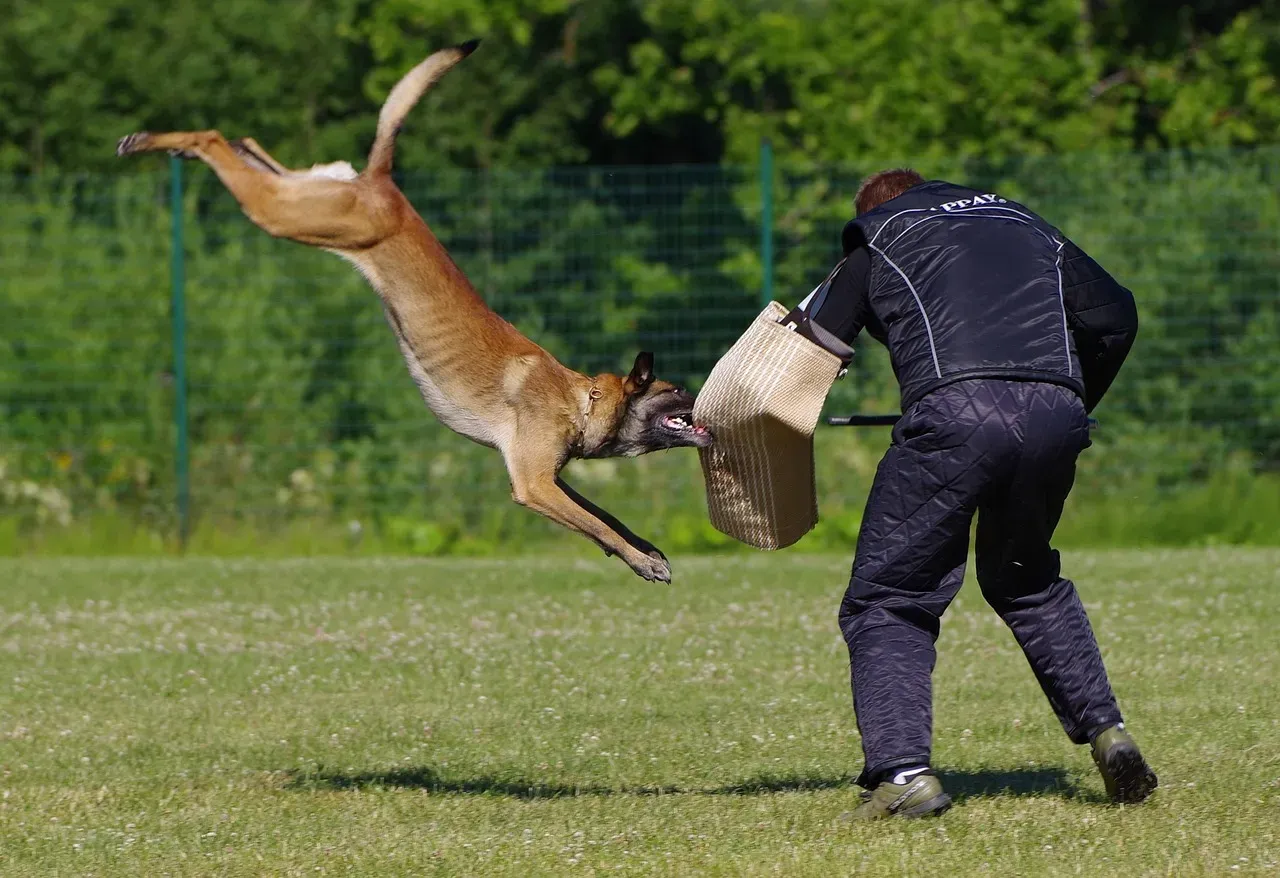
Belgian Malinois are intense, energetic, and incredibly trainable, but they absolutely need structure to thrive, and without a routine filled with tasks, training, and exercise, they can become bored or even destructive. If you’ve ever met a Malinois, you know they’re not your average family pet. These dogs are used in military and police operations for good reason: they’re relentless, focused, and driven.
That same intensity that makes them excellent working dogs can make them challenging companions when life lacks predictability. A bored Malinois doesn’t just chew a shoe. They dismantle furniture, escape from yards, and create chaos because their powerful minds need constant engagement. For Malinois, routine is more than comfort – it’s a necessity for a happy, well-balanced life.
Doberman Pinscher
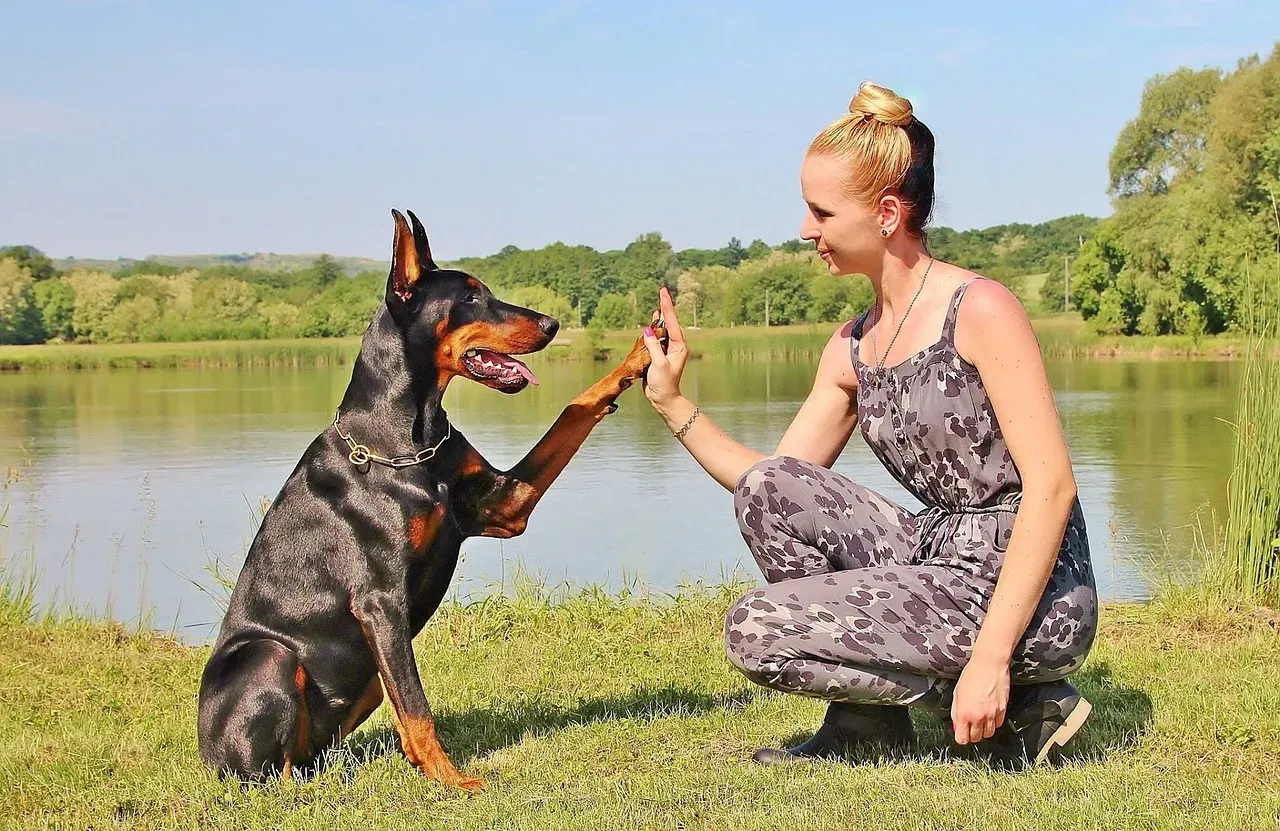
Dobermans are loyal dogs who find comfort in structure, thriving on routines that include exercise, training, and affection, and without a set schedule can become anxious or even develop behavioral issues. People often misunderstand Dobermans as aloof or intimidating, but the reality is they’re deeply attached to their families and sensitive to changes in their environment.
These dogs anticipate patterns remarkably well. Owners often find that their Doberman learns household routines quickly – sometimes even anticipating changes before they happen. When those routines shift unpredictably, Dobermans can become irritable and anxious. They might start following you obsessively, barking more than usual, or becoming overly protective. For them, structure equals security, and without it, they struggle to relax.
Australian Shepherd

Australian Shepherds share many traits with their Border Collie cousins, including an insatiable need for mental stimulation and physical activity. These dogs were bred to work long days on ranches, managing livestock with minimal human direction. That independence and intelligence make them wonderful companions, but only when their lives have clear structure.
Without a consistent routine, Australian Shepherds become restless and cranky. They’ll start herding children, nipping at ankles, or obsessively chasing shadows and lights. Structured activity helps reduce unwanted behaviors like chewing, digging, or hyperactivity, especially in high-energy breeds. An Aussie without routine isn’t misbehaving out of spite. They’re desperately trying to create order in a world that feels chaotic to them.
Jack Russell Terrier
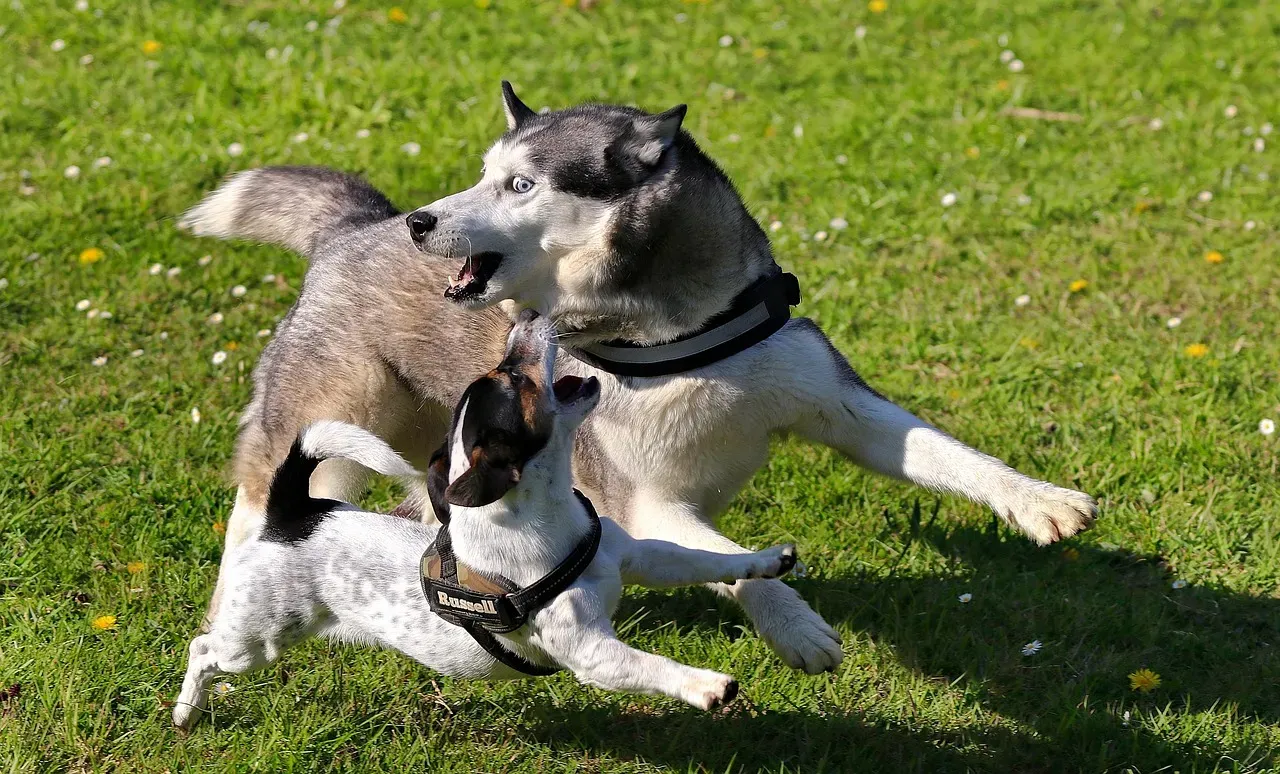
Don’t let their small size fool you. Jack Russell Terriers pack enormous personalities into compact bodies, and they need routine just as much as larger working breeds. These terriers were bred to hunt foxes, which required stamina, determination, and fearlessness. Those traits translate into a dog who becomes easily frustrated when life lacks predictability.
A cranky Jack Russell is vocal, destructive, and relentless. They’ll bark incessantly, dig up your garden, and generally make their displeasure known. Without enough rest or without a consistent sleep routine, behavior often suffers, as dogs are more likely to be irritable, reactive, and unable to focus. Establishing feeding times, walk schedules, and play sessions helps channel their enormous energy productively rather than destructively.
Labrador Retriever

Labrador Retrievers may seem easygoing, but they absolutely bloom with structure, being happiest when their days are filled with regular play, training, and meals, as routine helps channel their enthusiasm and keeps unwanted behaviors at bay. Labs are one of the most popular breeds for good reason: they’re friendly, trainable, and adaptable. However, that adaptability has limits.
When Labs don’t have consistent routines, their enthusiasm can quickly turn into problematic behavior. They might jump on guests excessively, chew inappropriate items, or become overly mouthy. Labs love food, and irregular feeding schedules can make them anxious and food-obsessed. A structured day helps them understand when it’s time to be energetic and when it’s time to settle down.
Boxer

Boxers are known for their goofy, energetic personalities, but they rely heavily on routine to channel that energy in positive ways, as a day without structure can leave a Boxer feeling lost or hyperactive. Boxers maintain their puppylike enthusiasm well into adulthood, which is both endearing and challenging. They need clear boundaries and predictable schedules to feel secure.
A Boxer without routine becomes what I’d call delightfully difficult. They’ll bounce off walls, quite literally sometimes, demanding attention in increasingly creative ways. Boxers often develop endearing habits, like waiting by the door at walk time or bringing you their leash right on schedule. When those schedules disappear, so does their sense of calm. Regular mealtimes, exercise, and play sessions help Boxers channel their exuberance appropriately.
Poodle

Poodles, whether Standard, Miniature, or Toy, are incredibly smart and sensitive, picking up on household routines fast and getting attached to them, as a regular schedule helps these dogs feel at ease, reducing nervous habits or anxiety. People sometimes underestimate Poodles because of their elegant appearance, but these dogs are wickedly intelligent and surprisingly sensitive.
If you vary their walk times too much, you might notice a Poodle pacing or acting restless. They thrive on mental stimulation, and routine provides the framework for that engagement. Without it, Poodles can become anxious, develop compulsive behaviors, or become snappy and irritable. They need predictability to feel confident and settled in their environment.
Shih Tzu

Shih Tzus may look like pampered lap dogs, but they secretly crave a structured routine, loving knowing when it’s time for breakfast, walks, and snuggle sessions, as changes in schedule can leave them feeling out of sorts, sometimes leading to stubborn behavior. These little dogs have strong opinions about how their days should unfold, and they’re not shy about expressing displeasure when things go awry.
A cranky Shih Tzu might refuse to eat, become unusually clingy, or engage in attention-seeking behaviors like excessive barking. A predictable day helps Shih Tzus feel secure and content, and owners often notice that these dogs are happiest when their world is orderly, rewarding that structure with loyalty and affection. Don’t mistake their small size for low maintenance. They need routine just as much as any working breed.
Creating Routine That Works

Understanding that your dog needs routine is one thing. Actually implementing it consistently is another challenge entirely. The good news is that routines don’t need to be rigid to be effective. Instead of building a routine on a specific time, prioritize creating consistency around your pet’s training or exercise and where your dog eats their meals, which can help support pets without making them rigidly dependent on exact timeliness.
Start with the basics: feeding times, potty breaks, exercise, and sleep. A routine that includes regular sleep cycles, feeding times, and opportunities for play helps reduce stress, prevent behavioral issues, and promote healthy habits. Notice when your dog naturally becomes energetic or sleepy, and build your schedule around those tendencies. Gradually, both you and your dog will settle into a rhythm that feels natural rather than forced. The investment you make in establishing routine pays dividends in your dog’s behavior, mood, and overall well-being.
Living with a dog who needs routine means accepting that consistency matters more than spontaneity sometimes. It means recognizing that your dog’s crankiness isn’t defiance but distress. These breeds aren’t asking for perfection. They’re asking for predictability, for the comfort of knowing what comes next in their day. Give them that gift, and you’ll find that crankiness transforms into contentment. What changes could you make today to help your dog feel more secure? Tell us in the comments.


