
Have you ever stepped into your backyard, ready to enjoy your flowers, only to find mysterious holes, snapped stems, or a freshly “re-landscaped” patch of dirt? As much as we adore our canine companions, some breeds have an uncanny knack for turning a perfectly manicured garden into their own personal playground—or excavation site! If you’re a dog lover who dreams of a lush, thriving garden, it helps to know which breeds are most likely to challenge your green thumb. Let’s dig into the top ten garden-wrecking dog breeds, and what you can do to keep both your pup and your petunias happy.
Labrador Retriever
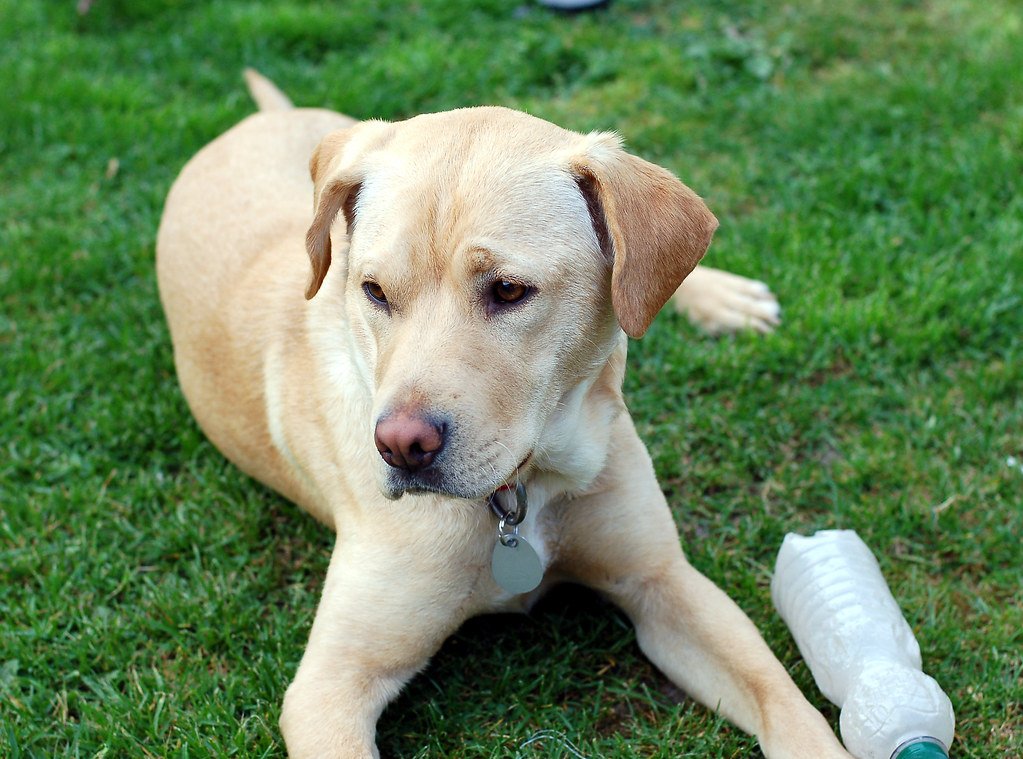
Labrador Retrievers are bundles of energy and curiosity, which often means trouble for flower beds. Their love for digging and retrieving often leads them straight into the heart of your garden, especially if there are interesting smells or critters hiding in the soil.
If your Lab starts nosing around the roses, you might notice freshly dug holes or trampled plants. Redirect their enthusiasm with plenty of chew toys, and consider dedicating a dog-friendly digging spot where they can satisfy their instincts without undoing your hard work.
Jack Russell Terrier

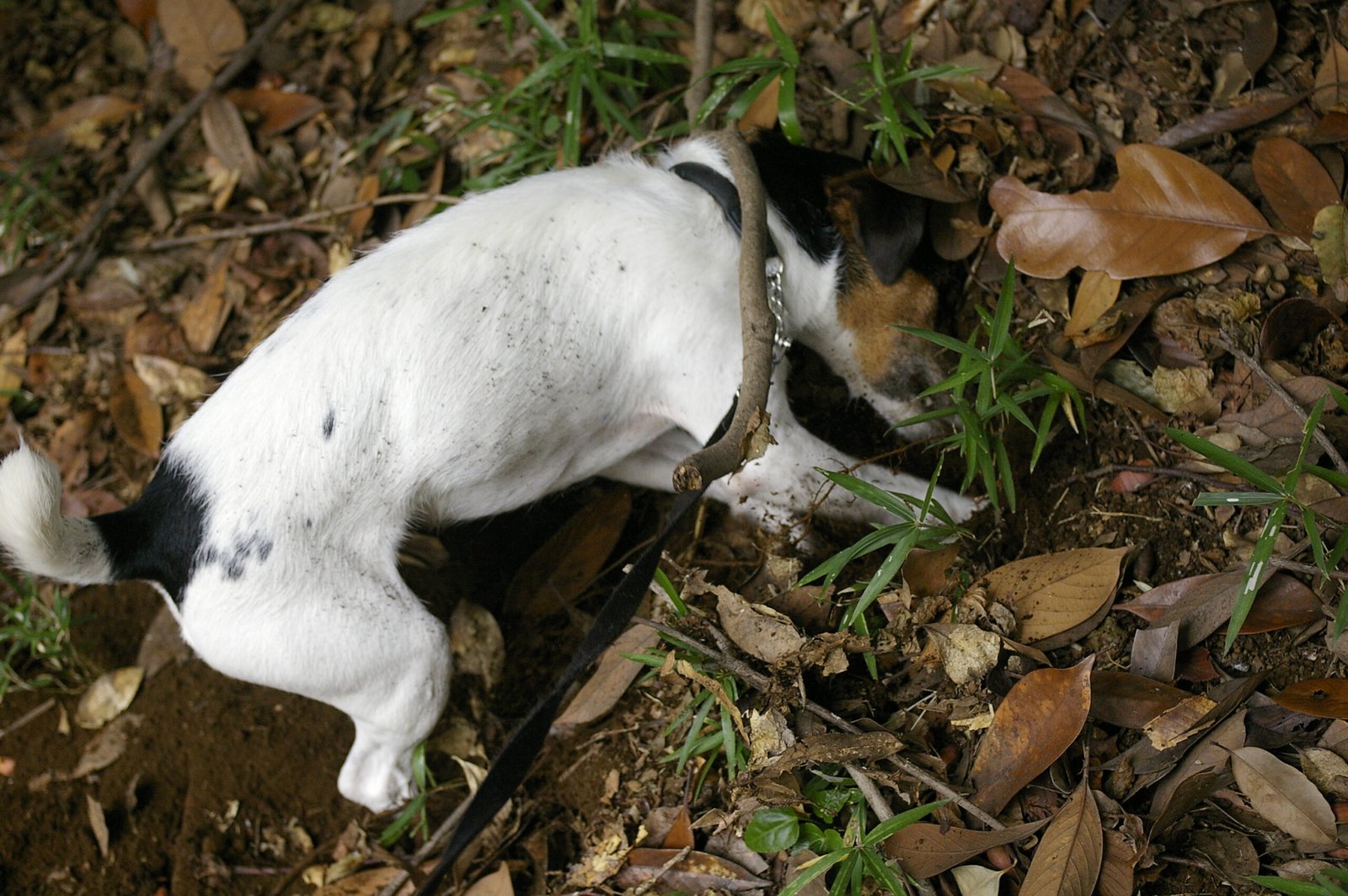
Small but mighty, Jack Russells have an almost supernatural drive to dig. Bred as hunting dogs, they were literally made to root out prey from underground, so flower beds are just another challenge to conquer in their eyes.
You may catch your Jack Russell furiously pawing at the earth, nose twitching as they chase after the faintest scent. Consistent training and daily mental stimulation are key—try puzzle toys or agility courses to tire them out so they leave your begonias alone.
Siberian Husky
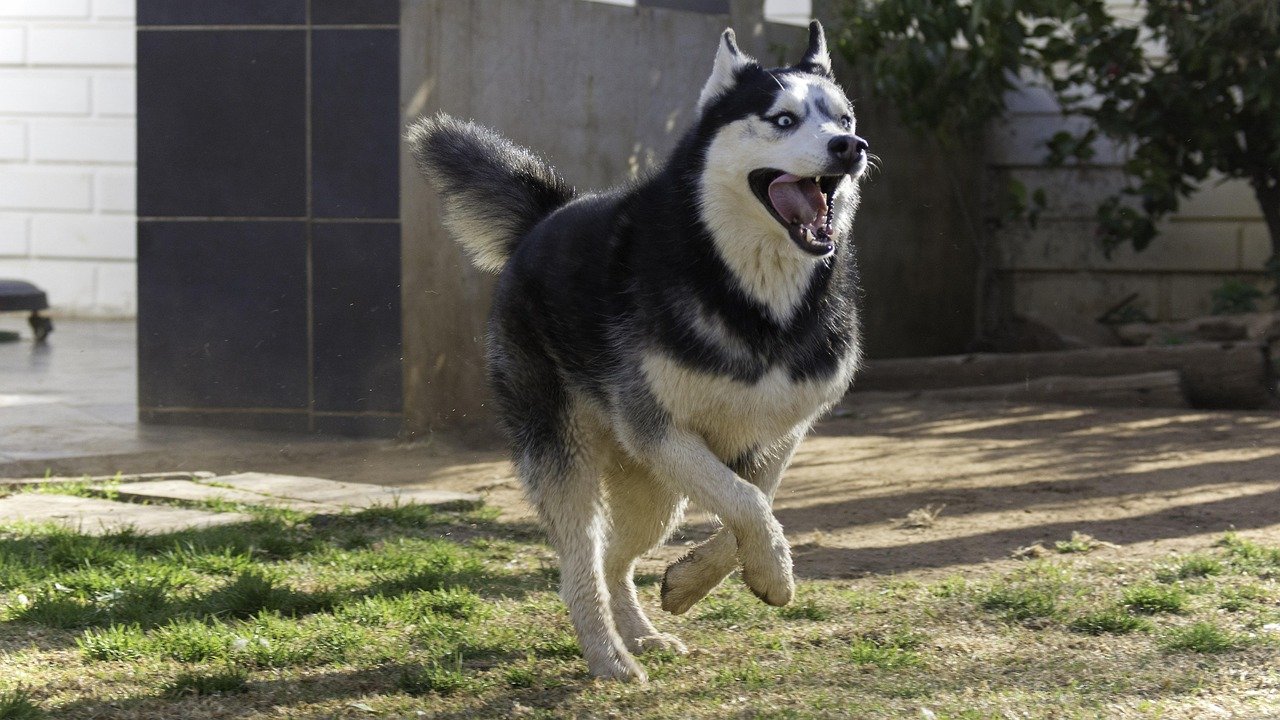
Siberian Huskies can make your garden look like a winter playground—even in summer. These athletic dogs are infamous for digging deep, cool holes to lounge in, especially when the weather gets warm.
Keeping them busy with lots of exercise and interactive games can help, but it’s wise to install sturdy fencing around your most prized plants. Huskies need room to roam, so consider a separate “dig zone” to channel their natural behaviors.
Beagle
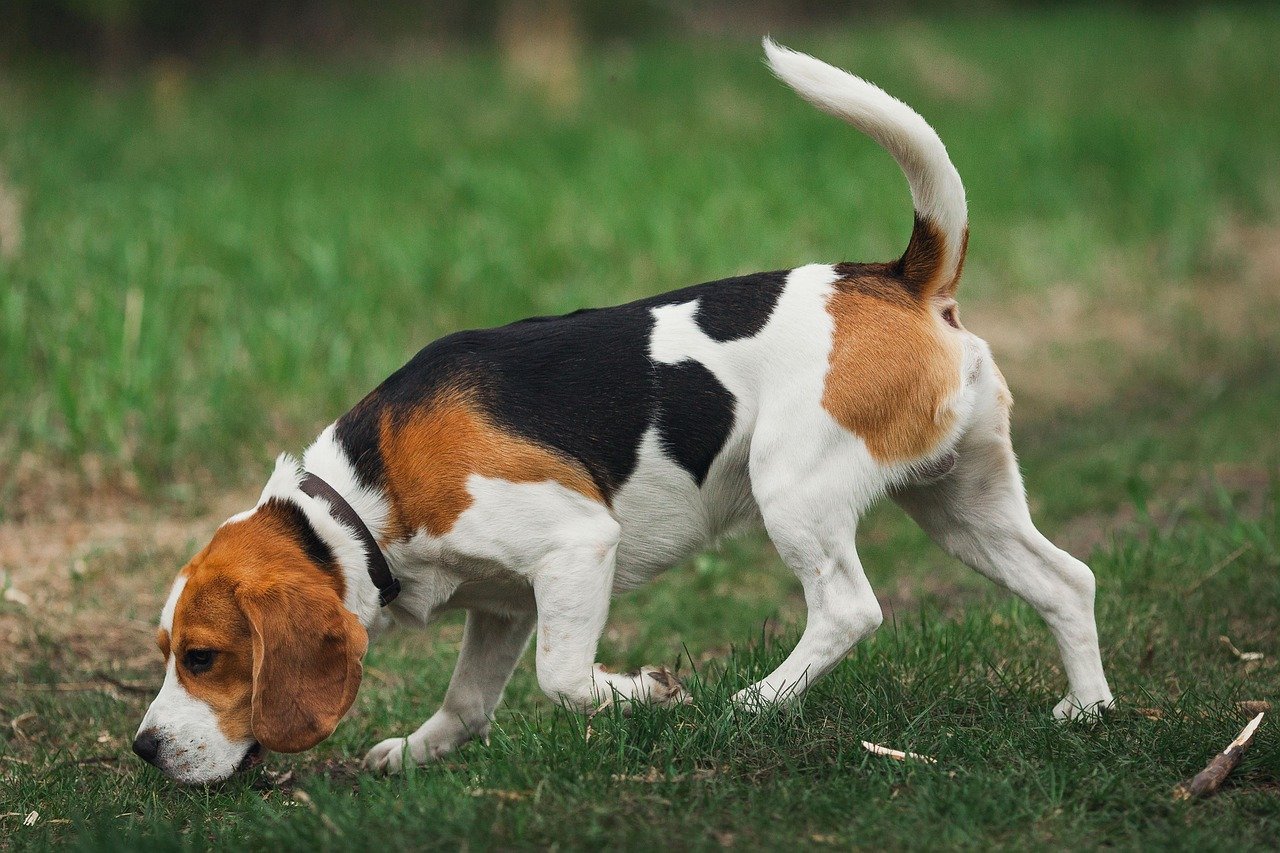
With noses that never quit, Beagles are relentless scent hounds. If there’s a whiff of something interesting buried beneath your marigolds, you can bet your Beagle will try to unearth it.
Beagles often leave behind scattered dirt and upturned roots. To protect your garden, keep an eye out for signs of obsessive sniffing or pawing. Regular walks and scent games away from the garden can help satisfy their instincts.
Border Collie
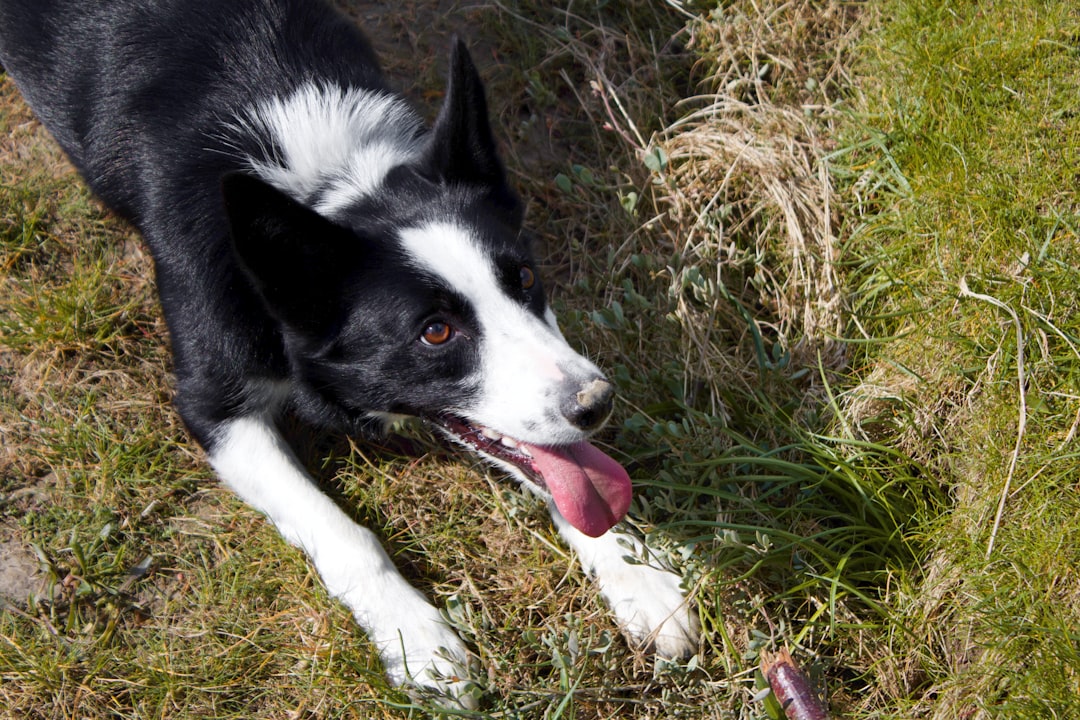
Border Collies are brilliant and bursting with energy. If they’re left to their own devices, boredom can quickly turn into destructive garden projects—digging holes, herding your plants, or chasing butterflies right through your flower beds.
This breed thrives on having a job to do. Training sessions, obstacle courses, and fetch games can keep them mentally and physically engaged, reducing their urge to “redesign” your yard.
Dachshund
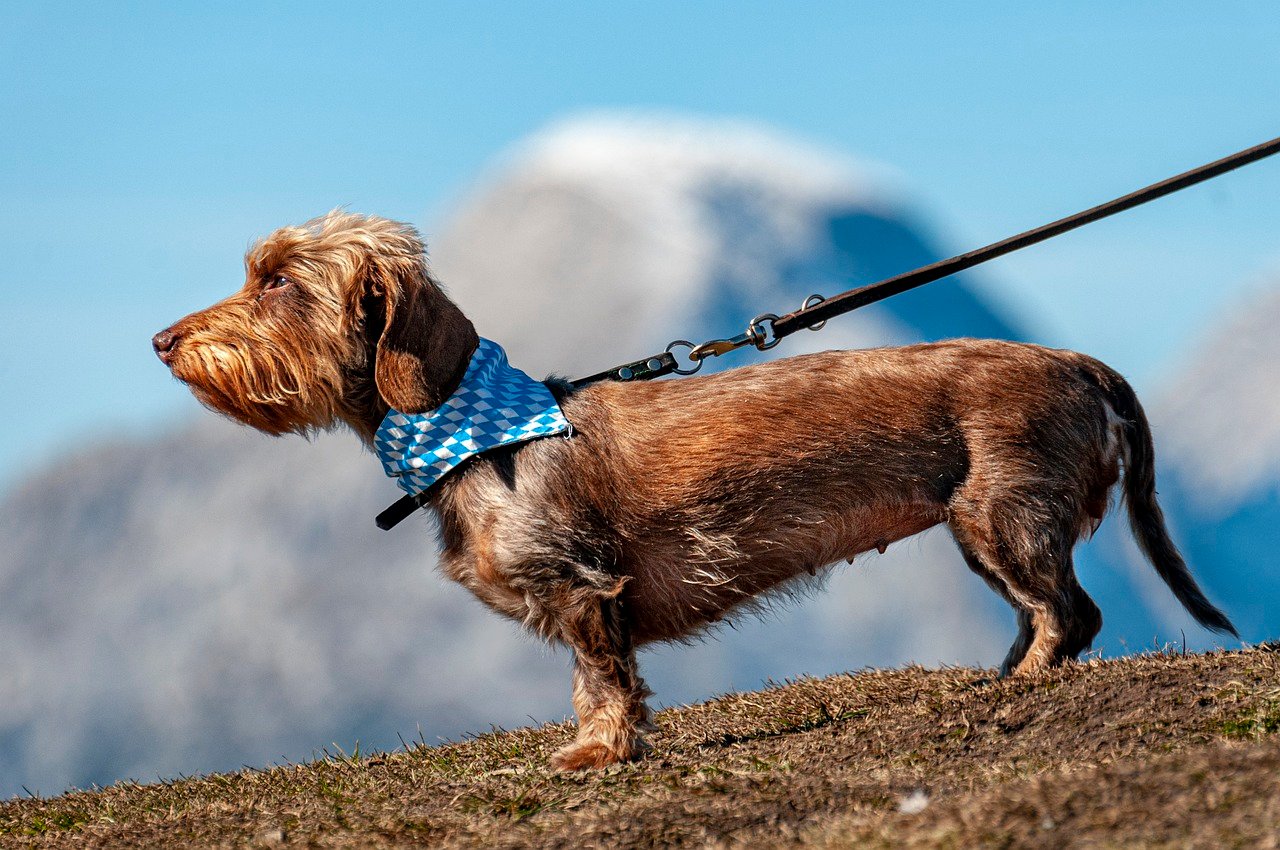
Don’t let their short legs fool you—Dachshunds are born burrowers. Originally bred to chase badgers, their instinct to dig is strong, making garden beds irresistible targets.
If your Dachshund starts tunneling near your tulips, it’s a sign they need more outlets for their natural behaviors. Sandboxes or soft soil areas, paired with supervised play, can help curb their need to dig up your prized plants.
Golden Retriever
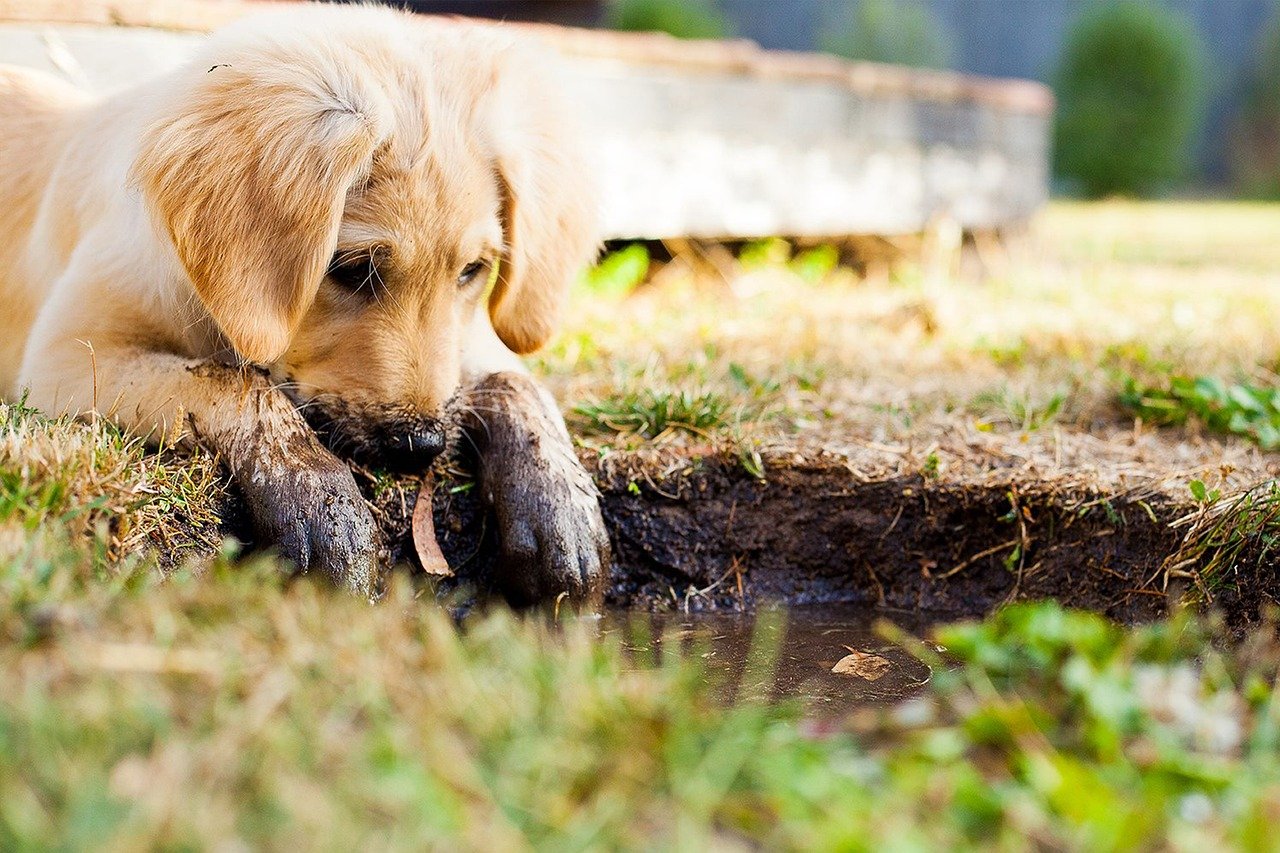
Golden Retrievers are lovable, playful, and sometimes a little too enthusiastic about outdoor adventures. They may not dig as much as terriers, but their size and strength mean even a single bout of zoomies can flatten flower beds or young shrubs.
Pay attention to signs like muddy paws or flattened patches of grass. Structured playtime and training can teach Goldens where it’s okay to romp, sparing your garden from their joyful chaos.
Staffordshire Bull Terrier
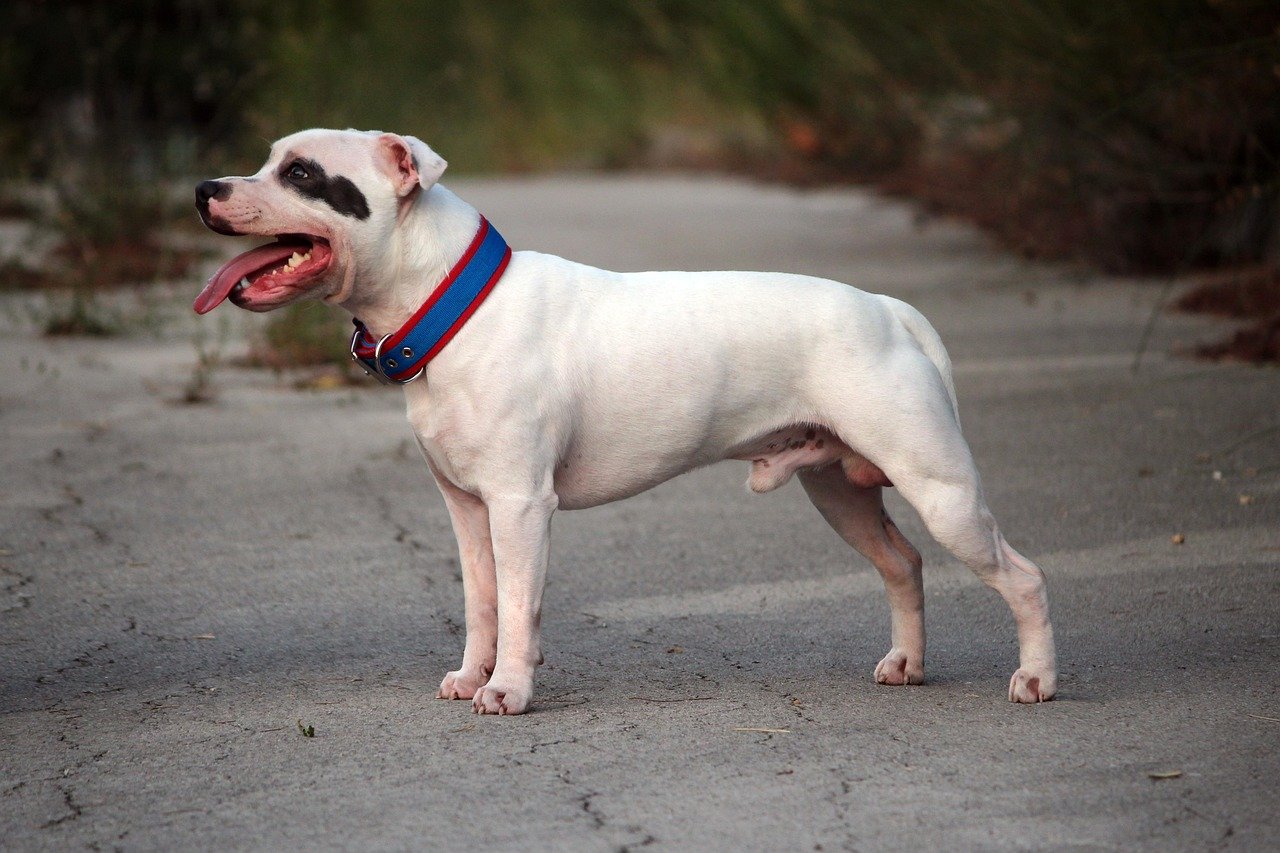
Staffies are powerful, determined, and often love to dig—especially if they sense rodents or other critters under the soil. Their sturdy build means they can do a surprising amount of damage in a short time.
Watch for repeated trips to the same garden spots, and offer plenty of exercise to burn off their energy. Reinforcing boundaries with low fencing or plant barriers can help keep your beds intact.
Australian Shepherd
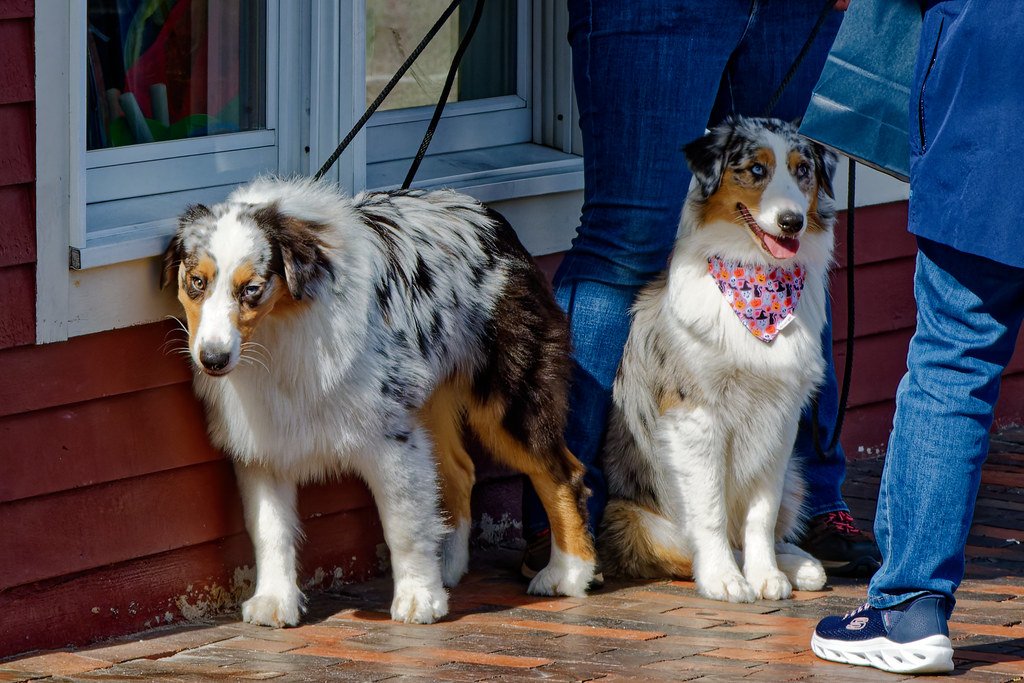
Australian Shepherds are intelligent herding dogs that need a job. Without enough stimulation, they might turn your garden into an agility course or excavation project, driven by boredom or curiosity.
They’re quick learners, so teaching them to stay out of certain areas can be effective. Enrich their environment with toys, puzzles, and regular training to keep their busy brains (and paws) occupied.
Fox Terrier
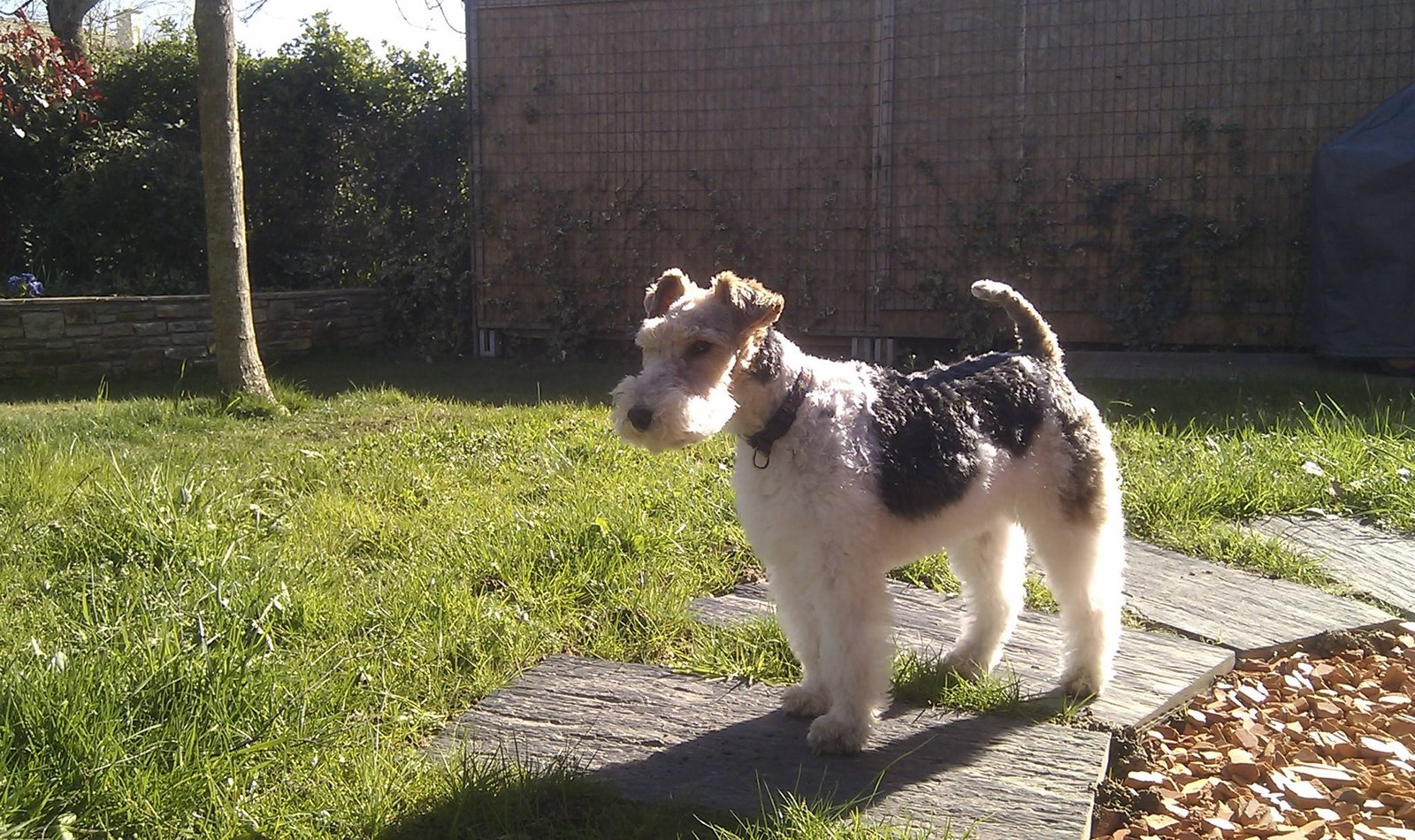
Fox Terriers are like furry little tornadoes when they’re excited. Their keen hunting instincts drive them to dig, chase, and uproot anything that moves—or even looks like it might move—in your garden.
You’ll often find them with dirt on their noses, proudly standing in the middle of their handiwork. Providing them with daily challenges and rewarding calm behavior in the yard can go a long way toward preserving your plants.
German Shepherd
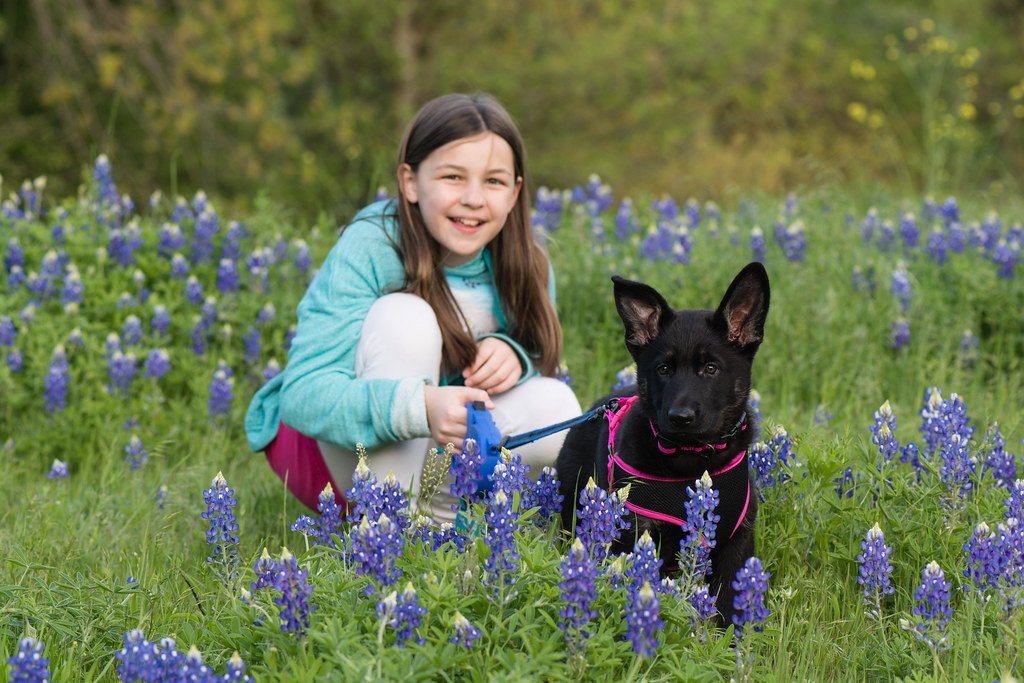
German Shepherds are clever, protective, and sometimes a bit too enthusiastic about “helping” in the garden. They might dig to create cool spots, chase insects, or simply out of boredom.
Pay close attention to changes in their behavior—restlessness or excessive digging can signal a need for more stimulation. Interactive play, obedience training, and dog-safe garden toys can help channel their energy in positive ways.


