
Let me tell you something about dogs. They’re not born “bad.” Every time I see a reactive, anxious, or aggressive dog, I see an owner who didn’t understand what they were taking on. There’s something heartbreaking about watching a breed with incredible potential spiral into chaos simply because someone didn’t do their homework.
It’s really not fair to blame the dogs. Preventable factors related to irresponsible ownership are the primary cause of dog bite-related fatalities, not the breed itself. Yet certain breeds end up with terrible reputations. The truth is, these dogs require dedication, consistent training, and boundaries that many first-time owners simply aren’t prepared to provide. Let’s dive into which breeds suffer most when ownership goes wrong.
Pit Bull Terriers: Misunderstood Powerhouses
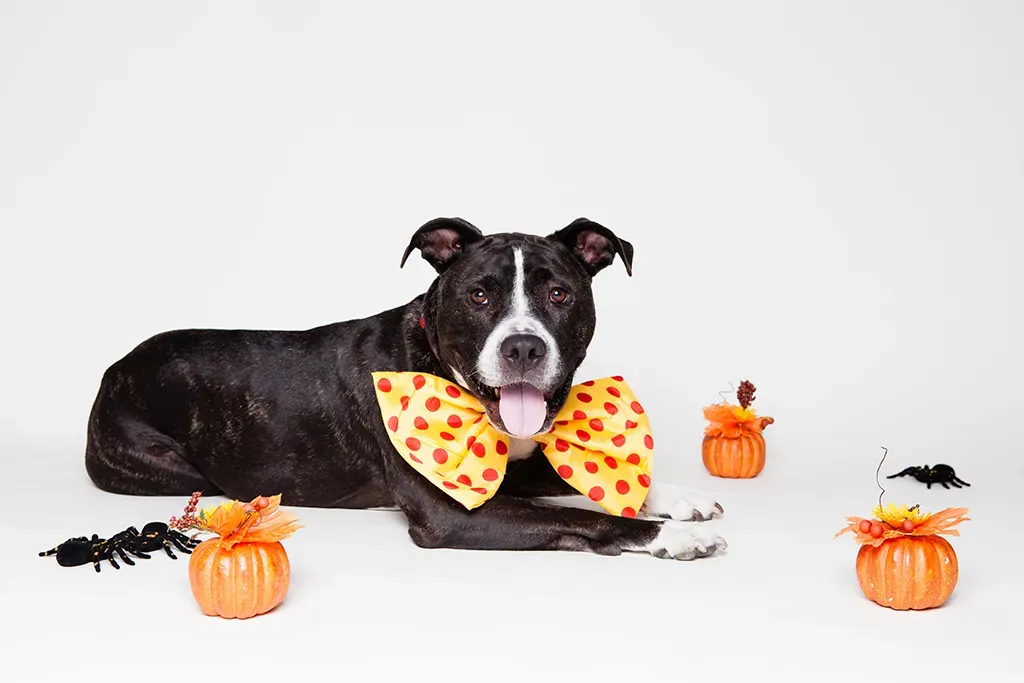
Here’s the thing about pit bulls. They’re incredibly loyal, affectionate dogs that would do anything for their families. Yet they consistently top the list when it comes to behavioral issues, not because they’re inherently aggressive, but because of who ends up owning them.
Poor ownership triggers aggression in pits and gives them their deadly reputation. When someone gets a pit bull for status or intimidation rather than companionship, disaster follows. These dogs need socialization from puppyhood, firm but loving boundaries, and owners who understand their strength. Without that? The sweet cuddle bug turns into a liability. I’ve seen pit bulls that are absolute angels, and I’ve seen ones that scare me. The difference is always the person holding the leash.
Rottweilers: Giants That Need Leadership
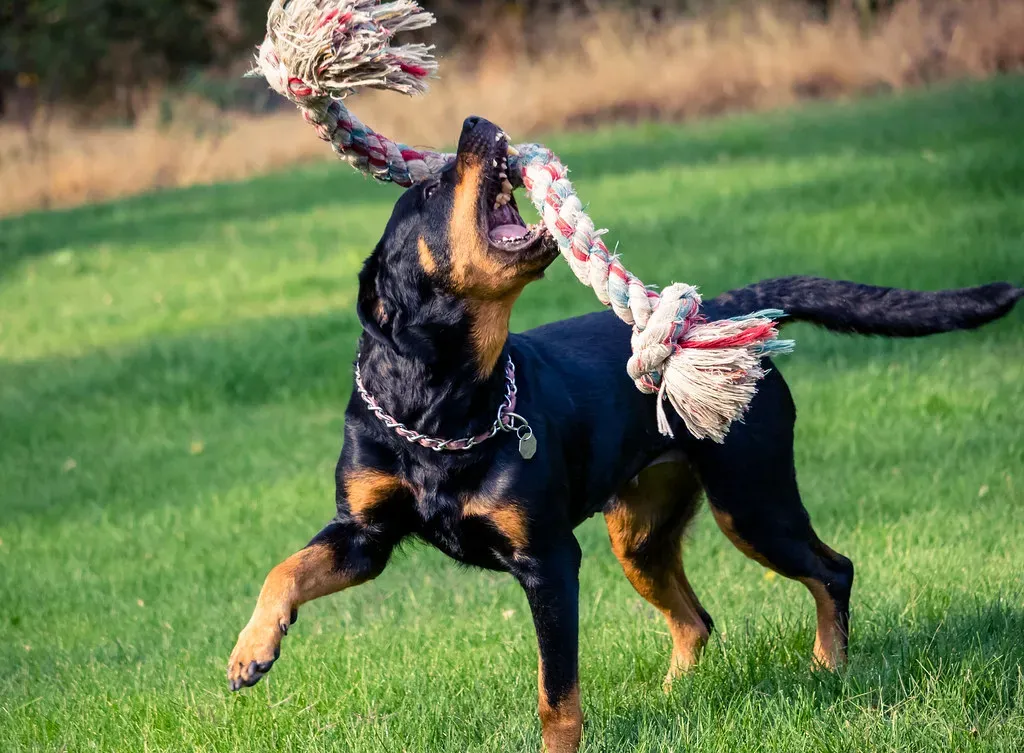
A Rottweiler wants someone to be the boss, and if you’re not taking the job, he will. That sentence should be tattooed on the forehead of every prospective Rottie owner. These dogs are powerful, protective, and intensely loyal.
In the wrong hands, that protection becomes aggression. Without early socialization, a Rottweiler can become overly territorial, suspicious of everyone, and downright dangerous. They weigh over one hundred pounds of pure muscle. When irresponsible owners fail to establish clear leadership, the dog takes over. Suddenly you’ve got a massive animal making decisions about who’s a threat. That’s not the dog’s fault. That’s an owner who didn’t understand what they signed up for.
German Shepherds: Working Dogs Without Work
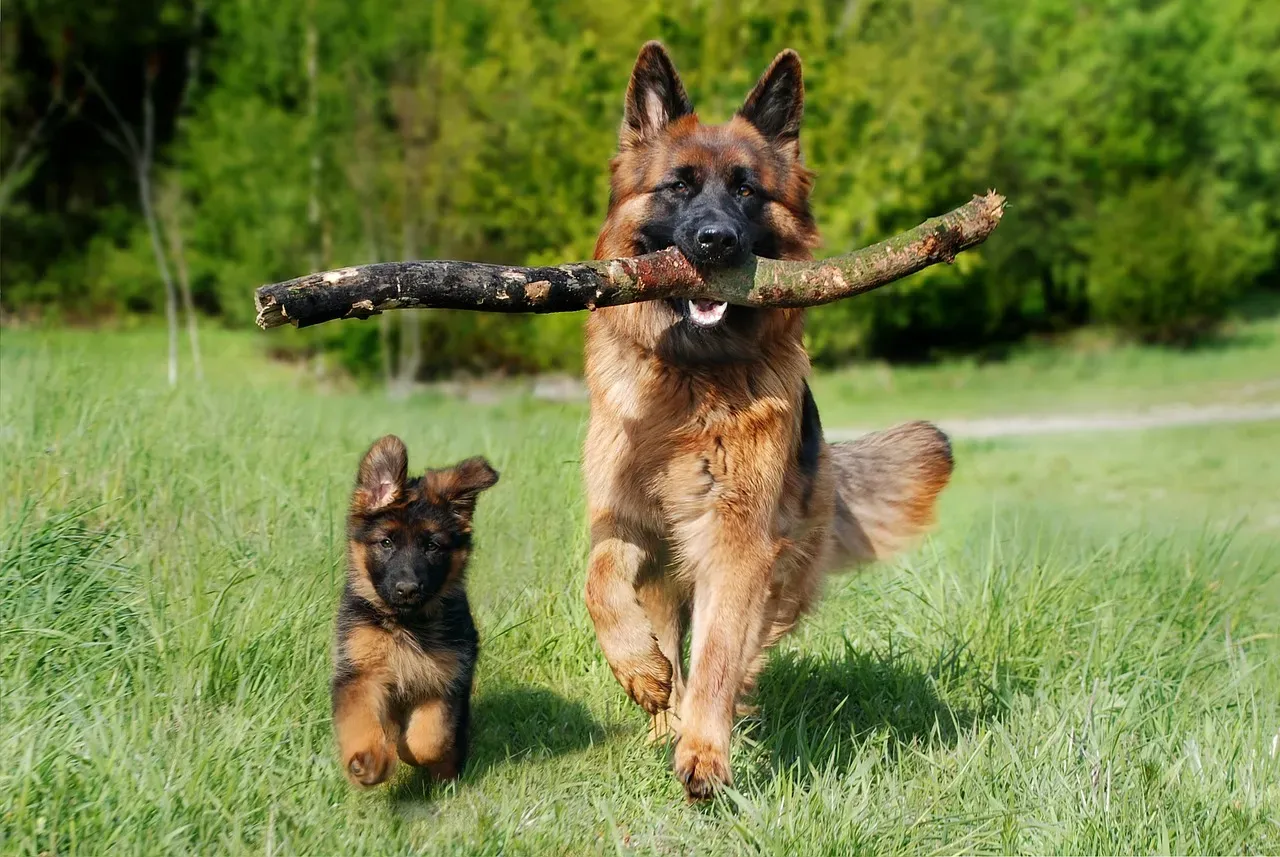
German Shepherds are brilliant. Absolutely brilliant. This incredibly intelligent and versatile dog, often used in police and military work, may develop undesirable behaviors such as aggression or territoriality if they aren’t mentally stimulated or properly trained.
The problem? People see them as beautiful, regal dogs and forget they were bred to work. A bored German Shepherd is a destructive German Shepherd. They need jobs, tasks, mental challenges. Stick one in a backyard with nothing to do, and watch the behavioral problems emerge. Digging, barking, fence aggression, reactivity toward strangers. All preventable. All symptoms of an owner who didn’t provide adequate stimulation or training.
Siberian Huskies: Escape Artists Extraordinaire
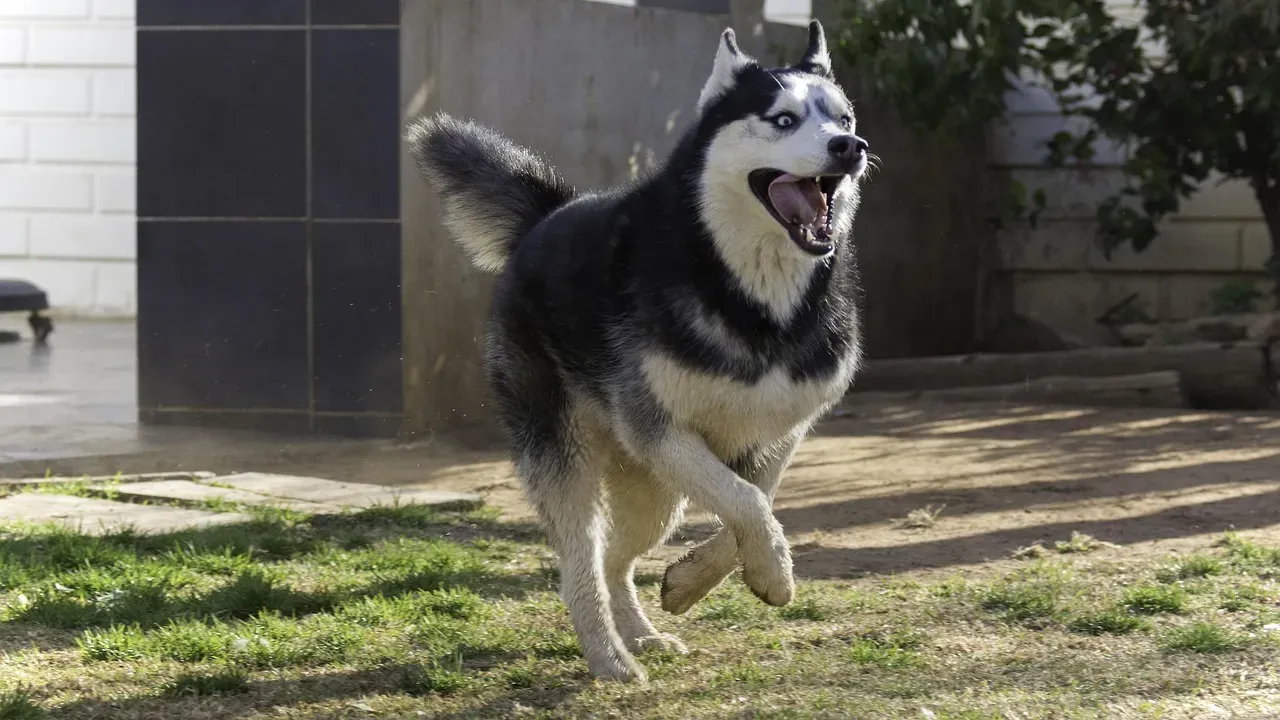
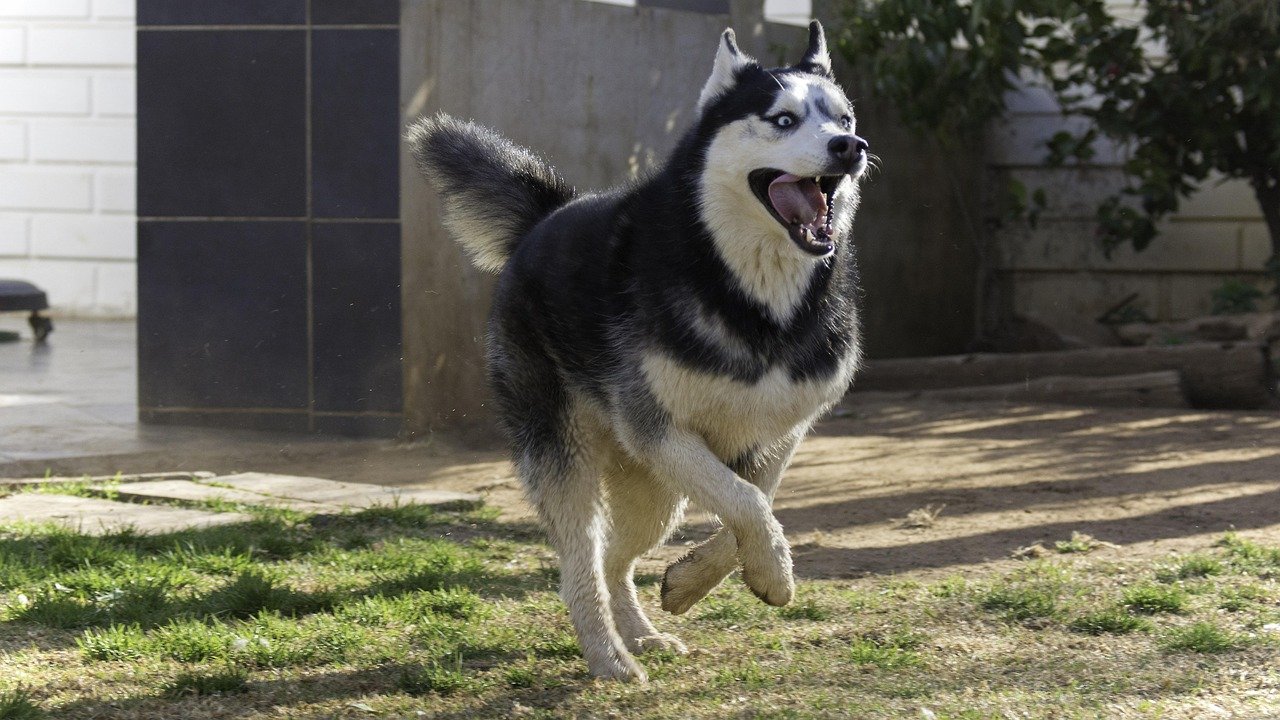
Oh, Huskies. Beautiful, dramatic, vocal, and absolutely exhausting if you’re not prepared. Siberian huskies are one of the highest energy dogs out there, needing heaps of exercise and mental stimulation, otherwise they’ll find more unsavory ways of exhausting their energy and relieving their boredom.
They’re notorious escape artists. I know people who’ve reinforced fences, added locks, and still found their Husky three blocks away. If Houdini was a pooch, he’d be a Siberian Husky. Without proper outlets for that legendary energy, they become destructive nightmares. Chewed furniture, shredded curtains, constant howling. Irresponsible owners think a quick walk around the block will suffice. It won’t. These dogs need miles, not minutes.
Akitas: Dignified Dogs Requiring Respect
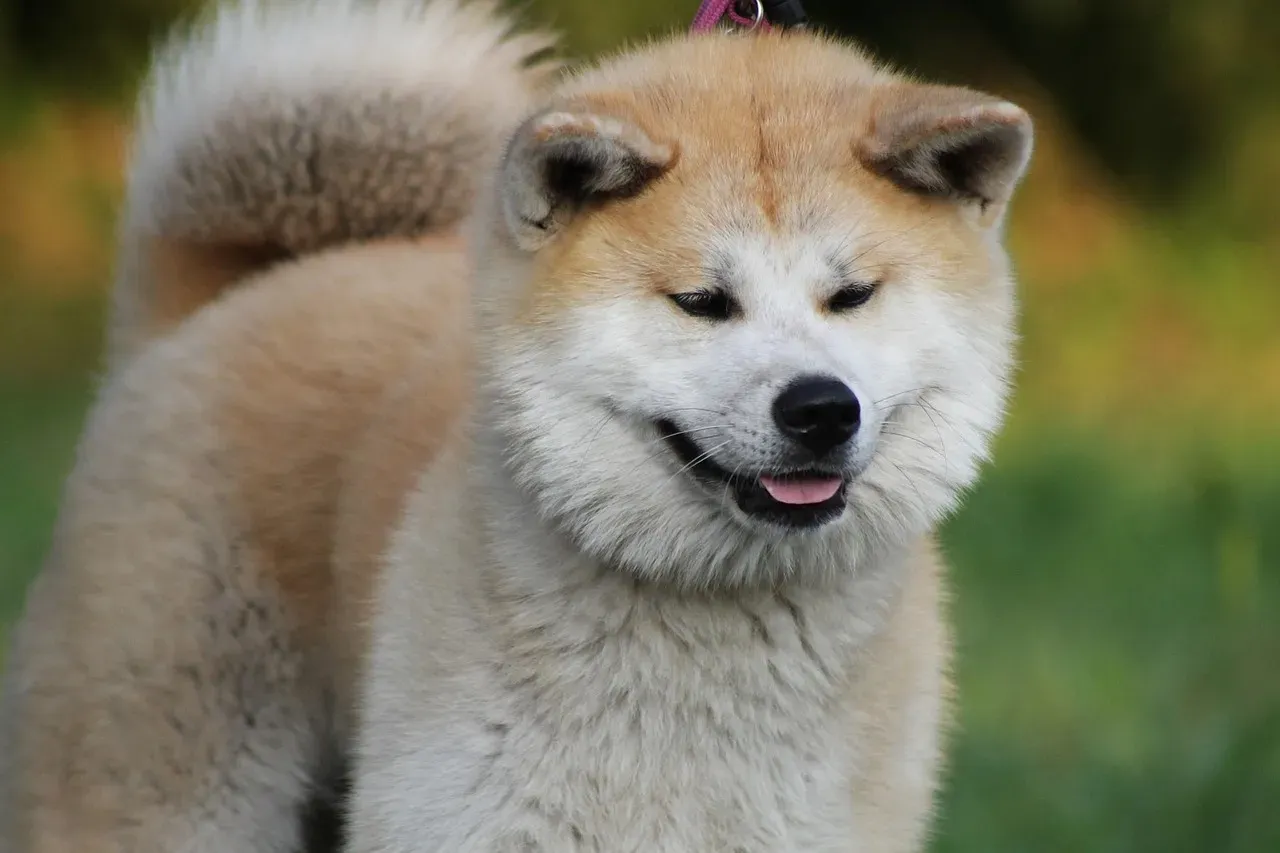
Akitas were bred to hunt big game, so they have a strong prey drive and can be aggressive if not adequately socialized and trained, often wary of strangers and do not always get along with other dogs. They’re magnificent animals, but they demand an experienced hand.
When someone inexperienced takes on an Akita, the dog’s natural aloofness can morph into aggression. They’re not lap dogs that love everyone. They’re guardians with serious protective instincts. Without proper socialization during puppyhood, they become reactive, unpredictable, and potentially dangerous around other animals. The owner who treats an Akita like a Golden Retriever is setting everyone up for failure.
Chow Chows: Stubborn and Territorial
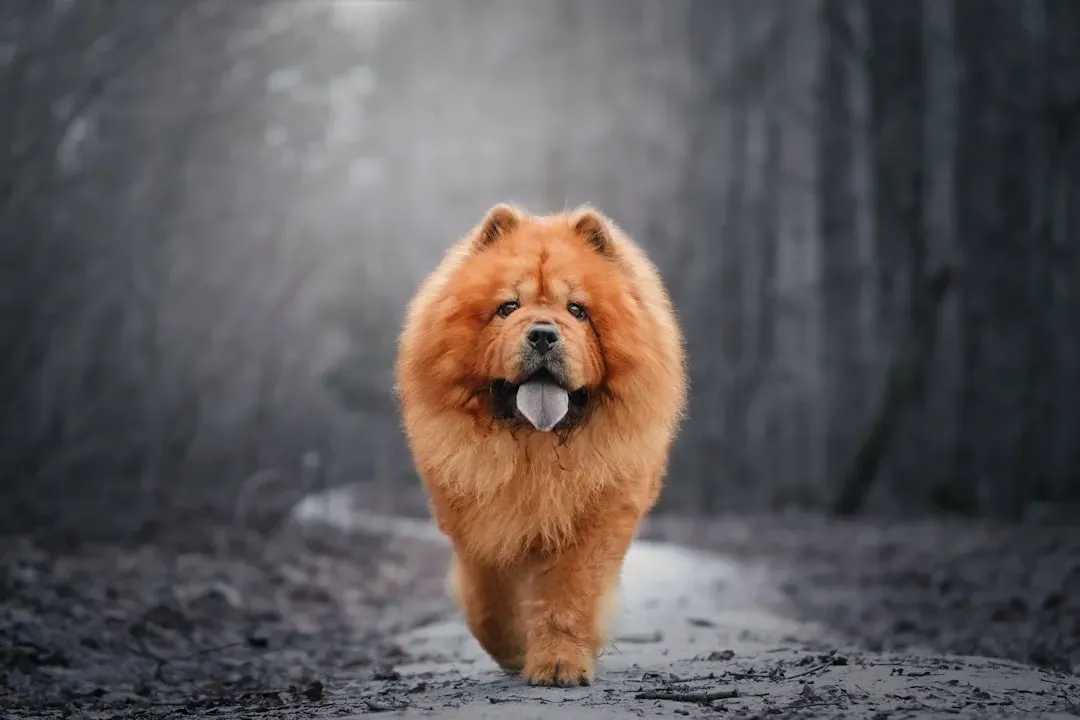
Originally bred as guard dogs in China, Chow Chows carry strong protective instincts and are quick to size up new people and environments, often with suspicion. That fluffy teddy bear appearance? Misleading. Very misleading.
Chows are independent, stubborn, and not particularly interested in pleasing you. Not known for being particularly lovey-dovey, the Chow Chow isn’t the teddy bear he appears to be, is intelligent but stubborn, and may require a lot of training before you get results. Irresponsible owners who fail to establish boundaries early find themselves with a dog that ignores commands, guards food aggressively, and snaps at strangers. The grooming needs alone are intense, but the temperament challenges are what really trip people up.
Belgian Malinois: High-Octane Working Machines
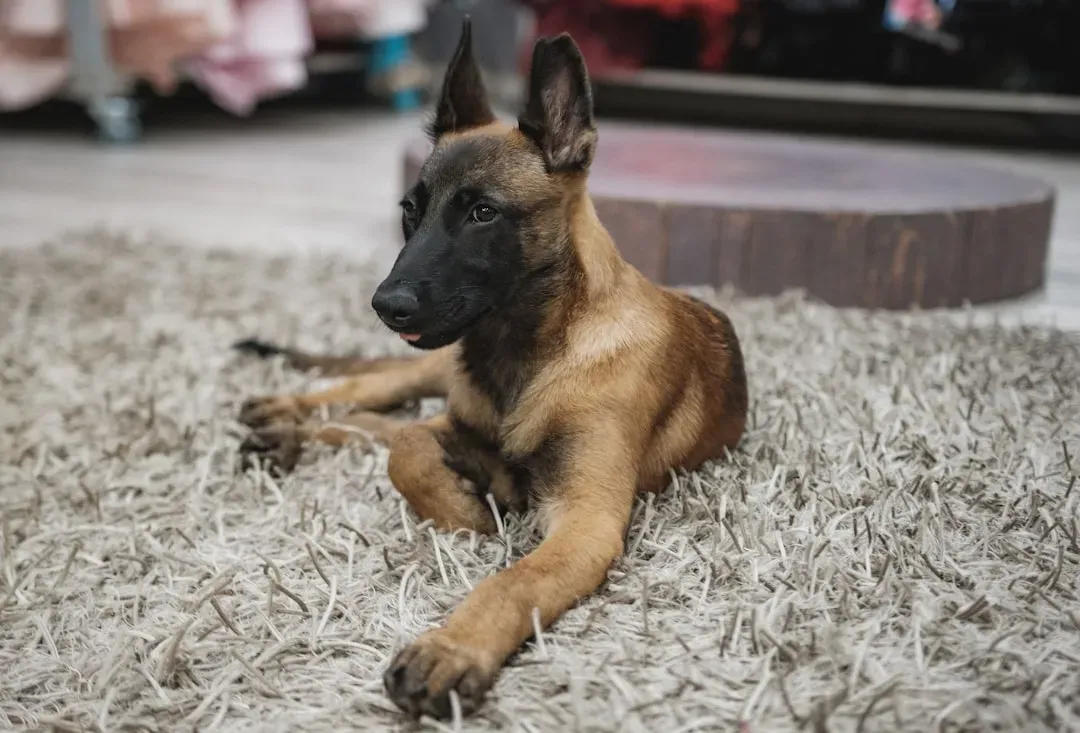
Belgian Malinois are used by military and police forces worldwide for good reason. Originally bred for herding, this dog thrives on having a job to do and requires an owner who can provide extensive training, regular, rigorous exercise, and mental stimulation; their intelligence and eagerness to please make them excellent at obedience, but these same traits mean they can quickly become bored and potentially destructive.
These dogs are not pets for the average household. When someone gets a Malinois because they look cool or seem impressive, tragedy follows. Without constant mental challenges and physical outlets, they develop severe behavioral issues. Obsessive behaviors, aggression, anxiety. I’ve seen Malinois that are incredible working dogs, and I’ve seen ones that are absolute wrecks. The difference? An owner who understood the commitment.
Alaskan Malamutes: Powerful Sled Dogs in Suburbia
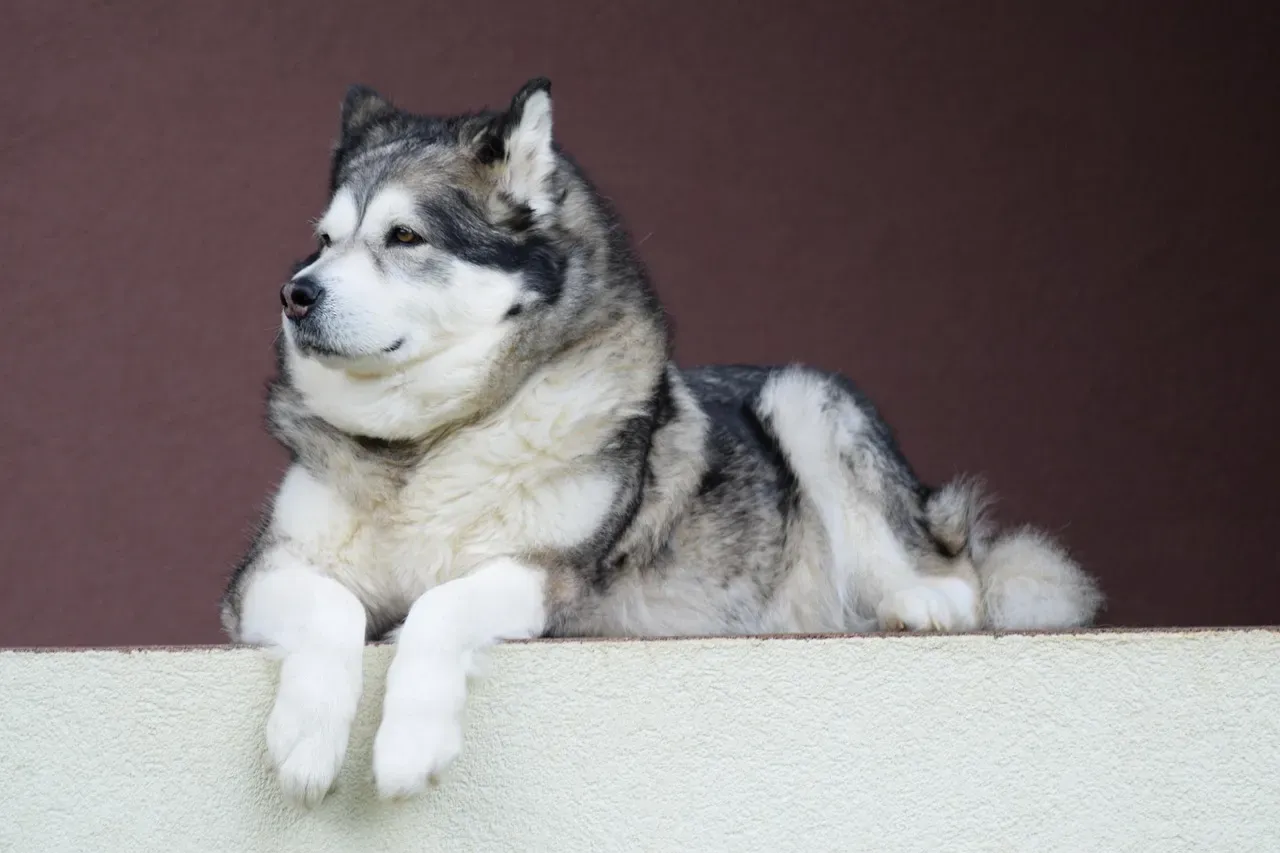
The Alaskan Malamute sheds like crazy, pulls on leash with all of his considerable weight, and is a talented escape artist; this breed is made to travel far on his own four feet and needs a family committed to a lot of exercise. Sounds manageable, right? Wrong.
These dogs were bred to pull sleds across frozen tundra. That drive doesn’t disappear because they’re living in a subdivision. Without proper training, they’ll drag you down the street. Without adequate exercise, they’ll destroy your home. Irresponsible owners who underestimate their strength and energy needs end up with unmanageable dogs. The Malamute becomes reactive on walks, aggressive toward other dogs, and impossible to control.
Doberman Pinschers: Sensitive Guardians
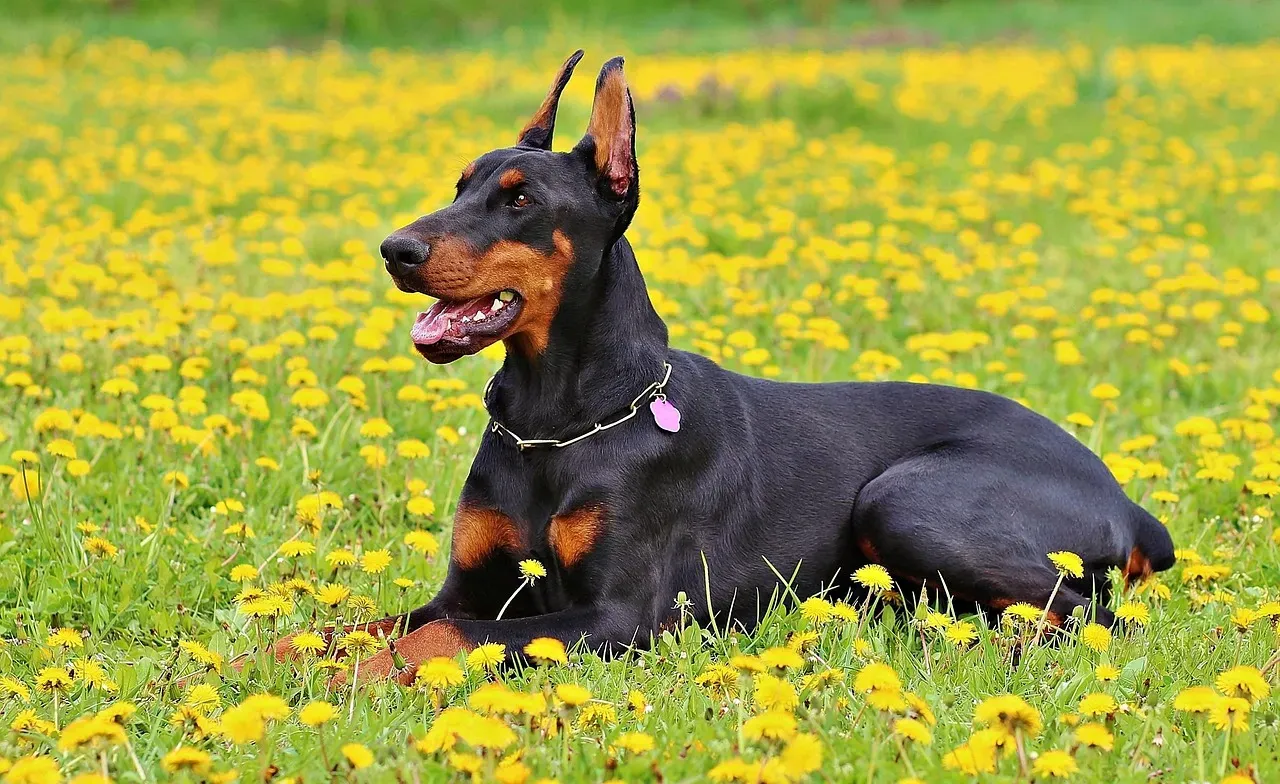
The Doberman Pinscher is a highly intelligent and alert breed, often used in protection work; their high energy and instinct to guard can make them challenging for new owners, and without proper mental and physical stimulation, they can become anxious and aggressive.
Dobermans are sensitive dogs despite their intimidating appearance. They bond intensely with their families. When an irresponsible owner fails to provide structure, the Doberman’s natural protectiveness becomes problematic. They react to perceived threats too quickly, become overly territorial, and develop anxiety-related behaviors. These aren’t low-maintenance dogs. They need consistent training throughout their lives, not just basic puppy classes.
Cane Corsos: Powerful Guardians Not for Beginners
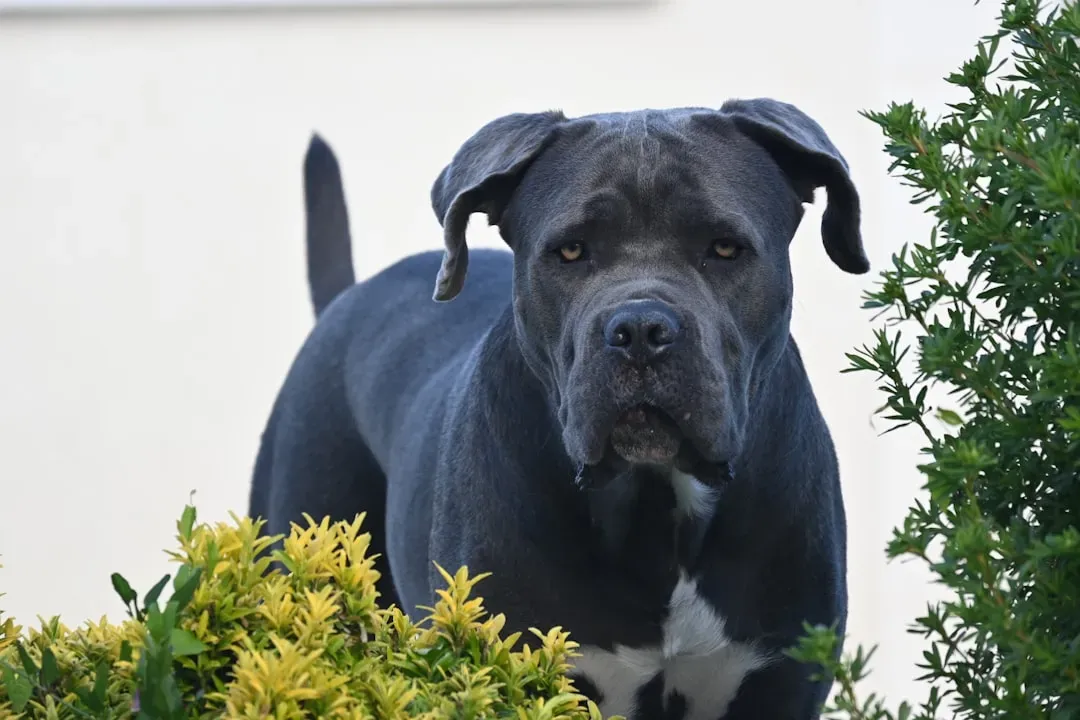
The Cane Corso is often recognized for its commanding presence and protective drive; historically bred in Italy as a guardian and hunter, this dog takes its role seriously even in a modern household, and that intensity can make them challenging for inexperienced owners whose independent nature means they often test boundaries.
These massive dogs need firm, consistent leadership from day one. Without it, they become dominant, stubborn, and potentially dangerous. Left unchecked, they may become overly dominant, which creates problems in homes without structured rules. An irresponsible owner who doesn’t understand how to establish authority ends up with a hundred-plus-pound dog calling the shots. That’s terrifying for everyone involved.
Conclusion
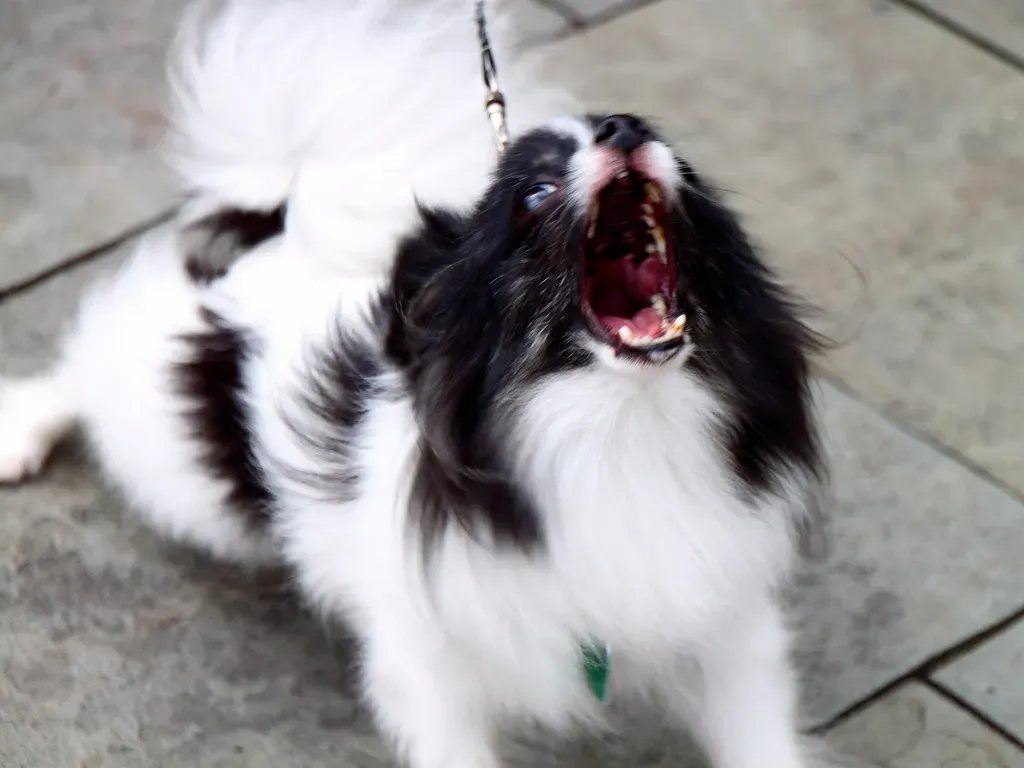
Here’s what keeps me up at night. None of these breeds are bad dogs. Not one. Dogs are more likely to become aggressive when they are unsupervised, unneutered, and not socially conditioned to live closely with people or other dogs. Every behavioral disaster I’ve described stems from human failure, not canine nature.
The time an owner spent caring for and training a dog is inversely correlated to the level of aggressive behavior the dog exhibits. Translation? Put in the work, get a great dog. Skip the work, create a problem. These breeds deserve better than irresponsible ownership. They deserve people who understand their needs, respect their instincts, and commit to lifelong training and socialization.
What do you think about these breeds? Have you witnessed firsthand how ownership makes all the difference?


