
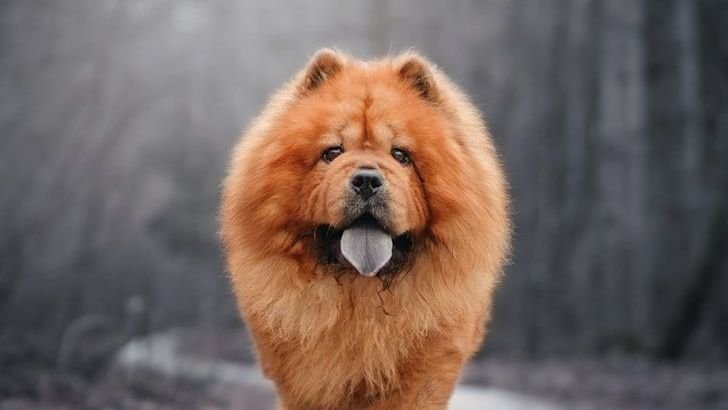
Picture this: you bring home your dream dog, expecting endless cuddles and that devoted companion you’ve seen in movies. Instead, your new furry friend prefers their own space, ignores your calls, and seems more interested in the squirrels outside than spending time with you. This scenario isn’t uncommon, especially with certain breeds that were designed to think for themselves rather than live to please their humans.
While every dog deserves love and care, some breeds simply weren’t built for the clingy, follow-you-everywhere lifestyle that many pet owners expect. These independent spirits can make wonderful companions when you understand their nature, though they might leave you wondering if they actually like you at all.
1. Afghan Hound: The Regal Loner
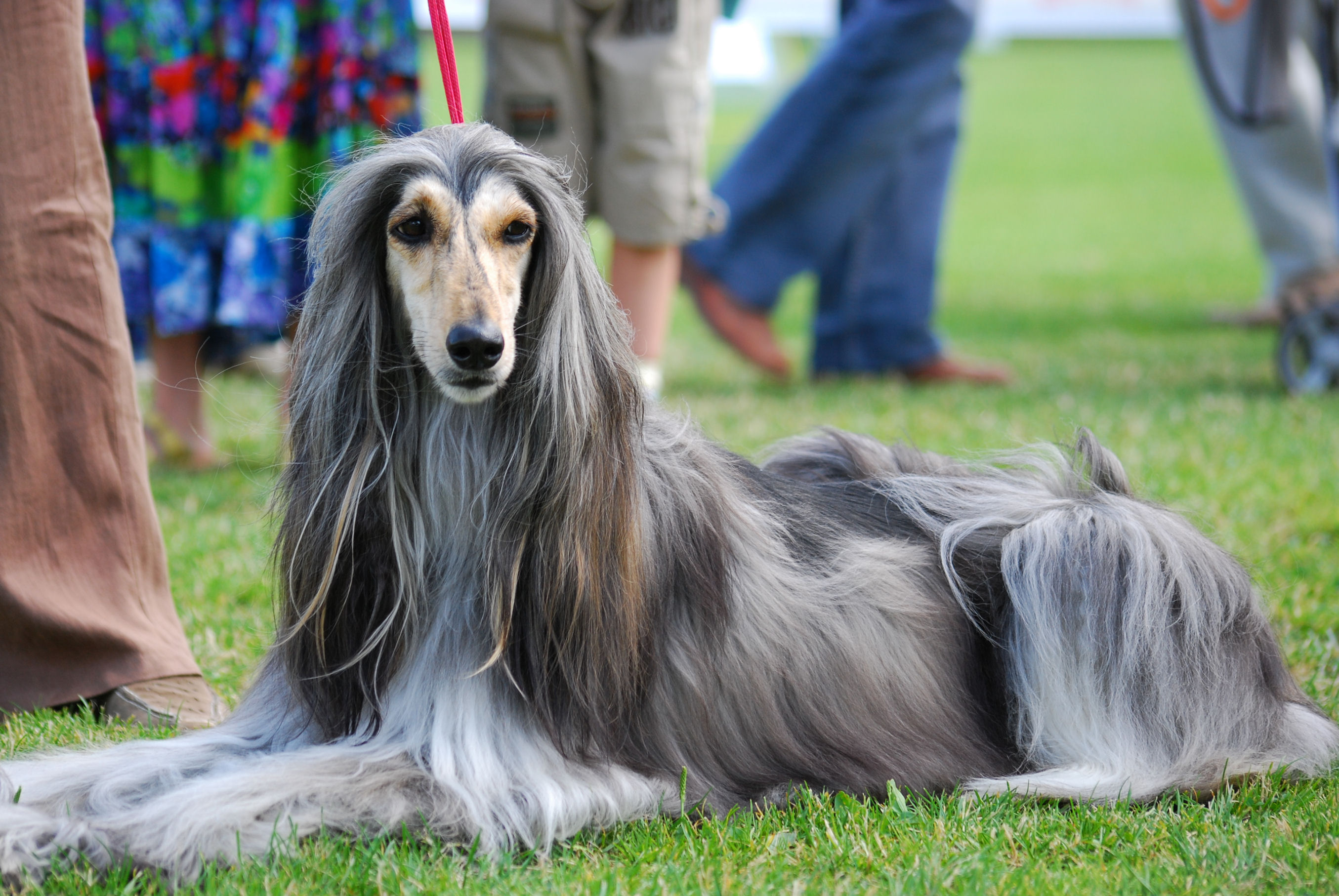
These elegant sighthounds carry themselves with an air of aristocracy that matches their history as royal hunting companions. With flowing locks and regal bearing, Afghan Hounds carry themselves with an air of elegant detachment. Their aloofness isn’t personal – it’s simply part of their ancient desert heritage.
Afghan Hounds are known for their beauty and intelligence, but they are also one of the most independent dog breeds. They can be aloof and often choose to listen to commands on their own terms. When they do show affection, it feels earned rather than freely given.
These independent hunters form bonds that are respectful rather than clingy. They appreciate owners who don’t demand constant affection. Think of living with a sophisticated roommate who occasionally graces you with their presence.
Their independent hunting background means they’re comfortable making decisions without human input. This can make training feel like negotiating with a stubborn teenager who’s convinced they know better than you do.
2. Basenji: The Cat in Dog’s Clothing
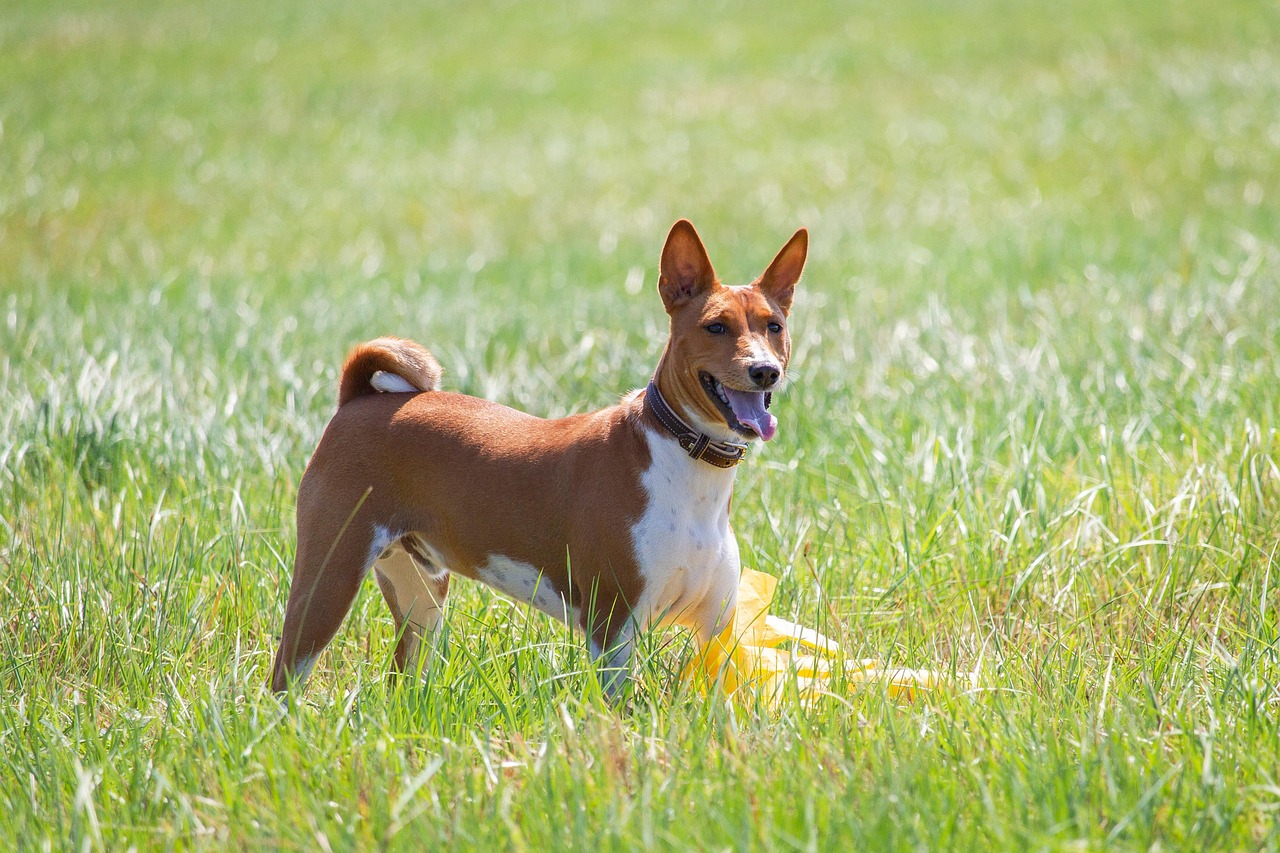
Known as the “barkless dog,” the Basenji is a unique character in the canine world. Its aloof and independent nature often translates to challenges in bonding with humans. These African hunting dogs have perfected the art of selective hearing.
The independent Basenji is notorious for being quiet – they’re often referred to as “the barkless dog.” These medium-sized pups are frequently described as having a catlike personality because of their aloof temperament, reserved nature, and tendency to groom themselves.
Often called the “barkless dog,” Basenjis communicate their independence in other ways. These ancient African hounds approach relationships with dignified reserve, preferring respectful partnerships over doting devotion.
Don’t expect a Basenji to rush to greet you at the door with enthusiastic tail wags. They’re more likely to give you a polite acknowledgment before returning to whatever they were doing, much like a cat would.
3. Chow Chow: The Lion-Hearted Guardian
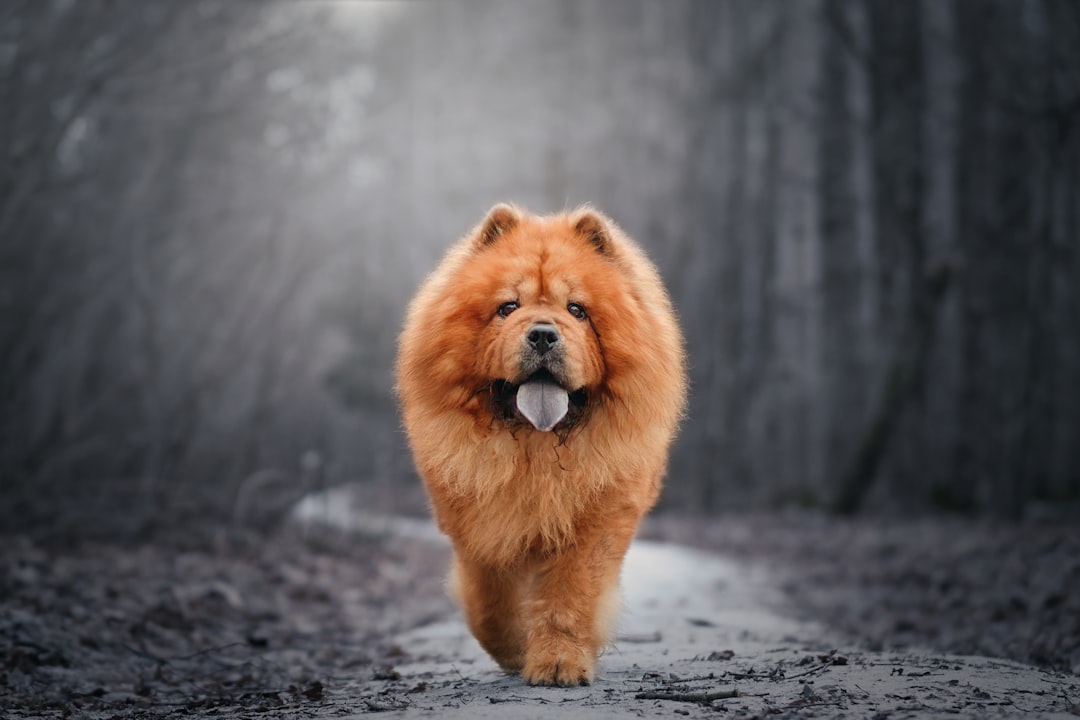
Chow Chows are aloof and independent, often forming strong bonds with their family but maintaining a certain level of self-sufficiency. These dogs are recognizable by their lion-like manes and distinctive blue-black tongues.
However, they do tend to be one-person dogs. In other words, they may bond closely with only one person in the family and ignore everyone else. This selective bonding can create awkward family dynamics where the dog basically pretends half the household doesn’t exist.
Chow Chows are a medium-sized and heavily coated breed from China, where they were used as general purpose working dogs. Today they are mostly kept as pets and are known for being independent, aloof and even cat-like in temperament.
Their guardian instincts mean they’re always evaluating situations rather than eagerly seeking approval. Living with a Chow Chow is like having a stoic bodyguard who occasionally allows you the privilege of petting them.
4. Shiba Inu: The Bold Individualist
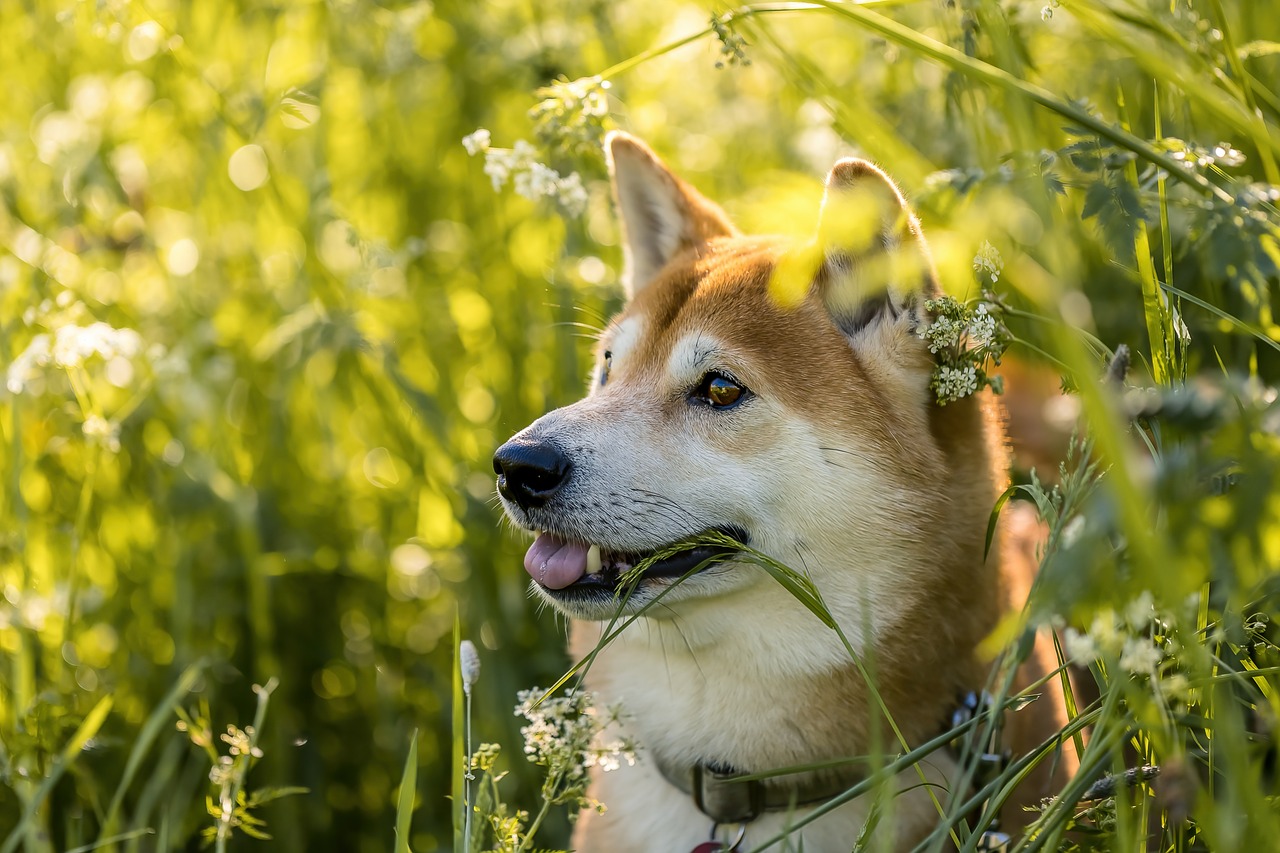
Demling-Riley says the Shiba Inu has been used as a hunting dog in Japan for centuries, so this type of dog is used to doing things on its own. “Since they hunted without direct human guidance, they have an independent personality,” she says.
The Shiba Inu, a spirited breed from Japan, is renowned for its boldness and fox-like appearance. Originally bred for hunting, Shibas are naturally alert, agile, and determined. Their independent nature means they often prefer doing things their own way.
Independence can come with a cost, however. The American Kennel Club (AKC) warns that the Shiba Inu can be difficult to train. They have mastered the art of selective compliance, choosing when and if they’ll follow your requests.
Shiba Inus are famous for their dramatic “Shiba scream” when they disagree with something, but they’re equally famous for their ability to completely ignore you when it suits them. They love their families but on their own terms.
5. Akita: The Silent Guardian
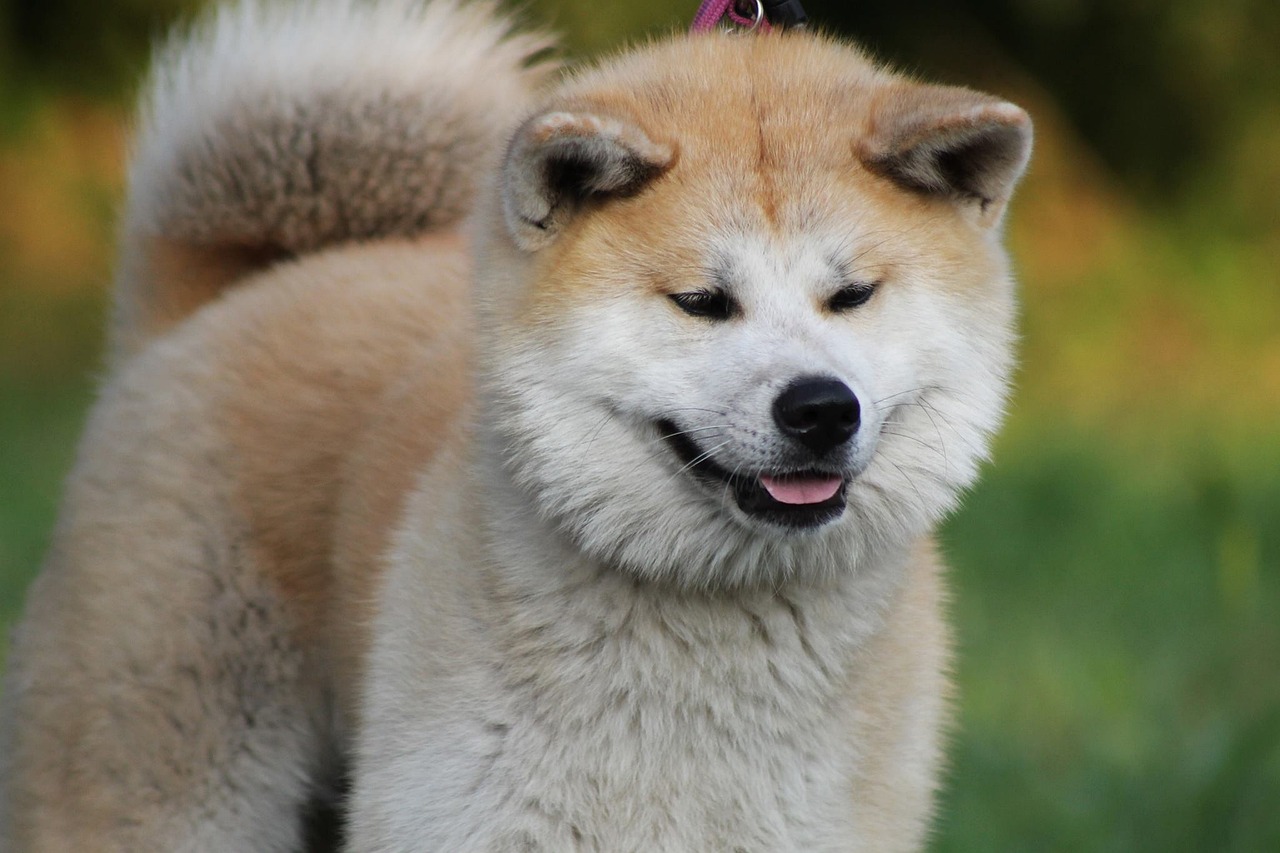
The Akita is a dignified and powerful breed that originated in Japan. Traditionally used for guarding and hunting, Akitas are known for their quiet confidence and strong protective instincts. These dogs are naturally independent, forming deep bonds with their families while remaining aloof with strangers.
An Akita has a strong but independent personality. While they form tight-knit bonds with their human family members, Akitas are typically reserved or even uncomfortable around people they don’t know.
They’re clean, often grooming themselves, and do not usually bark without cause. While affectionate with loved ones, they do not demand constant interaction. When an Akita shows affection, it’s meaningful because it’s not freely given to everyone.
These dogs were bred to work independently as guardians, making decisions without human direction. This independence can make them seem emotionally distant, even when they’re deeply loyal to their family.
6. Shar Pei: The Wrinkled Skeptic
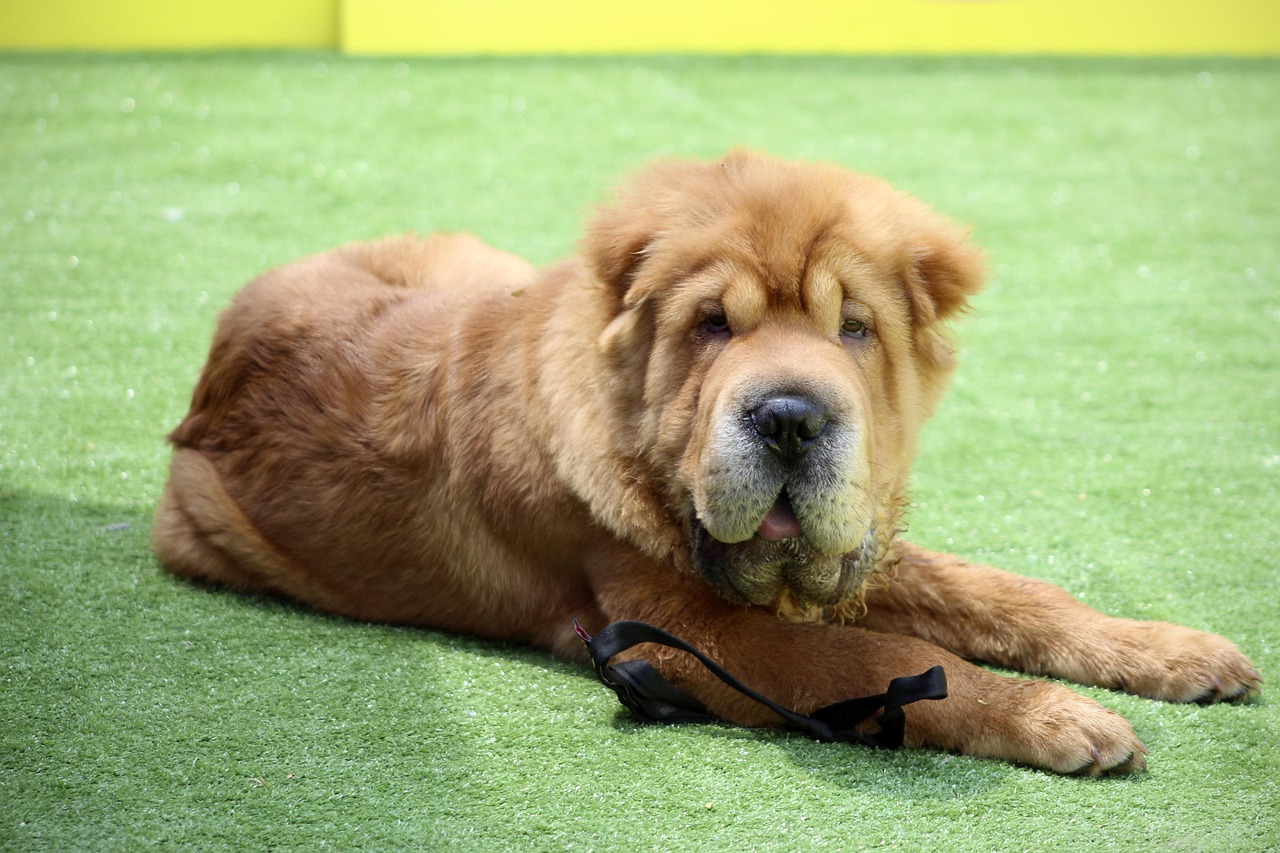
The Shar-Pei is a Chinese dog notable for its excessive wrinkles and prickly fur. Originally used as guard dogs, they are suspicious of strangers and are loyal to but independent of their owners.
These ancient Chinese guardians approach relationships with healthy skepticism. They’re not the type to instantly warm up to new people or situations, preferring to observe and evaluate before deciding if someone is worthy of their attention.
Shar Peis have a natural aloofness that can make bonding challenging for owners expecting an eager-to-please companion. They show love through protection and presence rather than overt displays of affection.
Early training and socialization is especially important in this breed to avoid aggression problems later. Their independent nature requires patient, consistent guidance to develop a trusting relationship.
7. Greyhound: The Gentle Couch Potato
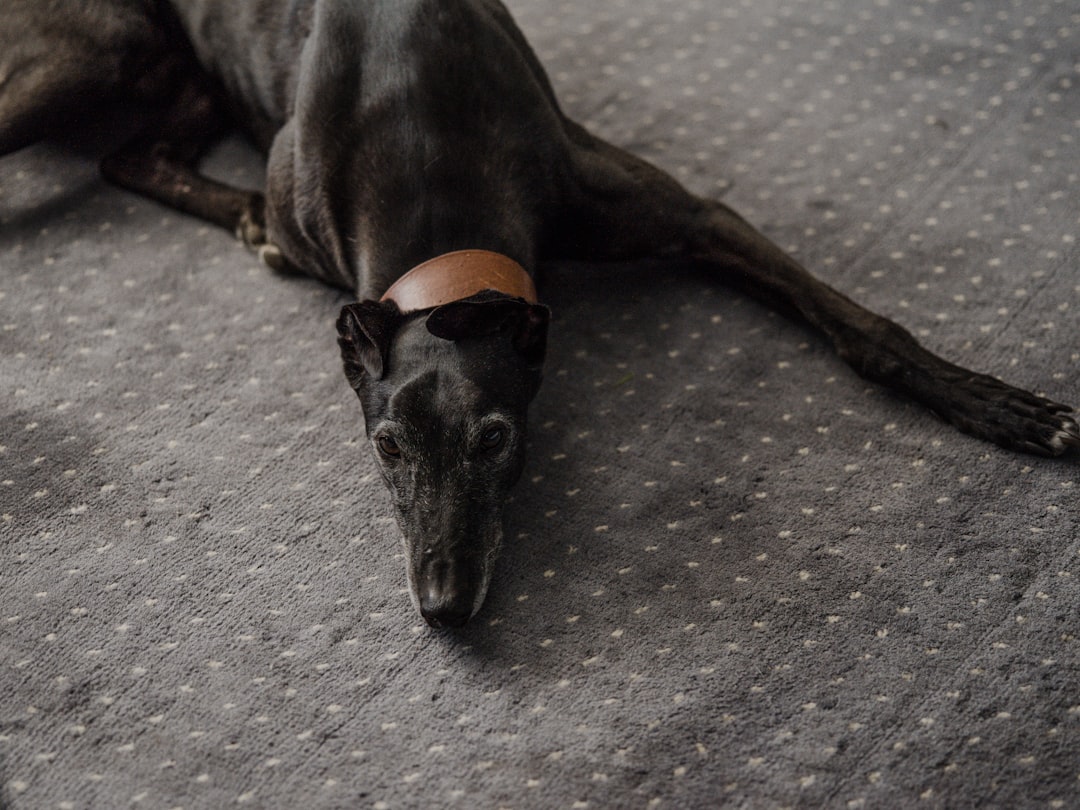
Italian greyhounds are known to be quite needy, but their bigger cousins the greyhounds are a little less overwhelming. These sweet, gentle, and affectionate pups do enjoy being around their people, but they tend to like their own space, too.
Greyhounds, known for their speed and grace, are surprisingly laid-back and independent. Originally bred for hunting and racing, these dogs are sighthounds that rely on quick decisions and visual acuity.
This is another breed that can resemble a cat in that regard! Another cat-like trait is that they’ll sneak off alone to find cozy quiet spots to sleep. Don’t take it personally when your Greyhound chooses a sunny spot away from the family chaos for their afternoon nap.
Their racing background taught them to be comfortable with solitude and making split-second decisions without looking to humans for guidance. This can translate to a somewhat detached personality in home life.
8. Saluki: The Desert Aristocrat
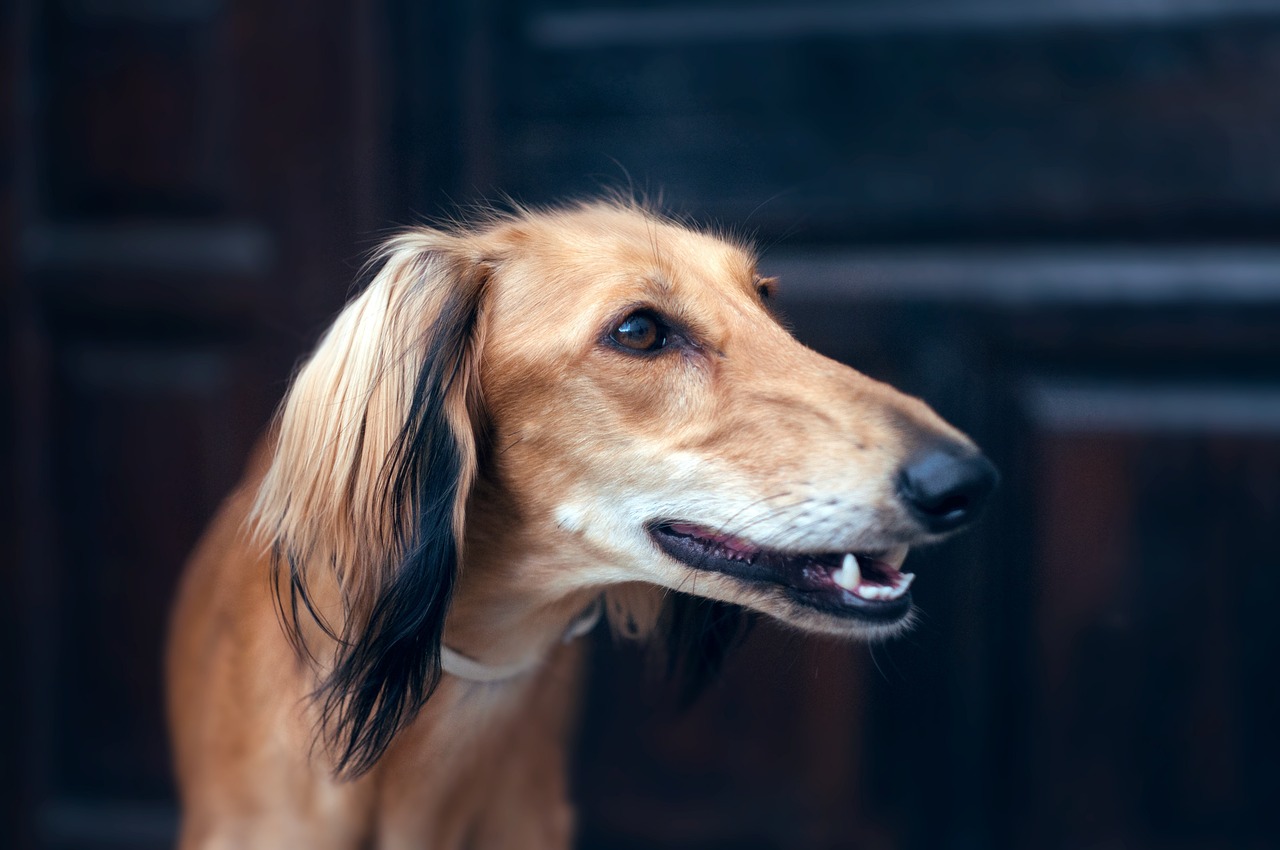
Salukis are one of the oldest dog breeds, known for their independence and aloof demeanor. They have a strong prey drive and are used for hunting in many parts of the world.
Salukis are elegant, graceful, and somewhat reserved. They value their personal space while maintaining a deep bond with their owners. This ancient sighthound breed appreciates respect over constant attention.
Therefore, they’re best for those who don’t want a needy dog – but a quiet companion instead. Salukis offer a dignified presence rather than boisterous enthusiasm.
These desert hunters were bred to work independently at great distances from their human companions. This heritage shows in their ability to seem emotionally distant even when they’re physically present with their family.
9. Korean Jindo: The Loyal Loner
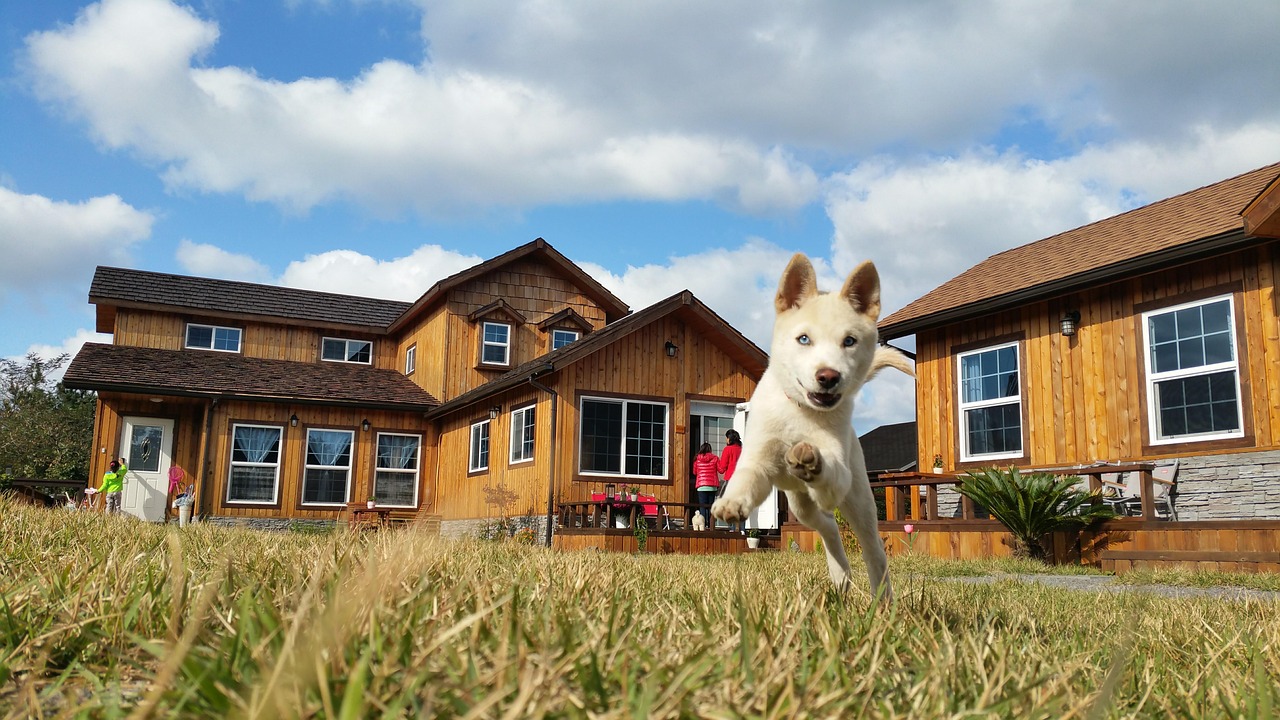
A Jindo is a medium-sized dog breed that originated in Korea as a hunting dog. Smart but reserved, the Jindo does best with experienced pet parents who can dedicate themselves to training and socializing so their dog is comfortable in new situations.
The Jindo is becoming more popular outside of its home country of Korea, but the breed is very aloof and independent, making it unsuitable for novice owners. That said, they are known for their deep loyalty to their families and their gentle nature.
Jindos are famous for their incredible loyalty, but this loyalty doesn’t translate to neediness or constant attention-seeking. They prefer to love from a distance, much like a devoted but independent teenager.
Their reserved nature means they take time to warm up to new family members and may never fully accept outsiders. This selective bonding can make them seem standoffish to those not in their inner circle.
10. Chinese Crested: The Perching Observer
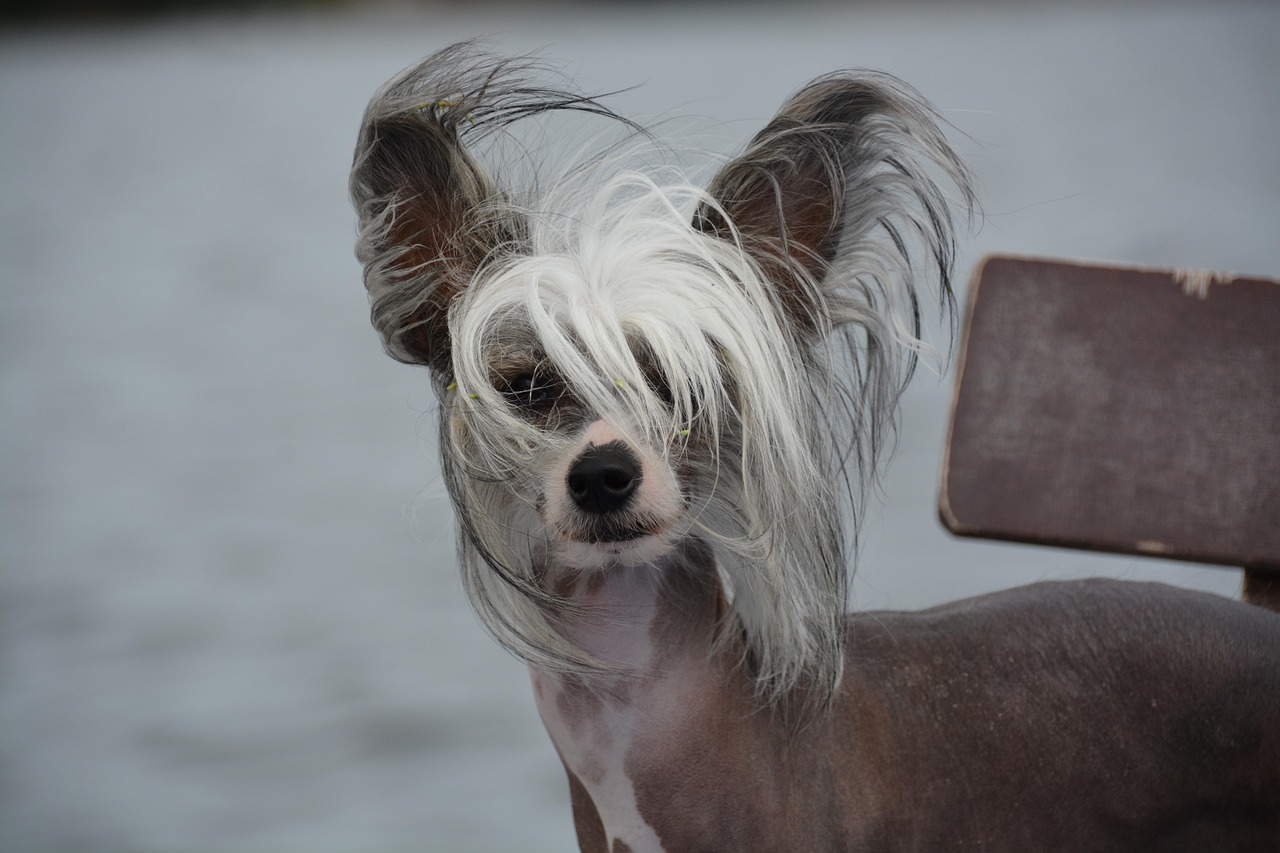
The Chinese Crested is another dog breed frequently described as having a cat-like personality. In this case, it’s because of the dog’s tendency to perch in high places where they have a view of the activity inside or outside the home – even if they’re not participating in the action.
Although these dogs tend to be very affectionate with their family, they are more aloof to strangers. This creates an interesting dynamic where they’re simultaneously loving and distant depending on the situation.
Chinese Crested dogs prefer to observe life rather than fully participate in it. They’re content to watch family activities from their elevated perches, like small, hairless sentries keeping watch over their domain.
Their tendency to bond intensely with one person while remaining aloof with others can make them seem like they’re playing favorites, which can be challenging in multi-person households.
Understanding Independent Spirits
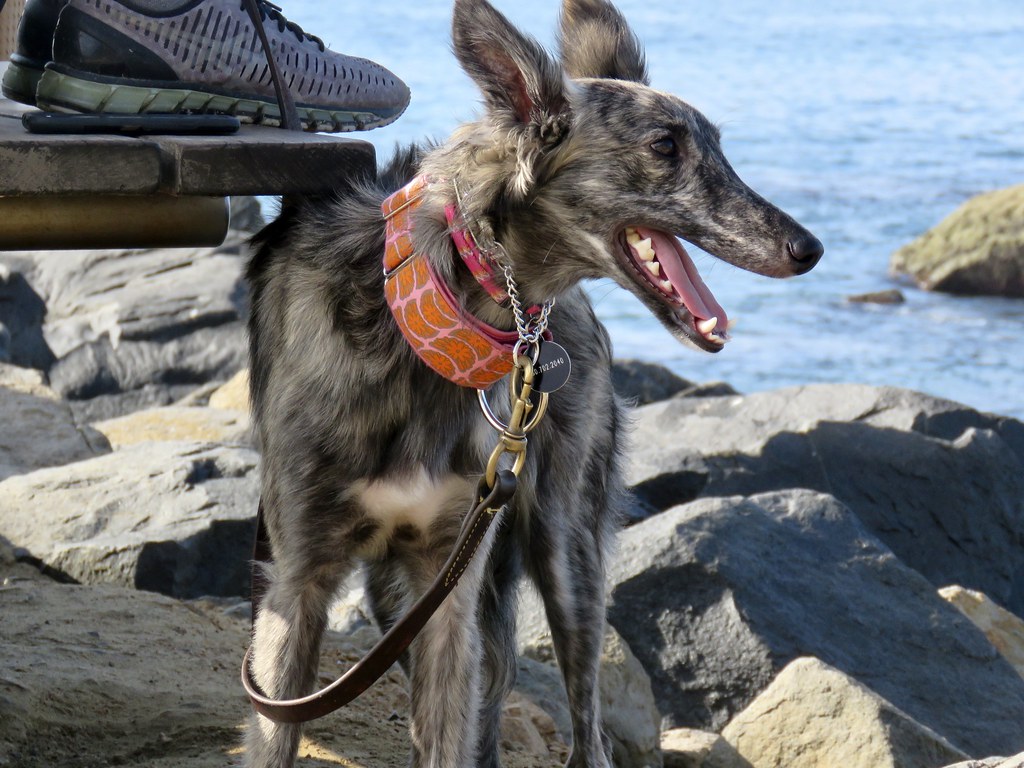
Yes, despite their independent nature, these dogs can form strong and loyal bonds with their owners. They may not require constant attention, but they value companionship and can be affectionate in their own way.
The key to success with these breeds lies in adjusting your expectations. Instead of seeking a velcro dog who follows your every move, appreciate the quiet dignity and selective affection these breeds offer.
Overall, independent dog breeds are not for everyone, as they require a certain level of patience and understanding. However, for those who appreciate their unique personalities and abilities, they can make loyal and devoted companions.
These dogs teach us that love comes in many forms. Sometimes the most meaningful relationships are built on mutual respect rather than constant need for validation.
Remember, difficult bonding doesn’t mean impossible bonding. These breeds can form deep, meaningful relationships with their humans, just don’t expect them to wear their hearts on their sleeves. They’re more like that friend who shows love through actions rather than words, loyalty rather than clinginess, and respect rather than neediness. What do you think about these independent spirits? Tell us in the comments.


