
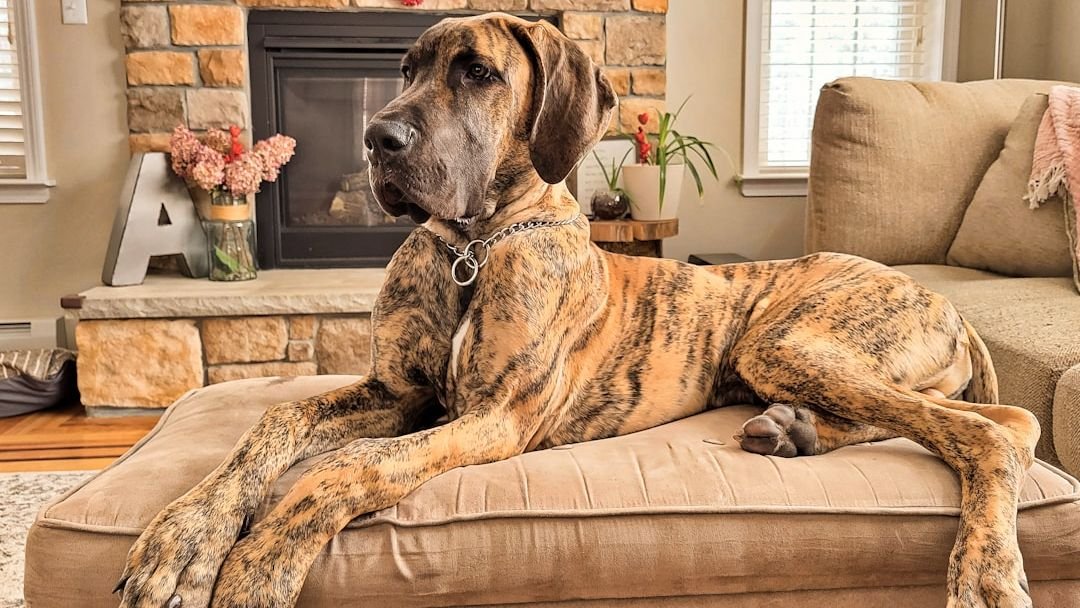
Picture this. You’ve just settled into your favorite spot on the couch, remote in hand, ready to unwind after a long day. Suddenly, you feel the weight of a warm, furry body curling up beside you, letting out a contented sigh that matches your own. This is the magic of sharing your life with a low energy dog. Not every pup needs to run marathons or conquer hiking trails to be happy. Some dogs are born snugglers, bred for companionship rather than relentless activity.
Whether you live in a cozy apartment, have a busy work schedule, or simply prefer quiet evenings at home, there’s a four legged friend out there perfectly suited to your lifestyle. This isn’t about laziness. It’s about finding harmony between your energy level and theirs. So let’s dive into the wonderful world of couch potato canines, and then switch gears to celebrate those active achievers who thrive on adventure.
The English Bulldog: Your Stocky Sidekick
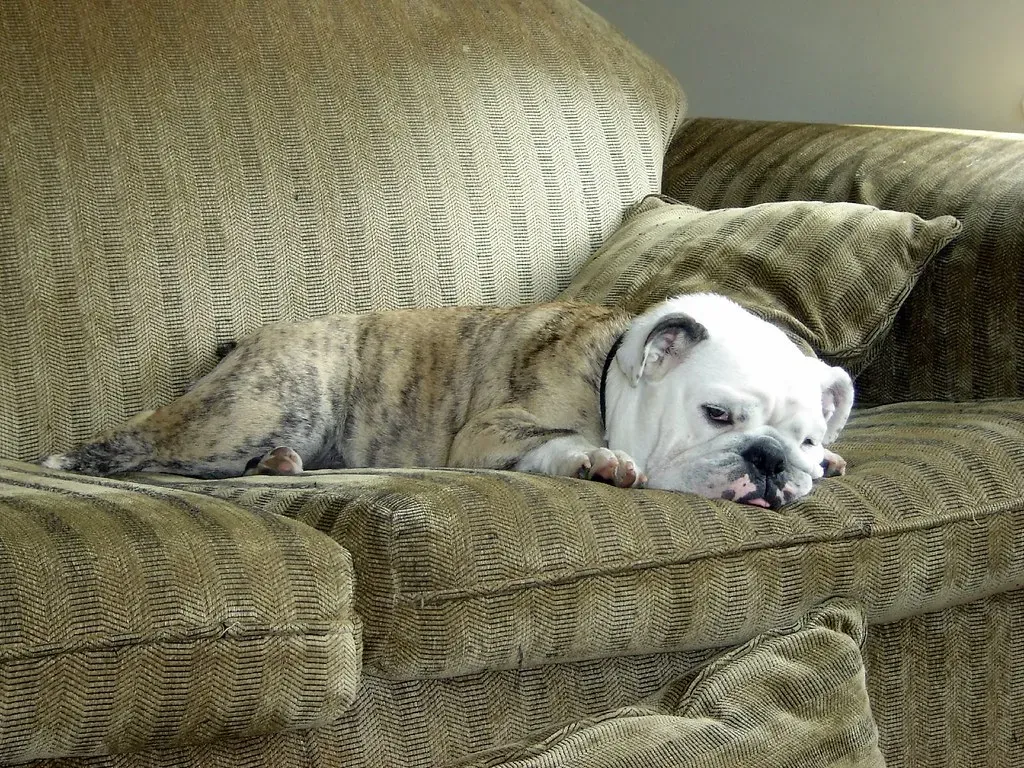
The English Bulldog may have originated for the purpose of bull baiting in England but now enjoys its status as a popular companion dog, and is generally relaxed at home. Their sturdy, compact build and adorable wrinkled face make them instantly recognizable. Despite their muscular appearance, these dogs are surprisingly content to spend most of their day lounging.
English Bulldogs are susceptible to dental problems and obesity. This means regular vet checkups and portion control are essential. Their short muzzle also makes them prone to overheating, so keep them indoors during hot weather and always provide plenty of water. A couple of leisurely walks each day will keep them healthy without overwhelming their naturally calm disposition.
The Greyhound: The Fastest Couch Potato
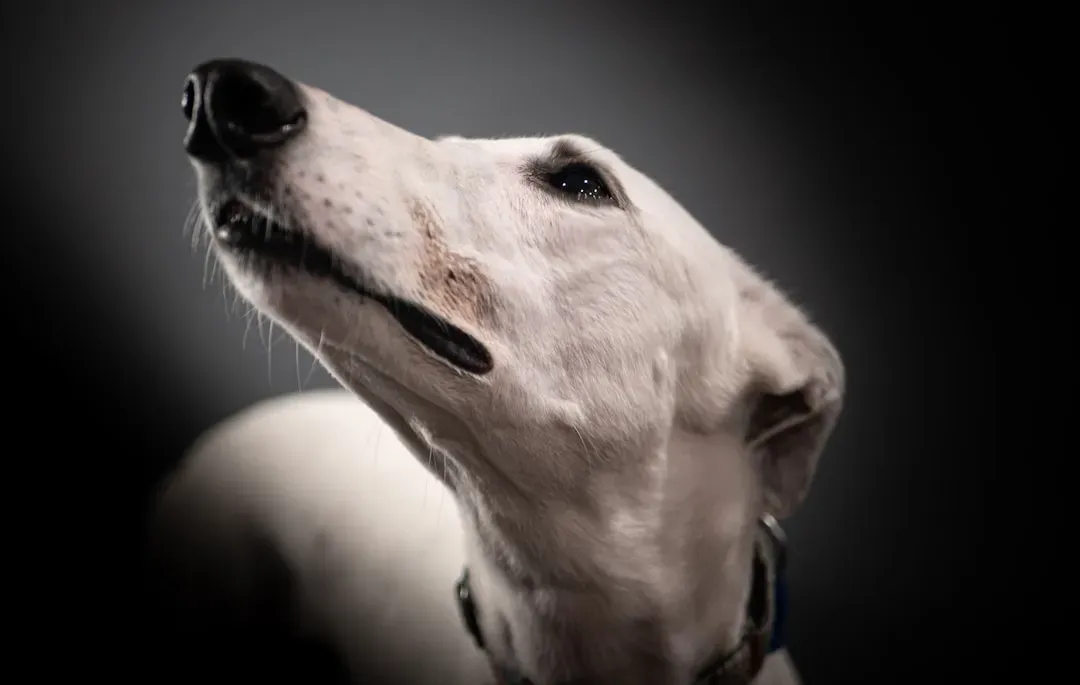
Here’s something that surprises most people. Despite being famous for athleticism and speed, the Greyhound only requires an occasional gallop to offset a napping regime and does best in a calm, quiet home. These elegant dogs are often called forty mile per hour couch potatoes for good reason.
Most of these gorgeous dogs no longer have any part in racing, and they’re more comfortable taking leisurely walks around the neighborhood, with the older this breed gets, the less interest they have in exercise. They’re gentle with people and other dogs, making them excellent apartment dwellers despite their size. Just be mindful that their prey drive remains strong, so they may chase small animals if given the opportunity.
The Cavalier King Charles Spaniel: Royalty on the Couch
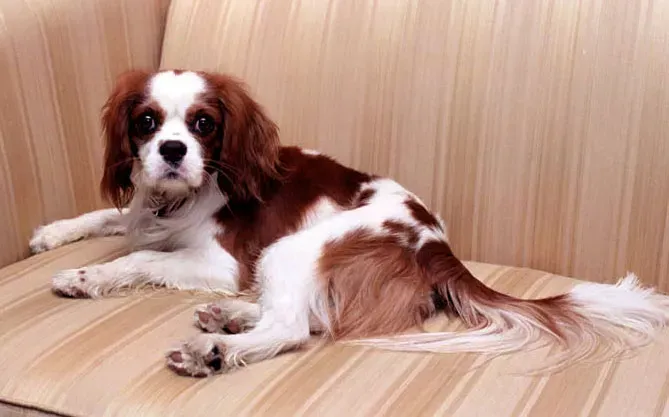
A gentle breed that makes an excellent therapy dog, Cavalier King Charles Spaniels are both loving and adaptable, happy to live in either the city or the country, sweet, affectionate and friendly towards other pets, dogs and strangers, and while they explore outdoors and require regular walks, they are relaxed and calm in the home.
Their silky, flowing coat and expressive eyes make them absolutely gorgeous. Cavaliers form deep bonds with their families and truly just want to be wherever you are. They’re happy to join you on a walk around the block but equally thrilled to spend hours nestled against your side. This breed is particularly wonderful for first time dog owners or families with children because of their patient, gentle nature.
The Shih Tzu: Ancient Lap Dog Royalty
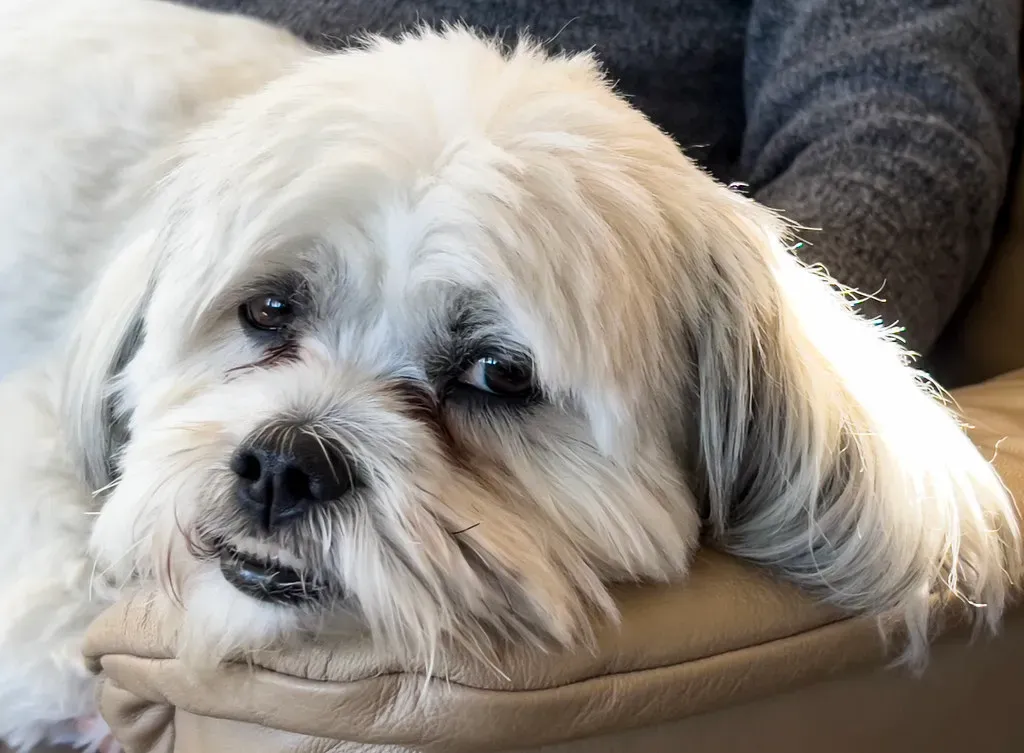
The Shih Tzu is a classic lap dog, bred for royalty and companionship, and these small breeds are playful but don’t require high levels of exercise. With their long, flowing hair and distinctive underbite, they’re as charming as they are low energy.
Don’t let their luxurious coat fool you into thinking they’re high maintenance in the exercise department. Small and not very fond of the outdoors, these dogs are the perfect lazy and low-energy dog who will be content with following you around the apartment all day as their daily exercise. However, their beautiful hair does require regular grooming to prevent matting. Many owners opt for shorter clips to make daily maintenance easier while still keeping that adorable Shih Tzu charm.
The French Bulldog: The City Dweller’s Dream
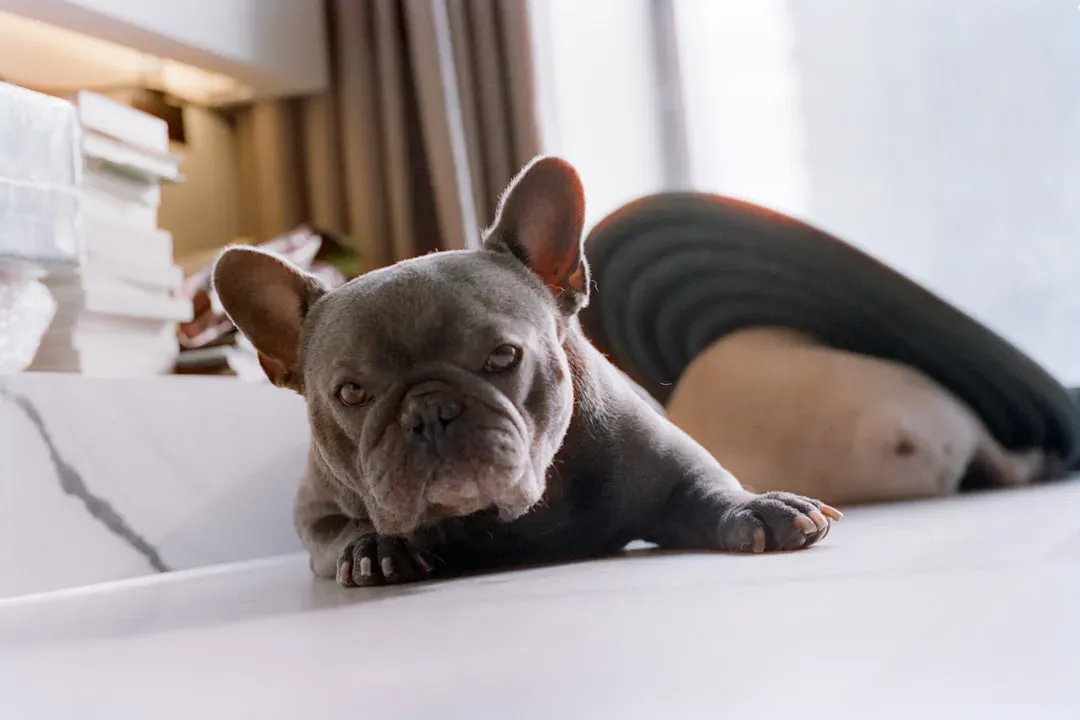
Another clownish, friendly and willing to please breed, the French Bulldog loves snoozing and cuddling with its family, and ideal companion dogs, Frenchies were bred to be lap dogs and revel in their couch time, requiring minimal exercise beyond a short daily walk or romp in the yard.
Their bat like ears and compact muscular build make them utterly adorable. Frenchies have skyrocketed in popularity among apartment dwellers because they adapt beautifully to small spaces. French Bulldogs tend to snore and wheeze and are prone to overheating in warm weather. Always monitor them during warmer months and avoid strenuous activity when temperatures rise.
The Basset Hound: The Droopy Eared Dreamer
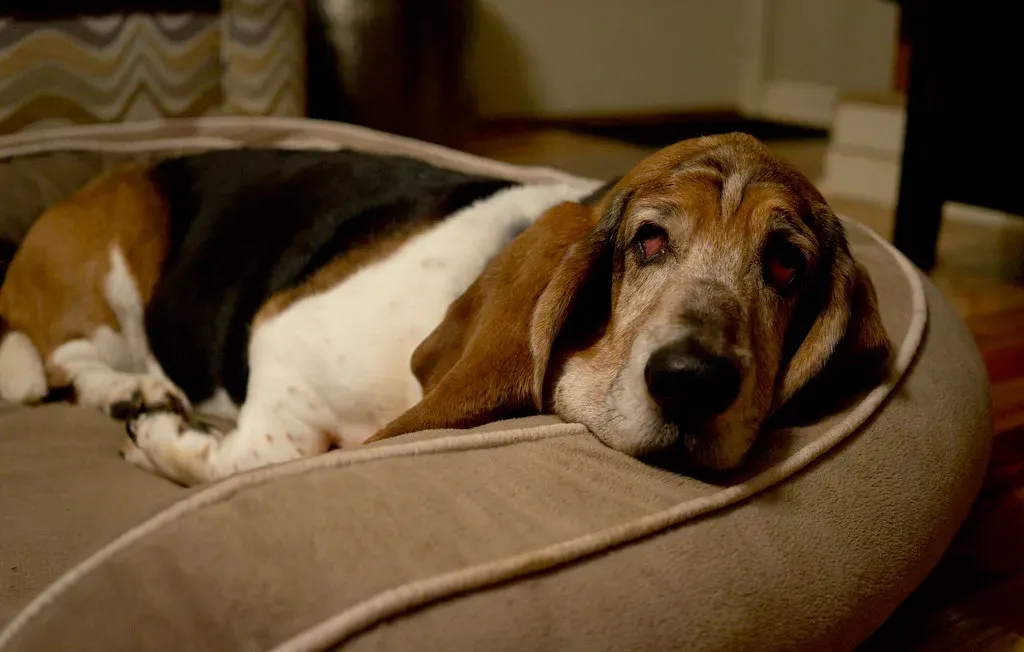
The Basset Hound is the epitome of a lazy dog, and despite their hunting background, Basset Hounds are couch potatoes at heart. With their long droopy ears, soulful eyes, and short legs, they look like they were designed specifically for napping.
They’re also very low energy and have an independent streak, which can make exercise and training activities a challenge. Bassets do have incredible noses though, so incorporating scent work into their routine can provide mental stimulation without physical exhaustion. Be aware that they can be vocal when left alone and may drool quite a bit. Their laid back personality more than makes up for these minor quirks.
The Pug: Playful Yet Low Key
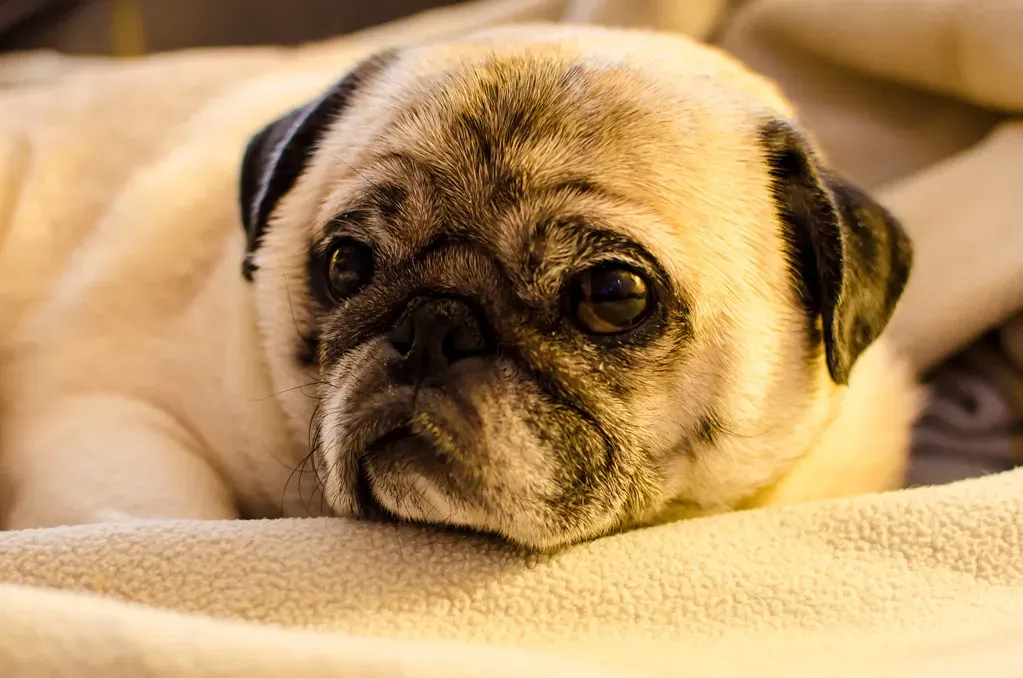
Playful and always hilarious, the Pug doesn’t need much activity to have fun, and sensitive to extreme temperatures and prone to breathing problems, the Pug is happiest when frolicking around indoors. These small dogs pack enormous personality into their compact frames.
Pugs are incredibly food motivated, which makes training relatively easy but also means you need to watch their diet carefully. This breed is sometimes prone to overeating, and getting an overweight Pug to lose weight can be as hard as getting your landlord to fix that leaky faucet. Daily short walks and monitoring portion sizes will help keep your Pug healthy and happy for years to come.
The Great Dane: Gentle Giant
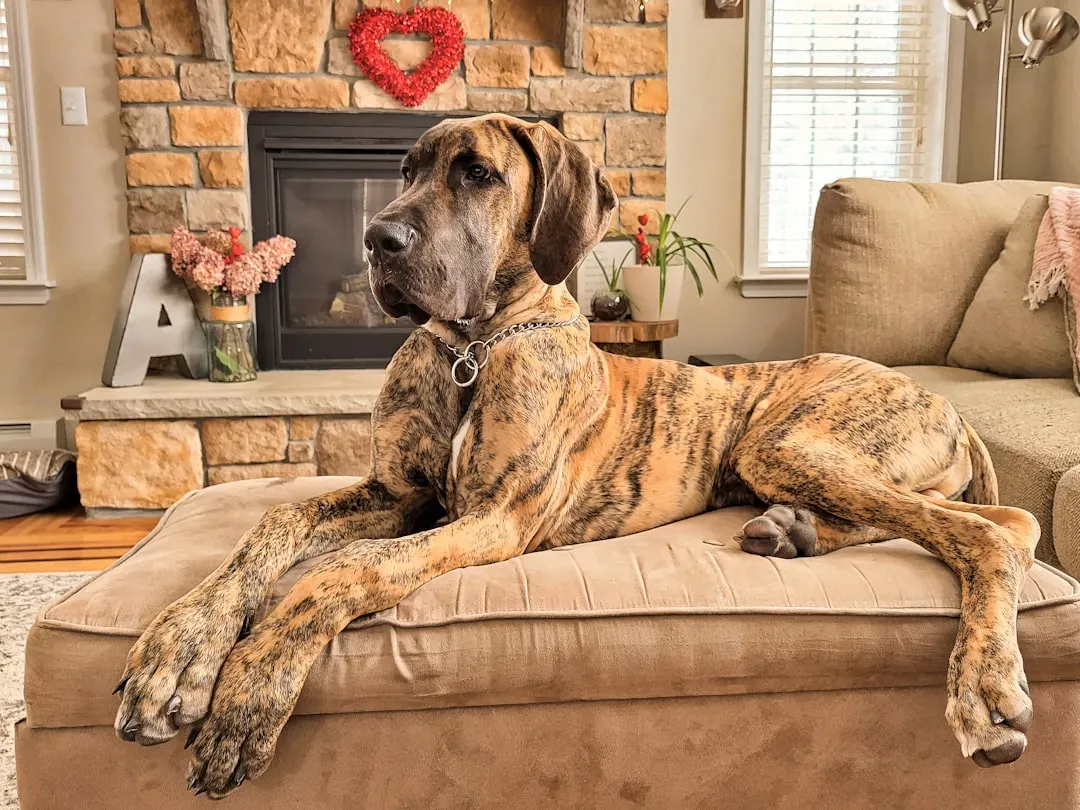
Bred as a war dog and wild boar hunter, Great Danes are more commonly seen now as a loving and loyal companion pet, and though it is an extremely large breed, Great Danes have moderate energy levels and don’t require too much exercise, known for being a lap dog in a giant’s body.
Despite their imposing size, Great Danes are remarkably gentle and calm indoors. They do need space simply because of their dimensions, but they’re not demanding constant activity. A couple of walks each day and a large comfortable bed are really all they need. Their size does come with health considerations, so proper nutrition and regular veterinary care are crucial for keeping these magnificent dogs healthy.
The Newfoundland: The Cuddly Bear
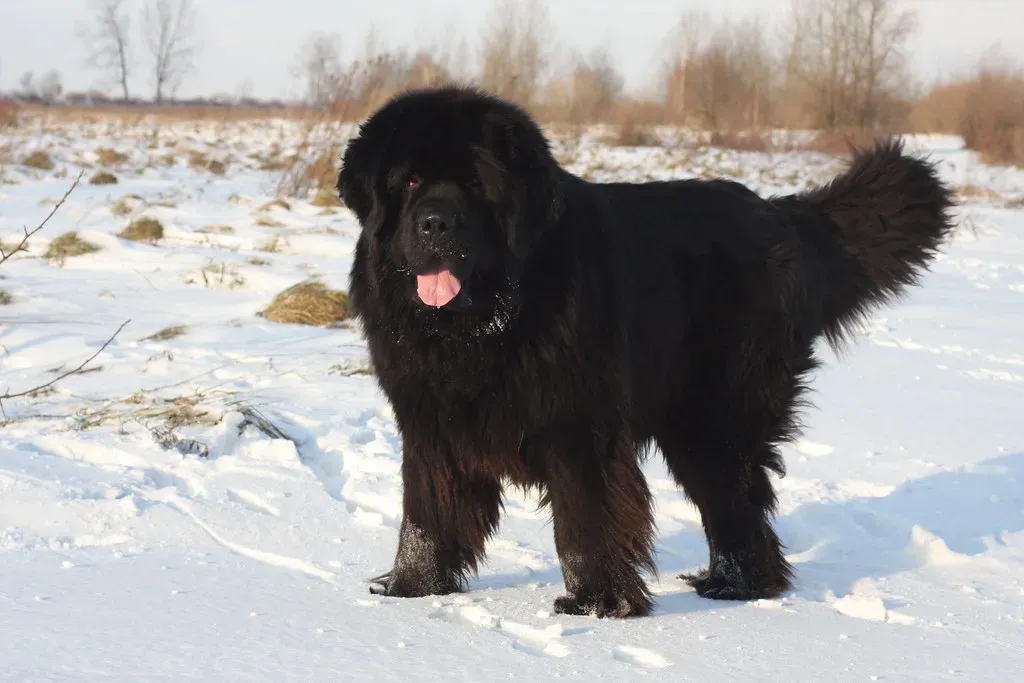
Another large breed with a loving disposition, the Newfoundland is an adorable snuggle buddy with a calm nature that can spend most of its time sitting around the house without getting bored, typically needing about 30 to 60 minutes of exercise per day.
These gentle giants were originally bred as working dogs, capable of intense activity when needed, but they’re equally content to lounge around the house. Those hard-working instincts shine in moments of activity but seemingly disappear when the work is done. Newfoundlands are particularly wonderful with children, earning them the nickname nanny dogs. Their thick coat requires regular grooming, and they do tend to drool, but their sweet temperament makes them beloved family members.
The Clumber Spaniel: The Heaviest Spaniel
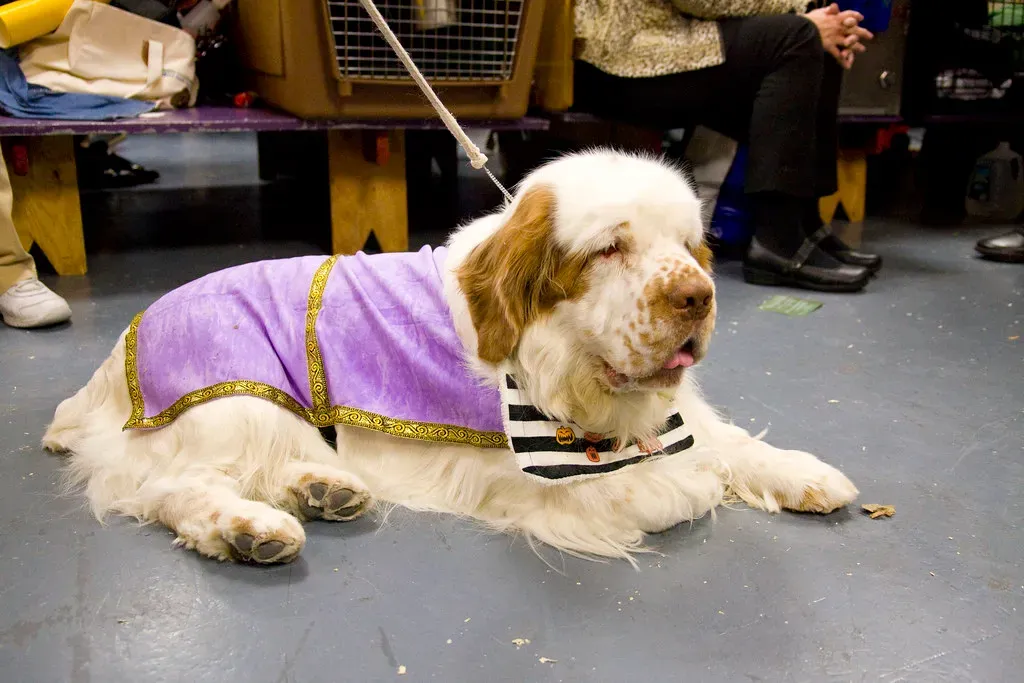
An uncommon breed with true couch potato instincts, the Clumber is a heavy-built spaniel who sleeps indoors but is perfectly willing to play some fetch or run about outside, with their calm nature making them among the best big lazy dog breeds.
This less common spaniel breed deserves more recognition among couch potato enthusiasts. Beware this breed loves to eat and is known to scrounge for leftovers wherever they can find them. So keeping food securely stored is important. Clumber Spaniels bond deeply with their families and are happy to adapt to your activity level, making them wonderfully flexible companions.
The Border Collie: The Genius Athlete
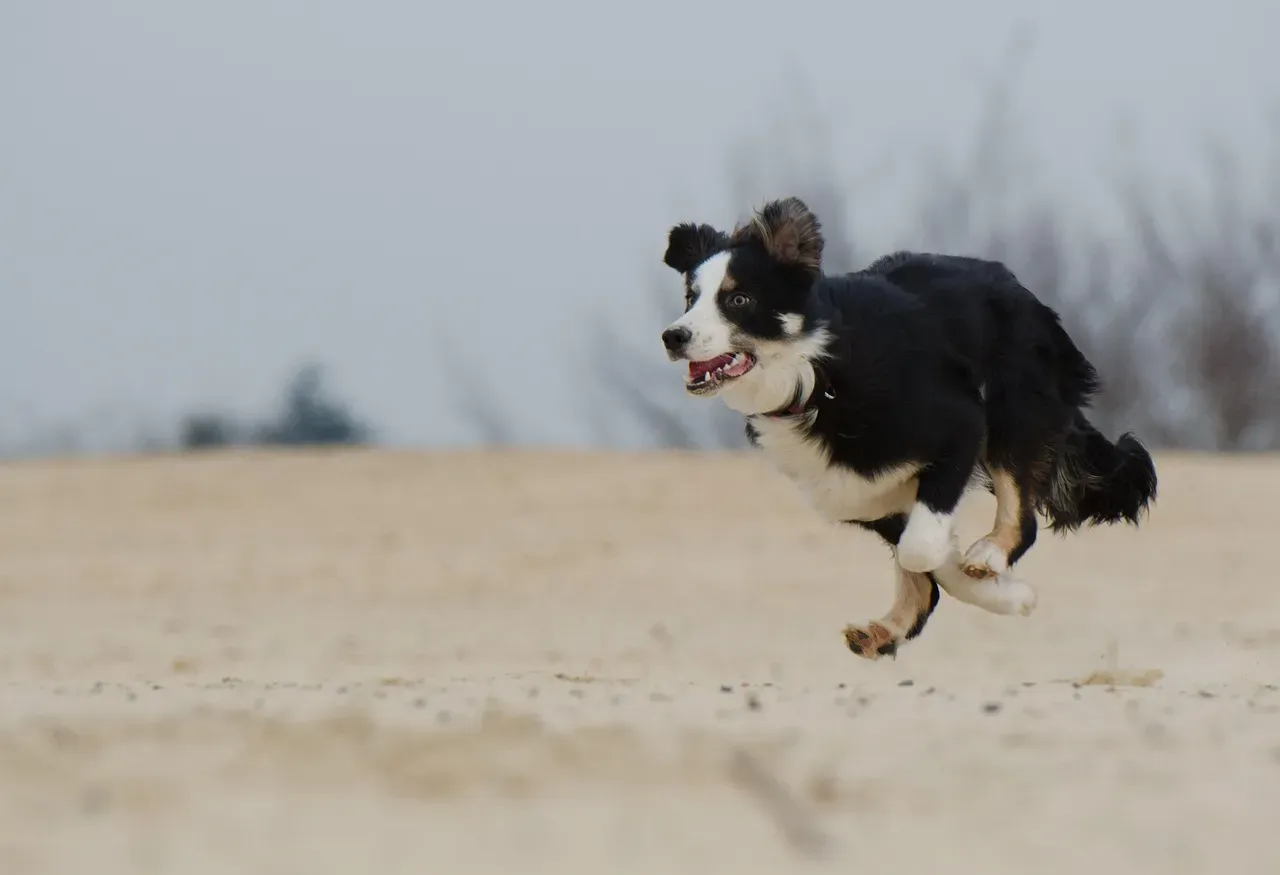
Now let’s shift gears completely and talk about those dogs who live for action. Border Collies, Australian Shepherds, and other herding breeds need a mix of mental and physical stimulation. Border Collies are widely considered the most intelligent dog breed, which means they need jobs to do.
These dogs were bred to work all day herding sheep across vast pastures. Aim for at least 90 minutes of exercise daily to keep them content, and activities like agility courses, herding balls, or frisbee games are ideal, plus at least 60 minutes of physical activity plus additional time for mental enrichment games like puzzle toys. Without adequate stimulation, Border Collies can become destructive or develop behavioral issues. They’re perfect for active families who enjoy outdoor adventures and dog sports.
The Siberian Husky: The Snow Loving Adventurer
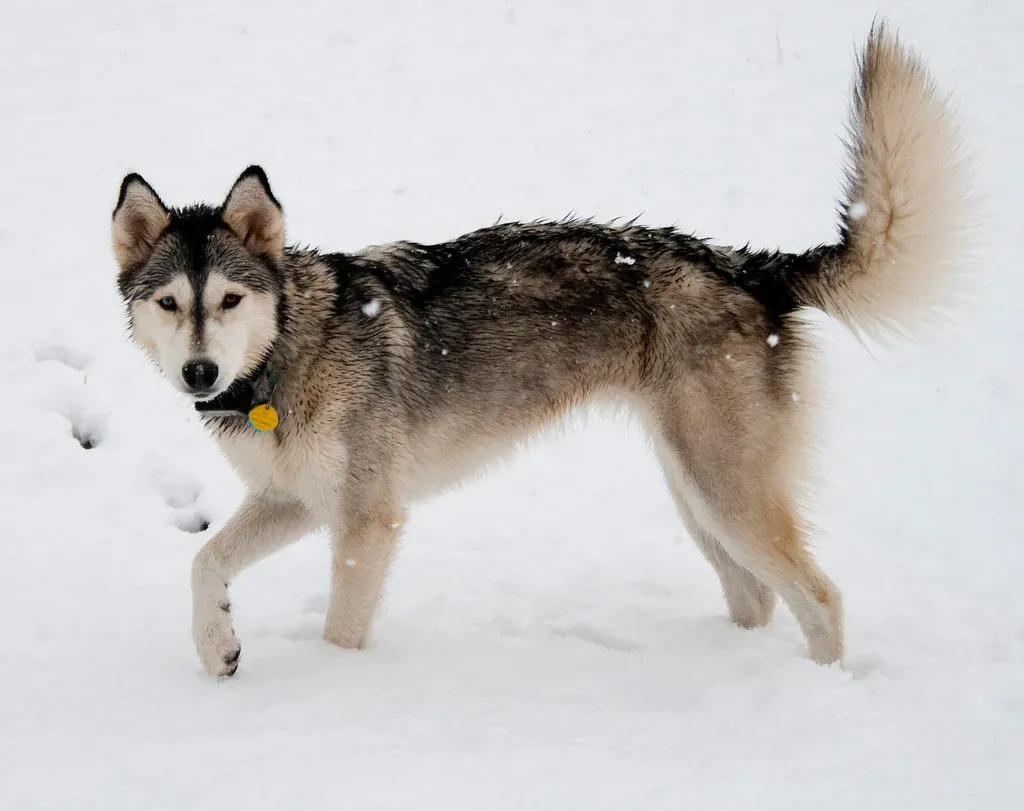
Known for their striking looks and endurance, Siberian Huskies are the ultimate sled dogs, friendly, playful, and thrive in active homes, just be prepared for lots of exercise and the occasional escape attempt as they’ve been known to jump fences when they’re bored.
These beautiful dogs with their striking blue or multicolored eyes were bred to pull sleds across frozen tundra. They have seemingly endless energy reserves and require owners who can match their enthusiasm for activity. Huskies are also incredibly social and do best in homes where they receive plenty of attention and interaction. Their thick double coat means they prefer cooler climates and can overheat in hot weather.
The German Shorthaired Pointer: The Versatile Hunter
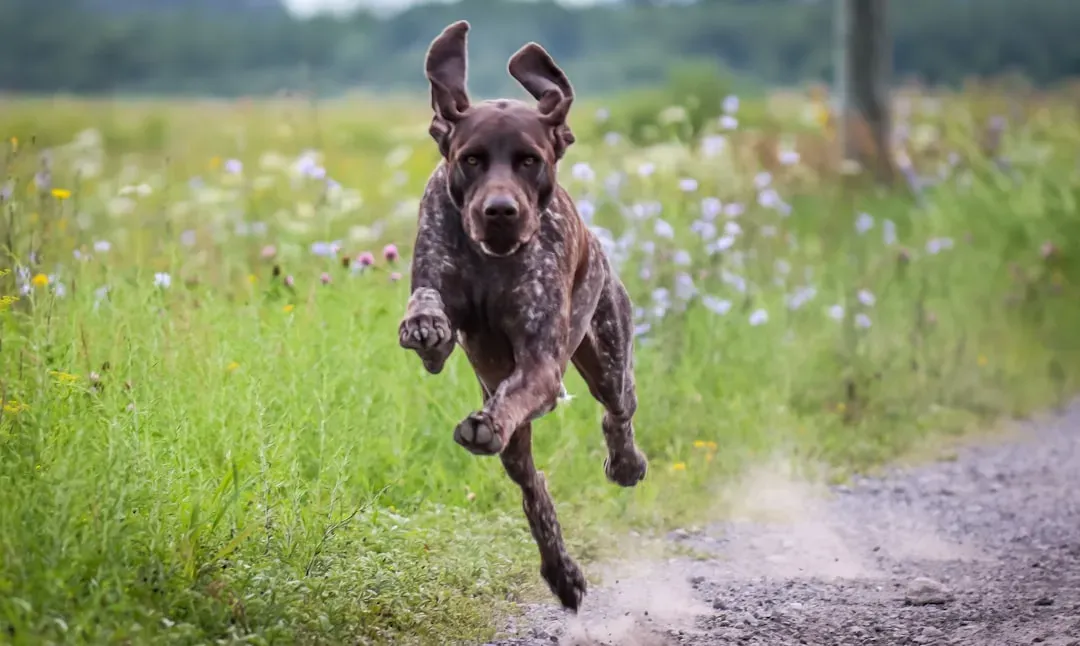
The German Shorthaired Pointer is a friendly, smart, eager-to-please dog that historically was used to hunt all day in the field. These athletic dogs are built for endurance and versatility, excelling at running, swimming, and just about any outdoor activity you can imagine.
They’re playful, curious, and highly intelligent, traits that make them excellent athletes, and without enough activity, they can develop behavior issues, so this breed is best suited for active owners. German Shorthaired Pointers form strong bonds with their families and want to be included in everything you do. They’re wonderful companions for people who enjoy hiking, biking, or participating in dog sports.
The Labrador Retriever: America’s Favorite Active Companion

Labrador retrievers have been America’s most loved dog breed for the past roughly 30 years by families of all kinds, these easy-going yet energetic dogs are down for whatever, whether that’s swimming, playing fetch, or learning tricks and even make fantastic jogging companions, and Labs also need mental stimulation.
Labs are incredibly versatile and adaptable, but they do need significant daily exercise to stay happy and healthy. They’re retrievers at heart, so activities involving fetching or swimming are particularly satisfying for them. Their friendly, outgoing nature makes them wonderful family dogs, and their intelligence means they excel at training. Just watch their food intake carefully, as Labs are notorious for being motivated by their stomachs and can easily become overweight without proper portion control.
The Australian Cattle Dog: The Tireless Worker
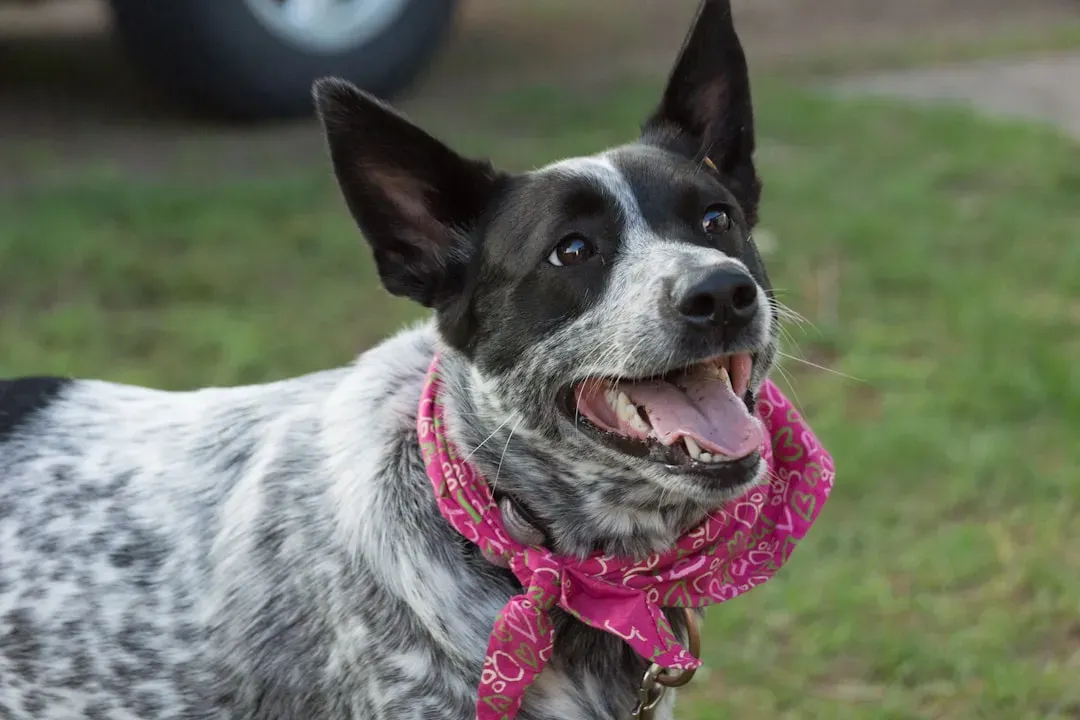
The Australian Cattle Dog, or “Blue Heeler,” is a tough, agile breed originally bred for herding livestock, with endless energy and sharp problem-solving skills, they do best in active households and they’re fiercely loyal and form strong bonds with their owners.
These intelligent, driven dogs need both physical and mental challenges to thrive. They’re not suited for sedentary lifestyles or owners who can’t commit to daily intensive activity. Australian Cattle Dogs often try to herd family members, children, and even other pets, which can be amusing but requires consistent training. They’re incredibly loyal and protective, making them excellent companions for the right active owner.
Finding Your Perfect Match
Choosing a dog isn’t just about falling in love with a cute face or beautiful coat. It’s about honestly assessing your lifestyle, energy level, living situation, and what you can realistically provide for a dog. Low-energy dogs tend to love lounging, are content with shorter walks and usually stay more relaxed indoors, and they’re great for apartment dwellers, retirees or families who want a calm, easygoing pet.
On the flip side, high energy breeds require dedicated owners who genuinely enjoy daily vigorous exercise and mental stimulation. High-energy breeds generally need at least 60 to 120 minutes of exercise daily, split between physical activity and mental engagement. The wrong match can lead to frustration for both you and your dog, while the right match creates a harmonious, joyful partnership.
Remember that even low energy dogs need daily walks, mental enrichment, and quality time with their humans. They’re living beings with emotional and physical needs, not furniture. Similarly, active dogs need downtime too and shouldn’t be pushed beyond healthy limits. The key is finding that sweet spot where your dog’s natural temperament aligns with your lifestyle and capabilities. When you get it right, the bond you form will enrich both of your lives in ways you never imagined.
What kind of companion are you looking for? Tell us in the comments which breed caught your attention.


