
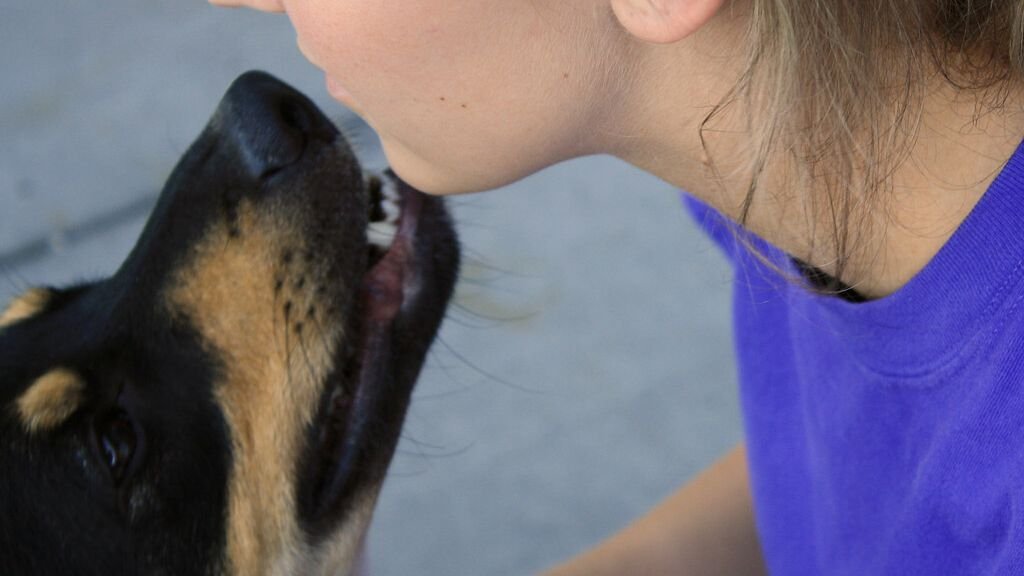
Have you ever noticed your dog watching you with that knowing look when you’re feeling down? Maybe they’ve quietly rested their head on your lap during a rough day, or stayed close when anxiety crept in. It’s not coincidence. Some dogs possess an almost supernatural ability to pick up on our emotional states, reading invisible cues we didn’t even know we were sending.
Dogs and cats have exceptionally developed sensory systems and abilities to recognize human signals and emotional states. Throughout thousands of years living alongside humans, certain breeds have refined this skill to an art form. They don’t just see us – they feel us. What’s happening inside their minds when they sense our sadness or joy? Let’s explore the remarkable canine companions who’ve mastered the language of human emotion.
1. Labrador Retriever: The Natural Empath

Labrador Retrievers are often called nature’s empath because they sense human moods and respond with tenderness. Walk into a room feeling stressed, and a Lab will likely notice before anyone else does. Their entire demeanor shifts when they detect distress in their humans.
Labradors consistently exhibit temperaments that complement the unique needs of many adults and children with disabilities. Their outgoing, eager-to-please, observant, and highly affectionate personalities make them adept at providing comfort and joy to their human partners. What makes them so effective is their combination of intelligence and genuine desire to help. They’re not just performing a trick – they genuinely care.
You’ll often see Labs working in hospitals, schools, and therapy settings precisely because of this gift. Labrador Retrievers have an innate desire to work and please their humans. Originally bred to work alongside human partners, Labs are born with a natural love of learning. This drive to understand and assist makes them exceptional at reading the emotional climate of any room they enter.
2. Golden Retriever: The Comfort Specialist
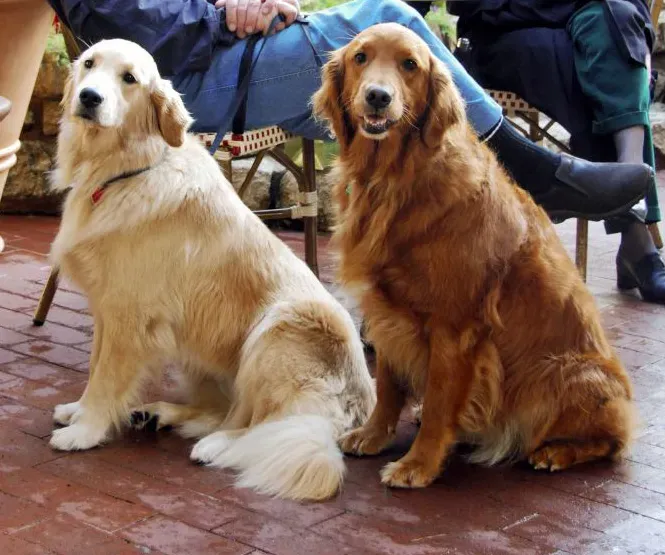
Golden Retrievers melt hearts, plain and simple. They are widely known for their ability to form deep emotional bonds with people, reading a room, and responding with warmth. If Labradors are empaths, Golden Retrievers are the therapists of the dog world. They seem to instinctively know when someone needs comfort.
Golden Retrievers have an incredible ability to sense human emotions. They can often tell when their owners are feeling sad, anxious, or stressed and will respond with comforting behaviors. It’s hard to explain until you’ve experienced it yourself – that moment when your Golden somehow knows you need them before you’ve said a word.
Hospitals and therapy centres often use Golden Retrievers as therapy dogs because this breed accounts for thousands of certified comfort-canine teams thanks to their emotional sensitivity. Their gentle temperament combined with emotional radar makes them particularly effective with children and vulnerable adults. They offer presence without pressure, understanding without judgment.
3. Border Collie: The Emotional Detective
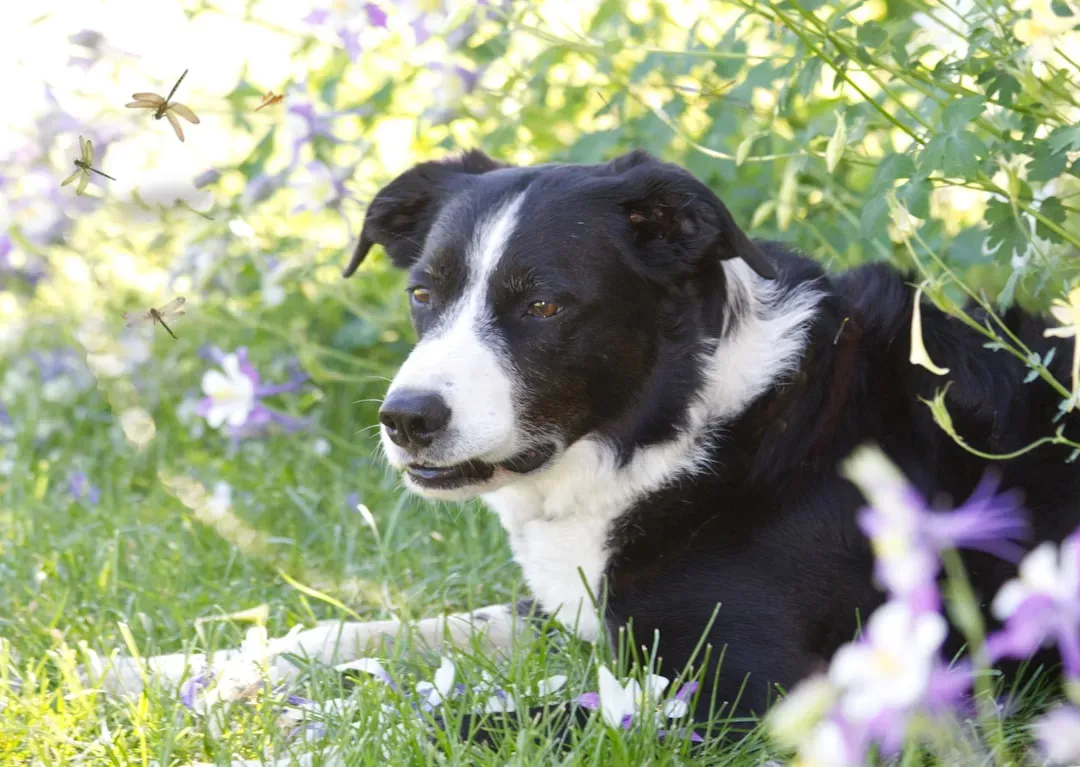
Here’s the thing about Border Collies – they’re watching everything. Border Collies are like emotional detectives in a fur coat. They’re ultra sensitive to changes in mood and silently adjust their behavior to match yours. Their intelligence isn’t just about learning tricks quickly; it extends to reading human behavior with remarkable accuracy.
These dogs form incredibly deep bonds with their people. This breed is known for forming deep bonds with their owners because they thrive on human companionship and constant engagement. Living with a Border Collie means having a shadow who notices when your breathing changes or when you’re tense before you realize it yourself.
Because they score high in social cognition tests, Border Collies excel at reading human gestures and cues more than many other dogs. Their responsiveness to emotional shifts makes them particularly suited for people dealing with anxiety or depression, though their high energy means they need active homes where they can channel both their physical and emotional intelligence.
4. Cavalier King Charles Spaniel: The Sensitive Soul

Don’t let their small size fool you – Cavaliers pack enormous emotional intelligence into compact bodies. These dogs were literally bred to be companions, spending centuries perfecting the art of human connection. They’re experts at the subtle emotional cues many breeds might miss.
Cavaliers are among the few breeds that are also commonly used as therapy dogs – they’ve been part of hospital and counseling settings because of their gentle temperament and ability to connect deeply with people. Their soft eyes seem to look straight into your soul, and honestly, they probably can sense more than we give them credit for.
What makes Cavaliers special is their persistent gentleness. They don’t demand attention aggressively but offer quiet, steady presence. For someone experiencing grief or depression, this non-demanding companionship can be exactly what’s needed. They sense when you need space and when you need closeness, adjusting their behavior with impressive sensitivity.
5. Poodle: The Intuitive Intellectual
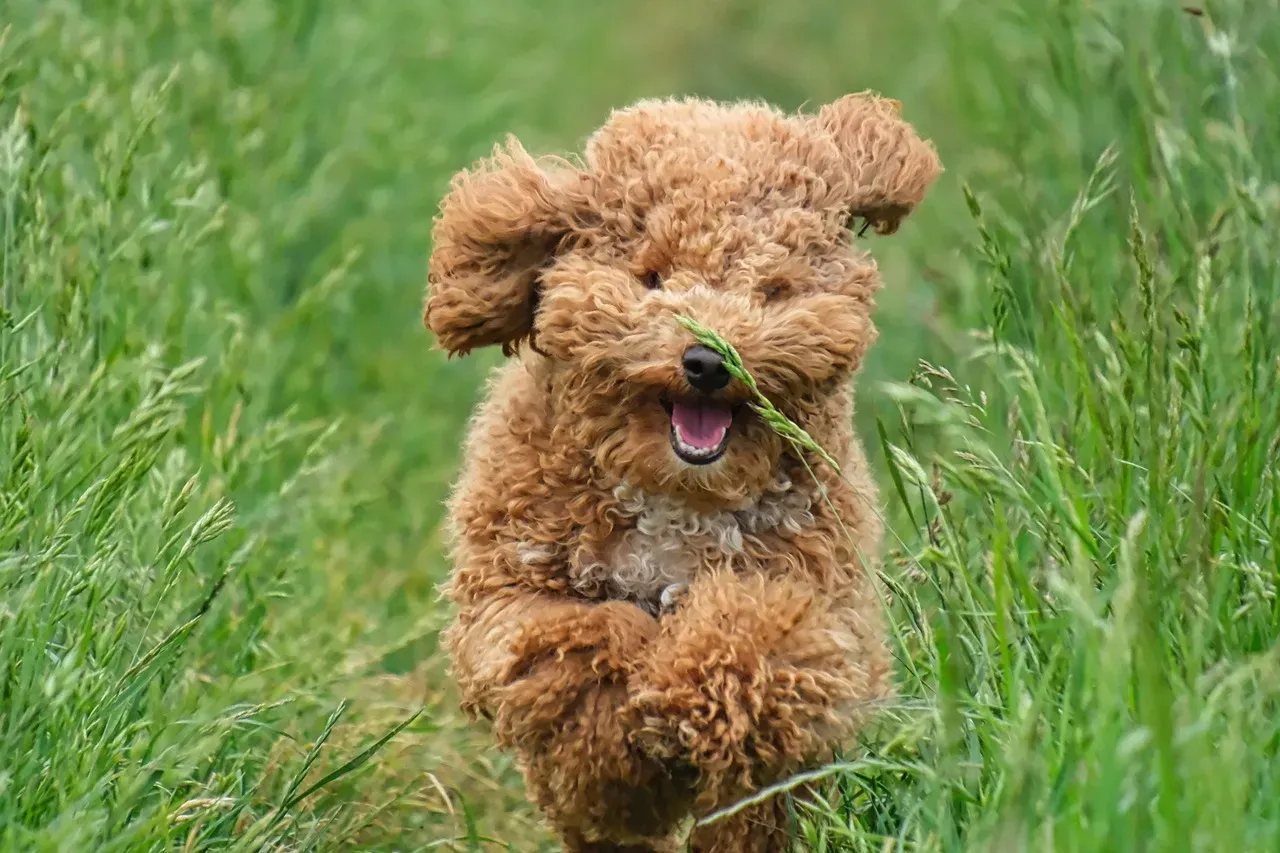
Whether Standard, Miniature, or Toy, this breed stands out for more than curls and style. Poodles are known for their exceptional intelligence, which pairs with a deep emotional sensitivity. They pick up on body language, tone of voice, and small mood shifts – and then respond with comfort or enthusiasm.
Let’s be real – Poodles are often underestimated because people focus on their appearance. Yet beneath that elegant exterior lives a mind that processes emotional information with remarkable sophistication. They notice when something’s off before other family members do.
Their intelligence means they can distinguish between different types of distress. A Poodle might respond differently to sadness than to anxiety, adjusting their approach based on what they sense you need. They’re not just smart about commands – they’re emotionally intelligent in ways that surprise even experienced dog owners.
6. German Shepherd: The Protective Empath
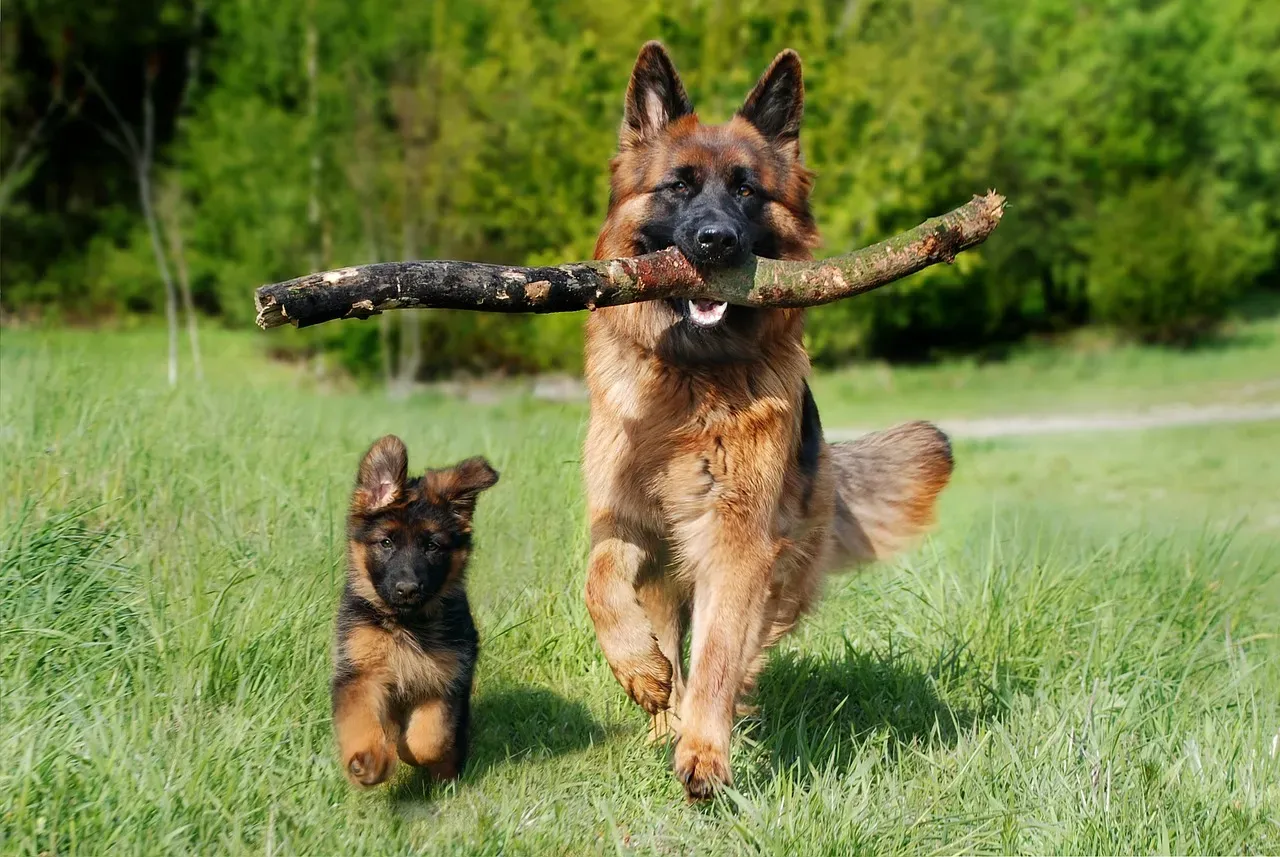
German Shepherds combine emotional sensitivity with a protective instinct that creates a unique form of empathy. The ability to perceive and recognize human emotions may have developed in dogs over the long co-evolution process between dogs and humans as it has been adaptive to perceive negative or positive emotions in humans. German Shepherds exemplify this evolutionary adaptation.
These dogs don’t just sense emotions – they respond to them with action. Feeling threatened? Your German Shepherd will position themselves between you and perceived danger. Feeling sad? They become gentler, more attentive. This breed reads not only your emotional state but also environmental threats that might affect your wellbeing.
Their work in police and military roles, as well as service dog positions, speaks to their ability to stay attuned to human handlers even in chaotic situations. They maintain emotional connection while staying focused on their job – a remarkable feat that requires sophisticated emotional processing.
7. Yorkshire Terrier: The Tiny Emotional Giant

Small dogs sometimes get dismissed as merely decorative, but Yorkshire Terriers prove size has nothing to do with emotional intelligence. These little dogs possess outsized awareness of human feelings. They’re particularly attuned to their primary person, often forming such strong bonds that they mirror their owner’s emotional states.
Yorkies notice changes in routine, mood, and energy levels with surprising accuracy. They might seem demanding, but much of that behavior stems from their intense awareness of their human’s emotional landscape. When you’re upset, a Yorkie often becomes quieter, more clingy, offering comfort in their own terrier way.
Their small size actually works in their favor for emotional support. They can curl up on laps, nestle close, and provide physical comfort without overwhelming. For elderly people or those dealing with emotional challenges, this portable source of empathy can be profoundly comforting.
8. Beagle: The Joyful Intuitive
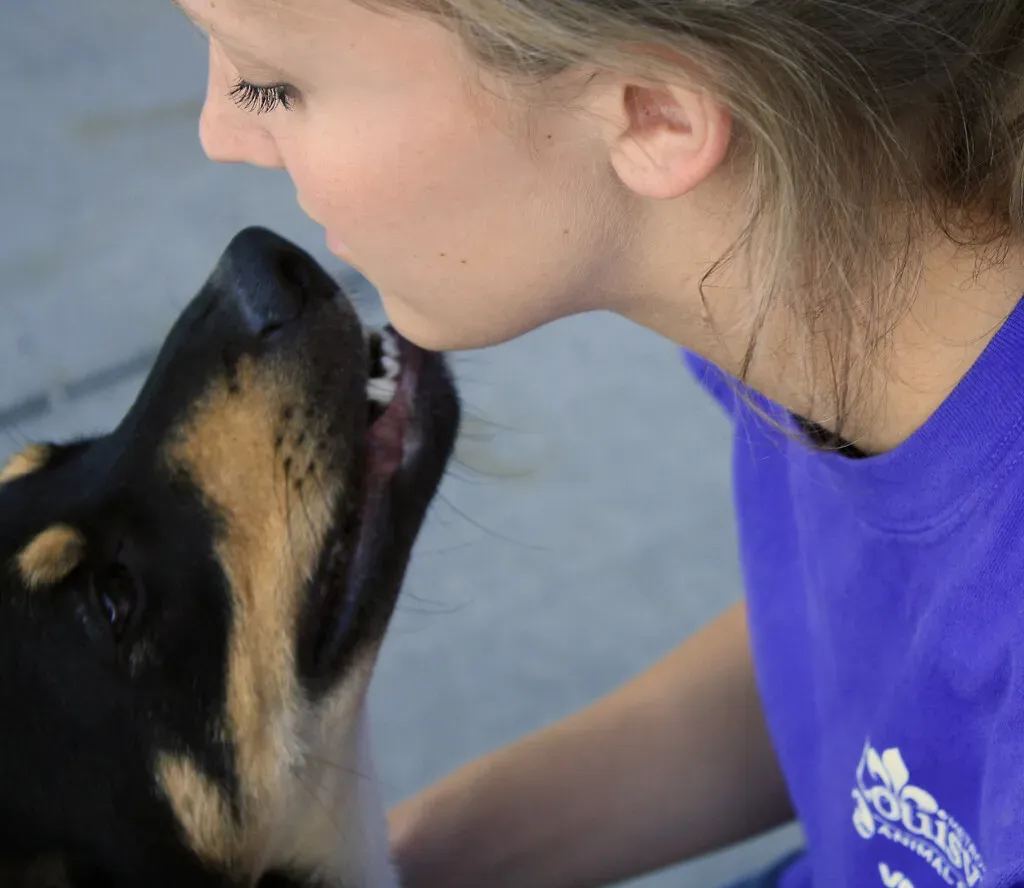
Beagles approach emotional sensing from a different angle. Rather than becoming somber when they detect sadness, they often try to lift spirits with their naturally cheerful disposition. Being a species that we’ve lived and co-evolved with for thousands of years, it kind of makes sense that dogs would learn to read our emotions because it might be helpful to them to know if there’s something threatening in the environment or some stressor that they need to be aware of.
These hounds pick up on emotional distress and respond by being persistently optimistic. It’s hard to stay completely miserable with a Beagle wagging hopefully nearby, ready to play or snuggle. Their approach to emotional support involves gentle insistence that life contains good things worth experiencing.
Beagles excel with children particularly because they sense when kids are upset and respond with patience and playfulness. They adjust their energy levels based on what they perceive the child needs – sometimes calm, sometimes encouraging activity that shifts emotional gears.
9. Boxer: The Intuitive Guardian

Boxers combine playfulness with surprising emotional depth. Behind that goofy, energetic exterior lives a dog who’s constantly monitoring their family’s emotional temperature. They’re particularly skilled at detecting when children are upset or when adults are stressed.
What’s fascinating about Boxers is how they use physical presence to provide emotional support. They lean against you, rest their heads on your knee, or position themselves nearby when sensing distress. This tactile approach to emotional comfort works particularly well for people who find physical grounding helpful during anxiety or sadness.
Boxers also have a gift for knowing when to bring playfulness into a heavy emotional situation. They seem to understand that sometimes the best response to sadness isn’t more seriousness but rather an invitation to engage with life again through play.
10. Cocker Spaniel: The Gentle Observer

Cocker Spaniels possess a quiet sensitivity that’s easy to overlook. Breeds consisted of two Springer spaniels; two Cocker spaniels; two Labrador Retrievers; two Braque d’Auvergne; one Whippet; one Golden Retriever; one Miniature Poodle and seven mixed breed dogs. Research involving multiple breeds has shown dogs’ capacity to detect human stress through scent alone.
These gentle souls watch their humans closely, picking up on subtle changes in behavior or mood. They’re not as demonstrative as some breeds but offer steady, reliable emotional support. A Cocker Spaniel won’t necessarily perform obvious comforting behaviors, but they’ll be there, present and aware.
Their soft expressions and gentle nature make them particularly effective with people who find more energetic breeds overwhelming. They provide emotional connection without intensity, offering what many people need most – simple, judgment-free companionship that acknowledges their feelings without demanding anything in return.
Conclusion

Dogs behaved differently depending on the owner’s emotional state: they gazed and jumped less at owners when they were sad, and their compliance with the sit command was also diminished. This research confirms what dog lovers have always known – our canine companions truly understand us on levels that transcend simple training.
The breeds we’ve explored represent some of the most emotionally attuned dogs, but honestly, most dogs possess some level of emotional intelligence. What makes these particular breeds special is the consistency and depth of their empathic abilities. They’ve refined emotional sensing into something approaching art.
Living with an emotionally intelligent dog changes how you understand companionship. They offer connection that requires no words, understanding that needs no explanation. In a world that often feels disconnected, these dogs remind us that genuine empathy – the kind that senses and responds without judgment – still exists. What has your experience been with emotionally intelligent dogs? Have they sensed things about you that surprised you? The bond between humans and these remarkable breeds continues to deepen our understanding of interspecies connection.


