

Have you ever watched a dog freeze or back away when a toddler races toward them, sticky hands outstretched? It’s not that the dog is “bad” or the child is “too much”—some breeds just aren’t built for the chaos and surprises that little kids bring. As someone who’s spent a lot of time around all kinds of pups, I’ve seen what happens when the wrong match is made. Sometimes, it’s heartbreaking. Let’s talk honestly (and kindly!) about ten breeds that, for all their wonderful qualities, just don’t thrive with small children.
Chihuahua: Big Personality, Small Tolerance
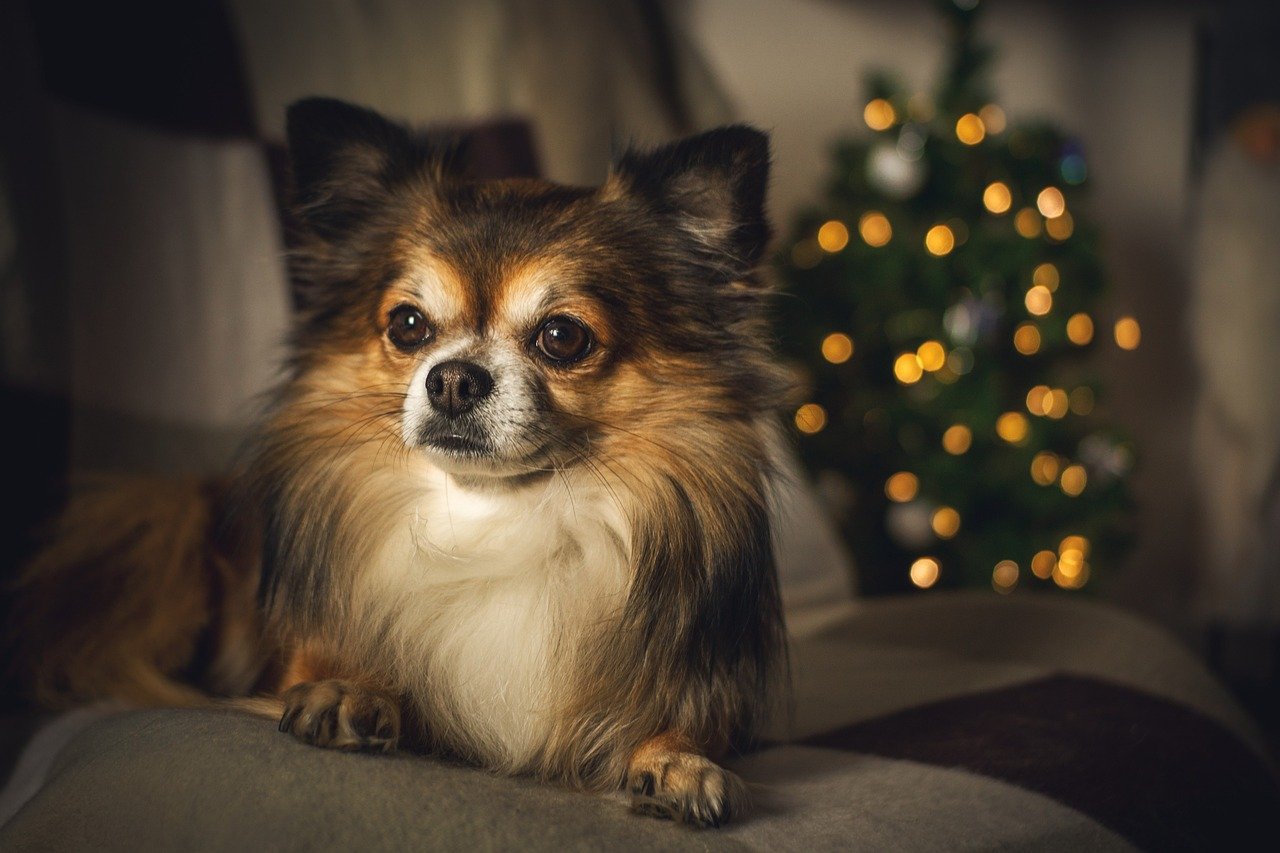
Chihuahuas often have the confidence of a lion, but their patience is surprisingly thin when it comes to unpredictable little ones. Their tiny bodies make rough play feel overwhelming or even threatening, so they’re quick to snap or hide if a child gets too handsy. It’s not uncommon to see a Chihuahua trembling under a couch when a toddler comes to visit.
They communicate discomfort with stiff posture, tucked tails, or a low growl. If you notice these signs, it’s a gentle reminder to give them space. Chihuahuas thrive with adults or older kids who understand “gentle hands” and respect boundaries.
Shih Tzu: Lap Lovers, Not Lap Climbers
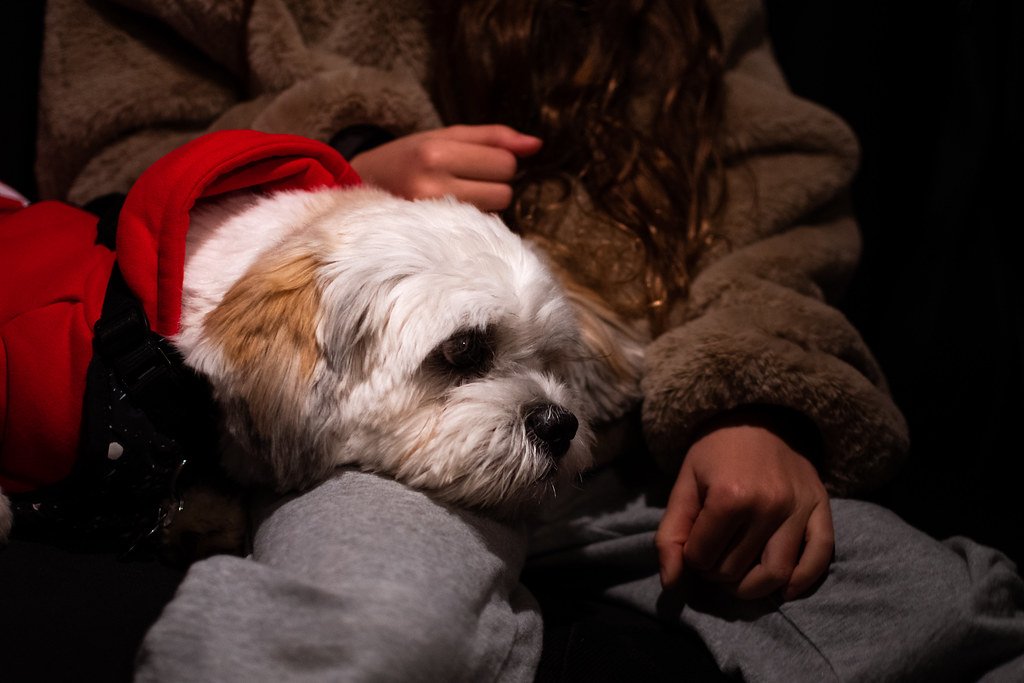
Shih Tzus adore their humans, but their idea of fun is cuddling on a quiet lap—not being picked up, poked, or chased by toddlers. Their delicate frames make them sensitive to sudden tugs or uncoordinated hugs, which can lead to nipping or hiding.
Watch for flattened ears and wide eyes—these mean your Shih Tzu is stressed. It helps to teach children to approach slowly and use soft voices, but even then, this breed often prefers calm, predictable company.
Afghan Hound: Sensitive Souls Need Space
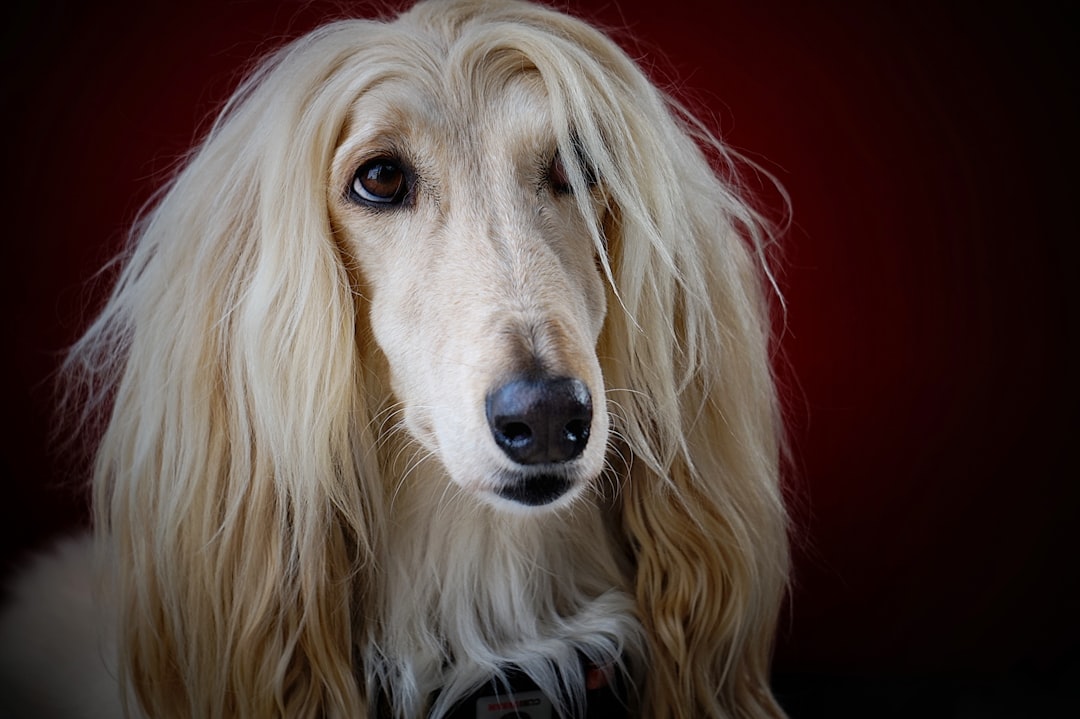
Afghan Hounds are elegant, sensitive, and sometimes a tad aloof. The unpredictable noise and sudden movements of small kids can make them anxious or skittish. Instead of joining the fun, they might retreat to a quiet corner or seem distant.
Their body language is subtle—look for them turning away, yawning, or licking their lips when overwhelmed. Afghan Hounds do best in homes where peace and quiet are the norm, and where children understand the power of patience.
Chow Chow: Fiercely Loyal, Not So Playful
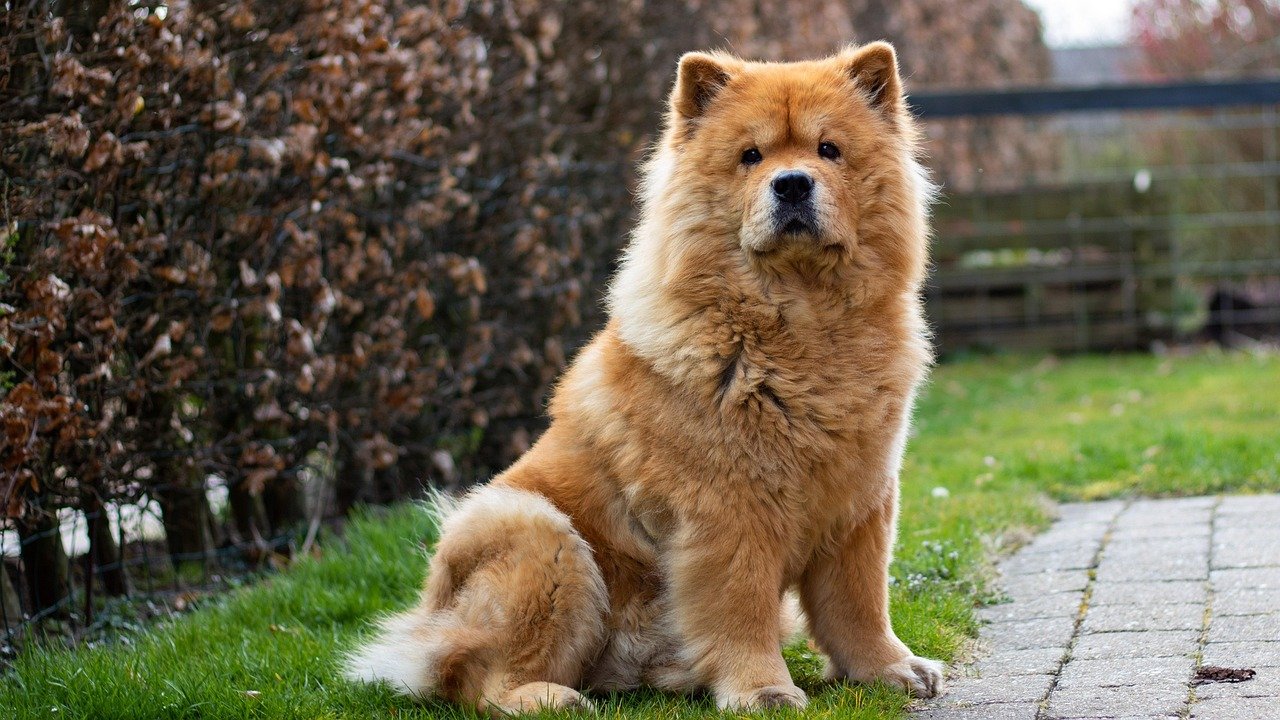
Chow Chows are famous for their loyalty, but they are often reserved, stubborn, and don’t appreciate the rowdiness of young children. They may react with grumpiness or even aggression if a kid tries to crawl on them or grab their fur.
Classic warning signs include a hard stare, a stiff tail, or growling. Chow Chows need plenty of respect for their space and routines, which is tough for little ones to provide. They’re happiest with adults or older kids who can read their cues.
Pekingese: Regal and Resistant to Roughness
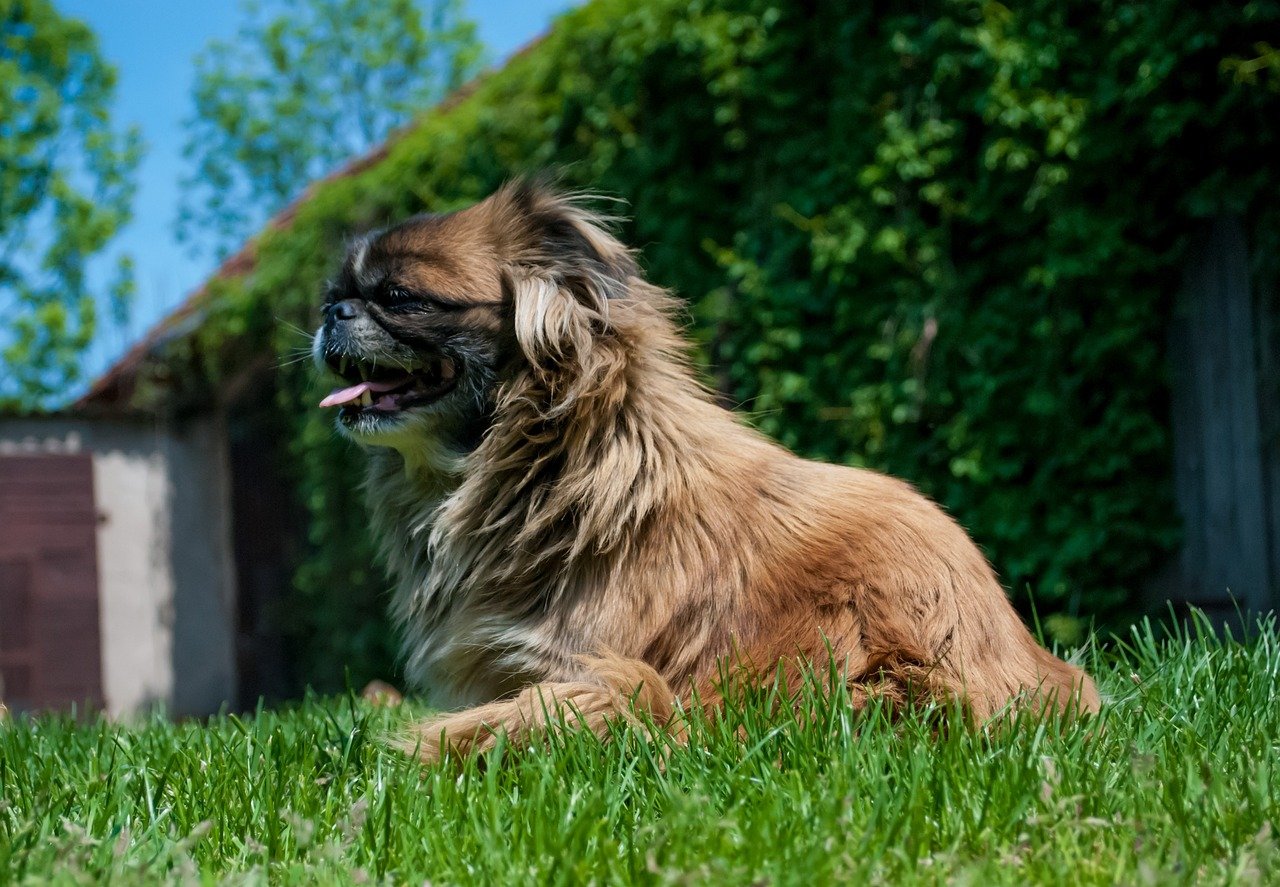
Pekingese carry themselves like tiny royalty, and they expect to be treated that way. Their small stature and sensitive backs make them vulnerable to injury from clumsy play. A sudden hug or fall could leave them frightened or even hurt.
If a Pekingese starts to bark or snap when a child approaches, it’s their way of asking for boundaries. Gentle, supervised interaction is key, but truthfully, they’d rather be admired from a distance than be part of the rough-and-tumble.
Basenji: Independent Thinkers, Easily Overwhelmed
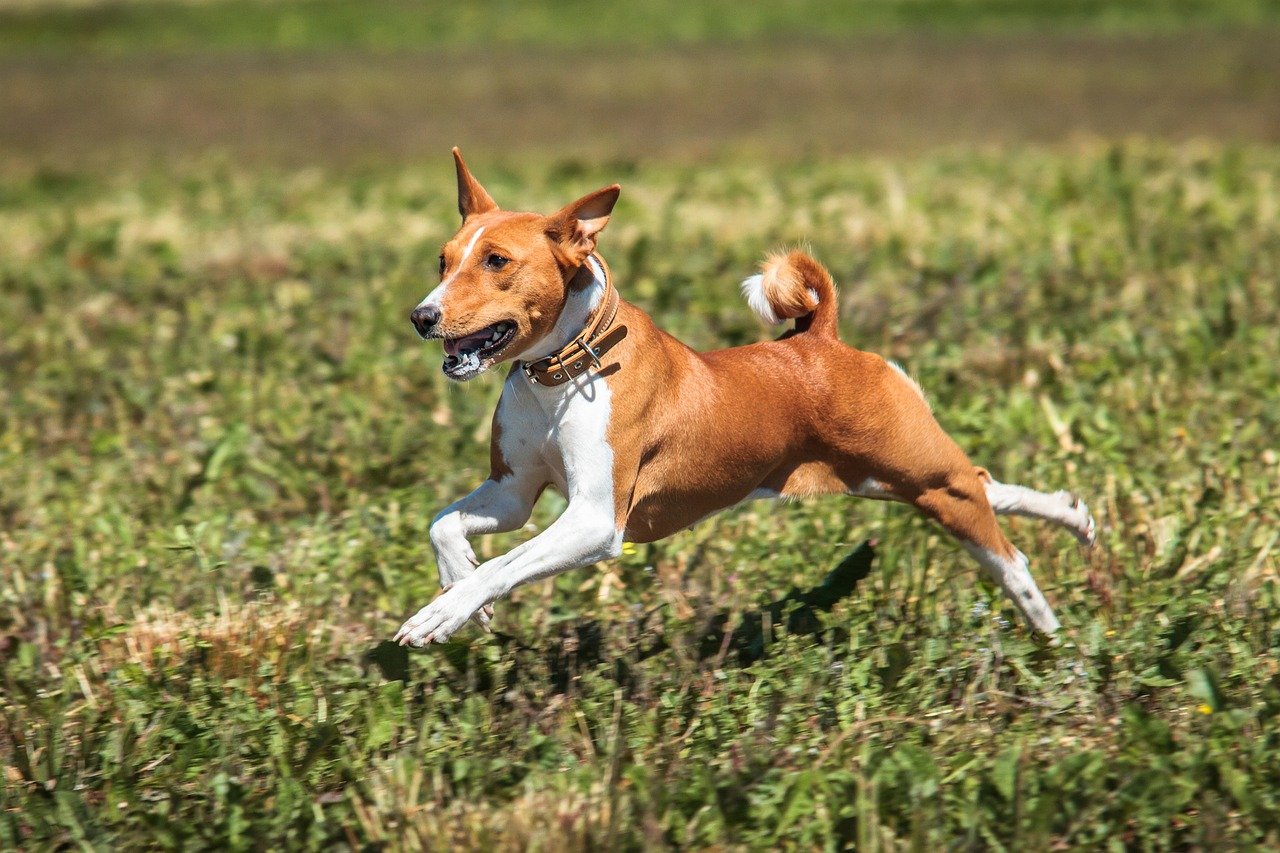
Basenjis are clever and independent, often preferring to do their own thing. The chaos of small children, with their unpredictable noises and movements, can send a Basenji running for cover. They’re not big on cuddling or being handled too much.
When uncomfortable, a Basenji might flatten their ears or dart away. You can prevent stress by providing quiet spaces for them and teaching kids to give the dog plenty of room—especially during playtime.
Alaskan Malamute: Too Powerful for Little Ones
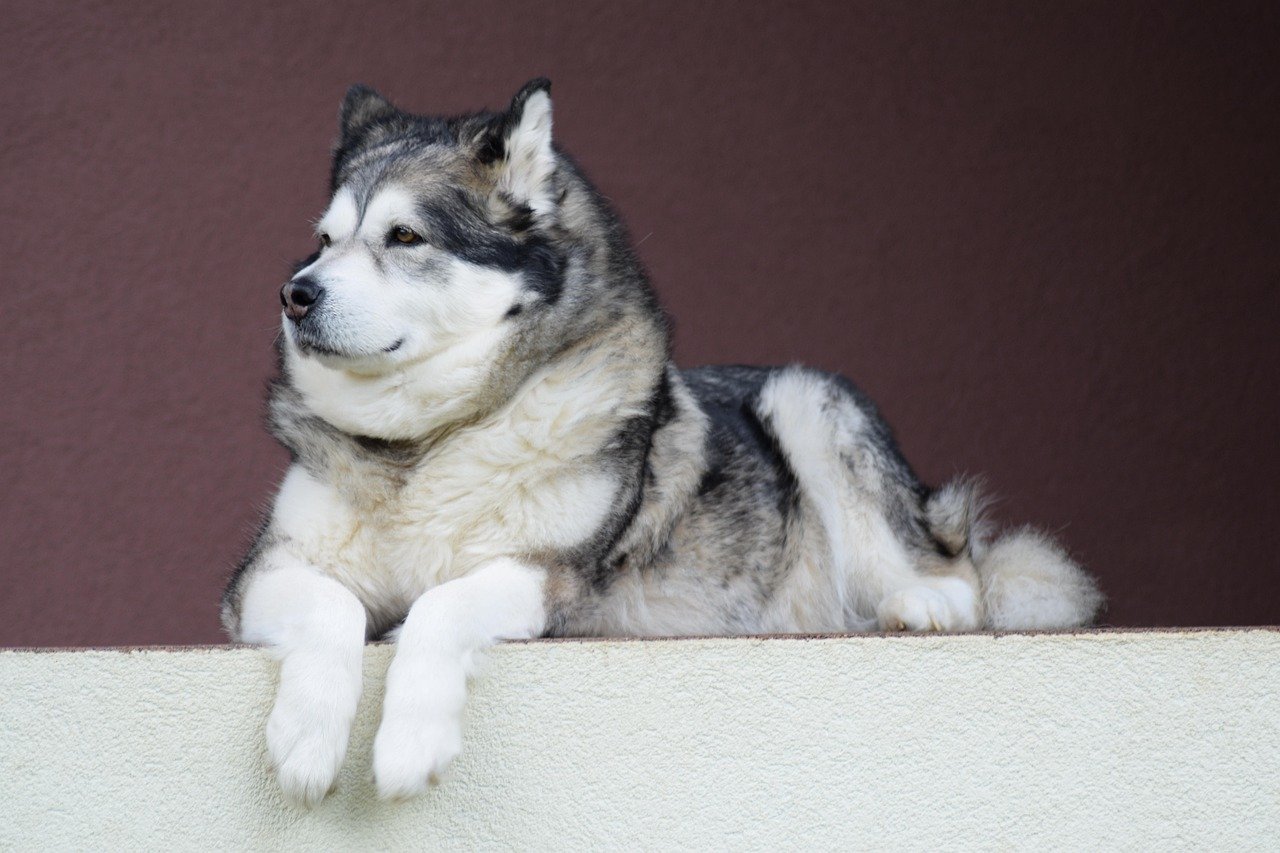
Alaskan Malamutes are strong, energetic, and sometimes boisterous. While they’re not usually aggressive, their sheer size and exuberance can knock over a small child without meaning to. Their wolf-like instincts also mean they don’t always tolerate sudden shrieks or unpredictable behavior.
If a Malamute starts jumping, mouthing, or barking loudly, it’s a sign they’re overstimulated. Early training and boundaries help, but small children are often just too delicate for these gentle giants’ enthusiasm.
Italian Greyhound: Fragile Frames, Fragile Nerves
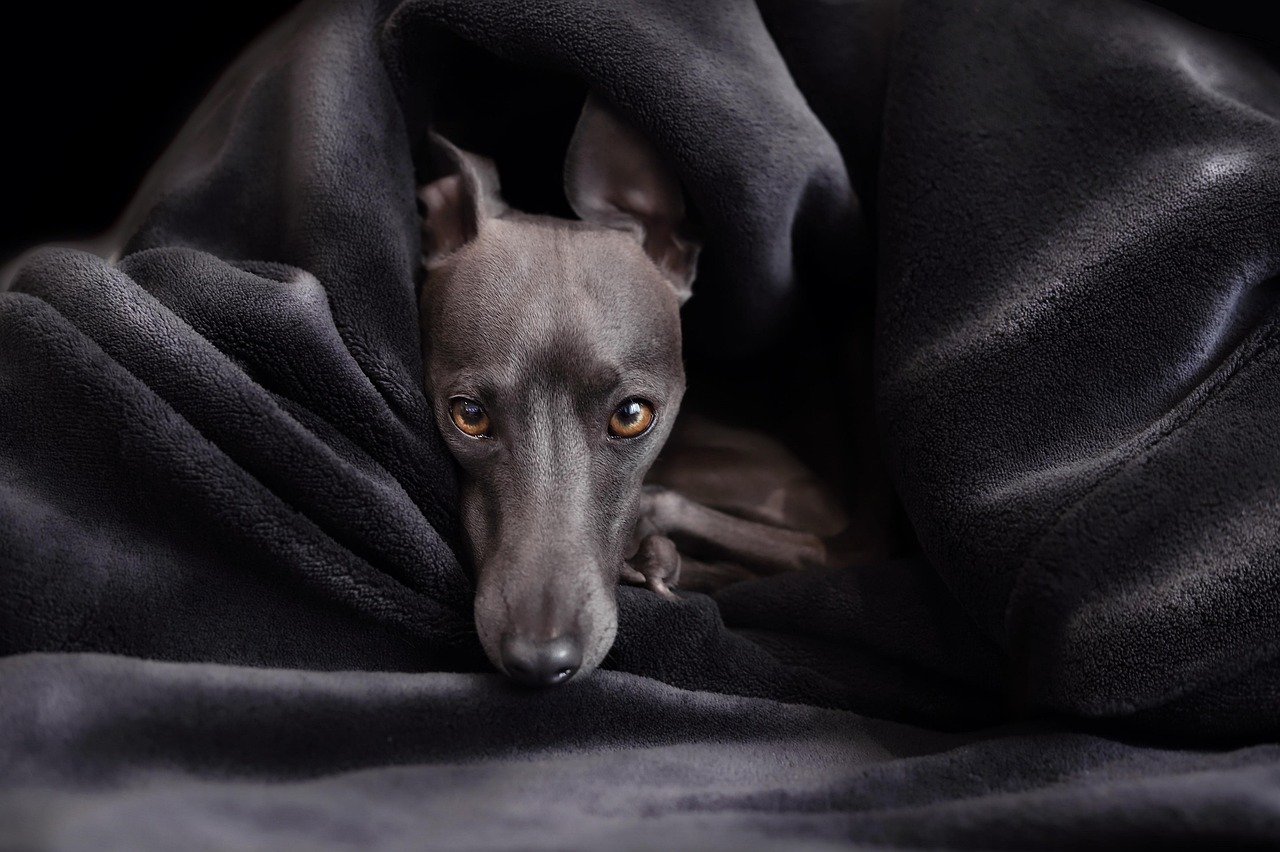
Italian Greyhounds are graceful and sweet but have a fragile build that makes them prone to injury. A single accidental bump or squeeze from a toddler can result in a broken bone—or a scared, mistrustful dog.
Look for signs like trembling or hiding when the kids get loud. Italian Greyhounds need calm, predictable environments and children who can be truly gentle and mindful.
Shar Pei: Loyal, But Not Kid-Proof
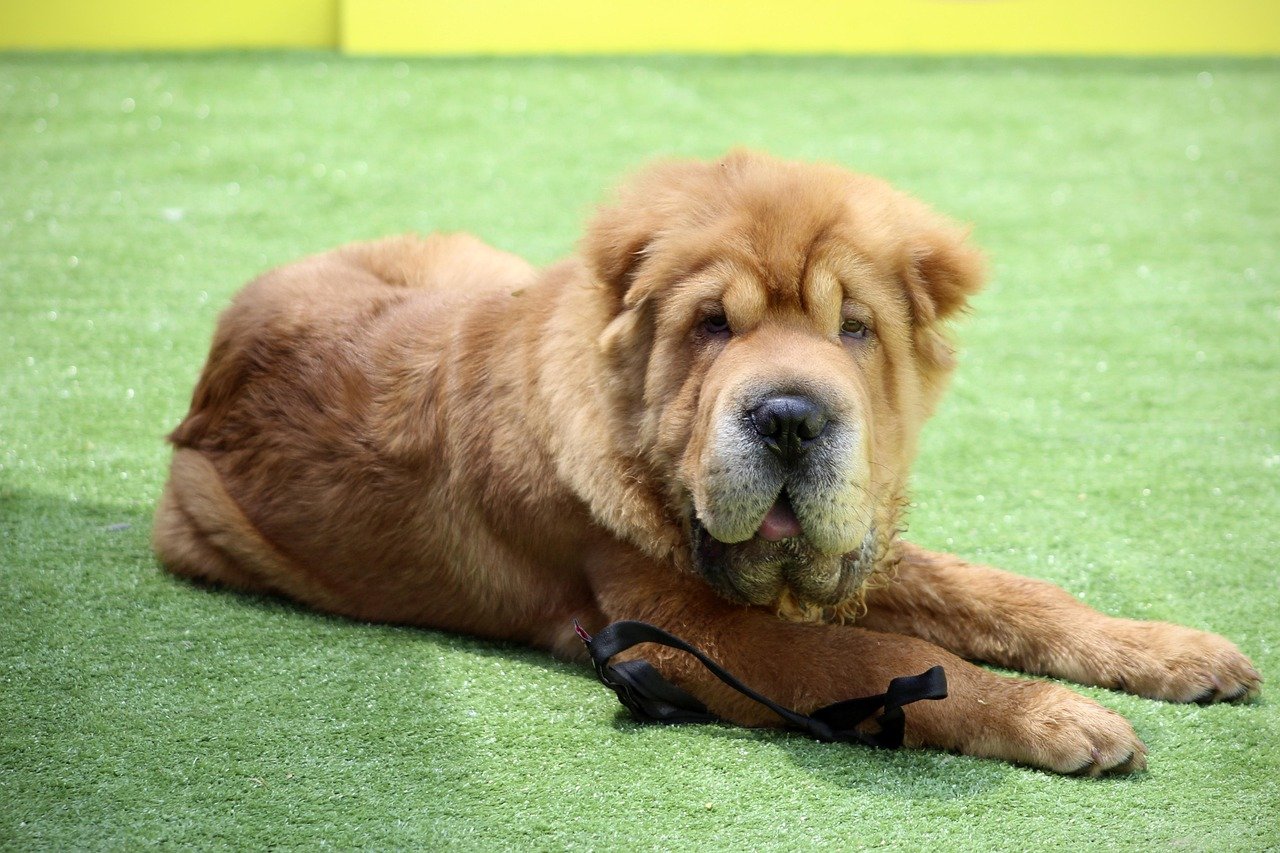
Shar Peis love their families but are naturally wary of strangers, and sadly, little kids often fall into that “stranger” category. Their patience is limited, and they’re quick to withdraw or snap if they feel crowded or harassed.
You’ll see a Shar Pei’s telltale frown deepen and their tail stiffen if they’re uncomfortable. Early socialization and constant supervision are a must, but overall, they’re best matched with adults or teens.
Jack Russell Terrier: High Energy, Low Patience
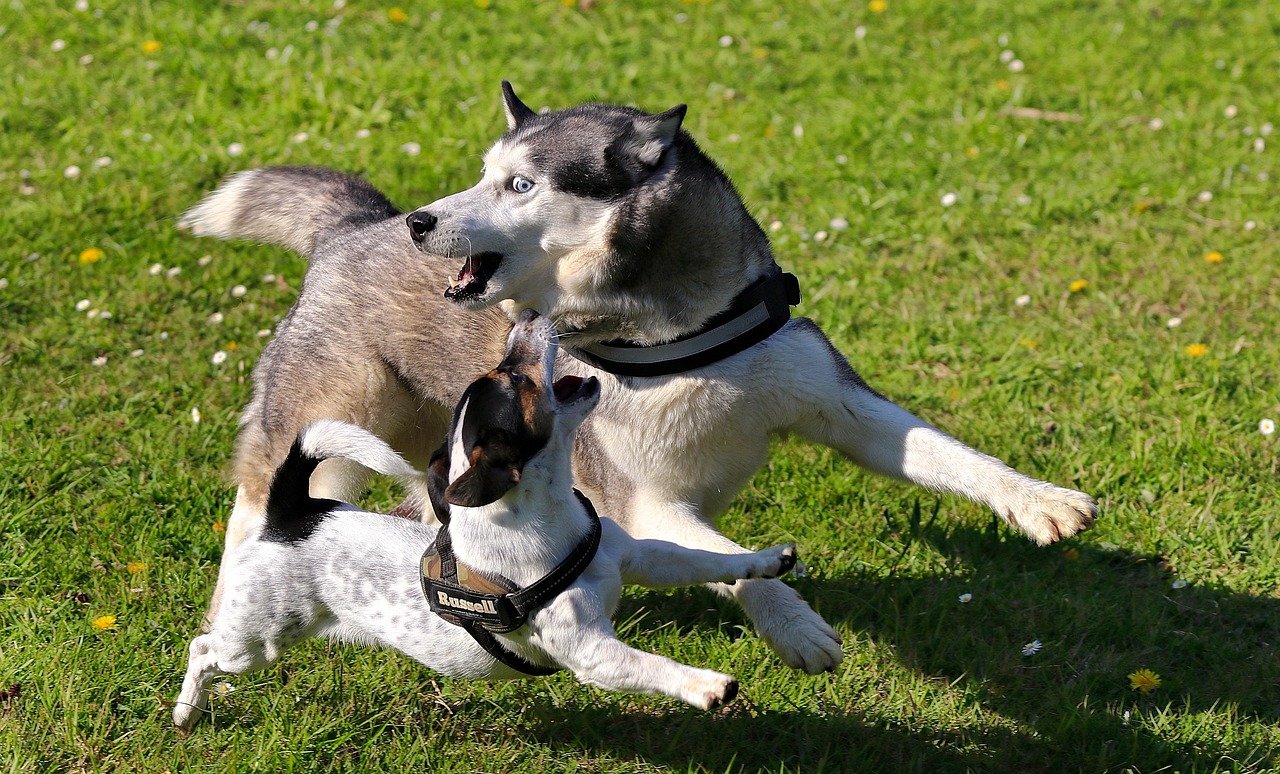
Jack Russells are bundles of energy, but their patience is thin when it comes to unpredictable or rough play. They might nip if a child pulls their tail or ears, and their excitable nature can escalate quickly in a chaotic household.
Watch for frantic barking, darting around, or snapping—these are signs the dog is overwhelmed. Jack Russells need lots of exercise and consistent boundaries, which are tough to maintain in homes with toddlers running amok.


