
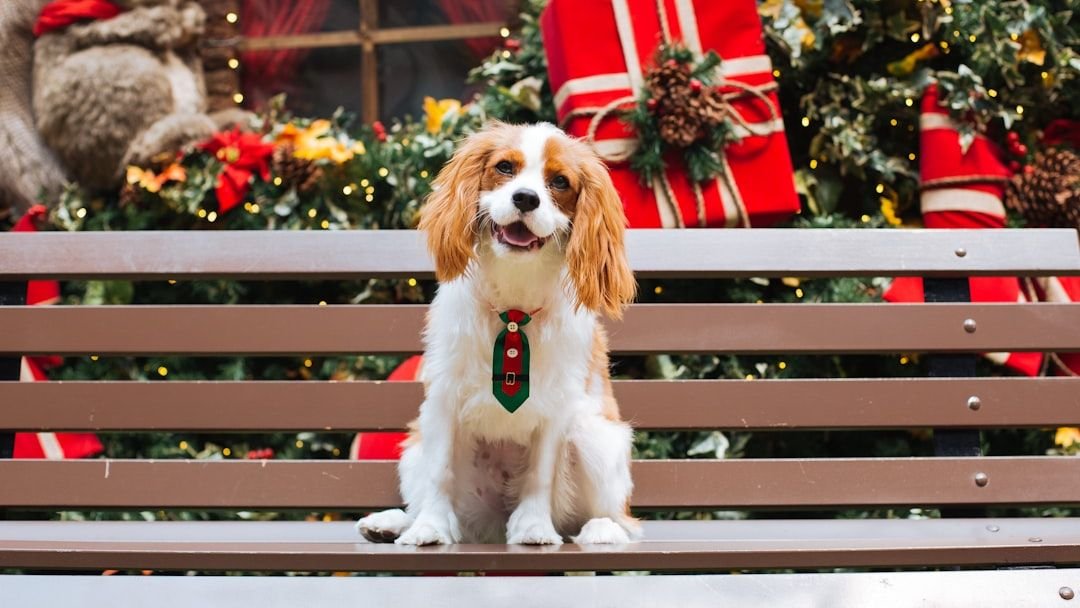
The holidays have arrived, and with them comes that beautiful, chaotic soundtrack of Christmas. Jingling bells. Crackling wrapping paper. Carol singers at the door. Laughter bouncing off the walls. For us humans, these sounds wrap us up in nostalgia and joy.
For our dogs? Well, that’s a different story. Some pups absolutely thrive during the festive season, tails wagging with every chord of a Christmas carol. Others retreat under the bed at the first sign of Mariah Carey hitting those high notes. It’s fascinating how different breeds respond to the sensory overload that is Christmas. Let’s be real, understanding how your dog experiences the season isn’t just interesting – it’s essential to keeping them happy and safe. Whether you’ve got a jolly Labrador who sings along to carols or a sensitive Border Collie who’d rather curl up somewhere quiet, this guide will help you navigate the holidays with your best friend.
Beagles: Built to Handle the Hustle
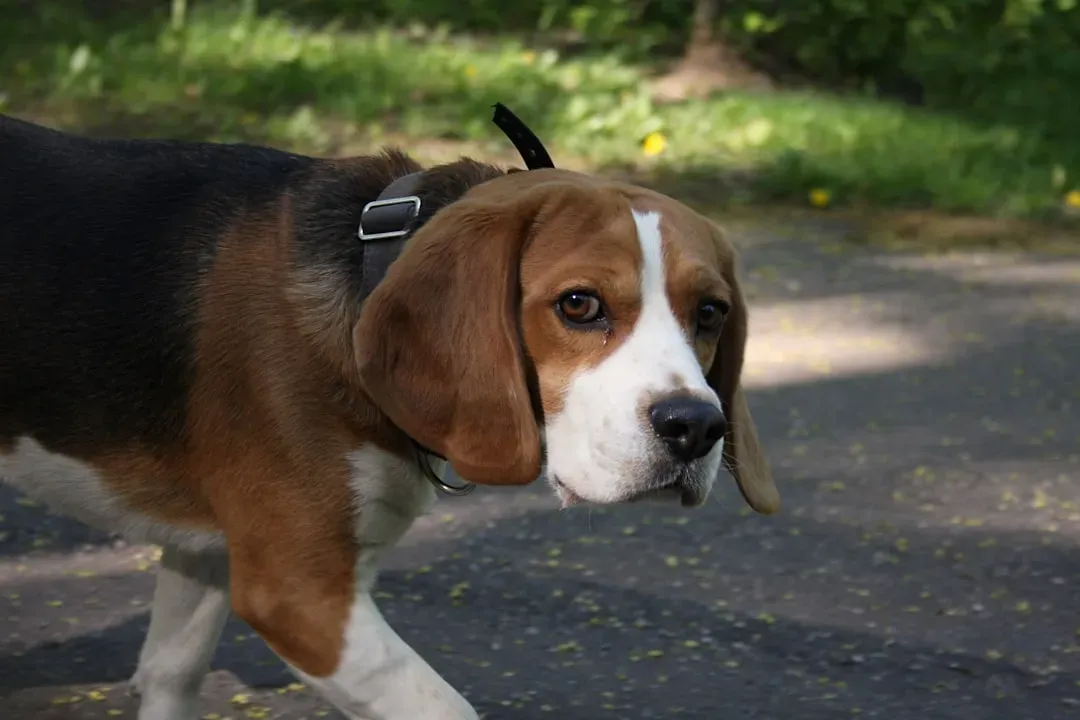
Let’s start with one of the cheeriest breeds around. Beagles were bred with hunting in mind, which means their ears are tuned to pick up all sorts of sounds in the wild. You’d think that would make them noise-sensitive, right? Surprisingly, many Beagles handle the Christmas commotion remarkably well. Their naturally social and curious personalities mean they’re more likely to investigate a ringing doorbell or a dropped pot than to run from it.
These hounds may even howl in response to music, a singing instinct that comes from their wolf ancestors. If you’ve got a Beagle, don’t be shocked if they join in with the carolers or howl along to “Jingle Bells.” It’s not distress – it’s communication. They’re just trying to be part of the pack, your family pack.
Labrador Retrievers: The Classic Christmas Companions

If there’s one breed that embodies the spirit of Christmas, it’s the Labrador Retriever. Labs are famously adaptable and easygoing, making them perfect for the chaos that comes with holiday gatherings. While generally more adaptable, sporting breeds can still show signs of discomfort during noise events, depending on their individual personality and experiences. Most Labs, though, take it all in stride.
These dogs thrive on being around people, so the more guests that arrive, the happier they seem to get. They’re also food-motivated, which means the scent of Christmas dinner cooking might be more exciting to them than any amount of noise. If your Lab seems a little too interested in the sounds coming from the kitchen, you know why.
Golden Retrievers: Gentle Souls with Musical Appreciation
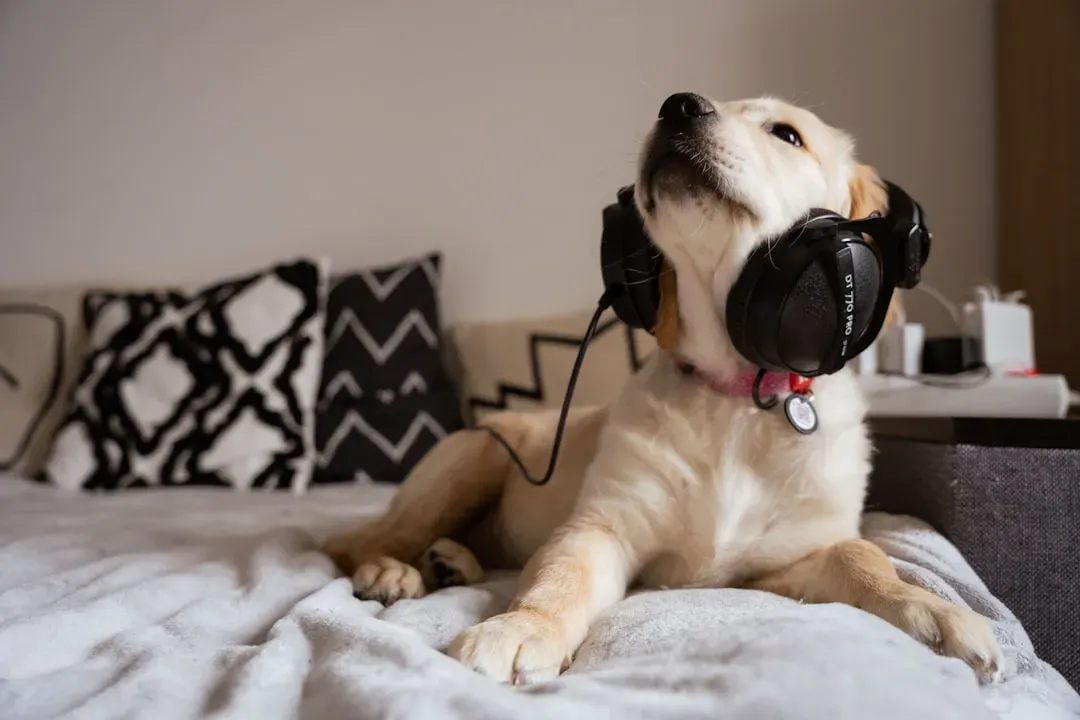
Golden Retrievers are similar to Labs in temperament but with an added layer of sensitivity. Sporting dog pals, like Golden Retrievers, usually handle noise a bit better, but dog noise sensitivity can still affect them if they’re not used to it or have had a bad experience. The good news is that most Goldens genuinely seem to enjoy the festive atmosphere, especially if there’s music involved.
Research conducted by institutions like the University of Glasgow and Colorado State University has shown that dogs tend to have a calming response to genres like classical, soft rock, and reggae. Some Golden Retrievers have even been observed relaxing to holiday music, especially slower, melodic tunes. Keep the volume moderate, though. What feels cozy to you might still be a bit much for their sensitive ears.
Cavalier King Charles Spaniels: Music Lovers at Heart
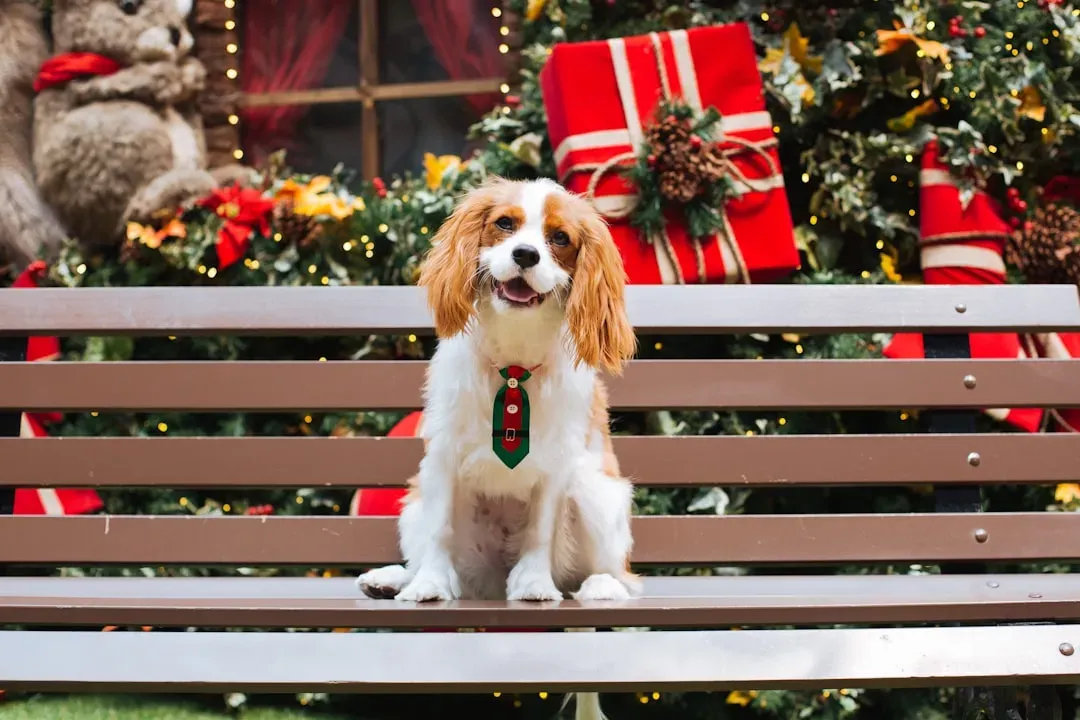
Here’s a fun piece of history for you. Classical composer Richard Wagner kept a special chair in his studio for his Cavalier King Charles spaniel and paid special attention to the dog’s reactions to certain notes or sequences. Cavaliers have long been associated with music and sound appreciation, and many modern-day owners report the same thing.
These affectionate little dogs are highly attuned to their humans, which means they pick up on our emotions during the holidays. If you’re happy and relaxed while listening to Christmas music, there’s a good chance your Cavalier will be too. They’re sensitive souls, but in a way that draws them closer to the warmth of the season rather than away from it.
French Bulldogs: Quirky Characters Who Roll with It

French Bulldogs are funny little creatures. They don’t have the sharpest hearing compared to some breeds, but they make up for it with personality. Frenchies tend to be adaptable and surprisingly unbothered by household noise. The clattering of dishes, the rustling of gift wrap, even the occasional dropped ornament – most Frenchies just blink and carry on.
One Reddit user describes his French bulldog routinely coming in to join him when he starts practicing guitar. If music can draw them in rather than drive them away, the sounds of Christmas are unlikely to be a problem. They’re more likely to be snoring under the tree than stressing over the noise around them.
Boxers: High Energy Meets High Tolerance
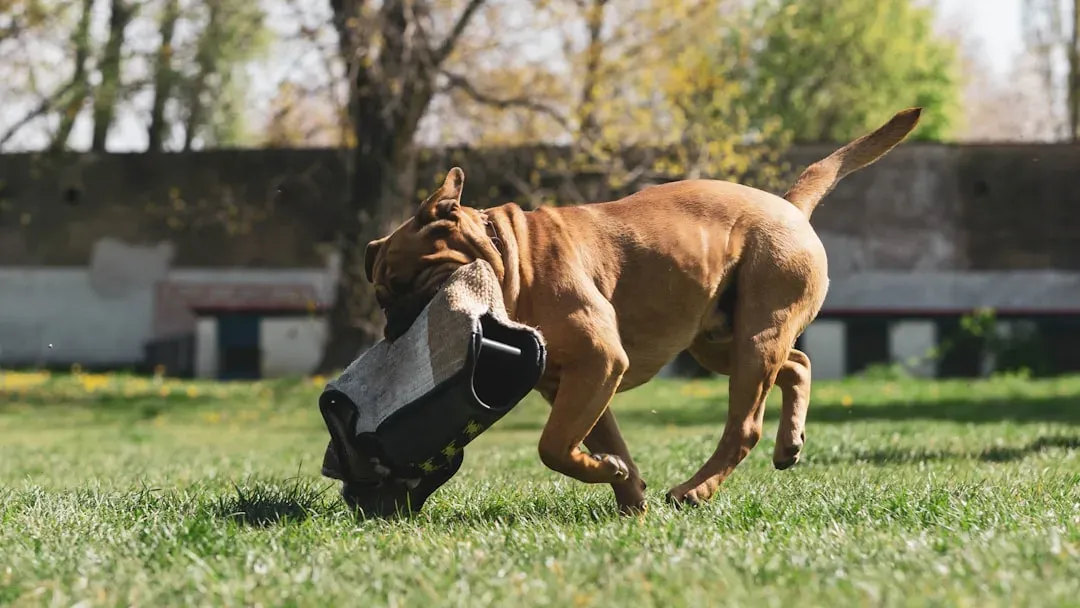
Boxers are bundles of energy and enthusiasm, and that extends to how they handle sound. Significantly lower rates of fearful responses to loud noises were found in Boxers. This breed genuinely seems wired to take things in stride, even during the most chaotic holiday parties.
Their playful nature means they’re more focused on what’s happening – who’s playing with them, where the treats are – than on the noise itself. If you’re hosting a big Christmas gathering, a Boxer is likely to be in the thick of it, tail wagging, soaking up the excitement. Just make sure they get enough exercise beforehand, or all that energy might turn into mischief.
Great Danes: Gentle Giants with Calm Demeanors
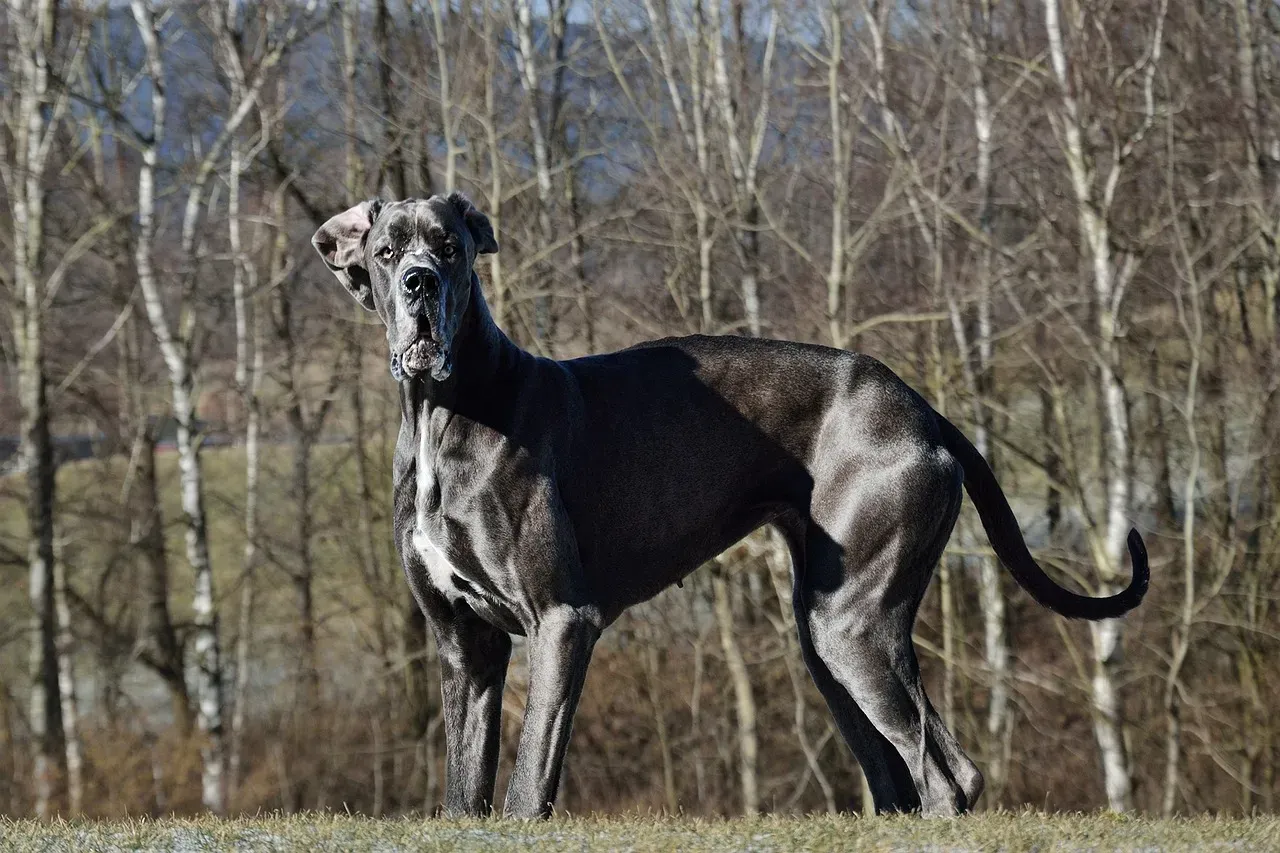
Their laid-back nature often means these large breeds are less perturbed by noise, though again, individual temperament plays a role. Great Danes are surprisingly chill for such massive dogs. They have a quiet confidence about them that seems to insulate them from the stress that loud noises can cause in smaller or more anxious breeds.
Great Danes show significantly lower rates of fearful responses to thunderstorms and loud noises. That same calm extends to Christmas chaos. They might raise an eyebrow at a particularly loud laugh or a popped champagne cork, but they’re unlikely to panic. Just give them a cozy spot to lounge, and they’ll be content to watch the festivities unfold.
Staffordshire Bull Terriers: Steady Under Pressure
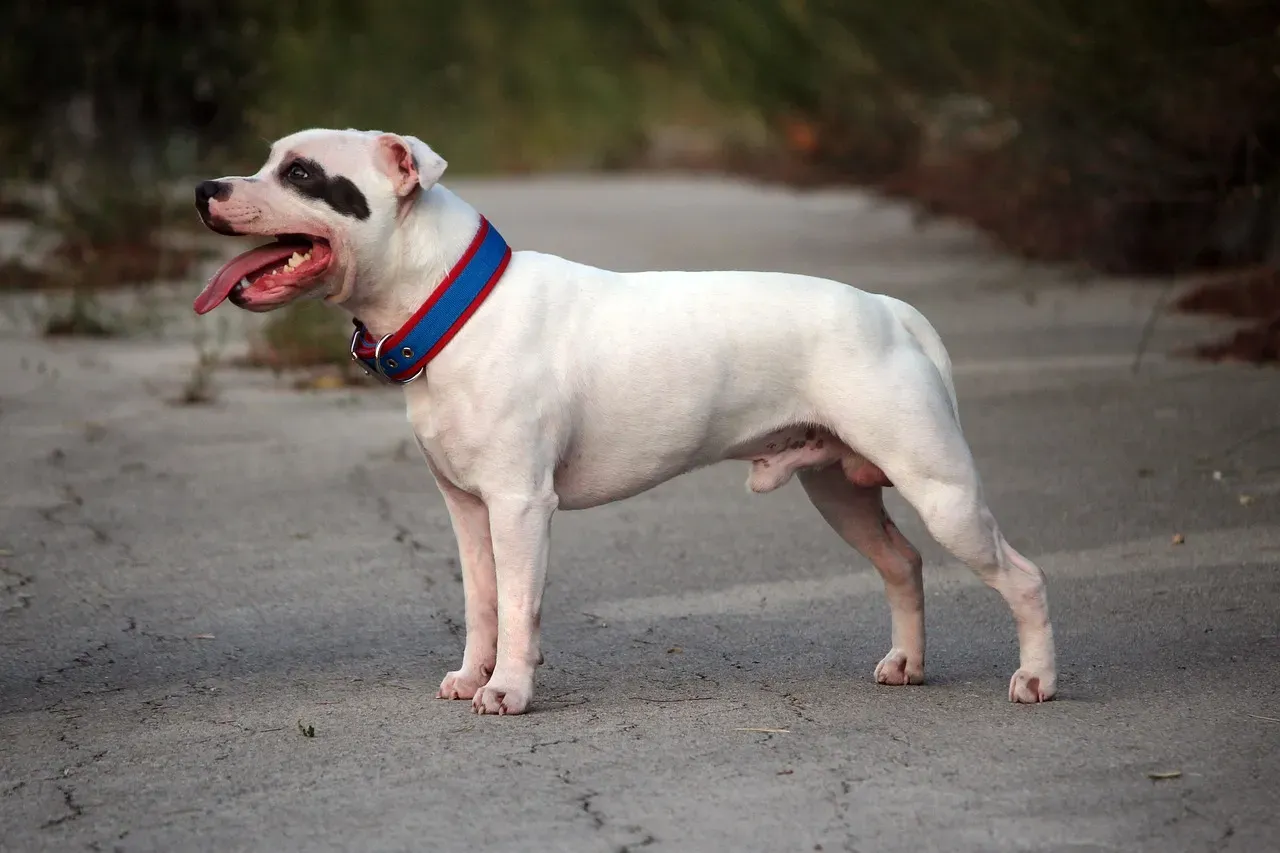
Staffies are incredibly loyal and resilient dogs. They were originally bred to be tough, but they’re also deeply affectionate with their families. This combination makes them surprisingly well-suited to the sensory overload of Christmas. They’re not easily startled, and they take change in stride.
Their focus tends to be on their people rather than the environment, which means a noisy living room full of guests is just another day with their favorite humans. Staffies are also known for their patience with children, which is a bonus during the holidays when kids are running around in a sugar-fueled frenzy. They’re solid, dependable companions who help keep the peace.
Mixed Breeds: A Wildcard Worth Celebrating
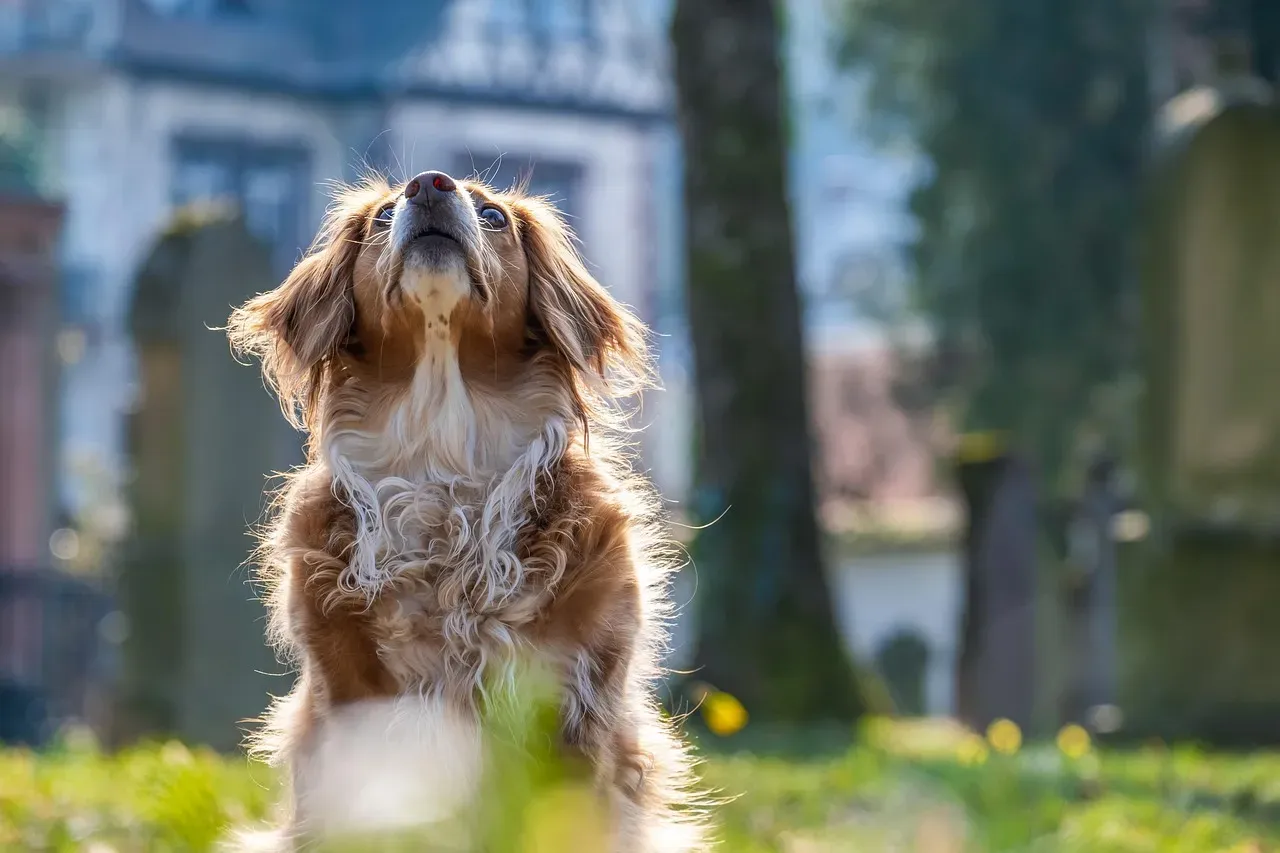
Mixed breed dogs are a bit of a mystery when it comes to noise sensitivity. Two studies found that the breed group that scored highest on noise fear were mixed breeds, which may hint at the importance of environmental factors. Some mixed breeds are wonderfully adaptable and handle Christmas with ease, while others may need extra support.
The key is knowing your individual dog. If your mixed breed was well-socialized as a puppy and exposed to a variety of sounds, they’re more likely to enjoy the holiday hubbub. If they came from a shelter or had a rough start, they might need a quieter Christmas experience. Either way, mixed breeds have a special charm that makes every holiday season unique.
Bulldogs: Low-Key and Unfazed
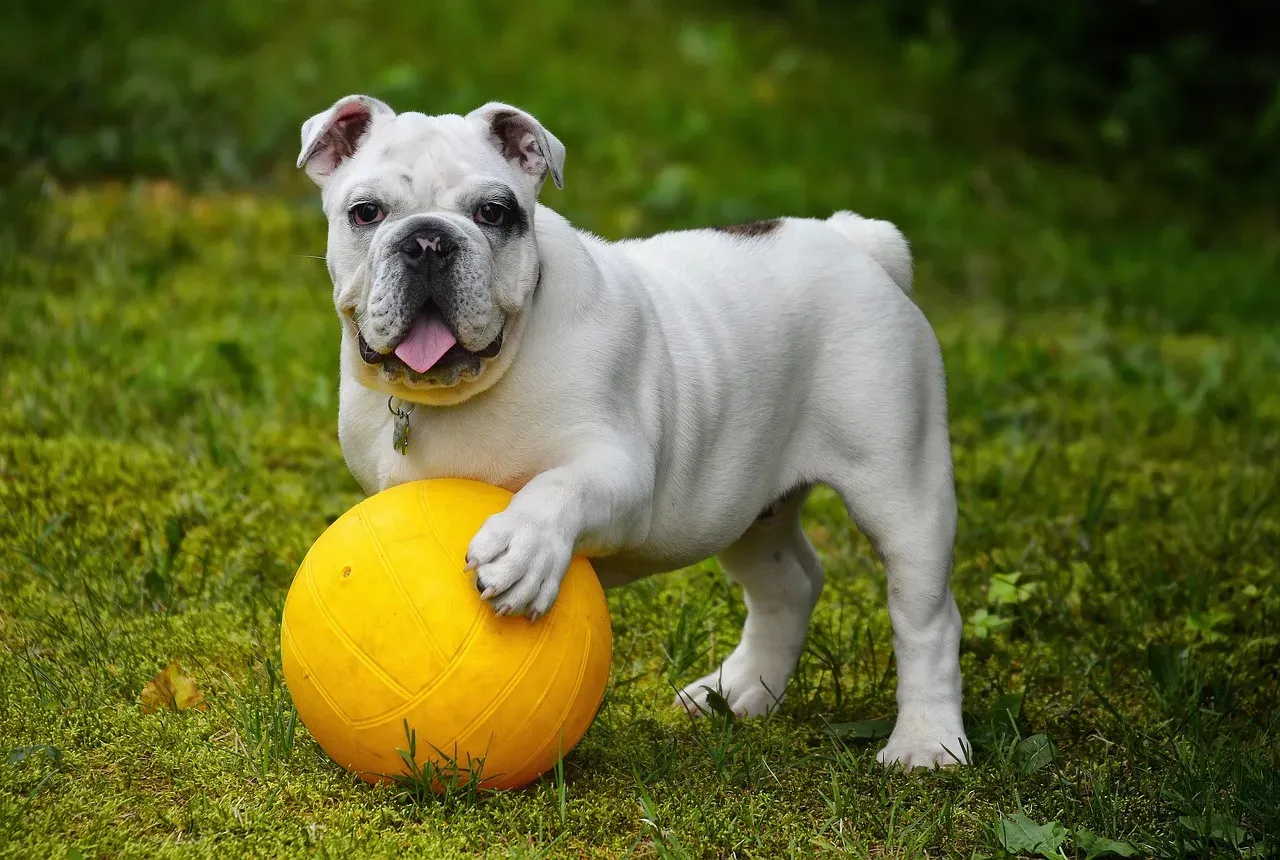
Bulldogs, both English and French, share a certain stoic quality. They’re not easily ruffled, and their somewhat limited hearing range compared to other breeds actually works in their favor during noisy holidays. Bulldogs are content to lounge on the couch, snoring away, while the world buzzes around them.
They’re also incredibly people-focused, which means they’re more interested in being near you than worrying about what’s happening in the background. If you’re relaxed, they’re relaxed. That makes them excellent companions for families who love to host during the holidays. Just watch out for overheating if your home gets too warm with all those guests and cooking.
Border Collies: Too Smart for Their Own Good
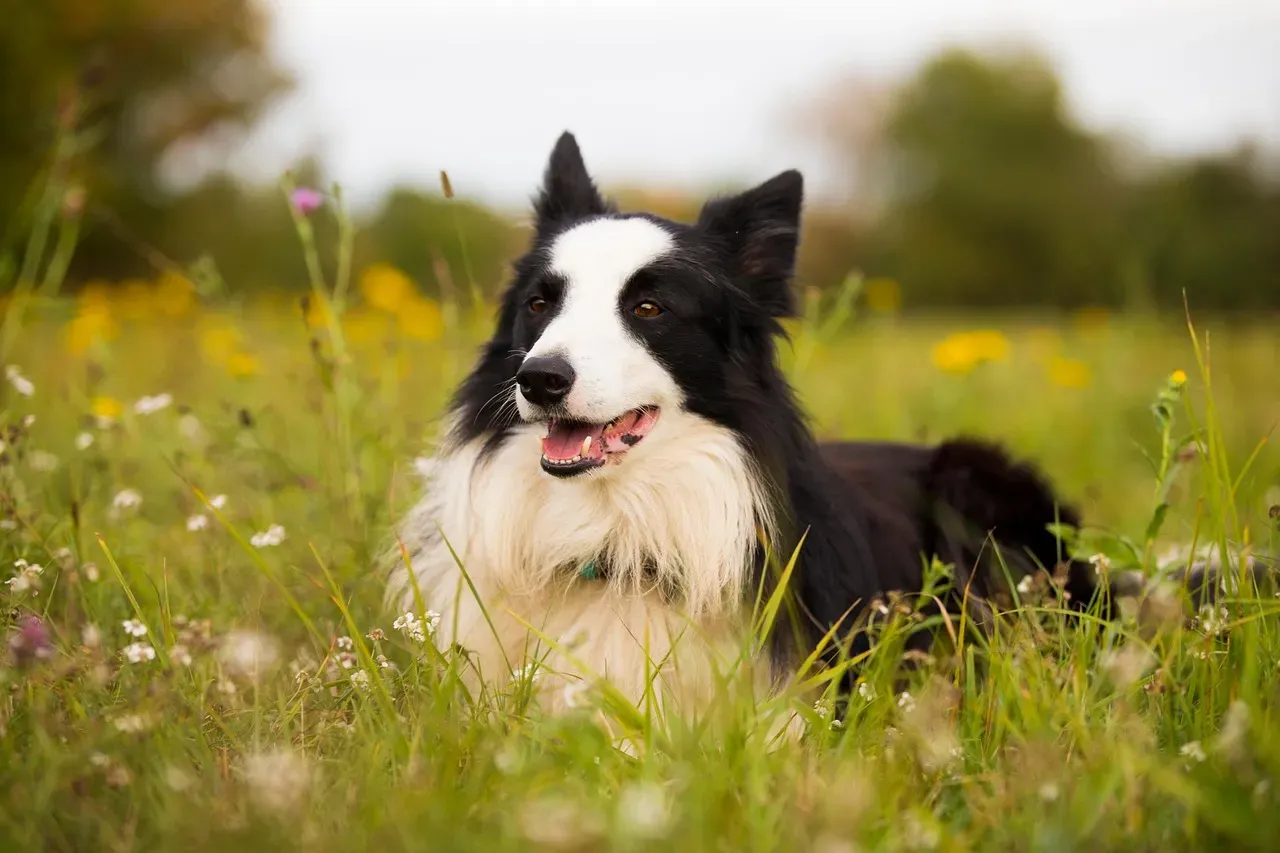
Here’s where things get tricky. Border Collies are brilliant, sensitive, and incredibly attuned to their environment. Herding dogs, in particular, such as border collies, both have sensitive hearing and inherent hyperactive responses to stimuli, so they may be more likely to respond strongly to loud noises. That intelligence that makes them such amazing working dogs also makes them vulnerable during chaotic times like Christmas.
Border Collies may have inherited traits that make them more sensitive to loud or sudden noises. The unpredictability of Christmas – doors opening and closing, sudden laughter, dropped dishes – can keep a Border Collie on edge. They’re always analyzing, always alert, and that can be exhausting for them. If you’ve got a Collie, create a quiet retreat space where they can decompress away from the action.
German Shepherds: Loyal but Wary
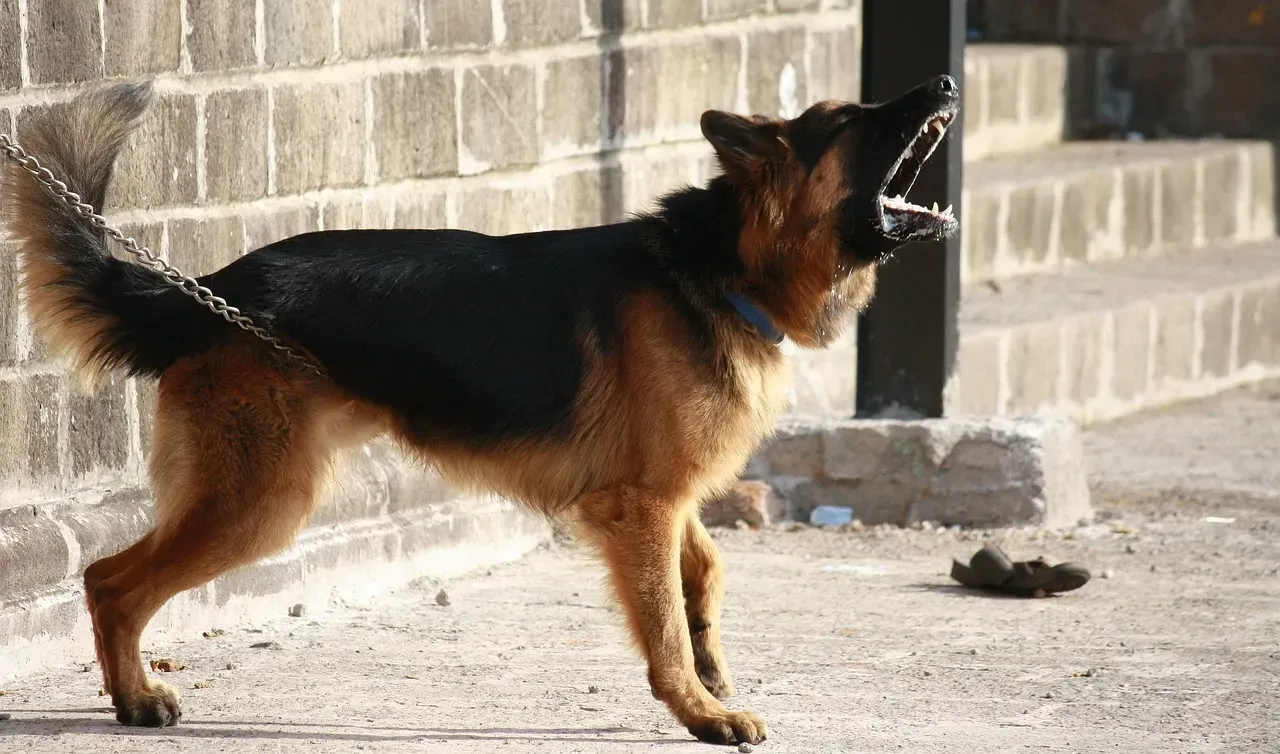
German Shepherds are protective, intelligent, and deeply loyal. Breeds that are commonly sensitive to sounds include German shepherds. While they’re brave in many situations, unexpected loud noises can trigger their protective instincts, which can manifest as anxiety or hypervigilance.
These breeds are known for their courage and loyalty, but they can exhibit stress in response to loud noises, especially if not properly socialized. During Christmas, a German Shepherd might react to every doorbell, every unfamiliar voice, every clatter in the kitchen. They’re trying to keep everyone safe, but it can become overwhelming for them. Early socialization and gradual exposure to holiday sounds can help, but patience is key.
Chihuahuas: Tiny Dogs, Big Reactions
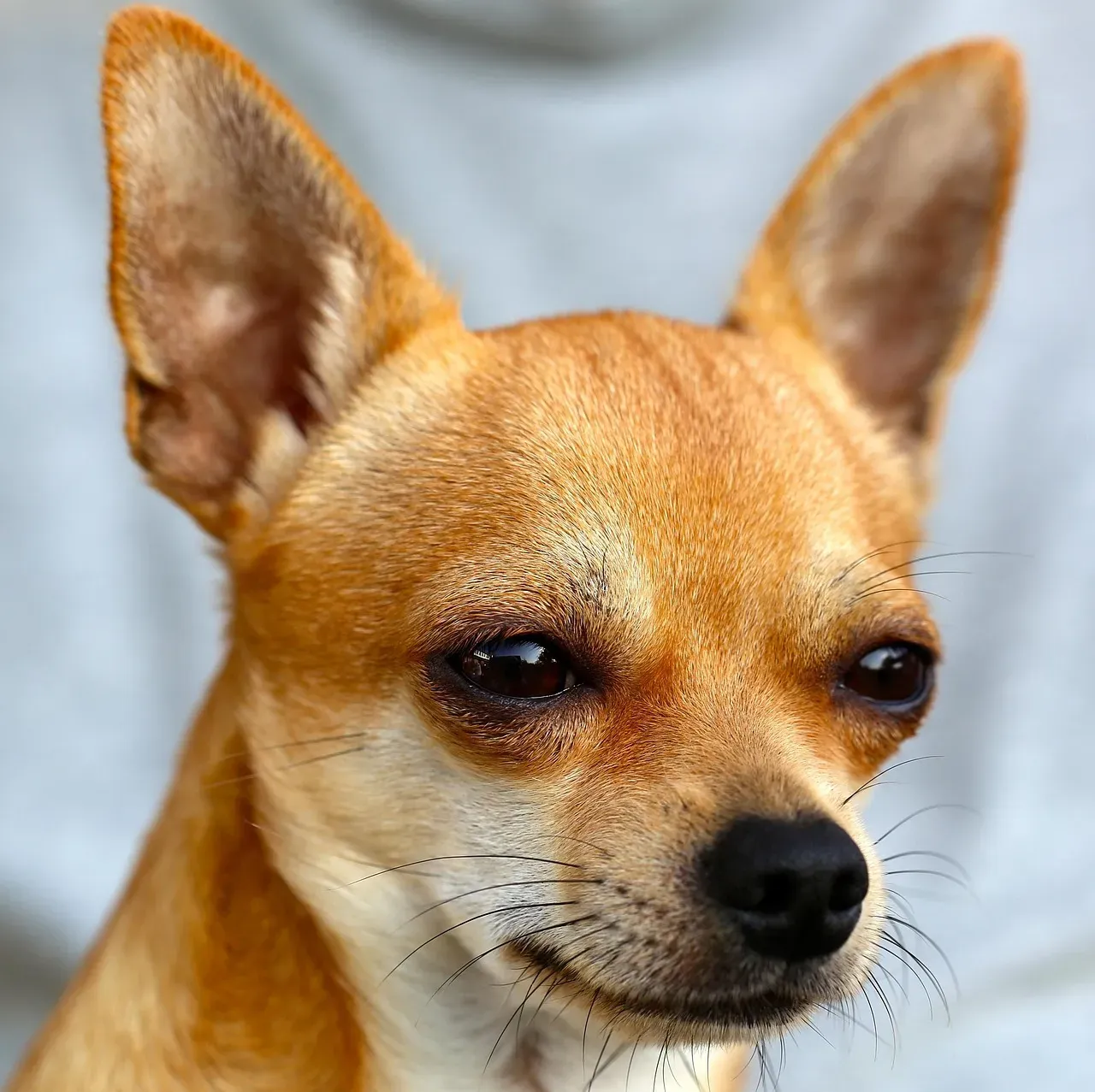
Their small size and sensitive nature can make toy breeds more anxious during loud events, as they often perceive these sounds as a direct threat. Chihuahuas are famously feisty, but they’re also incredibly sensitive to noise. Every sound is amplified when you’re that small and that aware of your surroundings.
Christmas can be particularly stressful for Chihuahuas. The bustling activity, the unfamiliar voices, the sudden sounds – all of it can trigger anxiety. You might notice them trembling, barking excessively, or hiding. It’s not that they’re being difficult; they’re genuinely overwhelmed. Providing a safe, quiet space and limiting their exposure to the loudest moments of the holiday can make a world of difference for these little warriors.
Australian Shepherds: High-Strung Herders
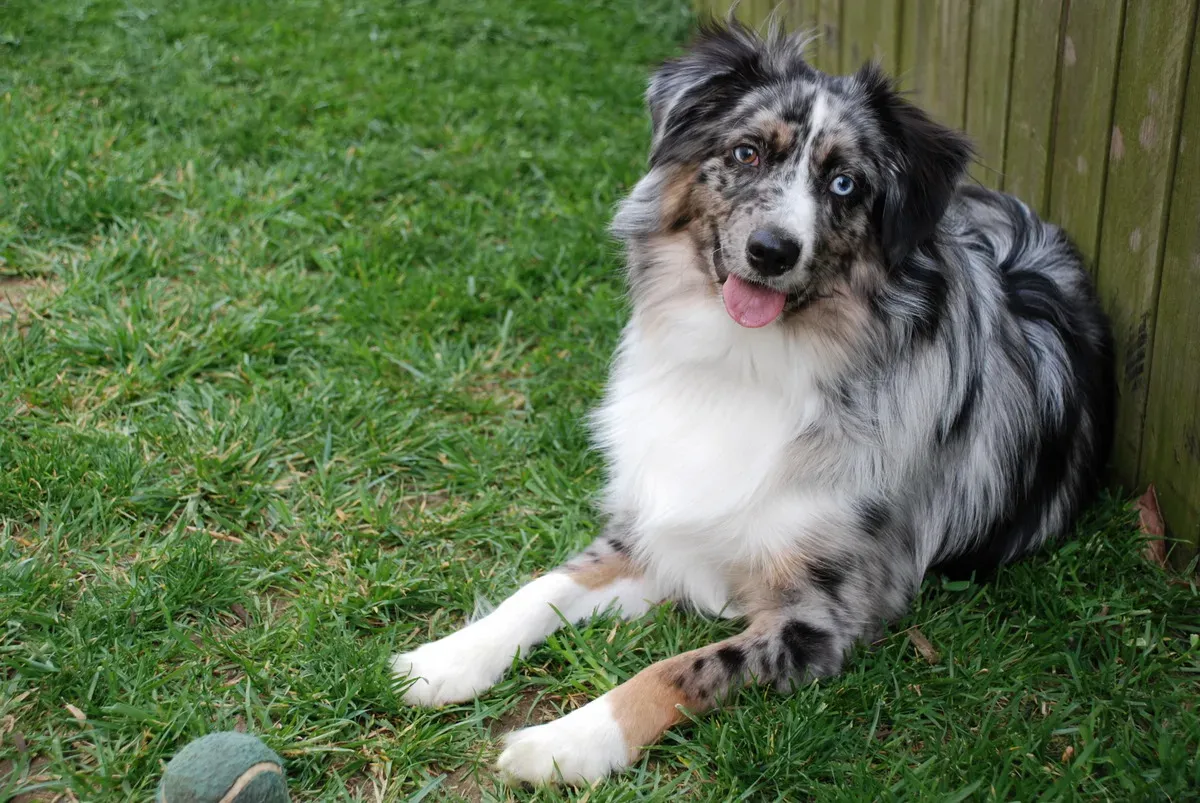
Australian Shepherds share many traits with Border Collies, including that intense sensitivity to their environment. Bred for their intelligence and responsiveness, herding dogs are highly attuned to their environment, which makes them more prone to anxiety in response to loud noises. Aussies are always “on,” always working, always thinking.
During Christmas, that can become a problem. The constant stimulation, the unpredictability, the noise – it all adds up. Border Collies and Australian Shepherds were more severely affected with higher anxiety intensity scores in studies on noise sensitivity. If you’ve got an Aussie, think about ways to keep their routine as normal as possible. Exercise them well before guests arrive, and give them jobs to do, like fetching toys or practicing tricks in a quieter room.
Greyhounds: Sensitive Sprinters

Greyhounds are gentle, quiet, and surprisingly fragile when it comes to noise. Greyhounds are breeds commonly associated with noise sensitivity. Despite their racing background, many Greyhounds are actually quite anxious, especially if they’re retired racers adjusting to home life.
Christmas can be particularly challenging for them. The sudden noises, the crowds, the disruption to routine – all of it can send a Greyhound into shutdown mode. They might freeze, tremble, or try to hide. It’s important to move slowly, keep things as calm as possible, and give them plenty of opportunities to retreat to a safe space. Their sensitivity is a sign of their gentle nature, not a flaw.
Conclusion: Knowing Your Dog Makes All the Difference
The holidays are supposed to be joyful, and that includes for our dogs. Understanding how your particular breed – or mix of breeds – responds to the sounds of Christmas is the first step in making sure everyone has a good time. Some dogs are born party animals, ready to howl along to carols and greet every guest with a wagging tail. Others need quiet corners, soft music, and a little extra reassurance.
A study of 13,700 pet dogs showed that noise sensitivity was the most common trait to cause anxiety in dogs, showing up in almost one-third of the dogs. That’s a significant number, and it means you’re not alone if your dog struggles during the holidays. Pay attention to their body language. Watch for signs of stress like panting, pacing, or hiding. Create a safe space with familiar blankets and toys where they can escape when things get too overwhelming.
Remember, every dog is an individual. Breed tendencies give us clues, but your dog’s history, personality, and experiences shape how they respond to the world. So this Christmas, turn the music down just a notch if your Collie seems tense. Let your Beagle howl along if it makes them happy. And most importantly, make sure your dog knows that no matter how loud or chaotic things get, they’re safe, loved, and part of the family celebration. How does your dog handle the holiday hustle? Share your stories in the comments.


