
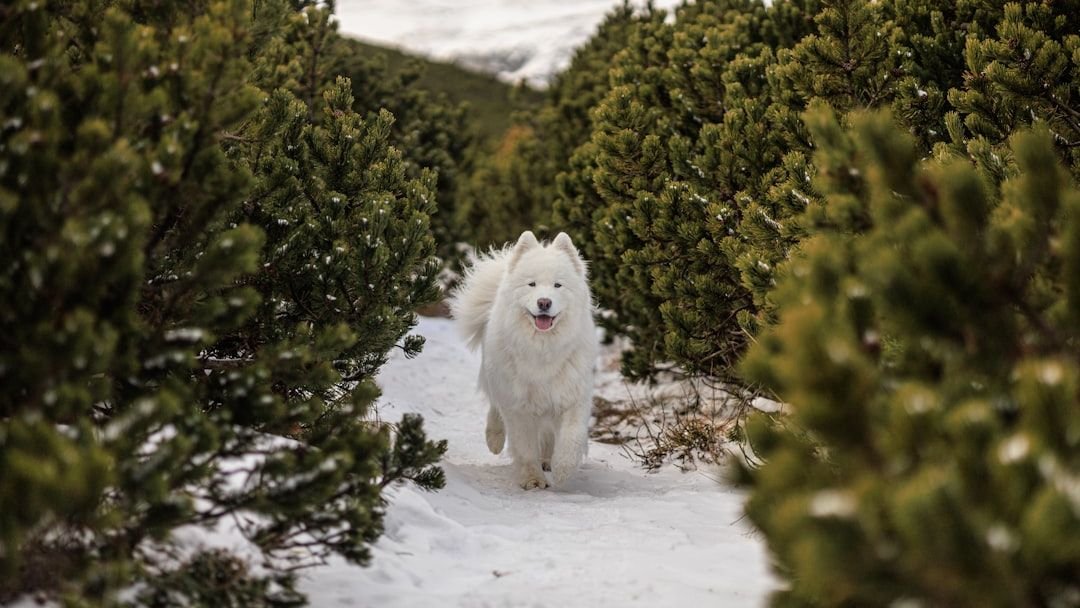
Have you ever watched a dog bound through fresh snow with pure joy radiating from every leap? Or noticed another pup shivering on the doorstep, practically begging to go back inside after two minutes in the cold? The truth is, not all dogs experience winter the same way. Some were practically born with snowshoes on their paws, while others would trade their favorite toy for a heated blanket and a spot by the hearth.
Understanding your dog’s relationship with cold weather isn’t just about comfort. It’s about their health, their happiness, and giving them the life they deserve. Whether you’re considering adding a furry friend to your family or you’re curious about why your current pup acts like winter is either Disneyland or their worst nightmare, you’re in the right place. Let’s explore the breeds that live for snow days and those that count down the minutes until spring arrives.
Siberian Husky: The Snow Enthusiast
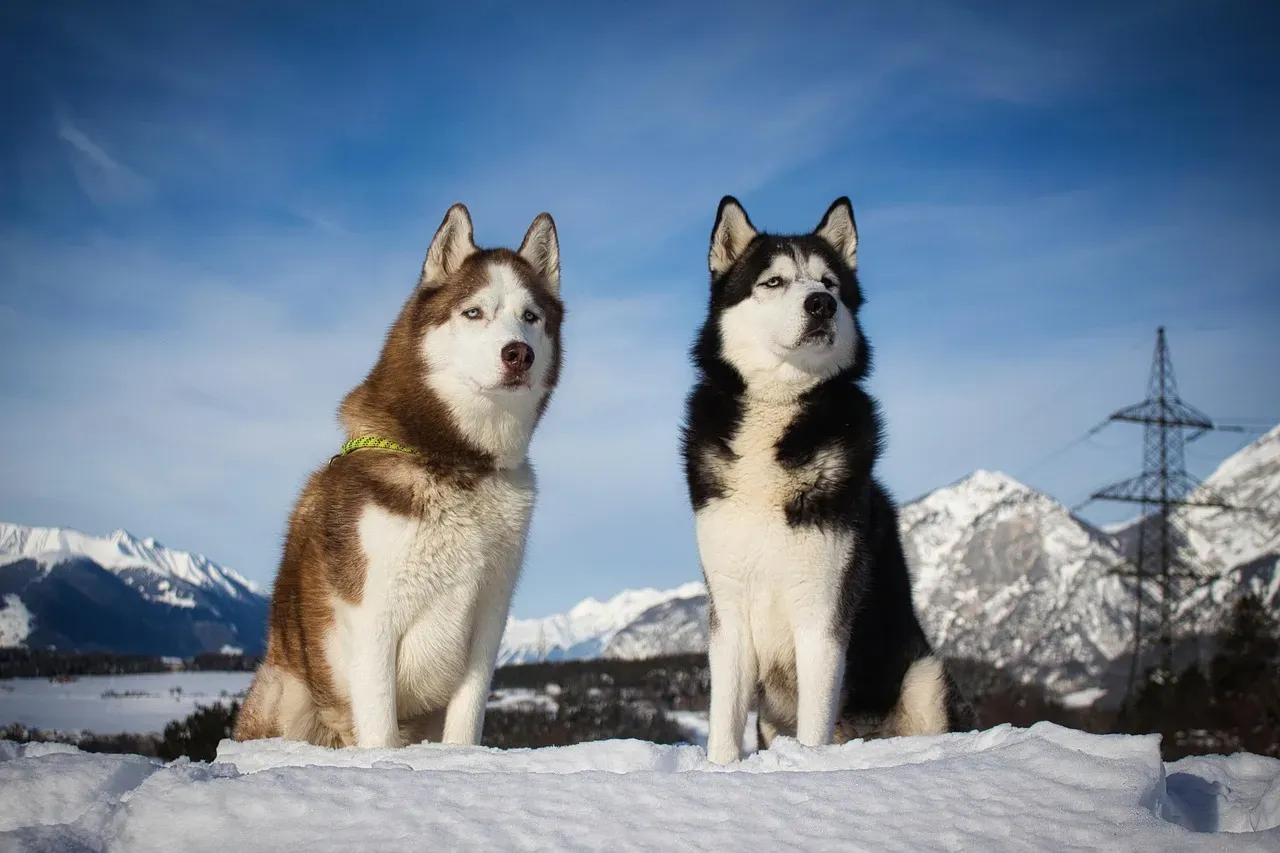
With their thick double coat, boundless energy, and striking blue eyes, Siberian Huskies were quite literally made for winter, originally bred by the Chukchi people of Siberia to pull sleds across frozen tundra. These athletic dogs thrive in snowy conditions and genuinely seem happiest when temperatures drop below freezing.
Watch a Husky in fresh snow and you’ll see what pure bliss looks like. They’ll dive face-first into snowbanks, roll around like they’re making snow angels, and race across icy terrain with incredible speed. Their thick double coat protects their skin from moisture and low temperatures, making them virtually waterproof in winter conditions.
These dogs need substantial exercise, particularly in cold weather when they’re most energetic. A short walk around the block won’t cut it for a Husky in winter. They want adventure, they want movement, and they want it in the snow.
Alaskan Malamute: The Arctic Powerhouse
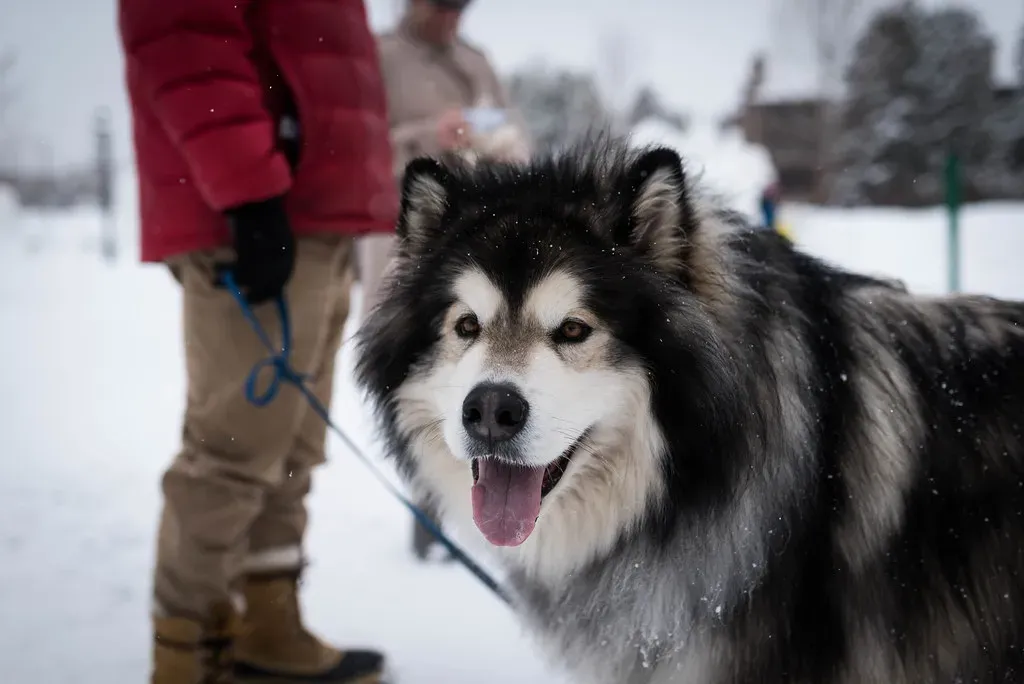
The Alaskan Malamute is a true icon of the Arctic, originally bred by the Inuit to pull heavy sleds across frozen terrain, built for endurance in extreme cold. These powerful dogs are larger and stronger than their Husky cousins, designed for hauling heavy loads rather than speed.
Their thick double coat, strong muscles, and snowshoe-like paws make them perfectly suited for winter weather. You’ll notice their massive paws act like natural snowshoes, distributing their weight so they can walk on top of snow that would trap other breeds.
Malamutes are gentle giants beneath all that strength. Beneath their rugged exterior, malamutes are affectionate, loyal companions who love spending time with their families – especially if it involves outdoor adventures in the snow. They’re patient, loving, and surprisingly good with children despite their imposing size.
Samoyed: The Smiling Siberian
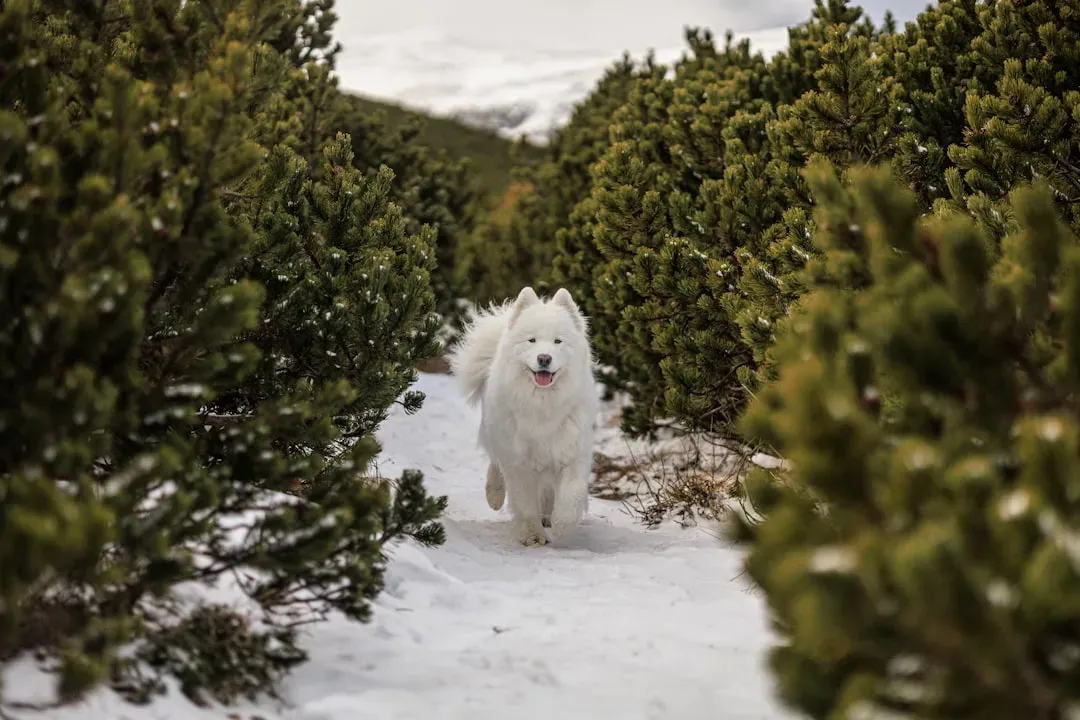
The Samoyed is an Arctic dog breed with an elegant white coat, companions to the Samoyed people in Siberia for generations, beloved for their friendly personality and face that’s shaped into a permanent smile. That famous “Sammy smile” isn’t just adorable – it actually serves a purpose, preventing drool from forming icicles on their face in frigid temperatures.
Their fluffy white coat isn’t just for show. Historically, their warm coat kept both themselves and their humans warm through cold winter nights. People actually used to sleep with their Samoyeds for warmth during brutal Siberian winters.
These dogs are incredibly social and hate being left alone. They need to be part of family activities, whether that’s playing in the backyard snow or cuddling on the couch afterward. Their friendly nature means they’re not great guard dogs – they’re more likely to greet an intruder with enthusiastic kisses than suspicion.
Bernese Mountain Dog: The Gentle Giant
An affectionate cold-weather dog breed, the Bernese Mountain Dog is a gentle soul that loves to play, bred to be farm dogs in Switzerland and enjoy being outside. These tri-colored beauties with their distinctive markings are absolute sweethearts with a serious work ethic.
Possessing a thick double coat of silky fur, this tri-color cutie thrives in cold weather and enjoys partaking in outdoor winter activities like hiking and snowshoeing. They were originally bred to pull carts and herd cattle through the Swiss Alps, so they’re built for cold mountain conditions.
What makes Berners special is their temperament. They’re incredibly patient with children, deeply devoted to their families, and surprisingly calm for such large dogs. They do need regular exercise but aren’t hyperactive – a good winter hike followed by relaxing indoors is their ideal day.
Saint Bernard: The Mountain Rescuer
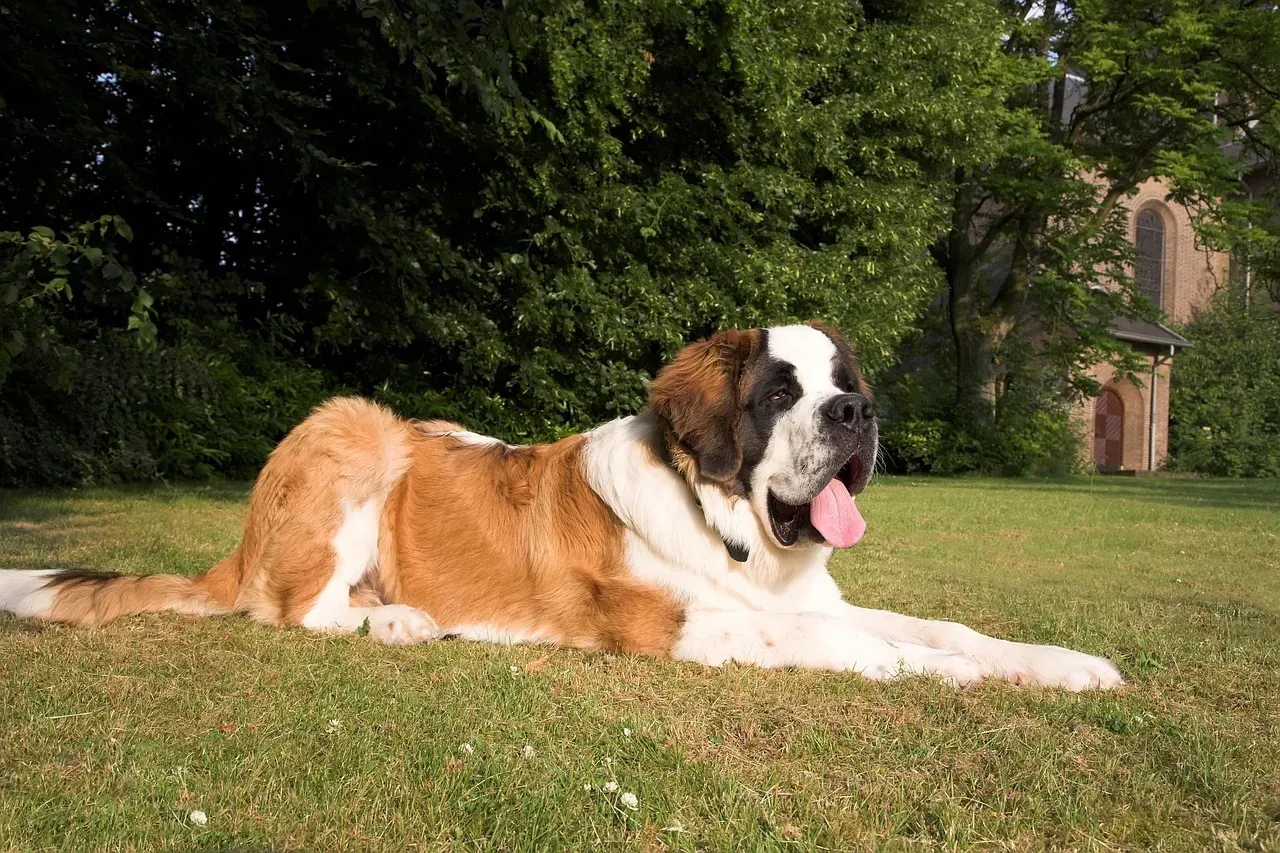
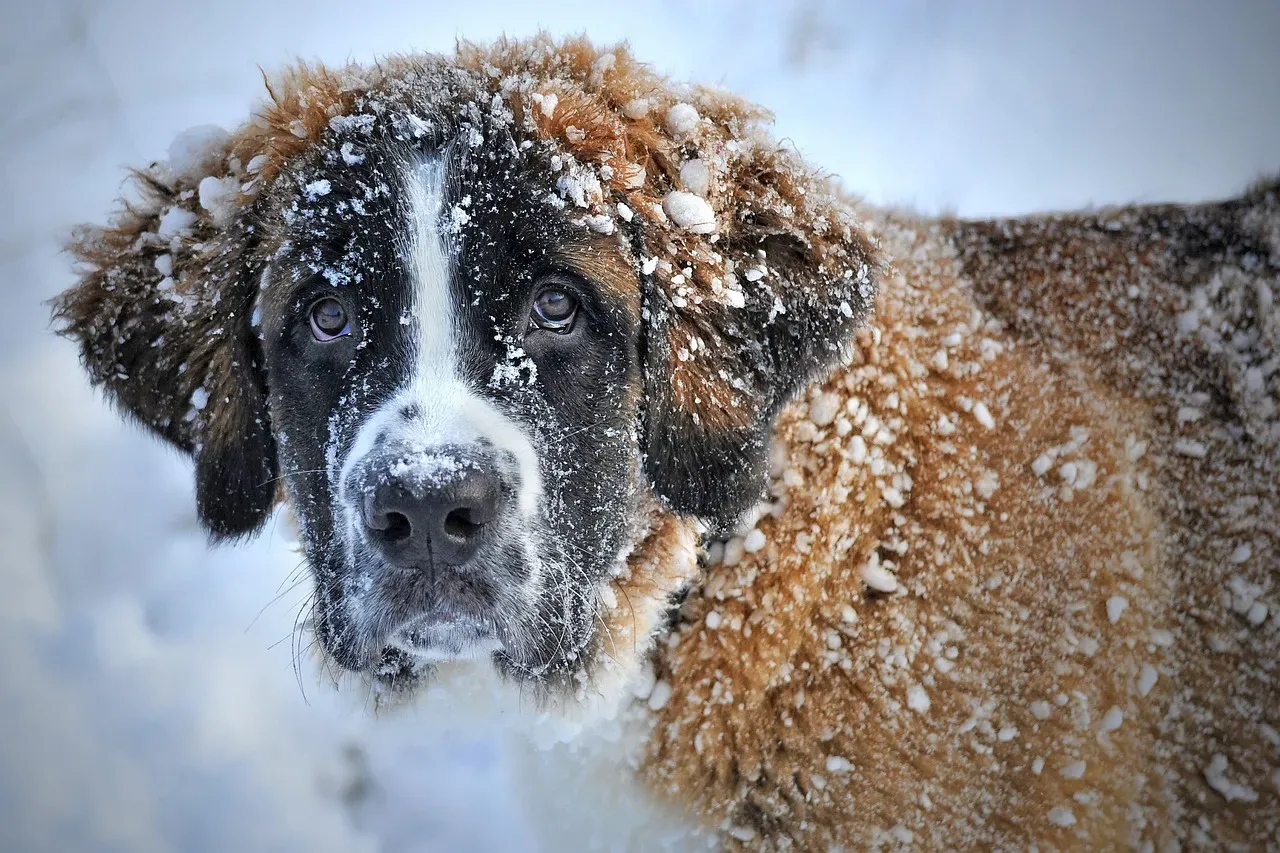
Saint Bernards originated in the Alps in the 17th century, where they worked as guardians for monks and rescue dogs for travelers who became trapped by snowstorms. These massive dogs are legendary for their lifesaving work in brutal mountain conditions.
Saint Bernards are famous for their role in mountain rescue, historically braved harsh snowstorms to save people stranded in the Swiss Alps, with their massive size and thick fur made for cold weather. They can detect people buried under snow and have saved countless lives throughout history.
Despite their heroic reputation, Saints are gentle, patient, and surprisingly low-energy. They’re happy with moderate exercise and spend much of their day lounging around the house. Just be prepared – they drool. A lot. Like, bring towels everywhere you go.
Newfoundland: The Water-Resistant Wonder
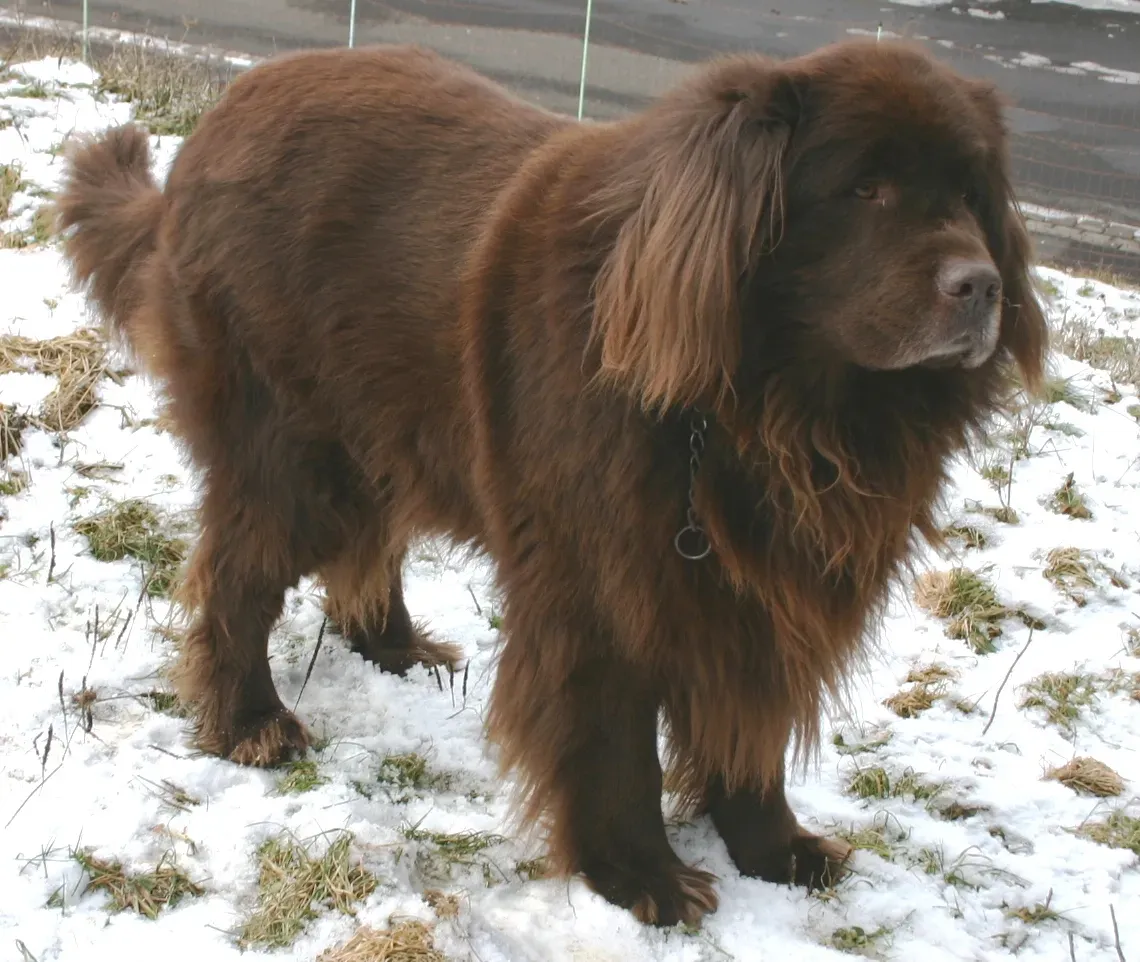
The Newfoundland is a true sea dog, working for centuries alongside Canadian fishermen in the cold waters of the North Atlantic, with thick, water-resistant coat and partially webbed feet helped them stay warm, dry, and powerful in icy seas. These gentle giants are equally comfortable in frozen water as they are in deep snow.
The Newfoundland has a heavy coat that protected it from the icy waters it was originally bred to work in, making it ideal for colder weather. Their double coat is so effective at repelling water that they barely get wet even when swimming in winter conditions.
Newfies are incredibly sweet and patient, making them wonderful family dogs. They’re natural swimmers and still work in water rescue today. These dogs are calm, rarely bark, and bond deeply with their families. Just know they can weigh up to 150 pounds and yes, they drool too.
Great Pyrenees: The Livestock Guardian
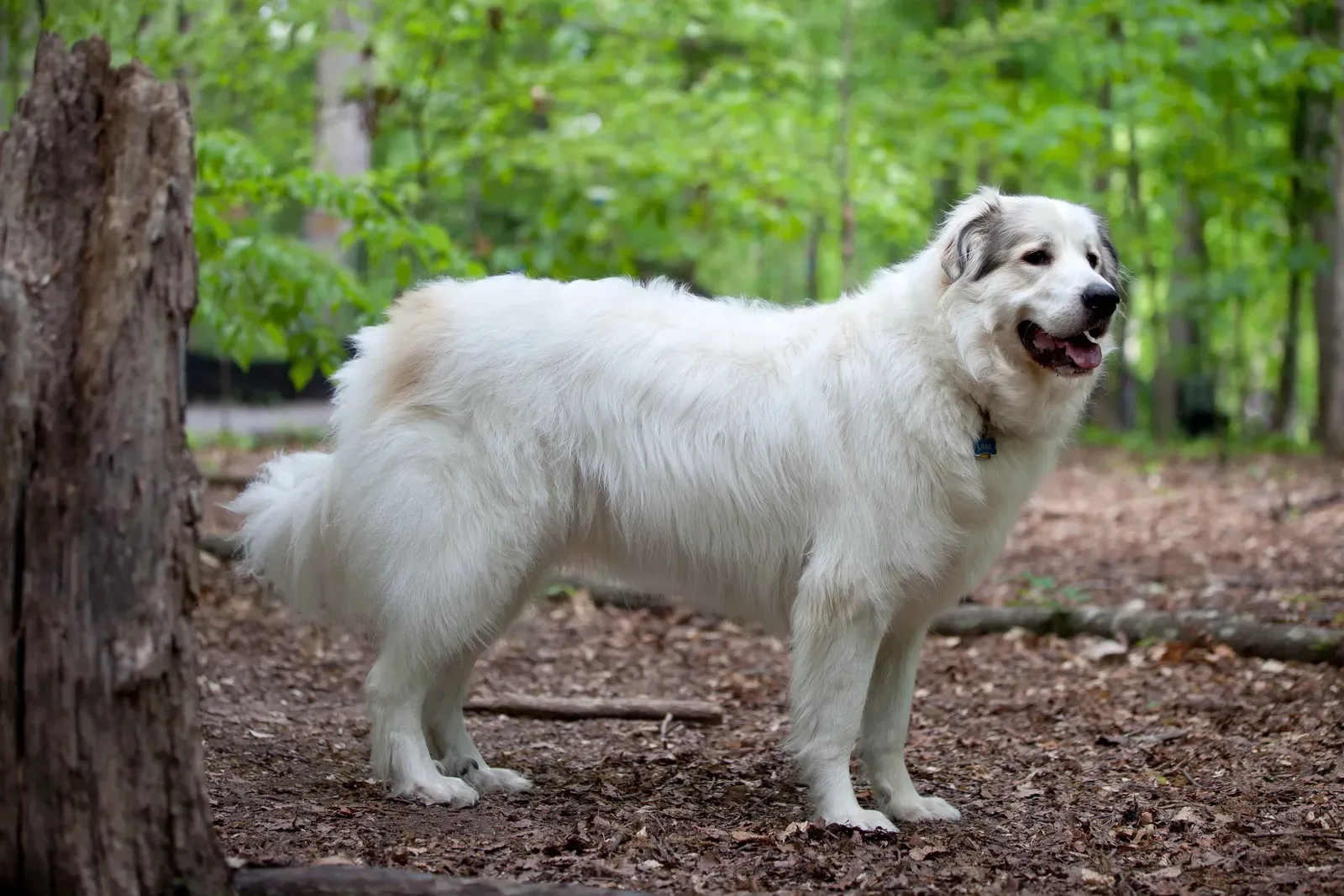
The Great Pyrenees is a large working dog from the Pyrenees mountains between Spain and France, built to navigate snowy terrain, where they historically guarded livestock from predators. These majestic white dogs were bred to work independently in harsh mountain conditions, protecting flocks from wolves and bears.
Their thick, weather-resistant coat allows them to spend hours outside in freezing temperatures without discomfort. They’re calm, patient, and surprisingly gentle despite their imposing size. Great Pyrenees are gentle and calm dogs that have a reputation for being great with kids.
These dogs have a strong protective instinct, which means they can be territorial and vocal. They were bred to make decisions on their own while guarding flocks, so they can be independent and sometimes stubborn. They need patient, consistent training and a securely fenced yard.
Akita: The Snow Country Dog
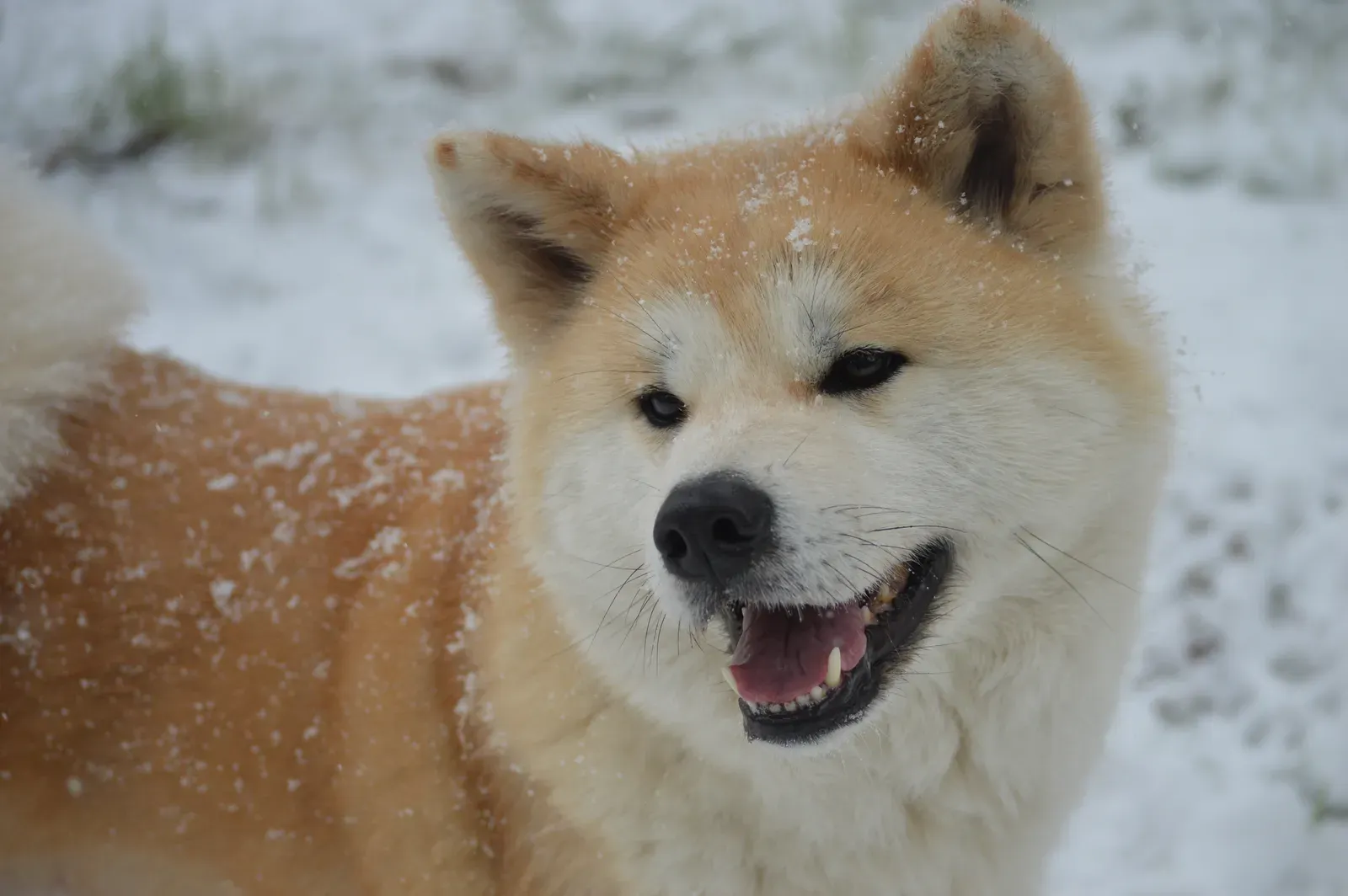
The Akita is a Japanese dog that thrives in cold weather, one of the world’s oldest dog breeds, originating thousands of years ago in the snowy mountains of northern Japan, bred by the Matagi people to hunt large game like bears and to guard homes. These dignified dogs are incredibly loyal and deeply bonded to their families.
The Akita Inu is a heavy-boned, strong, and muscular breed with a thick triple coat which protects them from the elements, with a straight coarse topcoat, a soft top undercoat, and a thick and woolly undercoat keeps them insulated from cold and makes them virtually waterproof. This triple-layer insulation system is exceptional at maintaining body heat.
Akitas are protective and can be reserved with strangers, making early socialization essential. They’re intelligent but independent-minded, requiring experienced owners who understand their personality. With their family, though, they’re affectionate and devoted companions.
Norwegian Elkhound: The Viking Companion
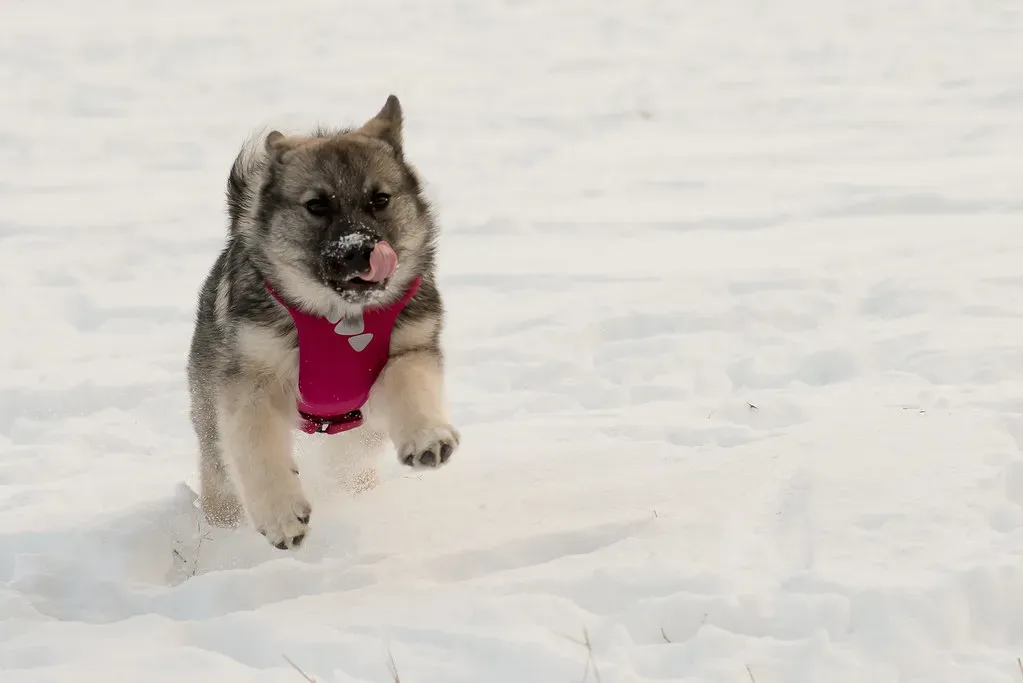
Norwegian Elkhounds are cold weather dogs dating back to the Vikings, now the national dog of Norway, originally used as hunting dogs. These medium-sized dogs are hardy, energetic, and perfectly adapted to Scandinavian winters.
Norwegian Elkhounds possess excellent agility, long lasting endurance, and a protective nature, with their smooth outer coat and wooly undercoat keeps them comfortable for ages in the snow. They’re always ready for adventure, especially when snow is on the ground.
These dogs have strong hunting instincts and a high prey drive. They may chase smaller animals and need proper training and secure fencing. They’re vocal dogs who love to “talk” and can be quite chatty with their owners. Regular exercise is essential to keep them happy and prevent boredom-related behaviors.
Tibetan Mastiff: The Himalayan Guardian
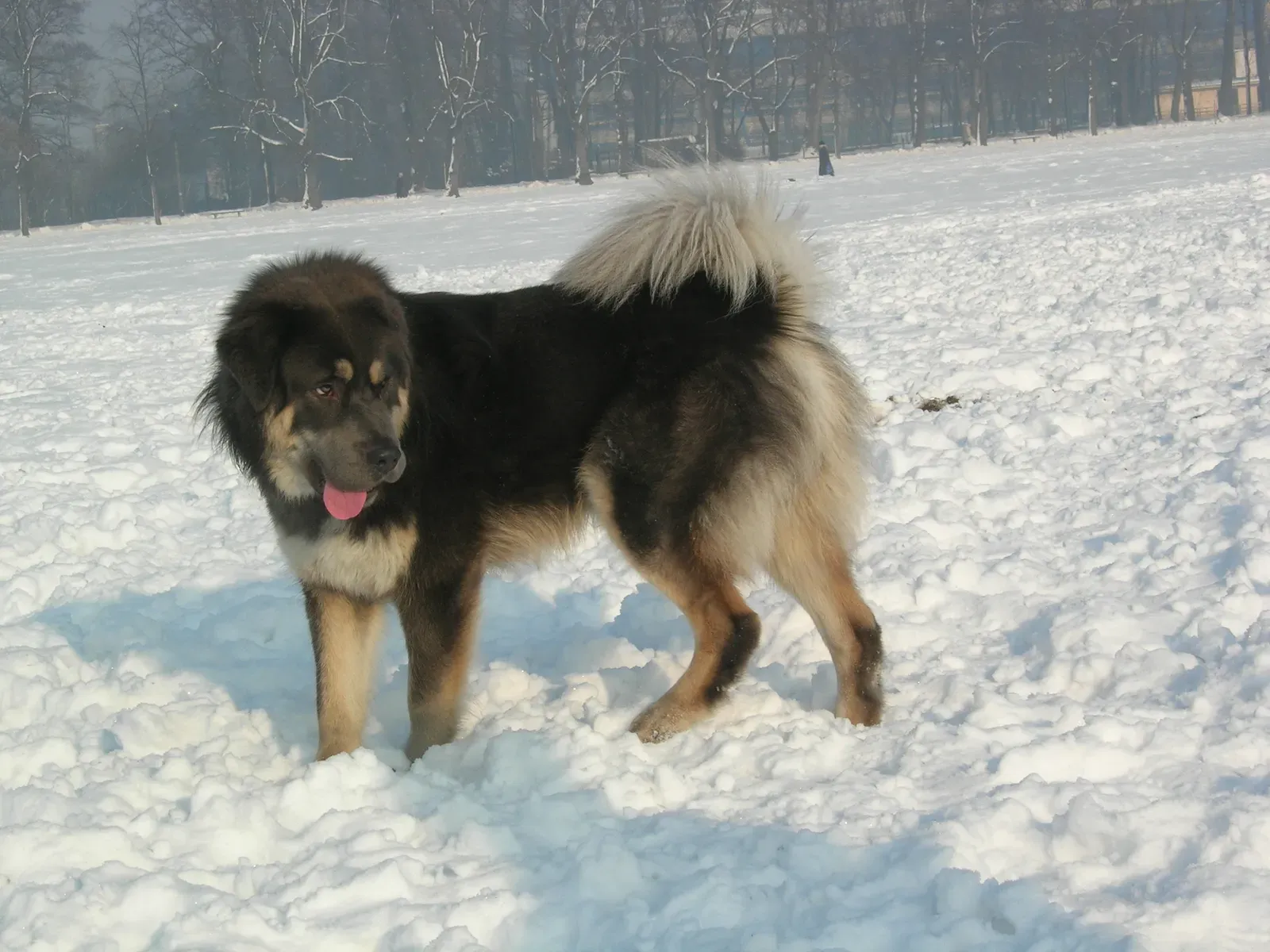
Bred to guard monasteries and herds high in the Himalayas, Tibetan mastiffs are true cold-weather powerhouses, with their massive frame and dense double coat built to withstand freezing mountain climates. These ancient dogs are among the most impressive cold-weather breeds in existence.
Tibetan Mastiffs were once isolated in the Himalayas, known for their immense double coat, keeping them cozy all winter long. Their coat is so thick that they actually shed heavily in warmer months and feel relieved when winter temperatures return.
These dogs are independent, intelligent, and fiercely protective. They’re natural guardians who take their role seriously, which means they need experienced owners who can provide proper training and socialization. They’re not for first-time dog owners, but in the right home, they’re magnificent companions.
Chihuahua: The Tiny Trembler
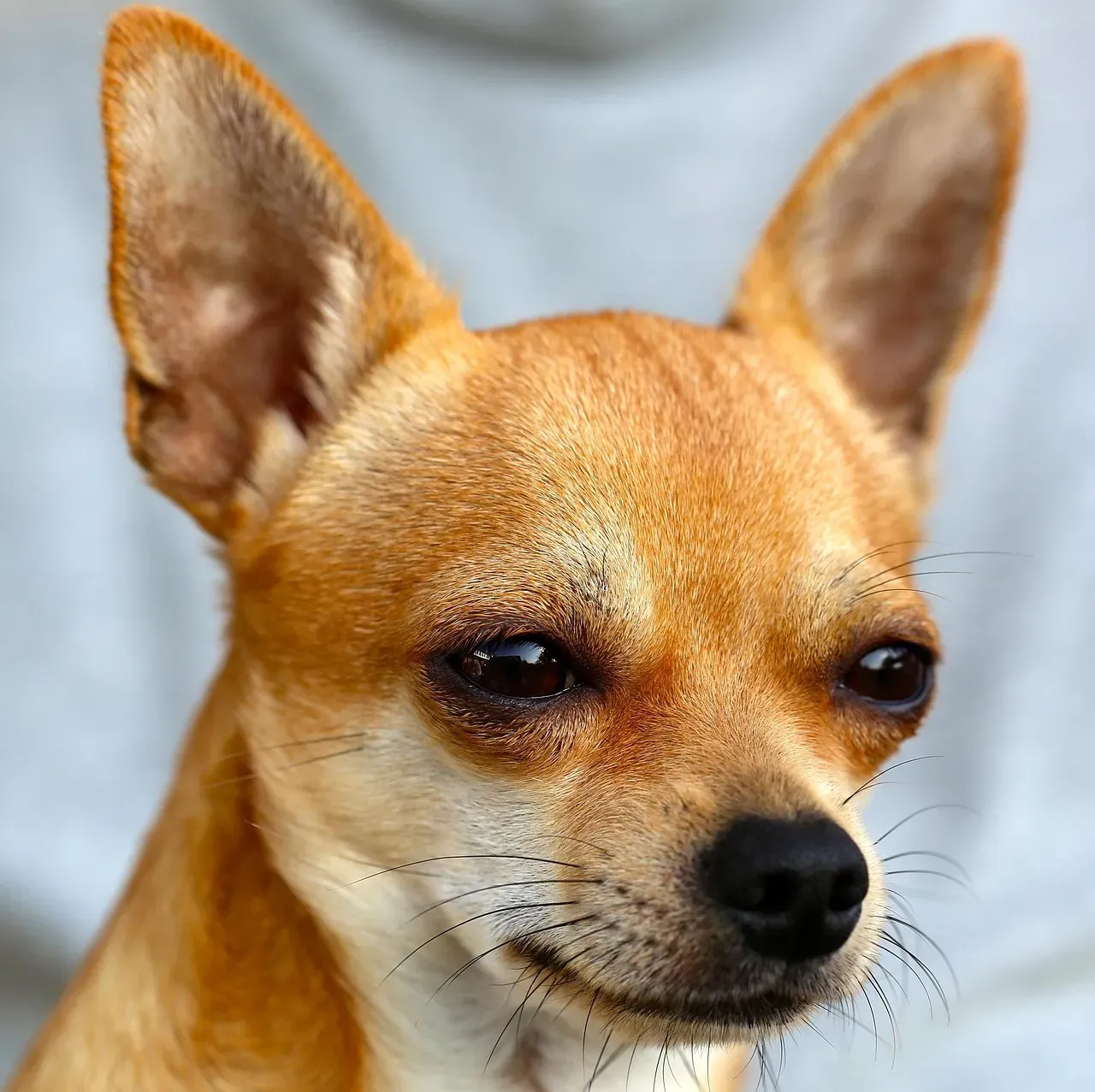
Tiny and delicate, Chihuahuas are one of the most cold-sensitive breeds, with their short coats and small size, they lose body heat quickly and thrive in warm environments, may need sweaters or jackets when venturing out in cooler weather. These pint-sized pups hail from Mexico and simply weren’t designed for winter weather.
One of the facts about Chihuahuas is that they may shake when they are nervous or excited, but, more often than not, they’re shivering because they’re cold. That constant trembling you see isn’t always anxiety – it’s often just them being genuinely chilly.
These little dogs would much rather be tucked under a blanket or curled up on a warm lap than venturing outside in cold weather. Chihuahuas hail from Mexico, so they’re understandably accustomed to warm, sunny weather, and they’re going to need a spot on your lap when winter arrives. Seriously, don’t expect to move from the couch.
French Bulldog: The Flat-Faced Freezer
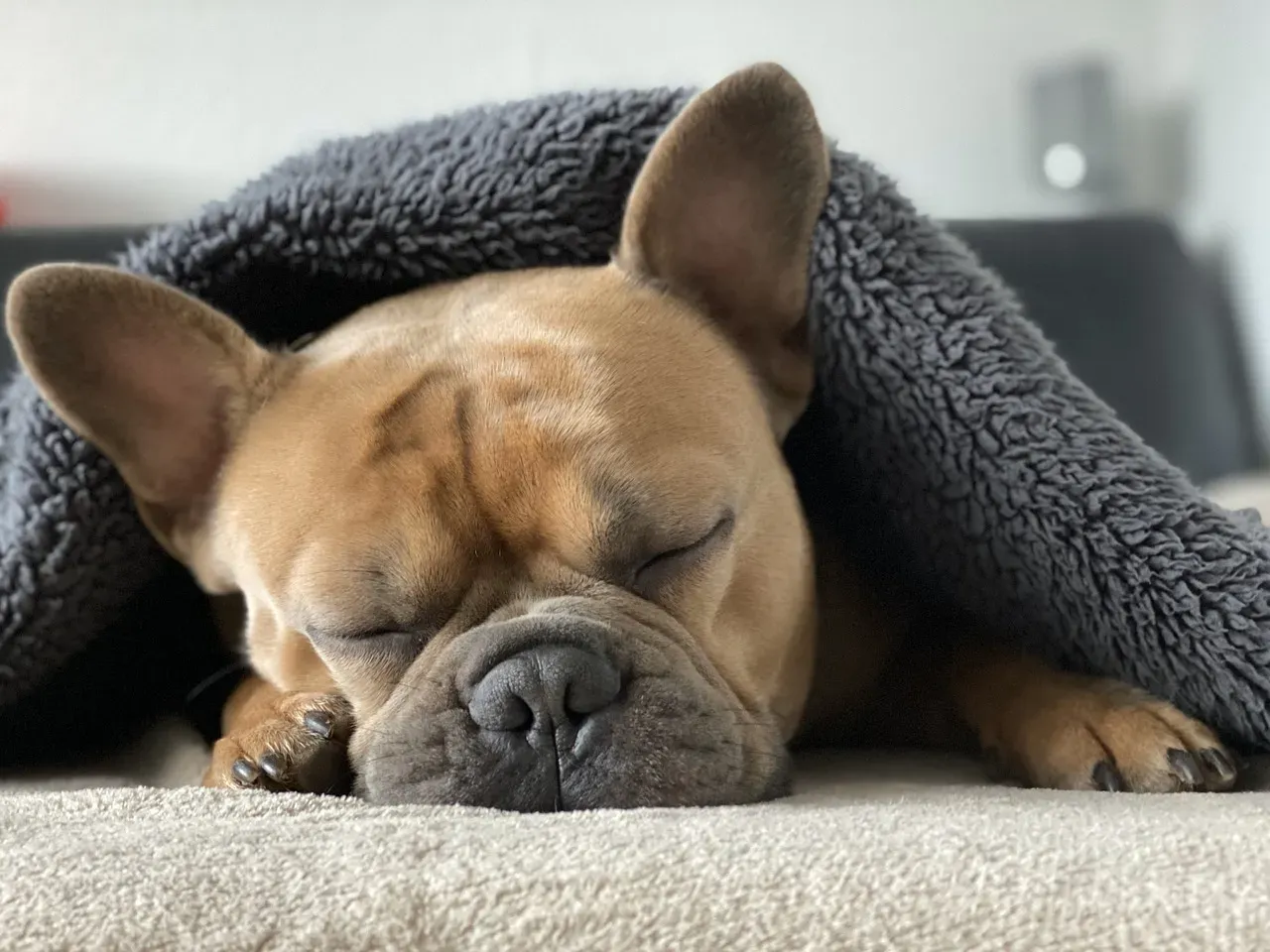
Frenchies don’t do well with hot weather because of their short muzzle, but this flat-faced dog breed can’t tolerate cold weather very well, either, because French Bulldogs have a short, thin coat that doesn’t provide much insulation. They’re stuck in the worst of both worlds when it comes to temperature regulation.
Not only do they have a fine, short coat – which means they feel the cold more quickly than their friends – but French Bulldogs are brachycephalic, which means they have a flatter face and shorter nose, and respiratory problems can become serious. Cold air can make breathing even more difficult for these already challenged pups.
Frenchies are happiest indoors where temperature is controlled. They need short bathroom breaks in winter, bundled up in a doggie coat, then it’s right back inside to warmth. Despite their challenges, they’re loving, comical companions who bring enormous joy to their families.
Dachshund: The Low-Riding Shiverer
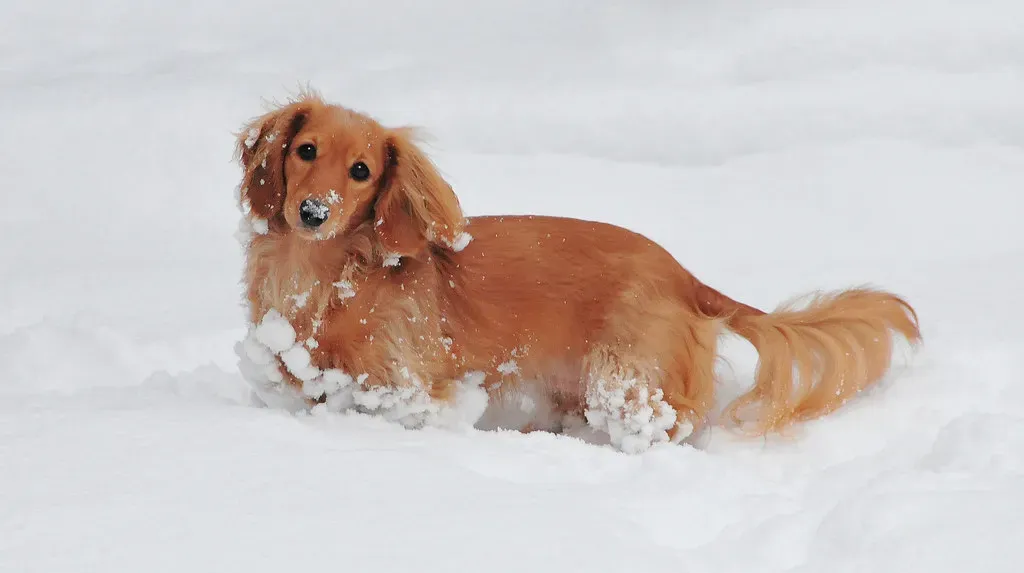
Dachshunds get a double-whammy when it comes to winter time, with short-haired dachshunds have thin winter coats that do little to protect them from cold weather, and the breed’s ridiculously short legs make it hard for them to navigate deep drifts. Their long bodies drag through snow, getting their bellies wet and cold.
They have short coats and are low to the ground, so Dachshunds can get cold very easily, especially if there is snow on the ground touching their tummy, and can also get lost in snow banks and suffocate due to their size. This is a genuine safety concern that owners need to monitor carefully.
These brave little dogs were bred for hunting badgers underground, not for frolicking in snowdrifts. They need winter coats for outdoor time and cleared paths through snow. Despite their cold sensitivity, they have huge personalities and bring endless entertainment to their families.
Greyhound: The Shivering Speedster
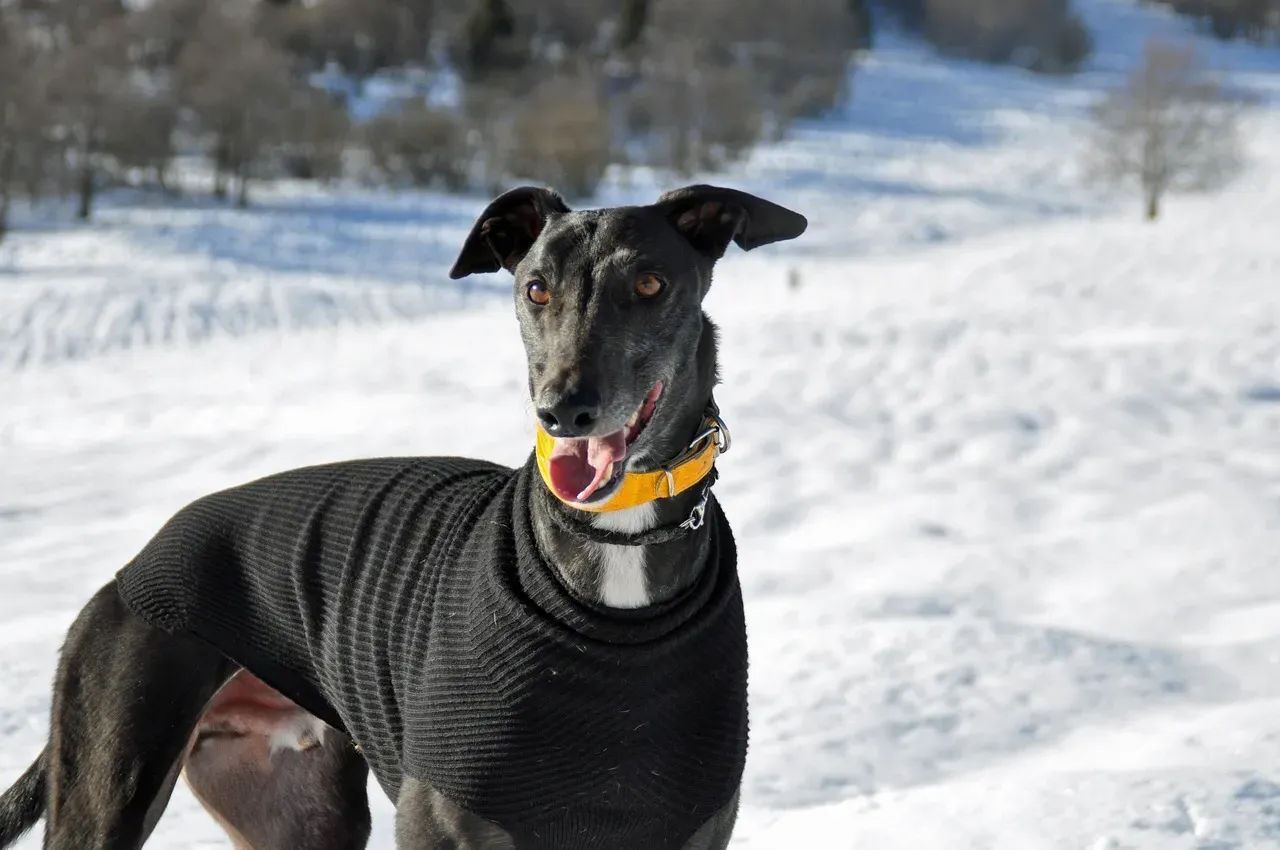
Capable of blazing fast speeds, the Greyhound has a lean physique with very little body fat and a very thin coat that allows for rapid heat dissipation, making them track stars but less suited for cold weather conditions, needing brief outdoor exposure when temperatures are below freezing. Everything about their body design prioritizes speed over insulation.
Known for their sleek, athletic build, Greyhounds have very little body fat and short fur, making them ill-suited for cold weather, requiring cozy clothing and limited outdoor time in winter. Even just standing outside in cold weather can be uncomfortable for these sensitive dogs.
Greyhounds are gentle, quiet, and surprisingly lazy indoors. They’re sprinters, not marathon runners, and are perfectly happy lounging on the couch for most of the day. They absolutely need warm bedding, doggie sweaters for walks, and minimal time outside in cold weather.
Italian Greyhound: The Delicate Miniature
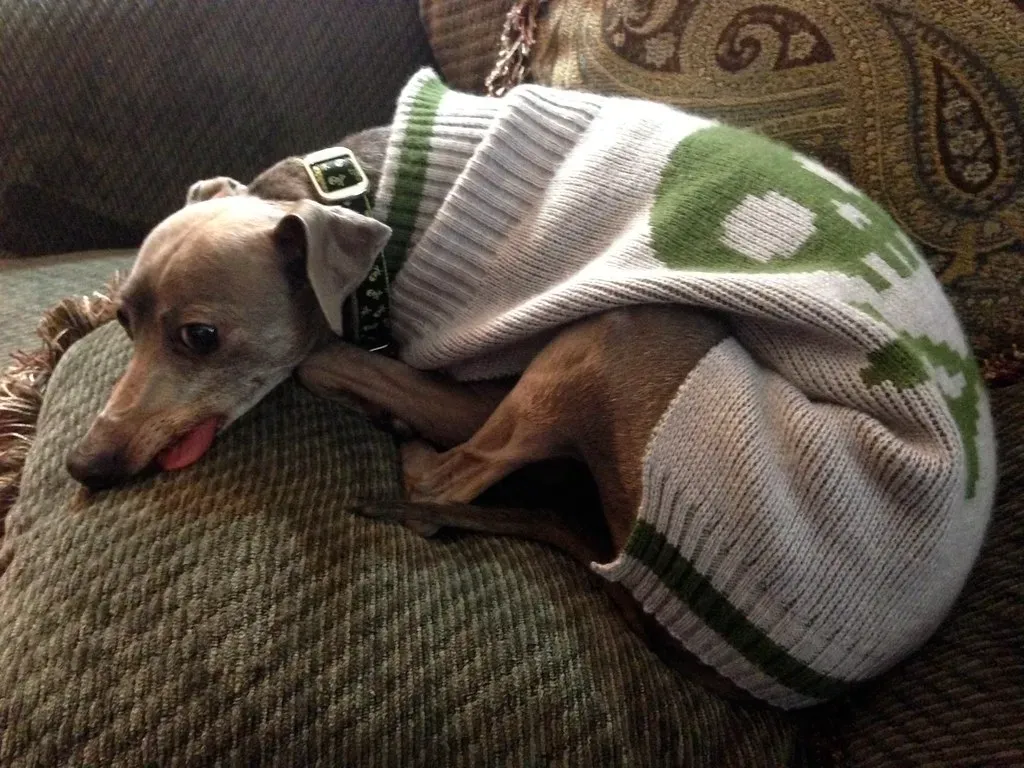
The Italian Greyhound looks like a petite version of the Greyhound, and the two breeds share many physical characteristics, including a slender body and a short, thin coat, this toy breed doesn’t fare well in cold weather and must be protected from freezing temperatures. At just 8 to 15 pounds, these tiny dogs lose body heat alarmingly fast.
Similar to their larger Greyhound cousins, Italian Greyhounds have very little fat and short, fine coats, highly susceptible to the cold and often require warm clothing indoors and out during winter. Yes, you read that right – even indoors they might need a layer if your house is drafty.
These elegant little dogs are affectionate lap warmers who want nothing more than to be close to their people. They’re known for seeking out warm spots and will burrow under blankets at every opportunity. They’re sweet, gentle, and absolutely not built for winter adventures.
Basset Hound: The Reluctant Winter Walker
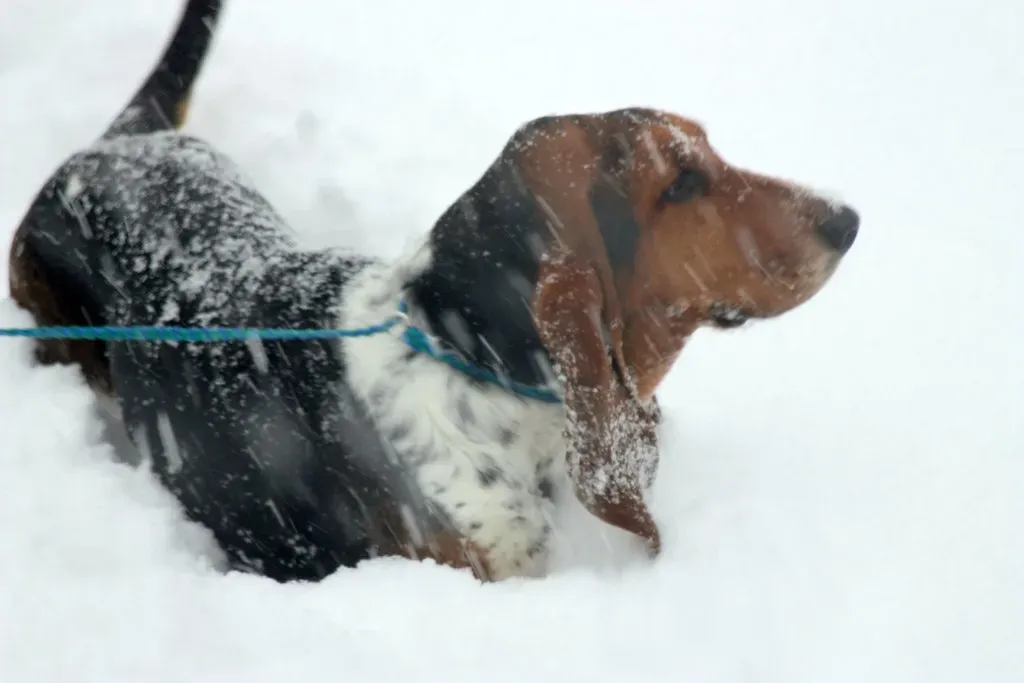
Although they have a stocky frame, the Basset Hound has short legs, long ears, and a short, thin coat, meaning they get cold easily and can have a lot of trouble getting through the snow. Those adorable droopy ears can drag in the snow and become painfully cold.
One of the facts about Basset Hounds is that they have a short, stocky build, meaning that they tend to have more of their body in the snow because their bellies are often low enough to be in it. Imagine dragging your stomach through freezing snow with every step – not fun.
These laid-back hounds are already pretty relaxed about exercise, and winter makes them even less enthusiastic about outdoor adventures. They need winter gear for walks and appreciate having cleared paths. Their calm, easygoing nature makes them wonderful family pets, even if they’re not winter warriors.
Yorkshire Terrier: The Tiny Fashionista
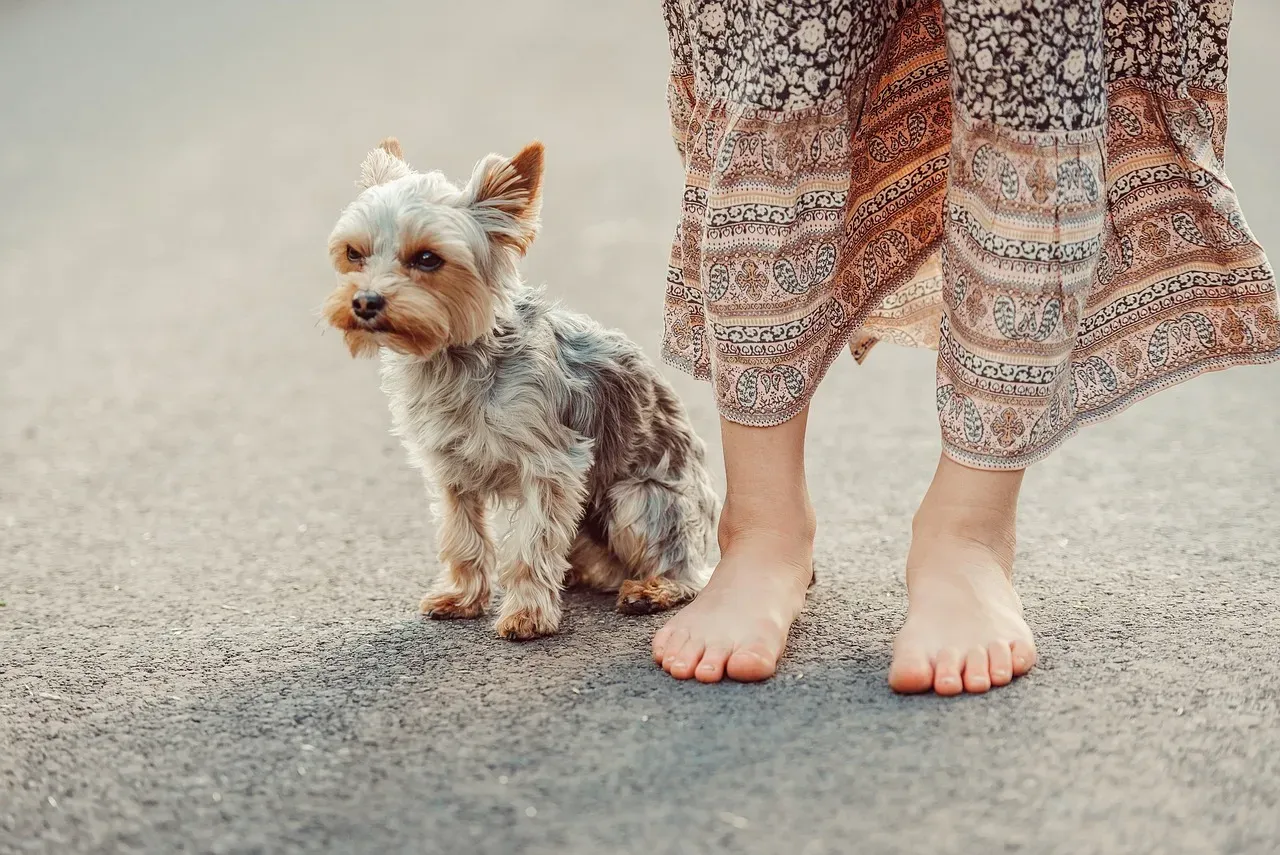
Despite their long, silky coats, Yorkies are not well-equipped for cold climates, with their small size and single-layer coat provide little insulation, so these tiny dogs need extra warmth during the winter months. That beautiful flowing hair might look warm, but it doesn’t have the insulating undercoat that cold-weather breeds possess.
Yorkies do have long hair, but it’s super thin and known as a single coat, which means that most of them actually do need a cute little jacket. At least they look adorable in their winter wardrobes, right?
These spunky little terriers have huge personalities packed into tiny bodies. They’re brave, feisty, and full of attitude, but they’re also delicate when it comes to cold. Quick potty breaks and lots of indoor playtime are the winter routine for Yorkies.
Miniature Pinscher: The Indoor Snuggler
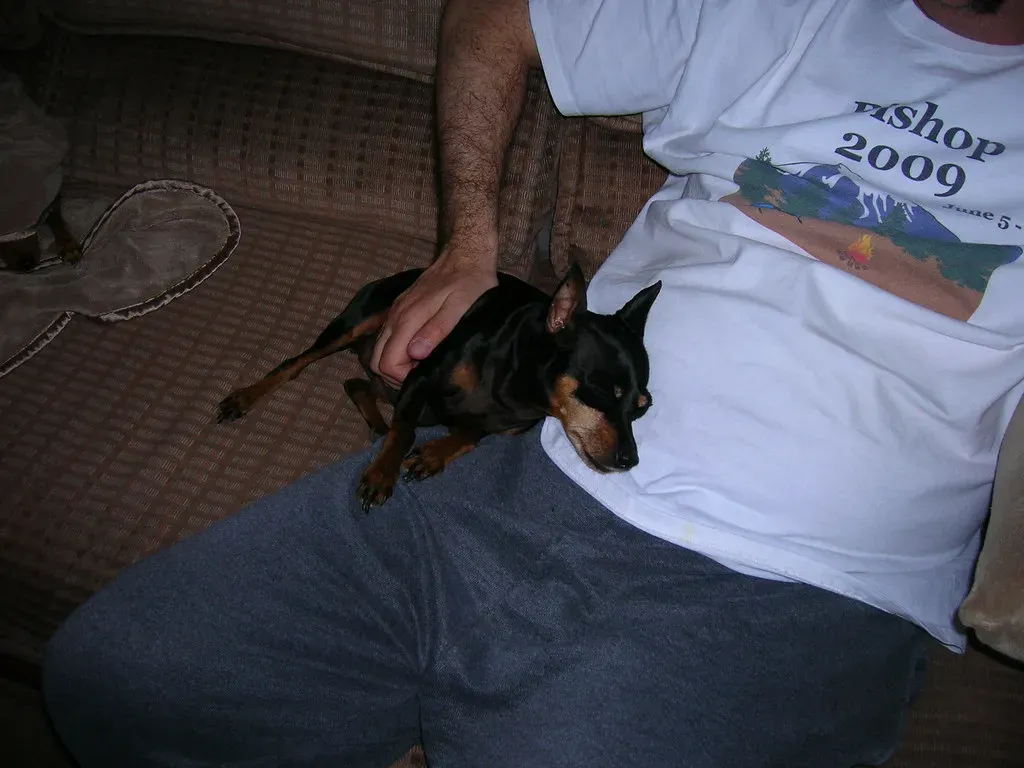
The Miniature Pinscher is a tiny dog with a short coat, known to be affectionate and the quintessential lap dog, they love to cuddle, snuggle in blankets, and stay warm. These little dogs are all about comfort and have zero interest in roughing it through winter weather.
Min Pins love to snuggle under covers and be warm, so they are probably going to ignore you if you ask them to go outside in the snow. They’ll give you a look that says, “You cannot be serious right now,” and retreat to their warm spot.
Min Pins are energetic and playful indoors but want absolutely nothing to do with cold weather. They need quick outdoor breaks in winter, preferably with a coat and booties, then they’re diving back under the blankets. They’re loyal, spirited little companions who just happen to hate the cold.
Boston Terrier: The Dapper Shiverer
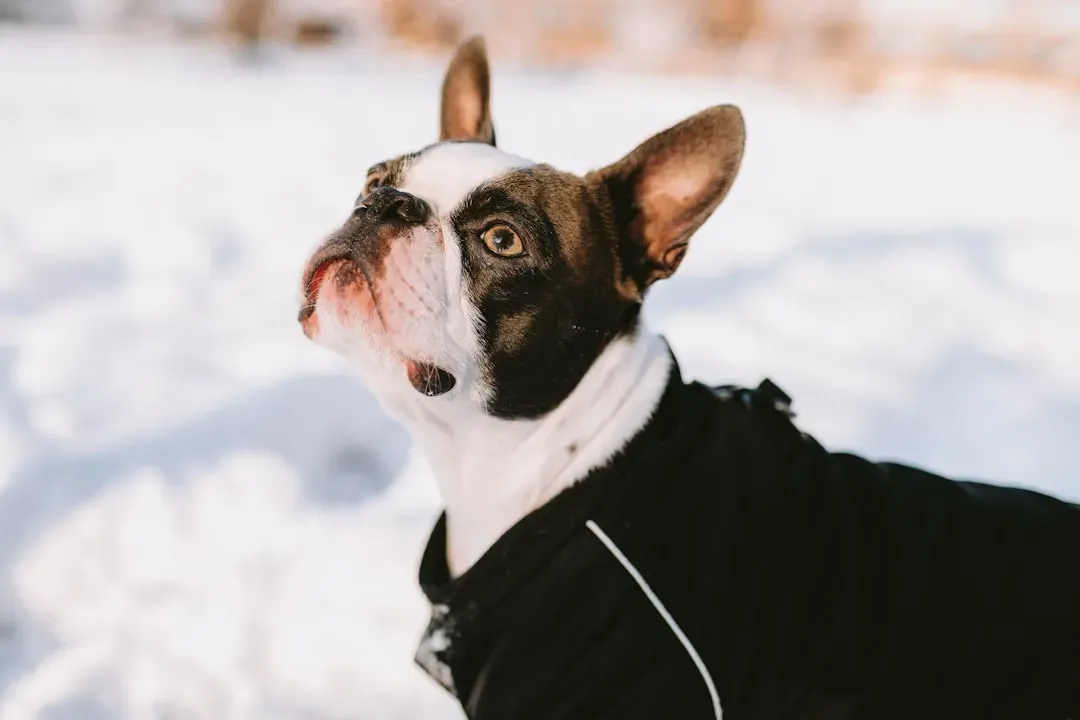
Boston Terriers have short, smooth coats that don’t provide much protection against the cold, with their compact, muscular bodies better suited for moderate climates, making bundling them up in colder weather essential. These tuxedo-clad pups may look dapper, but that single-layer coat offers minimal warmth.
Besides having short hair, that short nose can make it tough for Boston Terriers to breathe properly in extreme cold (or heat). Their brachycephalic structure means cold air hitting their airways can cause respiratory discomfort.
Boston Terriers are friendly, comical dogs with wonderful temperaments. They’re great with kids and other pets, love being part of family activities, and have moderate energy levels. They just need to enjoy those activities indoors during winter, with minimal cold exposure.
Whippet: The Couch-Loving Sprinter
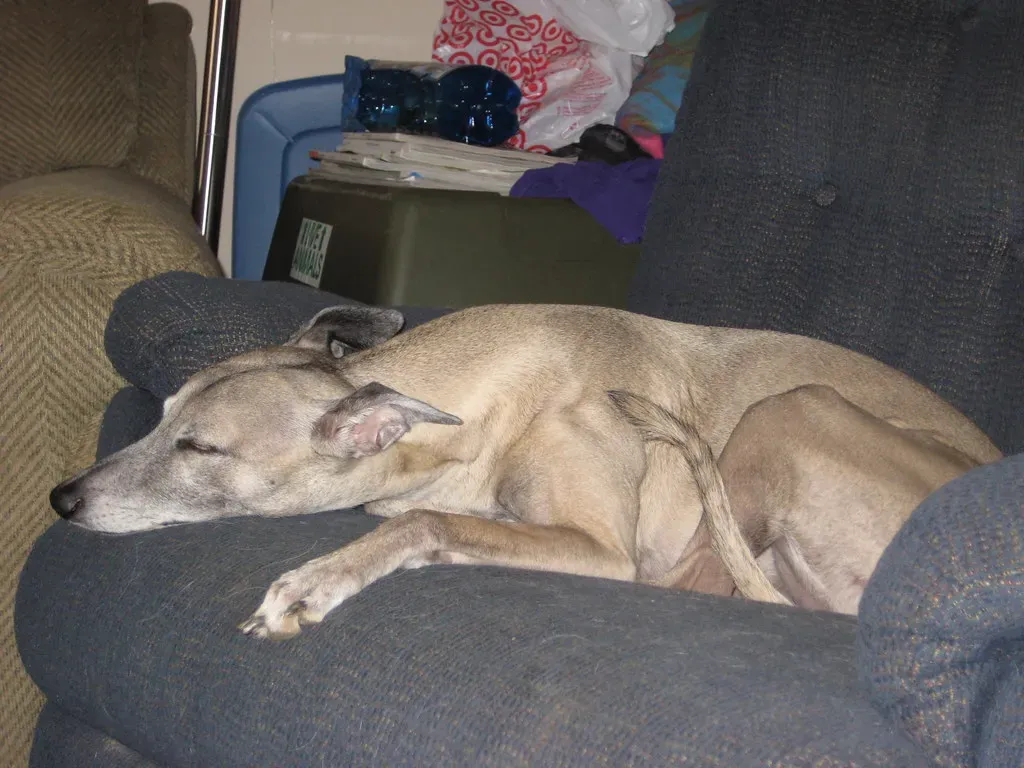
The lanky Whippet is built for speed and is closely related to the Greyhound, with a short coat, thin skin, and very little body fat, so there’s not much to insulate against cold weather, needing protection from the elements, including warm clothing and perhaps even dog boots. Like Greyhounds, every aspect of their design prioritizes speed over warmth.
Whippets share many traits with Greyhounds, including a slender build and short fur, prone to shivering in cold temperatures and will benefit from coats or sweaters when outdoors. That visible shivering is their body desperately trying to generate warmth.
Whippets are gentle, quiet, and affectionate dogs who love their families deeply. They enjoy short bursts of speed but are otherwise happy to lounge around. They’re perfect for people who want an athletic-looking dog with surprisingly low exercise needs, as long as you keep them warm in winter.
Conclusion
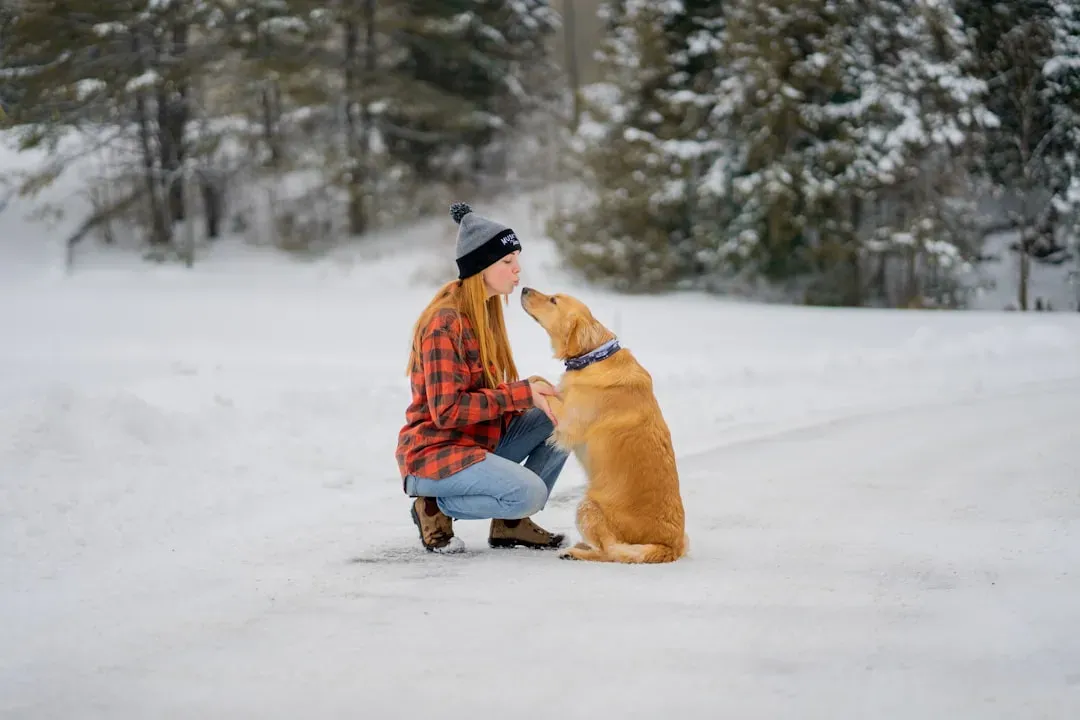
Understanding your dog’s relationship with cold weather isn’t just about making them comfortable – it’s about keeping them healthy and safe. Pet parents should always be mindful of the temperature and never leave their dog outside when it’s too cold, as doing so can expose even the fluffiest snow dog to frostbite or hypothermia.
Whether your furry friend is racing through snowdrifts with pure joy or eyeing the door with absolute dread, respecting their natural tolerance for cold is part of being a responsible dog owner. The breeds that love winter give us the gift of outdoor adventures in the snow, while the fireplace-lovers remind us that coziness and companionship matter just as much. Both types make wonderful family members – they just need different things from us when the temperature drops.
What’s your dog’s winter personality? Are they first out the door when snow falls, or are they already claiming the warmest spot by the fire? Share your winter stories with us – we’d love to hear about your pup’s cold-weather adventures (or indoor escapes).


