

There’s something almost magical about the way a dog can walk into a room and instantly make everything feel a little lighter. Whether it’s a rough day at work, a wave of anxiety at 2 a.m., or the deep, quiet ache of loneliness, dogs seem to know. They nudge you with their nose, rest their head on your lap, and somehow, without a single word, remind you that you’re not alone.
An emotional support animal can provide comfort, companionship, and real therapeutic benefits for people facing challenges like anxiety, panic attacks, depression, chronic stress, ADHD, or post-traumatic stress disorder. Honestly, the science keeps backing up what dog lovers have known for centuries. The best emotional support dog breeds offer therapeutic benefits like anxiety relief and comfort without any formal specialized training, and while all dogs have potential, some breeds truly excel due to their emotional awareness, trainability, adaptability, and people-pleasing traits.
So, which breeds rise to the very top? Let’s dive in.
1. Golden Retriever: The Original Heart Healer

If there were a hall of fame for therapy dogs, Golden Retrievers would have their portrait hanging right at the entrance. Known for their friendly and gentle nature, Golden Retrievers are highly sociable and compassionate, with a natural instinct to comfort and connect with people. It’s almost like they were born knowing exactly when you need a cuddle.
This breed is gentle, loving, and affectionate, and they’re well-loved for the bonds they make with their families. They’re eager to please and focused during training, easily learning new tasks, and are deeply aligned with their owner’s emotions most of the time. Watch one with a grieving person, and you’ll understand immediately. Golden Retrievers are an especially good choice as therapy dogs for children or young adults, thanks to their loving and calm nature.
2. Labrador Retriever: The Dependable Comforter
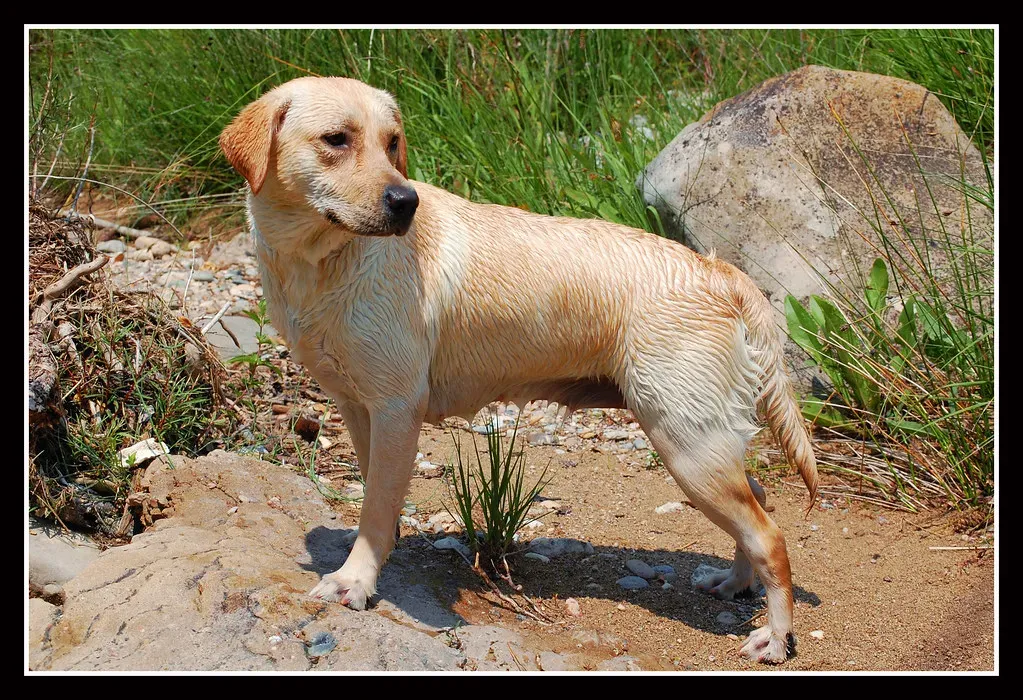
No matter where you look, Labrador Retrievers consistently top the list as the number-one emotional support dog breed. It’s not hard to see why. The Labrador Retriever is a social, energetic, and intelligent dog that is highly affectionate and easy to train. Think of them as that dependable friend who always shows up, no questions asked.
Labrador Retrievers are known for being friendly, companionable, and trustworthy, often bred as service dogs due to their reliably stable temperament. They generally love the activity and human attention that comes with therapy visits. Their enthusiasm has a positive effect on people with anxiety and depression, making them perfect emotional support animals. Labs are the kind of dog that simply refuses to let you wallow.
3. Poodle: The Surprisingly Sensitive Genius
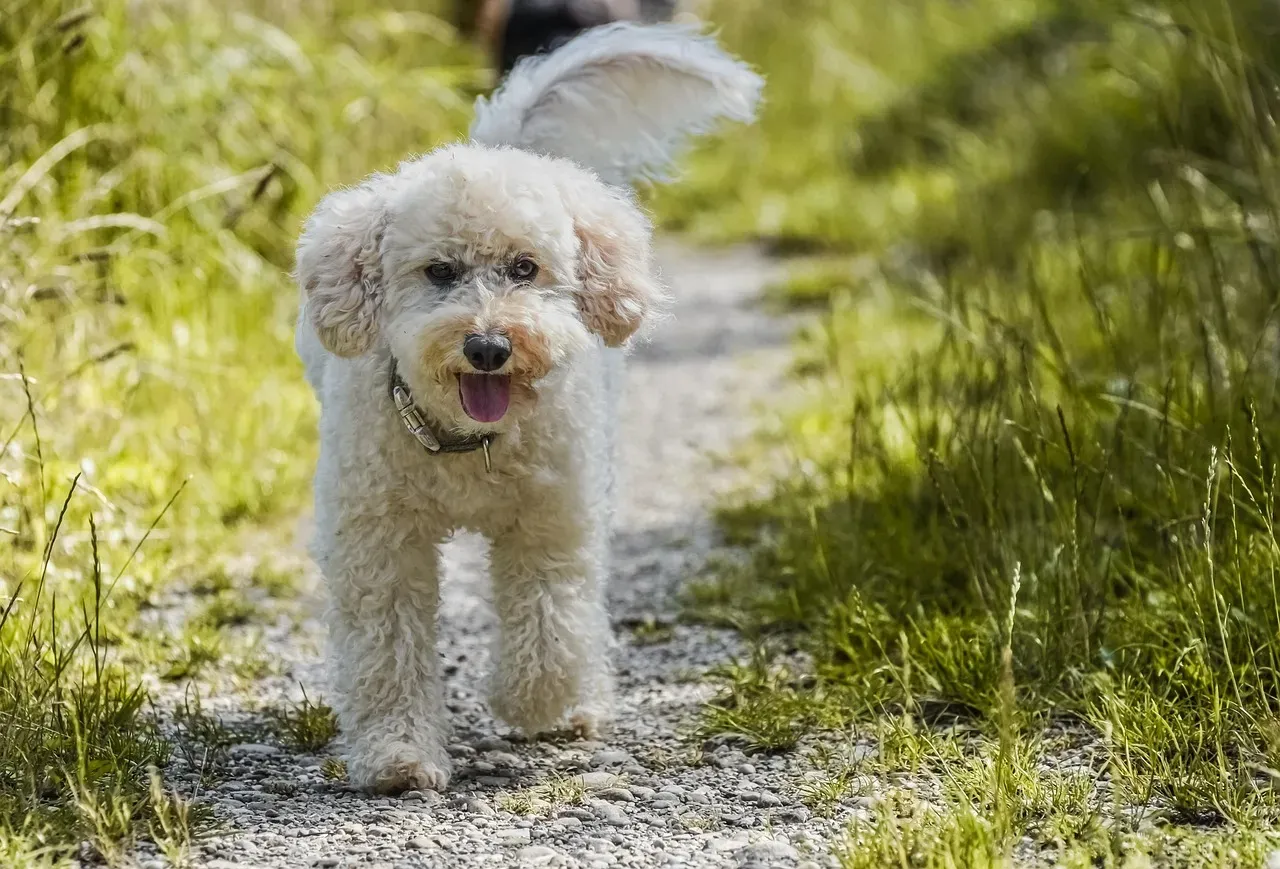
Let’s be real, most people picture Poodles at dog shows, not therapy sessions. But honestly, this breed might surprise you. Extremely trainable and clever at picking up emotions, the Poodle is a top contender for therapy dog roles, and comes in different sizes so no matter the setting, a Poodle is always ready to take on the task.
Poodles, both standard and toy, are more hypoallergenic than other breeds, which is a definite plus when visiting medically vulnerable people. Their low-shedding coats make visits easier for people with mild allergies, and they’re popular, bright, and take well to training. Especially the Standard and Miniature varieties, Poodles are intelligent and hypoallergenic, with friendly and adaptable personalities that make them excellent therapy companions. They’re the full package, brains and empathy together.
4. Cavalier King Charles Spaniel: The Lap Dog With a Giant Heart

If you’ve ever had a Cavalier curl up in your lap after a terrible day, you’ll know exactly why this breed earns a spot here. With their expressive eyes and affectionate nature, Cavalier King Charles Spaniels have a gentle and friendly disposition that makes them approachable and comforting to people of all ages.
Cavaliers thrive on human interaction and enjoy forming close bonds with their owners, making them ideal emotional support dogs for individuals seeking therapy. Their calm demeanors and willingness to snuggle up make them wonderful lap dogs, offering comfort to those in need. For people who are recovering from trauma or dealing with depression, that consistent warmth is genuinely transformative. Their size also makes them suitable for environments like nursing homes where space may be limited.
5. Beagle: The Cheerful, Grounding Companion
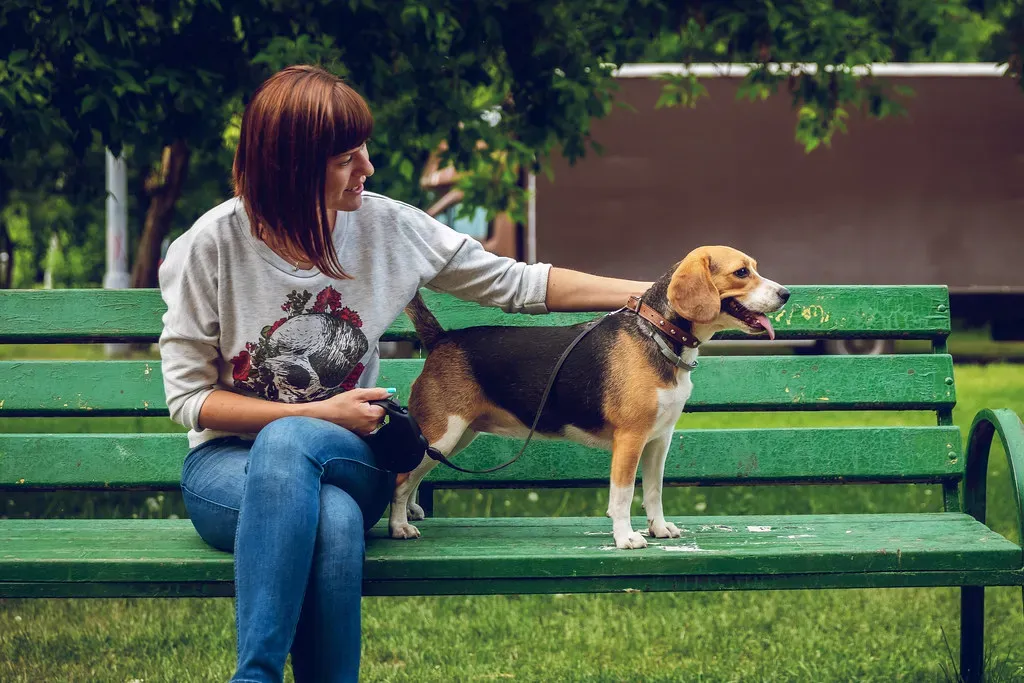
Beagles don’t always make the top therapy dog lists, but they absolutely should. There’s something about a Beagle that immediately warms the heart, whether it’s the soulful eyes or the floppy ears. They’re perfectly satisfied for hours with a chew toy and a corner spot, but can also be active and social. That kind of balanced, easy-going energy is exactly what someone with anxiety needs.
While the Beagle has hunting dog roots, this pup has a happy-go-lucky personality that instantly soothes the people around it. They’re the type of dog that has zero drama, which, for someone already carrying a heavy emotional load, is a breath of fresh air. Think of them as the cheerful friend who never overthinks anything and somehow makes everything feel lighter just by being present.
6. Shih Tzu: Small Dog, Enormous Warmth

Shih Tzus might be small, but they have big hearts. They thrive on human companionship and are well-suited for indoor living. With their long, flowing coats and expressive eyes, Shih Tzus make excellent emotional support animals that are attentive, loving, and have a knack for forming deep bonds with their owners.
Shih Tzus are known for their luxurious coats and charming personalities, which make them great therapy dogs. These small dogs are affectionate, gentle, and great at forming strong connections with people. They’re quite comfortable living in smaller spaces, so if you live in a one-bedroom apartment, this is a great breed to consider. For elderly individuals or those with limited mobility, a Shih Tzu offers warmth without overwhelming energy.
7. Corgi: The Spirited Mood-Lifter

Here’s the thing about Corgis: they’re not what you’d expect from a therapy dog. They’re peppy, a little goofy, and have the audacity to look permanently happy. But that’s precisely their superpower. Because of their size and personality, Corgis make excellent emotional support animals. They’re loyal to their owners and even-tempered, rarely whining or growling. Originally bred to be herd dogs, Corgis are also known for being easy to train, and they are affectionate and playful.
Due to their energetic and engaging nature, Corgis are excellent emotional support dogs for individuals with ADHD. Their lively personality helps channel the excess energy often associated with ADHD, and their playful and active nature can help motivate their owners to stay engaged and focused. Picture a Corgi trotting over during a low moment, and it’s nearly impossible not to smile. Sometimes laughter really is the best medicine.
8. Bichon Frise: The Allergy-Friendly Joyball
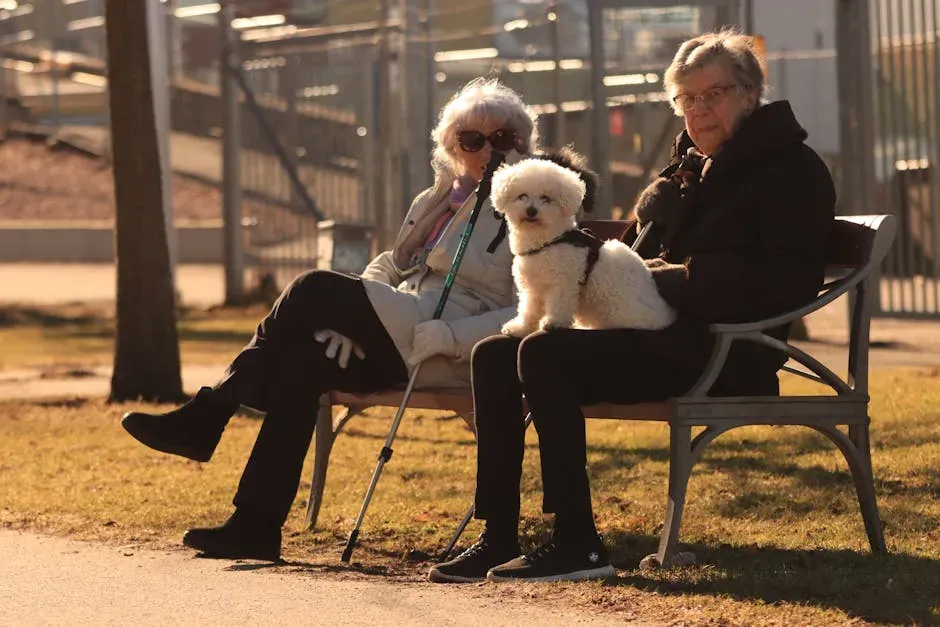
Don’t let the fluffy exterior fool you. The Bichon Frise is genuinely one of the most underrated therapy breeds around. This small, fluffy breed is known for its happy and affectionate demeanor. Bichon Frises are great for therapy work due to their adaptability and ability to bond quickly with people.
They’re hypoallergenic, which opens the door for people who love dogs but struggle with pet allergies. A well-socialized Bichon can bring joy to individuals in nursing homes, turning what might otherwise be a lonely afternoon into something genuinely warm and memorable. Small, affectionate, adaptable, and great for people with allergies, they’re also easy to handle and transport, making them incredibly practical for visiting therapy contexts like hospitals or care facilities.
9. Greyhound: The Gentle Giant You Never Expected
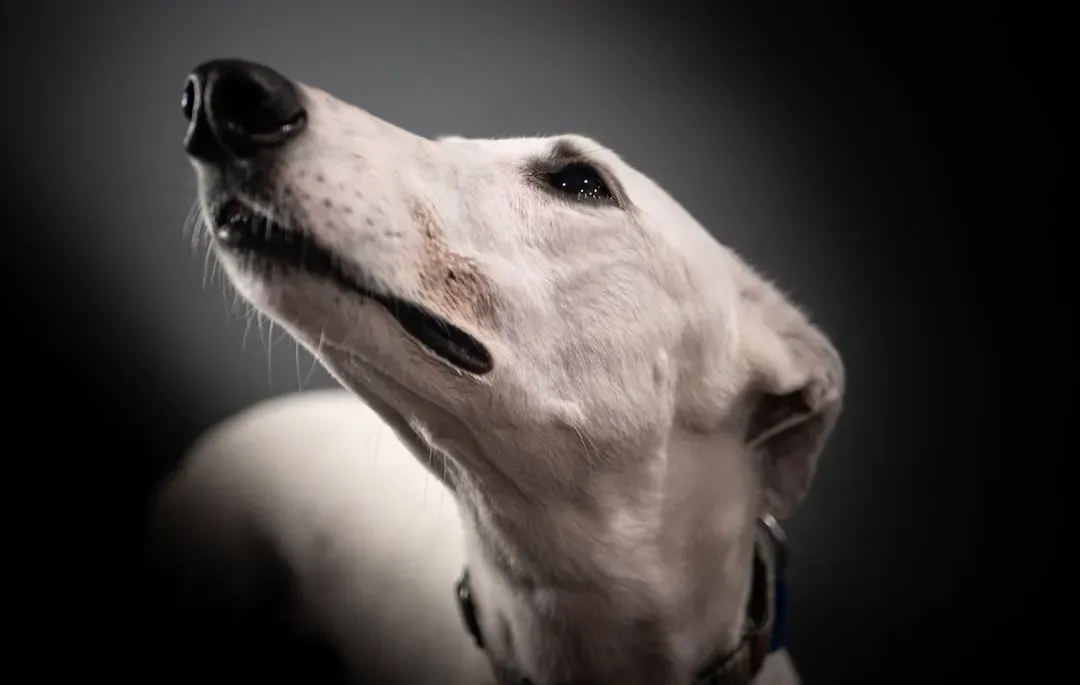
I know what you’re thinking. A racing dog as a therapy dog? Hear me out. Greyhounds are usually associated with racing, but they also make excellent therapy dogs. Despite their athletic build, they have a calm and gentle temperament that makes them well-suited for providing emotional support. Off the track, they transform into gloriously calm, affectionate couch companions.
An often overlooked breed for therapy dog work, the Greyhound is actually an excellent choice. They have short bursts of energy, and once they receive enough playtime and outdoor walks for the day, they want nothing more than to curl up with people. Greyhounds are known for their affectionate nature and their ability to form strong bonds with humans, and their elegant, regal appearance can also be comforting to those seeking companionship. It’s hard to say for sure why, but something about their quiet, lean grace just radiates peace.
10. Pug: The Comic Relief with Real Therapeutic Power

Last on the list but absolutely not least, the Pug is one of those breeds that wraps joy, silliness, and sincere affection into one compact, wrinkly package. The Pug is a breed you might not automatically think of when considering therapy dogs, but this breed makes for a fantastic therapy companion. While Pugs are too small to complete significant service dog tasks, they are very loving and affectionate therapy dogs.
Their small size can make them less intimidating to young children or people who may be on edge, which is common for those that therapy dogs support. They are cuddly and love spending all their time with people, making them a great choice for a therapy animal, and they’re gentle and great with children, happily soaking up any attention or playtime that comes their way. Pugs are small in size but big in heart, and are particularly suitable for individuals looking for a breed with a strong sense of companionship and a knack for lifting spirits.
Conclusion: The Right Dog Can Change Everything
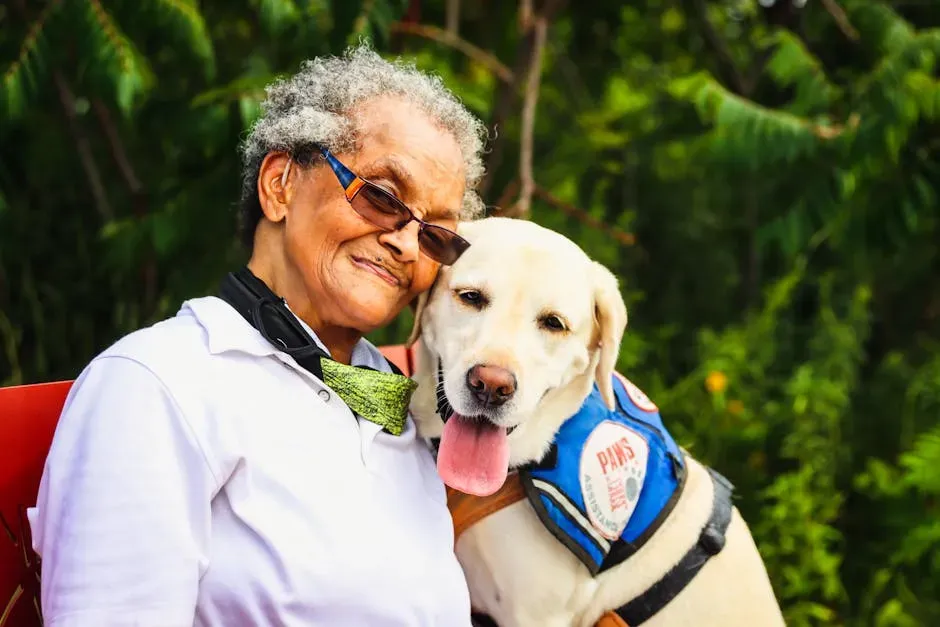
Choosing a therapy dog isn’t about finding the most impressive breed on paper. Temperament matters more than breed when selecting a therapy dog. The right match is about chemistry, lifestyle, and what kind of support you genuinely need day to day.
Whatever breed you choose for your emotional support animal ultimately comes down to your needs and lifestyle requirements. A Greyhound might be perfect for someone who craves calm, while a Corgi might be exactly what a restless, anxious mind needs. While these breeds are known for their supportive nature, individual dogs have unique personalities, and it’s essential to spend time with a potential companion to ensure a good match.
At the end of the day, the bond between a human and their therapy dog is one of the most beautifully uncomplicated relationships in the world. No judgment. No conditions. Just presence, warmth, and a wagging tail that says, “I’ve got you.” So, which of these incredible breeds spoke to your heart? Tell us in the comments below!


