
Picture this: you’re watching your neighbor walk their tiny Chihuahua on a frosty morning, and that little guy is shivering like a leaf in a snowstorm. Meanwhile, down the street, someone’s Husky is practically bouncing with joy in the same weather, tongue lolling out like it’s the best day ever. This scene plays out in neighborhoods everywhere because not all dogs are created equal when it comes to handling winter weather.
The truth is, some dogs need our help staying warm while others would happily build snow forts if they had opposable thumbs. Understanding which category your furry friend falls into can mean the difference between a miserable winter and months of cozy adventures together.
Chihuahuas – Pocket-Sized Heat Seekers
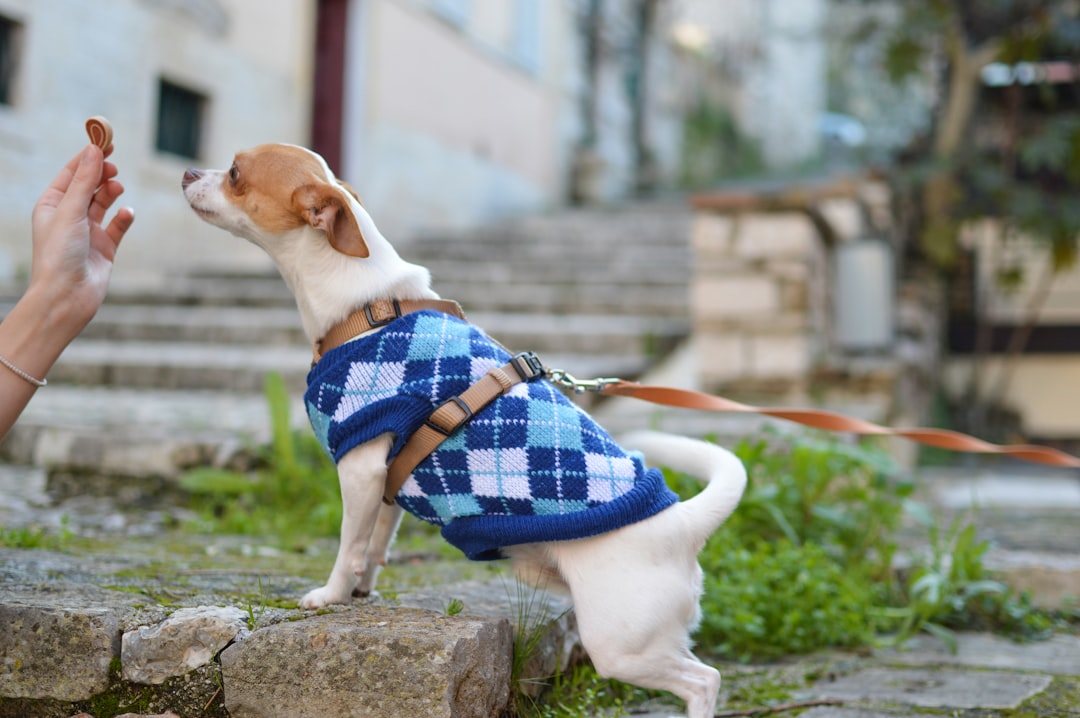
These tiny treasures from Mexico were never meant to handle freezing temperatures, and their single-layer coat of thin fur is just right for warm, dry climates. With just a thin fur layer, these dogs can easily get chilled when the temperature falls below 45 degrees.
They do not tolerate cold conditions well due to their slight frame, and short and thin coat. Picture your Chihuahua as a tiny heat-seeking missile that gravitates toward sunny windowsills and warm laps. On really cold days they would also place a jumper or hoodie underneath.
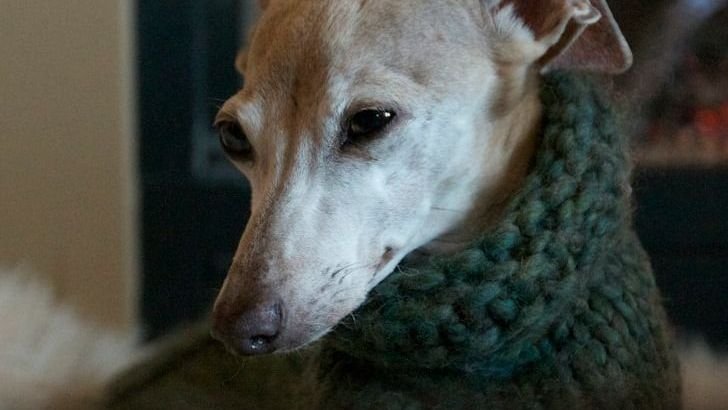
Italian Greyhounds – Elegant but Fragile
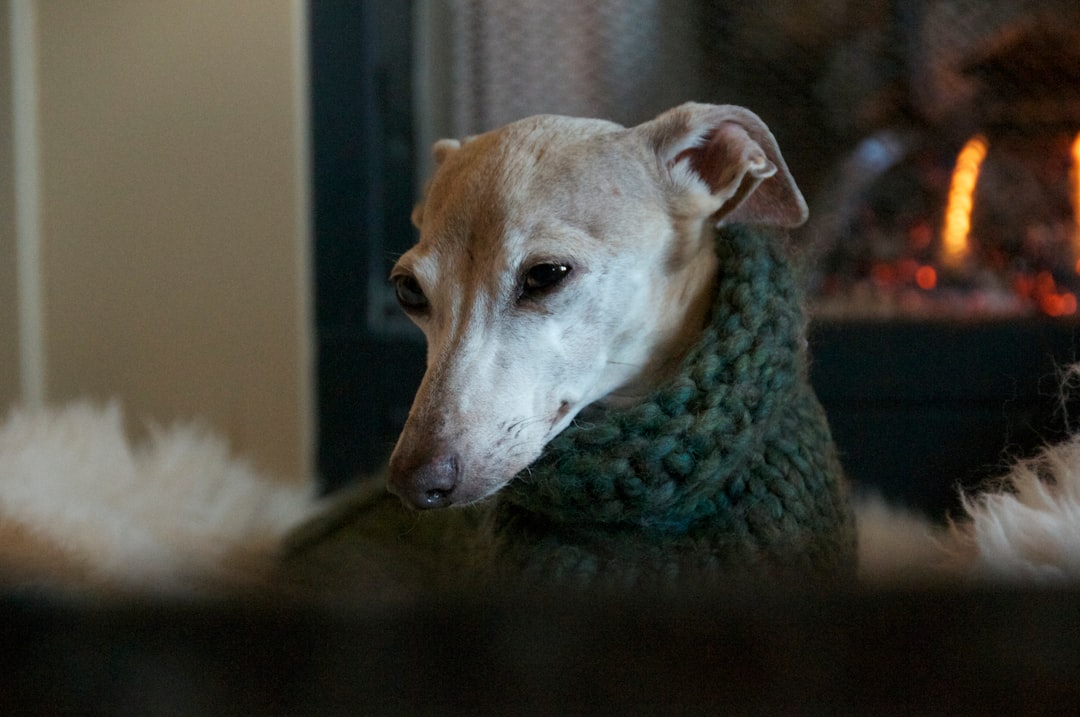
These include breeds like Greyhounds, Whippets, and Azawakhs. Italian Greyhounds are essentially the supermodels of the dog world – all legs, lean muscle, and stunning looks. Their paper-thin skin and minimal body fat make them incredibly vulnerable to cold weather.
Short-haired breeds with lean bodies: Whippets and Greyhounds are examples of short-haired breeds that may be more susceptible to the effects of winter. This is because these lean dogs have less fat to insulate them from the cold. These graceful dogs need multiple layers and should never venture outside without proper protection when temperatures drop.
French Bulldogs – Struggling to Stay Warm
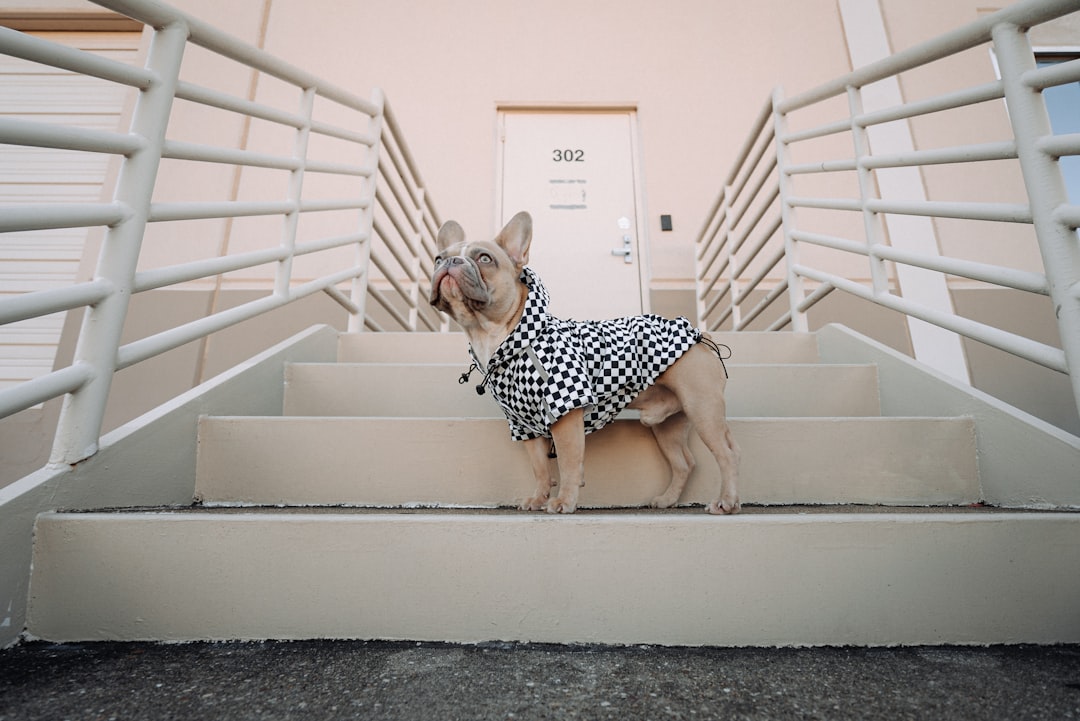
Another popular breed in the UK that like the Pug doesn’t regulate hot or cold conditions easily. They have a short and thin coat and require layers so you can help them regulate their body temperature due to being a brachycephalic breed.
French Bulldogs face a double challenge in winter weather. Their flat faces already make breathing more difficult, and cold air can worsen this struggle. Ideally a jumper/hoodies teamed with a padded windproof/waterproof coat would be best for this breed in winter. These adorable bat-eared companions need careful monitoring during winter walks.
Yorkshire Terriers – Small but Mighty Personalities
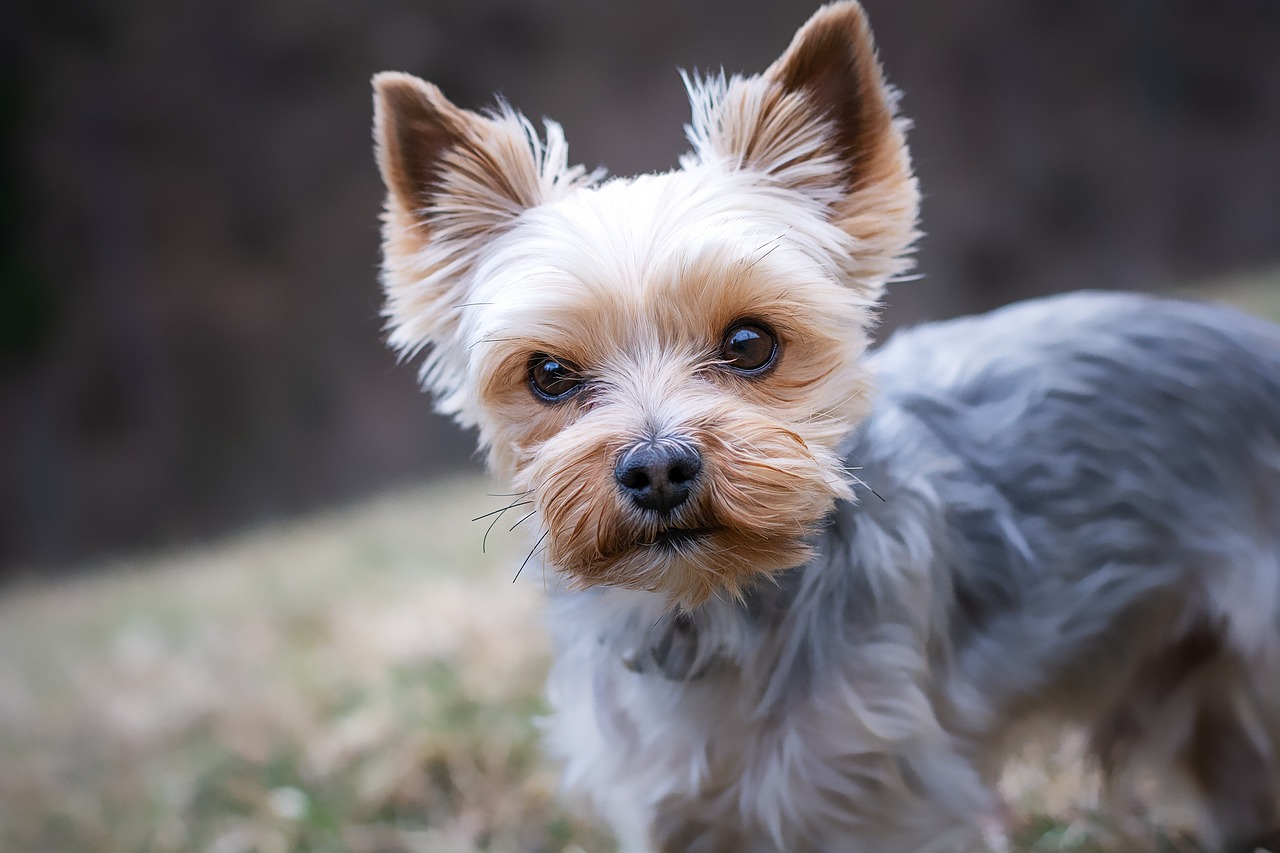
These include most toy and small breeds such as Chihuahuas, Toy Poodles, Italian Greyhounds (and Whippets), Yorkshire Terriers, Chinese Cresteds and Havanese. Many small-bodied terriers like the Yorkshire Terriers, originated in the U.K. where snow isn’t a major issue. To keep their hair dry and to provide an extra layer of protection, wrap your terrier in a coat while outside in the winter months.
Despite their feisty personalities, Yorkies are essentially walking teddy bears when it comes to cold tolerance. Their silky coats might look impressive, but they provide little insulation against frigid temperatures. These brave little warriors will try to tough it out, but they need our help to stay comfortable and safe.
Chinese Crested Dogs – The Ultimate Winter Wimps
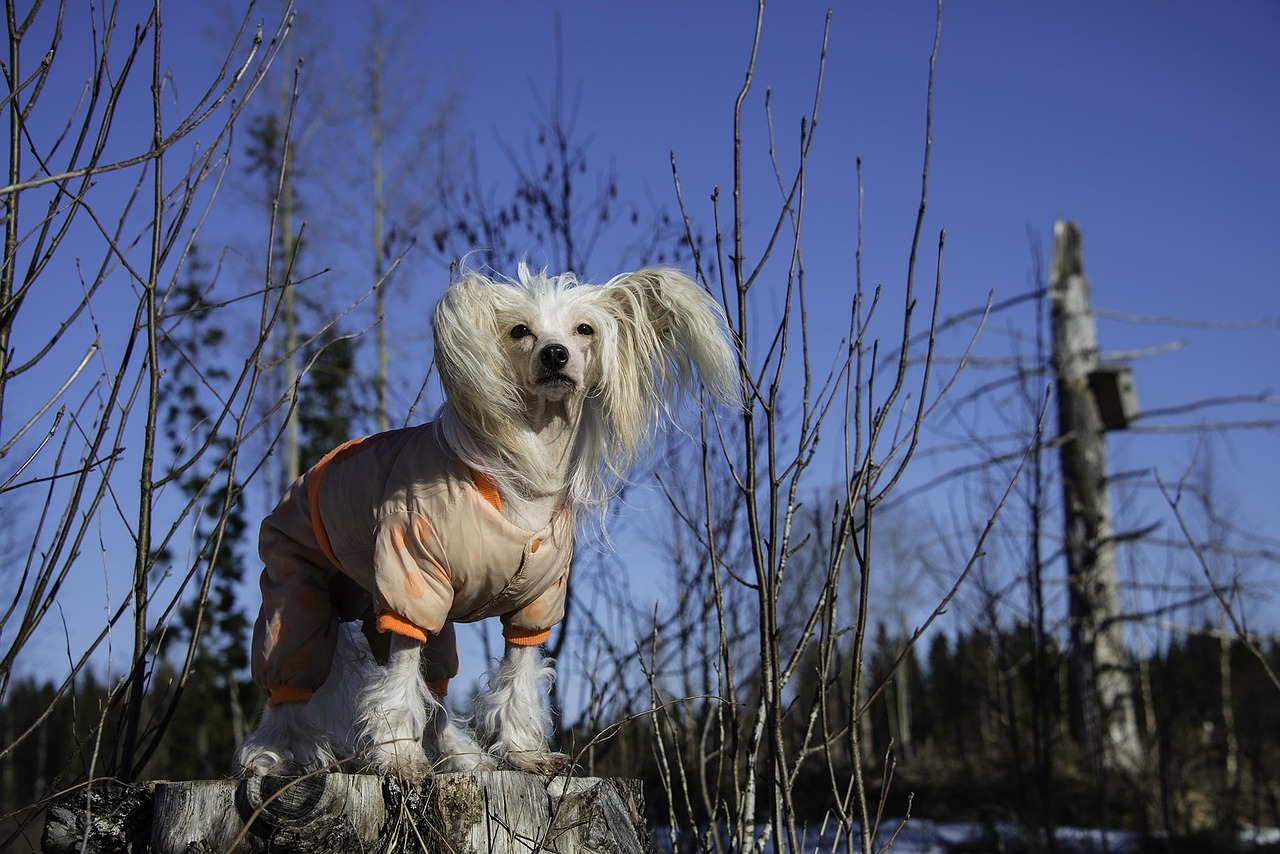
These hairless breeds need to wear jackets when going outside in cold weather. Then again, if you have a Chinese Crested, they probably get cold when you open the fridge. This humorous but accurate description captures the reality of owning a hairless breed.
These include most toy and small breeds such as Chihuahuas, Toy Poodles, Italian Greyhounds (and Whippets), Yorkshire Terriers, Chinese Cresteds and Havanese. Chinese Cresteds are like living, breathing heat lamps that desperately need external warmth sources. Multiple layers, heated beds, and very limited outdoor time become essential for these exposed sweethearts.
Basset Hounds – Low Riders Feeling the Chill
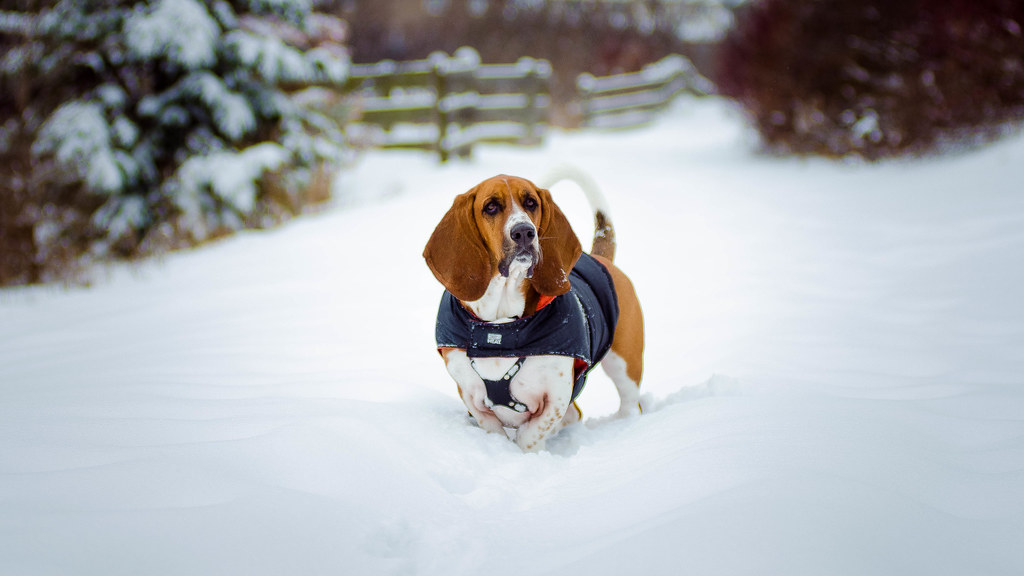
Dog breeds that are low to the ground can struggle with the cold as their bellies easily become wet when touching snow and ice, which be uncomfortable and increase the likelihood of these dogs getting too cold. Basset Hounds and Dachshunds are among the short dog breeds most likely to struggle.
Another reason why small breed dogs – and dogs with short legs, like Basset Hounds – may also benefit from coats, is “because they are so close to the ground and more likely to have their bellies or bodies in contact with snow and ice.” These lovable hounds with their droopy ears and soulful eyes face unique challenges when their bellies drag through snow and slush.
Dachshunds – Sausage Dogs Need Sweaters
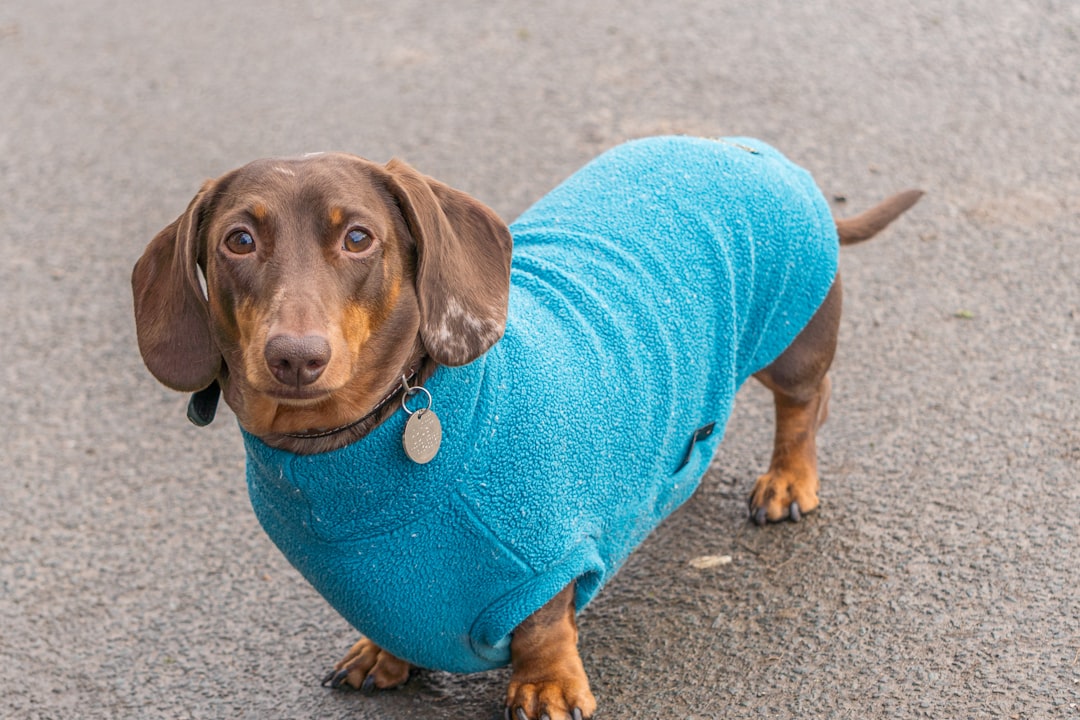
Dog breeds that are low to the ground can struggle with the cold as their bellies easily become wet when touching snow and ice, which be uncomfortable and increase the likelihood of these dogs getting too cold. Basset Hounds and Dachshunds are among the short dog breeds most likely to struggle.
Dachshunds are basically four-legged submarines navigating through snow drifts. Their elongated bodies and short legs mean their entire underside becomes a snow-collecting surface. On the other hand, short-haired breeds like Greyhounds, Chihuahuas, and Dachshunds have less insulation and are more vulnerable to the cold. These determined little hunters need full-body protection to maintain their dignity and warmth.
Whippets – Racing Towards Warmth
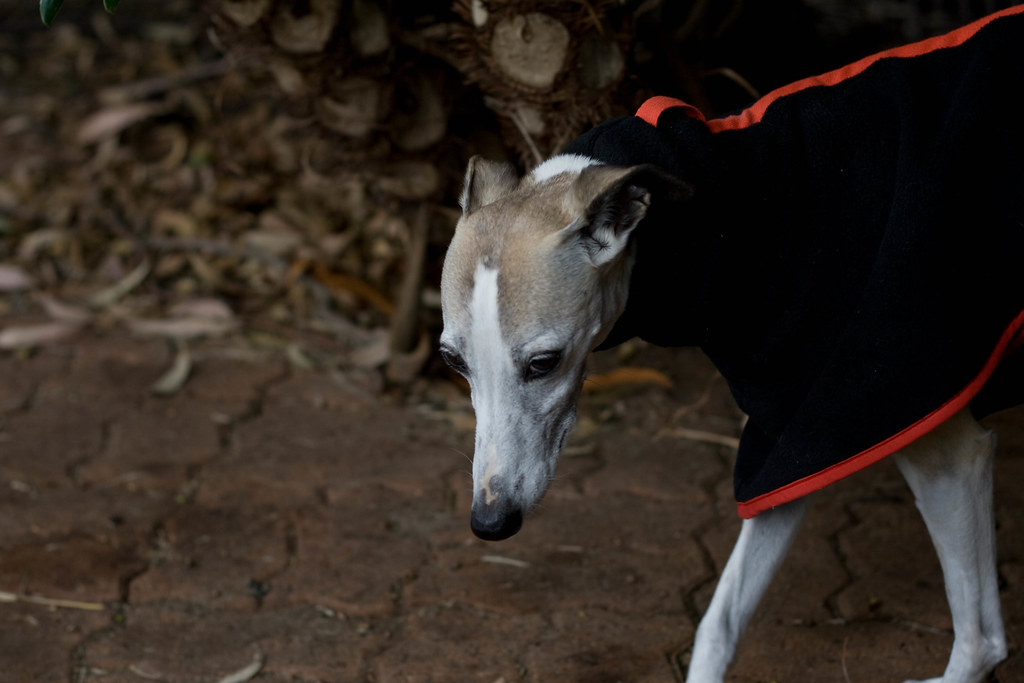
The greyhound feels the cold due to their think body frame, along with their short and thin coat. Greyhounds require a jumper/hoody when outdoors from Autumn until Spring and a windproof/waterproof coat on top in bad conditions or extreme cold weather.
Whippets share many characteristics with their larger Greyhound cousins – lean builds, thin skin, and minimal body fat. Additionally, dogs with low body fat, such as Whippets, may struggle to maintain their body heat in cold weather. These gentle speedsters transform from racing machines to shivering statues in cold weather without proper protection.
Toy Poodles – Curly Coats Aren’t Always Enough
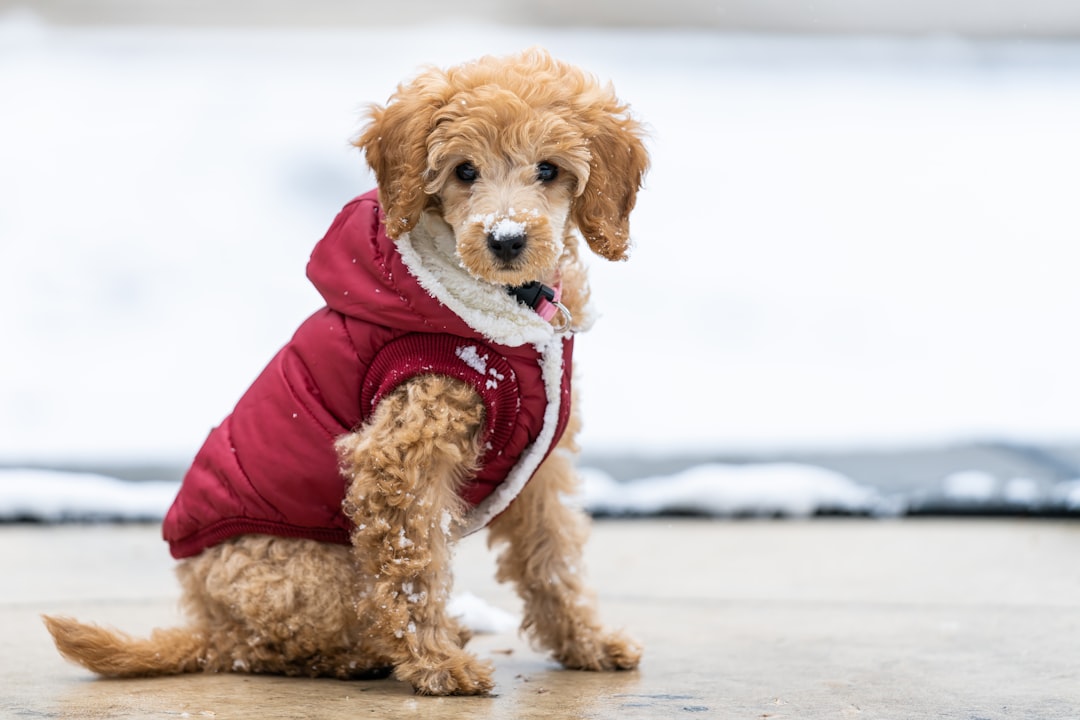
Breeds of dogs who are generally clipped, like all three sizes of Poodles (standard, miniature, toy), or individual dogs who have had their coat shaved or clipped, won’t have the natural insulation and protection that a longer coat normally provides. These dogs can become cold quickly when outside and may need coats to stay warm in winter weather.
Poodles typically have their big, curly coat groomed throughout the year. However, grooming may reduce your dog’s natural protection from the cold weather. If your Poodle is shaved during the winter months, be sure to provide them with the coat they need to stay warm. Even with their naturally curly coats, regular grooming can leave these intelligent companions vulnerable to the elements.
Great Danes – Gentle Giants Need Giant Coats
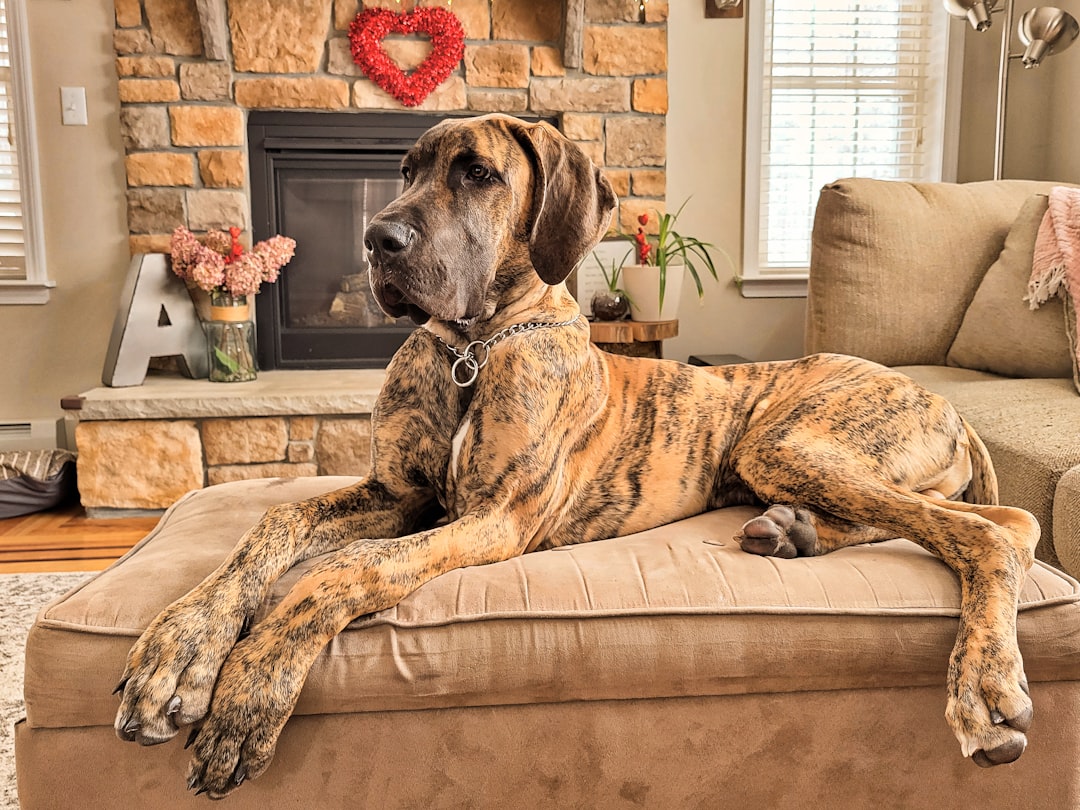
One of the largest breeds in the UK, this breed has short hair over their huge body so are not great at all at tolerating the cold. Short hair dogs, like Greyhounds, MinPins, Bulldogs, Great Danes, and the nearly hairless Chinese Crested will need an extra layer of protection against cold weather.
Don’t let their impressive size fool you – Great Danes are essentially enormous lap dogs when it comes to cold tolerance. Their short coats provide minimal insulation over their massive frames. This applies even to large breeds that are accustomed to the cold: remember their bellies have no fur and are exposed to the elements. Finding coats large enough for these gentle giants can be challenging, but it’s absolutely necessary.
Siberian Huskies – Built for Arctic Adventures
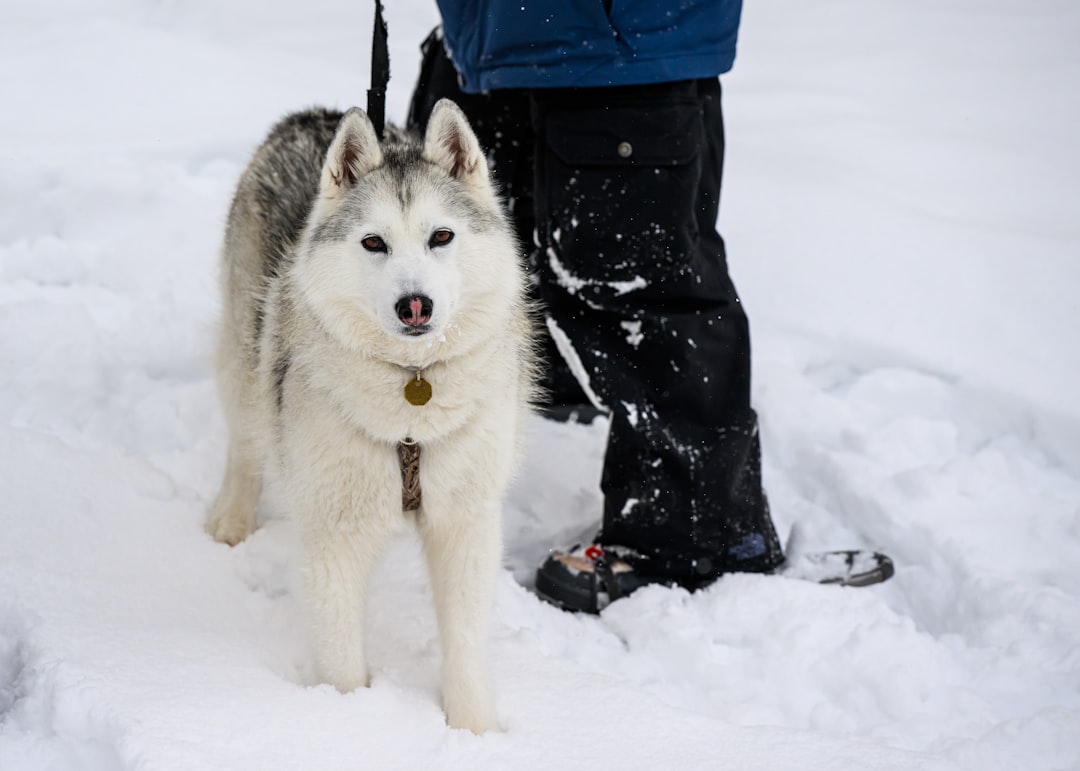
The ancestors of today’s Siberian Huskies were developed by the semi-nomadic Chukchi people and have since grown in popularity around the U.S. These tenacious winter dogs thrive in cold weather thanks to their thick double coat that provides a cozy layer of insulation.
The Siberian Husky is the quintessential cold-weather dog. Bred to pull sleds in freezing Arctic conditions, Huskies have a dense double coat that keeps them warm even in subzero temperatures. These magnificent dogs actually become more energetic as temperatures drop. According to Lenore Demmin, president of the Siberian Husky Club of America, they both even curl their thick tails over their noses when they lay down in the cold, to warm the air they’re breathing.
Alaskan Malamutes – The Ultimate Snow Dogs
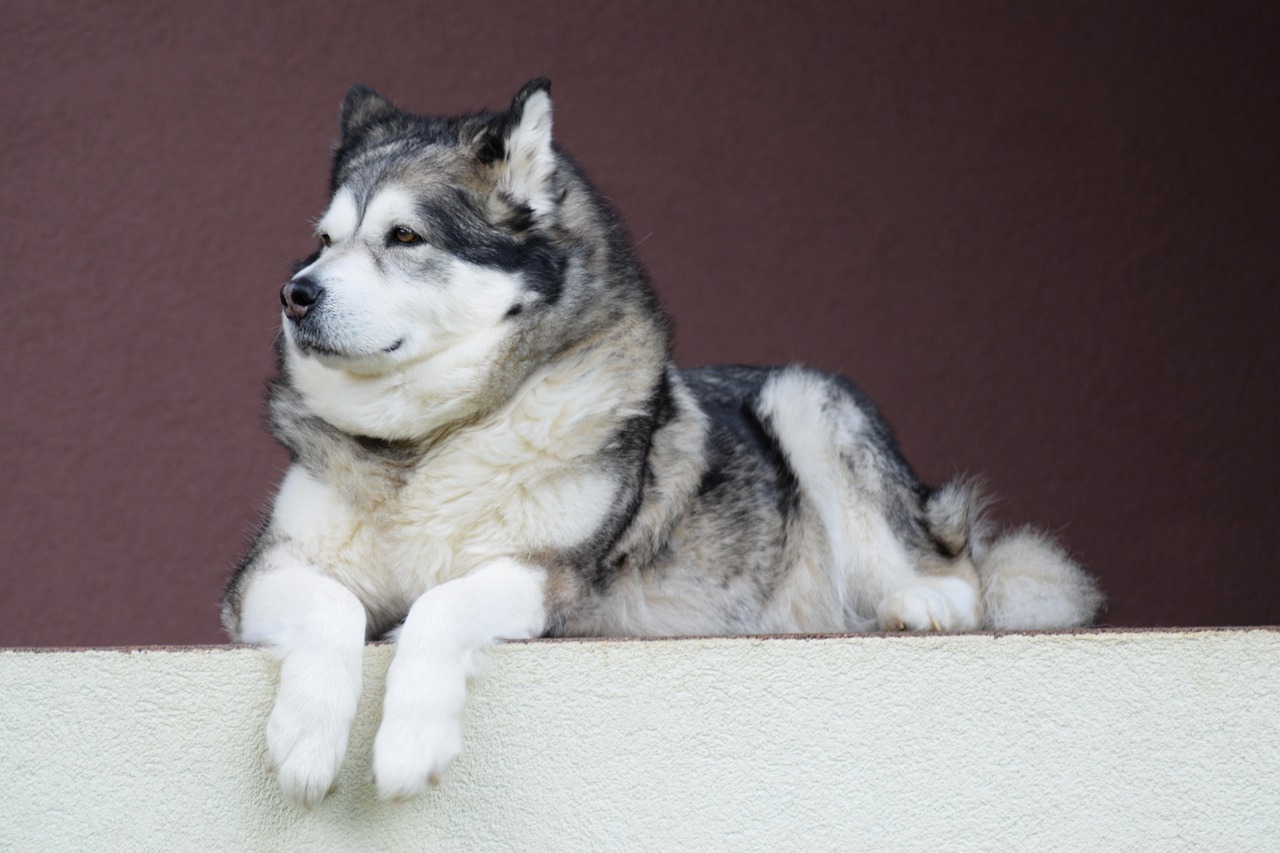
The native Mahlemut people relied on Alaskan Malamutes for survival, entrusting them to hunt seals, scare off polar bears, and haul heavy loads on sleds. Though they look a lot like Huskies, Malamutes are taller, around 25 pounds heavier, and have an even thicker coat.
Closely related to the Husky, the Alaskan Malamute is another snow-loving breed that thrives in cold climates. Known for their strength and endurance, Malamutes were bred for heavy sled pulling in harsh Arctic conditions. The Malamutes’ well-furred tails aid in keeping them warm when they curl up in the snow. They are often seen wrapping the tail around their nose and face, which presumably protects them against such harsh weather elements as blowing snow.
Saint Bernards – Rescue Dogs Who Love the Cold
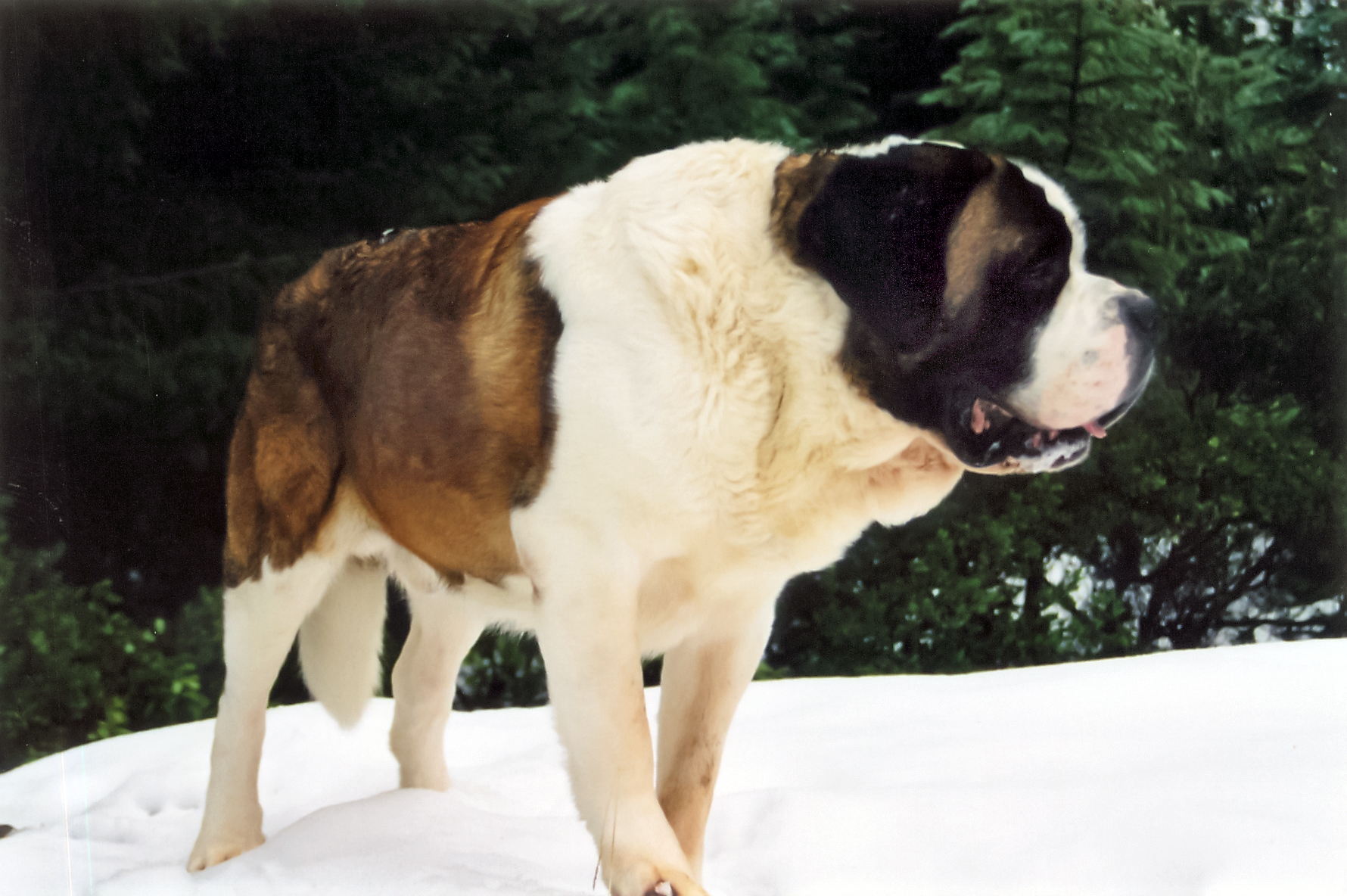
The Saint Bernard is the epitome of a snow dog – for centuries, they have been used as search and rescue dogs to find people buried under snow. While Saint Bernards still work as avalanche rescue dogs today, they’re also a popular family pet thanks to their gentle and friendly temperament.
This ancient breed helped locate stranded pilgrims crossing the snowy pass between Switzerland and Italy. With their immense double coat, thick fur, and strong frame, Saint Bernards are tailor-made for cold weather. Though they don’t carry barrels of brandy (despite the popular myth), they’ve got everything else you’d want in a cold-weather dog: warmth, muscle, and resilience.
Bernese Mountain Dogs – Swiss Alpine Perfection
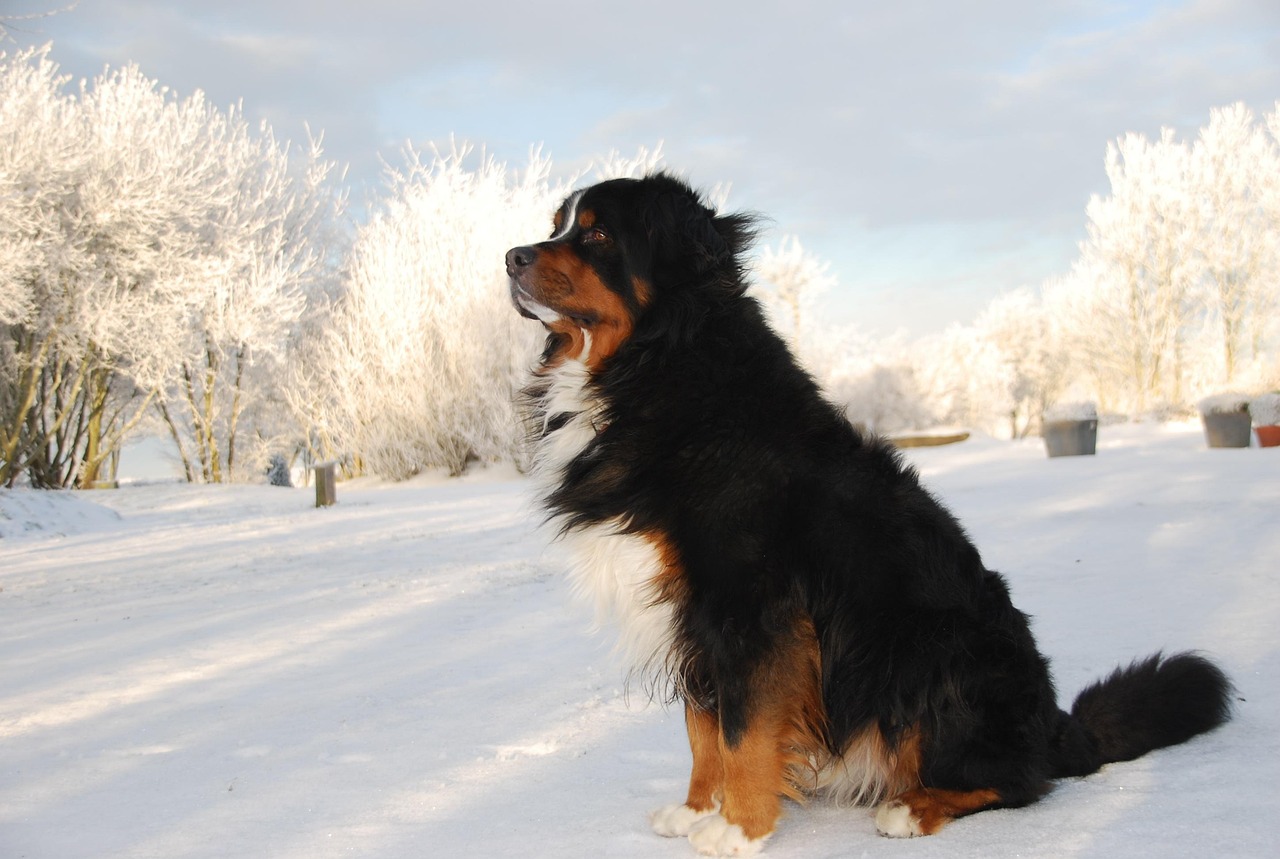
The Bernese Mountain Dog was bred in the Swiss Alps, where cold temperatures, snow, and rugged terrain demanded strength, endurance, and a weatherproof coat. This ancient breed was developed to serve as a dependable farm dog, capable of pulling carts and guarding livestock through harsh, cold climate conditions.
Bernese mountain dogs are loyal, easy-to-train, and absolutely adore snow. Most importantly, they’re as sweet-looking as can be, with a permanent smile on their lips. But a warning: once they’re outdoors in the snow, they’re hard to coax back inside! These gentle giants embody the perfect balance of working ability and family companionship.
Newfoundlands – Water-Loving Winter Warriors
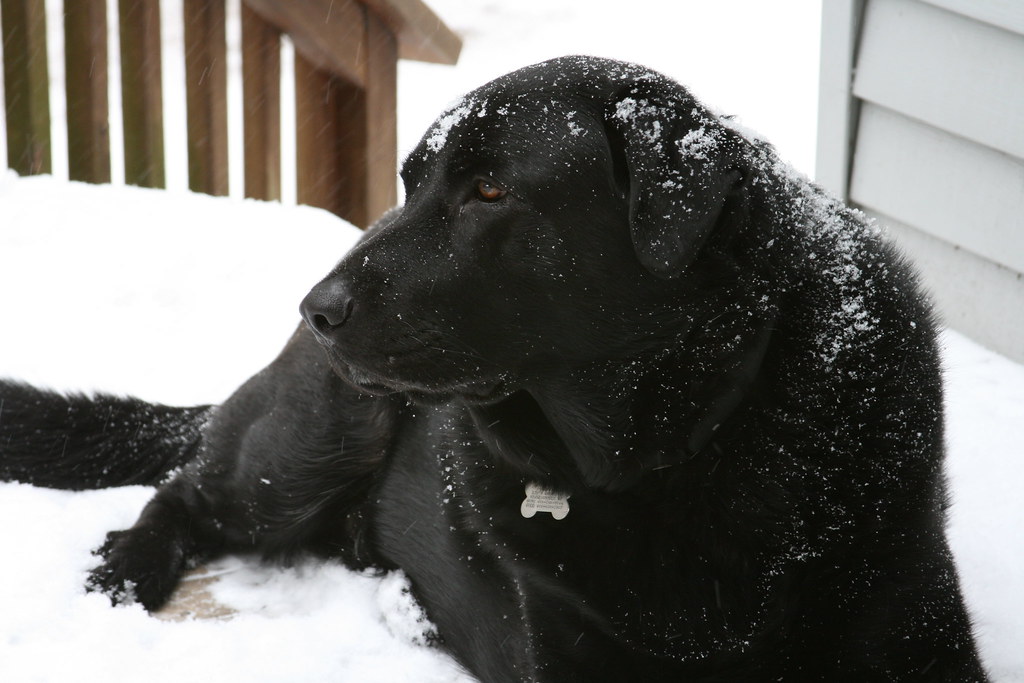
Newfoundlands are water-loving dogs that also thrive in winter’s chill. These gentle giants’ dense, water-resistant coats are perfectly suited for icy environments. Originally bred to assist fishermen in the cold waters of Newfoundland, Canada, these dogs are strong swimmers and natural rescuers.
The Newfoundland has a heavy coat that protected it from the icy waters it was originally bred to work in, making it ideal for colder weather. These massive, drooling sweethearts view snow as just another swimming pool. Their webbed feet and powerful builds make them natural winter athletes who genuinely enjoy cold weather activities.
Understanding Your Dog’s Cold Weather Signs
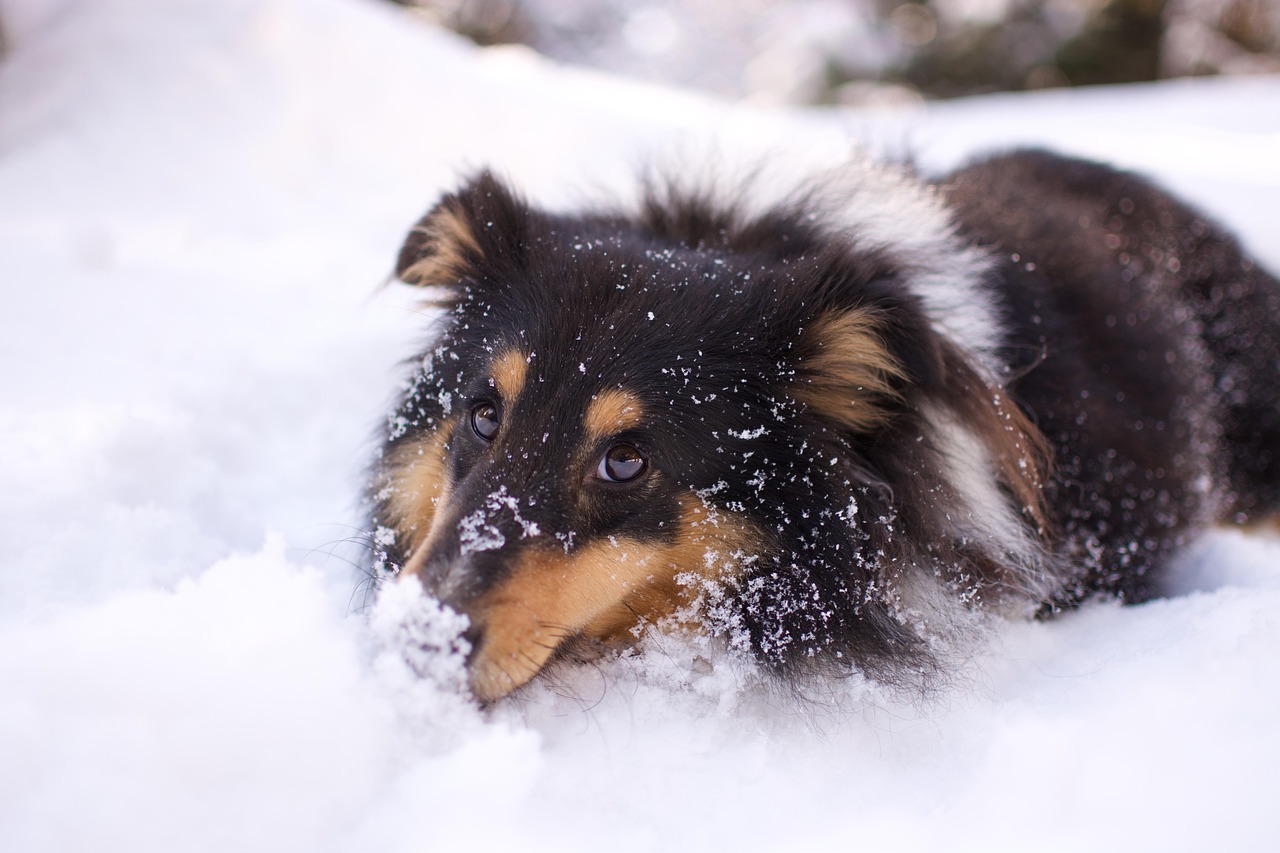
Even if your dog is wearing a coat, stay with them while they are outside so that you can monitor them for shivering, whining, or anxiety. These behaviors could indicate that your dog is too cold; even with a coat on.
If you notice your dog shivering, acting anxious, whining, slowing down, searching out warm locations, or holding up one or more paws, it’s time to head inside and warm up. Refusing to move, shivering, and whining are some signs that your dog is cold. Learning to read these signals can prevent dangerous situations and ensure your dog’s comfort during winter adventures.
Winter doesn’t have to be a season of worry or indoor confinement for you and your furry companion. Whether your dog needs a cozy sweater or prefers to make snow angels, understanding their individual needs helps create magical winter memories together. Remember, when in doubt, err on the side of caution and warmth. Your dog will thank you with tail wags and snuggles by the fireplace.
What surprises you most about these winter preferences? Tell us in the comments about your own dog’s cold weather quirks!


