
Picture this: you’re at the park, watching a parade of wagging tails and giggling children. Most dogs seem to melt at the sound of a child’s laughter, but some hang back, unsure or even anxious. If you’ve ever wondered why certain breeds just don’t click with kids, you’re not alone. As a lifelong dog lover and canine behavior enthusiast, I’ve chatted with plenty of families who adore their pups but feel stumped by awkward child-dog dynamics. Let’s explore ten breeds that often need a little extra understanding and patience when it comes to bonding with kids. Remember, every dog is an individual—these are tendencies, not rules—and with a little heart and smarts, we can help our furry friends feel safe and loved.
Chihuahua: Small Body, Big Feelings
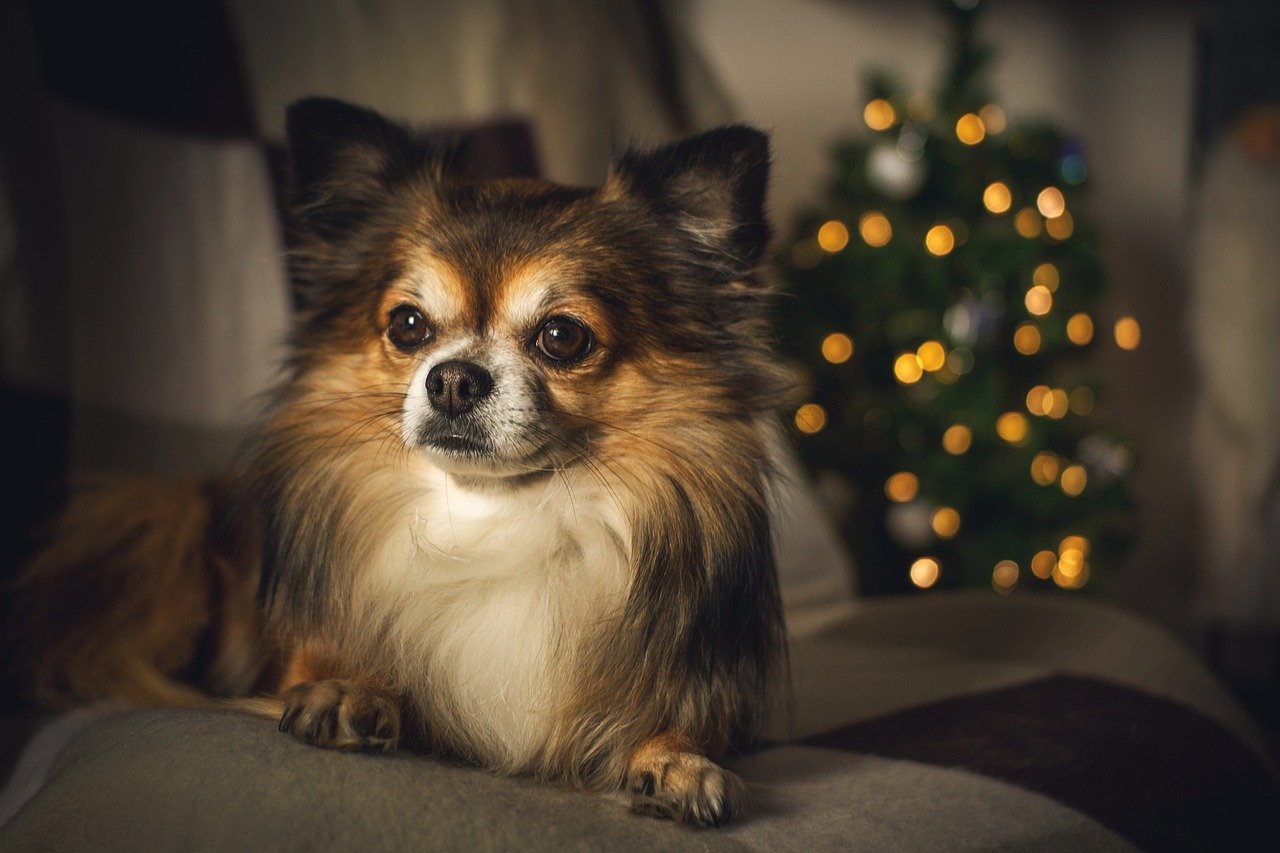
Chihuahuas might look dainty and adorable, but their personalities pack a punch. Their small size can make them feel threatened by the unpredictable energy of children. Loud noises, sudden movements, or rough hugs can be overwhelming for these tiny dogs, leading them to snap or retreat.
Many Chihuahuas become deeply attached to one adult and may see kids as rivals for attention. Watch for signs like trembling, growling, or hiding when kids approach. To help, teach children to move gently, avoid picking them up, and offer treats to build trust slowly. Patience and respect for their boundaries go a long way with these pint-sized companions.
Afghan Hound: The Aloof Aristocrat
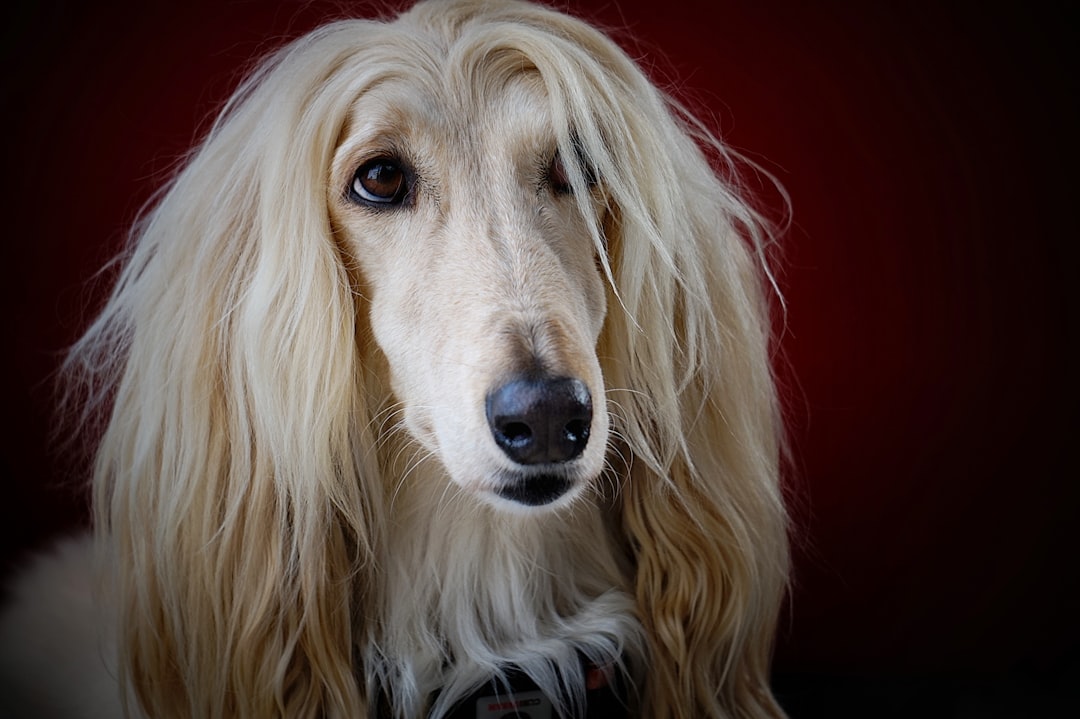
Afghan Hounds are known for their graceful beauty and independent spirit. This breed often seems to exist in its own elegant world, which can make them appear distant or uninterested in bonding with children. Their sensitive nature means they’re easily startled by boisterous play or shrill voices.
If an Afghan Hound feels overwhelmed, you might notice them withdrawing, refusing to engage, or even becoming skittish. Encourage gentle, calm interactions and give them quiet spaces where they can retreat. These dogs thrive when they can approach on their own terms, so let them set the pace and celebrate small moments of connection.
Shih Tzu: The Sensitive Lap Dog
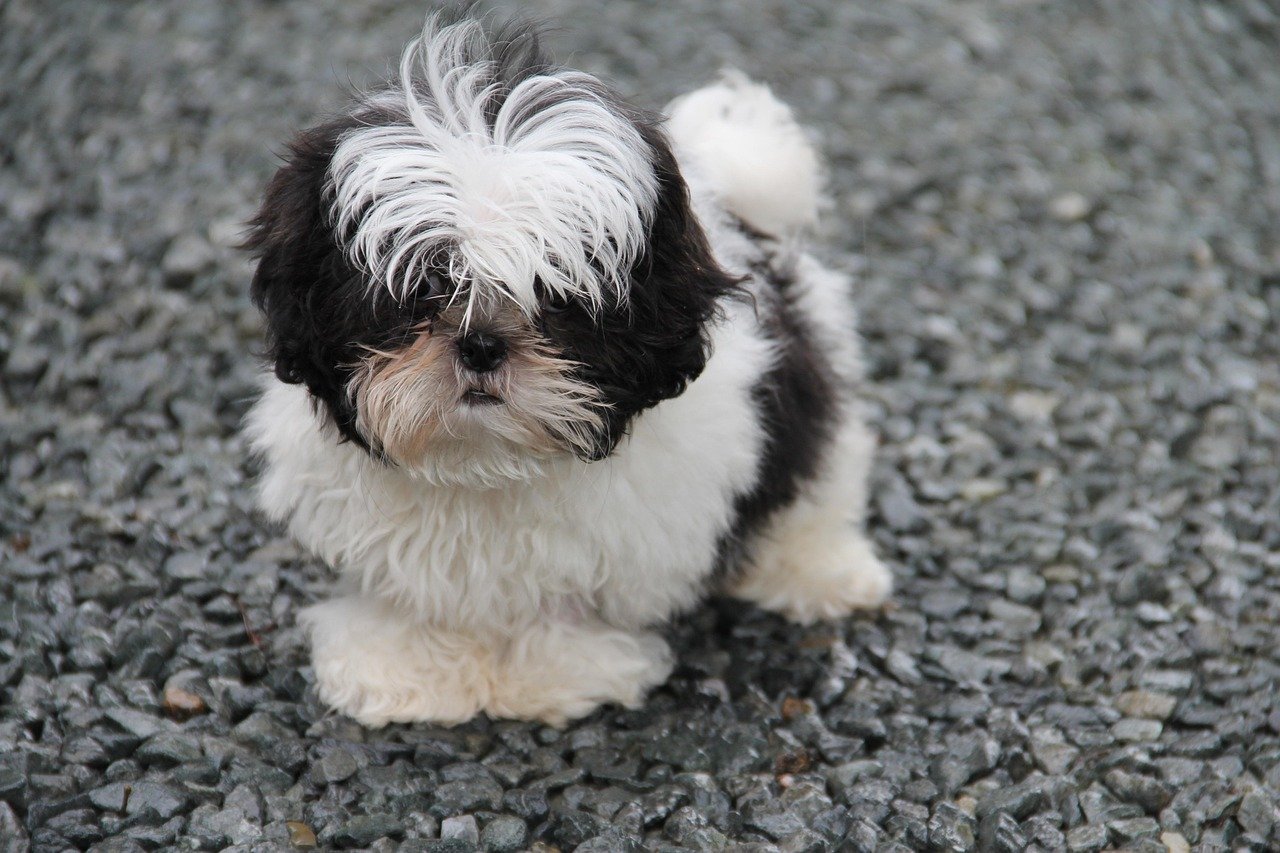
Shih Tzus adore calm, predictable environments, and sudden shrieks or energetic play can leave them frazzled. They may not appreciate clumsy handling or being carried around like a toy, especially by young children who haven’t mastered gentle touch.
Watch for subtle cues like flattened ears or turning away. It’s essential to teach children to respect the Shih Tzu’s need for peace and always supervise playtime. Positive reinforcement—like rewarding calm behavior near kids—can help build their confidence and make interactions more enjoyable for everyone.
Basenji: The Cat-like Canine
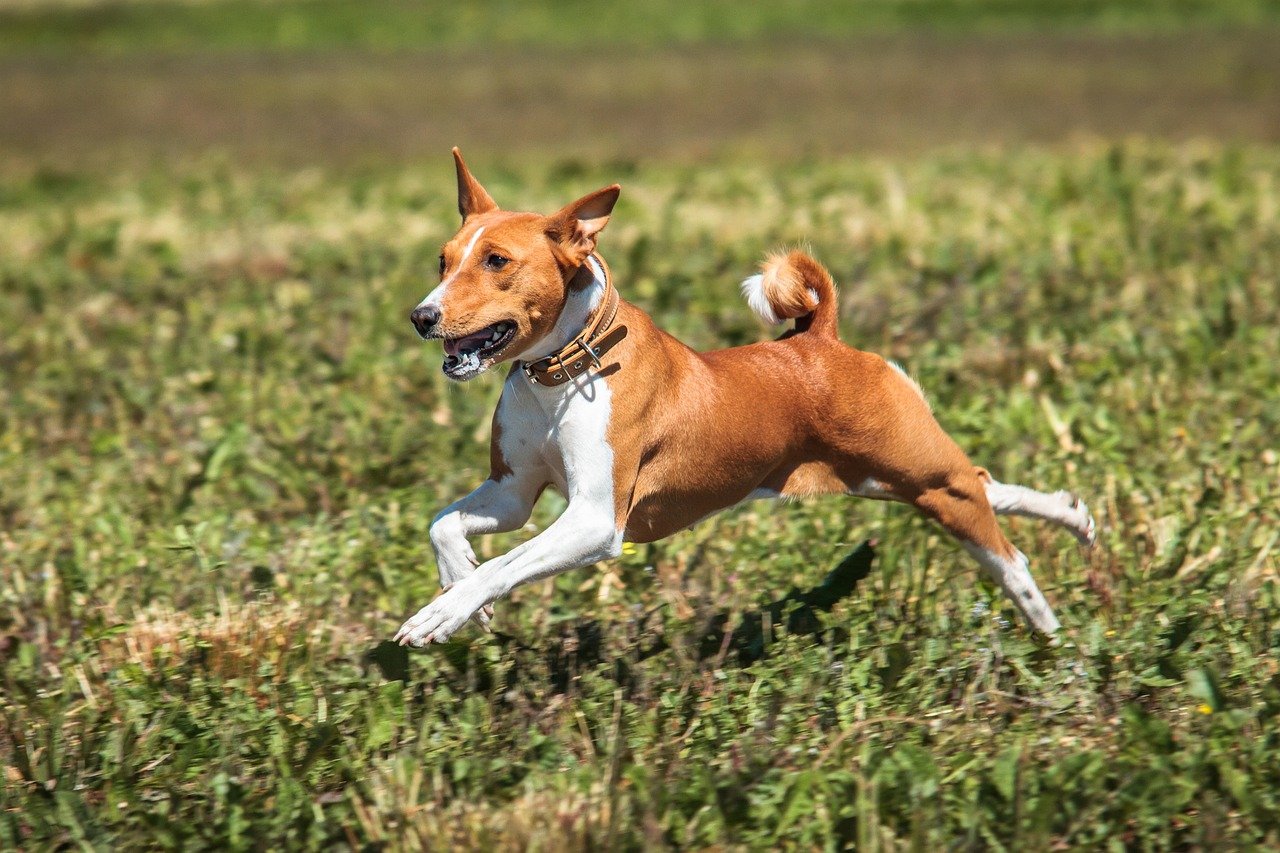
Basenjis have a reputation for being clever, curious, and, yes, a bit aloof—almost cat-like in their independence. They often prefer to initiate contact and may avoid the chaos that comes with children’s games. Their dislike for loud noises and rough handling makes them reluctant playmates for lively kids.
If a Basenji feels uneasy, they might pace, vocalize with their distinctive yodel, or seek out a quiet corner. To bridge the gap, encourage children to play calm games, like tossing a soft toy, and always reward gentle, respectful behavior. With time, Basenjis can learn to appreciate the quieter side of family life.
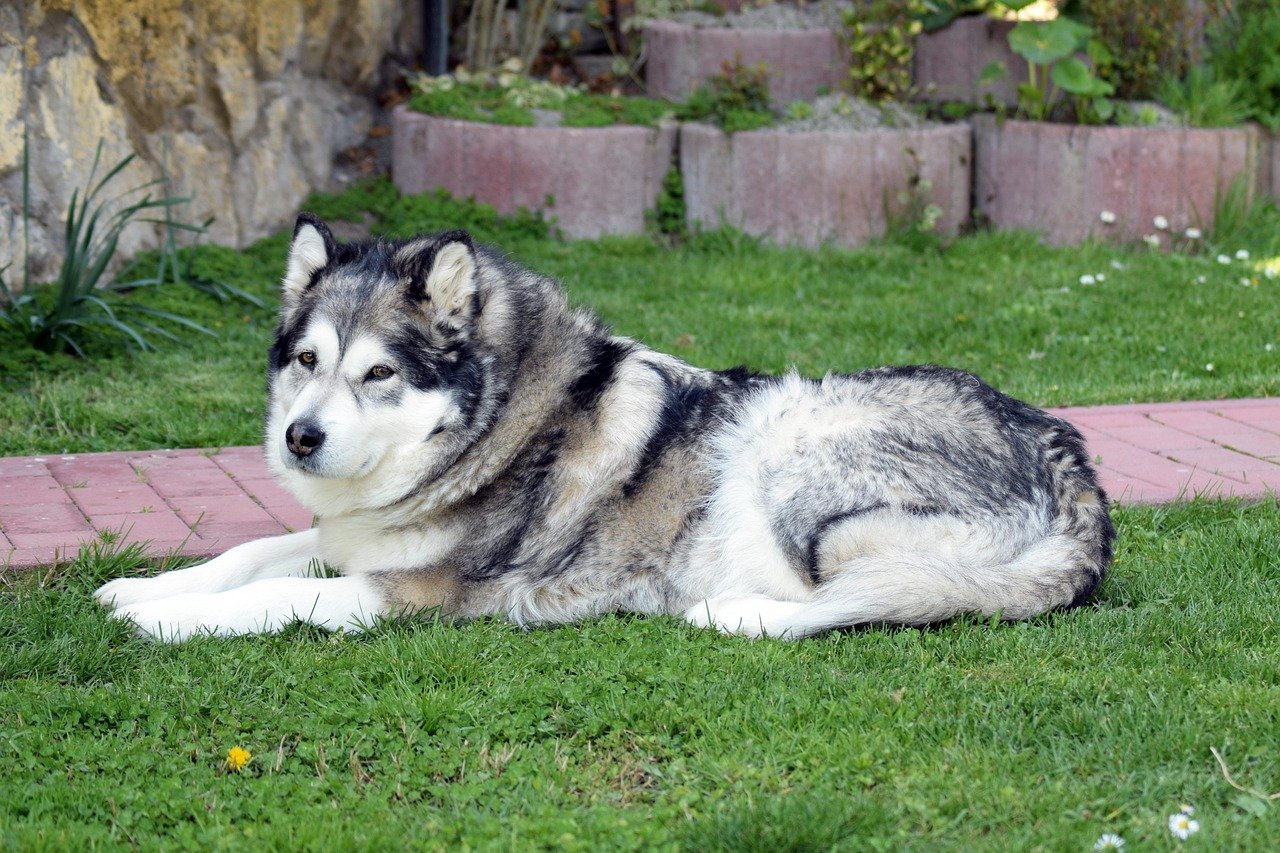
Alaskan Malamute: The Gentle Giant With Limits
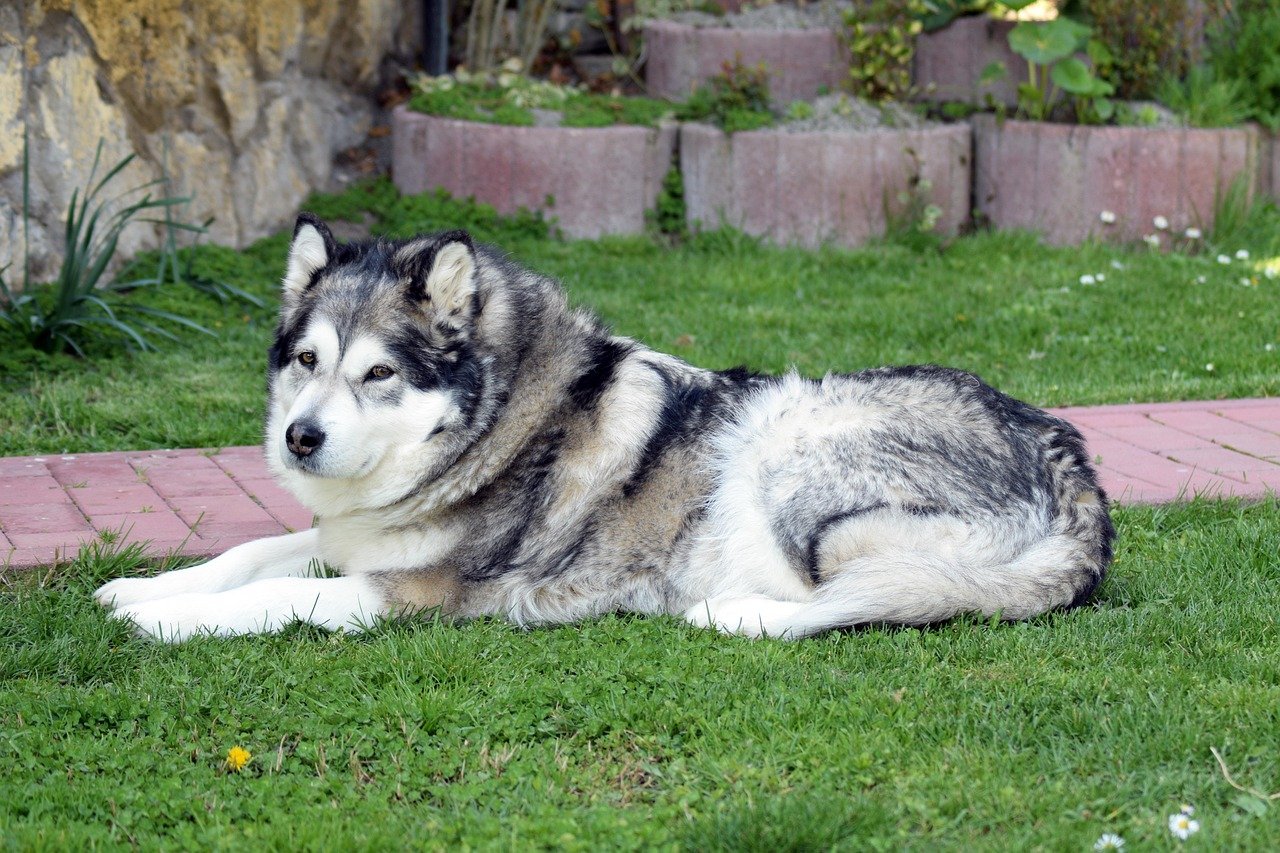
Alaskan Malamutes are strong, intelligent, and full of energy—traits that can be a mixed blessing with children. While they’re not naturally aggressive, their sheer size and exuberant nature can be intimidating for little ones. At the same time, Malamutes may not tolerate rough or disrespectful treatment.
Look out for behaviors like avoidance, grumbling, or stiff body language when kids get too rowdy. Supervise all interactions, teach children to respect the dog’s space, and provide plenty of outlets for the Malamute’s energy away from playtime with kids. A tired Malamute is a happier, more relaxed companion.
Pekingese: The Regal Watchdog
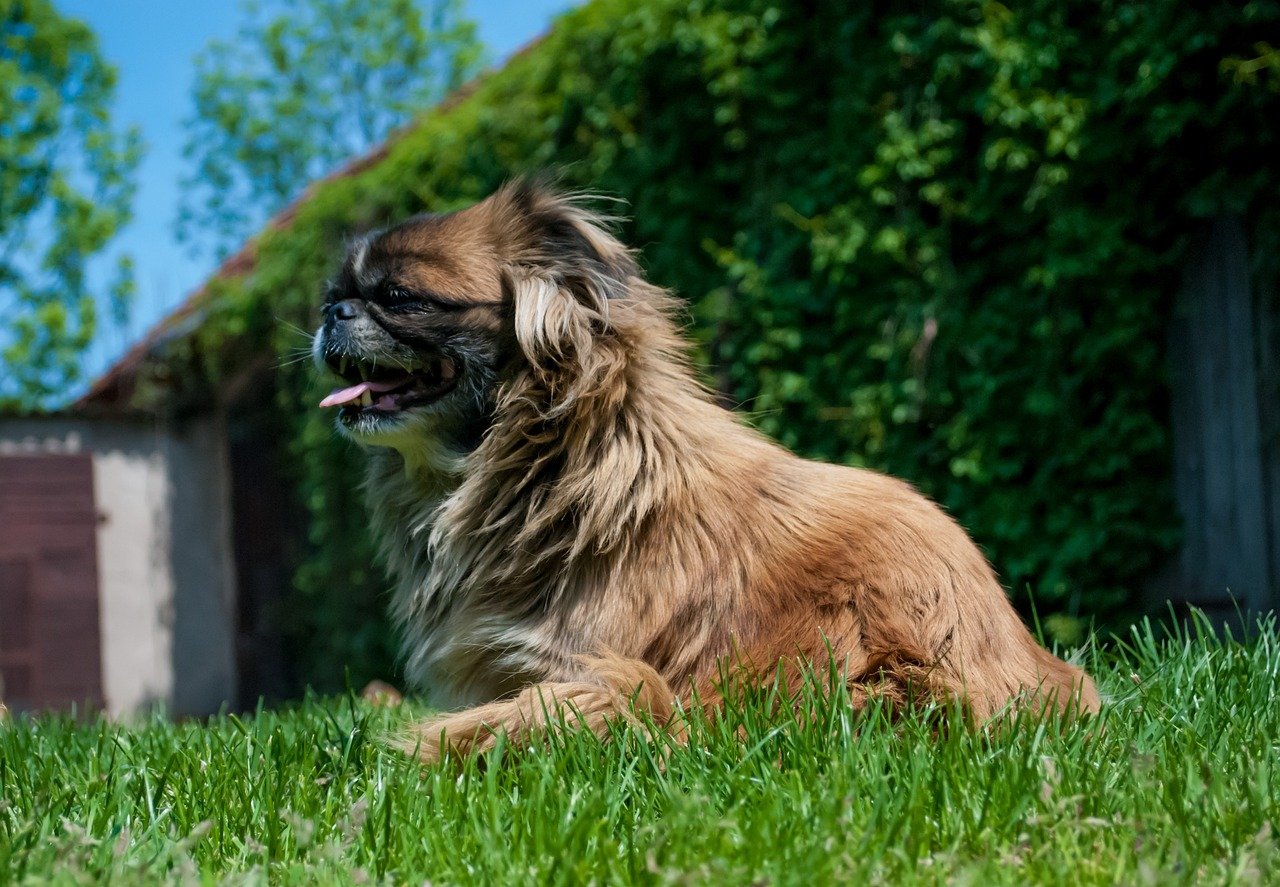
Pekingese dogs carry themselves like royalty and expect to be treated as such. They can be fiercely loyal to their adult humans but wary or even snappy with children who don’t respect their boundaries. Their flat faces and sensitive bodies mean they dislike being poked, prodded, or hugged tightly.
You might notice your Pekingese growling softly or stiffening when a child approaches too quickly. It’s important to teach kids to move slowly and let the dog come to them. Creating positive associations with treats and peaceful cuddles can gradually help your Pekingese accept younger family members.
Shiba Inu: The Spirited Independent
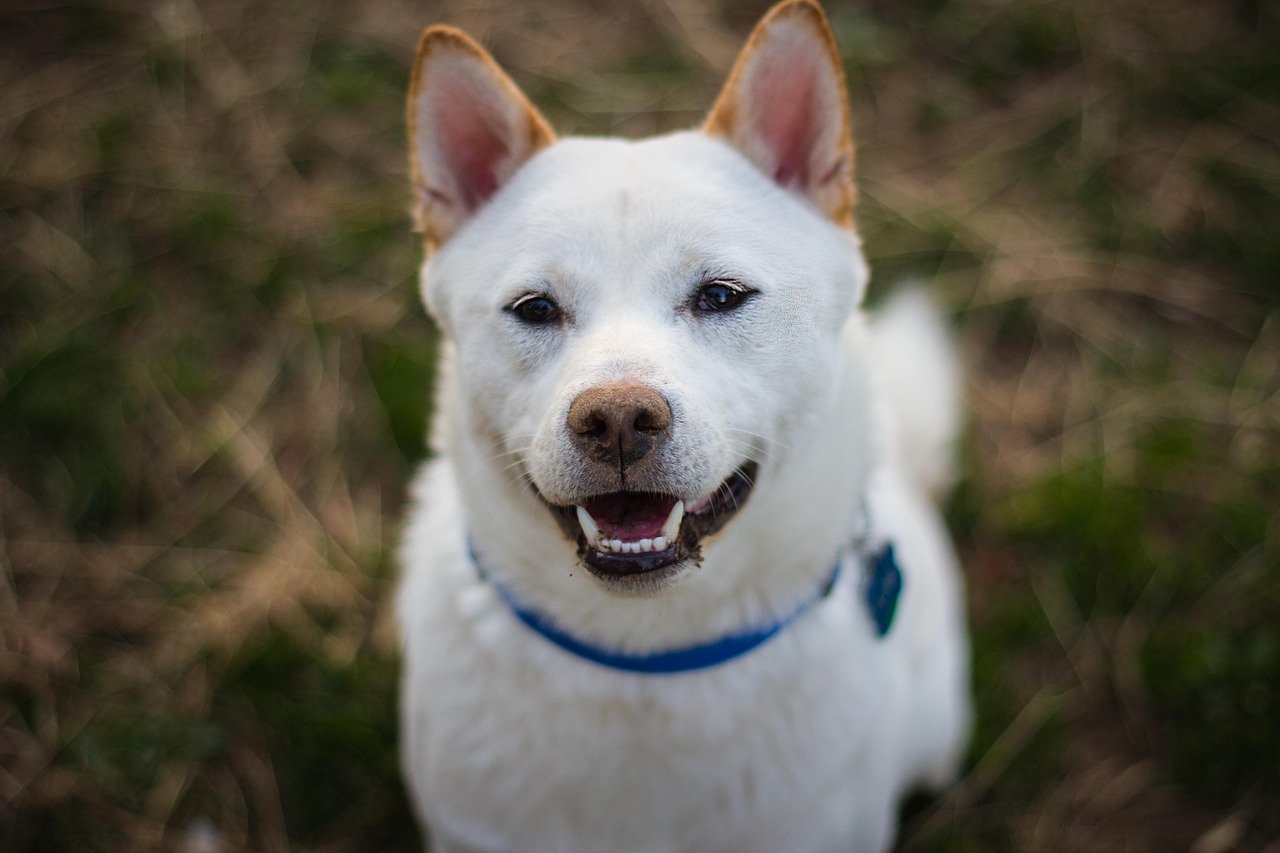
Shiba Inus are known for their bold personalities and stubborn independence. They have a low tolerance for chaos and rough play, which can make them challenging companions for kids who love to run and shout. Their “Shiba scream”—a loud, dramatic yelp—often signals discomfort or distress.
When a Shiba Inu feels out of sorts, they may bolt, vocalize, or even nip if they feel cornered. Set clear boundaries and build trust slowly with calm, consistent routines. Encourage children to respect the dog’s signals and never force interaction, especially during the early stages of bonding.
Scottish Terrier: The Reserved Guardian
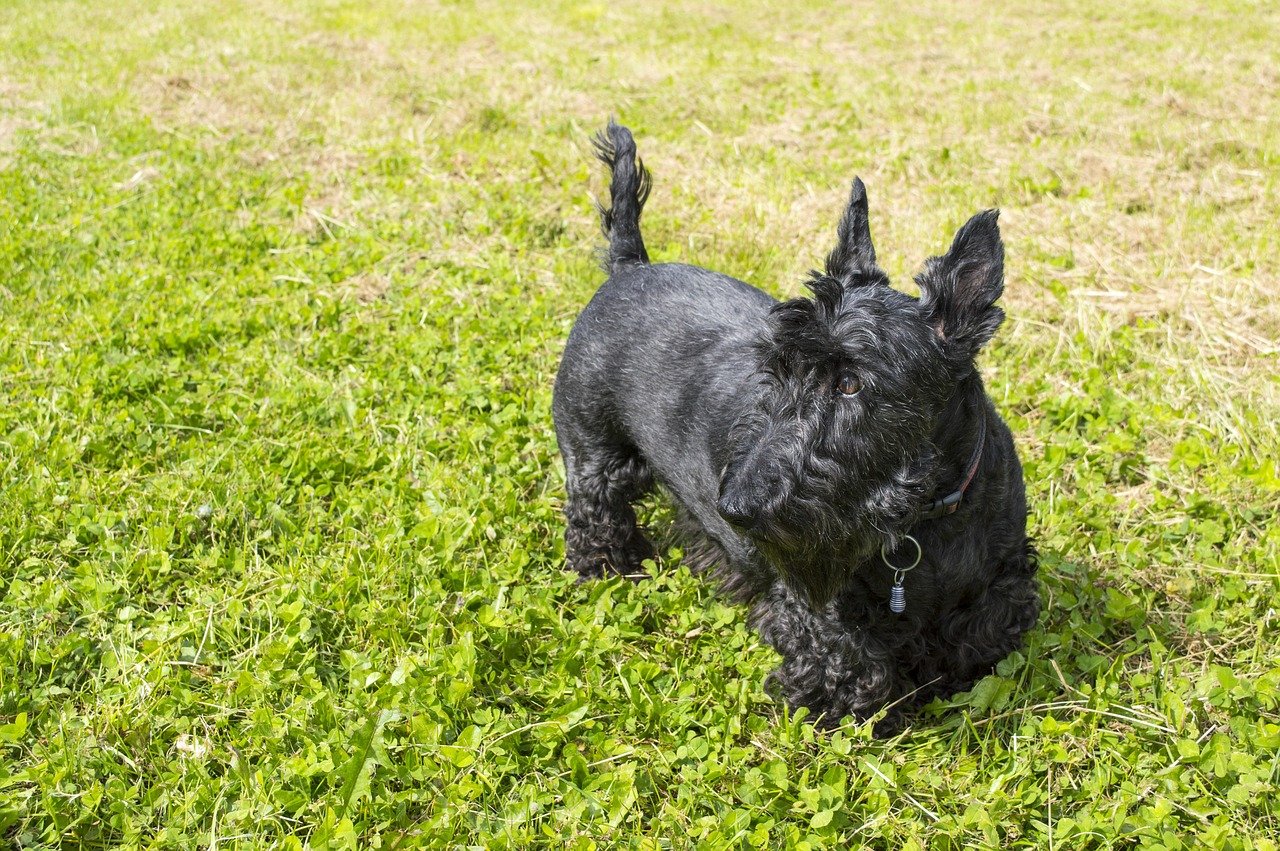
Scottish Terriers are dignified, loyal, and sometimes a bit reserved, especially with strangers or unpredictable situations. Fast, noisy play can make them uneasy, and their strong prey drive may kick in if kids wave toys or run past suddenly.
If your Scottie is uncomfortable, you might see them stiffen, bark, or retreat to a favorite hideout. Make introductions gradual and always supervise play, encouraging gentle petting rather than energetic games. With time and positive reinforcement, Scotties can warm up to kids—at their own measured pace.
Chow Chow: The Distant Lion
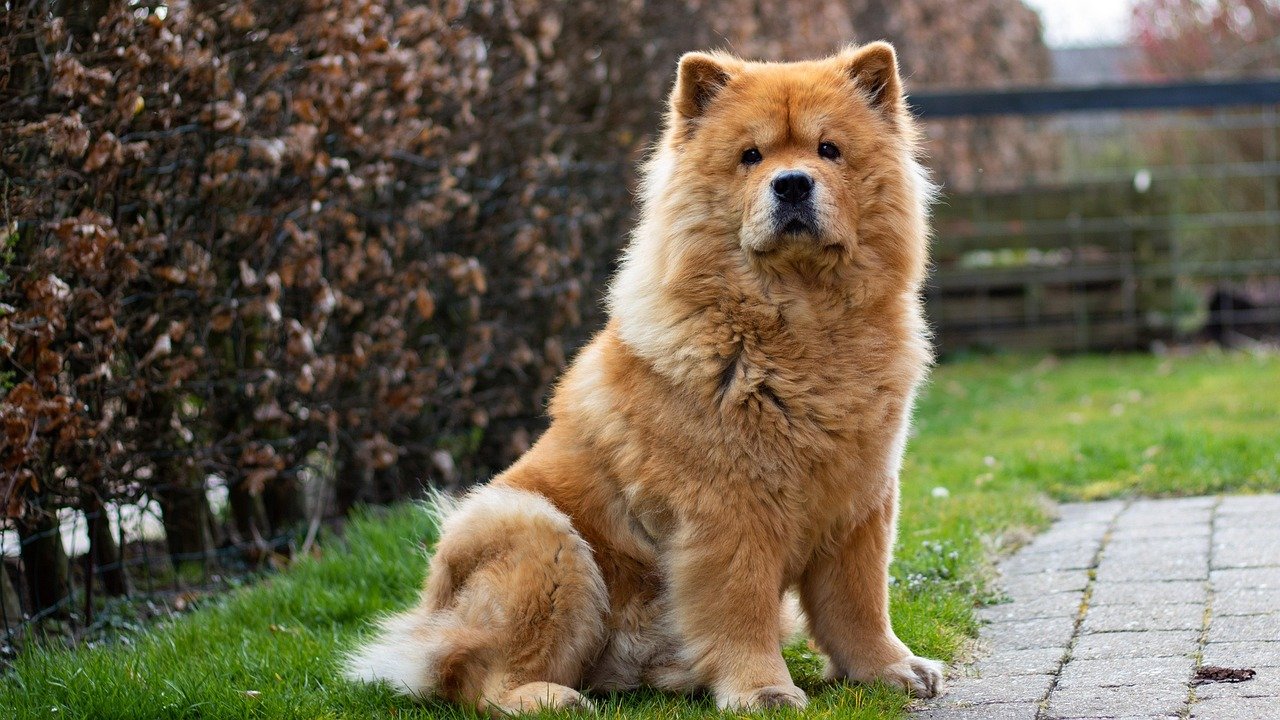
Chow Chows are famed for their lion-like mane and equally regal attitude. This breed often forms a strong bond with one or two adults but may keep children at a polite distance. Their stoic nature means they don’t always show discomfort until it’s serious—so subtle cues like lip licking or turning away shouldn’t be ignored.
Chows dislike roughhousing and can become defensive if they feel cornered. Supervision is a must, along with teaching children to respect the dog’s space and mood. Gentle, structured interactions—think slow walks or quiet brushing sessions—work best for building trust.
Dalmatian: The High-Energy Wild Card
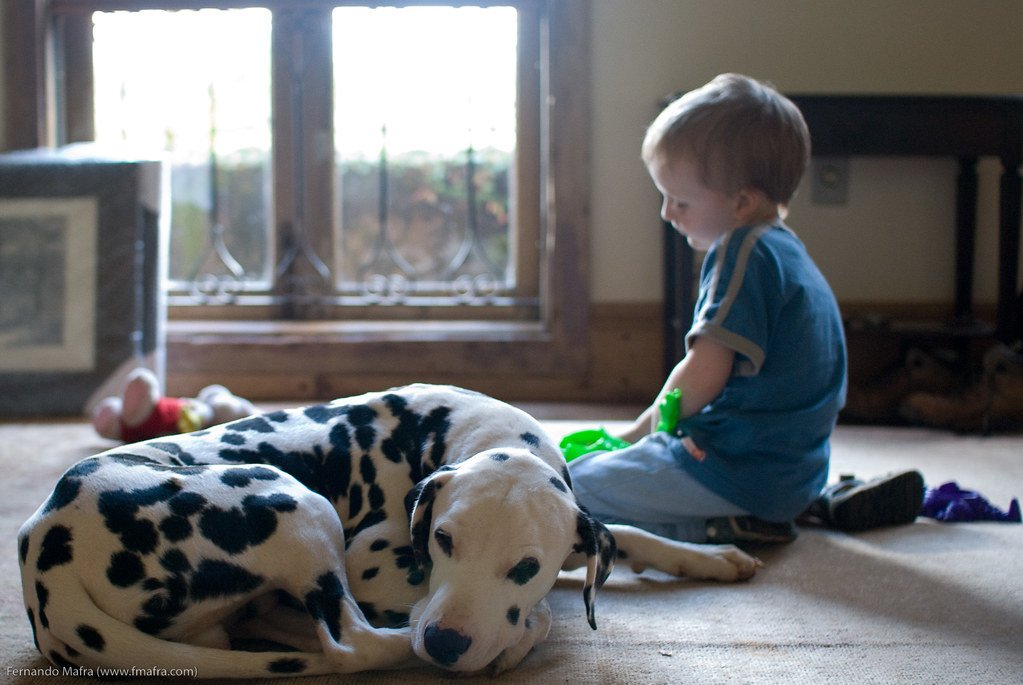
Dalmatians are bursting with energy and intelligence, but their exuberance can overwhelm kids—or lead to unintentional bumps and bruises. On the flip side, some Dalmatians become anxious or reactive with the unpredictable behavior of children.
Watch for signs like jumping, barking, or restlessness around kids. Give your Dalmatian plenty of exercise and mental stimulation so they’re less likely to act out. Teach both dog and child how to play together safely, always with adult supervision to prevent misunderstandings and build a positive bond.
Every dog deserves a loving, respectful family, and understanding each breed’s unique needs is the first step. Which of these surprised you the most?


