
You know that feeling when you meet someone’s dog and they’re just naturally well mannered, almost like they’ve read the rule book on good behavior without being taught? It’s not magic, though it might seem like it. Some dogs are born with temperaments so steady, so deeply wired for cooperation or calm decision making, that good manners come to them like breathing. They don’t need constant reminders or endless training sessions to understand what’s expected.
Sure, every dog benefits from guidance and love. Training always helps. Yet certain breeds seem to have an internal compass pointing them toward politeness, patience, and predictability. Maybe it’s in their genes from centuries of working alongside humans, or perhaps it’s just their easygoing nature. Either way, these dogs make life easier for their families right from the start. Let’s dive into ten breeds that seem to have figured out how to behave beautifully, almost all on their own.
Labrador Retriever
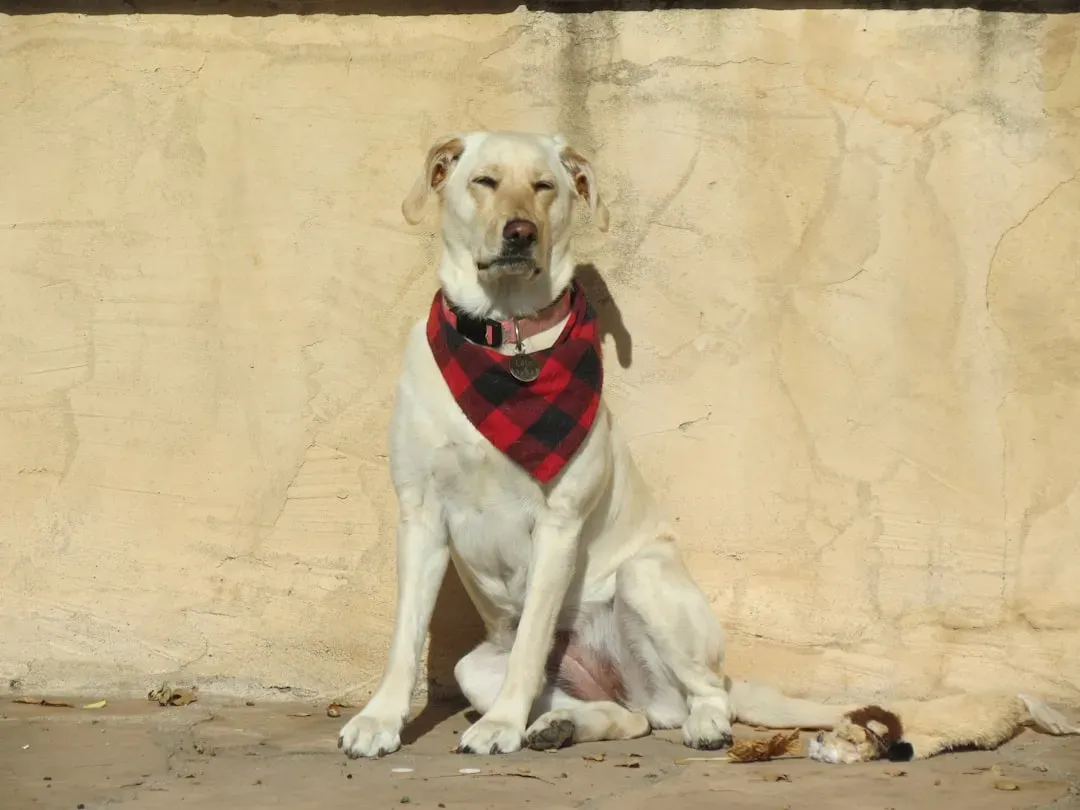
Labrador Retrievers are one of the most beloved breeds due to their friendly, easy-going nature, and these dogs are incredibly social and enjoy being around their family members, making them naturally well-behaved. Honestly, it’s hard to find a Lab that doesn’t seem to understand what you want before you even ask. They are easy to train because they are eager to please and pick up commands quickly.
Originally bred as fishing and hunting dogs, Labradors are accustomed to working closely with humans and have a keen desire to please, which makes them exceptionally well-behaved, especially when they receive proper training and exercise. Even without formal lessons, they tend to watch their humans closely, mirroring calm energy and adjusting their behavior to fit the household vibe. Their patience with children and other pets makes them ideal family companions.
Golden Retriever
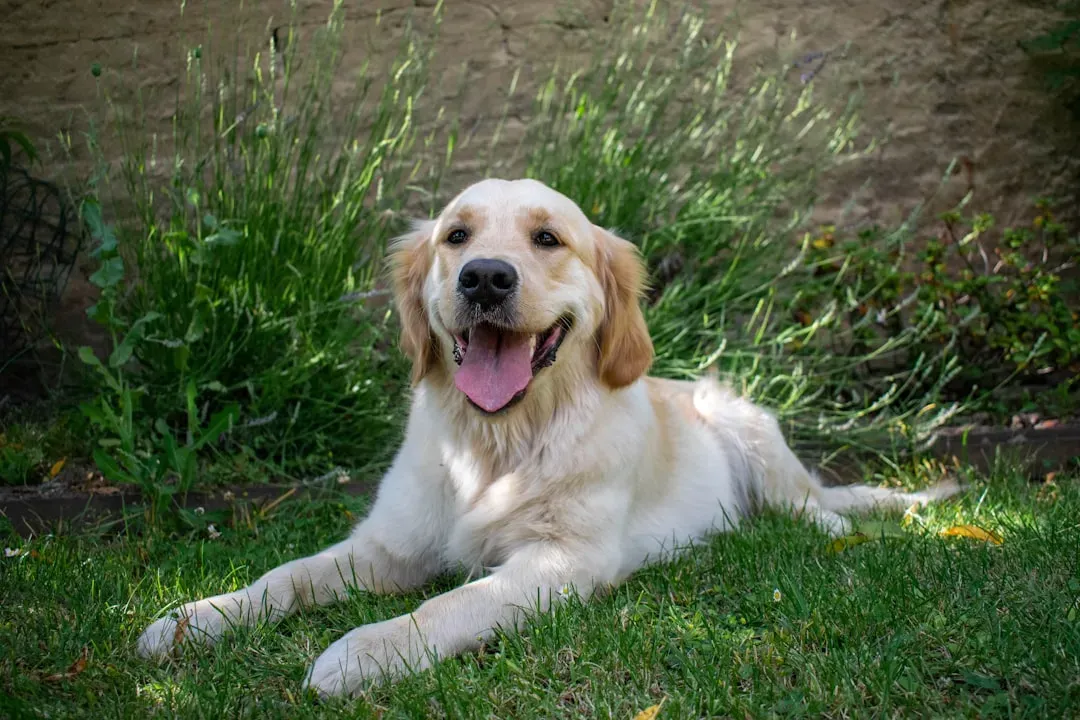
Golden Retrievers are adored the world over for their super-friendly personality, their love for spending time with their families, and their calm, even temperament, making friends with everyone they meet, which is indicative of their true personality, and they are easy to train and are not at all aggressive. Think about it. How many times have you seen an aggressive Golden? Rarely, if ever.
Their natural intelligence and gentle disposition mean they often figure out household routines without needing to be told twice. Golden Retrievers are admired for their balanced temperament and natural cooperation with people, they’re dependable, emotionally stable, and well-mannered even in active households, and early training is highly effective with this breed due to their strong desire to please. They seem to sense what makes their humans happy and lean into that instinctively.
Cavalier King Charles Spaniel
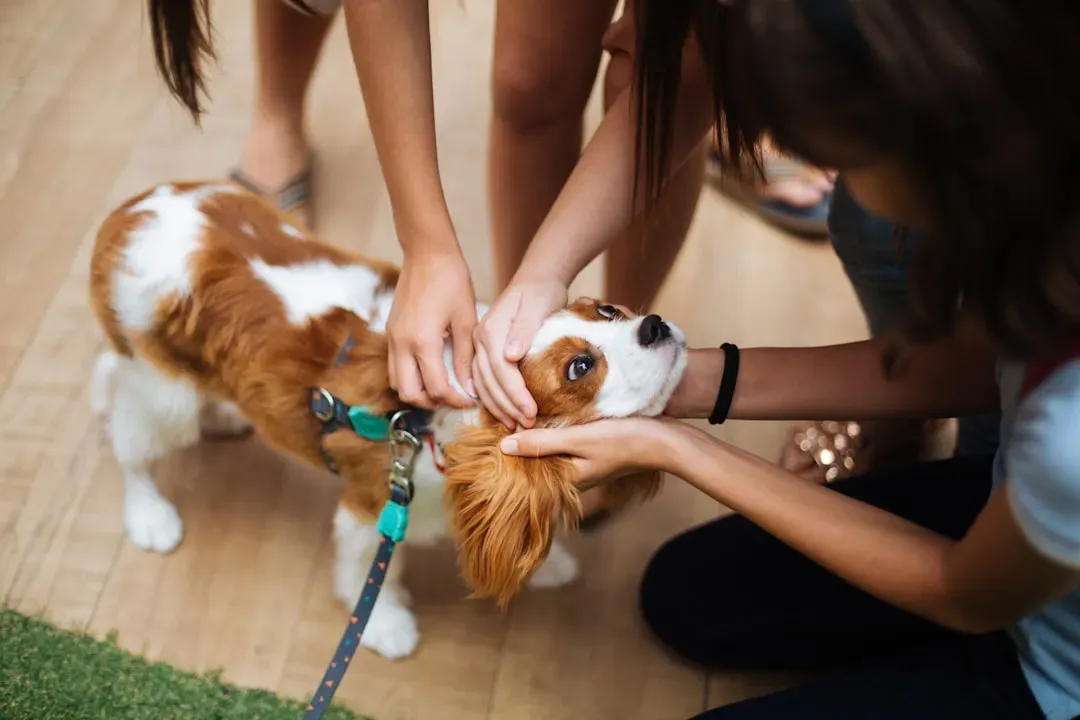
Cavaliers are known for their patience with children and relaxed behavior around other pets, and their ability to stay composed in unfamiliar environments adds to their reputation as reliable, well-mannered companions. These little charmers have an uncanny ability to adapt to your lifestyle, whether you’re relaxed on the couch or heading out for a gentle walk. According to the AKC, Cavaliers were bred to be affectionate house dogs, and their social nature makes them eager to please, and they typically don’t challenge authority or boundaries when given clear expectations.
What really sets them apart is their emotional intelligence. These dogs aren’t just adorable; they’re emotionally intuitive to a fault, and studies on canine empathy show breeds like the Cavalier often respond to human distress faster than many others, and they don’t bark orders, they just melt into your arms. It’s like having a warm, furry therapist who knows exactly when you need comfort.
Bernese Mountain Dog
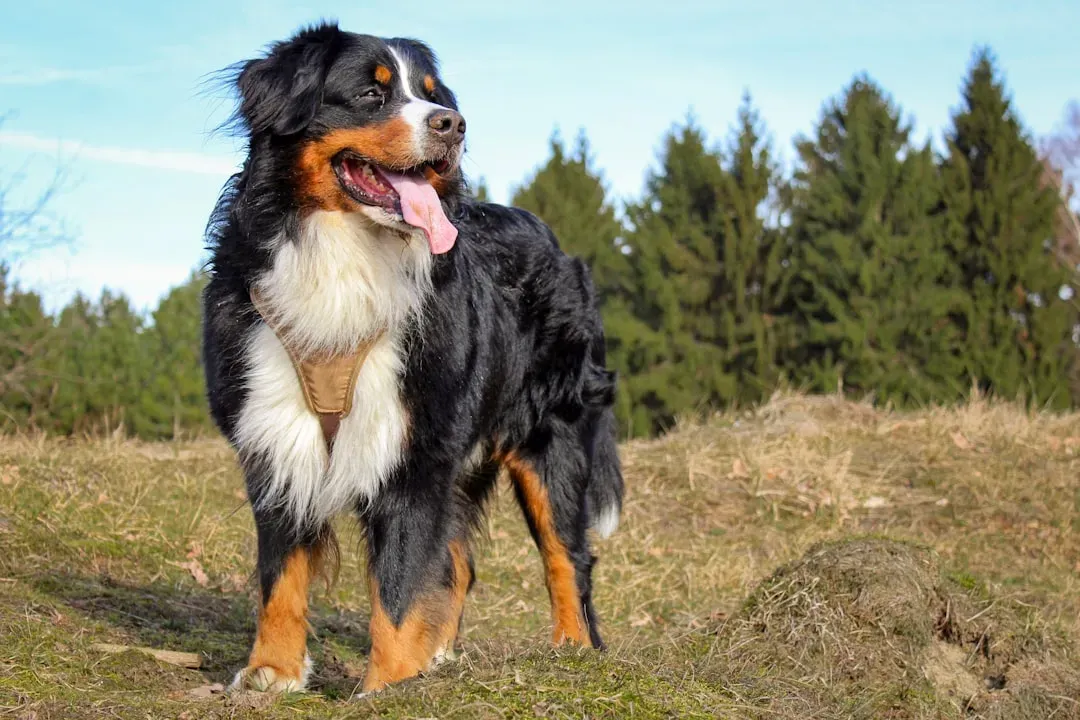
One of the kindest and bravest breeds, Bernese dogs are great companions, they are fairly energetic but calm and peaceful, playful and protective at the same time, and Bernese are devoted to their owners and enjoy the company of kids. Despite their large size, they move through family life with remarkable gentleness. Many generations later, they still respond enthusiastically to training, and Bernese are surprisingly peaceful to other pets and are frequently used as therapy dogs.
Their history as working dogs in the Swiss Alps taught them to think independently while remaining deeply loyal. That balance means they’re rarely destructive or overly demanding. They just seem to know how to exist peacefully in a home, watching over their people with quiet devotion.
Newfoundland
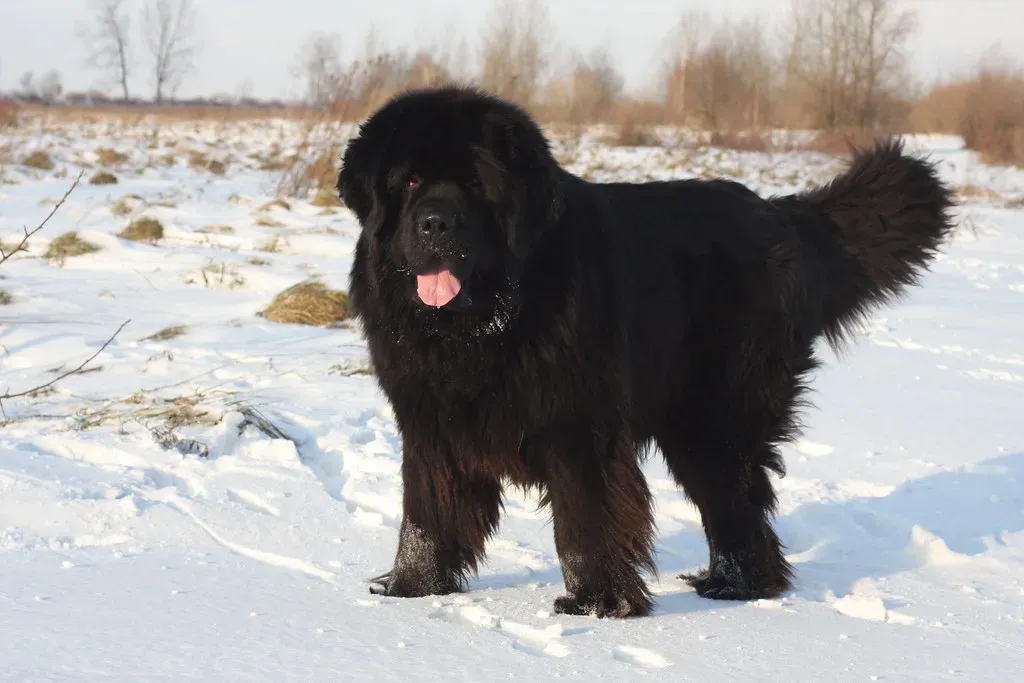
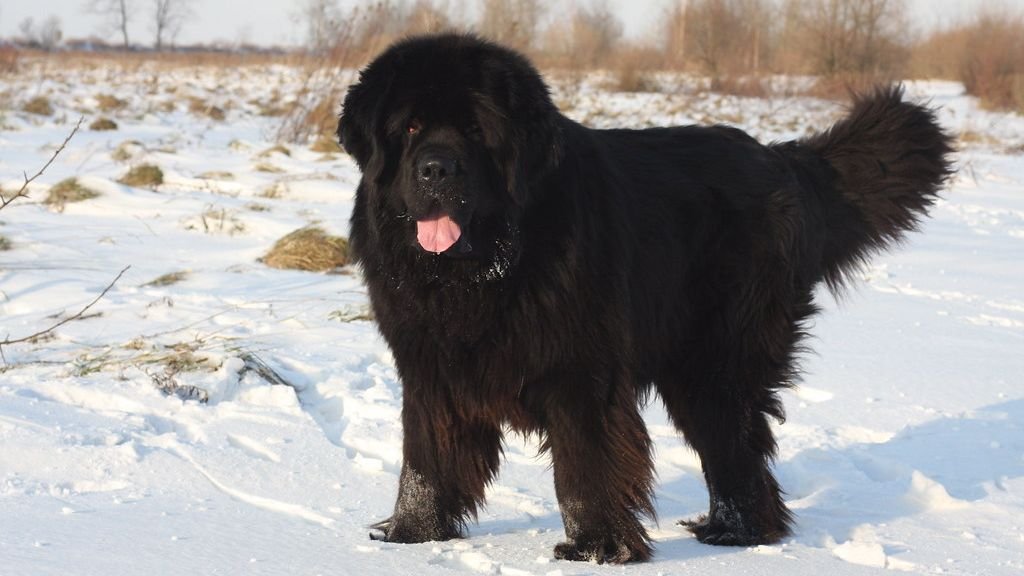
One of the largest breeds, weighing around 150 pounds, yet one the most family-friendly dogs, Newfoundlands are patient, loving, calm and well-behaved, and despite their size, they are very friendly to other pets in the house. Let’s be real, a dog this massive could cause chaos if they wanted to, yet they choose kindness every single time. Newfoundlands thrive on having a sense of purpose, which is why they are very responsive to obedience training.
Even without intense instruction, they gravitate toward protecting and comforting their families. Their swimming abilities and gentle nature make them natural lifeguards, especially around children. They don’t need to be told to watch over the little ones; it’s built into their very being.
Greyhound
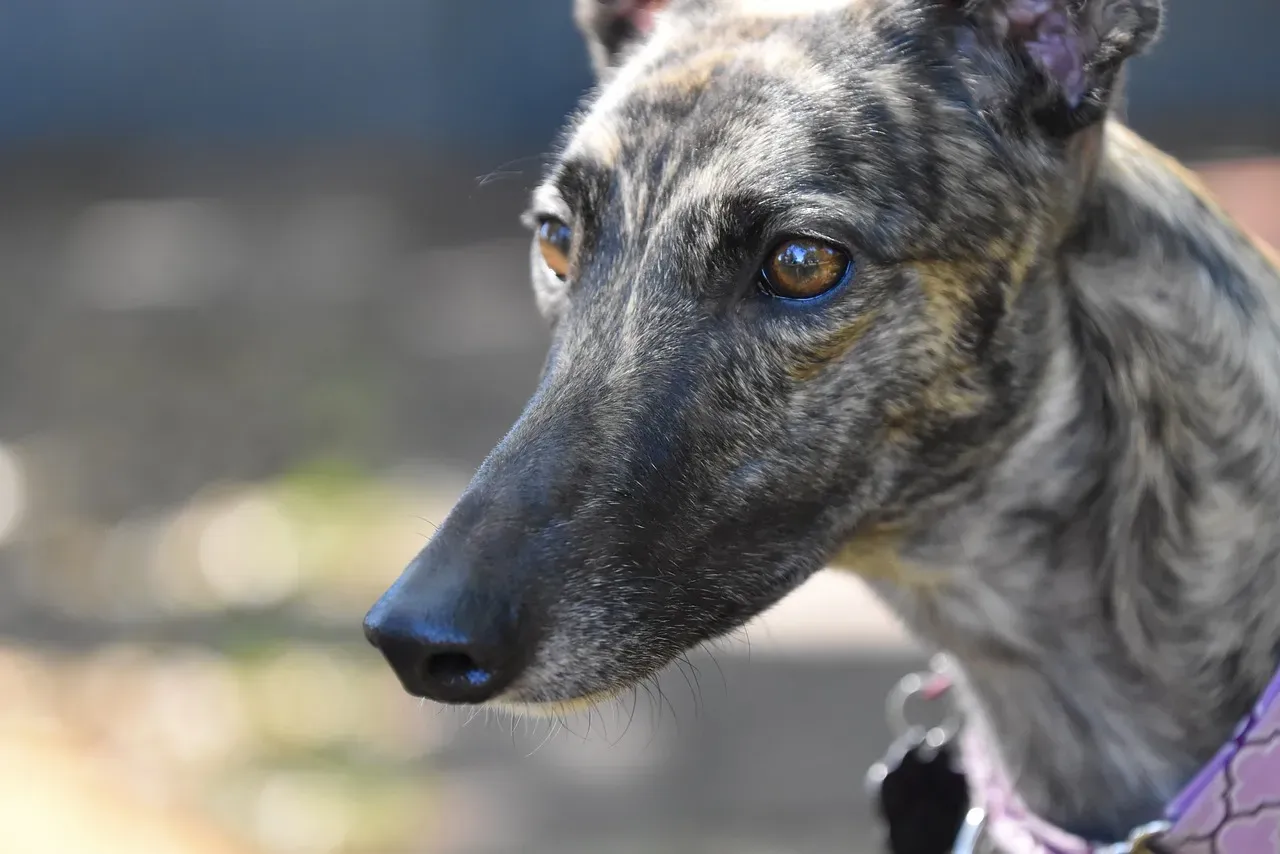
Greyhounds are known for their noble and mild-mannered temperament, they are surprisingly low-energy, often content to relax for most of the day, and are generally very polite and quiet indoors, and Greyhounds respond well to gentle training and are known for their loyalty and affectionate nature. People expect these former racing dogs to be hyperactive, yet the opposite is true. Despite their racing reputation, Greyhounds are one of the most low-maintenance breeds around, known as “couch potatoes,” they love lounging indoors and require only short walks to stay healthy.
Their independent streak means they’re comfortable being alone for reasonable periods without becoming anxious or destructive. They simply curl up in a cozy spot and rest. Their calm presence and lack of excessive barking make them surprisingly easy companions.
Basset Hound
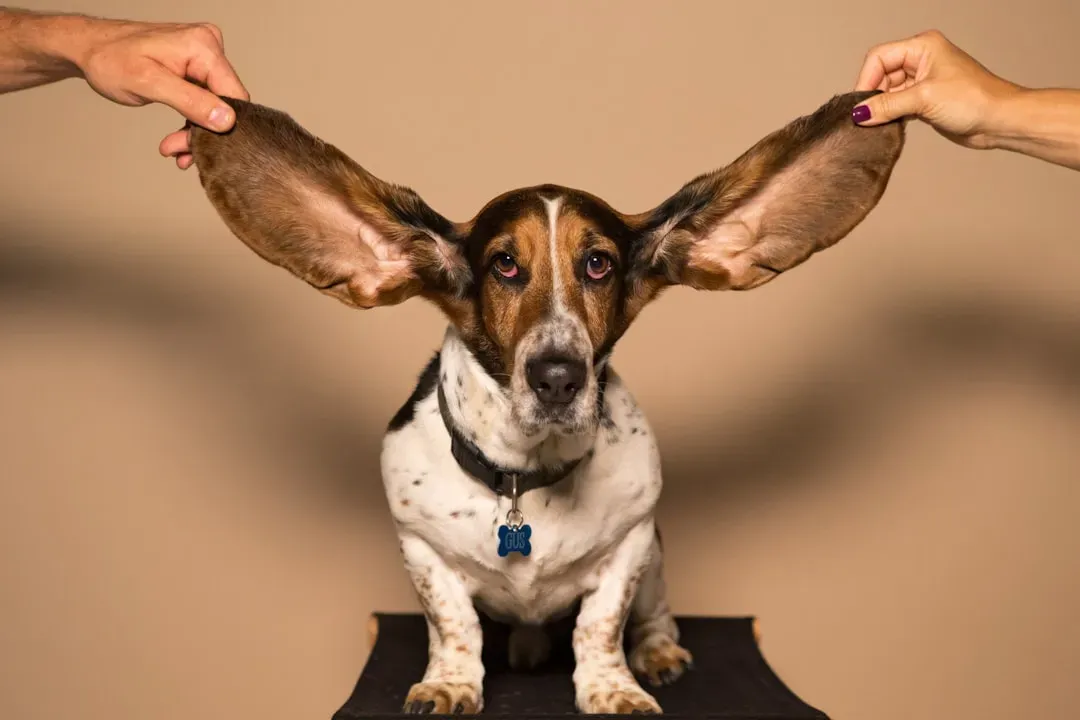
Basset Hounds are naturally calm and easygoing dogs, making them well-suited for homes where a quieter, more laid-back companion is desired, their independent nature means they’re not overly demanding, and they are content with a relaxed lifestyle, and while Basset Hounds can be a bit stubborn, they are generally well-mannered, calm, and affectionate toward their owners. Those droopy ears and soulful eyes aren’t just for show; they reflect a dog who truly values peace over chaos.
What sets the Basset Hound apart is its unshakeable temperament, it’s not easily flustered or excitable, making it a top choice among well-behaved breeds, and these dogs love companionship and are inclined to bond deeply with their owners, offering loyalty without overwhelming attention-seeking. They’re content to follow you from room to room at a leisurely pace, never demanding but always present.
Bichon Frise
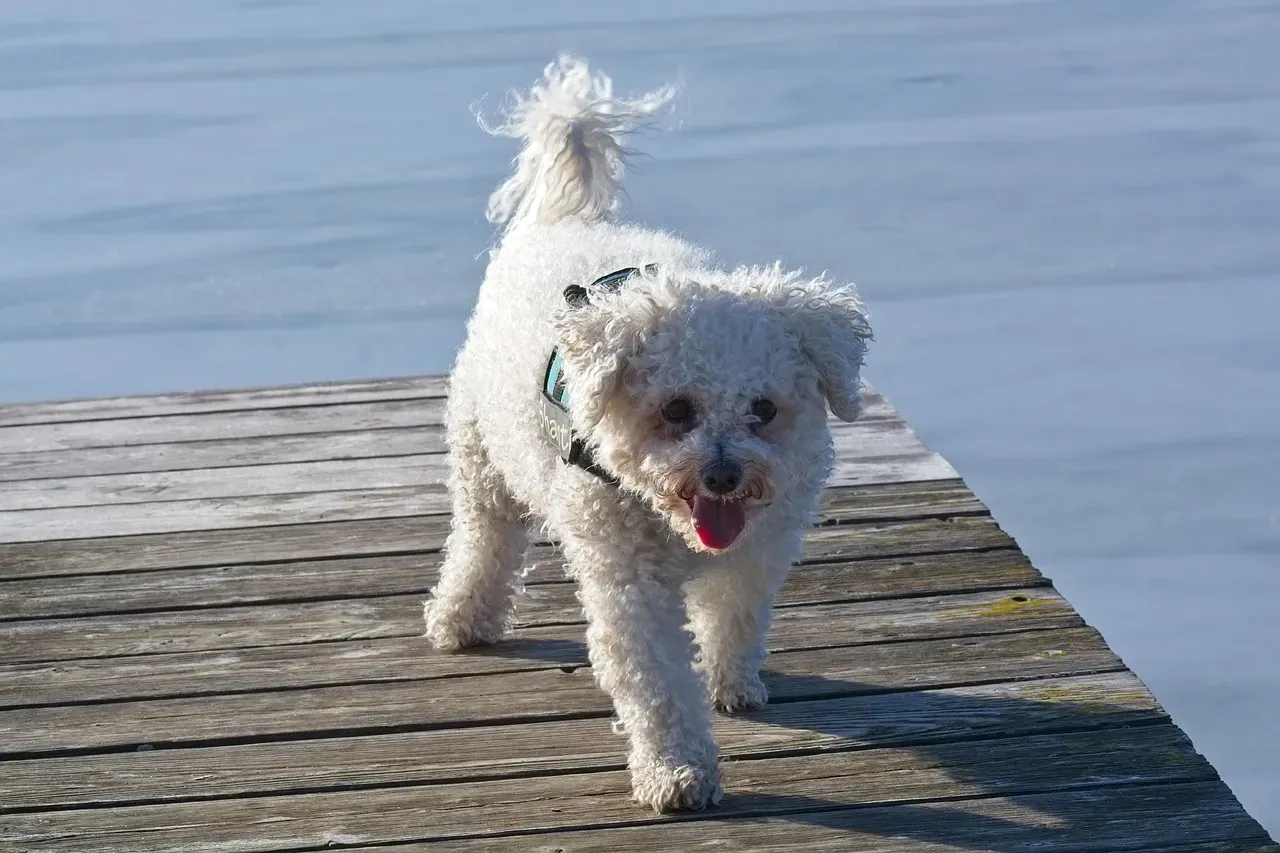
The Bichon Frise is a small breed known for its cheerful attitude and love of mischief, however, they are also very adaptable and typically easy to train, and Bichons are friendly with both humans and other animals and respond well to training that uses positive reinforcement. Their fluffy appearance might suggest high maintenance, yet their temperament is wonderfully balanced. Studies from canine cognition experts note that smaller companion breeds like the Bichon have heightened emotional awareness and have a calm and friendly nature, and they’ll sense your stress and offer instant comfort therapy.
Without being taught, they seem to understand the emotional climate of a room. If you’re having a rough day, they’ll quietly nestle beside you. When the energy is playful, they match it. This intuitive quality makes them feel less like pets and more like empathetic little companions.
Boston Terrier
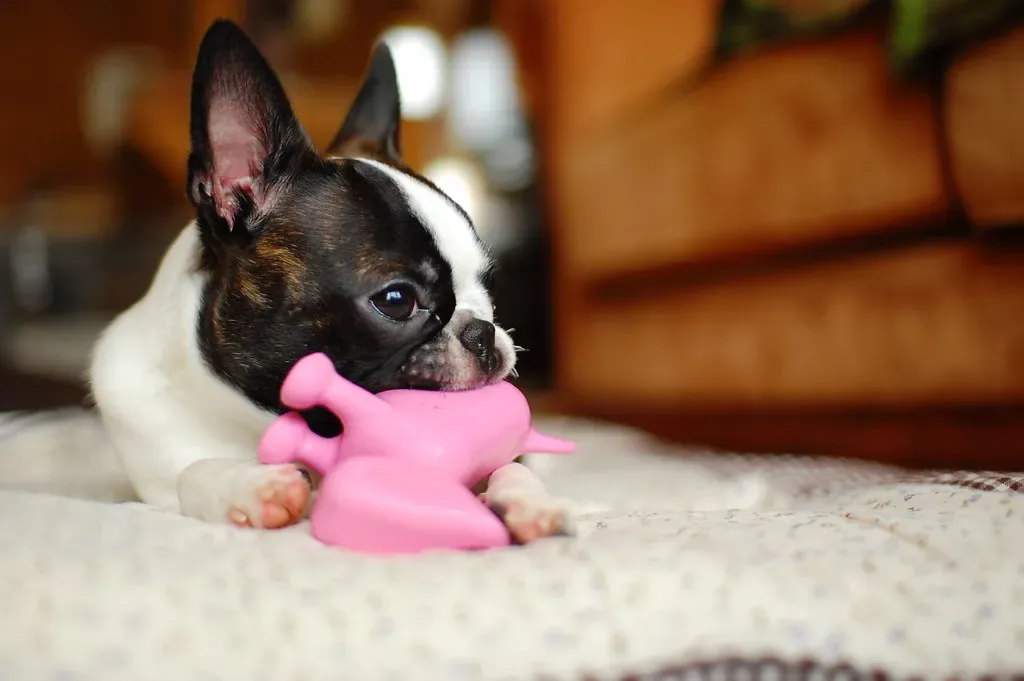
Boston Terriers are highly people-oriented and thrive on human attention, often adjusting their behavior to match household dynamics. They’re like little mirrors, reflecting the energy and rules of the home without needing constant correction. Because they’re observant, they pick up on household habits quickly.
Boston Terriers are highly people-oriented and thrive on human attention, often adjusting their behavior to match household dynamics, and they respond best to gentle, consistent instruction, especially when paired with praise or small treats. Their expressive faces tell you exactly what they’re thinking, and their eagerness to fit into your routine makes them delightfully easy to live with.
Beagle

Beagles are friendly, social dogs that are naturally well-behaved, especially when they receive proper training, and while they are energetic and love to explore, they are also calm and friendly around the house. Sure, their noses can sometimes lead them astray on a scent trail, yet at home they’re remarkably steady. Bold, intelligent, and of even temperament, Beagles are relatively easy to train and are naturally calm dogs.
Their gentle and sociable nature means they get along beautifully with children and other pets without needing extensive socialization classes. They seem to inherently understand the give and take of family life, balancing their curious instincts with a desire to be part of the pack. Their adaptability is truly something special.
Conclusion
Choosing a dog that naturally leans toward good behavior doesn’t mean you’re taking a shortcut. It means you’re respecting the gifts these breeds bring to the table. They’ve been shaped over generations to work with humans, to understand us, and to fit into our lives with grace. Training will always strengthen your bond and refine their natural instincts, yet these ten breeds give you a remarkable head start.
The beauty of these dogs lies in their ability to just get it. They watch, they learn, they adapt. Life with them feels less like constant correction and more like partnership. Whether you’re a first-time dog owner or someone looking for a calmer companion, these breeds offer something truly valuable: the joy of a well-mannered friend who came that way almost from the start. What do you think about these naturally polite pups? Have you experienced their magic firsthand? Share your stories.


