
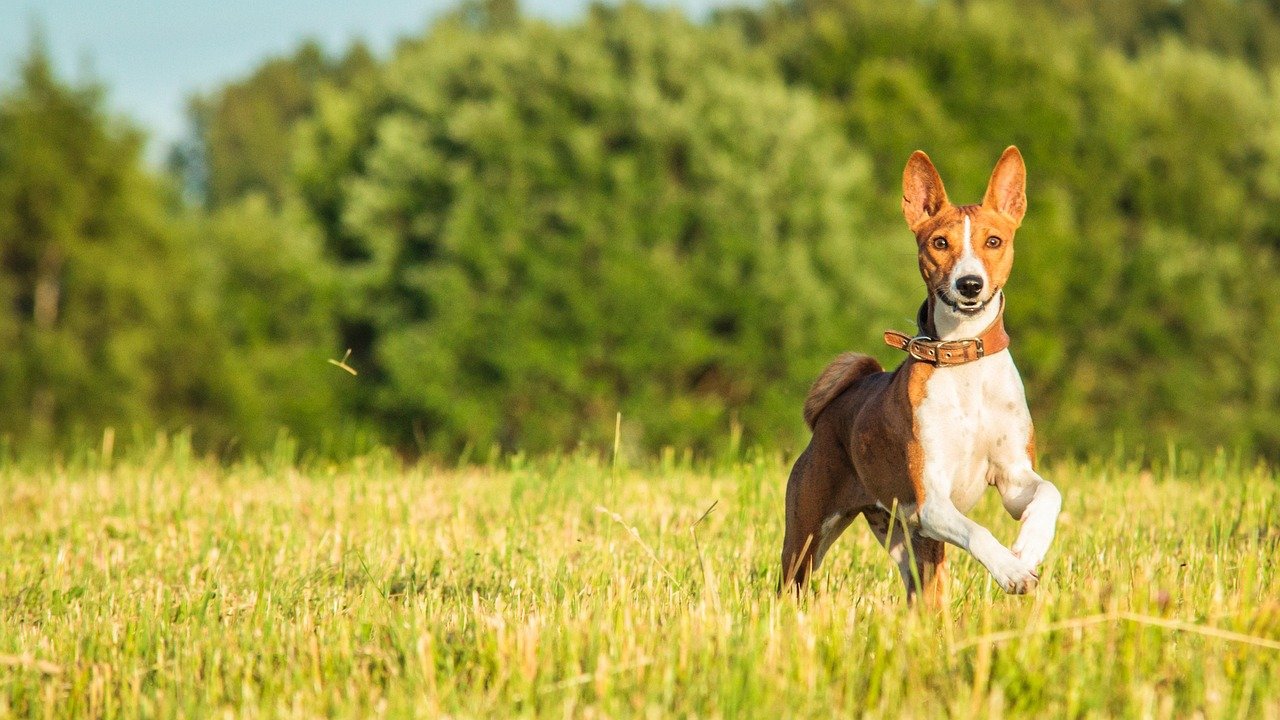
Ever wondered why some dogs seem to have selective hearing when it comes to commands? You’re not imagining things. While every dog can learn, some breeds come with a stubborn streak that makes training feel like an uphill battle in flip-flops during a rainstorm. These aren’t bad dogs – they’re just wired differently, bred for independence and thinking on their four paws rather than waiting for human approval.
Afghan Hound: The Regal Rebel
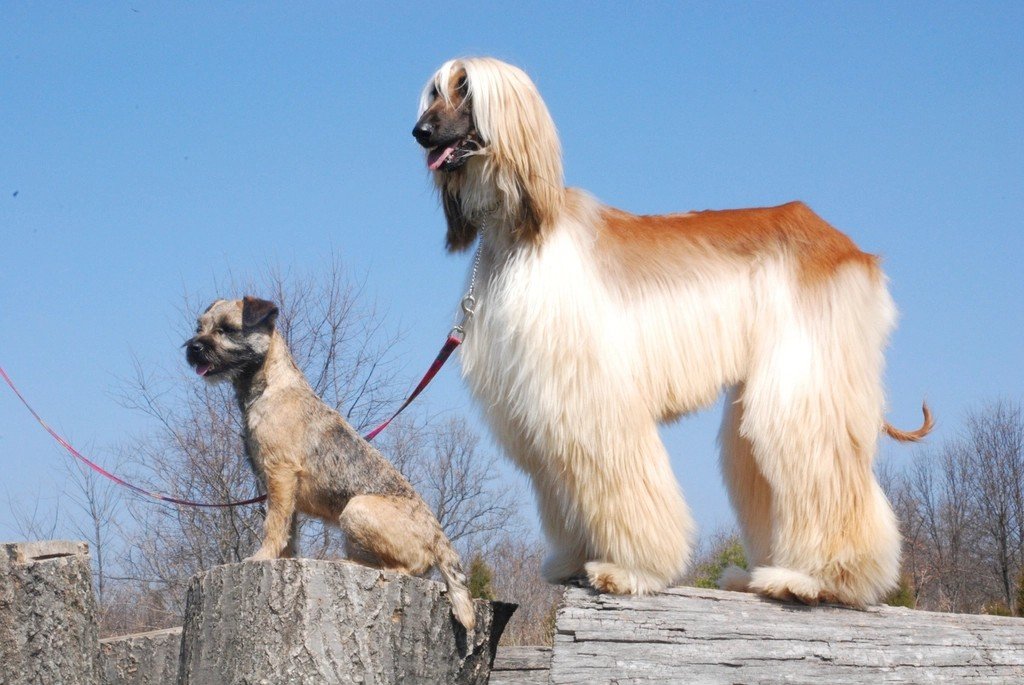
Picture this: a dog so beautiful it could grace magazine covers, yet so independent it treats your commands like mere suggestions. The Afghan Hound is a striking animal with its long, flowing coat and elegant limbs, but they’re highly intelligent, sensitive and fiercely independent. These dignified dogs with a true sense of independence were originally hunting breeds used in the challenging terrain of the mountains of Afghanistan, known for their prudent decision-making and actions in demanding situations without human commands.
What makes them so challenging isn’t stupidity – it’s their selective listening skills that would make teenagers jealous. Everything about the Afghan Hound screams elegance with their flowing, silky coats, but they’re one of the hardest dogs to train out there. They’re not trying to spite you; they’re just following thousands of years of genetic programming that says, “I’ve got this handled, thanks.”
Basenji: The Silent Strategist
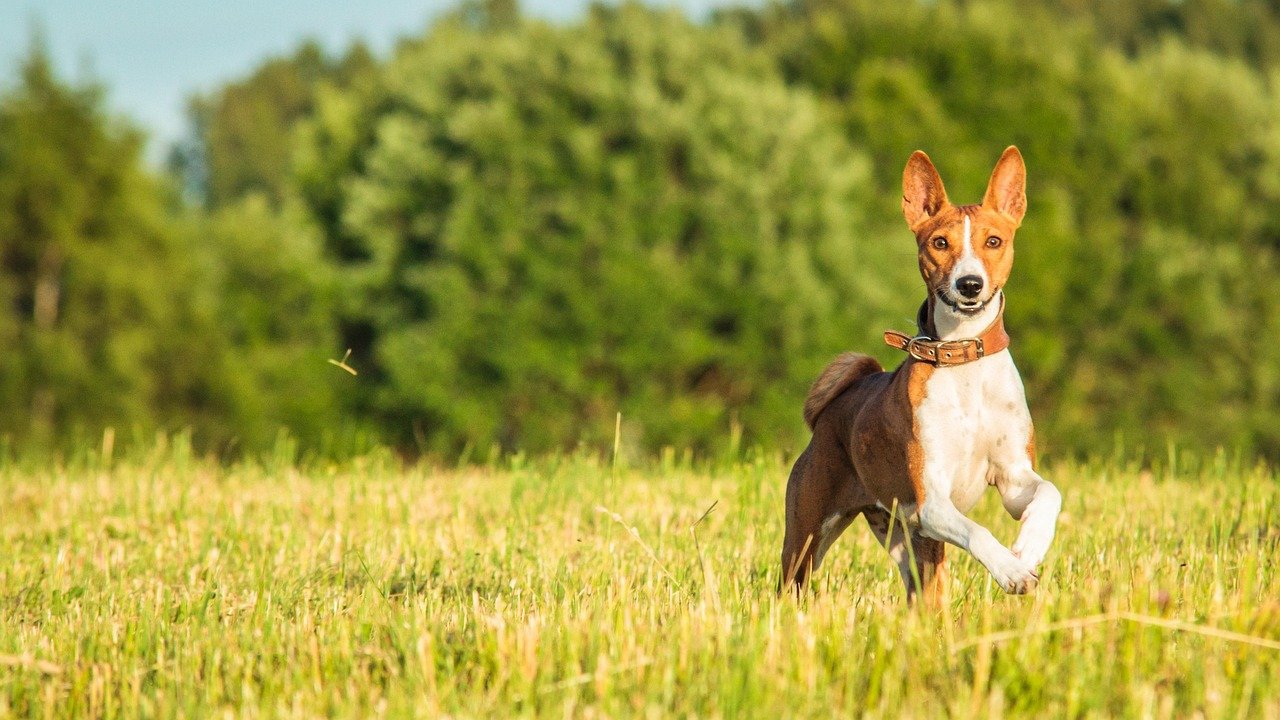
Known as the “barkless dog,” the Basenji might be quiet, but don’t mistake their silence for compliance. Native to Central Africa, Basenjis learned to be independent thinkers when executing their original roles as hunting dogs, and to date, this high-energy dog hardly sees the need to obey humans. Basenjis tend to be clever dogs, but not easy to train, needing creative, patient handling to bring out their best qualities.
What’s particularly frustrating for owners is that these dogs are incredibly intelligent – they just choose to use their smarts for their own agenda. One Basenji owner with 25 years of experience notes they’re “often stubborn, often hard to train, and have a tendency to ignore you” because “they are very intelligent but also very independent”. It’s like living with a furry philosopher who questions every request you make.
Siberian Husky: The Escape Artist

Huskies are the marathon runners of the dog world, and their training attention span matches their energy levels – constantly moving. Huskies are notoriously independent and willful, making them resistant to training methods that other breeds respond well to, and they’re also one of the smartest dog breeds with a strong sense of their own identity. Several studies and experts have confirmed that Huskies are indeed one of the most stubborn dogs in the world, with short attention spans that frequently lead to temper tantrums, making them unsuitable for first-time dog owners.
These dogs were bred to make life-or-death decisions while pulling sleds across frozen tundra. If a musher tells their team to turn right but turning right would cause them to fall into an icy river, the dogs have to be able to say “yeah nah, we’re not gonna do that”. That same independent thinking that saved lives in the Arctic doesn’t exactly translate to “sit” and “stay” in your living room.
Chow Chow: The Aloof Emperor
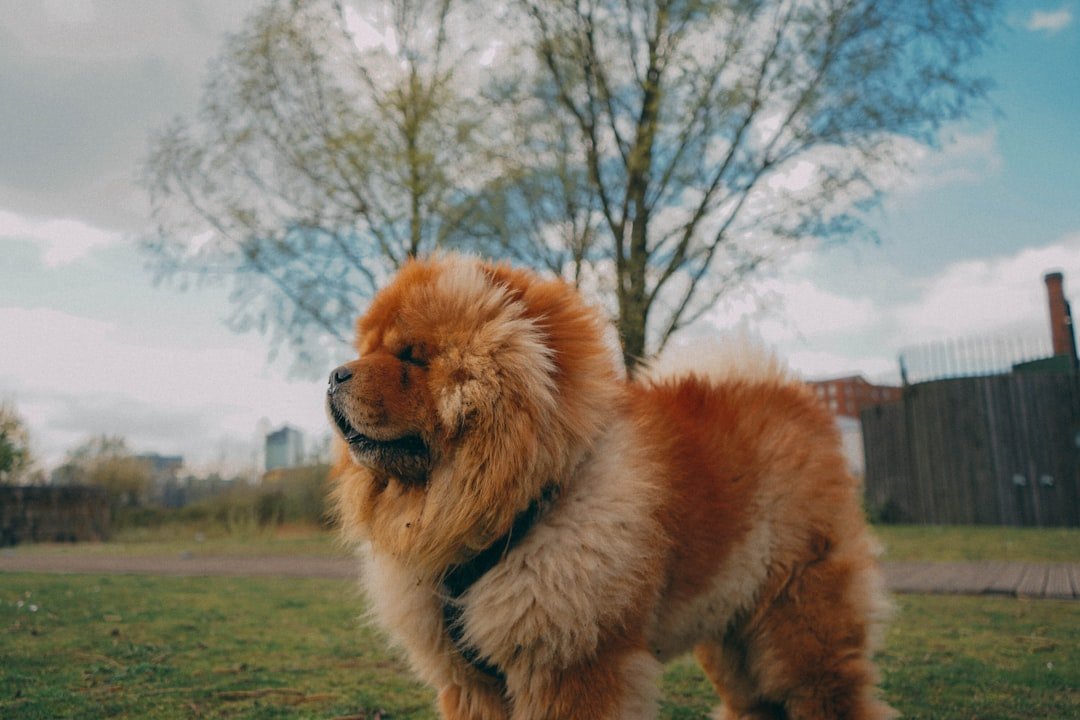
With their lion-like mane and permanent scowl, Chow Chows carry themselves like royalty – and they expect to be treated accordingly. Chows are unique among dogs with their trademark blue tongue, teddy bear appearance, and scowl, but they’re also known for their aloofness and independence, being “less eager to please than many other dog breeds”. With their impressive fluff and regal attitude, Chow Chows may be crowd-pleasers, but these dogs are not always people-pleasers, being independent and aloof, not afraid to do what they please.
Training a Chow Chow feels like negotiating with a furry dictator who’s already made up their mind about everything. The Chow Chow was bred to be a fearsome guard dog, patrolling wealthy owners’ estates day and night, so they’re not big on exercise, don’t back down from challenges, and maintain healthy self-assurance. They’ll listen to you when they feel like it, which isn’t nearly as often as you’d hope.
Shiba Inu: The Feline Canine
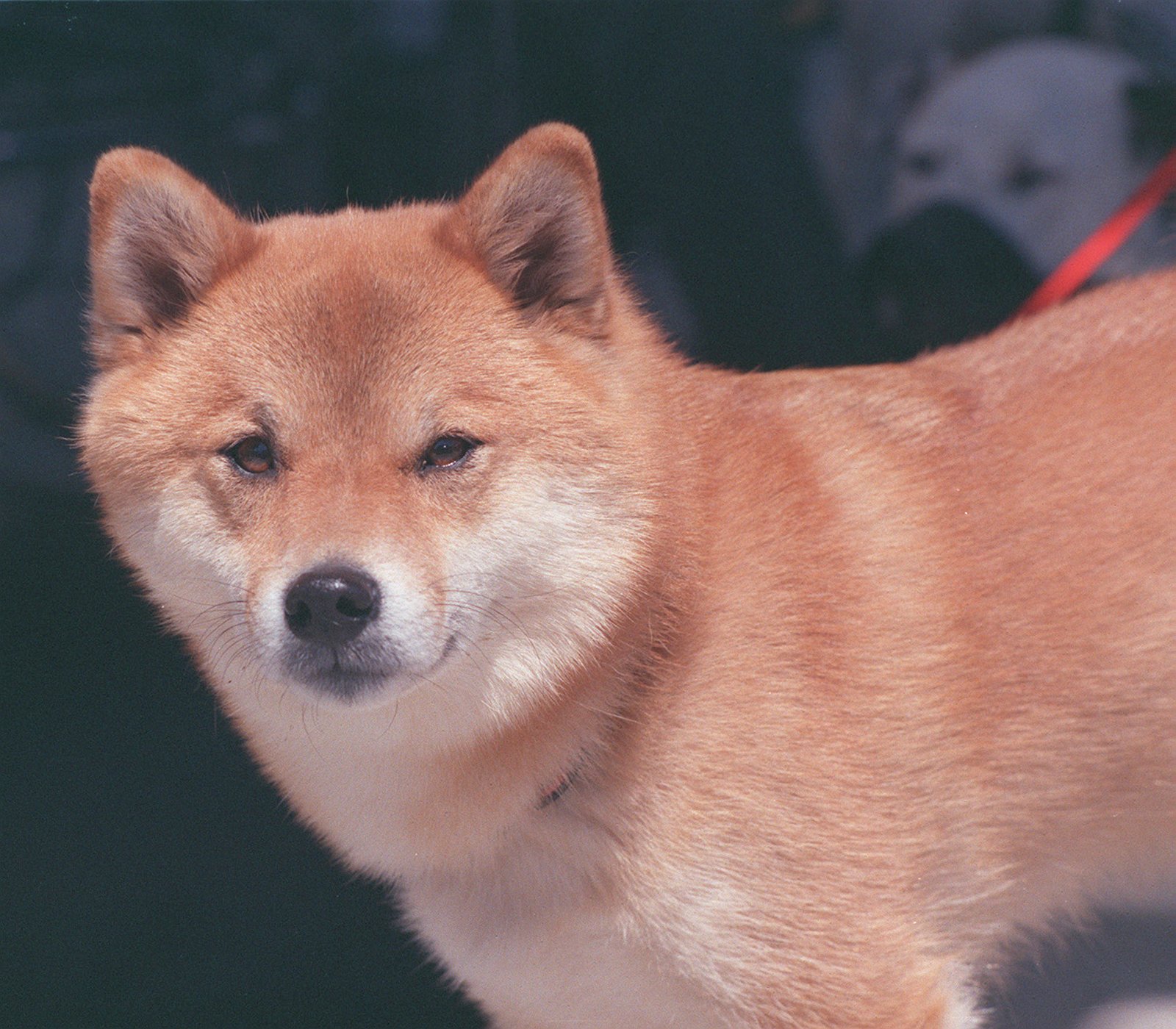
If cats came in dog form, they’d probably be Shiba Inus. The American Kennel Club has said the Shiba is, in many ways, “more like a cat than a dog,” being small, good-natured dogs that are fiercely independent and notoriously difficult to train. The Shiba Inu breed is fiercely independent, making them one of the most stubborn dog breeds, and they’re also known for being aggressive if not properly trained at a young age.
These dogs have mastered the art of selective hearing to a degree that would impress any teenager. Many people believe that Shiba Inus are very feline-like, with this perception built around three of their strongest characteristics – independence, aloofness and determination. They’ll look right at you when you call their name, then turn around and walk away like they have more important business to attend to.
Bloodhound: The Nose Knows Best
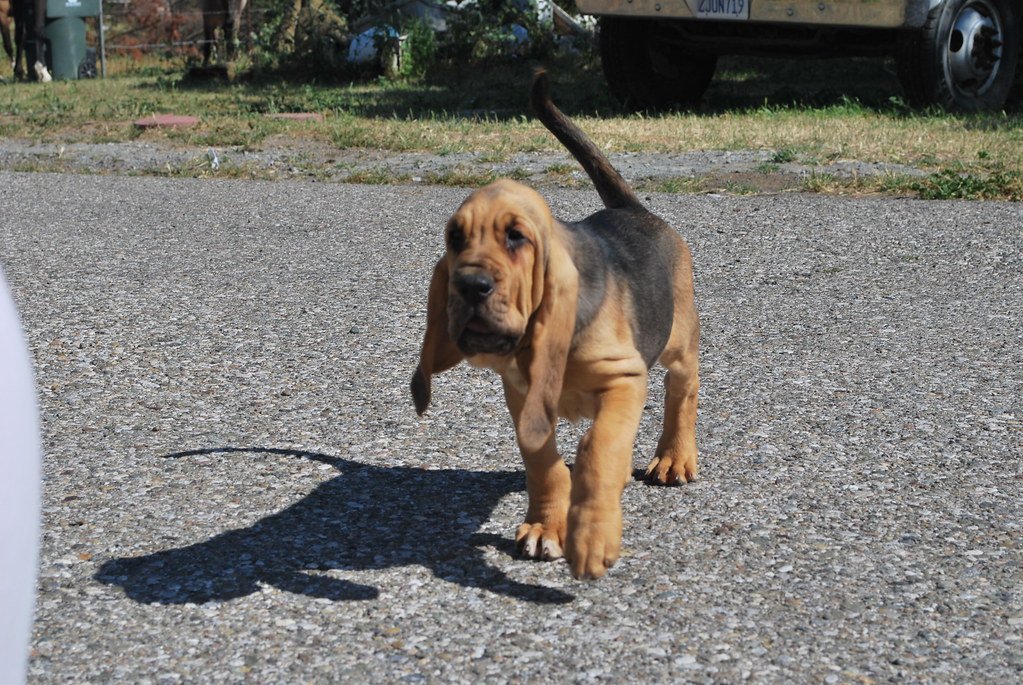
Bloodhounds have a superpower that’s also their training kryptonite – their incredible sense of smell. Although bloodhounds are one of the hardest dogs to train, their amazing sense of smell and independence can be shaped into affectionate dogs that are loyal companions. Similar to the Afghan Hound, Bloodhounds were bred for a specific task that they execute to perfection, and this dedication lands them on the list of hardest to train dog breeds because learning to sit is not nearly as exciting as putting their nose to work.
Trying to train a Bloodhound is like trying to have a conversation with someone who’s constantly getting text messages. Training this independent-minded scent hound demands gathering all the patience you can muster, and experts note that “when they get on a scent, they’re gone”. Their world revolves around following scents, and everything else – including your carefully planned training session – becomes background noise.
Basset Hound: The Low-Riding Rebel
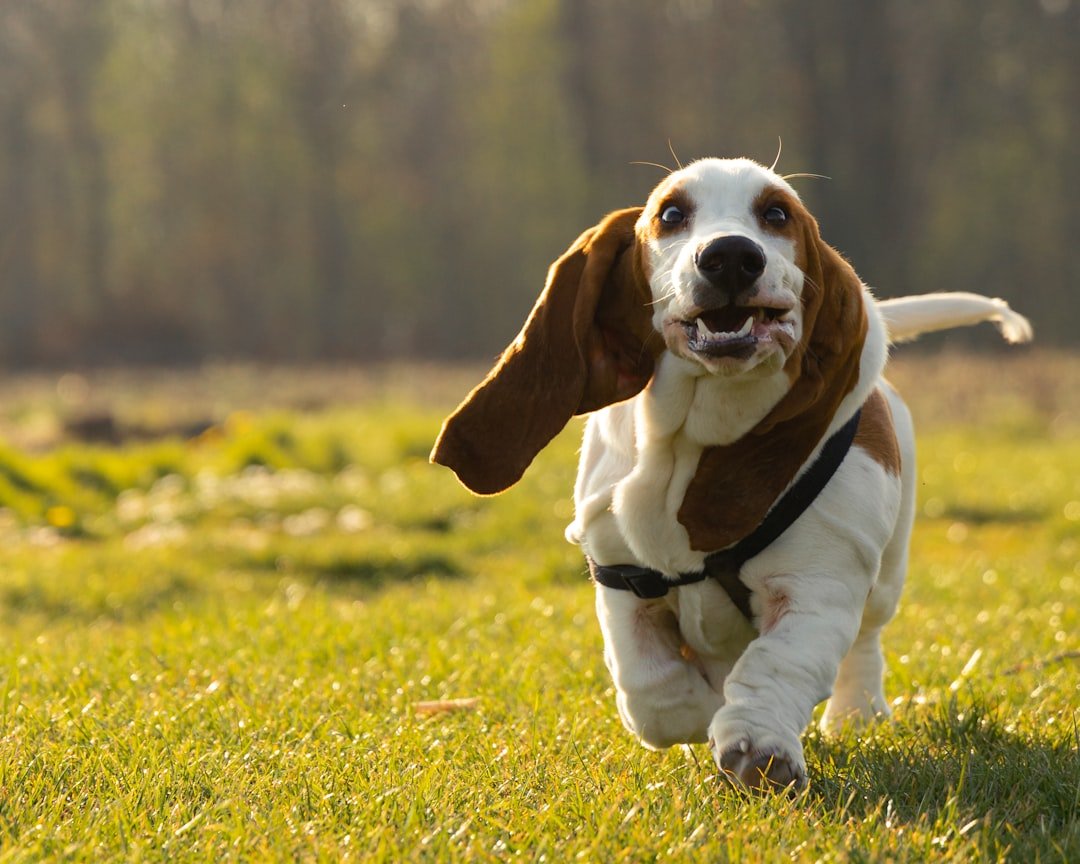
Don’t let their droopy ears and sad eyes fool you – Basset Hounds can be surprisingly stubborn when they set their mind to something. Basset Hounds are low-key, heavy-boned hounds known as much for their endearing personality as their elephant-like ears, and while usually agreeable, like many hounds, they can have a stubborn streak if they choose. The Basset Hound has a reputation for being a stubborn dog who is easily distracted by their keen sense of smell, and while fairly intelligent, they are not the easiest to train.
These dogs operate on what we like to call “selective compliance syndrome.” Basset Hounds are adorable but can be stubborn, especially when it comes to housebreaking, and their keen sense of smell often distracts them during training sessions. They’ll master the commands they find useful or interesting and conveniently “forget” the ones that don’t align with their personal agenda.
English Bulldog: The Immovable Object
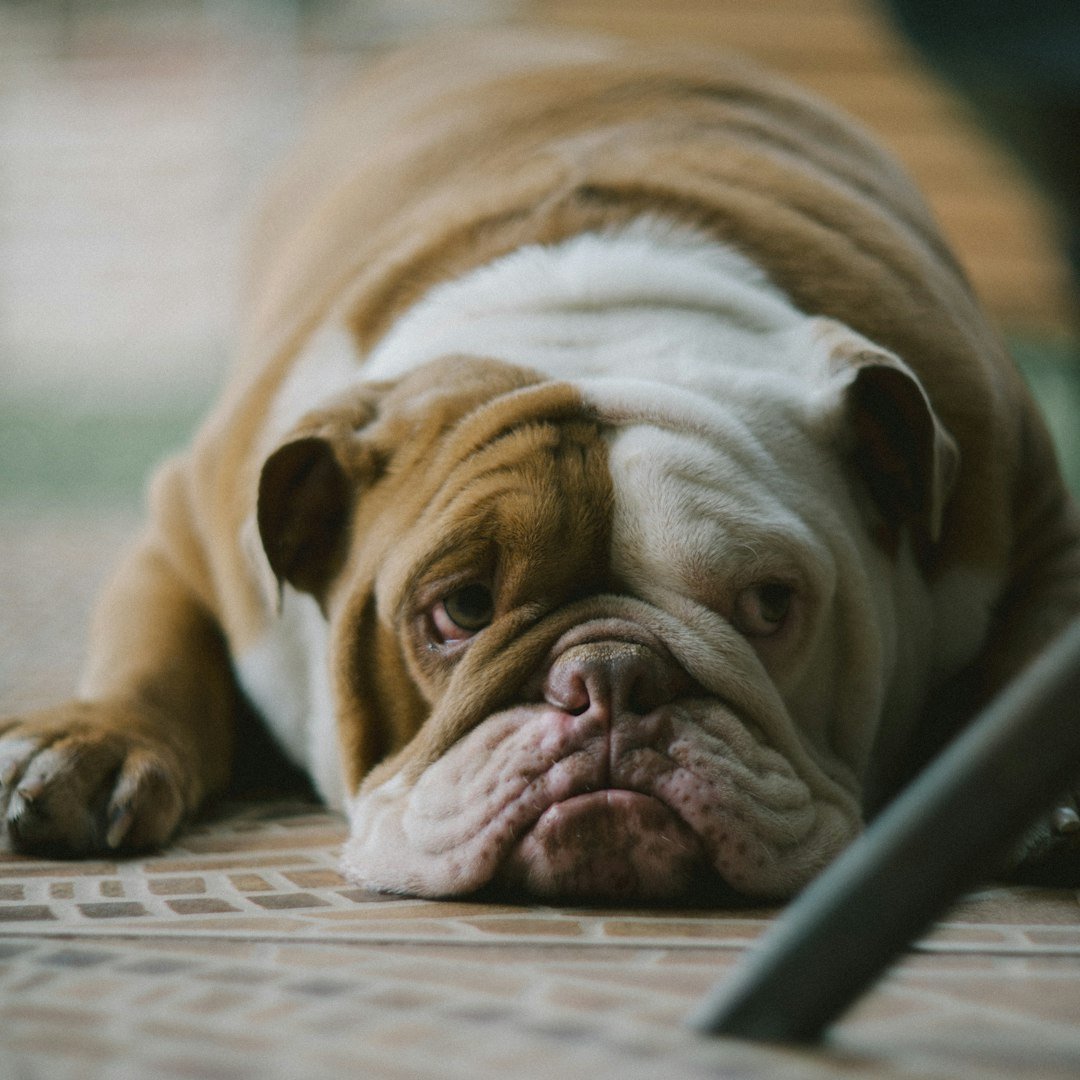
English Bulldogs have turned stubbornness into an art form, perfecting the ability to become completely immovable when they don’t want to do something. There’s no mistaking an English Bulldog with its squat, heavily-muscled body and square-jawed head cutting quite an imposing figure, and while friendly and generally eager to please, they can be quite resolute if the mood pleases them. The English Bulldog traces its roots to England where they were kept for bull baiting, and to excel in this sport while avoiding injuries, they had to think fast without awaiting cues from anyone.
Picture this scenario: you’re halfway through your daily walk when your Bulldog decides they’ve had enough exercise for the day. One owner describes their bulldog as “slightly taller than a blacksmith’s anvil, and about the same density,” noting how halfway through walks, the dog “decides to call forth the vast powers of gravity,” plopping down with “front legs stretched wide, backside on cement, grinning widely”. Good luck moving a dog that’s decided to become one with the pavement.
Dachshund: The Sausage with Attitude
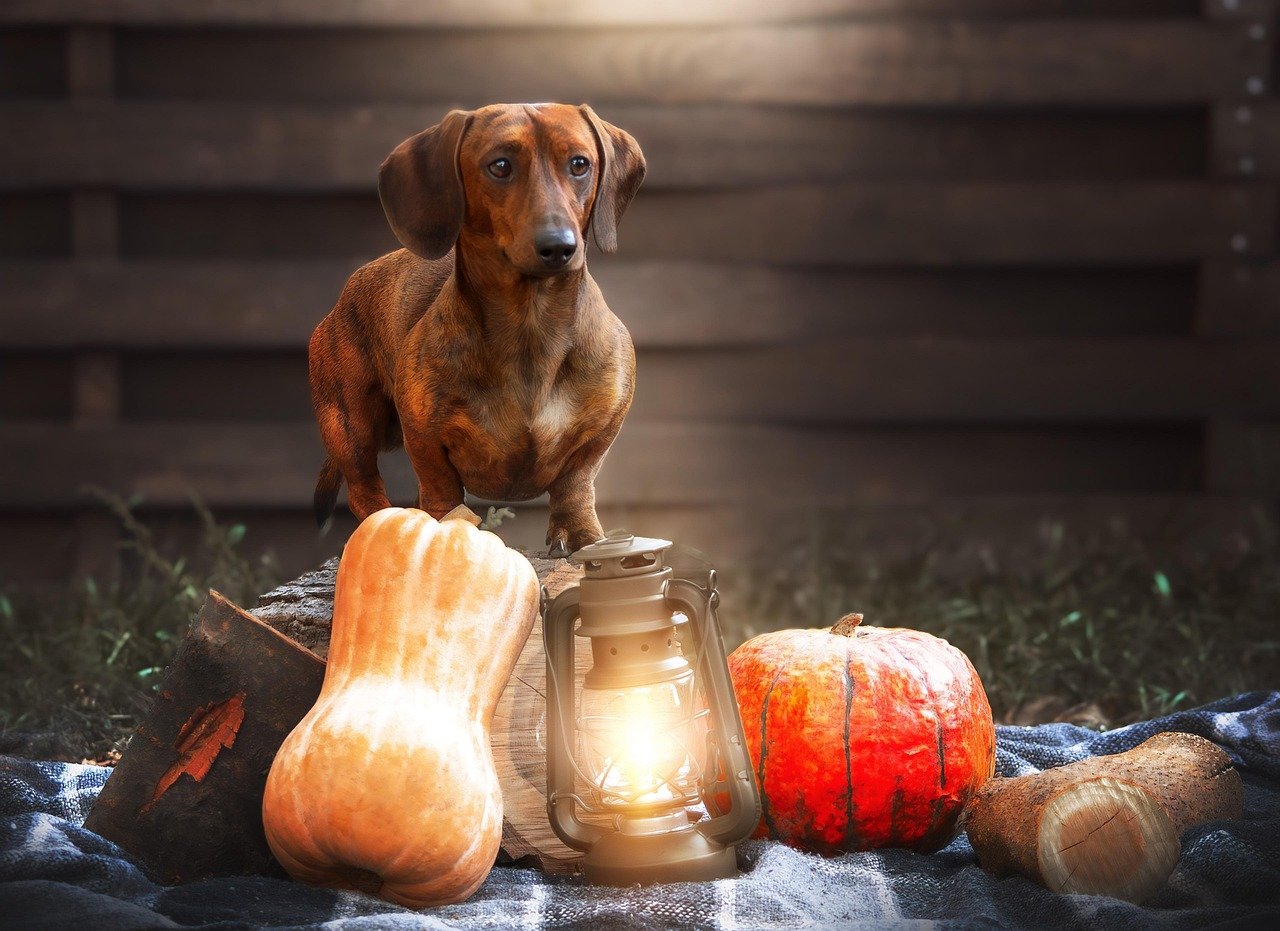
These elongated comedians might look adorable, but they pack a surprising amount of attitude into their hot dog-shaped bodies. The short wiener dog is well-known for their lively and independent attitude, as well as their intelligence, hunting ability, and stubbornness, with Doxies liking to do things their own way. In addition to Huskies, Dachshunds are a stubborn breed too.
Don’t underestimate these little dogs – they were bred to hunt badgers in underground tunnels, which required serious courage and independence. That same fearless attitude that made them excellent hunters now makes them excellent at ignoring your commands when they have something more interesting to investigate. They’ll happily spend their day digging holes, chasing other pets, or redesigning your shoes according to their artistic vision.
Great Pyrenees: The Independent Guardian
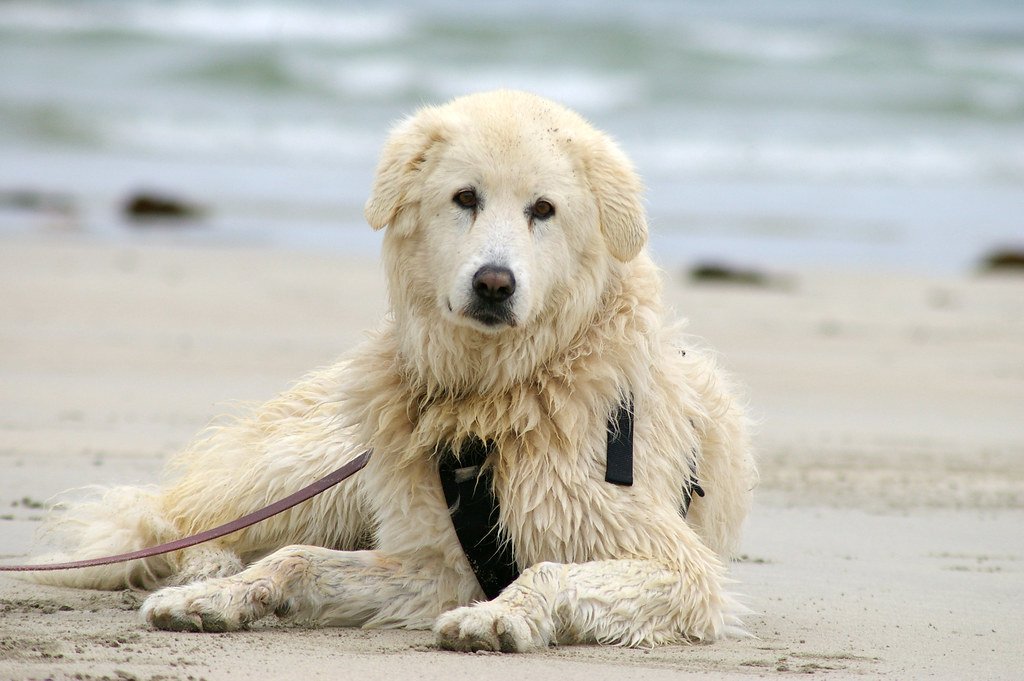
These gentle giants were bred to make decisions without human input, and boy, do they take that job seriously. The Great Pyrenees is known for its deep sense of loyalty to its family and is considered an excellent guard dog, but they were bred to operate on their own agenda as they expertly guarded sheep and rarely relied on owners to tell them what to do, making them one of the hardest dogs to train. Great Pyrenees are gentle giants with a strong instinct to protect and guard, but they can be independent thinkers who may exhibit stubborn behavior.
Training a Great Pyrenees is like trying to micromanage a security guard who’s been doing their job for centuries without supervision. They may try to herd and guard children or other family members, and they aren’t very motivated to work for treats. These dogs look at your training attempts and think, “Thanks for the input, human, but I’ve got this situation under control.” Their independence isn’t defiance – it’s just deeply ingrained professional confidence.
Conclusion
Here’s the thing about these “difficult” breeds – they’re not actually difficult, just different. Dogs are not born with the trait of defying on purpose, and stubbornness as a quality doesn’t really exist in dogs; what seems stubborn is actually strong motivation that doesn’t lie in the rewards we offer, with strong-willed dogs usually being more driven by their instincts than external rewards. These breeds were developed for jobs that required independent thinking, problem-solving, and making decisions without human input.
The secret to success with these independent thinkers isn’t about breaking their spirit or forcing compliance. The secret is in tapping into the stubborn dog’s unique strengths and instincts. Instead of fighting their nature, work with it. Use their intelligence, appeal to their instincts, and remember that patience isn’t just a virtue with these breeds – it’s a survival skill. These dogs will teach you as much about flexibility and creativity as you’ll teach them about basic manners. After all, wouldn’t life be boring if every dog was a perfectly obedient robot?


