
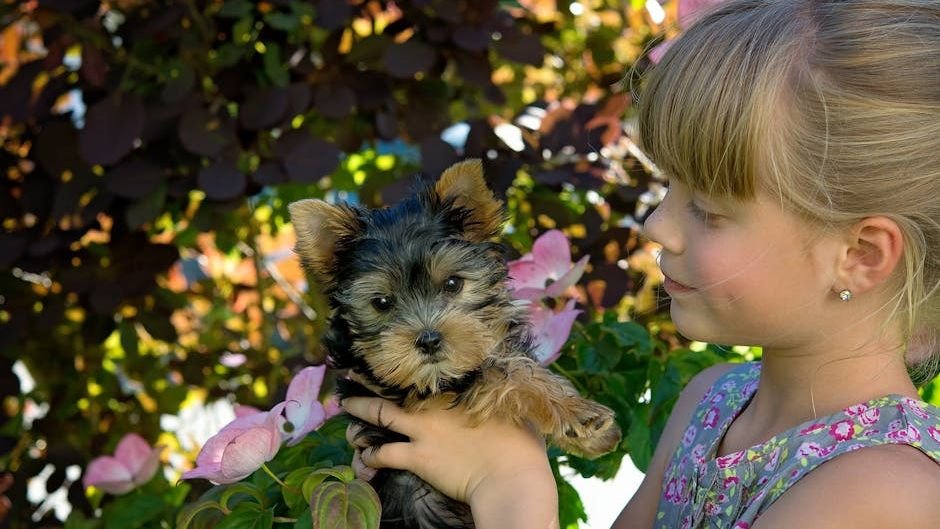
If you’ve ever found yourself scrubbing the same spot on the carpet for the third time this week, staring at your dog who looks absolutely unbothered about the whole thing – you’re in good company. Potty training a dog sounds straightforward in theory. In practice? It can feel like negotiating a peace treaty with someone who doesn’t speak your language and frankly doesn’t care about your schedule.
Here’s the thing that most people don’t tell you upfront: not all dogs are wired the same way. Some breeds pick up house training almost like magic. Others? They need you to show up with iron-clad consistency, mountains of patience, and more high-value treats than you probably budgeted for. Potty training will never be the easiest process, even for dogs that take to housebreaking more naturally, and breed can definitely play into how well a dog responds – since some breeds are simply more obedient than others.
So if your pup happens to be one of the ten breeds below, take a deep breath. You’re not failing. You just need the right roadmap. Let’s dive in.
1. Dachshund: The Little Dog With a Very Big Opinion
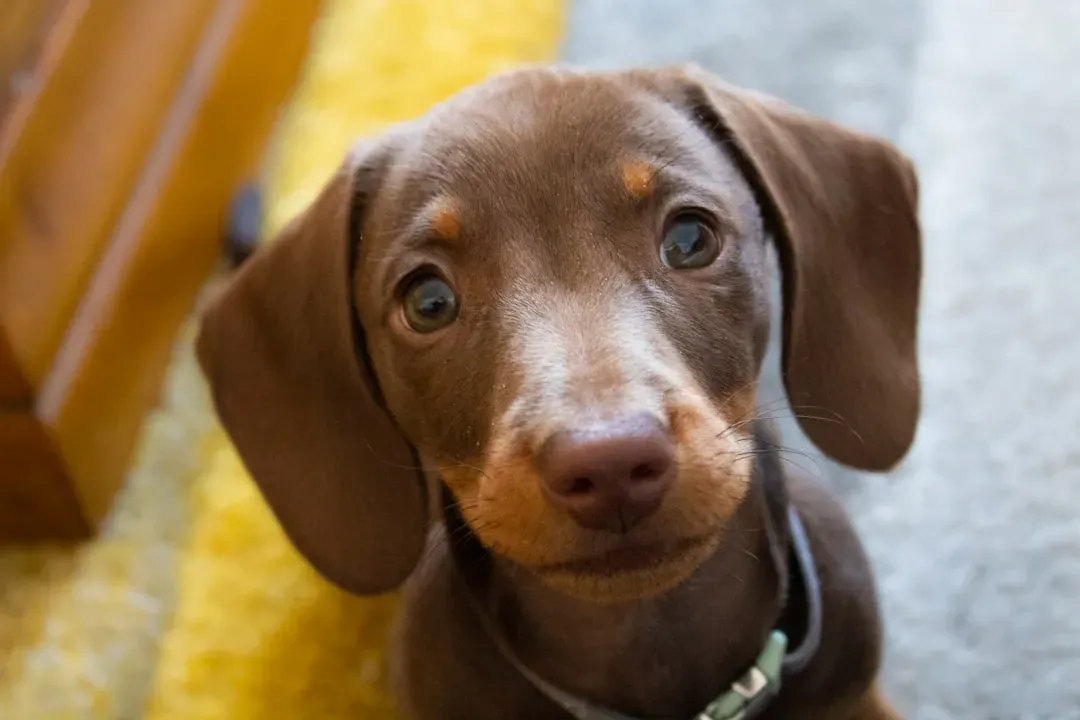
Honestly, if stubbornness were an Olympic sport, Dachshunds would take gold every time. Dachshunds are often ranked the hardest breed to potty train, closely followed by Jack Russell Terriers and Basset Hounds. That’s not a small distinction – that’s a crown they wear with pride.
Despite their intelligence, these little dogs can be stubborn to train, and they need plenty of convincing to go outside when it’s wet or cold. Sound familiar? Imagine bribing a tiny, long-bodied philosopher to step into a drizzle they want absolutely nothing to do with. That’s Tuesday with a Dachshund.
Your best move here is a rigid outdoor schedule – same time, every single day, no exceptions. Consistency is your most powerful tool, and dogs thrive on routine, especially stubborn breeds. Keep a raincoat by the door, invest in high-value treats, and celebrate every outdoor success like your dog just won a championship.
2. Jack Russell Terrier: Fierce, Fearless, and Frustratingly Independent
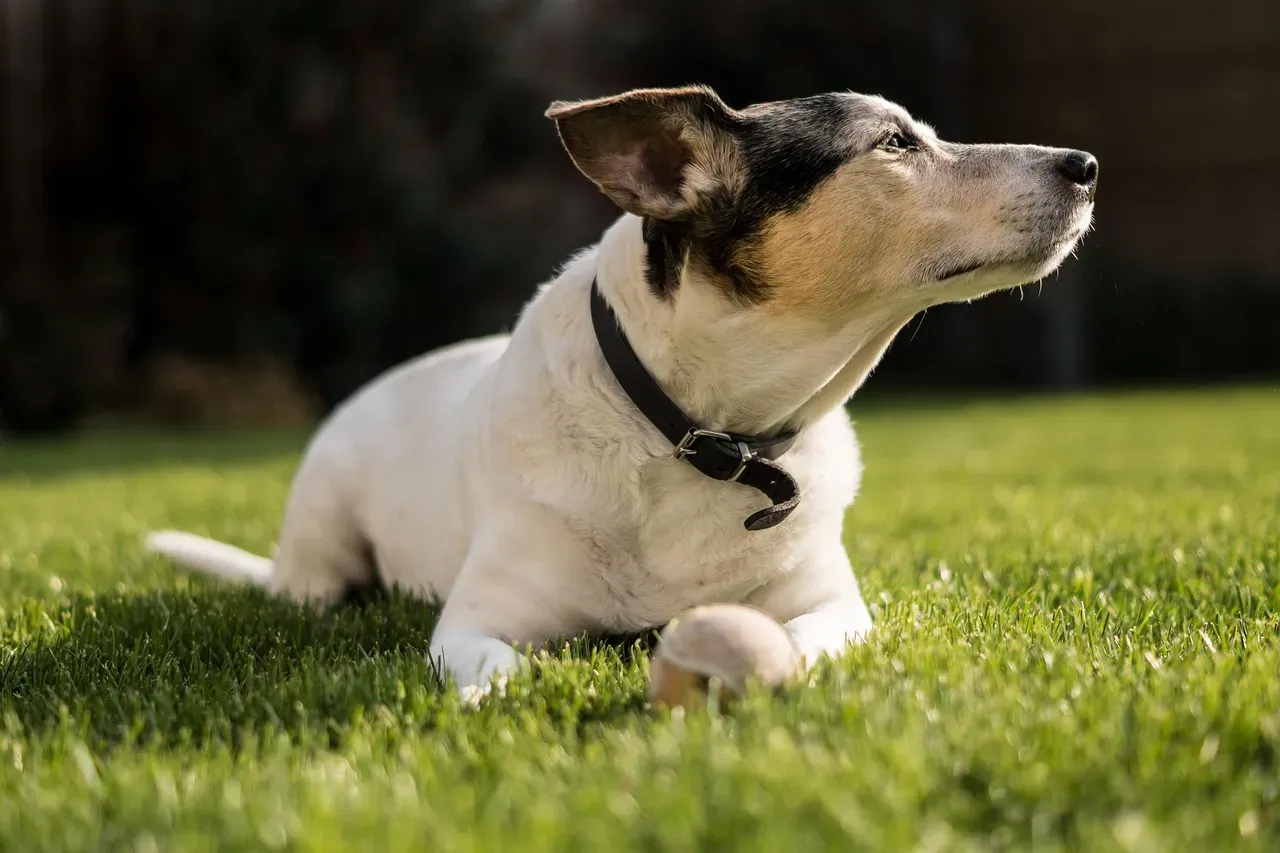
You have to admire a Jack Russell Terrier. These dogs are brilliant, energetic, and completely full of themselves – in the best possible way. The Jack Russell is not only stubborn but also fiercely independent, and anyone who has owned one will know how tricky the dog is to train in the art of anything, let alone best toilet habits.
The challenge with Jack Russells isn’t intelligence – they’re whip-smart. The challenge is that they decide when they want to listen. Think of it like having a brilliant coworker who only follows instructions when it suits them. An early start on the Jack Russell is essential in order to reverse its in-built want of supremacy. Start training the moment they arrive home, and don’t waver.
Watch for pre-potty cues like sniffing, circling, or a sudden restless energy. Catch the moment and redirect immediately to the outdoor spot. Short, enthusiastic training sessions work far better than long, drawn-out ones with this breed.
3. Bichon Frise: Sweet Angel, Absolute Nightmare to House Train
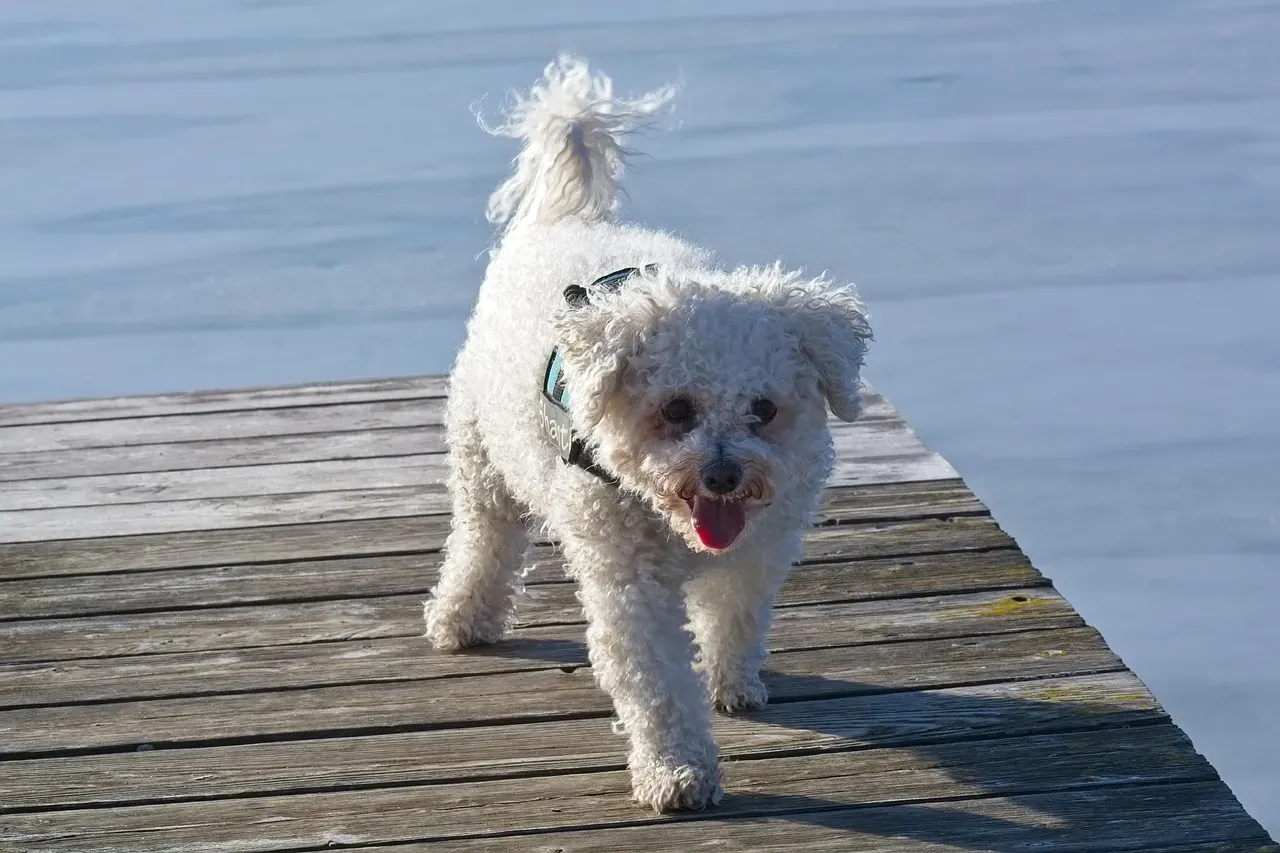
Look, nobody loves a Bichon Frise more than I do. They’re fluffy, affectionate, and utterly charming. The Bichon Frise is one of the hardest dogs to toilet train. Although this breed is eager to please its owner, it is also exceptionally stubborn and quite particular about going outside especially when it is raining. Bichons will prefer to find a quiet place to do their business.
Breeds like the Bichon Frise can actually go backwards in their training if they sense stress or frustration. Telling them off or raising your voice makes these dogs anxious, and if they’re stressed, it can lead to submissive urination or fear-based accidents. So harshness is completely off the table here.
Create a calm, predictable routine and keep your energy upbeat during outdoor bathroom breaks. If the weather is miserable, consider a covered potty area or a porch spot they can use as a backup – because fighting a Bichon about rain is a battle nobody wins.
4. Pug: Too Charming for Their Own Good
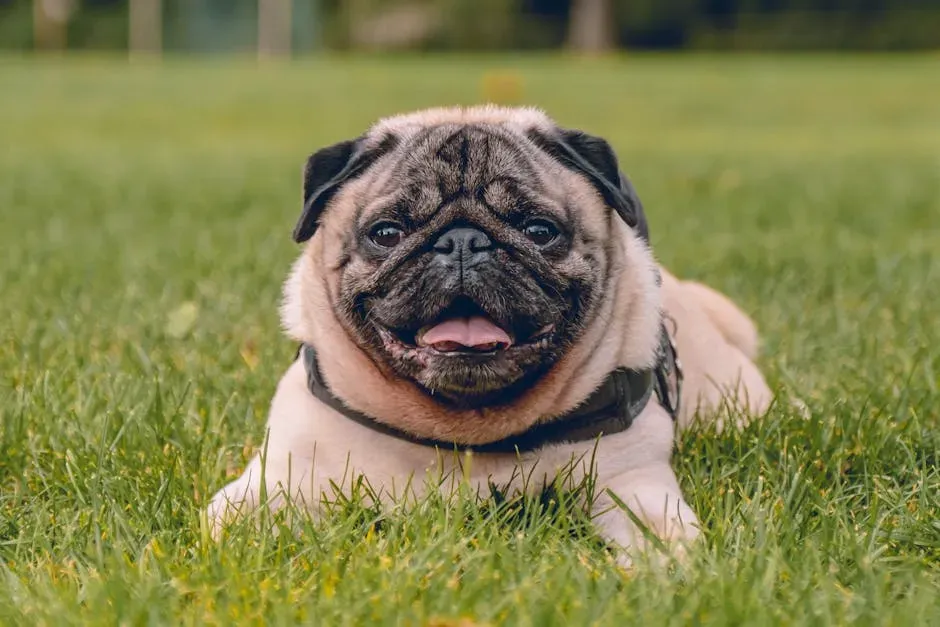
Everyone loves a Pug’s goofy personality, but their stubborn streak can make potty training tricky. Pugs have mastered the art of looking adorably confused while also doing precisely what they want. They are the comedians of the dog world, and they know it.
They dislike going out in extreme weather and may be lazy about it. Add their flat-faced structure to the mix, which can make them tire easily outdoors, and you’ve got a pup who would genuinely prefer to stay on the couch and pretend the whole bathroom concept doesn’t apply to them.
Keep training sessions short, fun, and full of rewards. Stick to consistent potty breaks and use indoor pads as a backup for bad weather. Pugs respond to energy – keep things upbeat, and they’ll surprise you with how quickly they come around when the mood is right.
5. Beagle: Nose Down, Instructions Ignored
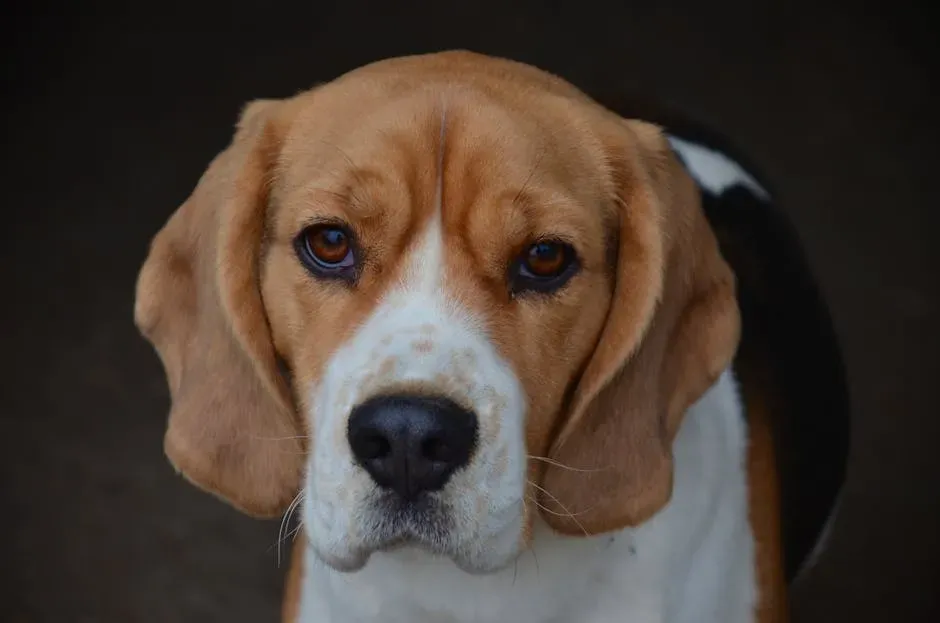
Beagles are one of the most lovable dogs on the planet. They’re also one of the most easily distracted – and that nose of theirs is basically a superpower that works against you during potty training. Beagles present a challenge in potty training due to their friendly and curious nature, driven by strong hunting instincts. Their keen sense of smell can lead to distractions during training sessions, requiring extra time and effort to establish good bathroom habits.
Imagine trying to remind someone to take out the trash while they’re watching the most riveting movie they’ve ever seen. That’s a Beagle on a walk. Everything outside is infinitely more interesting than your potty cue word. Beagles are adorable and friendly but are also one of the most stubborn dog breeds. They’re often led by their noses, making them easily distracted and hard to train.
Lead your Beagle to a consistent outdoor spot – the familiar scent of previous bathroom trips actually helps them understand what’s expected. Use a clear verbal cue, reward immediately after success, and keep outdoor training focused rather than letting them wander freely before going.
6. Yorkshire Terrier: Tiny Bladder, Massive Attitude
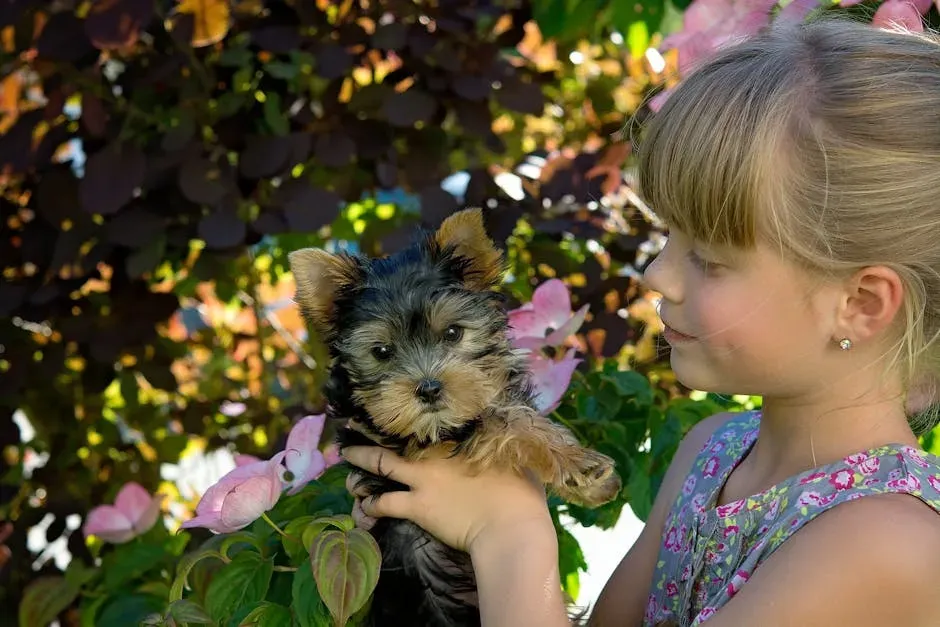
Yorkshire Terriers are pure personality packed into a very small frame. The problem is that frame comes with a very small bladder, too. Yorkies are an intelligent breed that can also be stubborn, which makes it difficult to potty train them. Pet owners will also find it tricky to persuade these little prima donnas to go outside when the weather is cold or wet. In addition, these little dogs have smaller bladders, so they can’t last as long between potty breaks as larger breeds.
While a German Shepherd might comfortably wait six to eight hours between potty breaks, a Yorkshire Terrier might need to go every two to three hours. That’s not bad behavior – it’s pure biology. Knowing this changes how you approach the entire training process.
Set phone alarms for outdoor trips, especially after meals, naps, and play sessions. Watch for visual cues like sniffing, circling, or pacing, which signal a need to go. Catch those moments and you’ll make real progress far faster than waiting for accidents to tell the story.
7. Chihuahua: The Napoleon of Potty Training Challenges
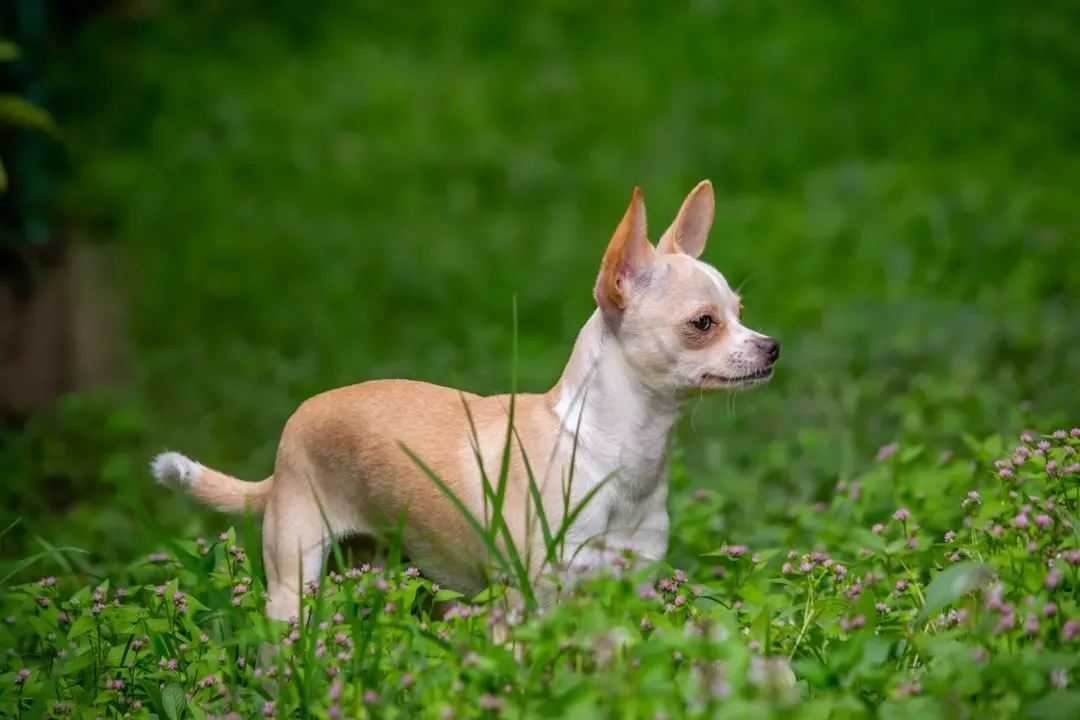
Few dogs pack as much confidence into such a small body as the Chihuahua. They are bold, opinionated, and completely convinced they are in charge. Chihuahuas, despite their small size and big personalities, pose a challenge in potty training due to their stubborn nature. Overcoming this challenge involves consistent training efforts, along with positive reinforcement and patience, to establish good bathroom habits successfully.
These tiny dogs are notorious for being hard to housebreak. Their small size makes messes less noticeable, which can actually hinder training. That’s an important point – when accidents are tiny and easy to miss, owners sometimes unknowingly reinforce the wrong behavior by not cleaning up thoroughly.
Accidents should be cleaned with enzyme-based cleaners to remove scent residues that might encourage repeats. This is non-negotiable for Chihuahuas. If they can smell a previous accident spot, they’ll use it again and again. Remove the scent completely, stay on a tight schedule, and never let their small size fool you into inconsistency.
8. Basset Hound: Lovable, Droopy, and Deeply Distracted
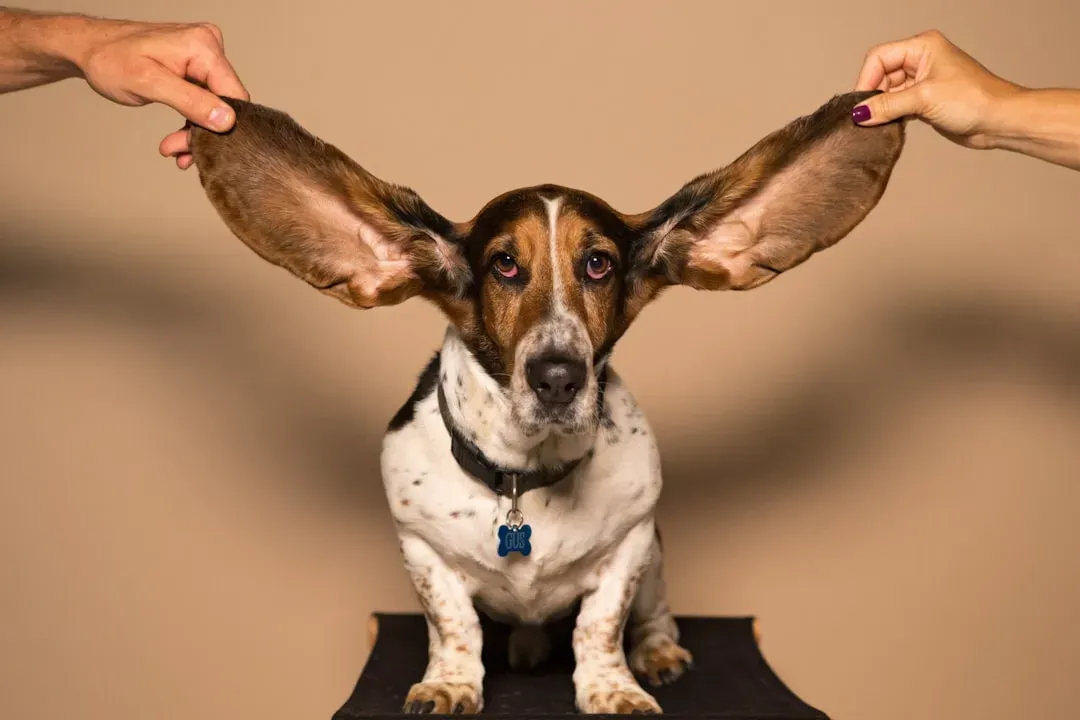
There is something deeply endearing about a Basset Hound. Those long ears, soulful eyes, and slow-moving dignity are enough to melt anyone’s heart. Basset Hounds are reputedly tricky to potty train. Like many scent hounds, Bassets can find it difficult to maintain focus, which can lead to accidents. That said, provided you take a consistent, patient approach to training, the Basset Hound will eventually come around.
The scent hound brain is essentially hardwired to follow interesting smells rather than human instructions. Hounds are bred to work pretty independently, so many just don’t care what the handler wants. It’s not personal – it’s just deeply rooted instinct that has been bred into them over centuries.
Keep outdoor potty trips purposeful. Lead your Basset on a leash to a designated spot to prevent nose-led adventures before they go. Be patient – this breed responds, but on their own timeline. Celebrate every success warmly and never use punishment, which only creates anxiety without results.
9. Shih Tzu: The Charming Negotiator
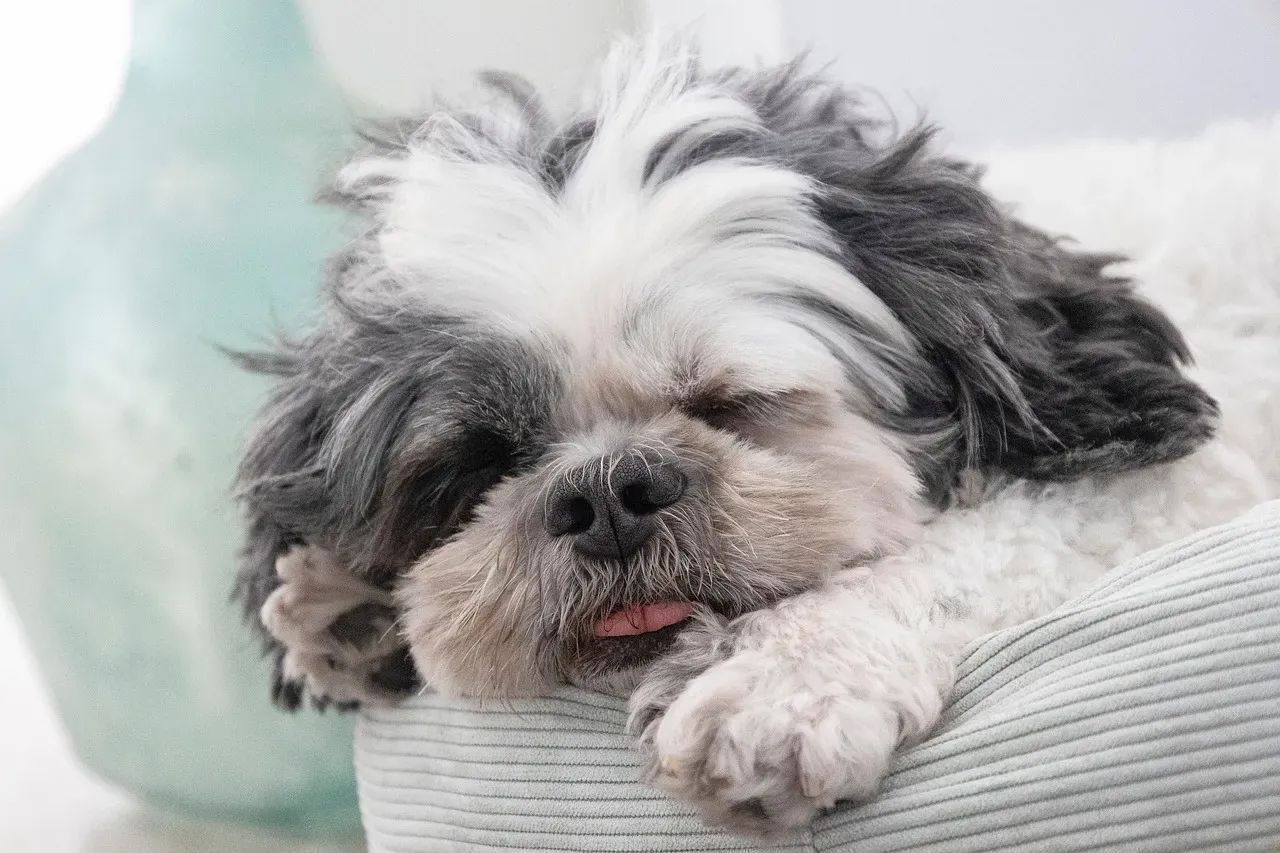
Shih Tzus have an almost supernatural ability to make you forget they just had an accident on your rug. They are warm, cuddly, and absolutely masters of working around your expectations. Training a Shih Tzu can be both an amusing and a frustrating experience, as the breed tends to charm its owner into letting them have their own way, which can result in a less-than-completely-housebroken pet.
Shih Tzus have a reputation for being stubborn and independent, which aren’t the qualities you’ll want for house-training. Luckily, they’re also loving, food-motivated dogs, so with enough praise and attention, they’ll happily do what you ask. Tempting a Shih Tzu with tasty treats is the key to getting them to do their business outside.
I think the biggest mistake owners make with Shih Tzus is inconsistency from one family member to the next. If one person lets the dog skip an outdoor trip and nothing happens, the Shih Tzu files that information away immediately. Everyone in the household must follow the same routine without exceptions.
10. English Bulldog: Stubborn, Slow, and Worth Every Ounce of Effort
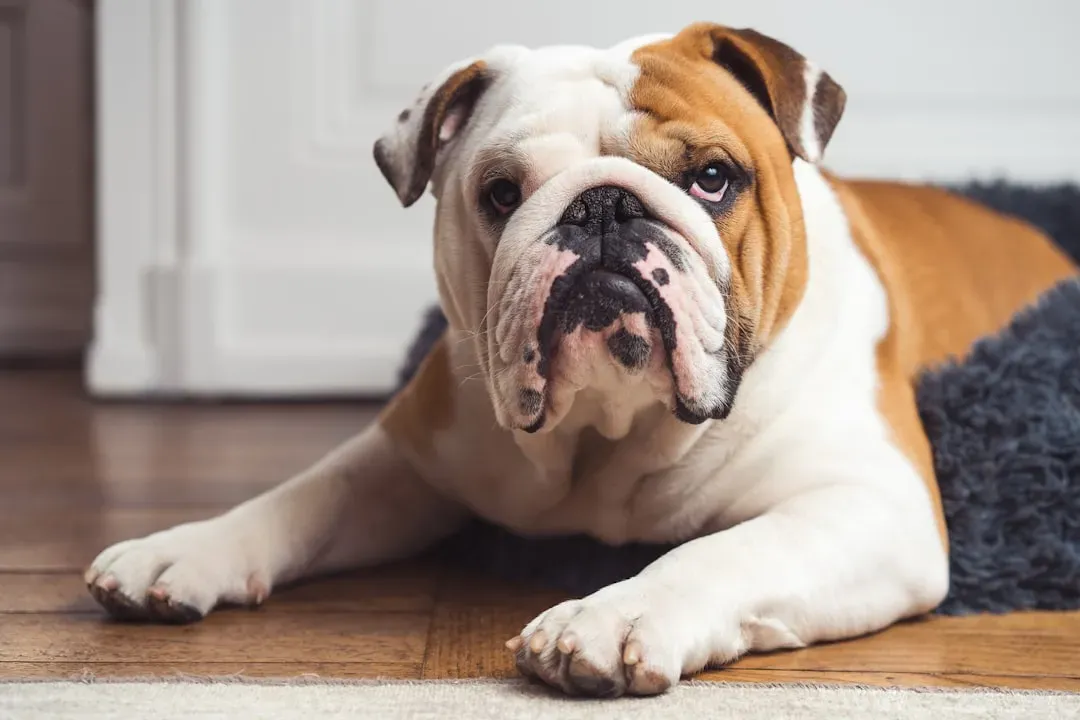
English Bulldogs are in a category all their own. They are deeply lovable, wonderfully calm, and remarkably determined to do things at their own pace – which, during potty training, can feel like watching paint dry. The English Bulldog is considered among the lower ranks in canine intelligence assessments, and this breed can take longer than most to make the mental connections involved in picking up toilet training – however, consistency, vigilance, and positive reinforcement will pay off in the end.
English Bulldogs get labeled as unmotivated and unmoving. Saint Bernards were bred as mountain rescue dogs, whose slow, mild manner allows them to support and comfort the lost or injured. English Bulldogs were bred to stand their ground against bulls. That historical stubbornness is literally in their DNA – which explains everything about potty training them.
Consistent training, patience, and a sympathetic approach will pay off eventually. Set a strict schedule tied to meals and sleep cycles. Use the same door, the same outdoor spot, and the same reward every single time. Bulldogs don’t do well with change, but they respond beautifully to pure, unwavering routine. Give them that, and they will get there.
You’ve Got This – And So Does Your Dog
Here’s what I want you to take away from all of this: none of these breeds are broken, untrainable, or hopeless. They’re just built differently, and they need an owner who understands that. No dog is truly untrainable. Even the most independent or strong-willed pups can learn with time, consistency, and lots of positive reinforcement.
The common thread running through all ten of these breeds is simple: they need you to show up the same way, every single day. Routine is your greatest weapon. Praise and reward your dog immediately after successful elimination in the right spot – timing matters more than most people realize. The reward must happen within seconds of the behavior, not minutes.
If you’ve been at this for months and still feel stuck, please don’t suffer in silence. If your pup struggles with anxiety or frequent accidents, it’s always best to check with your vet or a certified trainer for personalized support. There’s no shame in asking for help – there’s actually a lot of wisdom in it. Health issues like urinary tract infections, diabetes, or anxiety disorders can complicate toilet training for any breed, and if you’ve been working consistently with your pup and still seeing accidents after several months, a vet visit should be your first step to rule out medical problems.
Your dog isn’t trying to make your life difficult. They’re just learning a world that’s entirely new to them – and you’re the most important teacher they’ll ever have. Which of these breeds sounds the most like your own four-legged handful? Tell us in the comments – we’d love to hear your story!


