Keeping a dog happy and healthy in the humid regions of the Southern United States can be a challenge, especially with certain breeds that are not well-suited to this type of climate. The high humidity and soaring temperatures can significantly impact the well-being of these breeds, leading to discomfort and even serious health issues. Understanding which breeds are most vulnerable can help owners take necessary precautions to ensure their pets remain comfortable and safe. In this article, we explore ten dog breeds that find it tough to thrive in humid environments, along with how pet owners can help mitigate the challenges faced by their furry companions.
1. Saint Bernard: Giants with a Thick Coat
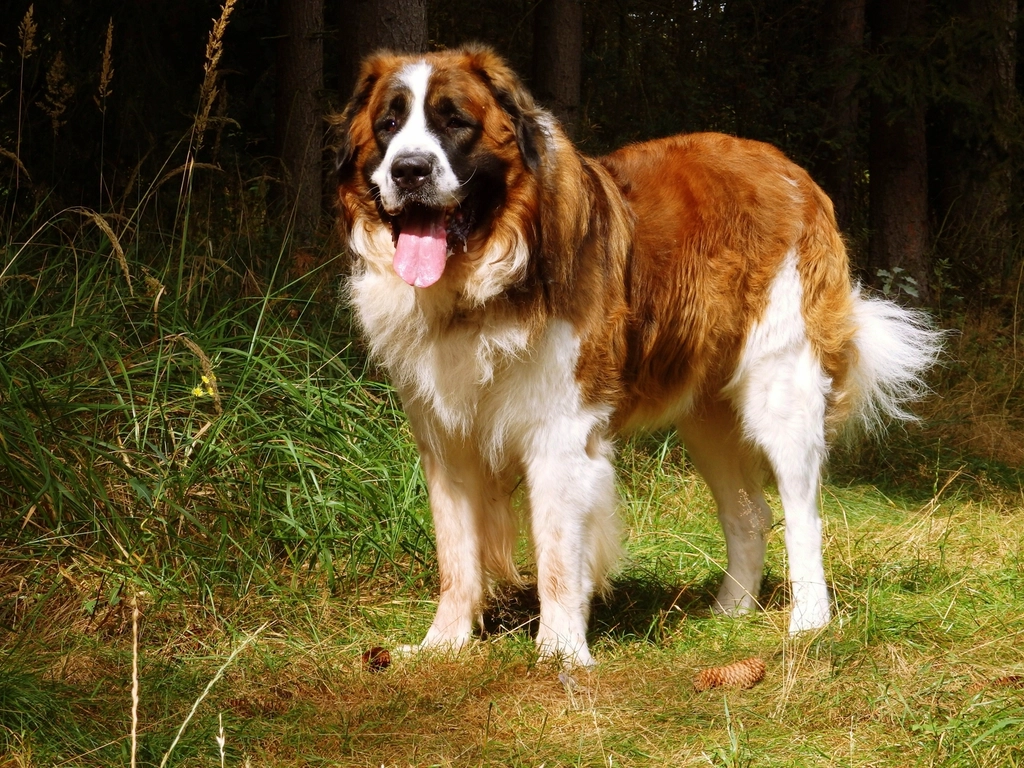
Saint Bernards are magnificent dogs with impressive size and a thick, dense coat that makes them unsuited for hot, humid environments. Originating from the Swiss Alps, these dogs were bred for rescue operations in cold climates. The heavy coat, which serves them well in frigid temperatures, becomes a burden in the Southern U.S., leading to overheating and dehydration. Owners should ensure their Saint Bernards have access to plenty of water and shade, and should limit physical activity during the hottest parts of the day.
2. Siberian Husky: Built for the Snow
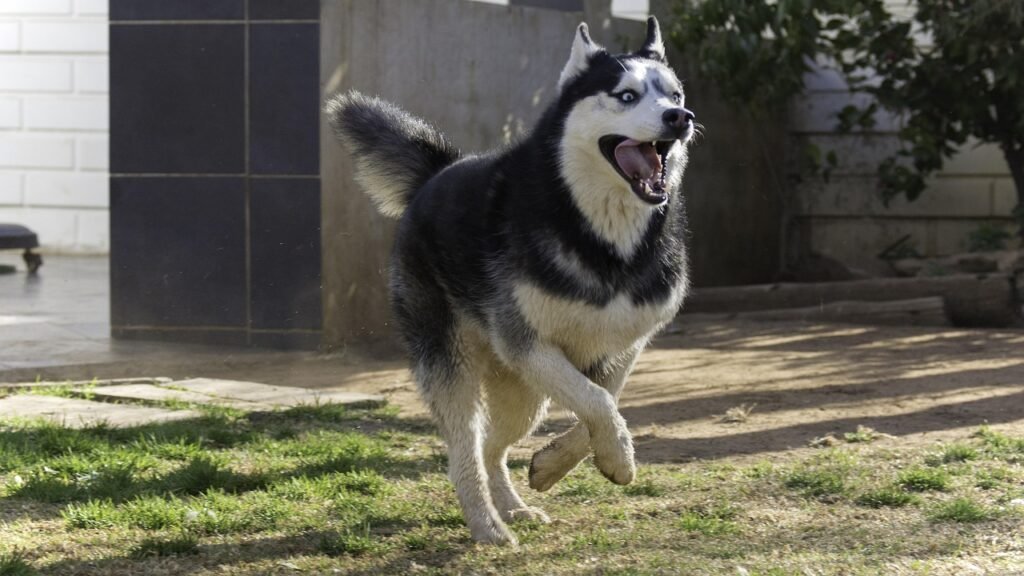
Siberian Huskies are known for their striking looks and energetic nature, but their thick double coat, originally designed to protect them in icy Siberian weather, is ill-equipped for Southern humidity. The dense undercoat retains heat, making it difficult for Huskies to regulate their body temperature adequately. Huskies in humid areas often require more frequent grooming to remove excess hair and must be monitored closely for signs of heat stress.
3. Bulldog: Brachycephalic Breeds Struggle
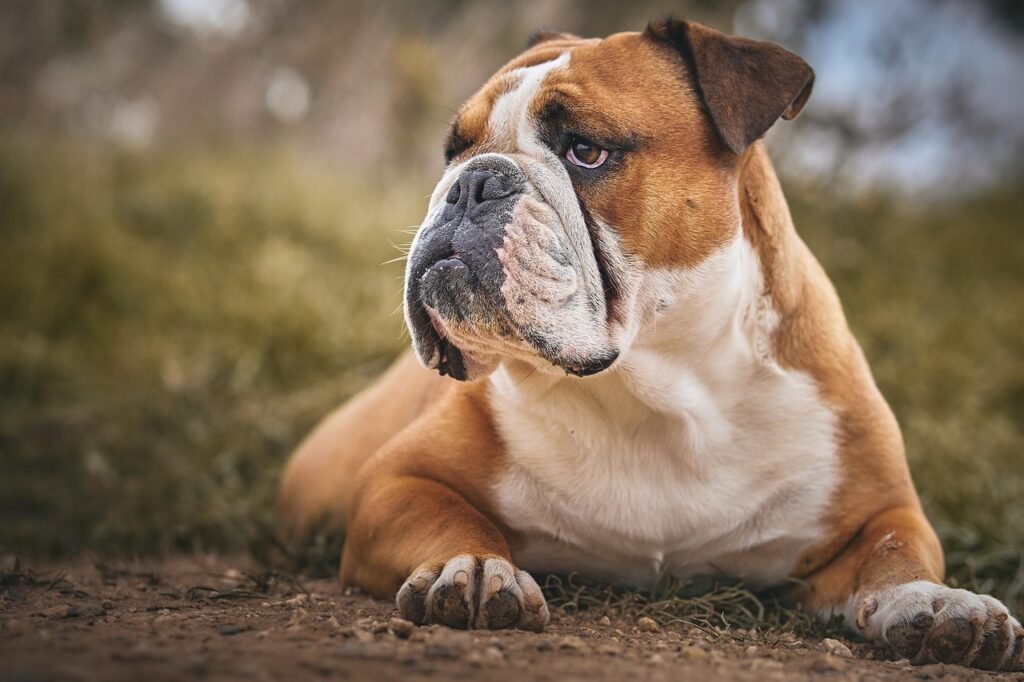
Bulldogs, with their charming wrinkles and lovable demeanor, are among the most popular breeds. However, their brachycephalic (short-nosed) structure makes it hard for them to breathe comfortably in hot, humid conditions. They are prone to overheating and respiratory issues, requiring owners to maintain well-ventilated environments and ensure their Bulldog stays cool. Minimizing strenuous activity during peak heat is crucial for their health.
4. Newfoundland: Lifesavers from the Cold
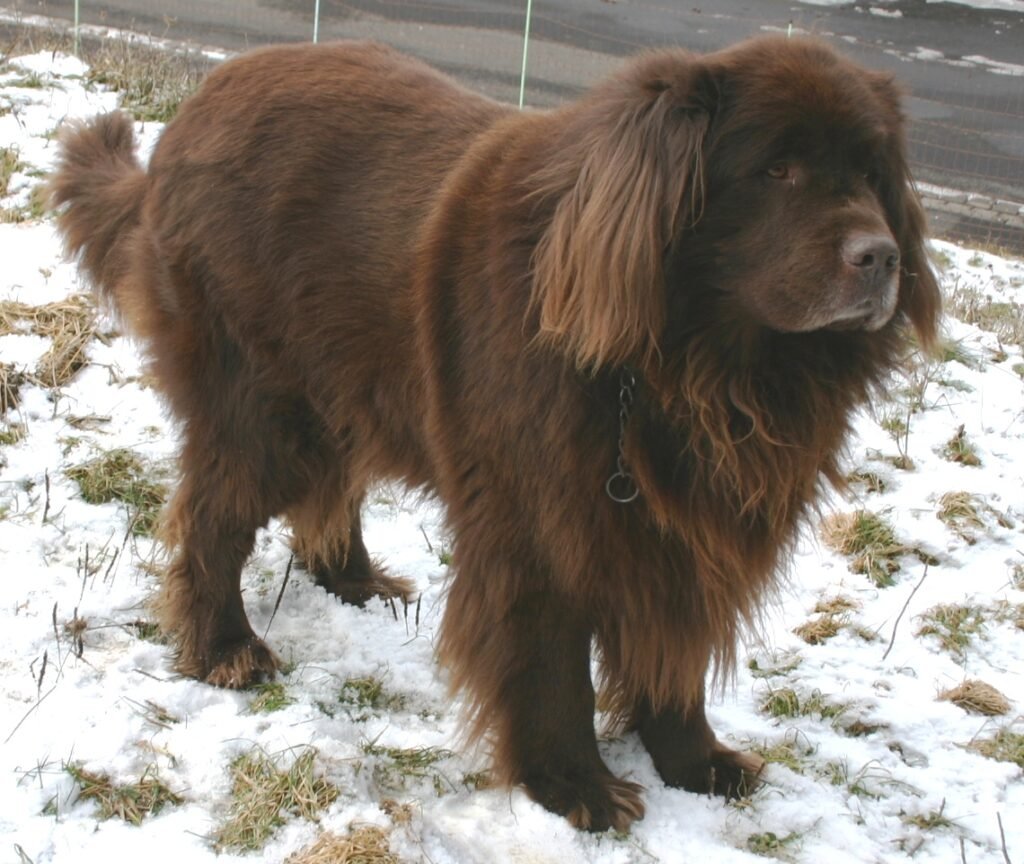
Newfoundlands are gentle giants whose thick, water-resistant coats and significant size make them ideal for cold water rescues but poor candidates for Southern humidity. Their dense fur traps heat, posing a real risk of heatstroke during the hot months. Owners should ensure their Newfoundland is not exposed to extreme temperatures for long periods and consider regular grooming to help keep their coat manageable and cooler.
5. Pug: Small Breeds, Big Problems
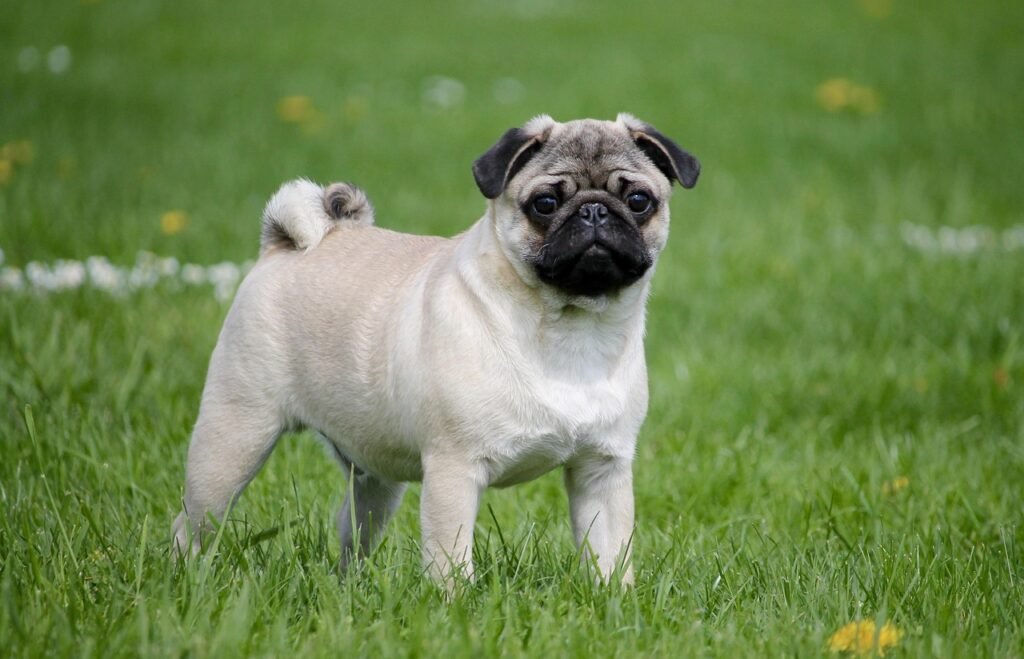
Pugs, like Bulldogs, have a brachycephalic structure that complicates their ability to cool off effectively in humid weather. Their adorable snorts and snuffles can become respiratory distress signals if not monitored closely. Owners of Pugs should take care to provide them with cool, shaded places to rest and avoid exercise during the hottest times of the day. Hydration and a watchful eye on their breathing are key to keeping these lovable pets safe and comfortable.
6. Chow Chow: A Lion-Like Appearance
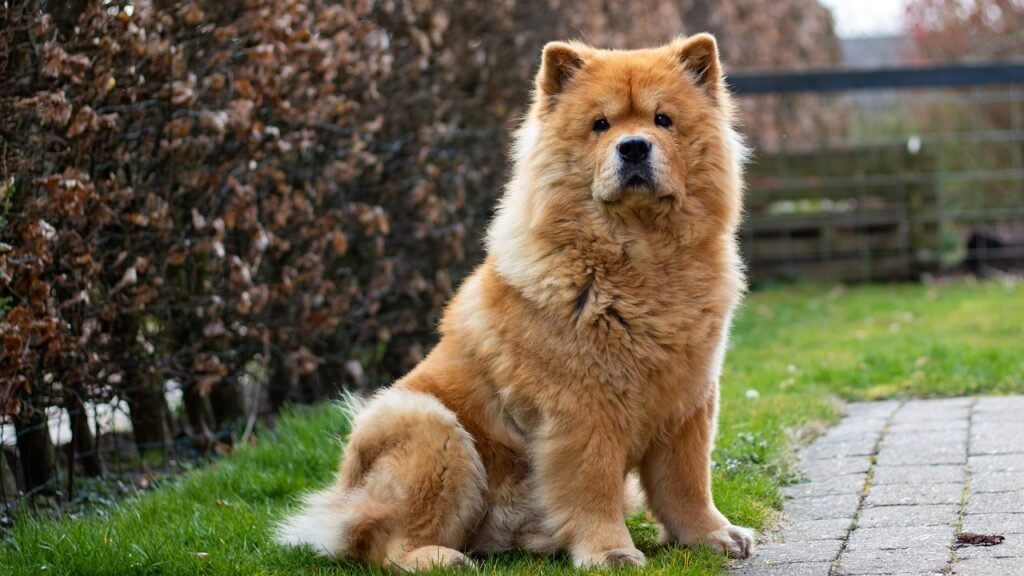
With their thick mane of fur and regal appearance, Chow Chows are not naturally suited for humid Southern climates. Their impressive double coats are designed for cold weather, leading to potential overheating issues in humid areas. Regular grooming to reduce the undercoat is essential, alongside monitoring their activity levels and respiratory responses to the heat. Sheepish in demeanor, they may not always signal distress openly, so watchfulness is essential.
7. French Bulldog: A Popular Yet Vulnerable Companion
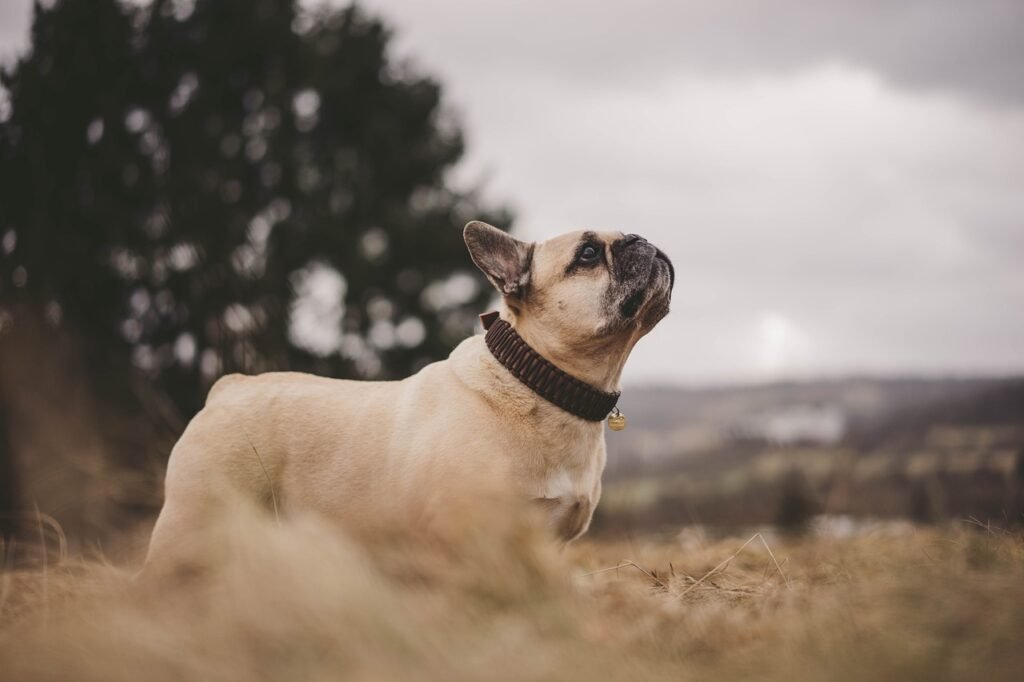
French Bulldogs, endearingly popular for their playful and friendly nature, face challenges similar to their Bulldog relatives in humid habitats. With their squat noses and stocky builds, they have difficulty regulating their temperature, particularly when it’s muggy. Ensuring proper airflow and a comfortable environment indoors can help mitigate heat-related issues. Owners should be alert to signs of overheating, such as excessive panting or drooling.
8. Alaskan Malamute: Heavy Duty and Heat-Sensitive
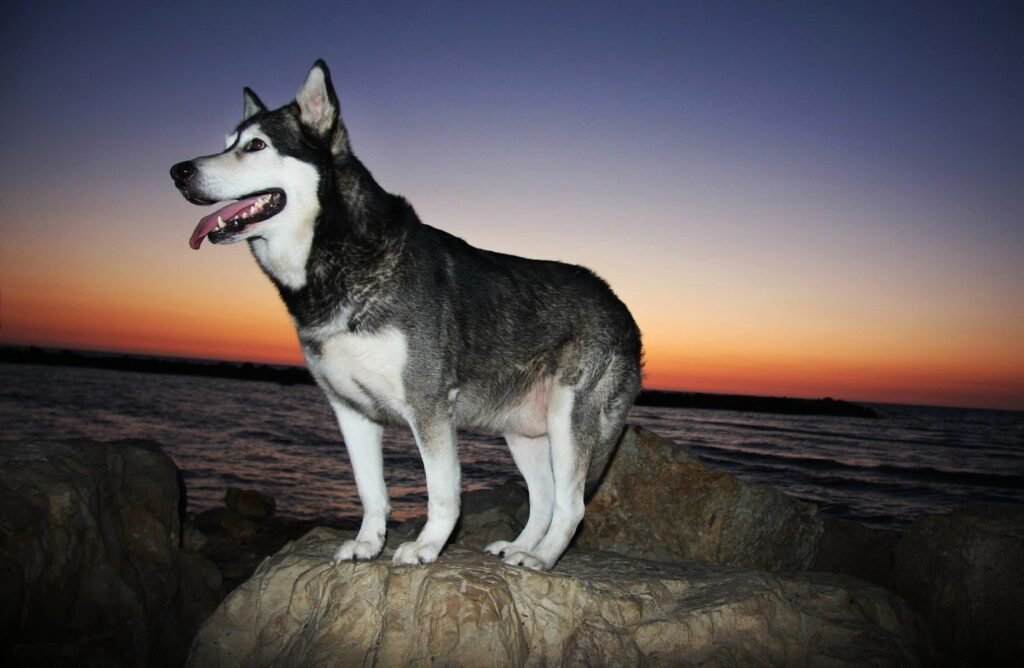
Alaskan Malamutes are powerful dogs bred for Arctic climates, possessing thick, insulating coats and a large, muscular build. Their natural adaptation to cold weather makes the sweltering Southern heat particularly problematic. Malamutes need a shaded, cool place to retreat during hot days, and should engage in exercise during the cooler parts of the day. Grooming them to manage their thick undercoat can also greatly alleviate discomfort in hot weather.
9. Boston Terrier: The American Gentleman
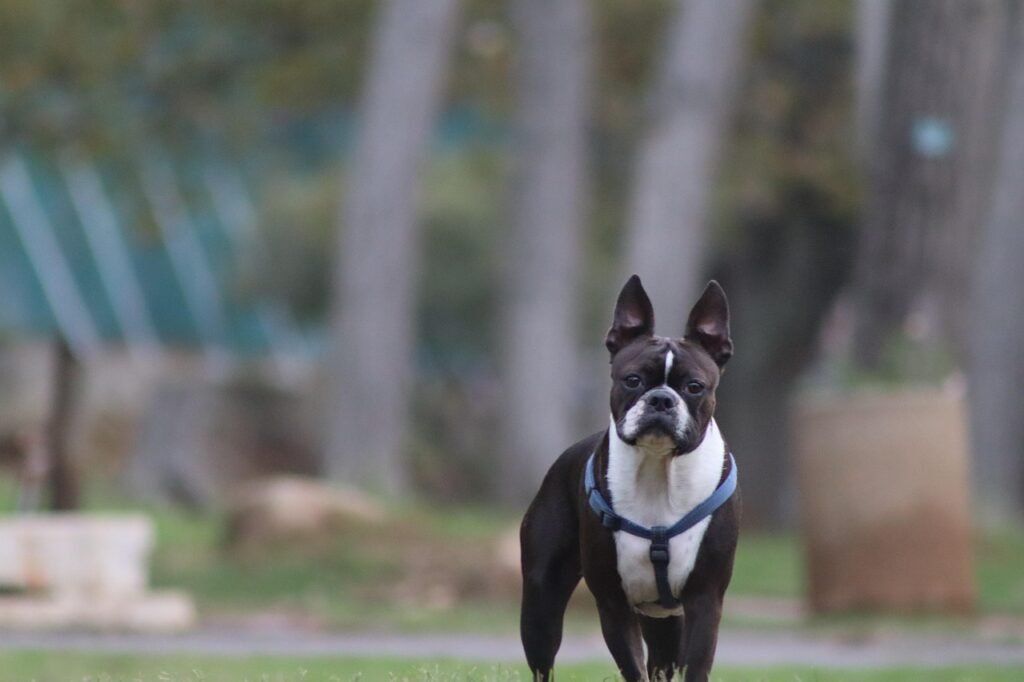
Boston Terriers, with their tuxedo-like markings and compact size, are lovable companions often unprepared for the issues of humid climates. Their short snouts and smooth coats don’t offer much protection against rising temperatures. Owners should provide air-conditioned spaces and ensure hydration during hot and humid spells. Boston Terriers are less tolerant of extreme temperatures, so mindfulness about their environment is imperative.
10. Pekingese: Revered Pets with Heat Concerns
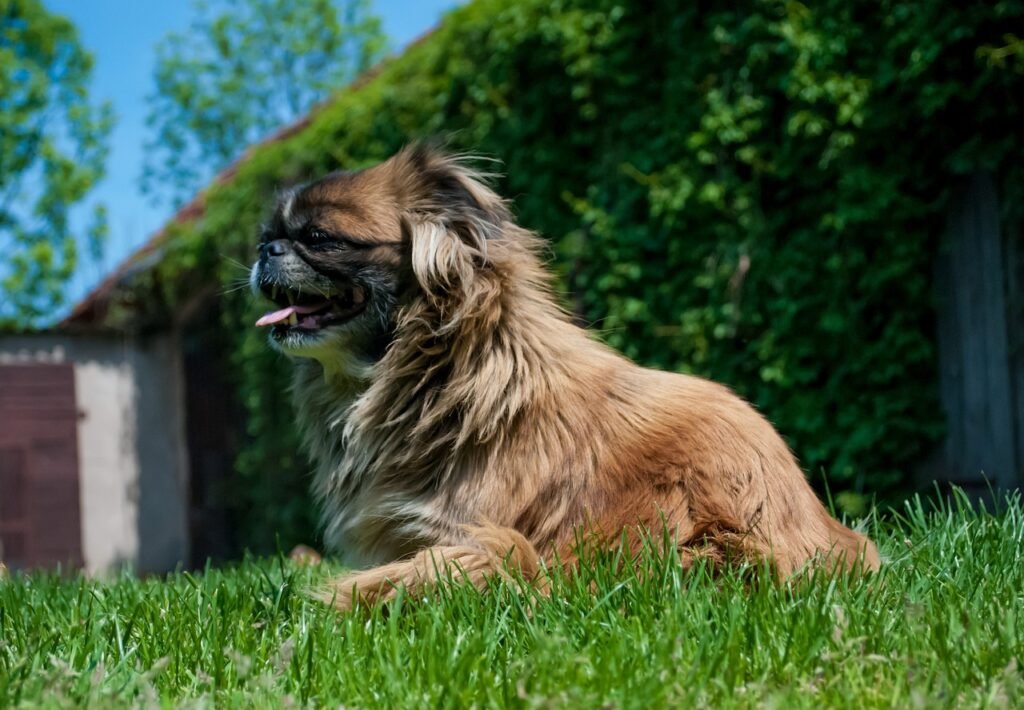
The elegant Pekingese, revered for their royal appearance and flowing mane, are yet another breed that struggles with high humidity. The luxuriant fur, combined with a brachycephalic facial structure, makes them especially vulnerable to heat exhaustion. Keeping their coat trimmed can help, as well as ensuring they have access to cool, safe indoor spaces when the temperature rises. Awareness of the symptoms of overheating can prevent potentially serious health concerns.
While living in the Southern U.S. presents unique challenges for certain dog breeds, understanding their specific needs and taking appropriate actions can ensure they remain happy and healthy. From managing activity levels to providing cool retreats and proper grooming, conscientious pet owners can mitigate the effects of humidity on their beloved pets. By recognizing the signs of heat-related stress and taking proactive steps, you can ensure your dog enjoys a comfortable living environment, regardless of the climate.