Not every dog needs acres to be happy. Conversely, not every pup can thrive in a cozy studio apartment. Understanding how much space your potential canine companion needs before opening your heart and home to them makes all the difference. Think of it like this: choosing the right breed for your living situation isn’t just about convenience. It’s about honoring who your dog truly is and setting them up for a life where their tails can’t stop wagging.
Whether you’re scrolling through adoption listings from your fifth-floor walkup or standing in your backyard wondering which breed would love it as much as you do, this guide will walk you through breeds that genuinely flourish in small spaces and those that practically demand room to stretch their legs. Let’s dive in.
1. French Bulldog: The Ultimate Apartment Companion

French Bulldogs are great apartment dogs for a reason – they love to play, relax with their humans, and are happy to meet new people. Their compact, muscular build and calm demeanor make them perfect for smaller living spaces. Frenchies weigh around thirty pounds and stand just eleven to thirteen inches tall, which means they won’t accidentally knock over your furniture during a playful moment.
These little clowns have moderate energy levels and are content with short daily walks and indoor playtime. However, they get bored and need exercise and fun to stay happy and content. Their quiet nature is a godsend for apartment dwellers worried about noise complaints. Still, be prepared for some snoring at night.
2. Cavalier King Charles Spaniel: Royal Lapdogs for Modern Living
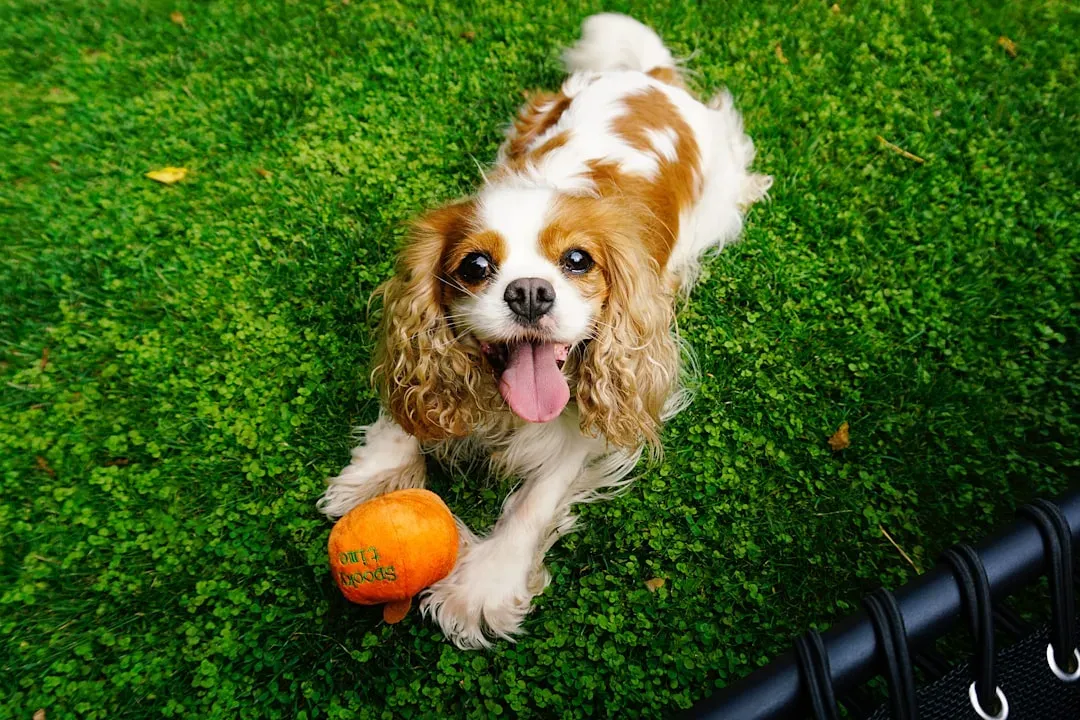
The fact that Cavalier King Charles spaniels were bred to be lap dogs makes them one of the best dog breeds for apartment living, though they also maintain an athletic side. Weighing between thirteen and eighteen pounds, these gentle souls are happiest when they’re close to their favorite people.
In terms of exercise, Cavalier King Charles Spaniels have moderate exercise needs – they enjoy daily walks and playtime but don’t require intense physical activities to stay happy and healthy. Their affectionate nature and adaptability to smaller spaces make them ideal for city dwellers who want a devoted companion without demanding exercise requirements.
3. Pug: Playful Personality in a Compact Package
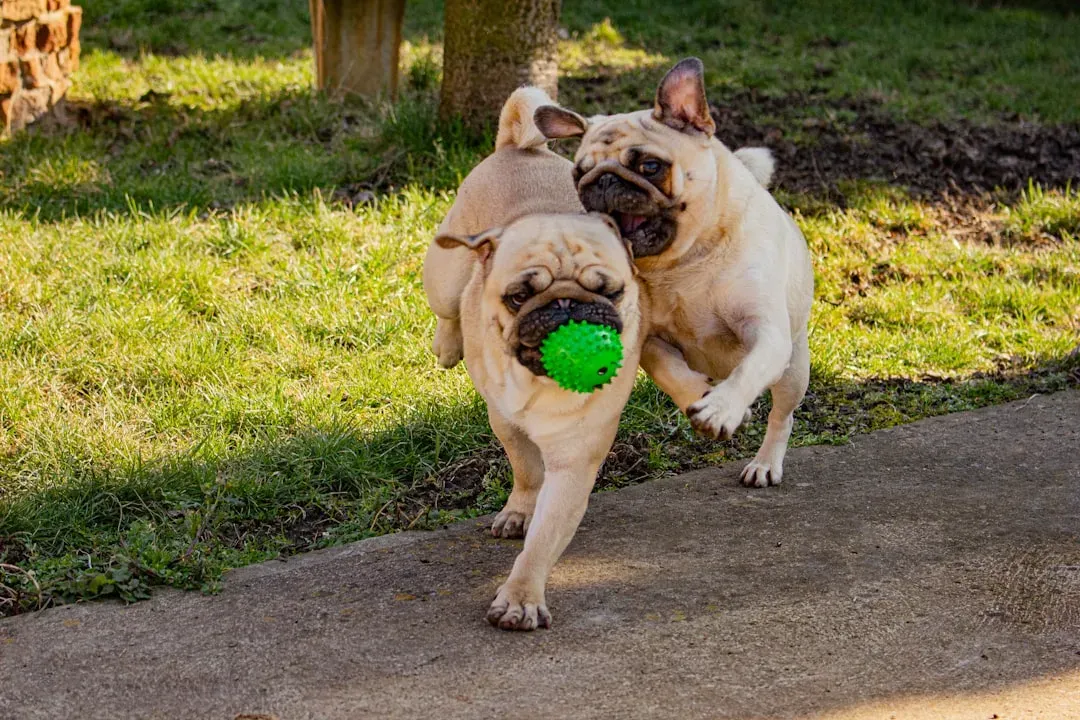
These wrinkly-faced comedians pack enormous personality into a tiny frame. Playful pugs are perfect apartment pets because they’re tiny, eager-to-please, and can get along just fine with a little indoor exercise along with their daily walks. Their small size and relatively low exercise needs make them surprisingly well-suited to apartment living.
Pugs typically weigh between fourteen and eighteen pounds, which means they’re easy to manage in tight quarters. They’re social butterflies who love meeting new people and other pets. Just be aware that their adorable flat faces make them prone to breathing issues, and they have a reputation for snoring that rivals a freight train.
4. Shih Tzu: Ancient Companions Built for Indoor Life

Originally bred as companion dogs for Chinese royalty, Shih Tzus have centuries of experience perfecting the art of apartment living. Shih Tzus are gentle, friendly, and well-suited to live in smaller spaces, making them perfect apartment dogs – their playful attitude and fluffy appearance win hearts easily.
Weighing around nine to sixteen pounds, these little fluffballs require daily grooming but minimal exercise. A short daily walk and some indoor playtime keep them content. They’re remarkably adaptable and handle apartment noise and activity surprisingly well, though they do appreciate having their own quiet corner to retreat to when things get overwhelming.
5. Bichon Frisé: Cheerful Clouds of Joy
Bichon Frisés are among the best dogs for apartments due to their size, low shedding, and positive disposition. These cheerful little dogs weigh between twelve and eighteen pounds and stand just nine to twelve inches tall. Their hypoallergenic coats make them particularly appealing for apartment dwellers dealing with allergies.
A medium energy dog, the Bichon Frise does not have high exercise requirements – a short stroll around the local neighborhood is enough to keep them healthy and satisfied. They’re social creatures who get along wonderfully with children and other pets, though they don’t appreciate being left alone for extended periods.
6. Maltese: Tiny Aristocrats with Big Hearts
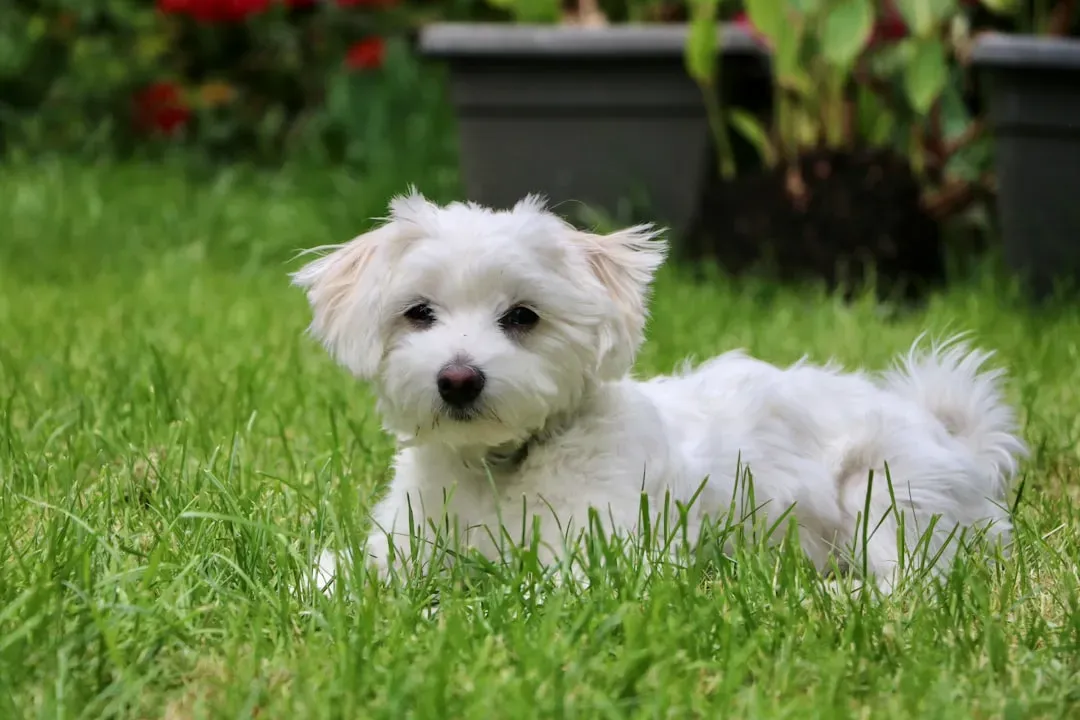
Weighing less than ten pounds, Maltese dogs are perfectly proportioned for apartment living. The Maltese is one of the most popular small dog breeds for a reason – they are sweet, playful, affectionate, and adaptable dogs which do well in small spaces. Their gentle nature and love for being the center of attention make them ideal for people who work from home or retirees.
These tiny dogs require regular grooming to maintain their signature silky white coats, but their exercise needs are minimal. They’re known for forming incredibly strong bonds with their owners, which can be both a blessing and a challenge if you need to leave them alone frequently.
7. Yorkshire Terrier: Feisty Spirit in a Petite Frame
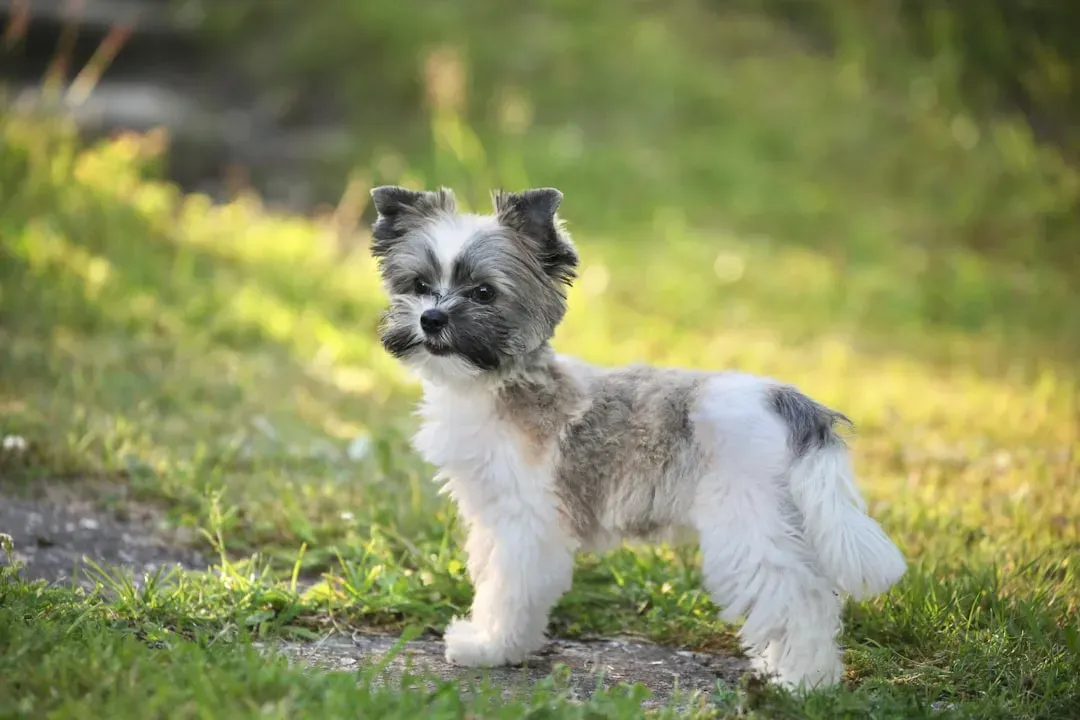
Yorkies might be small, but they’ve got the heart of a lion. Standing at only 7 to 8 inches tall and weighing around 7 pounds, these tiny terriers won’t take up much of your coveted space, and with proper training you won’t have to worry about accidents inside, uncontrollable barking that bothers your neighbors, or excessive chewing.
These intelligent dogs are highly trainable and don’t require extensive exercise. Roughly fifteen to twenty minutes of walking morning and night typically satisfies their physical needs. Their compact size makes them perfect travel companions, and they genuinely enjoy cuddling on the couch during movie marathons.
8. Boston Terrier: The American Gentleman
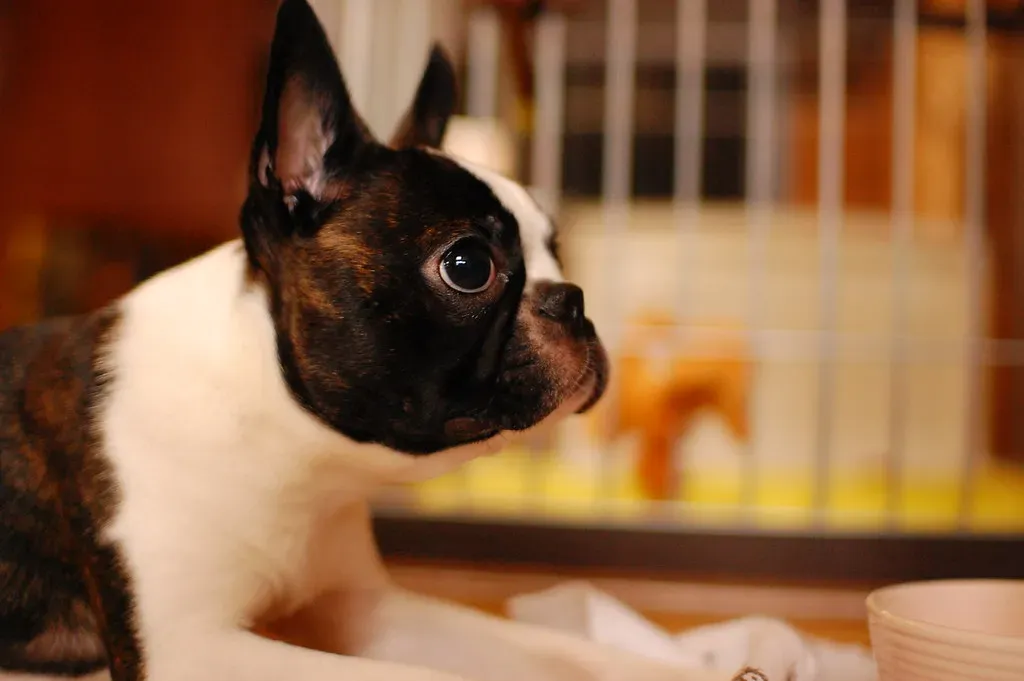
With their tuxedo-like markings and gentle disposition, Boston Terriers have earned their nickname as the American Gentleman. These compact dogs typically weigh between twelve and twenty-five pounds, making them manageable in smaller living spaces. Their short coats require minimal grooming, which is a bonus for busy apartment dwellers.
Boston Terriers are known for being relatively quiet and adaptable. They enjoy moderate activity but are equally content lounging on the sofa beside you. Their friendly nature makes them excellent with neighbors and visitors, reducing the stress of living in close quarters with others.
9. Chihuahua: Mighty Personalities in Miniature Bodies

Small in size but full of attitude, Chihuahuas are confident little companions – they enjoy being close to their humans and are known for their loyalty. Weighing just three to six pounds, these pocket-sized pups are the ultimate space savers. They don’t need much room to exercise and can burn off energy with indoor play sessions.
However, their small size comes with special considerations. They can be sensitive to cold weather and may need sweaters during winter walks. Training is essential to prevent excessive barking, but with proper socialization and attention, Chihuahuas make devoted apartment companions who travel easily and adapt well to urban lifestyles.
10. Greyhound: The Surprising Couch Potato
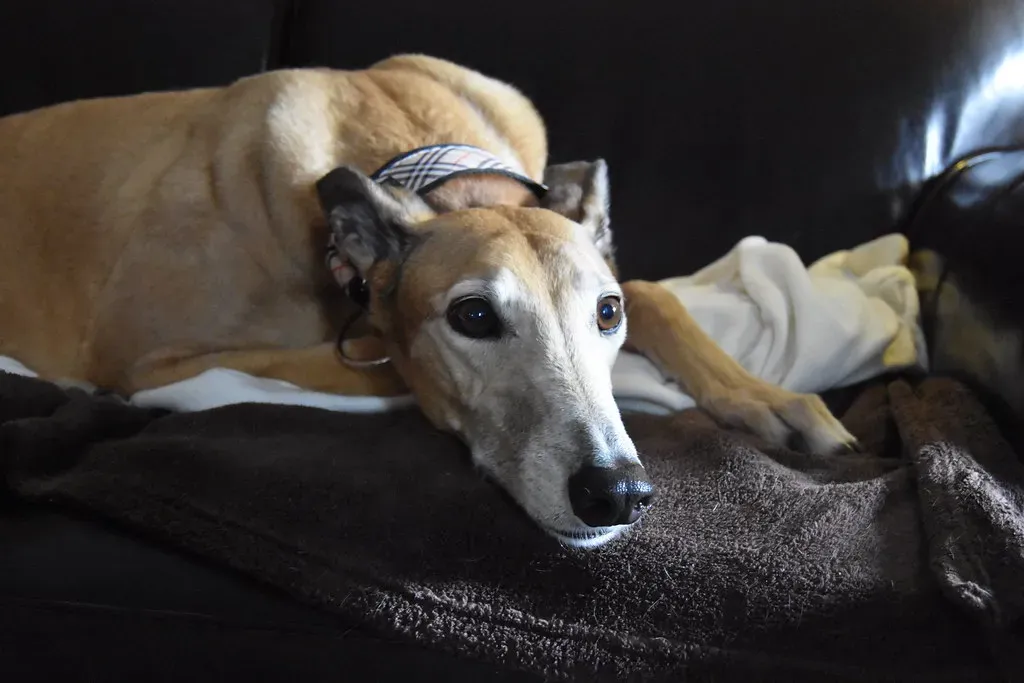
Here’s where things get interesting. Despite being known for their racing speed, Greyhounds like to live life at a much slower pace – which makes them perfect for apartment living, and while they do need daily opportunities to fetch tennis balls and run around, they are perfectly happy to spend the day lounging around.
They’re the biggest breed on this list – ranging in size from 60 to 70 pounds depending on their sex – but they’re loving, affectionate animals that enjoy a good snuggle. Their surprisingly low energy levels indoors and quiet demeanor make them unexpected but excellent apartment dogs. Just be aware of their strong chase instinct when outdoors.
11. Border Collie: The Canine Einstein Who Needs a Job
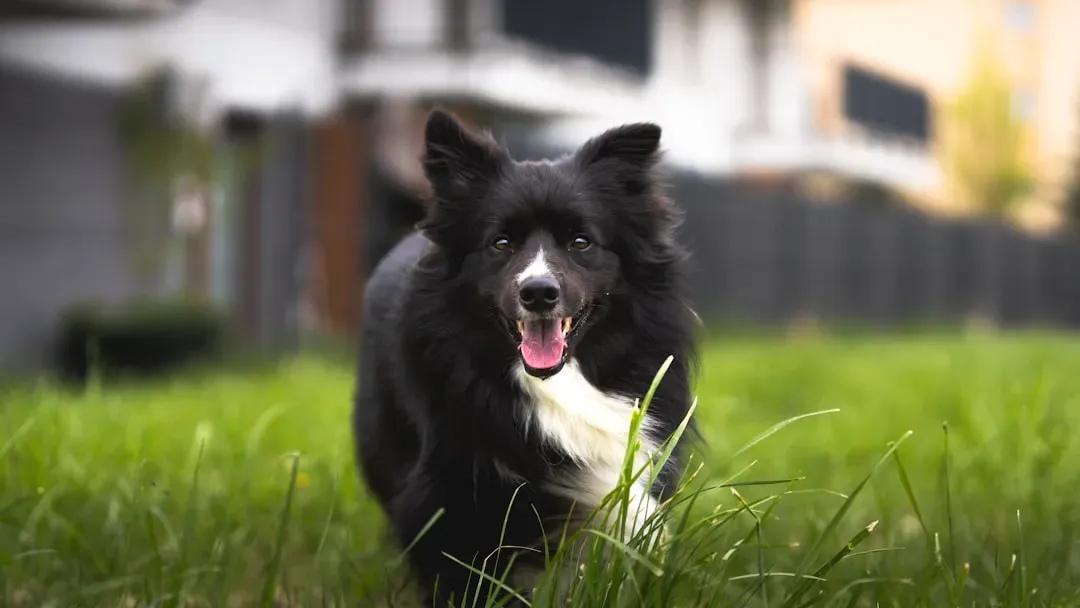
Border Collies are one of the most active dog breeds and require a significant amount of exercise to keep them physically and mentally stimulated – they need at least 2-3 hours of vigorous exercise every day to fulfil their energy requirements. These incredibly intelligent dogs were bred for herding sheep across vast landscapes, and that work ethic runs deep in their DNA.
Border Collies need mental stimulation more than physical exercise. Without proper outlets, they can develop destructive behaviors and anxiety. They thrive in homes with large yards where they can run freely and benefit from activities like agility training, herding trials, or even frisbee competitions. Apartment living simply doesn’t provide the space these dogs desperately need to feel fulfilled.
12. German Shepherd: The Loyal Protector
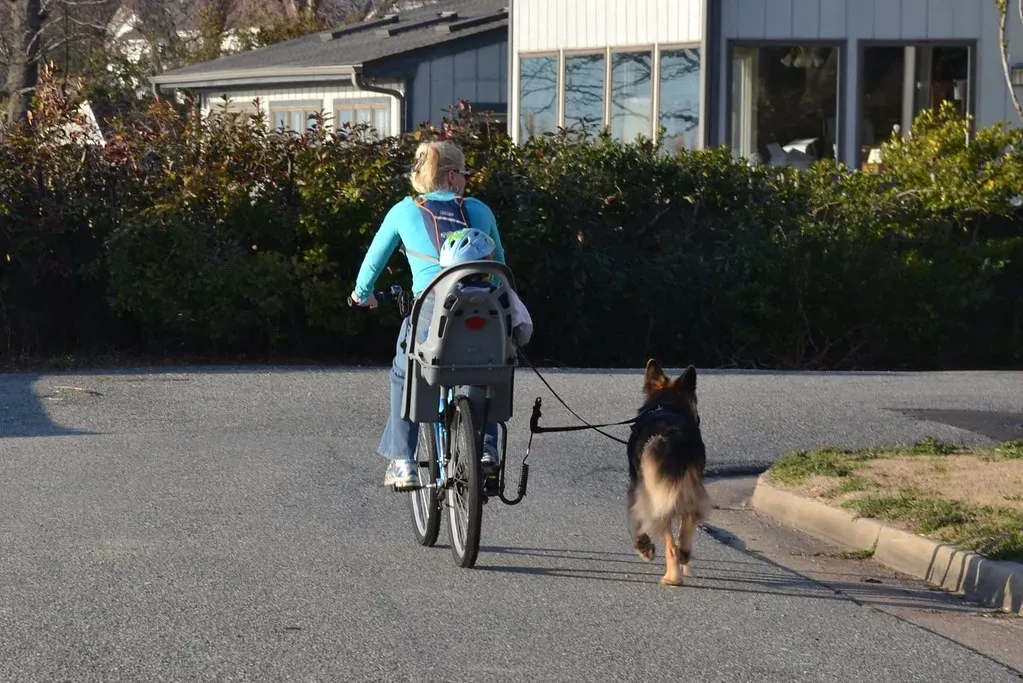
As their name implies, German Shepherds were initially trained to be shepherds, and back then, these dogs used to run around for hours to keep the flock together, which turned them into a highly energetic breed – as one of the most energetic dog breeds, German Shepherd exercise requirements involve almost two hours daily.
A home with a secure, medium to large-sized garden is the ideal setup for a German Shepherd, as country life fits them better than urban environments. These intelligent, loyal dogs need space for training, enrichment activities, and regular off-lead running. Their size, energy levels, and protective instincts make them poorly suited for apartment living.
13. Siberian Husky: Born to Run in Wide Open Spaces
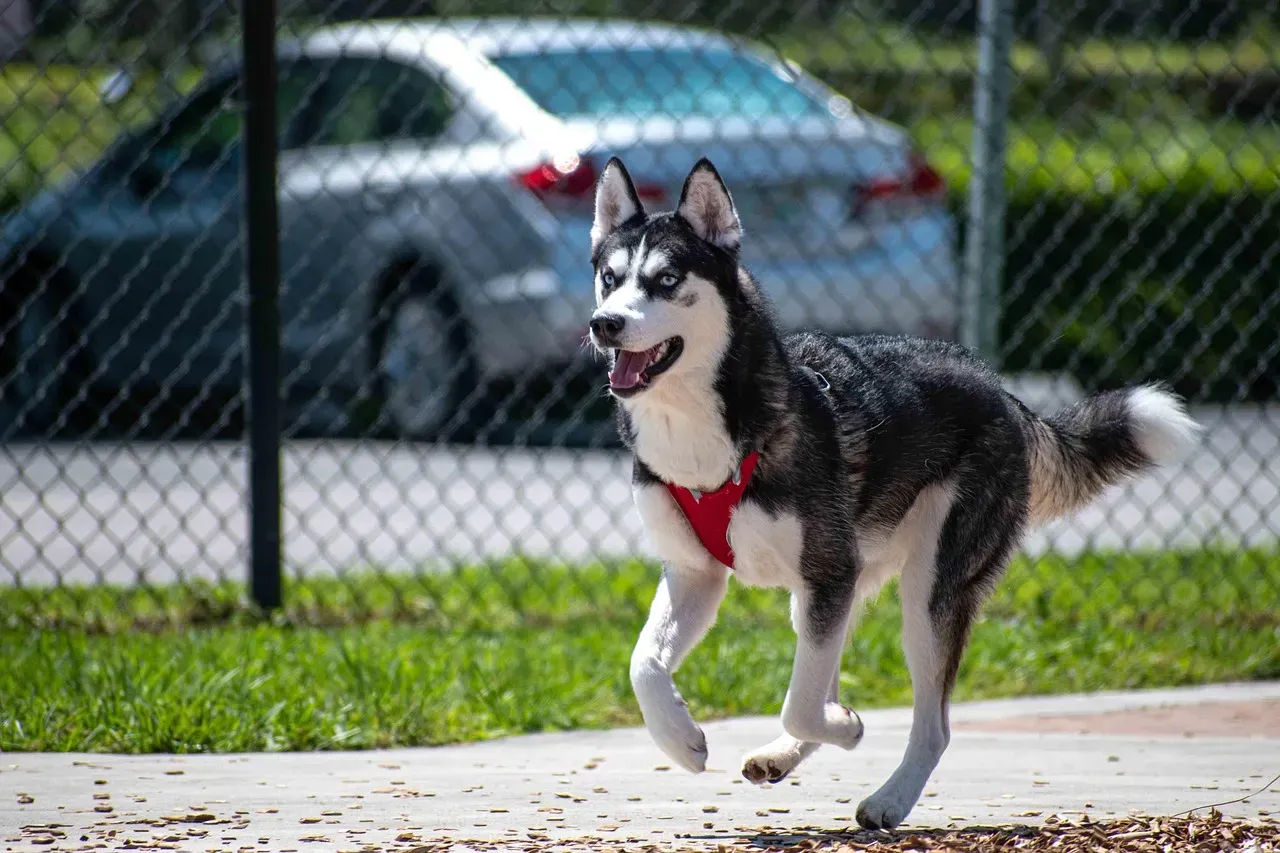
Siberian Huskies were bred to pull sleds across frozen tundra for miles on end, and that endurance hasn’t gone anywhere. These medium-sized dogs typically weigh between thirty-five and sixty pounds but possess energy levels that would exhaust most marathon runners. They’re notorious escape artists who can jump fences and dig under barriers with remarkable efficiency.
Huskies need substantial daily exercise and mental stimulation. They’re also incredibly vocal, which doesn’t mesh well with close-quartered apartment living. These dogs flourish in homes with large, securely fenced yards in cooler climates where they can run, play, and satisfy their innate need for movement and exploration.
14. Labrador Retriever: America’s Sweetheart Needs Space
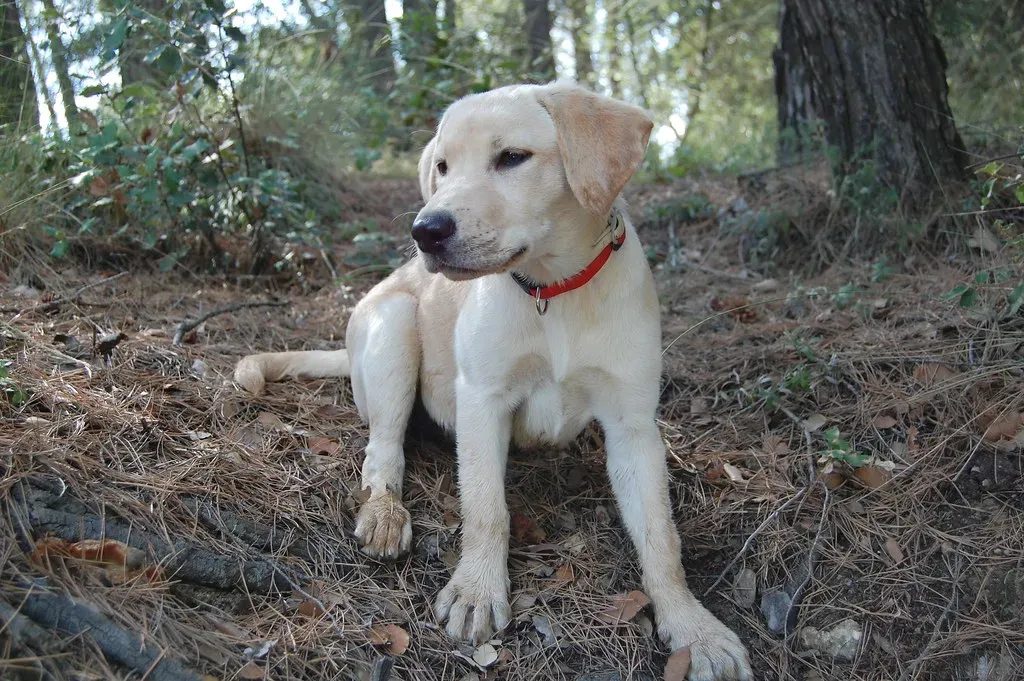
The beloved Golden Retriever and Labrador Retriever breeds are two rural, country-loving breeds, at their happiest exploring the countryside with their person, playing retrieve games and jumping in muddy puddles – if you’ve got a medium to large-sized garden, they’ll be even happier, and due to their high exercise requirements, these breeds will need regular long walks and plenty of outdoor activities.
Labs are friendly, enthusiastic, and endlessly energetic. They need room to play fetch, swim, and burn off their considerable energy. These breeds are not suitable for owners who live in an apartment, as their size and activity level demand more space than typical city living can provide.
15. Australian Shepherd: High-Energy Herders
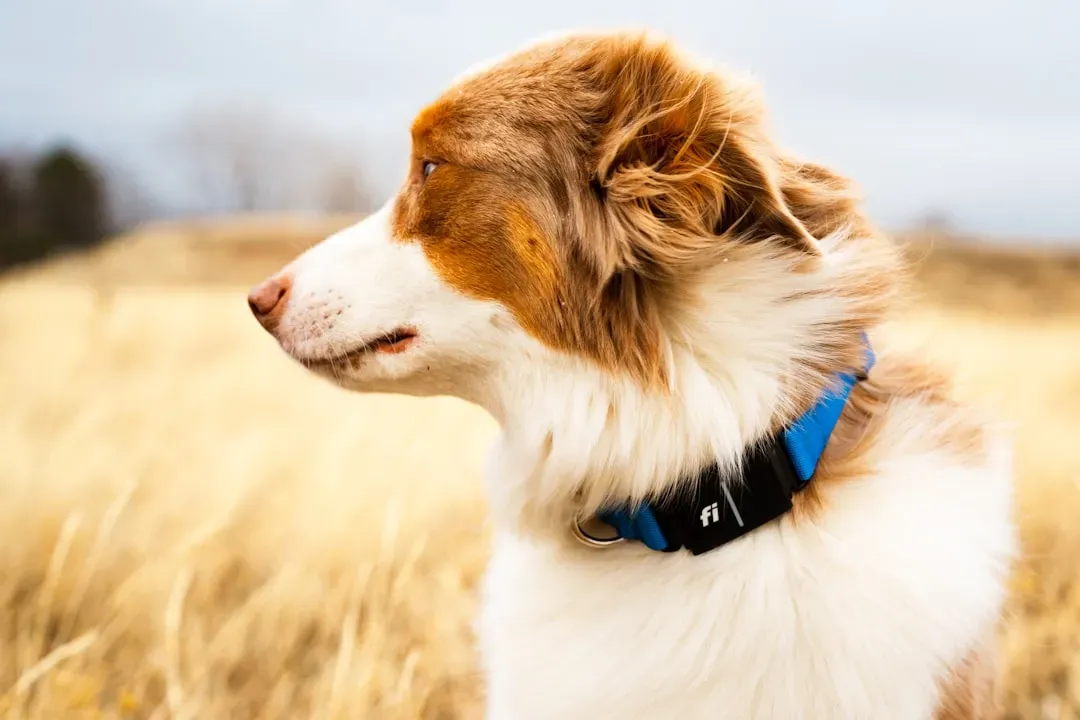
Australian Shepherds are working dogs through and through. They possess sharp intelligence and incredibly high energy levels that demand constant engagement. These medium-sized dogs need significant physical activity combined with mental challenges to prevent boredom and destructive behaviors.
Aussies excel in homes with large outdoor spaces where they can channel their herding instincts into healthy activities. They need owners committed to providing structured exercise, training sessions, and interactive play. Without adequate space and stimulation, these dogs can develop anxiety and behavioral problems that make them challenging companions.
16. Great Dane: Gentle Giants Need Room to Stretch
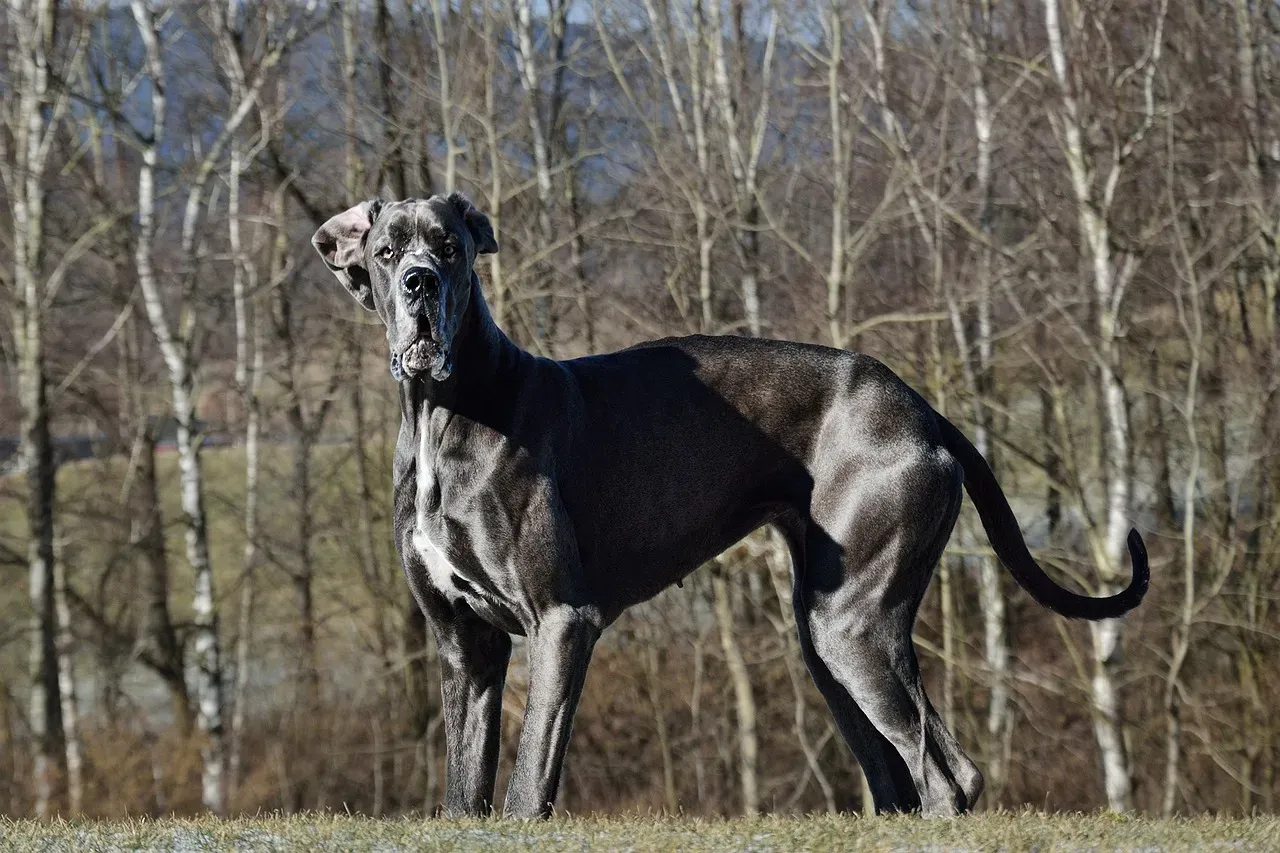
The first thing you’ll notice about any Saint Dane, even the puppies, is that they’re really, really big – both males and females can weigh up to 200 pounds, and never weigh less than 150 as adults. While Great Danes themselves can weigh between one hundred and twenty to two hundred pounds, their sheer size makes apartment living impractical.
Interestingly, Great Danes are relatively low-energy dogs who enjoy lounging around. However, their physical dimensions require space simply for them to move comfortably. As long as it has food, toys, and a big yard to run around in, a Saint Dane can entertain itself for hours. They need room to stretch out without knocking over furniture or causing accidental chaos.
17. Saint Bernard: Massive Mountain Rescuers
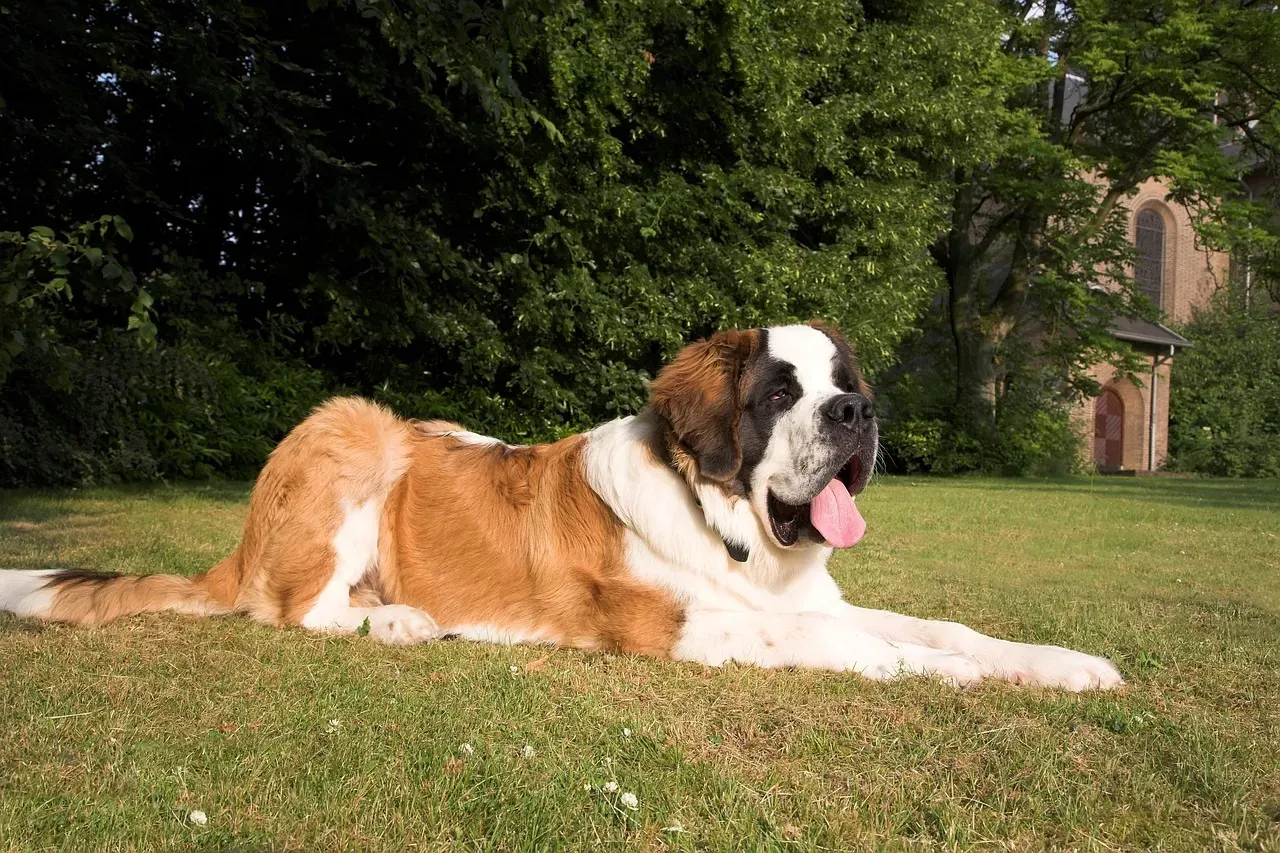
Saint Bernards are legendary gentle giants originally bred for mountain rescue work in the Swiss Alps. Males typically stand twenty-eight to thirty inches tall and can weigh anywhere from one hundred and forty to one hundred and eighty pounds. Their sheer size makes them unsuitable for small living spaces.
These dogs are relatively calm indoors but still require adequate space to move around comfortably. They’re also notorious droolers and heavy shedders, which becomes more problematic in smaller quarters. Saint Bernards thrive in homes with yards where they can stretch their massive frames and enjoy moderate outdoor activity without feeling cramped.
18. Boxer: Energetic Athletes with Boundless Enthusiasm
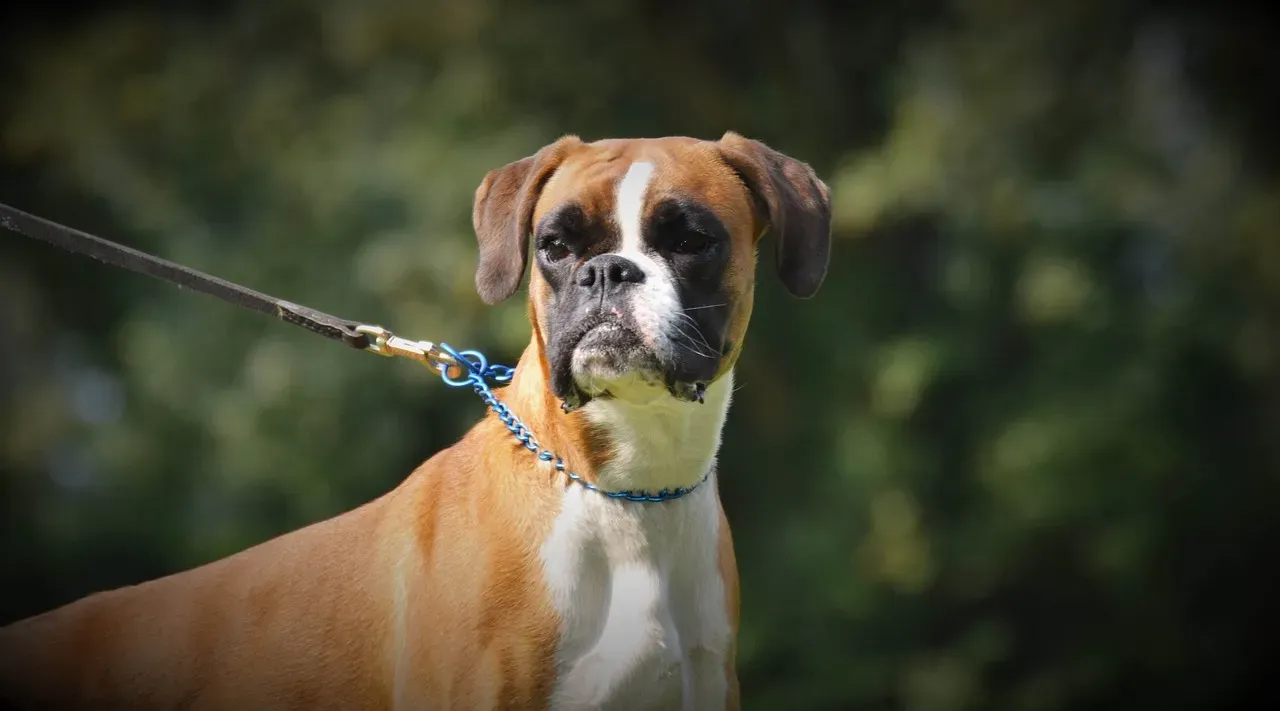
Boxers enjoy big backyards because they combine high energy with a love for play and exploration – their lively personalities shine when they are given space to bounce, run, and interact with the world around them, and these dogs thrive on stimulation, with a large yard helping meet their physical and emotional needs.
Boxers are medium-to-large dogs weighing between fifty and eighty pounds with muscular, athletic builds. They need regular vigorous exercise and space to release their considerable energy. Without proper outlets, Boxers can become destructive and develop behavioral issues. They’re best suited to active families with secure yards and time for daily play sessions.
19. Rottweiler: Powerful Working Dogs
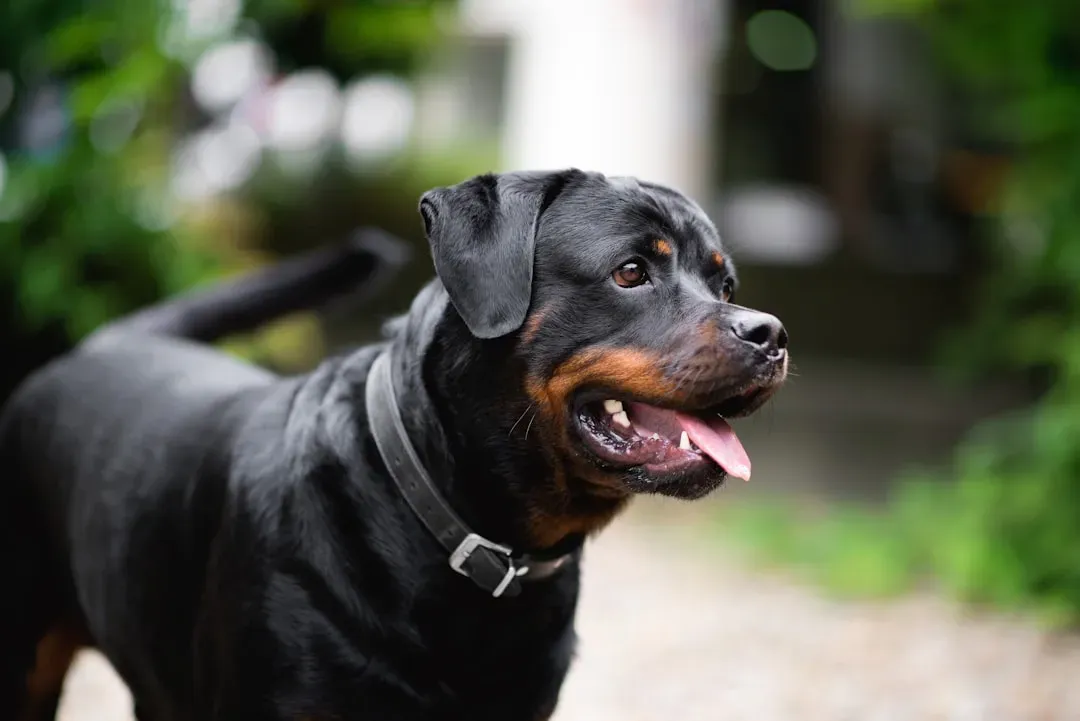
Rottweilers are one of the most family-friendly dog breeds, however, their exercise requirements are high, making them unsuitable for inactive families – these highly muscular dogs need around two hours of daily exercise, ranging from regular walks and easy hikes to fast-paced runs.
Rottweilers typically weigh between eighty and one hundred and thirty-five pounds and possess strong protective instincts. They need space for proper training, socialization, and exercise. Their size and strength demand homes with secure yards where they can move freely without feeling confined or frustrated.
20. Weimaraner: The Gray Ghost Needs to Run

Weimaraners are elegant, athletic hunting dogs with seemingly endless energy reserves. These sleek silver dogs were bred to hunt large game and can run for hours without tiring. They form incredibly strong bonds with their families but suffer from severe separation anxiety when left alone in confined spaces.
These dogs need substantial daily exercise and mental stimulation. They excel in homes with large, securely fenced yards and active owners who enjoy hiking, running, or participating in dog sports. Weimaraners confined to small spaces without adequate exercise outlets quickly develop destructive behaviors and anxiety-related problems that make them difficult to manage.
Conclusion: Finding Your Perfect Match
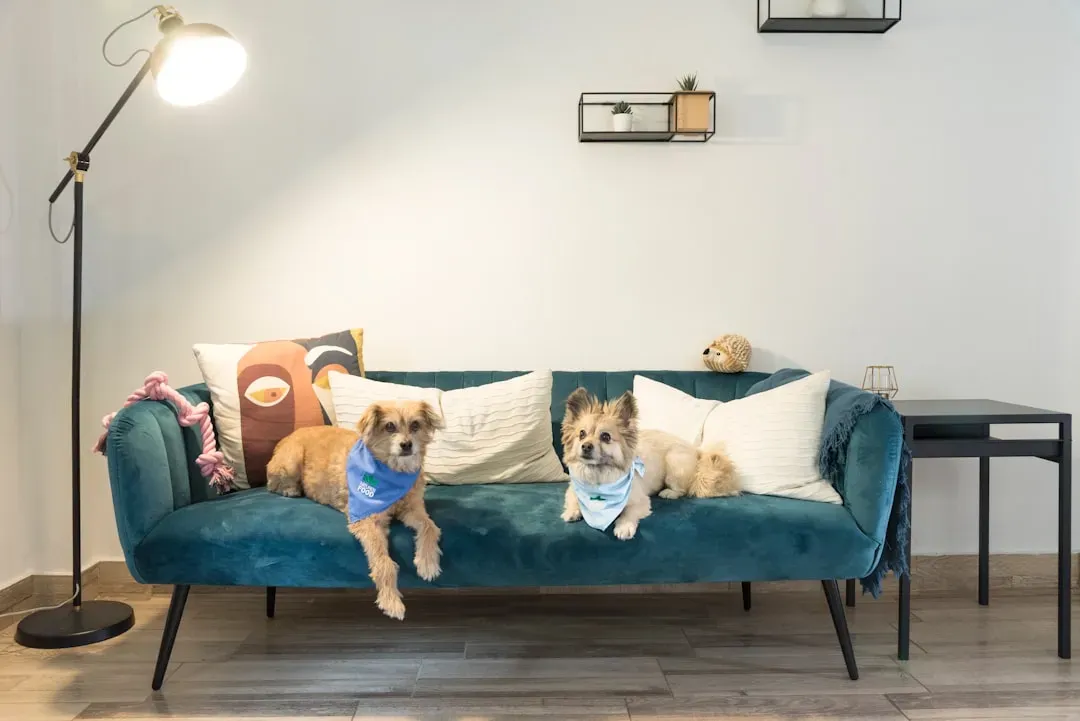
Choosing the right dog isn’t just about falling in love with a cute face or impressive pedigree. It’s about honestly assessing your living situation and lifestyle, then finding a breed whose needs align with what you can realistically provide. Small-space dogs like French Bulldogs and Cavalier King Charles Spaniels can thrive in apartments with proper exercise and attention, while breeds like Border Collies and German Shepherds genuinely need room to roam and jobs to do.
Remember, the happiest dogs are those whose natural instincts and energy levels match their environment. Whether you’re working with a studio apartment or sprawling acreage, there’s a perfect canine companion waiting to share your space. What do you think – did any of these breeds surprise you? Tell us in the comments which pup has stolen your heart.