
Look, we all love dogs. Those wagging tails, soulful eyes, and unconditional love make them impossible not to adore. Yet, here’s something not everyone tells you before you bring that adorable puppy home: some breeds can literally transform your peaceful existence into a whirlwind of stress, sleepless nights, and constant worry.
I’ve spent years working with dogs of all shapes and temperaments, and while every pup deserves love, certain breeds demand so much more than others. We’re talking about dogs that need hours of daily exercise, breeds with anxiety issues that manifest in destructive ways, and those requiring grooming regimens more intense than your own beauty routine. This isn’t about saying these dogs are bad or unlovable. It’s about being real with you so you know what you’re signing up for before those puppy eyes melt your resolve. Let’s dive into the breeds that might leave you wondering what exactly you got yourself into.
Border Collie: The Dog That Never Stops Thinking

Border Collies require constant mental stimulation and physical exercise. Honestly, if you thought raising a gifted child was challenging, try living with what’s basically a canine genius who never turns off. These dogs are so energetic that it’s almost impossible to tire them out, needing around two hours of exercise daily.
A bored, under-stimulated Border Collie can become anything from hyperactive to noisy to destructive to aggressive. Picture coming home to shredded furniture, holes in your yard, or a dog that’s literally herding your children around the house. Without a job or outlet for energy, Border Collies may become anxious and even nip at the ankles of children and other pets. These working dogs were bred to spend entire days sprinting across fields, making split-second decisions. Your average suburban backyard? That’s basically a prison to them.
Belgian Malinois: The “Maligator” That Bites First
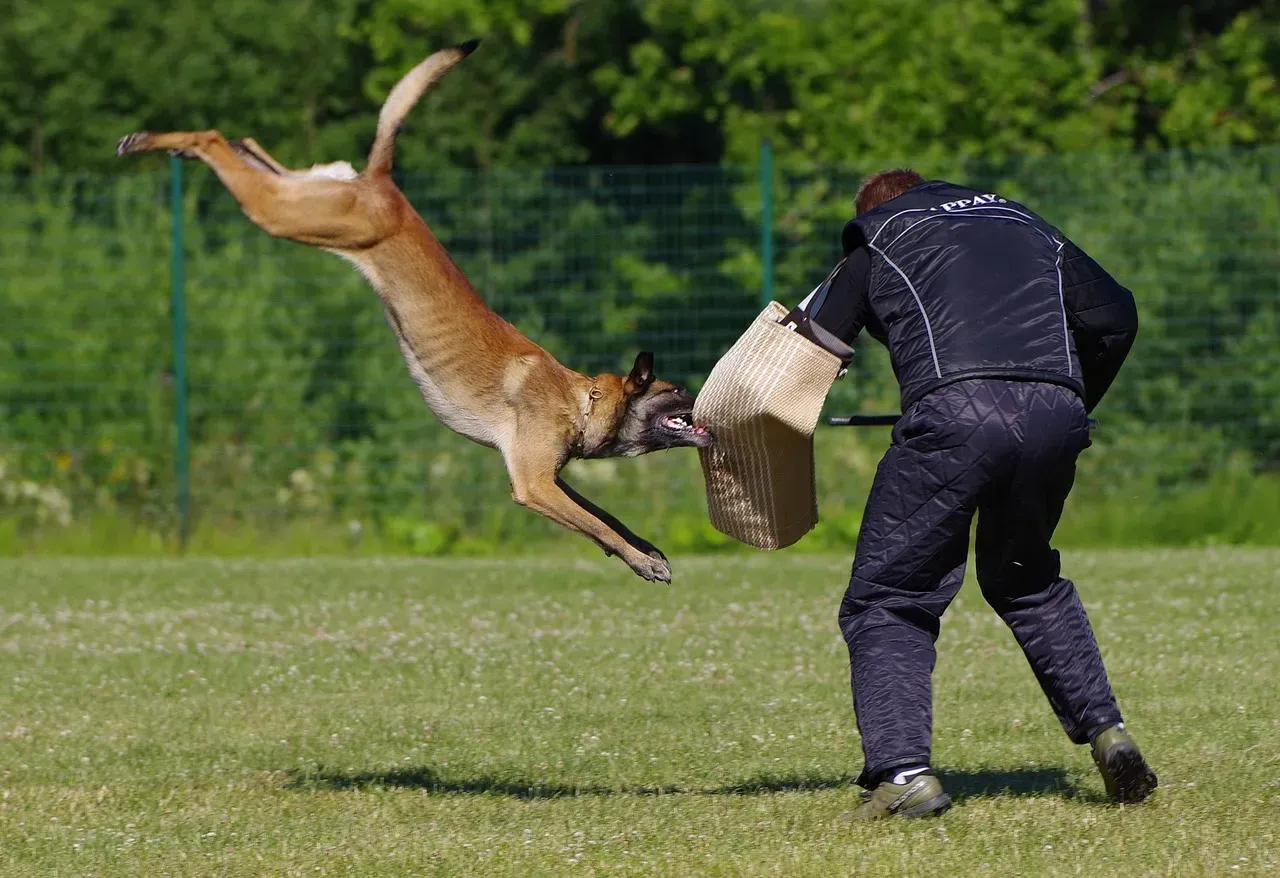
Belgian Malinois are known as Maligators because they enjoy biting and grabbing things with their teeth. Let’s be clear about something: this isn’t your typical family pet. A favorite among working dog professionals, the Belgian Malinois is not a casual companion and requires extensive training, physical exercise, and socialization.
These dogs need owners who understand firm, consistent training from day one. These smart dogs are quick to grab things with their teeth and need very tactful and expert training, though in the right hands they can be awesome. Without proper handling, you’re basically living with a furry tornado that has jaws. They’re brilliant dogs, sure, but that intelligence combined with their drive to work makes them a handful that most households simply aren’t equipped to manage.
Australian Shepherd: The Energizer Bunny With Herding Instincts
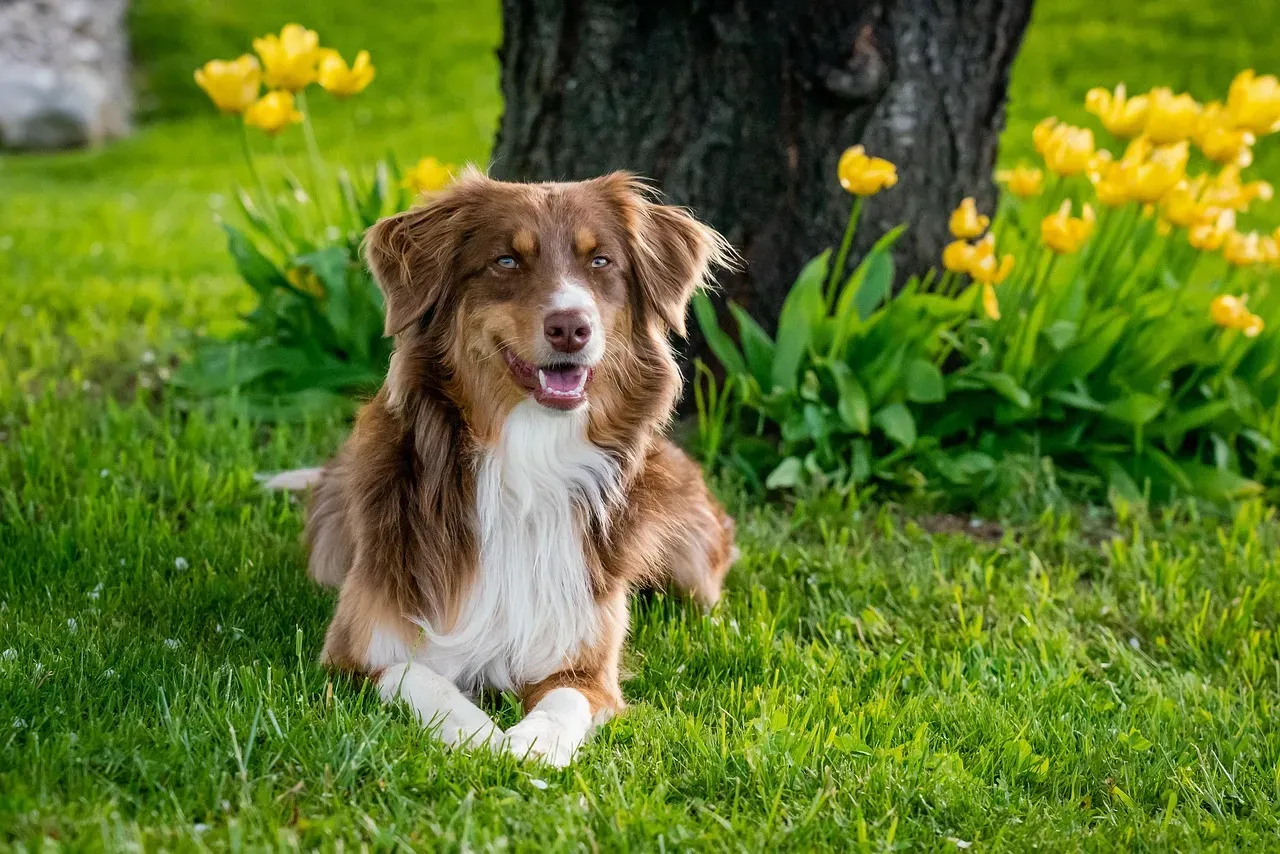
With unmatched energy and intelligence, Aussies need rigorous mental and physical stimulation and can become anxious without purpose or routine. These dogs weren’t meant to lounge on your couch during Netflix binges. Australian Shepherds are energetic dogs with innate herding instincts who need a huge amount of physical activity and mental stimulation daily.
What does this mean for you? Well, unless you enjoy being constantly on the move, it means stress. Australian Shepherds need plenty of physical and mental exercise to prevent boredom and destructive behaviors. They’ll try to herd your kids, your other pets, maybe even your guests at dinner parties. Without adequate outlets, that brilliant mind turns to less desirable activities like destroying your belongings or barking incessantly.
Siberian Husky: The Escape Artist Drama Queen
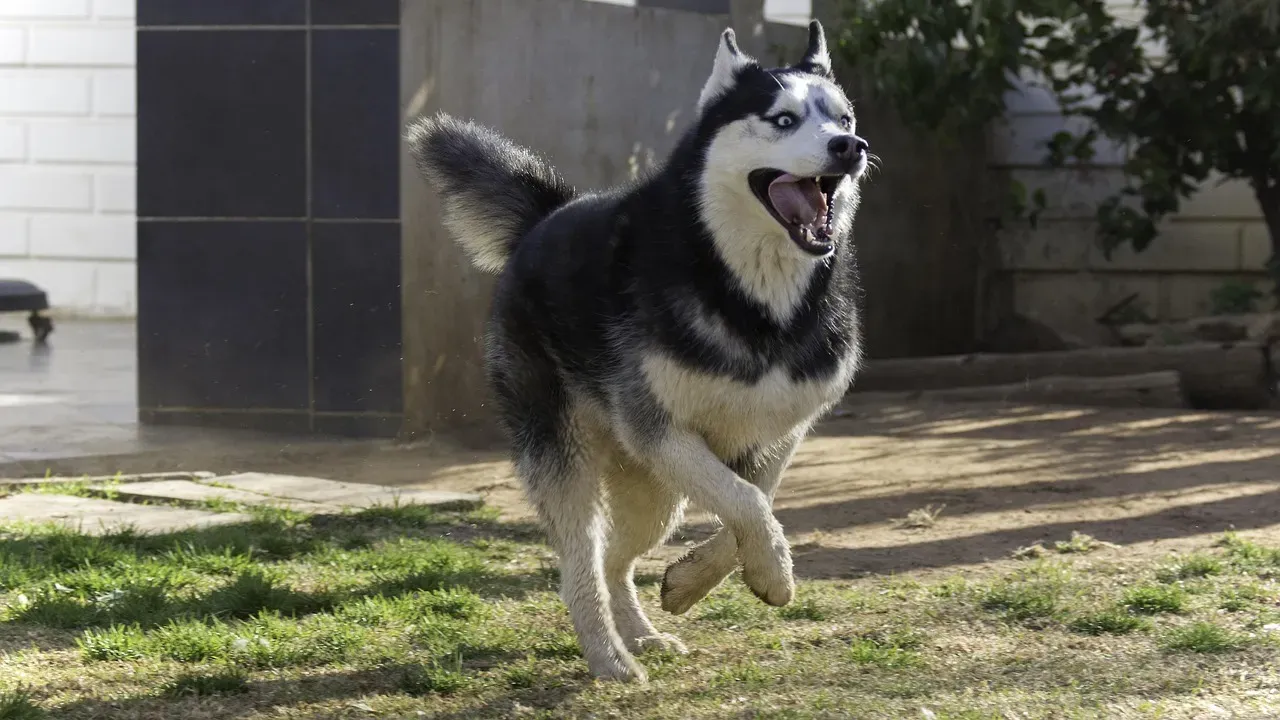
Siberian Huskies are energetic sled dogs with high prey drives, and the AKC says giving them a large yard to roam and run is ideal. These stunning dogs with those piercing blue eyes? They’re gorgeous until they’re jumping your fence for the third time this week. They were literally bred to run for miles across frozen tundra.
Think that’s manageable? These dogs won’t hesitate to chase after something that catches their eye. They’re vocal, stubborn, and have energy reserves that seem bottomless. Many Husky owners report constant battles with escape attempts, destructive behavior when bored, and that distinctive howling that your neighbors definitely won’t appreciate at three in the morning. They’re social pack animals, which sounds lovely until you realize they demand near-constant companionship and stimulation.
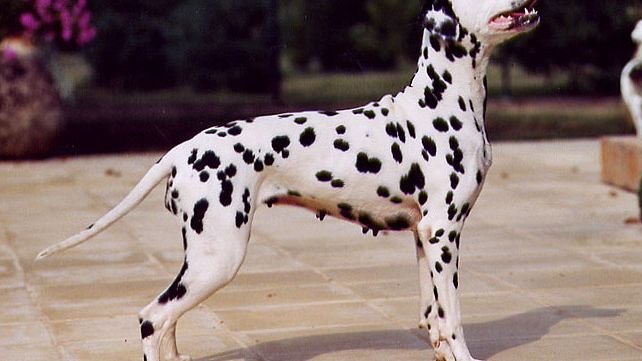
Dalmatian: The Stubborn Spotted Handful

Dalmatians can be aggressive and a bit stubborn, with constant training needed to help them mind their manners. Thanks to a certain animated movie, everyone thinks Dalmatians are perfect family dogs. Here’s the reality check: they’re high-energy bundles of stubbornness wrapped in a spotted package.
Dalmatians need a healthy dose of daily exercise, and if they get restless, these dogs look to destructive behaviors to relieve their boredom. Without proper outlets and firm, consistent training, you’re facing a dog that can become aggressive or destructive. They’re not naturally gentle with small children despite what the movies suggest. It takes a special kind of patience and dedication to raise a well-adjusted Dalmatian.
Akita: The Independent Guardian With an Attitude
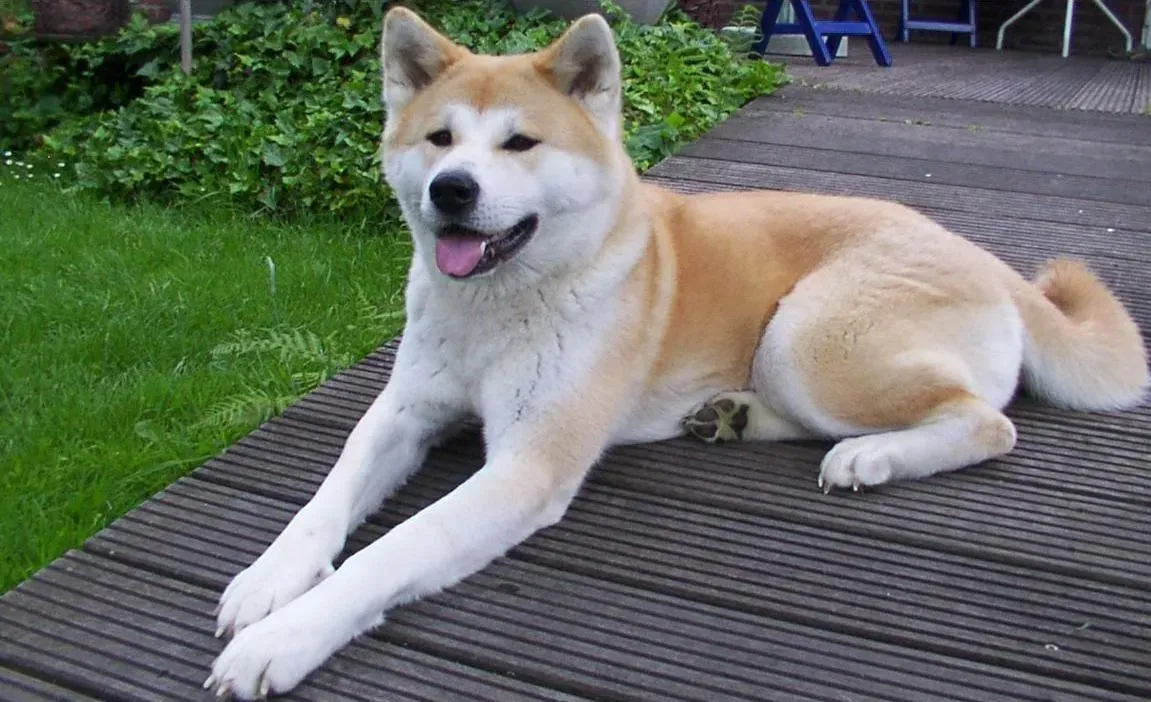
Akitas have a strong assertive nature and don’t tolerate poor dog handling. This is a bold breed that does not suffer fools gladly and is not a dog for inexperienced owners. Picture a dog that basically thinks it knows better than you. That’s your Akita. They’re gorgeous, loyal, and protective, but managing one requires experience and unwavering confidence.
Akitas can be aggressive towards other dogs and children. They need firm training from puppyhood and aren’t the type to shower everyone with affection. Akitas are working dogs who can be standoffish with strangers and easily irritated with other dogs of the same sex, requiring firm training and ample socialization. Living with an Akita means constantly managing their interactions, ensuring they’re properly trained, and accepting that your social life might revolve around your dog’s temperament.
Cocker Spaniel: The Velcro Dog With Separation Anxiety

Cocker Spaniels, with their gentle and affectionate nature, are prone to anxiety, particularly separation anxiety and fear-related anxiety. Those sweet, floppy ears hide a dog that basically cannot handle being alone. These little spaniels are typically a very needy, clingy breed that craves human companionship and were bred to be lap dogs, so they will demand all your attention.
Cocker Spaniels have intensive grooming requirements with thick hair needing daily brushing and trimming every four to six weeks. So you’re looking at a dog that needs constant grooming attention, can’t be left alone without distress, and may develop behavioral issues if their needs aren’t met perfectly. Grooming a cocker spaniel is a high-maintenance task which often requires weekly grooming time, and they’re also well known for liking to bark. That’s a lot of pressure on any owner.
German Shepherd: The Anxious Overachiever
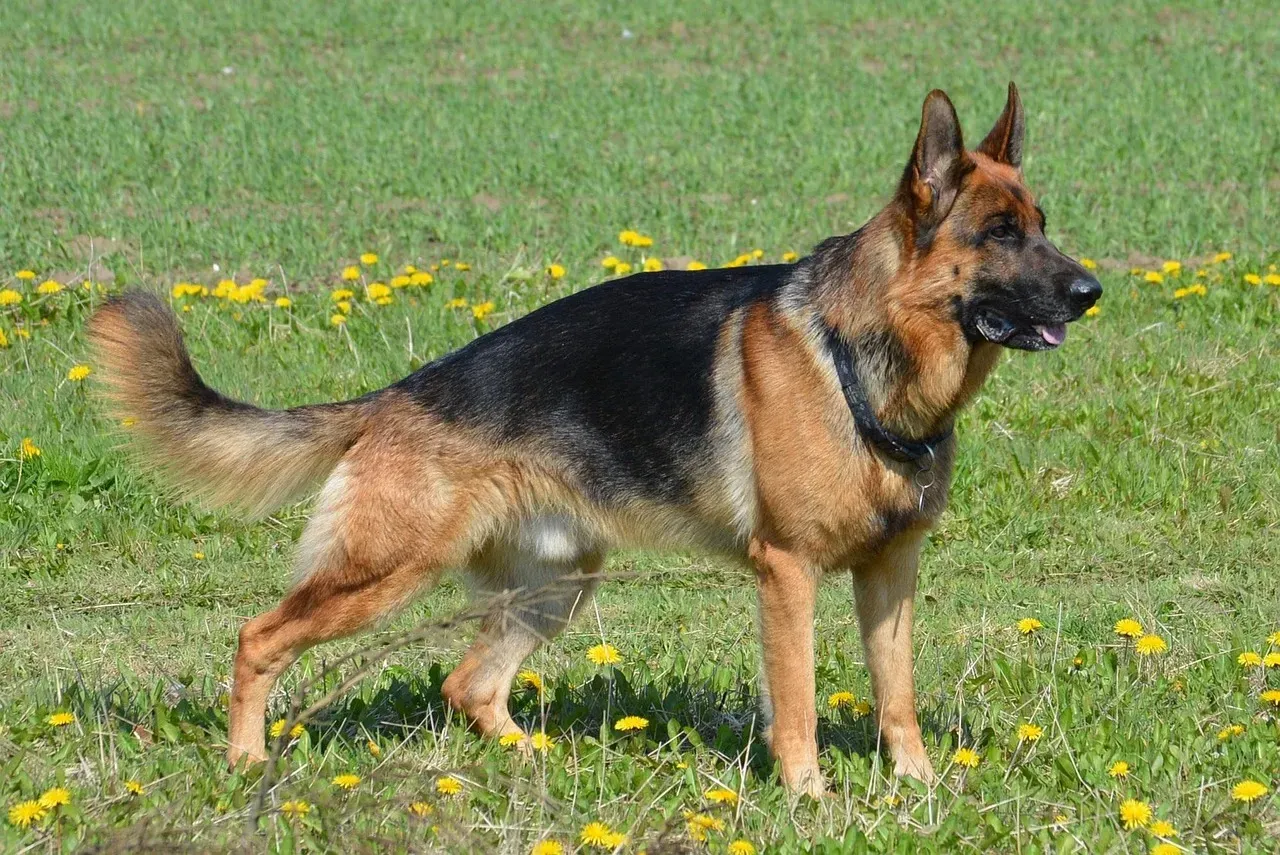
German Shepherds are working dogs who do best when an environment is physically and mentally stimulating, and left alone and bored, they can be distressed. These iconic police and military dogs are brilliant, loyal, and incredibly capable. They’re also prone to anxiety when their considerable needs aren’t met.
German Shepherds were initially trained to be shepherds, running around for hours, which turned them into a highly energetic breed requiring almost two hours of daily exercise including running and playing. Without adequate physical and mental challenges, they can develop anxiety-related behaviors. They bond intensely with their families, which sounds wonderful until you realize that means they struggle significantly when left alone. Many German Shepherds develop destructive behaviors, excessive barking, or even aggression when their complex needs go unmet.
Vizsla: The Velcro Dog on Steroids

Vizslas are high-energy dogs who need vigorous physical activity and mental stimulation or they can turn to destructive tendencies. This is a Velcro dog that likes to stick close to its owner at all times. Imagine a dog that literally follows you from room to room, becomes distressed if you’re out of sight, and has seemingly endless energy reserves.
Vizslas are hunting dogs bred to hunt with their humans, are social, and do poorly when left alone with nothing to do, with time without physical activity leading to distress and anxiety. They’re beautiful, affectionate dogs that demand your complete attention and participation in life. Unless you’re prepared for a dog that basically becomes your shadow and requires hours of daily exercise, a Vizsla will stress you out quickly. They’re attention-seekers in the truest sense, and that neediness never really turns off.
Chow Chow: The Stubborn Fluffball With Attitude
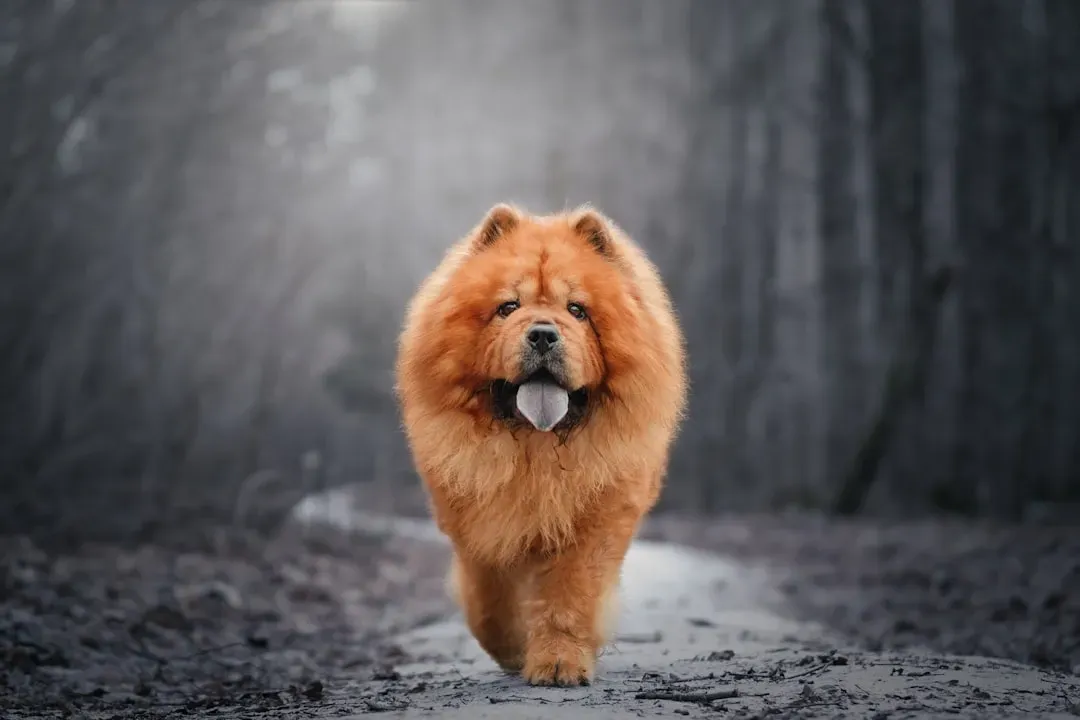
Chow Chows are very independent, strong-willed, and stubborn dogs that can be difficult to train, and without proper socialization, they can easily become aggressive. That adorable teddy bear appearance is deceiving. Underneath all that fluff is a dog with an iron will and zero interest in pleasing you.
Their beautiful, thick coat needs a lot of maintenance with daily brushing and regular attention from a groomer to avoid developing an uncomfortable matted pelt. So you’re dealing with grooming that takes hours each week plus a temperament that challenges even experienced handlers. Chow Chows are deeply devoted to their families yet often wary of strangers, making early training and careful socialization a necessity to avoid overly defensive behavior. Living with a Chow Chow means constant vigilance, extensive grooming sessions, and accepting that your dog might never be the social butterfly you imagined.
Conclusion
These ten breeds can absolutely make wonderful companions for the right owners. That’s the key phrase though: the right owners. Someone with endless energy, experience with dogs, time for training and exercise, and realistic expectations can thrive with any of these breeds. The problem comes when people fall in love with a cute face without understanding the commitment involved.
Every dog deserves a home where their needs can be met without constant struggle. If you’re considering one of these breeds, take a hard, honest look at your lifestyle first. Can you really provide two hours of daily exercise? Are you prepared for a dog that might destroy your home when anxious? Do you have the experience to handle a strong-willed, potentially aggressive dog?
There’s no shame in choosing a lower-maintenance breed that fits your actual life rather than the one you imagine having. Your stress levels and the dog’s happiness both depend on making the right match. Which of these breeds surprised you the most? Would you still consider bringing one home despite the challenges?


