
You’ve probably seen them at the dog park or in your neighborhood. Maybe you’ve even fallen in love with their adorable faces or their impressive size. Honestly, choosing a dog is one of the most exciting decisions you’ll ever make.
There’s something magical about bringing a new companion into your home, someone who will greet you at the door and love you unconditionally. Michigan’s climate brings unique challenges for our canine friends, though. The bitterly cold winters and humid summers can pose serious health risks for certain breeds. Let me be clear from the start: this isn’t about labeling any dog as bad or unlovable. It’s about understanding which breeds may struggle in our Michigan environment and require extraordinary care, often accompanied by hefty veterinary bills. So let’s dive in and explore what veterinary professionals are seeing in their practices across the Great Lakes State.
1. English Bulldogs: The Breathing Struggle Is Real

English Bulldogs face serious respiratory challenges due to their flat faces and shortened airways, a condition known as brachycephalic airway syndrome. Michigan’s humid summers make breathing even harder for these lovable pups. Picture your Bulldog trying to cool down through panting when their airways are already compromised.
These dogs struggle to regulate their body temperature in both hot and cold weather, and can overheat even under normal conditions. Their stocky build also predisposes them to obesity, which compounds respiratory and joint problems. Bulldogs commonly develop hip and elbow dysplasia, and skin infections in their facial folds require constant attention. The reality is that many Bulldog owners face a lifetime of veterinary interventions and expensive care. Their adorable wrinkled faces come with a price tag that extends far beyond the initial purchase.
2. Pugs: Cute But Costly

Let’s be real, Pugs are incredibly charming with their bug eyes and playful personalities. However, like other brachycephalic breeds, Pugs are prone to breathing difficulties caused by their shortened skull structure. In Michigan’s variable climate, these little dogs face challenges year-round.
Their prominent eyes make them vulnerable to serious issues such as proptosis, where the eyeball can actually displace from the socket, and painful corneal ulcers. Pugs are among the breeds most sensitive to heat extremes, lacking sufficient surface area in their nasal passages to cool themselves effectively. Winter isn’t much easier, as cold air further constricts their already narrow airways. Veterinarians consistently see Pugs requiring specialized care, from eye surgeries to breathing interventions.
3. German Shepherds: The Heartbreak of Hip Dysplasia
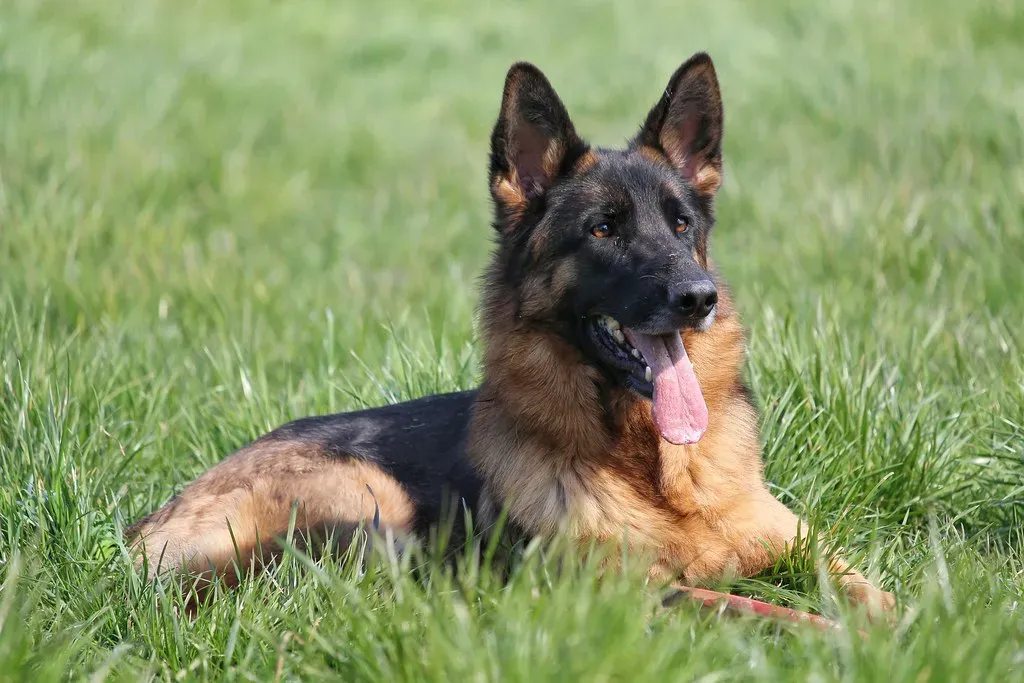
German Shepherds are admired for their intelligence and loyalty, but their sloped back structure often contributes to spinal problems, and degenerative myelopathy gradually paralyzes the hind legs. This is a breed I personally find beautiful, yet their genetic predispositions create heartbreaking scenarios for families.
They’re at significant risk for both elbow and hip dysplasia, conditions where joints don’t develop properly, leading to arthritis and chronic pain. Bloat, a life-threatening condition where the stomach fills with gas and twists, is another major concern, requiring smaller, more frequent meals and careful monitoring after eating. Michigan’s cold winters can exacerbate joint pain in these large, active dogs. Veterinary care throughout their lifetime can become quite expensive, especially when managing multiple chronic conditions simultaneously.
4. Dachshunds: Long Bodies, Big Problems
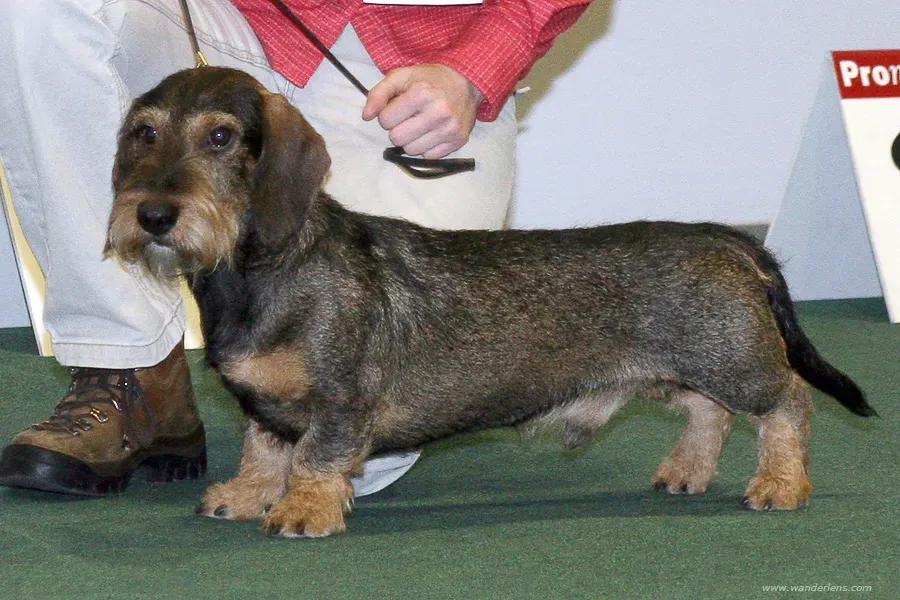
Though Dachshunds have terrific personalities, their common and painful back problems make them concerning for prospective owners, largely due to a cartilage defect called chondrodystrophy that gives them their distinctive short-legged shape. Think about it: their elongated spines carry a disproportionate amount of stress throughout their lives.
The cartilage defect means that discs in their spine commonly become diseased over time, eventually making them more likely to herniate or slip. Jumping off furniture, climbing stairs, even vigorous play can result in serious spinal injuries. Many Dachshund owners in Michigan end up restricting their dog’s activities significantly, investing in ramps and carefully managing their weight. Spinal surgeries are not uncommon, and the recovery process is lengthy and expensive. These little sausage dogs might steal your heart, but they’ll also require vigilant, sometimes exhausting care.
5. Cavalier King Charles Spaniels: Heart-Wrenching Health Issues

Cavalier King Charles Spaniels, with their endearing personalities, frequently experience heart issues, particularly mitral valve disease, requiring regular heart monitoring and specialized diets. I know it sounds crazy, but roughly half of these sweet dogs will develop heart problems by age five.
They may also face neurological issues like syringomyelia, a painful condition characterized by fluid-filled cavities within the spinal cord. The prevalence of these conditions means Cavaliers often require specialized care, frequent vet visits, and potentially expensive treatments, making them one of the costlier breeds in terms of healthcare. Their gentle nature makes them wonderful companions, yet the emotional and financial toll of managing their health conditions can be overwhelming. Michigan families considering this breed need to prepare for long-term veterinary partnerships.
6. Boxers: The Cancer Risk

Boxers are prone to cancer, particularly brain, skin, and bone cancer, with studies finding that nearly half of this breed died from cancer. That’s a staggering statistic that should give any potential owner pause. These energetic, lovable dogs have so much to offer, yet their genetic predisposition is sobering.
According to research compiled by the Royal Veterinary College in London, Boxers are genetically predisposed to an astonishing 76 different health conditions. Early detection through regular veterinary checkups is absolutely critical. Boxers also face heart problems and joint issues as they age. Here’s the thing: while you can’t prevent genetic cancer, you can stay vigilant and work closely with your vet to catch problems early. Still, the emotional weight of knowing your beloved companion faces such high cancer risk is something families need to seriously consider before bringing a Boxer home.
7. Saint Bernards: Gentle Giants With Shortened Lifespans
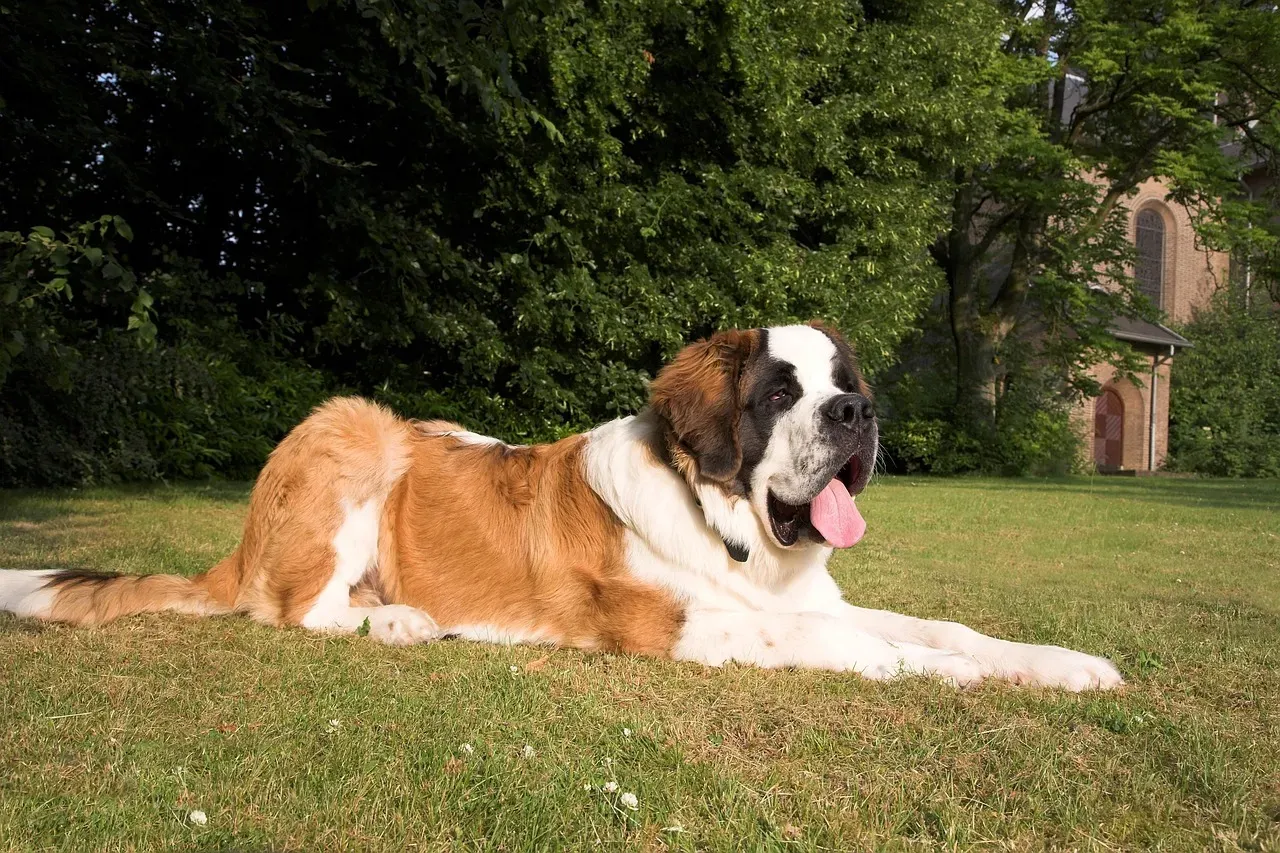
Saint Bernards have a life expectancy of just over nine years, with Swedish studies showing roughly three-quarters died by age ten, significantly higher than the overall rate. These massive, drooling sweethearts are icons of loyalty, yet their size works against them.
Large breeds like Saint Bernards face greater risk of bone cancers such as osteosarcoma, which is thought to have a genetic factor, with tumors that are fast-growing and painful, typically occurring in middle-aged and older dogs. Gastric dilatation volvulus, or bloat, is another major concern, a life-threatening condition where the stomach fills with gas and twists on itself. Hip and elbow dysplasia are common, causing pain and mobility problems, and heart problems like dilated cardiomyopathy also affect this breed. Michigan winters can be hard on their aging joints. Their shortened lifespan means families have less time with these gentle giants, making every year precious yet tinged with the awareness of their vulnerabilities.
8. Great Danes: Big Dogs, Big Health Concerns
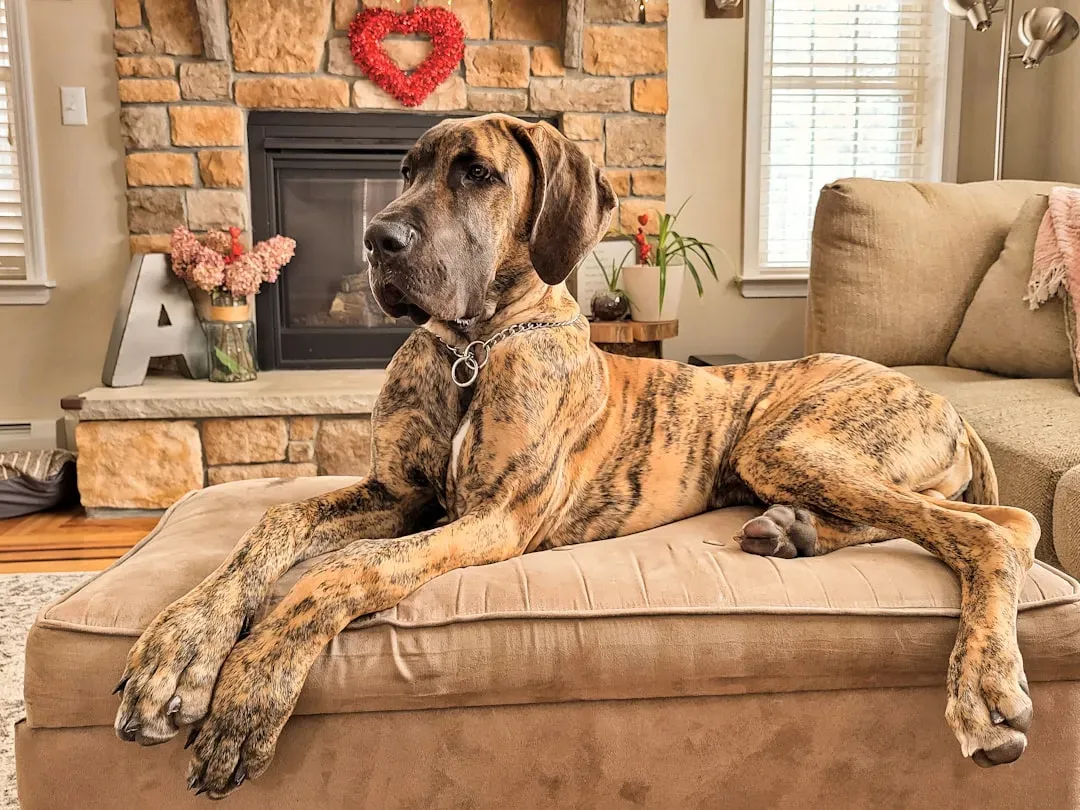
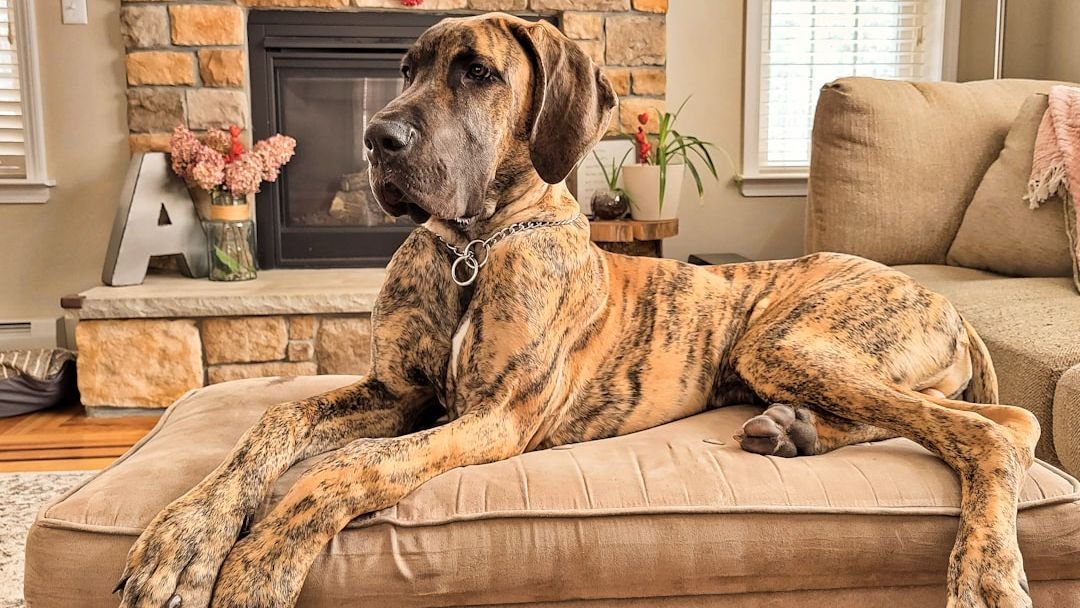
Great Danes often deal with heart problems, especially dilated cardiomyopathy, a serious cardiac condition common in large breeds. These towering dogs capture attention wherever they go, but their majestic size comes with significant health trade-offs. Their lifespan typically ranges from seven to ten years.
Both hip dysplasia and bloat, also known as gastric dilatation-volvulus, are major concerns for Great Danes. Like other large dogs, Great Danes are prone to osteosarcoma or bone cancer. Feeding requires careful attention to prevent bloat, and Michigan’s climate can stress their cardiovascular system. Veterinary care for such large dogs is inherently more expensive due to medication dosages and surgical complexities. The emotional challenge of loving a dog with such a short expected lifespan weighs heavily on families who welcome these gentle giants into their homes.
9. French Bulldogs: America’s Most Popular Problem
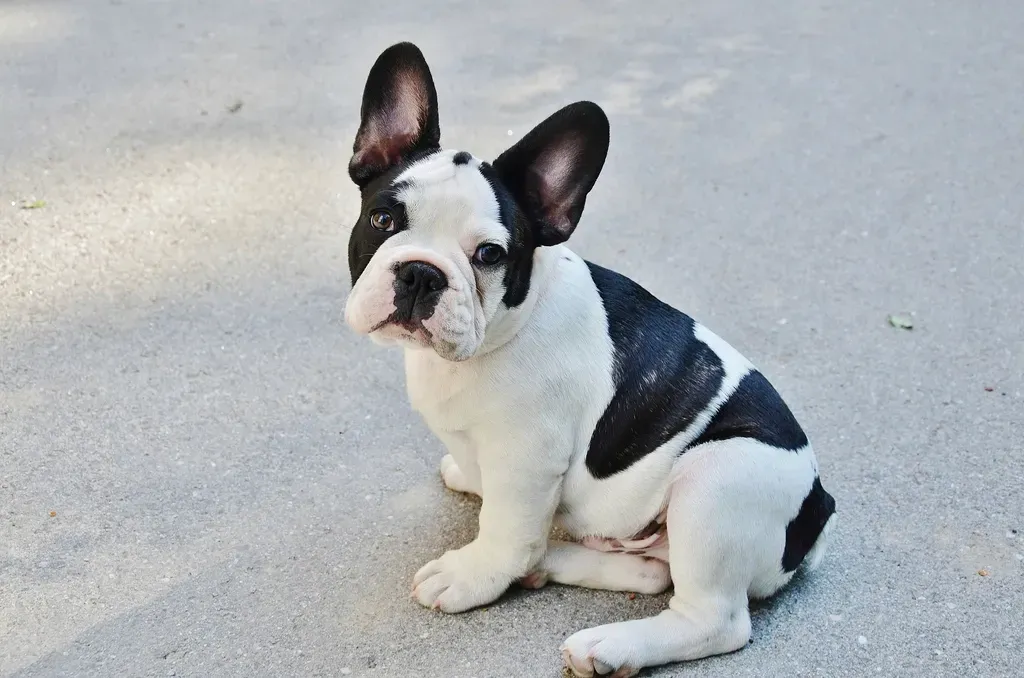
French Bulldogs are among the most popular breeds in the United States, yet due to their head conformation, they often have small nostrils, a narrow throat, and small airways, leading to respiratory issues and airway obstruction. Walk through any Michigan neighborhood and you’ll spot these bat-eared cuties everywhere.
Veterinarians warn that guardians of French Bulldogs can expect a lifetime of expensive medical bills because of their tendency to suffer from numerous ailments. Due to the shape of their heads and associated respiratory issues, brachycephalic dogs may have trouble panting enough to cool off in hot, humid weather, especially when exercising. Michigan’s summer humidity is particularly dangerous for Frenchies. Brachycephalic dogs are at increased risk for complications with sedation or anesthesia since recovery may be more difficult due to narrowed airways, and tissue swelling can further worsen breathing during recovery. The breed’s popularity has unfortunately led to irresponsible breeding practices, compounding health issues. They’re adorable, absolutely, but prospective owners must be prepared for intensive, ongoing veterinary care.
10. Shih Tzus: Small Dogs, Significant Health Issues

Due to their small mouths and crowded teeth, Shih Tzus commonly suffer from periodontal disease, which can lead to pain, infection, and tooth loss without proper dental care. These fluffy little companions seem low-maintenance at first glance, yet dental issues alone can become costly.
Shih Tzus are prone to luxating patellas, a condition where the kneecap slips out of place, leading to lameness or difficulty walking. As a brachycephalic breed, they also suffer from brachycephalic airway syndrome, which causes breathing difficulties, especially in hot or humid weather. Michigan summers put stress on their respiratory systems, while their long coats require regular grooming to prevent skin infections. Ear infections are another frequent problem. The cumulative cost of dental cleanings, potential knee surgeries, and ongoing grooming can surprise owners who initially chose Shih Tzus thinking they’d be easy, inexpensive companions.
Conclusion: Making an Informed Decision
Choosing a dog breed is deeply personal, and no article can make that decision for you. What veterinarians see day after day in Michigan clinics, however, paints a clear picture: certain breeds face disproportionate health challenges that require extraordinary commitment and financial resources. The breeds mentioned here aren’t unlovable or unworthy of homes. Many families successfully care for these dogs and wouldn’t trade their experiences for anything.
The key is going in with your eyes wide open. Understand that brachycephalic breeds will struggle in Michigan’s climate. Know that giant breeds have heartbreakingly short lifespans. Recognize that genetic predispositions to cancer, joint problems, and heart disease aren’t rare exceptions but documented realities. If you’re still drawn to one of these breeds after considering the challenges, connect with reputable breeders who prioritize health testing, budget generously for veterinary care, and establish a relationship with a trusted vet from day one. Sometimes the most loving decision is choosing a healthier breed or adopting a mixed-breed dog whose genetic diversity offers better odds. What’s your take on balancing the desire for a specific breed with the reality of potential health struggles? Have you experienced this with your own dog?


