
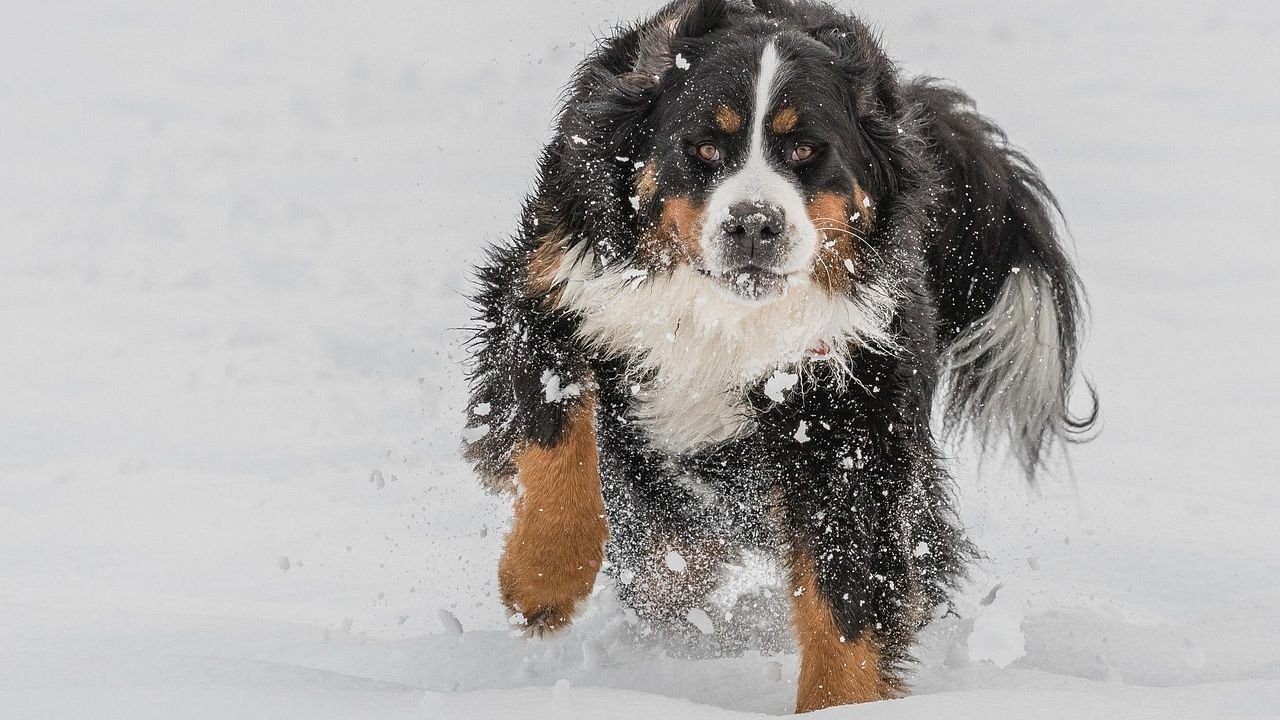
Think your dog is ready for a North Dakota winter? Well, maybe not. When the wind chill hits negative fifty and your car refuses to start, you’re going to need more than good intentions to keep a furry companion comfortable. North Dakota winters aren’t a joke. They’re relentless, brutal, and honestly, kind of impressive in their ability to freeze everything solid.
The truth is, not every dog can handle what North Dakota throws at them. Some breeds were literally made for this, with coats engineered by nature to laugh in the face of a blizzard. Others? Not so much. So let’s dive into the breeds that won’t just survive North Dakota’s icy grip, they’ll absolutely love it.
1. Siberian Husky
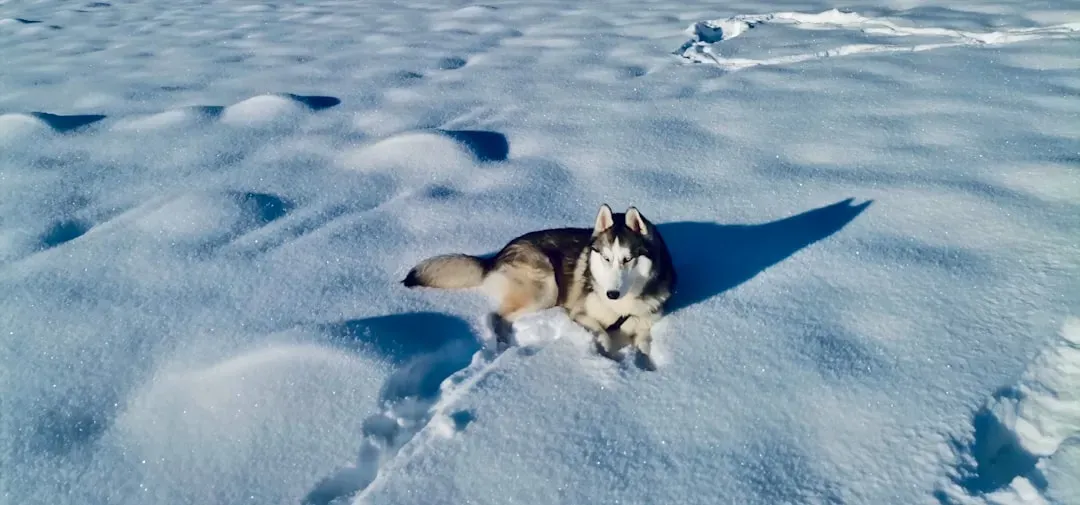
Siberian Huskies feel at home in North Dakota’s winter landscape like few other breeds, originally developed by the Chukchi people of Siberia for sled pulling in extreme cold. These dogs aren’t fazed by subzero temperatures. In fact, they seem to come alive when the mercury drops.
Cold-weather dog breeds have a thick double coat to help them thrive in winter, with many of these dogs’ ancestors hailing from the Arctic or other frigid regions. Huskies thrive in cold weather but struggle during North Dakota’s hot summer months. You’ll notice your Husky would rather stay outside in a snowstorm than curl up by the heater, which is pretty much their entire personality summed up.
2. Alaskan Malamute
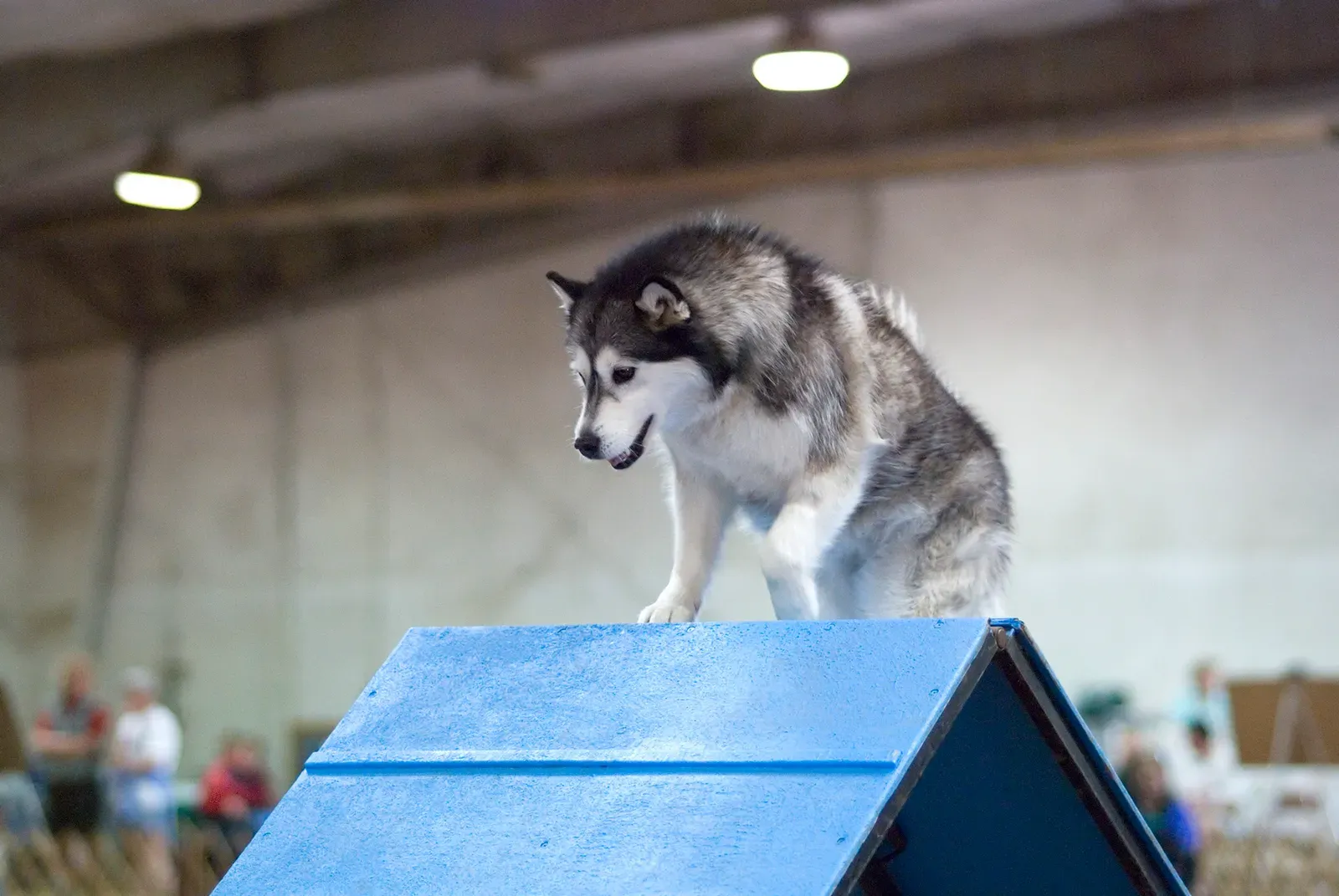
The native Mahlemut people relied on Alaskan Malamutes for survival, entrusting them to hunt seals, scare off polar bears, and haul heavy loads on sleds, with Malamutes taller and around 20 pounds heavier than Huskies with an even thicker coat. This breed was designed to endure the coldest climates on earth. Let’s be real, if a Malamute can scare off polar bears, they’re not going to complain about a North Dakota winter.
The Alaskan Malamute can tolerate temperatures as low as negative twenty degrees Fahrenheit, with their thick and waterproof double coat making them suitable for the frozen Arctic. These dogs are gentle despite their size, making them excellent family companions who just happen to double as furry snow plows. They love having a job to do, even if that job is just romping through knee-deep drifts in your backyard.
3. Bernese Mountain Dog
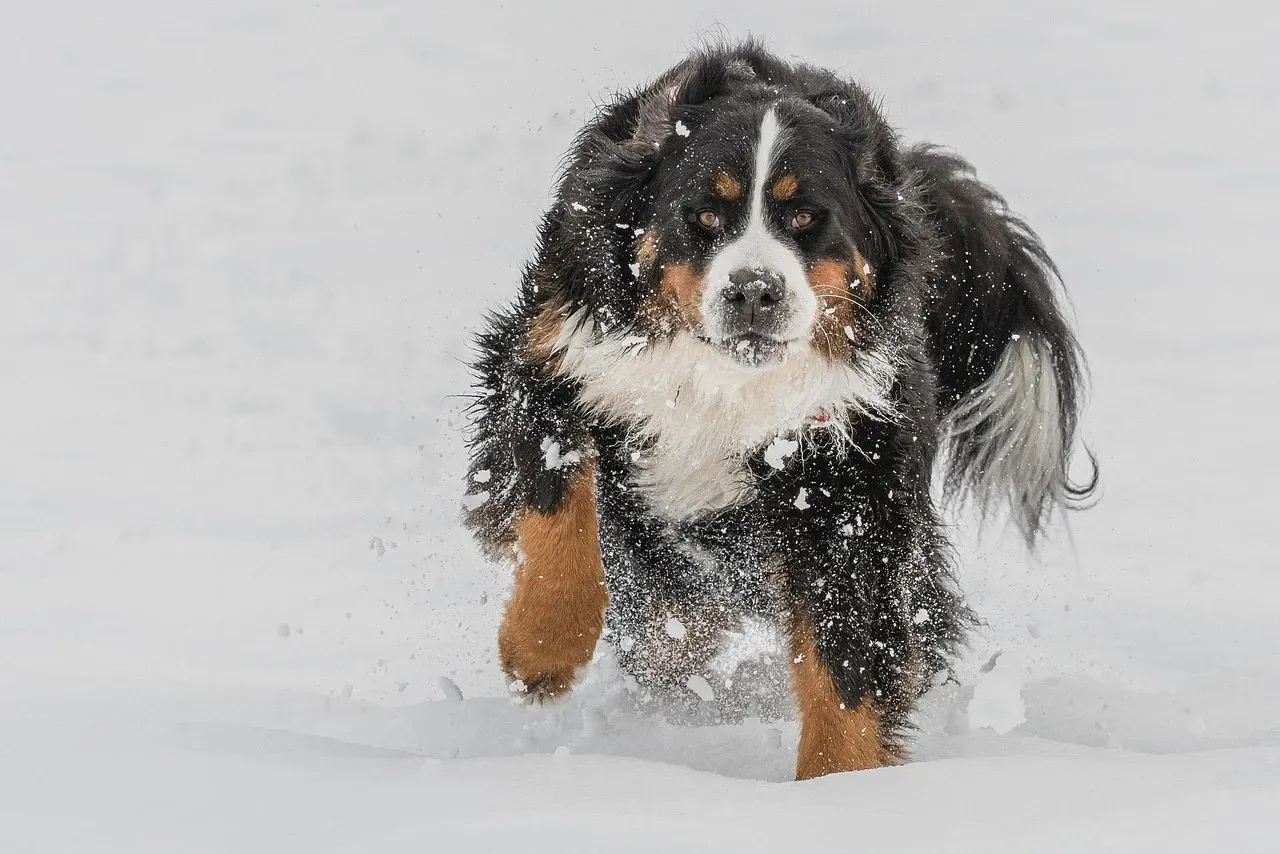
Bernese Mountain Dogs feature tri-colored coats that provide excellent cold-weather insulation, with their thick double coat evolved for working in cold Swiss mountains. This breed is basically Switzerland in dog form: calm, dependable, and totally unfazed by winter weather. They were farm dogs first and companion dogs second, so they know how to handle the elements.
An affectionate cold-weather dog breed, the Bernese Mountain Dog is a gentle soul that loves to play, bred to be farm dogs in Switzerland, with their thick double coat protecting their skin from moisture and low temperatures. Bernese Mountain Dogs demonstrate remarkable gentleness with children, earning them reputations as patient family companions. Honestly, it’s hard to say for sure, but these dogs might just be the perfect combination of tough and tender for a North Dakota family.
4. Saint Bernard
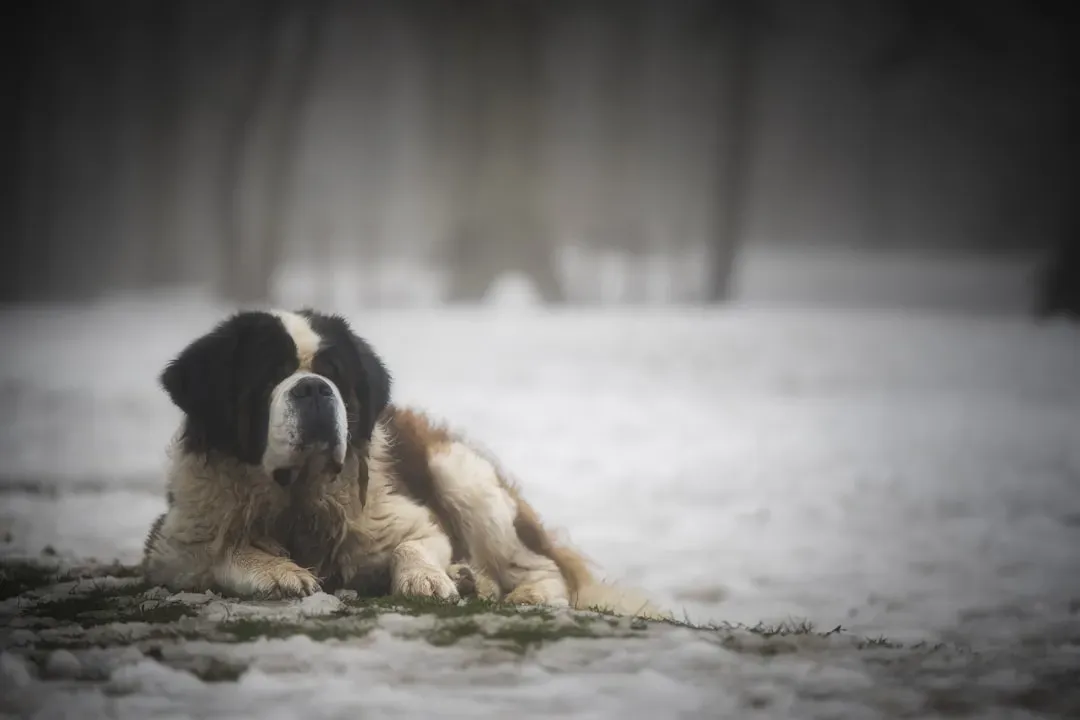
The Saint Bernard is the epitome of a snow dog – for centuries, they have been used as search and rescue dogs to find people buried under snow, also serving as popular family pets thanks to their gentle and friendly temperament. Picture a giant, drooling hero who just wants to keep you safe. That’s a Saint Bernard in a nutshell. They were literally rescuing people from avalanches in the Swiss Alps before it was cool.
Saint Bernards were bred to rescue travelers in the icy Alps with their thick coats and calm nature making them perfectly suited for cold climates, affectionate and loyal despite their massive size. These gentle giants thrive in cold weather and bring both physical warmth and emotional heart to any winter day. Just be prepared for the drool factor to increase exponentially.
5. Newfoundland
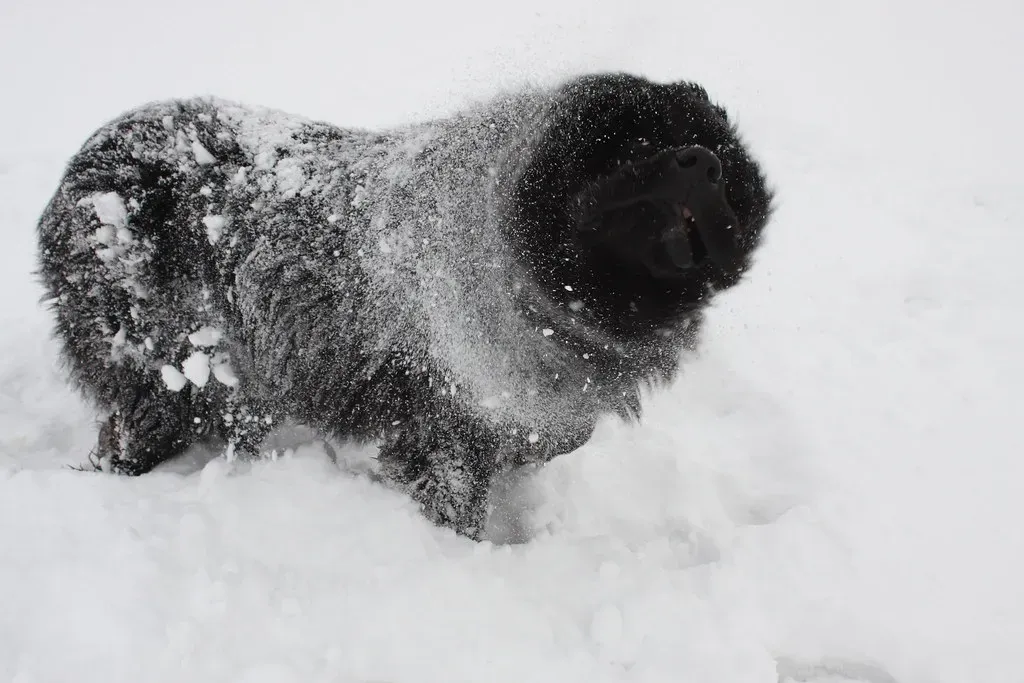
Newfoundlands are well known for their dense, water-resistant double coat with a soft, insulating undercoat and a longer, coarse outer coat designed to keep them warm in frigid temperatures and protect them during activities in cold water. Newfoundlands – commonly called Newfies – come from Newfoundland, Canada, and are well-suited to winter. These dogs are basically the teddy bears of the cold-weather world, except they can also save your life in icy water.
Newfies can comfortably tolerate temperatures between 10F to 80F. They’ll spend hours outside in a North Dakota winter without batting an eye, which is saying something. Newfies have low energy, but come chock full of friendliness and protectiveness, calm and patient, and can weigh up to 150 pounds. They’re like having a personal winter bodyguard who also wants belly rubs.
6. Great Pyrenees
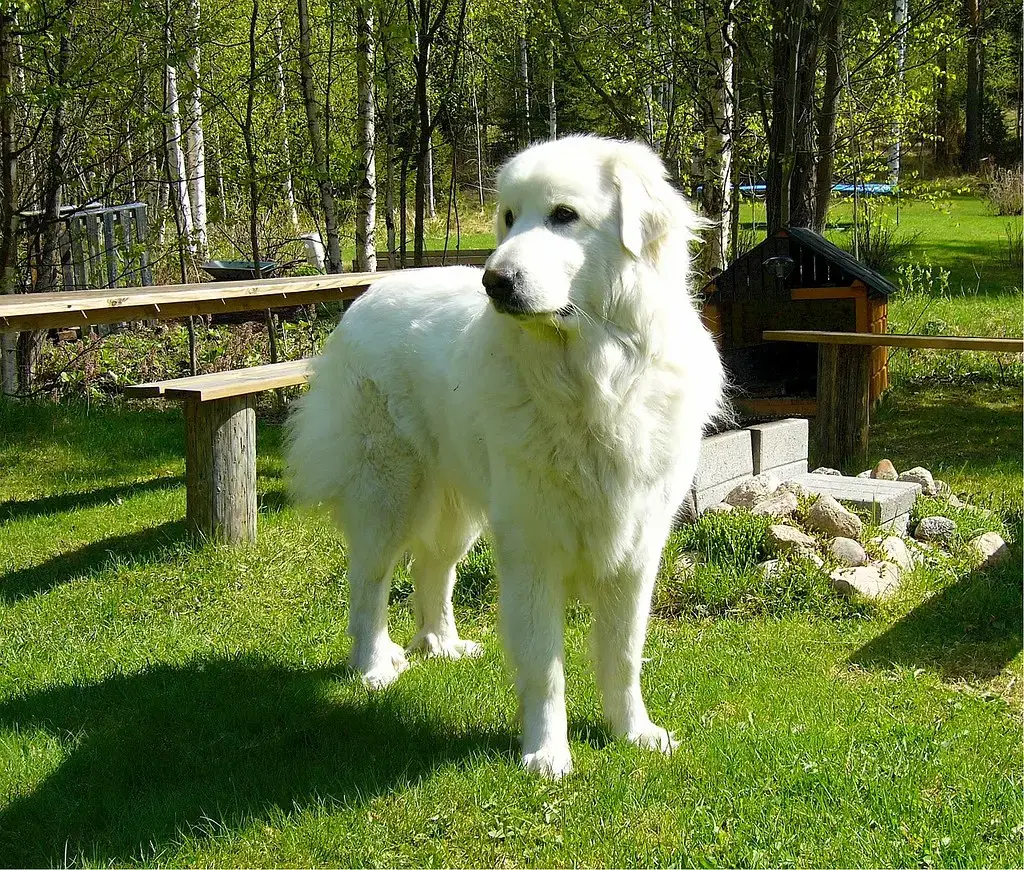
The Great Pyrenees is a large working dog from the Pyrenees mountains between Spain and France, built to navigate snowy terrain, where they historically guarded livestock from predators. These large, independent dogs were developed to protect sheep flocks in the Pyrenees Mountains, creating natural adaptations for outdoor work in cold climates. They’re essentially mountain royalty with a coat to match.
Great Pyrenees love winter, with their thick, double coat protecting them from all but the most arctic of temperatures. If you’ve got livestock or just want a majestic, calm companion who won’t flinch at a blizzard, this is your breed. They’re independent thinkers, so training takes patience, yet their loyalty to family is unwavering.
7. Samoyed
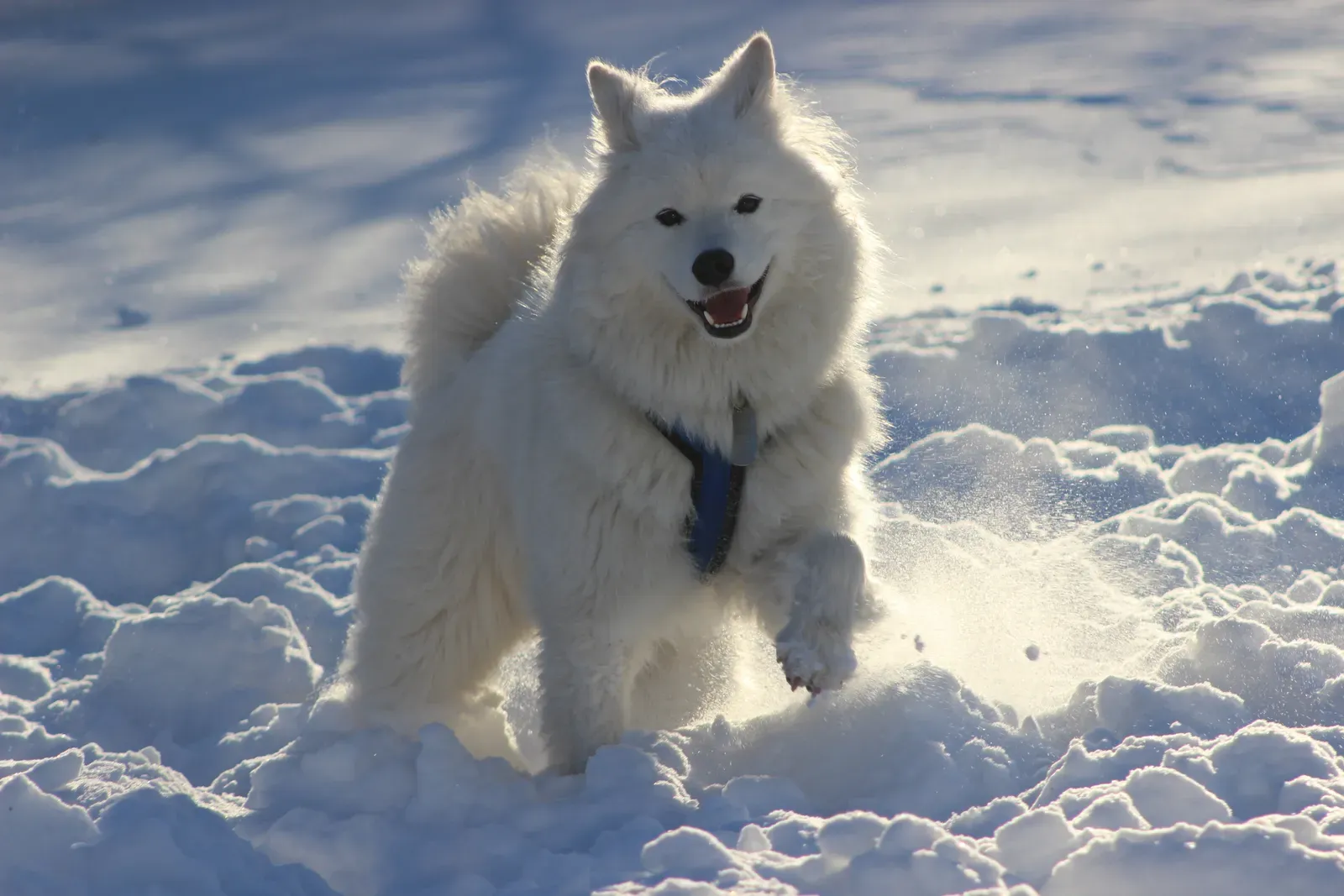
The Samoyed is an Arctic dog breed with an elegant white coat, companions to the Samoyed people in Siberia for generations before coming to the U.S. in the early 20th century, beloved for their friendly personality and face that’s shaped into a permanent smile. Here’s the thing: that smile isn’t just adorable, it’s functional. It prevents icicles from forming around their mouths in extreme cold. Nature is wild like that.
Samoyeds were bred to withstand Siberia’s freezing temperatures with their dense, weather-resistant coat keeping them warm even in deep snow, while their cheerful, social nature makes them wonderful companions. They’re fluffy bundles of joy who happen to have Arctic DNA running through their veins. Perfect for anyone who wants a dog that’s both functional and Instagram-ready.
8. Norwegian Elkhound
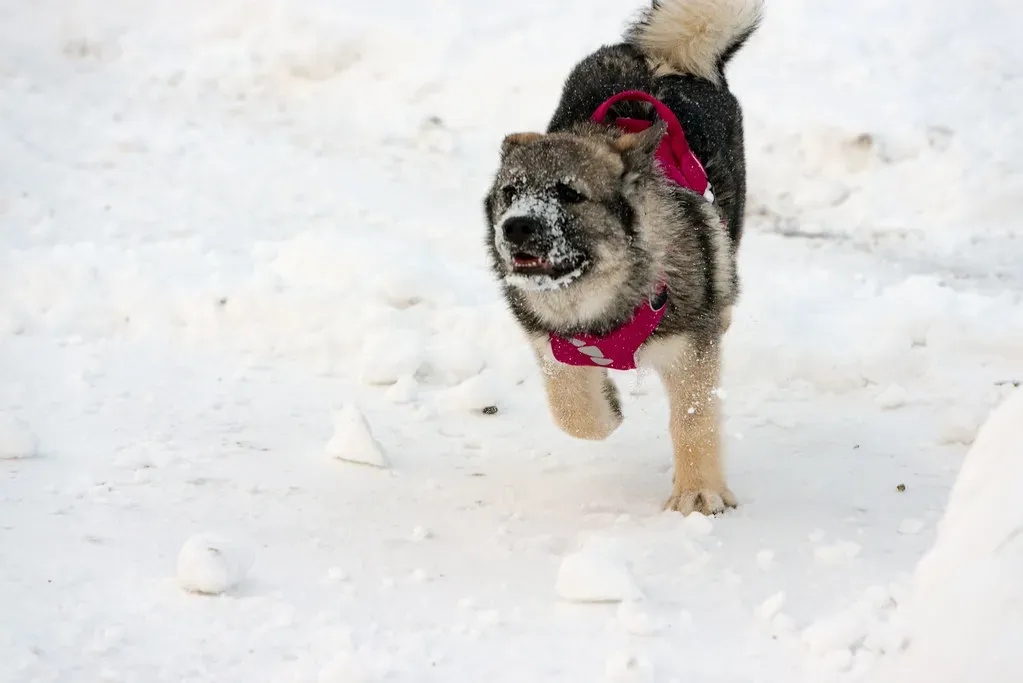
Norwegian Elkhounds are cold weather dogs dating back to the Vikings, originally used as hunting dogs and now the national dog of Norway. Vikings, people. If they trusted these dogs in their harsh Scandinavian winters, you can trust them in North Dakota. They’re tough, resilient, and ready for adventure no matter the temperature.
Norwegian Elkhounds are ancient breeds from Scandinavia with Nordic traits used to hunting in cold climates, always ready for adventure – especially in the snow – with a smooth outer coat and a wooly undercoat. This history means they can have a lingering prey drive and may chase after smaller animals, such as squirrels, rabbits, or cats. Keep them on a leash if you’ve got small critters around, but otherwise, they’re loyal and energetic winter companions.
9. Akita
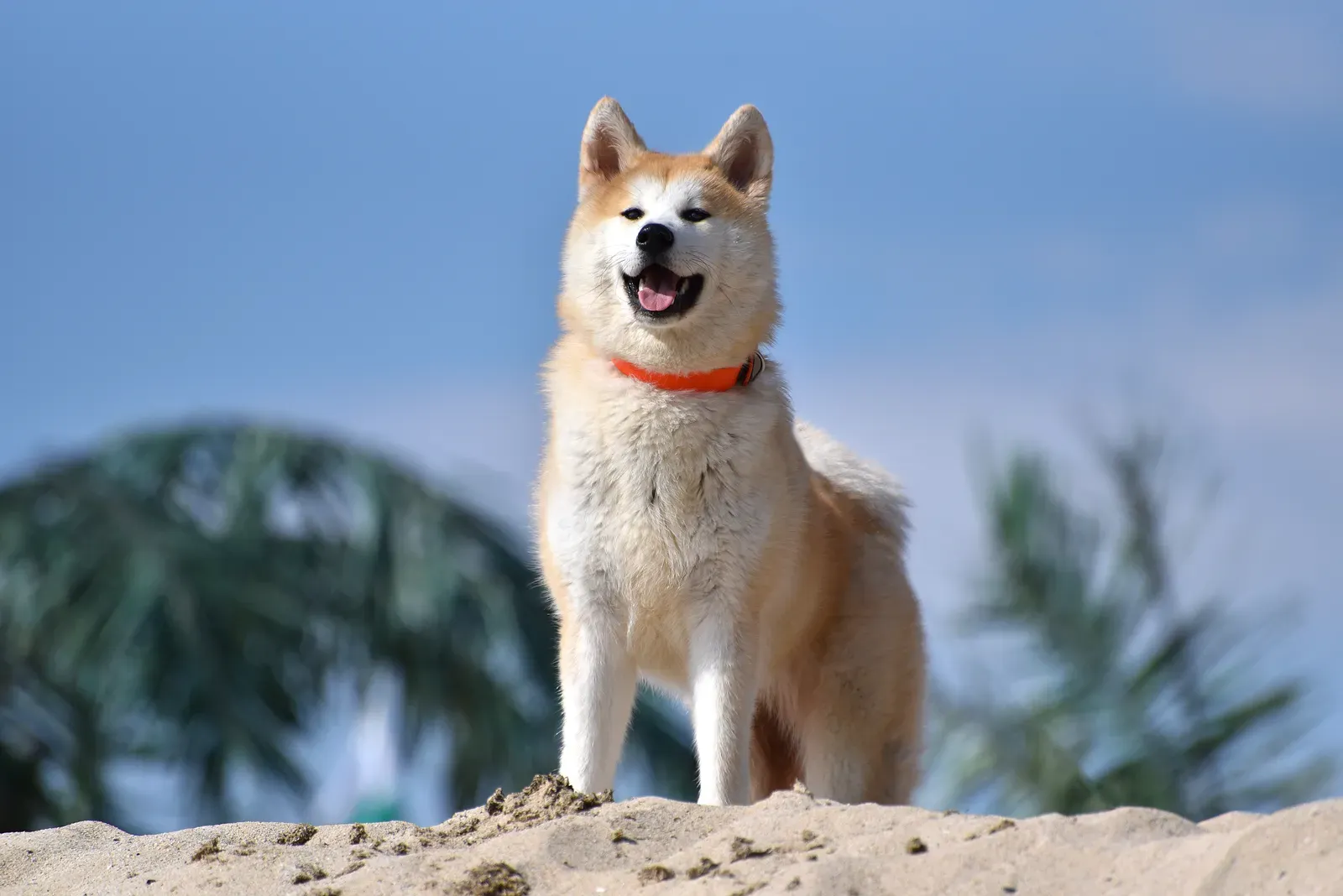
Akitas were bred in the snowy mountains of Japan to guard and hunt alongside their owners with their dense double coat protecting them from freezing temperatures, while their bold and confident nature makes them natural protectors. This breed carries serious cultural weight in Japan, where they’re considered national treasures and symbols of loyalty.
Akitas can reach well over 100 pounds and carry significant cultural weight in Japan, where they are considered national treasures, typically independent and reserved but forming strong bonds with their close family members, with plush double coats in a wide range of colors. They’re independent thinkers with a stubborn streak, so they’re best suited for experienced dog owners. Still, if you want a dog that won’t just tolerate winter but genuinely thrive in it, the Akita delivers.
10. German Shepherd
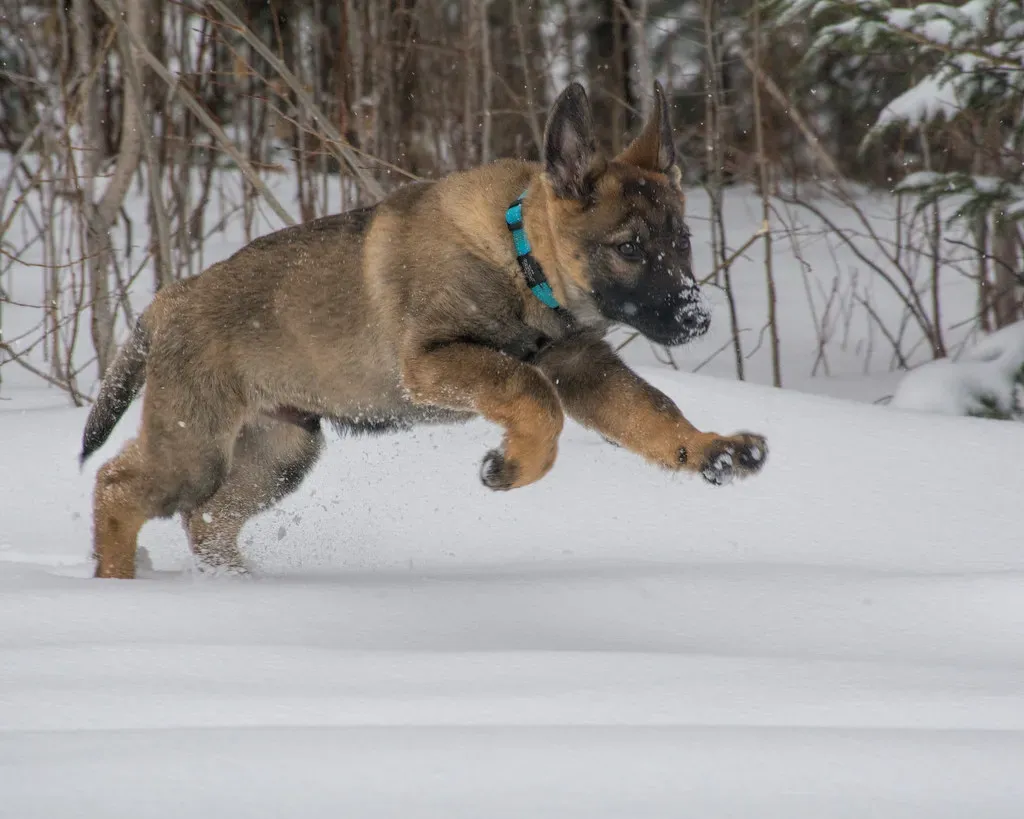
The German shepherd, with its double coat, is one of the best dog breeds for cold weather, known as a highly intelligent watchdog. Sure, you see them working as police dogs in all climates, yet their double coat makes them surprisingly well-suited to cold environments. They’re versatile, adaptable, and incredibly smart.
The German Shepherd’s tolerance to the cold is helped largely by their double coat of fur which keeps them insulated whilst still being nimble, sleek and agile, with their sled pulling heritage making them incredibly strong with high endurance and huge amounts of energy. They need regular exercise and mental stimulation, which makes North Dakota’s wide open snowy spaces perfect for them. Train them early, socialize them well, and you’ll have a loyal companion who can handle whatever winter throws your way.
Conclusion
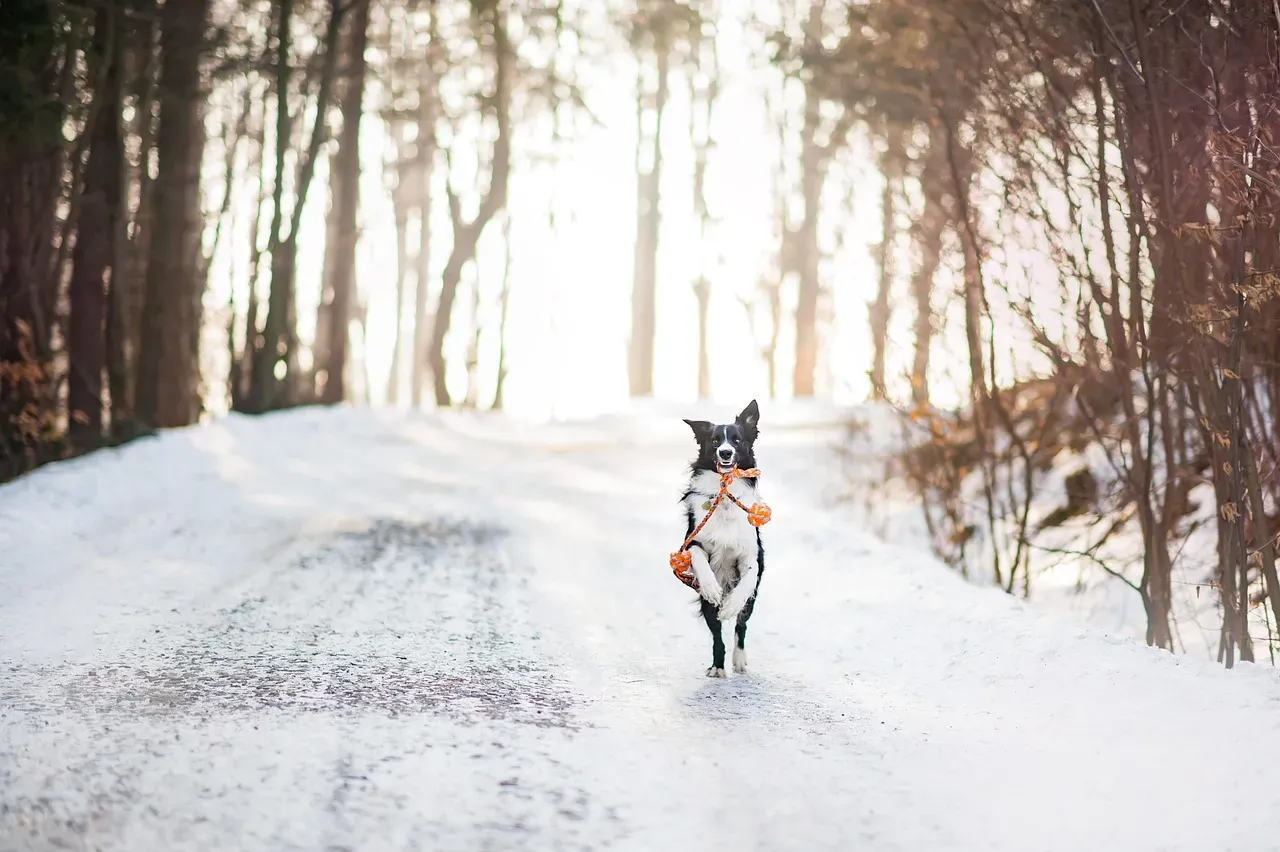
North Dakota winters demand respect, and they demand the right kind of dog. These ten breeds aren’t just surviving the cold; they’re built for it, thriving when temperatures plummet and snow piles up to the windows. Whether you’re looking for a loyal family companion, a working dog, or just a furry friend who won’t whine when the wind chill hits negative forty, these breeds have you covered.
Remember that even cold-weather breeds need proper care during extreme conditions. Keep an eye on their paws, provide shelter when temperatures become dangerous, and never leave any dog outside indefinitely. With the right breed and the right care, you and your four-legged friend can conquer winter together. So, which breed caught your eye? Tell us in the comments.


