

You know that feeling when you walk into a pet store and every fluffy face seems to beg you to take them home? It’s honestly hard to resist. That wagging tail, those big eyes, the promise of endless companionship.
Here’s the thing though. Not every dog is built for apartment life, and some breeds that look adorable in photos can turn your cozy living room into a disaster zone faster than you can say “good boy.” I’ve learned this the hard way, and so have countless trainers who’ve seen the aftermath of mismatched living situations. Let’s be real, choosing the wrong breed for your space isn’t just inconvenient. It can lead to stress for both you and your pup, strained neighbor relationships, and behavioral issues that are tough to reverse. So let’s dive into the breeds that professional trainers often caution against when it comes to indoor living, especially in smaller spaces.
Border Collie

Border Collies were bred to work on farms, need lots of room to play and release their energy, and are known to resort to destructive behaviors if bored or kept in a small space for too long. These dogs are basically canine geniuses with the work ethic of a marathon runner. They don’t just want a job; they need one.
When confined indoors without proper stimulation, they can become what trainers call “hyper-vigilant.” Think constant pacing, obsessive behaviors, and yes, that beautiful couch you just bought might become their chewing project. Without enough space and mental stimulation, high-energy breeds can quickly turn your apartment into a disaster zone, with zoomies down the hallway, chewed-up furniture, and constant barking as signs of a desperately under-stimulated dog.
Siberian Husky
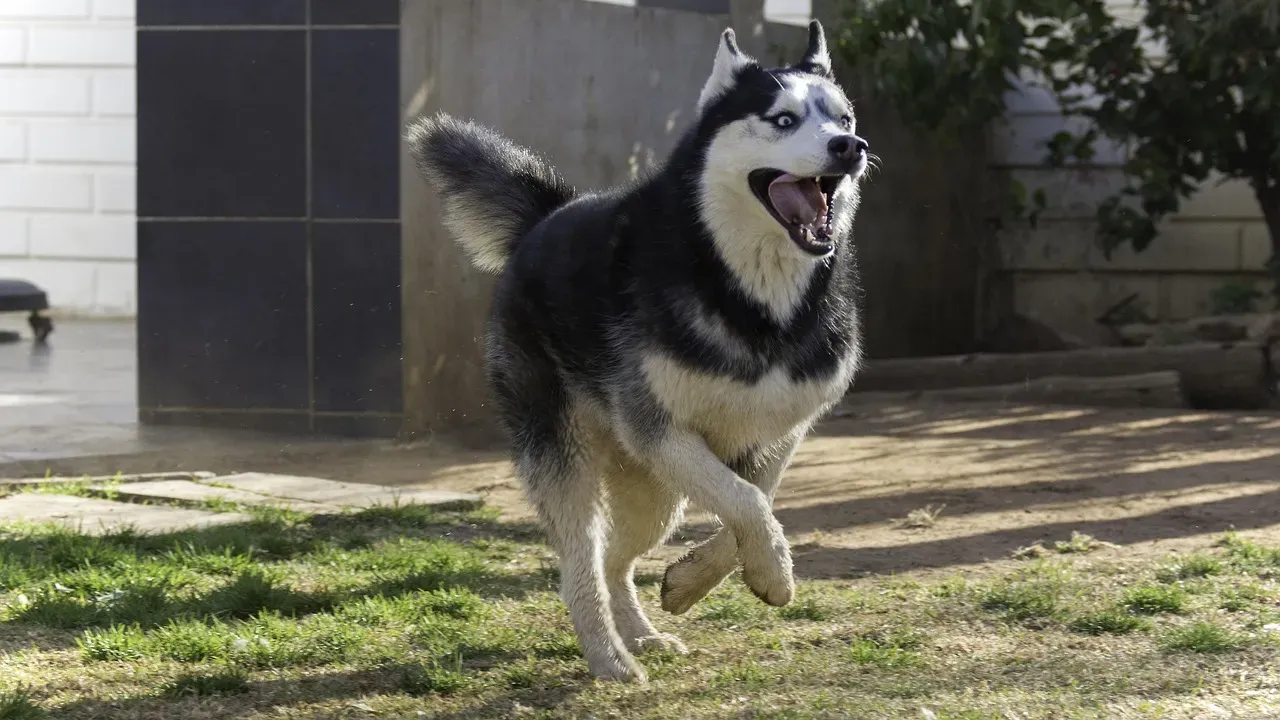
Siberian Huskies are known for their striking appearance, high energy levels, and independent nature, were originally bred as sled dogs with a strong need for physical activity and mental stimulation, making them unsuitable for apartment living as they require plenty of space to run and play. Picture trying to contain a furry tornado in your one-bedroom flat. That’s essentially what you’re signing up for.
The Siberian Husky is strikingly beautiful and bred to pull sleds across vast icy landscapes, having endurance to spare and needing constant activity to stay focused. These escape artists are also notorious for their vocal tendencies. Honestly, your neighbors won’t appreciate the symphonies of howls at three in the morning when your Husky decides they’re bored or lonely.
Australian Shepherd

These medium-sized bundles of energy might seem manageable size-wise, but don’t let that fool you. Australian Shepherds are highly intelligent, energetic, and agile dogs that were originally bred for herding livestock. Living in an apartment with an Aussie is like having a perpetually caffeinated personal trainer who never sleeps.
Australian Shepherds need extensive exercise and mental stimulation, and trainers have recalled sessions where herding dogs nipped legs in attempts to get a ball as examples of how these instincts can surface. Without proper outlets for their herding drive, they might start trying to herd your kids, your cat, or even you around the living room. It sounds cute until it becomes a daily reality.
Dalmatian

Remember those adorable spotted pups from the movies? Well, reality is a bit different. Originally bred to run alongside carriages, Dalmatians still possess high stamina and love for extended physical activity, being happiest when given the opportunity to stretch their legs in wide-open spaces. They’re not content with a quick walk around the block.
Trainers warn that for apartment life, Dalmatians need more space to zoom, run, and play, plus they’re loud when bored so neighbors might not become fans. These dogs can be vocal, energetic, and require roughly the same amount of exercise as a professional athlete. Your small balcony simply won’t cut it for their needs.
Jack Russell Terrier

Don’t be fooled by their compact size. A ten-pound Jack Russell Terrier with high energy and vocal tendencies might cause more apartment problems than a calm sixty-pound Greyhound who sleeps twenty hours per day. These little dynamos are basically espresso shots with legs.
Honestly, Jack Russells are clever, stubborn, and bursting with energy that needs an outlet. They were bred to hunt, which means they have incredible stamina packed into a tiny frame. Without sufficient exercise and mental challenges, they can become destructive barkers who drive both you and your neighbors absolutely bonkers.
Weimaraner

Weimaraners are large, athletic dogs known for their sleek appearance and boundless energy, originally bred for hunting, with high energy levels and need for vigorous exercise making them a poor fit for apartment living as they require plenty of physical activity and can become bored and destructive. These elegant silver beauties are stunning to look at, but they’re essentially velcro dogs with separation anxiety tendencies.
Weimaraners are known for strong attachment to their owners and may suffer from separation anxiety if left alone for long periods in a confined space, being intelligent and requiring mental stimulation to prevent boredom which can be difficult to provide in an apartment setting. If you work long hours and live in a small space, this breed will likely struggle immensely.
Beagle

Those floppy ears and soulful eyes are hard to resist, but Beagles come with a soundtrack. Beagles, most hounds, and some terriers are bred to be vocal and may struggle with apartment noise restrictions, though training helps, their natural tendencies require consistent management. Their baying can penetrate walls like you wouldn’t believe.
Beagles are scent hounds, which means they’re driven by their noses and can become obsessed with tracking smells. In an apartment, this translates to restlessness and frustration when they can’t follow their instincts. Let’s be real, trying to keep a Beagle quiet in close quarters is like trying to stop the tide. It’s an exhausting battle you’re unlikely to win.
Belgian Malinois
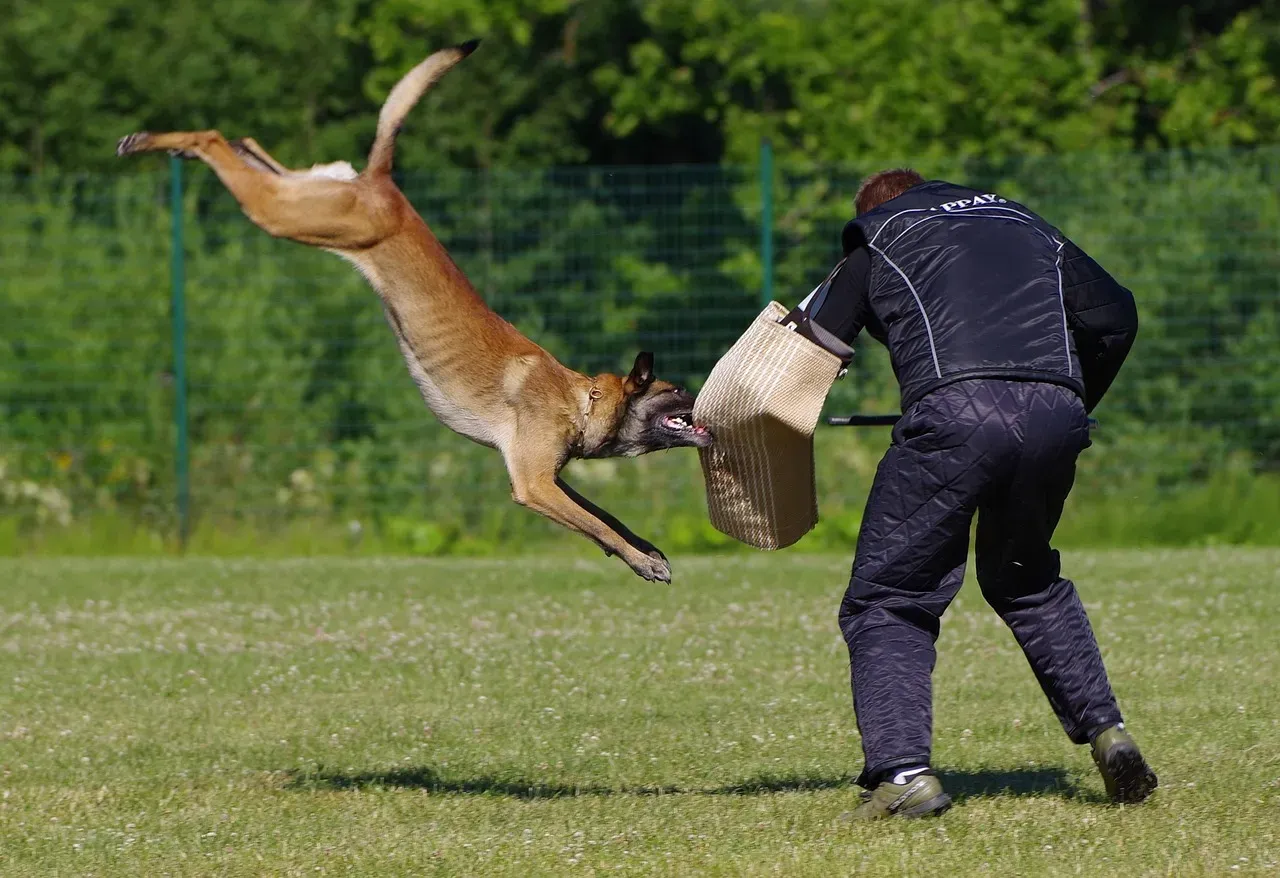
Breeds like the Belgian Malinois and German Shepherd are commonly used in police and protection work due to their intelligence and trainability. Here’s what trainers know: these dogs are working machines. They’re not just high-energy; they’re intense, driven, and require jobs that challenge both mind and body.
Belgian Malinois can work in cities but require owners who can provide two or more hours of focused exercise and mental stimulation daily, as without adequate stimulation they often develop destructive behaviors. Unless you’re prepared to dedicate massive chunks of your day to training, exercise, and mental enrichment, this breed will likely become overwhelmed and frustrated in an indoor setting.
Basset Hound
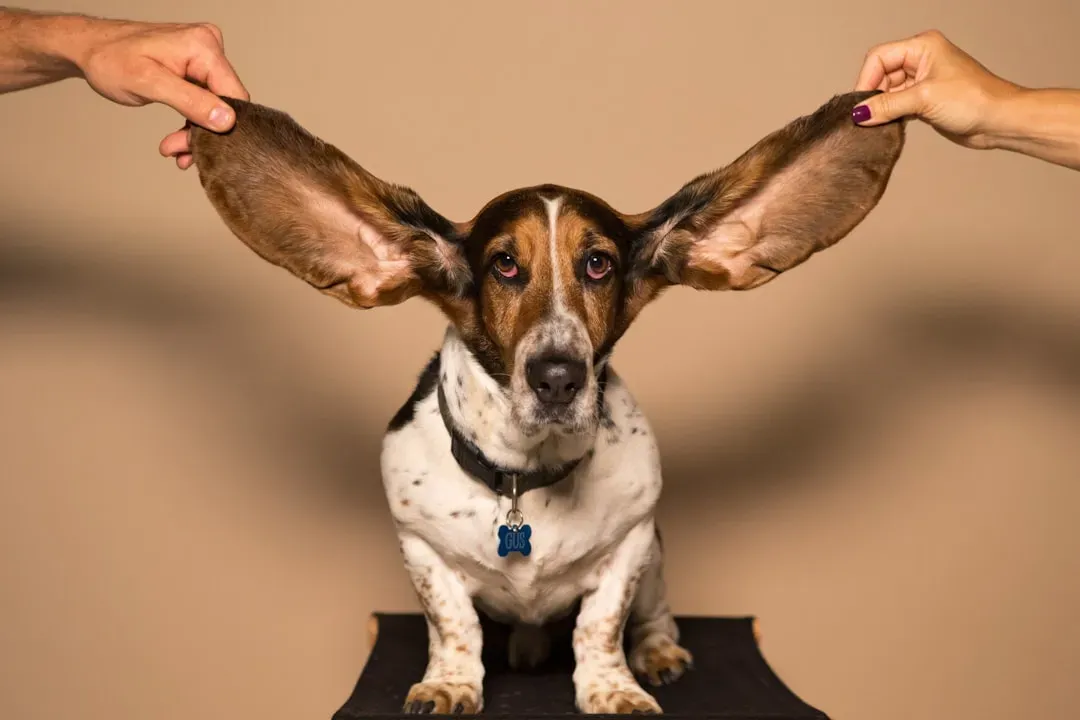
Wait, Basset Hounds? These laid-back droopy dogs? Yes, actually. When left alone, Basset Hounds tend to bark, and their bark is considered one of the loudest among all dog breeds. While they don’t require intense exercise like some other breeds on this list, their vocal nature makes them challenging apartment residents.
Basset Hounds are also stubborn and can be difficult to train. They follow their noses relentlessly, which can lead to howling sessions that echo through apartment buildings. Their deep, booming bay isn’t something thin walls can contain, and once they get going, stopping them requires serious patience and training.
Afghan Hound

Afghan Hounds are known for independent and aloof nature, often requiring space to feel comfortable, being highly active dogs that need plenty of exercise to stay happy and healthy with a strong prey drive that may cause restlessness and destructiveness if not provided adequate opportunities to run. These elegant, regal-looking dogs have personalities to match their aristocratic appearance.
Afghan Hounds are known for their sensitivity and may become stressed in noisy or confined environments, making them better suited to homes with larger spaces where they can have their own quiet area. The constant noise and close quarters of apartment living can genuinely stress them out, leading to anxiety-related behaviors that are tough to manage.
Conclusion
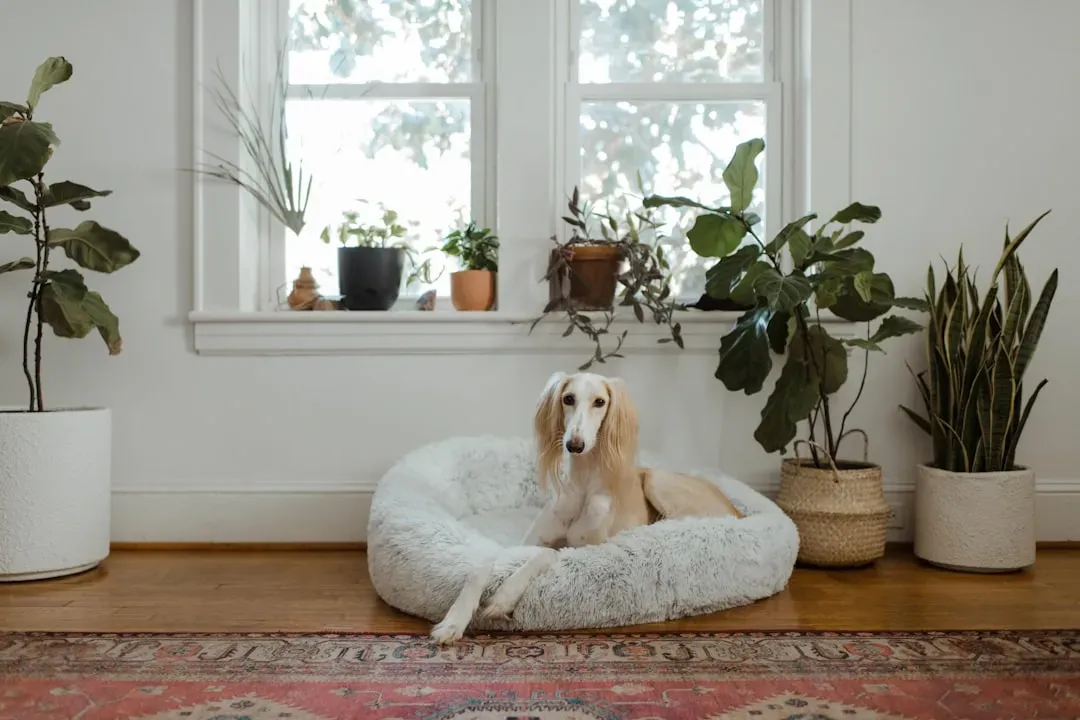
Choosing the right dog for your living situation is one of the most important decisions you’ll make as a pet parent. It’s not about labeling any breed as bad; it’s about understanding their needs and being honest about what you can realistically provide. Living in an apartment or smaller home doesn’t mean you can’t have a dog, but it does mean you need to be thoughtful about which breed will genuinely thrive in that environment.
Every dog deserves a life where they can be their best selves without constant frustration or stress. If you’ve fallen in love with one of these breeds, consider whether you can truly meet their exercise, space, and mental stimulation needs before bringing them home. Sometimes the most loving choice is recognizing when a breed isn’t the right fit. What’s your experience been with dogs and indoor living? Did any of these breeds surprise you?


