So, you’re thinking about getting a dog. Maybe you’ve been scrolling through pictures of adorable pups, imagining your life filled with wagging tails and wet nose boops. Here’s the thing, though. Not every breed is a good fit for someone just starting out in the dog parent world.
Some dogs need more than love and enthusiasm. They demand experience, consistency, and sometimes a level of patience that borders on superhuman. Sure, they can be incredibly loyal and affectionate companions, yet without the right handling, things can go sideways fast. Choosing the wrong breed can lead to frustration, behavioral problems, or even dangerous situations for both you and your furry friend. Let’s take a closer look at ten breeds that are honestly better left to those who know what they’re doing.
1. Pit Bull Terrier
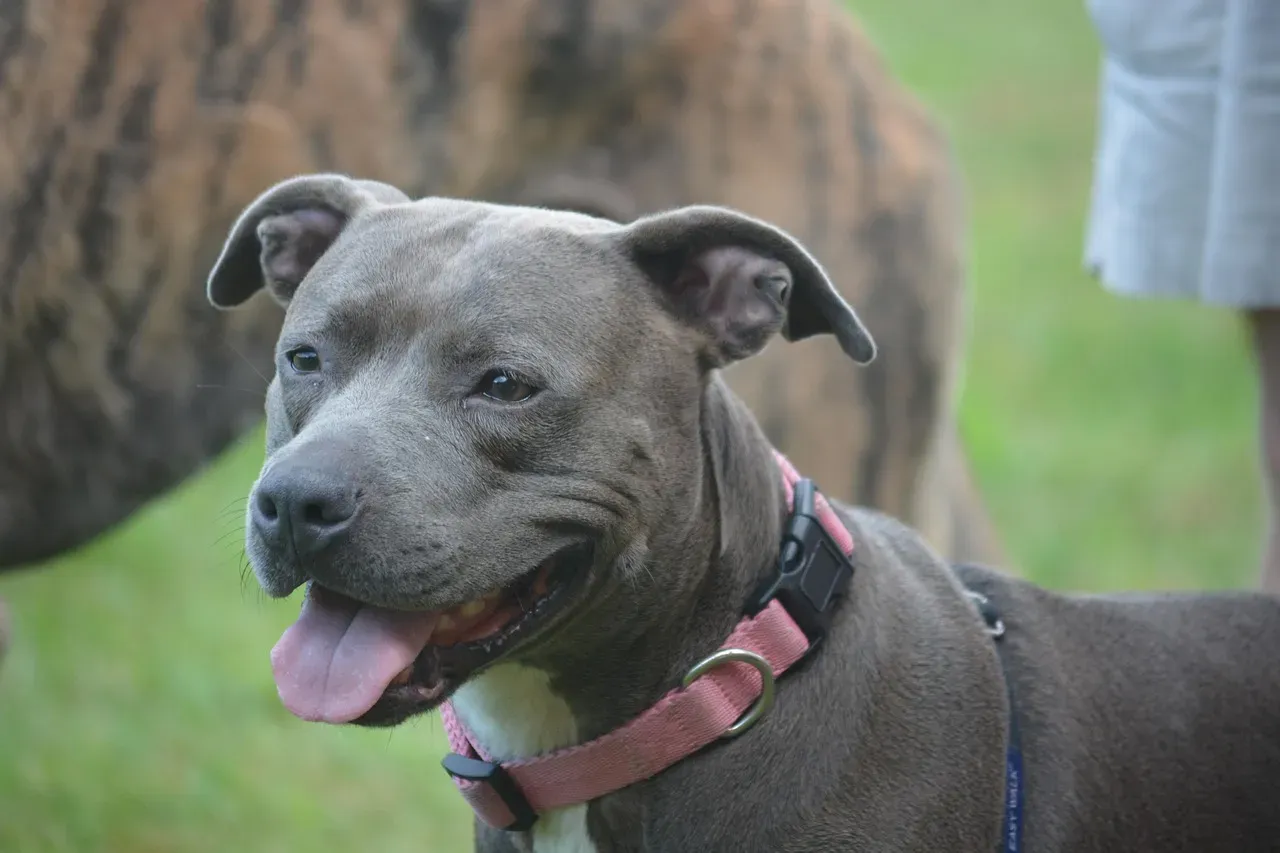
The American Pit Bull Terrier is considered one of the most dangerous dog breeds, known to be aggressive and very strong, easily overpowering anyone who stands in its way. Look, I know plenty of Pit Bulls are total sweethearts who just want belly rubs and cuddles. The problem is their history and physical power.
These strong, muscular dogs are responsible for 65% of fatal dog attacks in recent years, with 284 deaths recorded over 13 years. Their strong prey drive and powerful build make them risky for inexperienced pet owners. Without proper training and socialization from day one, a Pit Bull’s strength and determination can become overwhelming. They’re not inherently bad dogs, yet they need someone who understands how to channel their energy and establish clear boundaries.
2. Rottweiler

Rottweilers have this reputation as fierce guardians, and honestly, it’s not undeserved. Rottweilers are large, powerful dogs with a strong bite that can easily cause serious injury or death, and they are often aggressive and territorial, making them a serious threat to both people and other animals.
A study conducted by the CDC showed that Rottweilers were responsible for 29 human deaths over the past two decades. These dogs are incredibly loyal to their families, which sounds great until you realize that loyalty can translate into overprotectiveness. The key to training a Rottweiler is early socialization and consistent, firm training, as they can be stubborn and become overly protective if not trained correctly, requiring an owner who understands the importance of establishing clear leadership and boundaries.
3. Siberian Husky
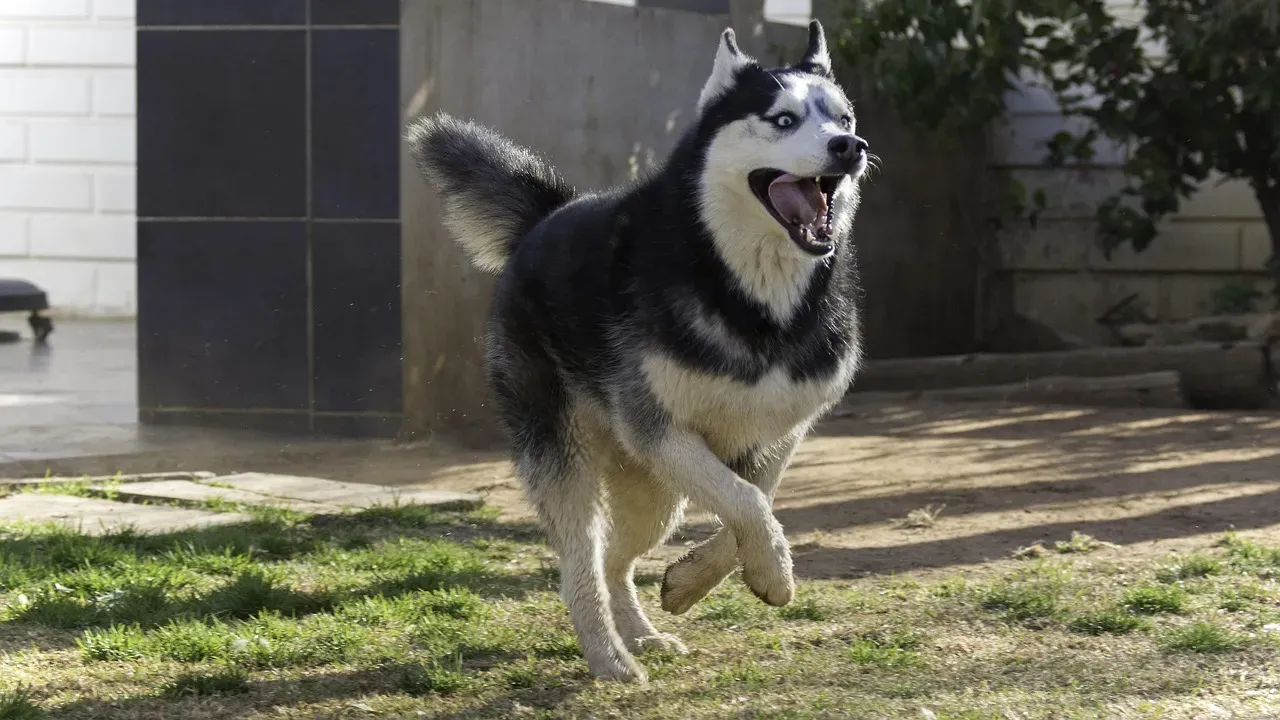
One of the most notable characteristics of Huskies is their independent and strong-willed nature, which can lead to some difficulties for inexperienced dog owners. Sure, they’re gorgeous with those piercing blue eyes and fluffy coats. They’re also escape artists, vocal to the point of being obnoxious, and stubborn as all get out.
These dogs have a strong desire for exploration and adventure, which means that they often try to escape from their yards or homes, risking running into dangerous situations like traffic or getting lost in unfamiliar areas. Huskies are an extremely energetic breed that need loads of exercise. If you’re not ready to commit to serious daily activity and mental stimulation, a Husky will tear your house apart out of sheer boredom.
4. German Shepherd
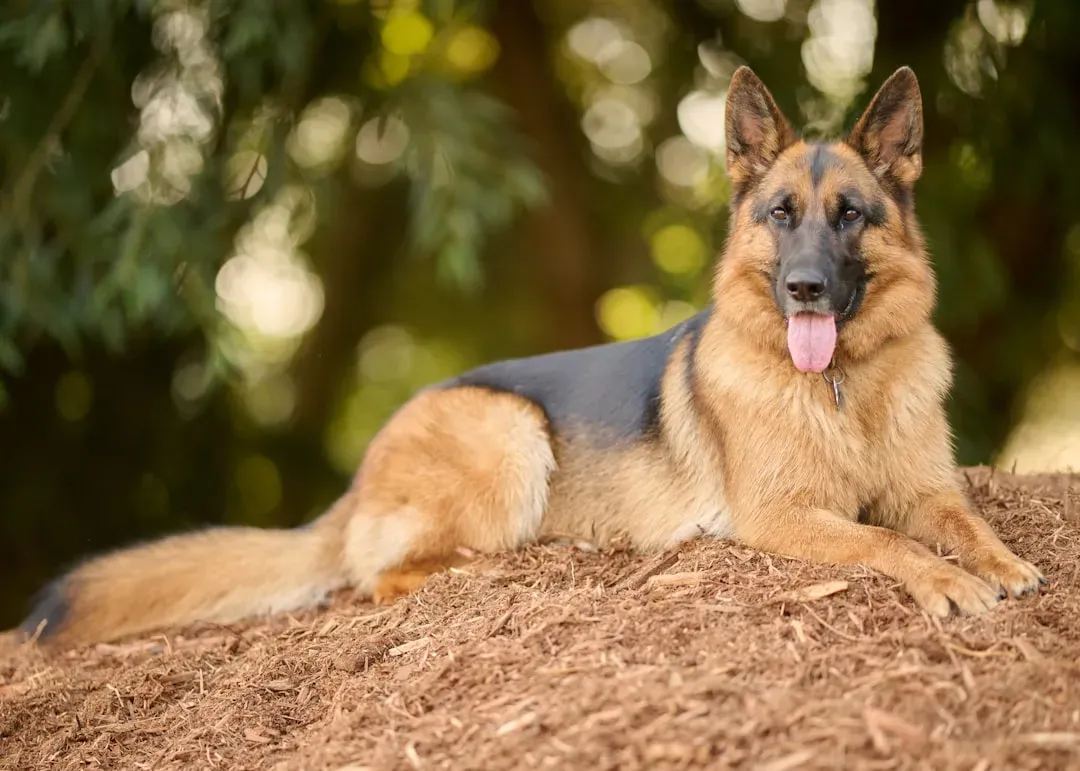
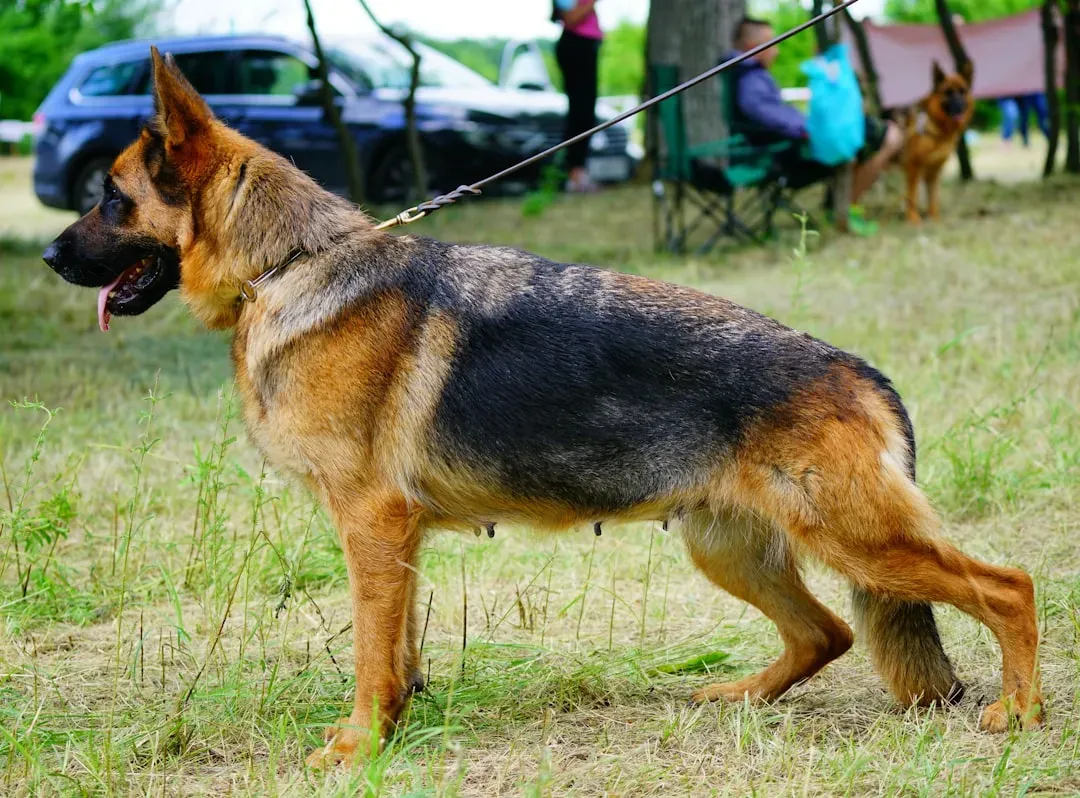
German Shepherds are brilliant dogs, no question about it. The German Shepherd is an incredibly intelligent and versatile dog, often used in police and military work, however, their high intelligence can be a double-edged sword as they may develop undesirable behaviors such as aggression or territoriality if they aren’t mentally stimulated or properly trained.
Known for their loyalty and protective instincts, German Shepherds require an experienced handler who can establish clear authority, as without proper leadership, their natural protective nature can turn into suspicion toward strangers or other pets, leading to aggressive tendencies. They need structure, routine, and a clear sense of who’s in charge. For a first-timer, that’s a tall order. These dogs will test you, and if you don’t have the confidence to lead, they’ll take over.
5. Doberman Pinscher
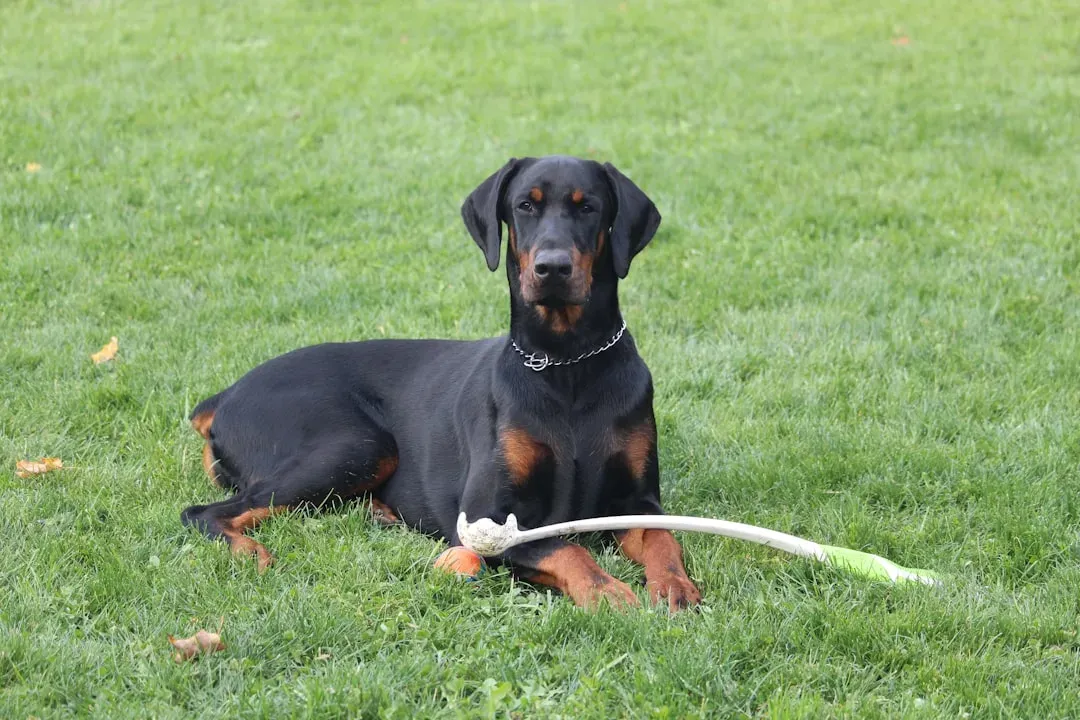
The Doberman Pinscher is a highly intelligent and alert breed, often used in protection work, and their high energy and instinct to guard can make them challenging for new owners, as without proper mental and physical stimulation, they can become anxious and aggressive. Dobermans are sleek, powerful, and intimidating when they want to be.
Doberman Pinschers have caused 6 fatal attacks in recent studies, with their bite force of 305 PSI, combined with their speed and agility, making them formidable guard dogs. They’re velcro dogs with their families, sticking close and forming deep bonds. The flip side is their protective drive can spiral out of control around strangers or other pets. Their alertness means they can react to perceived threats quickly, which can be dangerous if they are not properly trained to discern real threats from harmless situations.
6. Akita
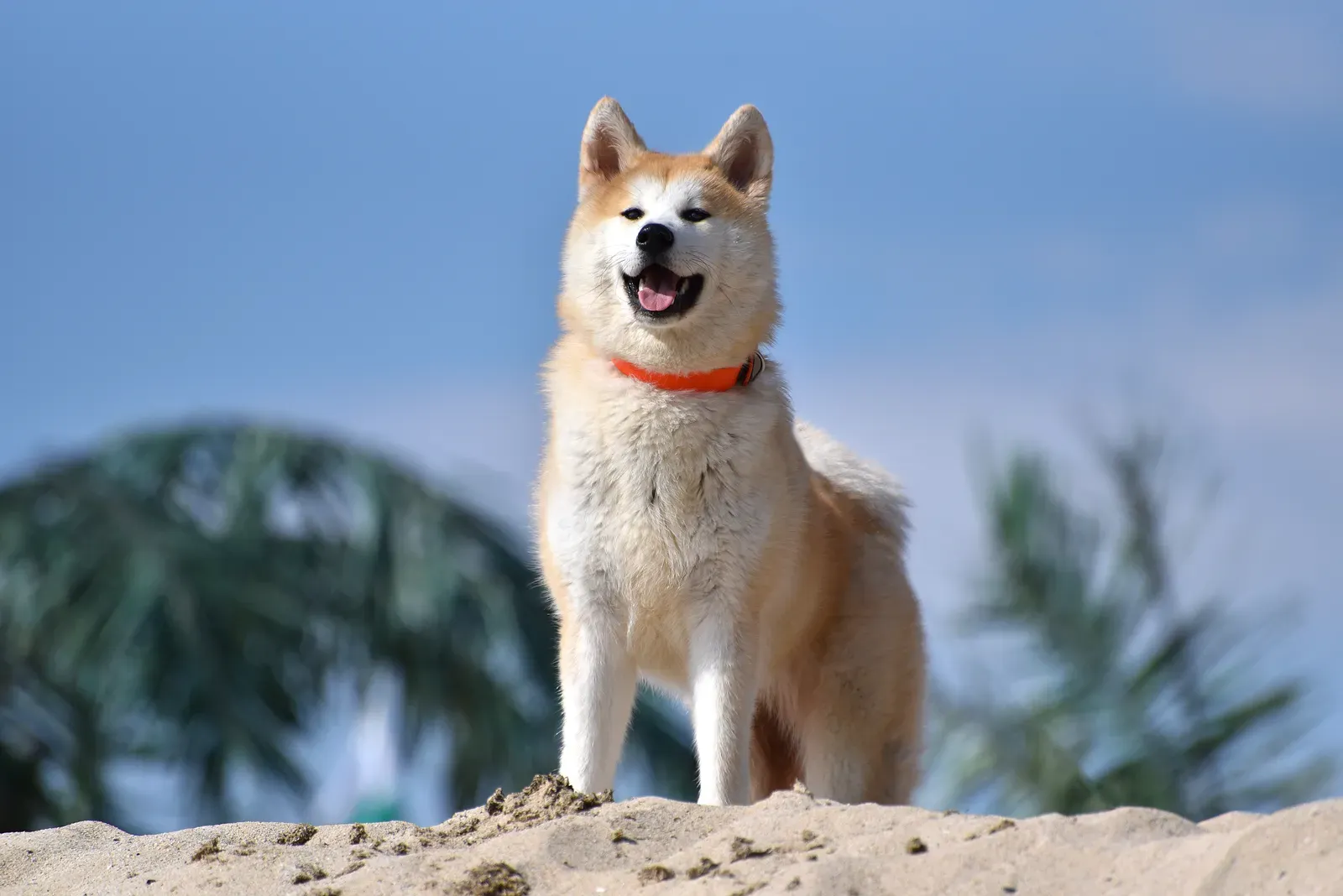
The Akita is a powerful and independent dog known for its protective instincts, with their strong-willed nature and high intelligence making them one of the more challenging breeds to train, as without proper guidance, their territorial behavior can become aggressive, particularly toward other pets or strangers. Akitas are stunning, regal dogs with an aloofness that can be mistaken for calm composure.
They are intelligent but independent dogs, used to thinking for themselves, and Akitas can also be stubborn and headstrong, which makes training a challenge, as without careful socialization and training, the Akita can take their protective instincts too far and pose a danger to others. They were bred to hunt big game, so their prey drive is no joke. If you don’t have experience managing a dominant, strong-willed breed, an Akita will walk all over you.
7. Alaskan Malamute
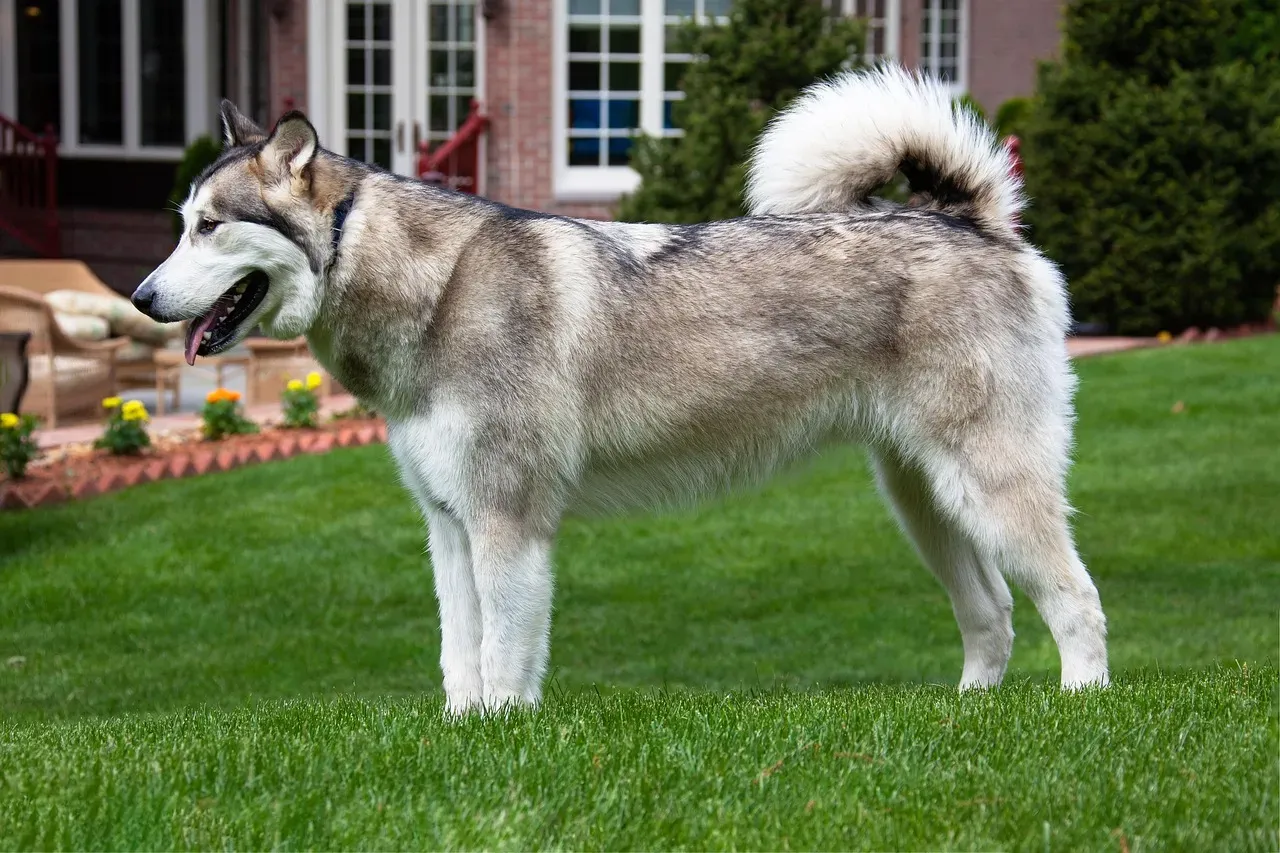
The friendly and loyal Alaskan Malamute is also one of the hardest breeds to train, as although Malamutes are very smart, they’re also independent, willful, stubborn, and have no interest in listening to anyone they don’t respect, making it challenging to get them to pay attention long enough for training.
These dogs are pack animals through and through. Malamutes are pack animals to their core, loving being part of a family and not doing well being left alone, as boredom can lead to creative destructive redecorating projects. They’re generally sweet-natured, but Malamutes have a dominant streak and require experienced handling, and even then you may never fully break some bad habits, like digging. First-time owners often underestimate just how much work goes into keeping a Malamute happy and well-behaved.
8. Cane Corso
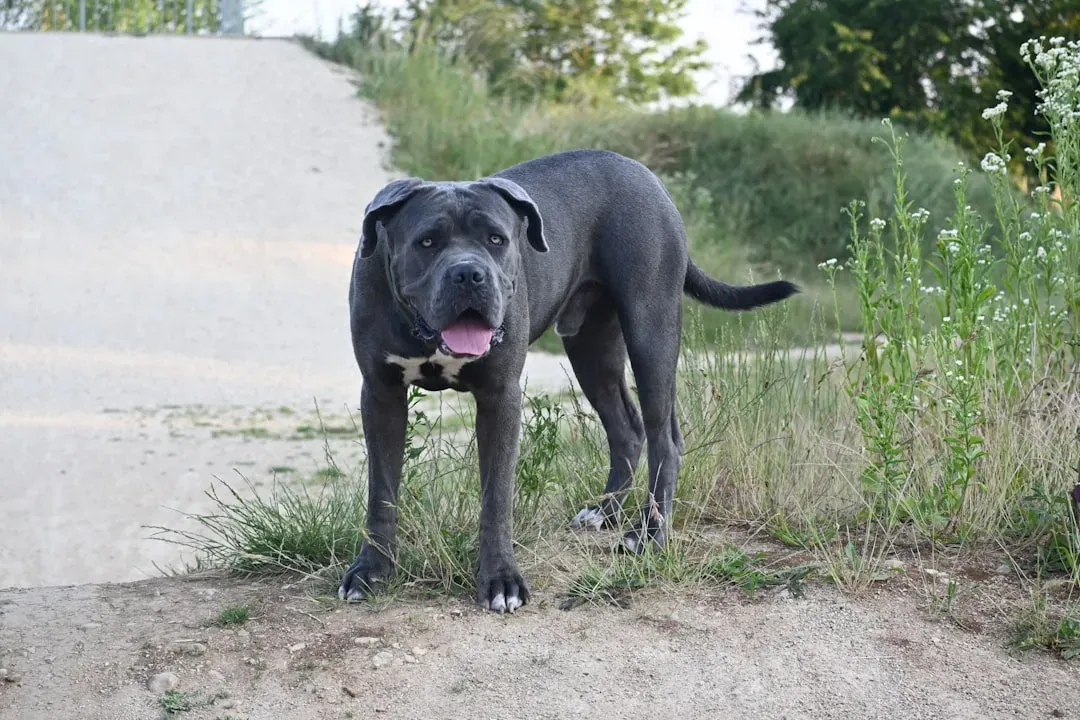
The Cane Corso is often recognized for its commanding presence and protective drive, historically bred in Italy as a guardian and hunter, this dog takes its role seriously even in a modern household, with that intensity making them challenging .
Their independent nature means they often test boundaries, requiring firm and consistent leadership, as left unchecked, they may become overly dominant, which creates problems in homes without structured rules. These are massive dogs with serious guarding instincts. If you’re not prepared to establish yourself as a confident leader from the start, a Cane Corso will decide they’re the boss instead. That’s not a situation you want to find yourself in.
9. Chow Chow
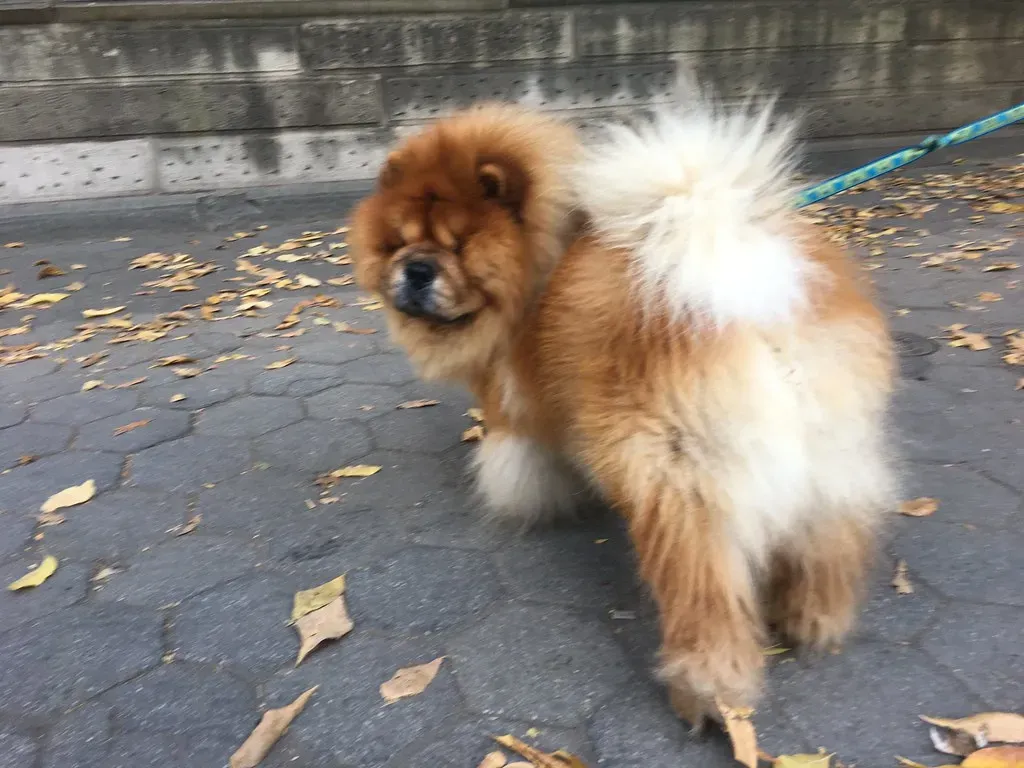
Chow Chows are not just distinctive in appearance but also in personality, as they tend to be aloof and very independent, which can make training a challenge. With their lion-like mane and blue-black tongue, Chow Chows look like they stepped out of a fairy tale. Their temperament, however, is anything but cuddly.
Chow Chows are notoriously difficult to train because they don’t possess the eager-to-please nature found in many other breeds, instead being strong-willed and discerning, often questioning the necessity of commands before acting, with their independence requiring an owner who can establish calm authority early on using consistency and patience rather than force. Chows don’t usually go looking for trouble, but they won’t back down from it either, with their protective nature and lack of tolerance for teasing or rough handling making them a poor match for families with small children or multiple pets.
10. Presa Canario
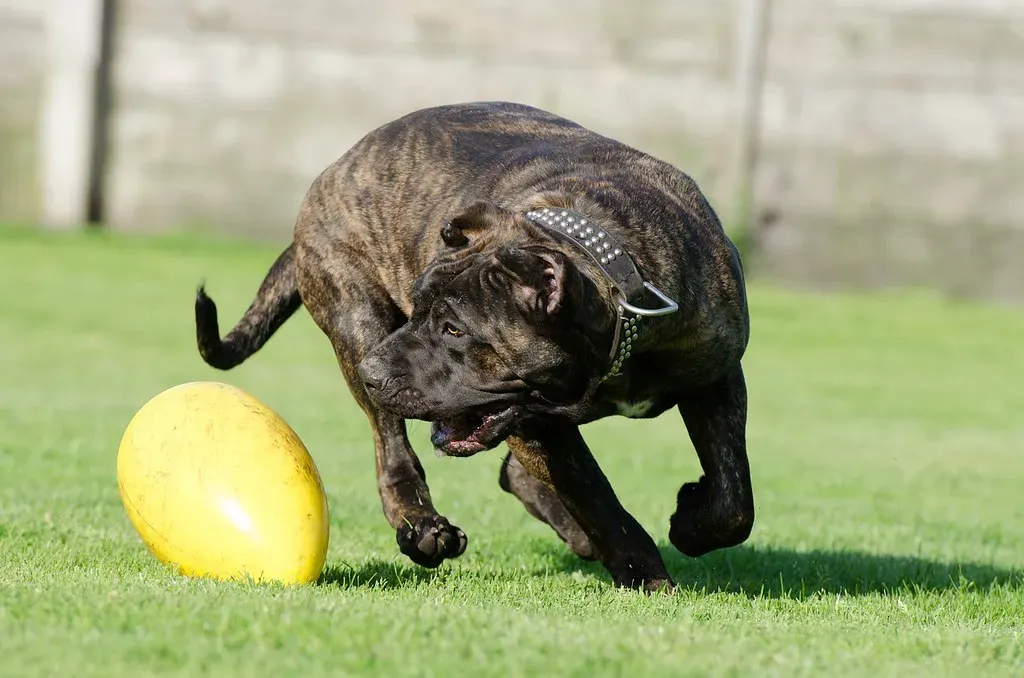
The Presa Canario is one of the most dangerous breeds due to its size, strength, and dominant personality, bred as livestock guardians, they are highly territorial and can be aggressive if they feel their family or property is threatened.
Weighing up to 150 pounds, their muscular build can cause devastating injuries, and their confidence and independence make them challenging to train, especially . The combination of strength, territorial instincts, and a powerful bite force makes this breed particularly high-risk in untrained or neglected situations. These dogs demand respect, firm leadership, and extensive socialization. Without all three, a Presa Canario can become genuinely dangerous.
Conclusion
Owning a dog is one of life’s great joys, truly. There’s nothing quite like the bond you can form with a loyal canine companion. That said, jumping into dog ownership with one of these breeds is like learning to drive in a Ferrari. You might pull it off, yet the odds aren’t exactly in your favor.
These dogs aren’t bad, they’re just demanding. They need experienced handlers who understand dog behavior, can establish firm boundaries, and won’t back down when things get tough. If you’re a first-time owner, there are plenty of breeds out there that will love you just as much without the steep learning curve. So what’s your take? Would you risk it, or play it safe with a more beginner-friendly pup?