
Choosing the right dog feels like magic when it works perfectly. The puppy bonds with everyone, fits seamlessly into your routine, and the whole family flourishes together. Here’s the thing though, not every breed thrives in a bustling, time-crunched household. Some dogs need more than quick walks before school drop-off and squeezed-in playtime between errands and bedtime routines.
As someone who deeply cares about matching dogs with the right homes, I’ve seen too many families struggle when they pick a breed that simply demands more than their schedule allows. The dog becomes anxious or destructive, the kids get overwhelmed, and everyone ends up heartbroken. This isn’t about labeling any breed as “bad,” but about being honest with ourselves. Let’s dive into which breeds veterinarians consistently flag as challenging for families who are already juggling a million things.
Border Collie
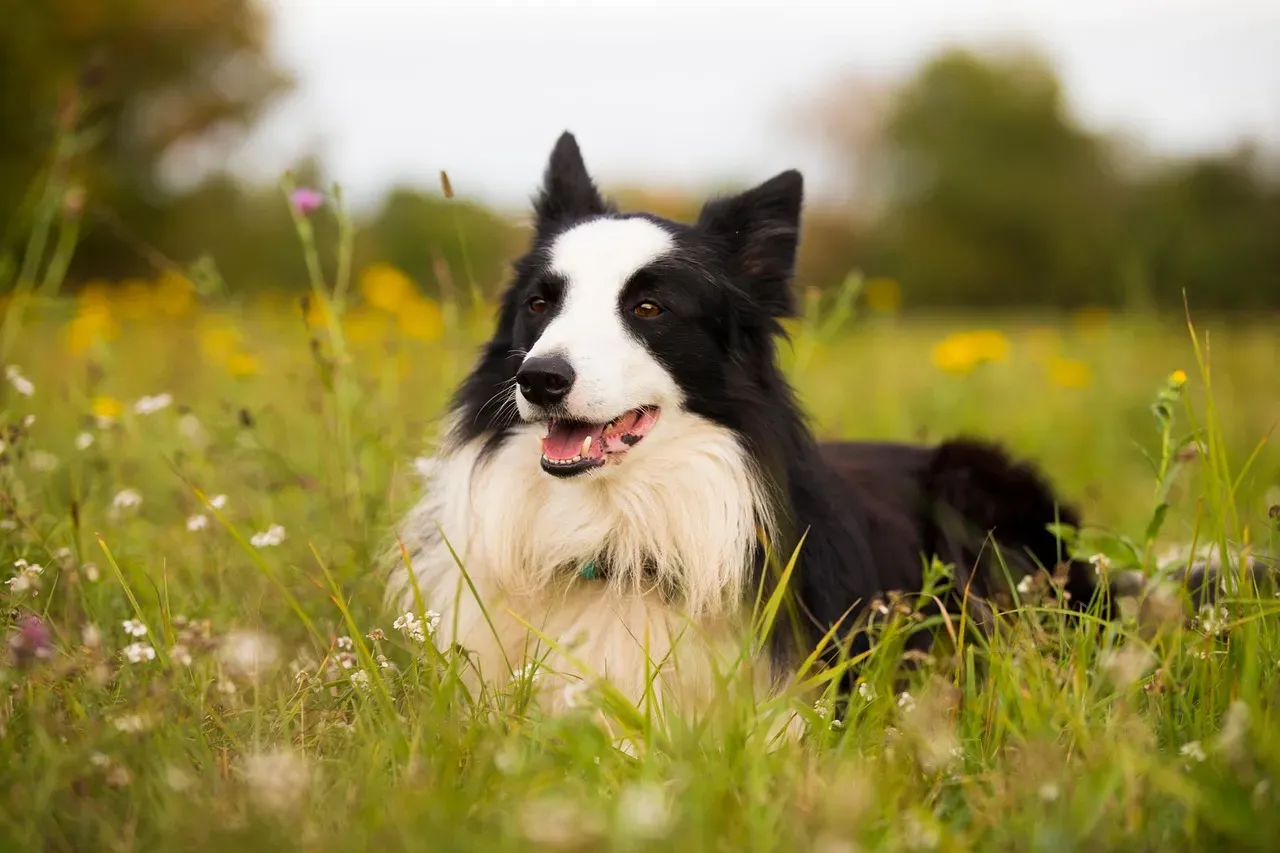
Border Collies are one of the most high maintenance dog breeds because they don’t just like lots of exercise and plenty of things to occupy their smart, busy brains, they need it. We’re talking about a canine Einstein here.
Often referred to as a canine Einstein, the Border Collie has a desire to work that borders on the obsessive. He will herd anything that comes his way – kids, cars, even a bag of oranges that have spilled onto the floor. His intelligence and energy make him a fabulous competitor in dog sports, but if he is underemployed at home, he is likely to develop compulsive behaviors such as chasing light and shadows, twirling in circles, and bouncing up and down.
For busy families, this translates into daily chaos unless you can commit serious hours to mental stimulation and physical activity. If you’re working full-time and the kids have activities every evening, a Border Collie will likely find creative and destructive ways to entertain themselves. They excel in active homes where someone’s genuinely available for agility training, herding exercises, or intensive play sessions.
Belgian Malinois
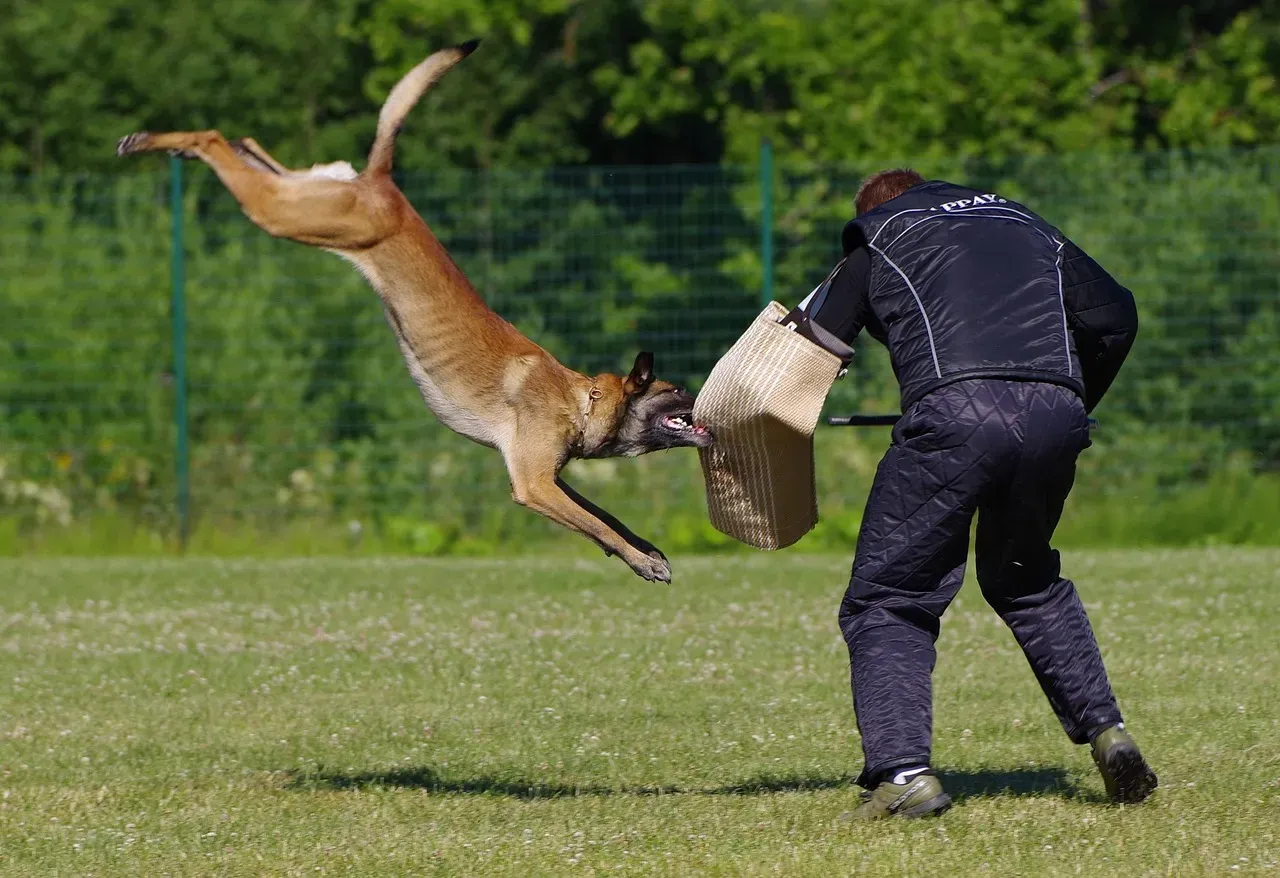
The coat may be easier to look after but that’s the only thing about a Belgian Malinois that is easy. There is a reason they are known as Maligators – as they do enjoy biting and grabbing things with their teeth (hence why they make excellent security and forces’ dogs). They require hours of input, sensitive, expert training, and appropriate dog exercise every single day without fail.
If you’re looking for a dog who wants to be around you all the time, playing interactive games and burning energy, go with a Belgian Malinois. These large, strong dogs have high prey instincts and are very smart. They desperately want to be included in any and all activities. Leaving a Belgian Malinois at home for long stretches is simply out of the question – they will likely develop separation anxiety, destroy your furniture out of boredom or both.
This breed is basically a full-time job wrapped in fur. Unless you have someone home most of the day or work remotely with time for constant engagement, a Malinois will overwhelm your household quickly.
Australian Shepherd

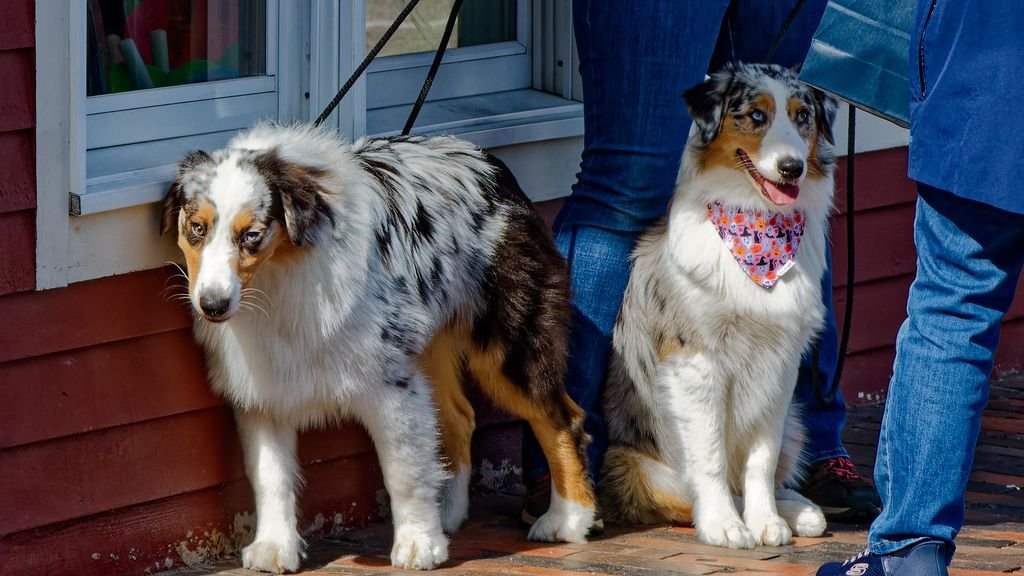
Australian Shepherds might look like the perfect family dog with those stunning eyes and gorgeous coats. The reality is far more demanding. Australian shepherds are known as a medium breed and have a reputation for their beautiful coats (often blue or merle), gorgeous piercing blue eyes and their all-day energy levels. They are full on and will have high-energy levels throughout their life, often leading to them taking part in activities such as dog agility or disc-frisbee. They like to chew toys (or shoes!) so ensure they have access to plenty of toys and preferably long-lasting ones! The Australian Shepherd makes for a good pet for high-energy families and requires plenty of room to run about and play. The breed are good with kids and have a playful demeanour but do have high barking tendencies and aren’t so great with cats in the family. As a breed they are very resilient with injuries and are recognised as low maintenance breed when it comes to vets visits and healthcare; their high-maintenance label is solely originated on their high-energy levels. Their paws will require regular inspection (as any highly active dog does) and they will require a high-calorie well balanced diet to provide them with all the nutritional values they need.
If mornings in your house are already a sprint to get everyone out the door, adding an Aussie who needs extensive exercise and mental challenges could tip the balance. They truly shine in homes where outdoor adventures are a daily priority, not an occasional weekend treat.
Siberian Husky
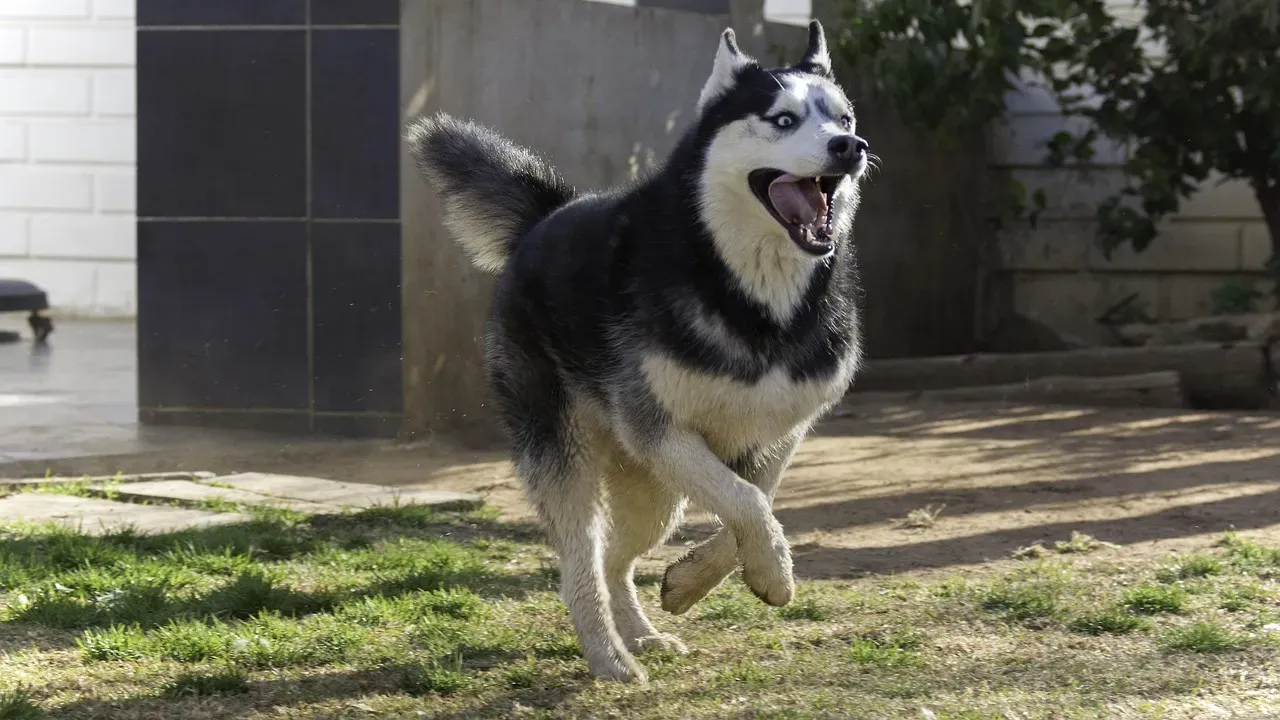
Huskies are not a favorite among vets when they come in for treatment. In a Nov. 2023 TikTok, @ajanimalking, a future veterinarian, said that Huskies are one breed “we hate to see at the vet.” “[Huskies are] great dogs until you look at them wrong or barely even touch them,” @ajanimalking says in the video, playing a soundbite of a Husky’s howl. That dramatic personality extends to home life, too.
Huskies, with rare exceptions, don’t get enough exercise to burn off their excess energy. This makes them very, very hard to deal with in a clinic setting. The same applies at home. Huskies were bred to run for miles pulling sleds, and they maintain that endurance and drive.
They’re escape artists, vocally expressive to the point of being noisy neighbors’ nightmare, and need far more exercise than most families can realistically provide. Unless you’re marathon runners or have a huge yard with secure fencing and hours to dedicate, a Husky will likely become frustrated and destructive.
Jack Russell Terrier

Don’t let the small size fool you. The Jack Russell Terrier is a small, energetic breed known for its intelligence and high energy levels. While they can be very affectionate and loyal to their owners, they are often not recommended for families with young children.
Their boundless energy and strong prey drive can lead to nipping or rough play, which might not be suitable for small kids. Additionally, Jack Russell Terriers require a lot of mental and physical stimulation to prevent destructive behaviors, making them a challenging breed for busy households or those with less experience in handling high-energy dogs.
These little dynamos can outwit and outpace families who don’t have time for rigorous daily training and exercise. They’re brilliant, but that intelligence means they get bored easily and will find trouble when left to their own devices.
Weimaraner
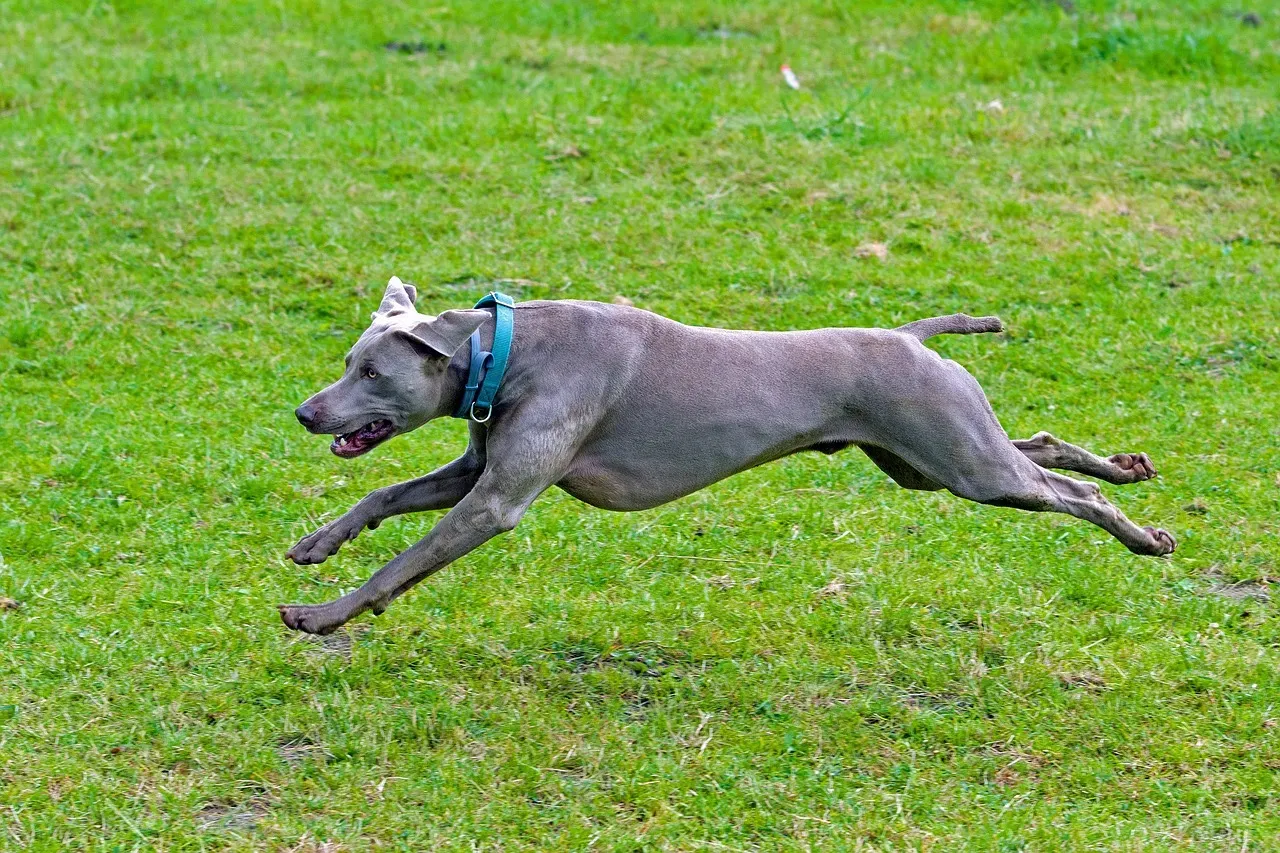
Looking at the Weimaraner’s super sleek coat, you can mentally count the hours you’ll save not having to groom them constantly. However, that time will be amply spent exercising them, for this is a dog that needs not just to walk but run – and a long way! They are intelligent and quick learners, so need to be kept busy and stimulated so that they don’t misdirect their attention into bad behaviors like chewing and digging.
Weimaraners are also known for being exceptionally clingy. They’re sometimes called “velcro dogs” because they want to be with their people constantly. For busy families where everyone scatters in different directions throughout the day, a Weimaraner can develop serious anxiety issues.
The combination of massive exercise needs and emotional dependence makes them a poor match for households where no one’s home for extended periods or everyone’s perpetually rushing between commitments.
German Shorthaired Pointer

Few breeds are more demanding of their owner’s energy and attention than the German Shorthaired Pointer. This talented hunting dog is energetic, strong and challenging. They’re bred to work alongside hunters all day long.
German Shorthaired Pointers need plenty of exercise and tend to be very clingy. They need lots of interaction with their humans and high-intensity exercise. They’re prone to separation anxiety and prefer to be with their family at all times.
Unless your family’s idea of fun involves daily long-distance runs, hiking, or field training, a GSP will struggle in your home. They’re wonderful companions for active, outdoorsy families who can genuinely commit the time, but for typical busy households juggling work and school schedules, they’re simply too demanding.
Dalmatian

Those Disney movies made Dalmatians look like adorable family pets, right? The truth is more complicated. Dalmatians can be a little too energetic and excitable for very small children. However, families with older children will likely be able to handle their needs. They should also be supervised around other dogs and can be somewhat reserved around pets and people they don’t know. Fortunately, Dalmatians are relatively easy to train.
Constant training is needed to help them mind their manners. Dalmatians are also high energy and need a healthy dose of daily exercise. If they get restless, these doggos look to destructive behaviors to relieve their boredom.
Dalmatians need consistent, ongoing training and substantial daily exercise. For busy families already stretched thin, maintaining that level of commitment often becomes impossible, leading to behavior problems that make everyone miserable.
Labradoodle

I know, Labradoodles seem like they’d be perfect, combining the friendliness of Labs with Poodle intelligence. Labradoodles are a bouncy, high-energy breed with time consuming training and exercise requirements. Few people realise just how active and full-on these cute, oversized, teddy-bear-looking dogs can be. But, it’s not just their exercise requirements that are high maintenance; depending on what kind of coat they have inherited from their parents, the Labradoodle could need daily down-to–the-skin grooming to avoid matting – even if clipped fairly short – and possibly a regular professional top-up.
Labradoodles can be very high-maintenance, especially when it comes to grooming. Their curly or wavy coats need frequent brushing and professional trimming. They are energetic, social, and require daily exercise and mental stimulation. Training and socialization are essential, especially since behavior can vary widely depending on the mix.
The grooming alone can become a significant time and financial commitment, and when you add their energy levels and need for socialization, busy families often find themselves overwhelmed. Professional grooming every few weeks adds up quickly, too.
Cavalier King Charles Spaniel
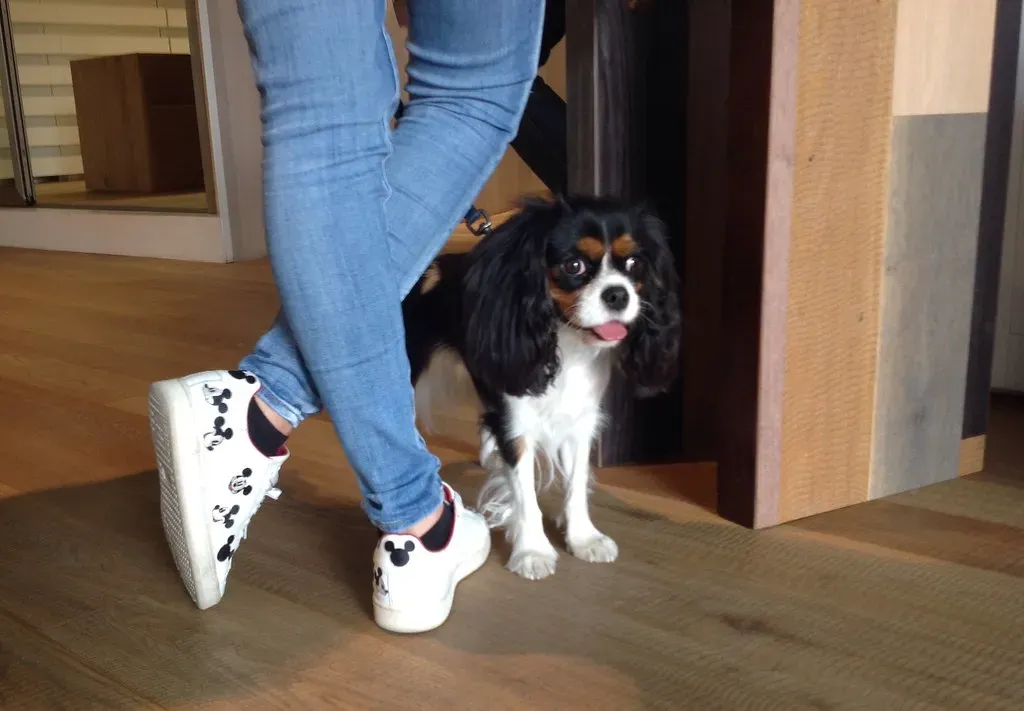
Aptly nicknamed the “Love Sponge,” Cavaliers were bred to be companion dogs, and that’s what they want to do. You’ll never have privacy in the bathroom again if you live with a Cavalier. A Cavalier will dog your footsteps and make it clear that he does not wish to be left alone all day. The ideal home for this doe-eyed dog is one with a stay-at-home parent or work-at-home spouse, or with a retired couple.
While they don’t have the extreme exercise requirements of some other breeds on this list, their emotional neediness makes them challenging for busy families. Cavalier King Charles Spaniels are one of the sweetest, most affectionate breeds – but almost every single one ends up with heart disease. The health concerns compound the challenge, requiring regular vet visits and potentially expensive care.
These gentle souls deserve homes where someone’s actually present most of the time. Leaving them alone for long work and school days will leave them anxious and stressed, which isn’t fair to such a devoted companion.
Conclusion

Looking at this list, you might feel a bit discouraged if you’ve been dreaming of one of these breeds. Let me be clear though, I’m not saying these dogs aren’t wonderful. They absolutely are, in the right homes. The key is honest self-reflection about what your family can genuinely offer.
Busy doesn’t mean you can’t have a dog, it just means you need to choose thoughtfully. Breeds like Basset Hounds, adult rescue Greyhounds, or even certain mixed breeds from shelters might fit your lifestyle beautifully without the extreme demands these ten breeds require. Talk to your vet, visit shelters, and be upfront about your schedule and energy levels.
The right match creates joy for everyone involved, while the wrong match creates stress, guilt, and heartbreak. Your future dog deserves a home where they can truly flourish, and your family deserves a companion who enhances your life rather than adding overwhelming pressure. What’s your honest assessment of the time and energy you can dedicate each day?


