
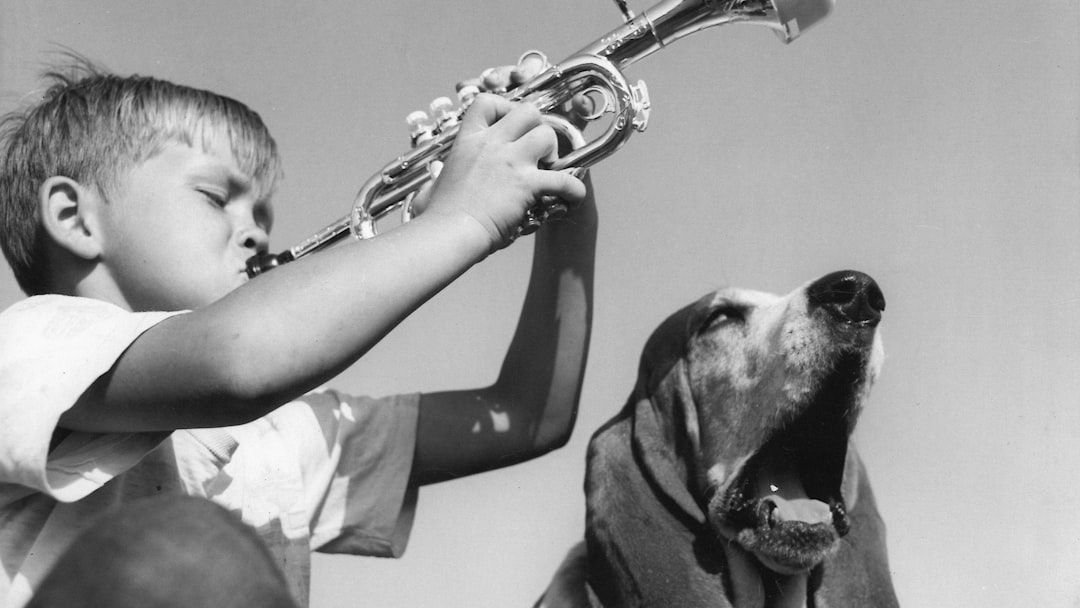
You love your dog. I mean, who wouldn’t? Those soulful eyes, the wagging tail, the way they greet you like you’ve been gone for years when it’s only been twenty minutes. Dogs bring incredible joy, companionship, and love into our lives.
There’s just one tiny issue. Some dogs have vocal cords that might as well be megaphones, and when they decide to use them, the whole neighborhood knows about it. If you’re considering adding a furry friend to your family or you’re already dealing with noise complaints from your neighbors, understanding which breeds are naturally more talkative can save you a lot of stress. Let’s be real, nobody wants to be *that* person on the block with the dog that never stops barking. So let’s dive in and discover which breeds might turn your peaceful street into a canine concert hall.
1. Beagle: The Howling Hound
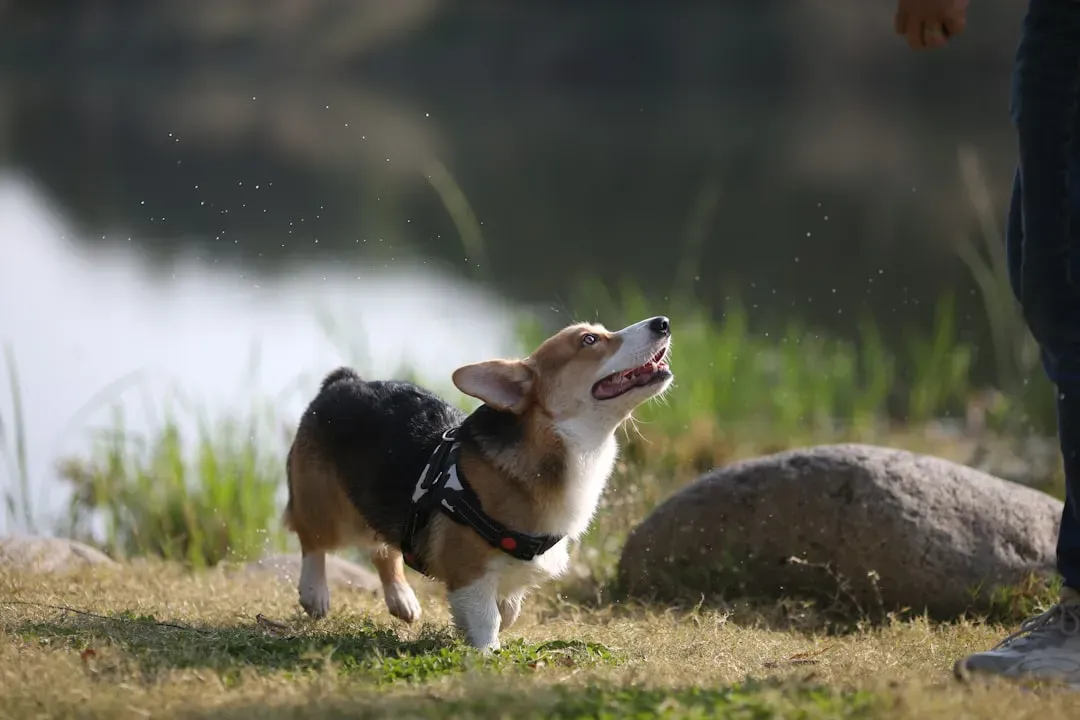
Beagles were bred to howl during hunts to alert hunters of their location and prey, and they possess a distinctive howl or bark with a wide variety of vocalizations. This isn’t just a casual bark here and there. Beagles are famous for their loud bay that is often heard when they’re tracking or excited, and this vocalization is deeply ingrained in their hunting instincts.
Their adorable floppy ears and sweet faces might fool you into thinking they’re quiet lap dogs. They’re anything but. The Basset’s melodious, classic hound howl can be heard for miles around if left alone in the backyard, and Beagles share this same trait. When a Beagle catches a scent or feels lonely, expect them to share their feelings with everyone within earshot. Training and mental stimulation can help, though their instinct to vocalize runs deep in their DNA.
2. Chihuahua: Tiny Dog, Massive Voice
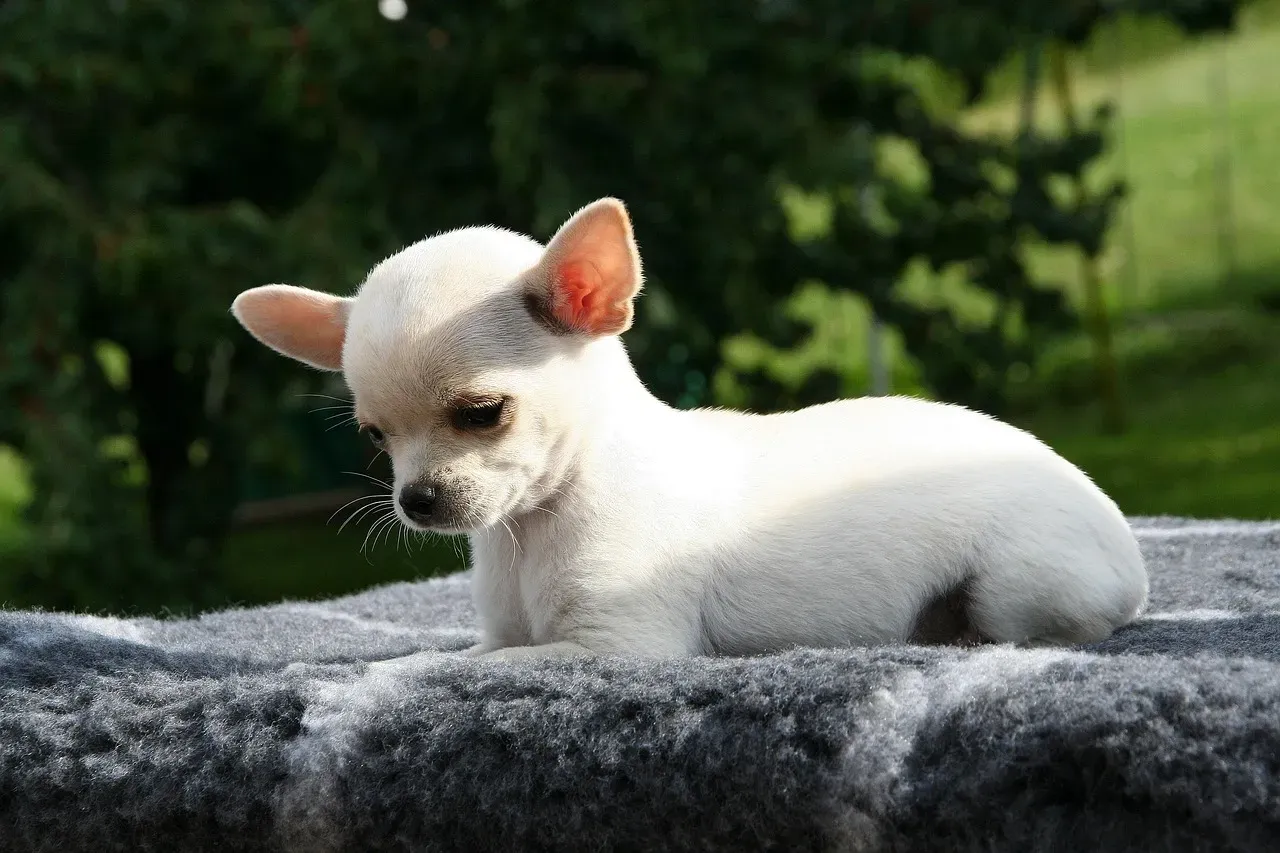
It’s not unusual for a Chihuahua to bark pretty much continuously, often for no other reason than they are bored. Despite their tiny size, Chihuahuas have a big personality and tend to bark as though they are much bigger than they are, and they may become habitual barkers without proper training.
These pint-sized pups act like they’re guarding a castle when in reality they’re protecting a studio apartment. Honestly, their confidence is both endearing and exhausting. The Chihuahua’s bark is often bigger than its bite, and these small dogs are known for their vocal nature, often barking to protect their territory and communicate their feelings. Give them proper socialization, plenty of attention, and consistent training to help manage their naturally vocal tendencies.
3. Yorkshire Terrier: The Elegant Yapper
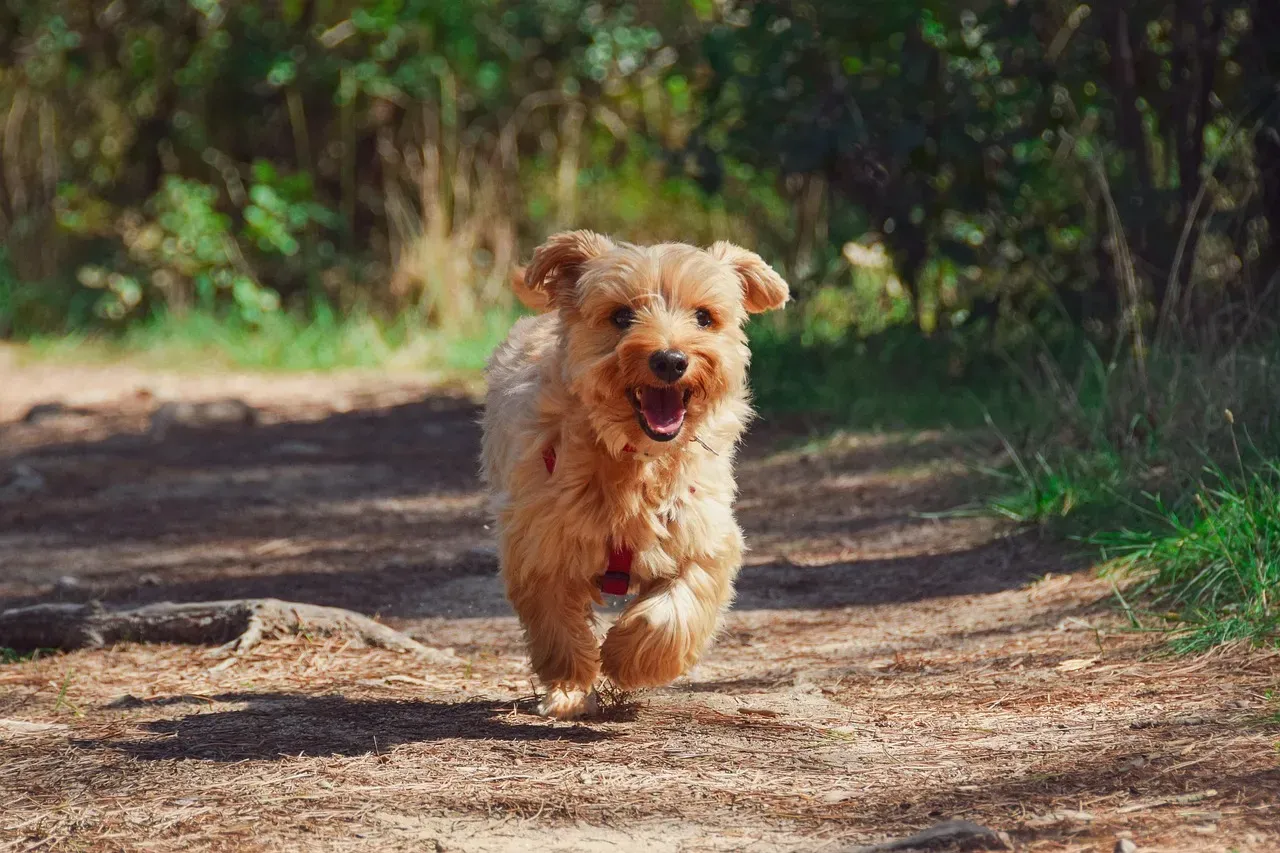
Yorkshire Terriers were originally bred in England to catch rodents in textile mills, which demanded bravery and alertness, and that same alert nature still shines through today. The Yorkie has a reputation for being a boisterous little pup, and he tends to be a natural yapper who won’t be silenced even with proper training and plenty of distractions.
Their luxurious coats and dainty appearance can be deceiving. The Yorkshire Terrier is another small dog that can make a big noise, and there are very few occasions that do not warrant a spirited barking notification. Their barking is often their way of alerting you to anything they deem important, which apparently includes leaves blowing, squirrels existing, and the mailman doing his job. Patience and early training can help, though you’ll need to accept that silence isn’t really in a Yorkie’s vocabulary.
4. Miniature Schnauzer: The Alert Watchdog
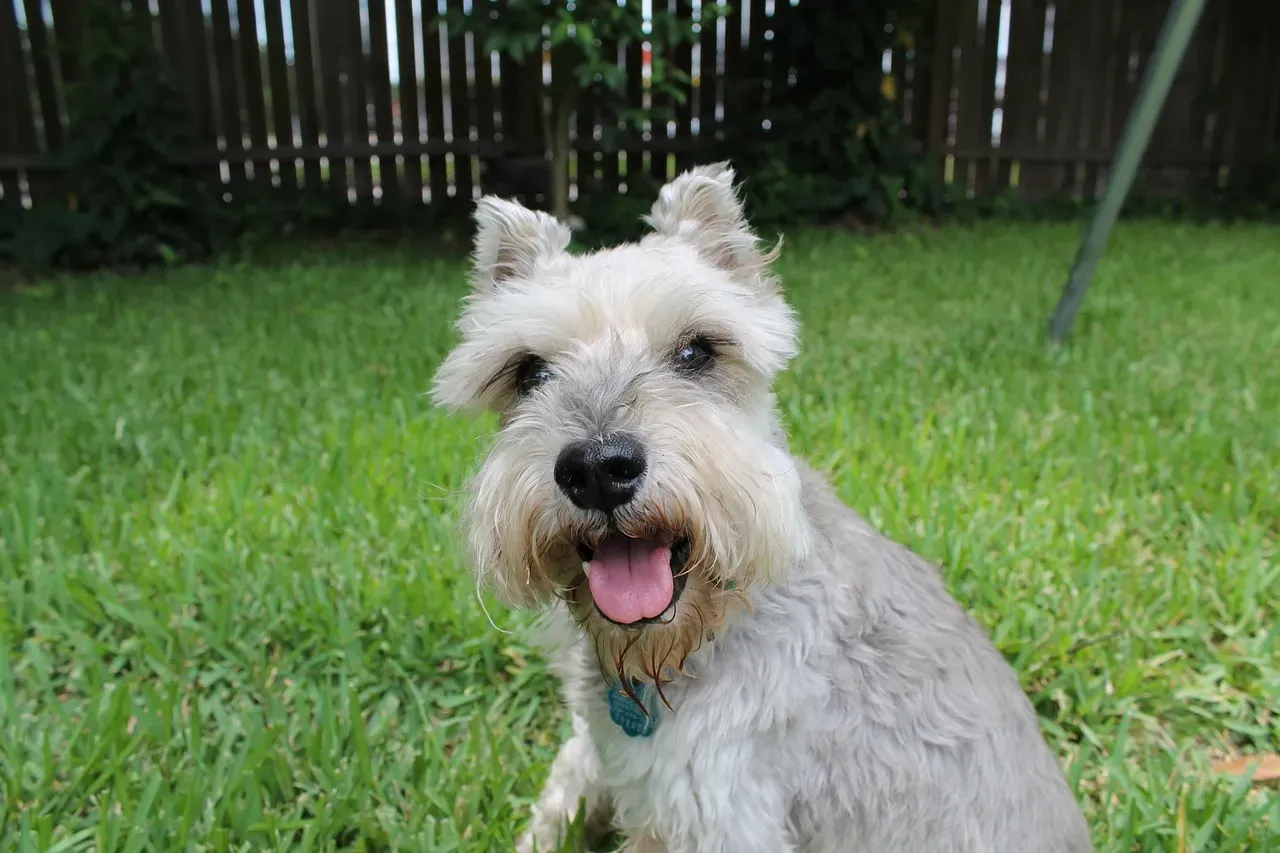
Miniature Schnauzers are naturally vocal and use barking as their main way to communicate, and their high intelligence and lively nature mean they bark when they’re bored or just want attention. The Miniature Schnauzer tends to be lively and active, wanting to participate in everything, and her natural inclination is to bark loudly and proudly.
Historically bred to be farm watchdogs, they’re vocal dogs who can bark if they want to catch your attention or alert you of something. Here’s the thing: they take their guard dog duties very seriously. Every doorbell, every passerby, every random noise becomes a potential security threat that must be announced. With consistent training and plenty of mental and physical exercise, you can teach them when it’s appropriate to sound the alarm. Just know that keeping them completely quiet is like asking the sun not to shine.
5. Siberian Husky: The Howling Conversationalist
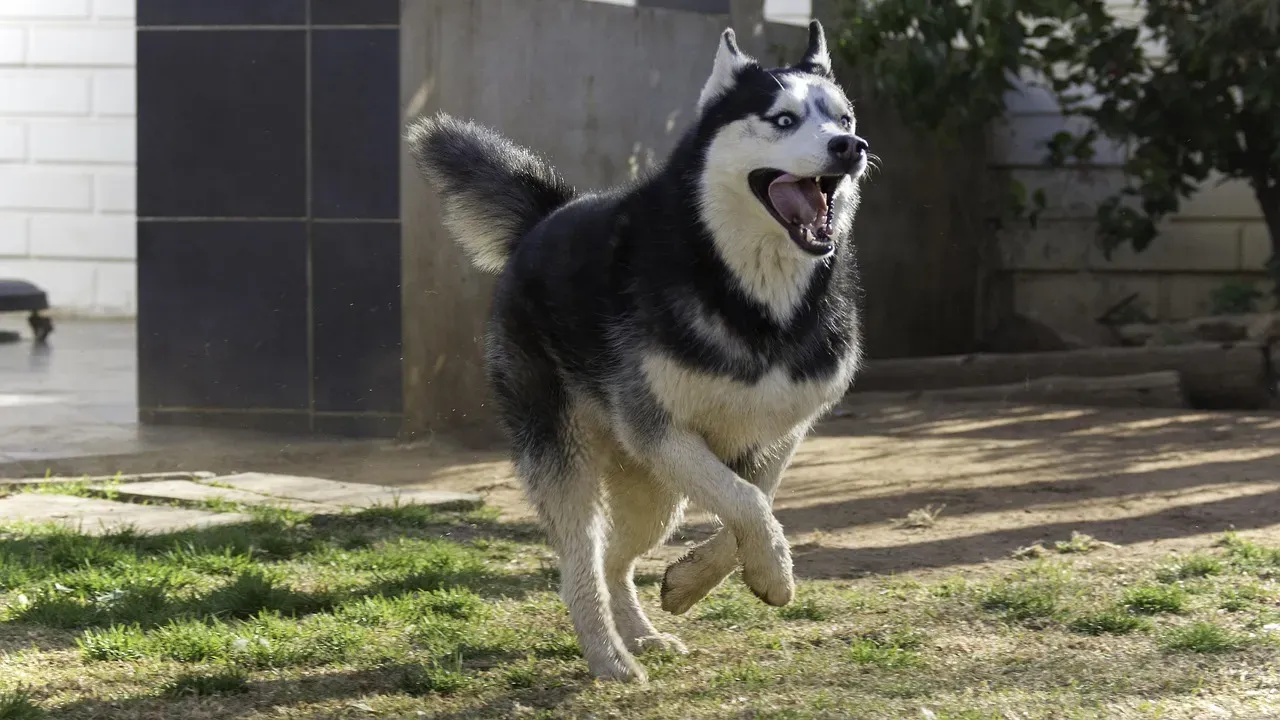
Siberian Huskies don’t necessarily bark a lot, but they’re described as a talkative breed who will whine, howl, groan and talk for hours. Huskies prefer to howl, whine, and talk to their owners, which comes from their pack heritage where they used vocal sounds to communicate across long distances in the snow, and their howls can reach around 90 decibels.
I think it’s fair to say Huskies don’t just vocalize, they perform entire symphonies. Siberian Huskies are a highly energetic and talkative breed that tends to howl rather than bark, partly due to the breed’s pack-oriented nature. Their vocalizations can sound eerily similar to human speech, and many Husky owners swear their dogs are trying to have actual conversations with them. These dogs need lots of exercise and mental stimulation, otherwise they’ll serenade your entire block with their feelings.
6. Dachshund: The Feisty Little Hunter

Dachshunds were originally bred in Germany for hunting tunneling animals like rabbits and foxes, and because of this, they can be vocal around strangers and other dogs. With its elongated body and distinctive bark, the Dachshund is a charming conversationalist who was originally bred for hunting and uses its voice to signal excitement and alertness.
Don’t let their short legs fool you. These little hotdogs have the heart of a much larger hound and the vocal range to match. They can be surprisingly loud when they want to be, especially when protecting their home or expressing their opinions about, well, everything. Their barking is part of their charm, though your neighbors might disagree. Early socialization and training can help curb excessive noise, though their hunting heritage means they’ll always have something to say.
7. German Shepherd: The Protective Guardian
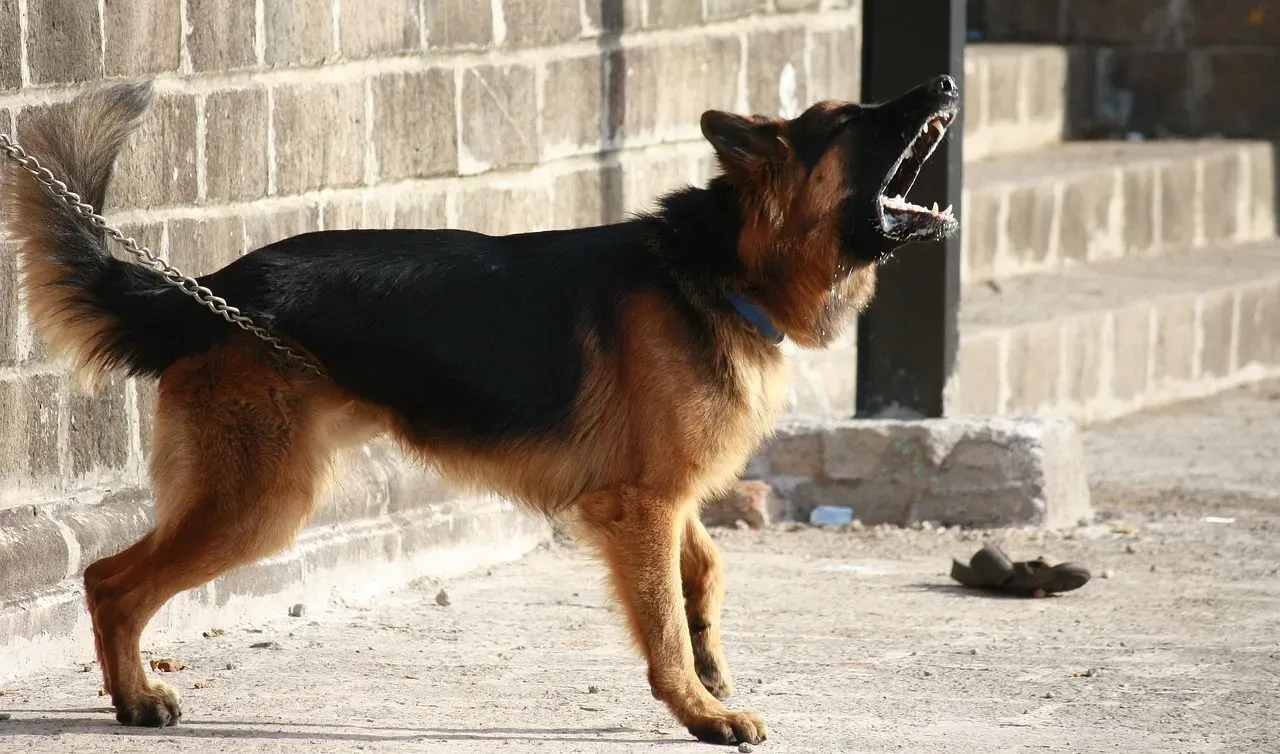
German Shepherds are generally more expressive and have a very distinctive loud bark, with a long history of working alongside humans in herding livestock and for protection, and they can be vocal around strangers and other dogs. While their barks serve as a warning to potential intruders, they can also bark out of boredom or anxiety if not provided with sufficient physical and mental stimulation.
These magnificent dogs are incredibly intelligent and loyal, making them popular family pets and working dogs. Their protective instincts mean they take their guard dog responsibilities seriously. Every unfamiliar person, car, or sound becomes something worth announcing. The good news? German Shepherds are highly trainable, so with consistent effort and proper exercise, their barking can be managed effectively. They need a job to do, and if you don’t give them one, they’ll create their own, usually involving lots of barking.
8. Pomeranian: The Fluffy Alarm System
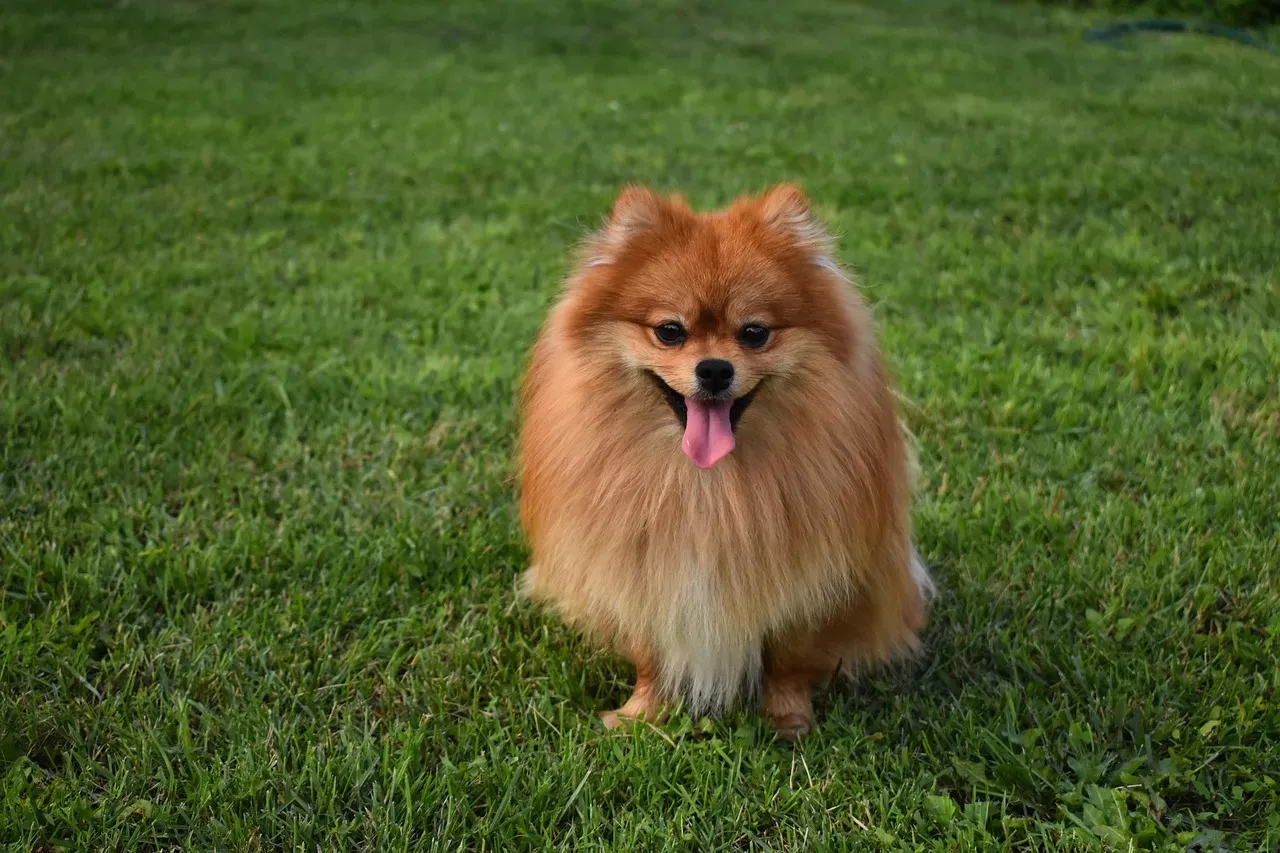
Pomeranians are known to be a yappy dog, and although they are small, their barks are loud and sharp, making them excellent watchdogs who don’t know when to stop. Poms bark for many reasons including warning, getting attention, or sharing their excitement, and they’re extremely alert and quick to notice anything unusual.
These little fluffballs look like adorable teddy bears, yet they have the attitude of a much larger dog. Many prospective pet owners are endeared to Pomeranians thanks to their permanent smile and puffy coat, but they are a high-energy toy breed that needs lots of exercise, training, and enrichment. They can be relentless barkers if not properly trained and exercised. Their constant barking can sometimes be a sign of anxiety or boredom, so keeping them mentally and physically stimulated is essential.
9. Basset Hound: The Melodious Howler
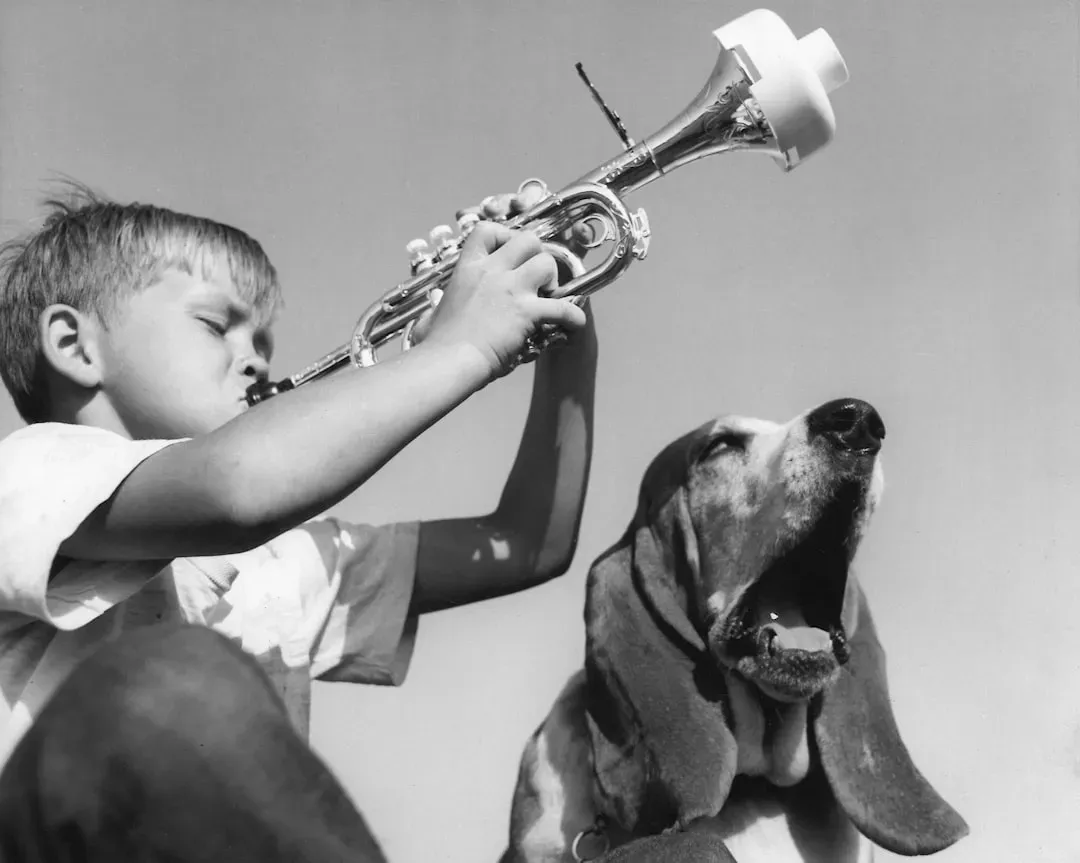
The Basset’s melodious, classic hound howl is almost as famous as his short-legged stature and hangdog face, and his piteous vocalizations can be heard for miles around if left alone in the backyard. These dogs were bred for tracking, and their distinctive baying was meant to help hunters locate them in dense brush.
Their mournful howls can tug at your heartstrings while simultaneously driving your neighbors up the wall. Bassets are generally gentle and laid-back, which makes their vocal nature somewhat surprising. When they decide to sing, they really commit to the performance. Loneliness and boredom are common triggers, so making sure your Basset has company and stimulation is key to keeping the noise levels manageable.
10. Jack Russell Terrier: The Energetic Barker
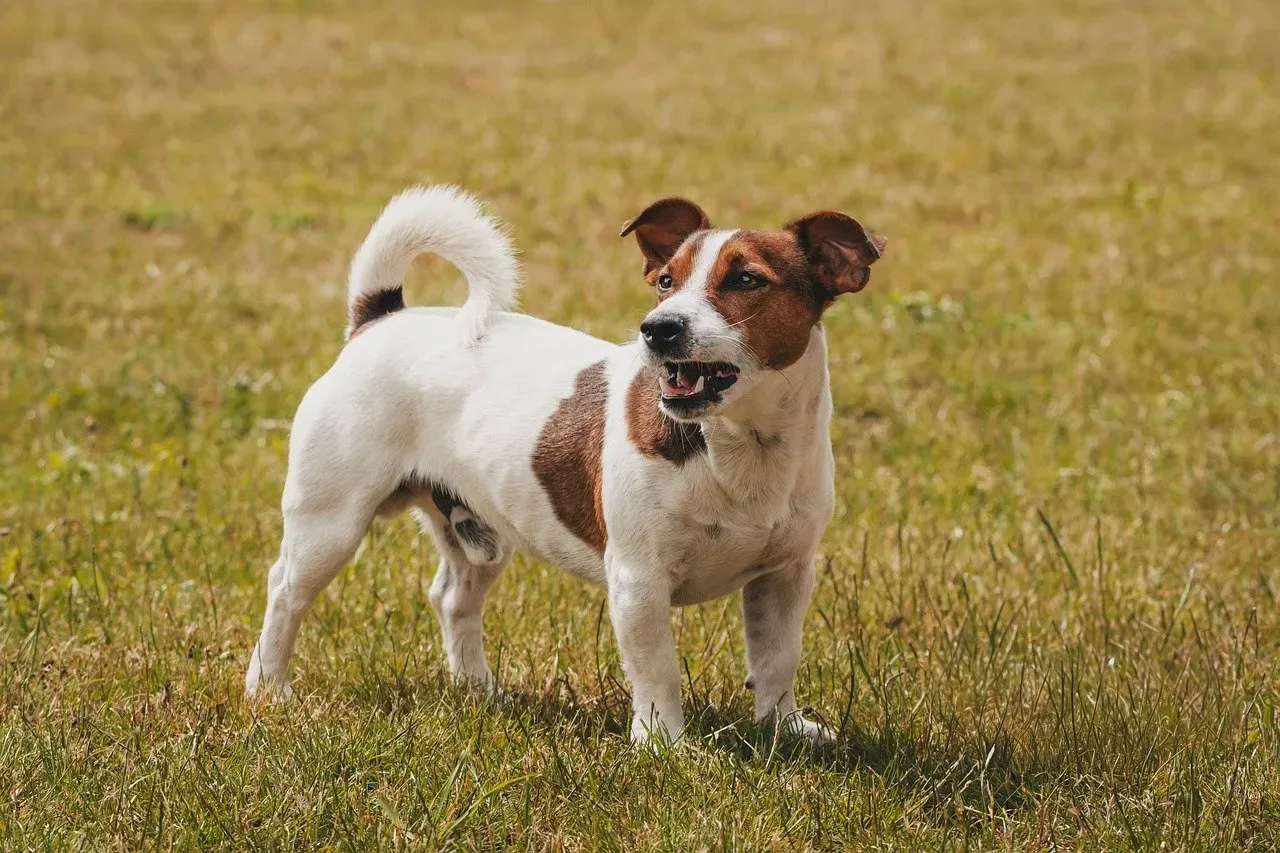
Digging and barking are two of the Jack Russell Terrier’s greatest loves, and the tenacious little Terrier requires a great deal of patience and training. These dogs are bundles of energy packed into compact bodies, and they have opinions about everything.
Jack Russells were bred to hunt foxes, which required them to be fearless, determined, and vocal. Those traits haven’t gone anywhere. They bark when they’re excited, bored, alert, happy, or just because they feel like it. Without proper outlets for their boundless energy, they can become chronic barkers. Daily exercise, mental challenges, and consistent training are essential. If you’re looking for a quiet companion, a Jack Russell probably isn’t your best bet. These little dynamos need active owners who can keep up with their energy and provide structure.
Conclusion: Understanding Your Vocal Companion
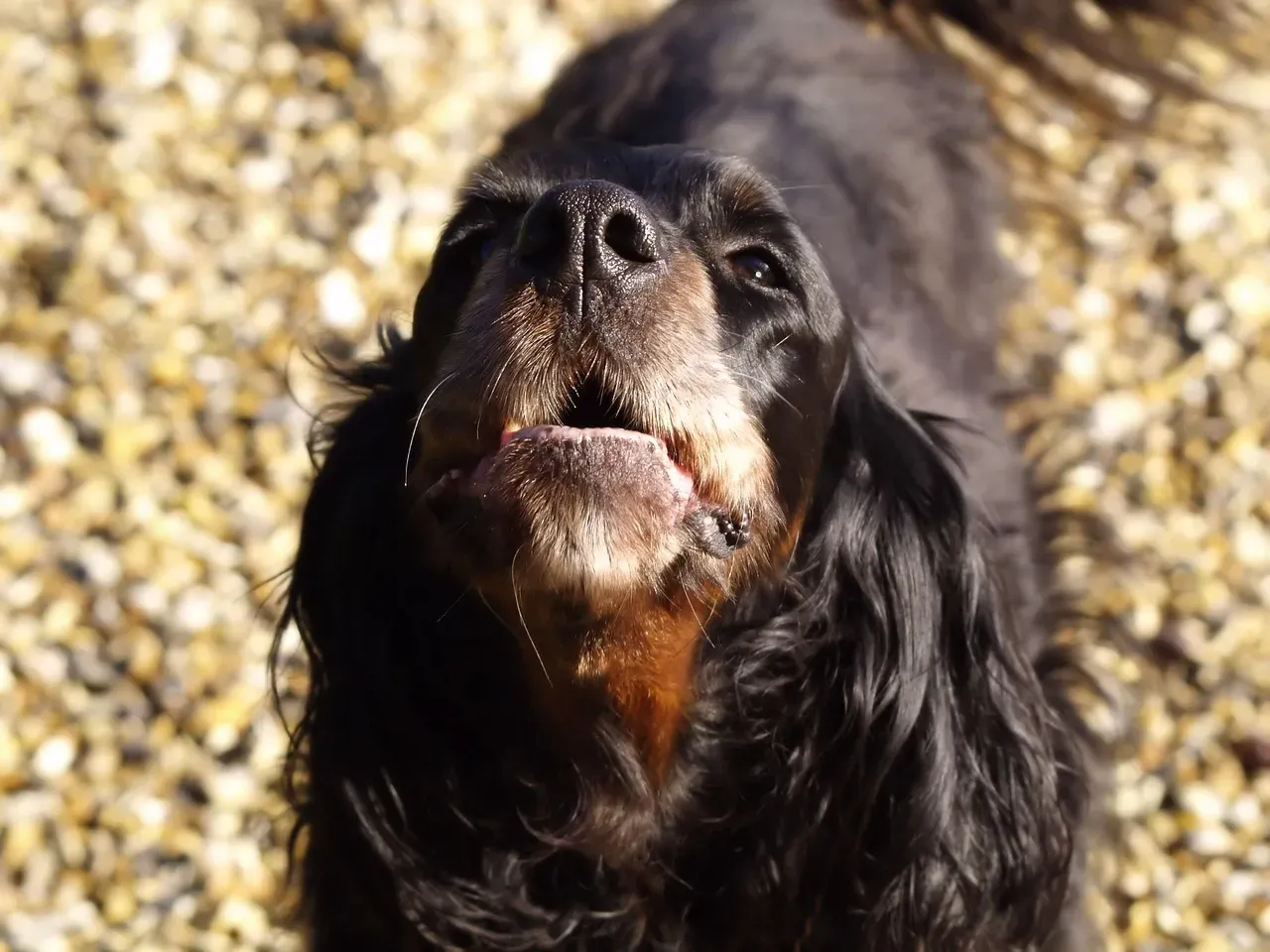
Every dog has a voice, and some breeds simply have more to say than others. Some dogs are more prone to barking than others, and some breeds are known as barkers where it can be harder to decrease barking. Understanding why your dog barks is the first step in managing it.
The frequency of barking varies from breed to breed because it’s in their genes, and dogs bred for herding or guarding are easily alert and tend to bark more. Training, exercise, mental stimulation, and patience can go a long way in reducing excessive noise. Remember that barking is natural communication for dogs, so the goal isn’t to eliminate it entirely but to manage it appropriately. What do you think about these vocal breeds? Have you had experience with any of them? Share your thoughts in the comments.


