
Picture this. Your brand new puppy bounds toward you, all wiggly joy and needle teeth, and before you can react, those tiny razors are clamped around your thumb. You wince. Your instinct might be to laugh it off as cute puppy behavior, yet deep down, you know this needs addressing. The thing is, some dogs struggle more than others when it comes to learning . That soft, gentle mouth we hope for doesn’t always come naturally. Some breeds, because of genetics, temperament, or their original working roles, find bite inhibition trickier to master. This doesn’t make them bad dogs; it simply means they need more patience, guidance, and understanding from us as their caretakers. Let’s dive in and explore which breeds tend to need that extra dose of training when it comes to keeping those teeth in check.
1. Siberian Husky
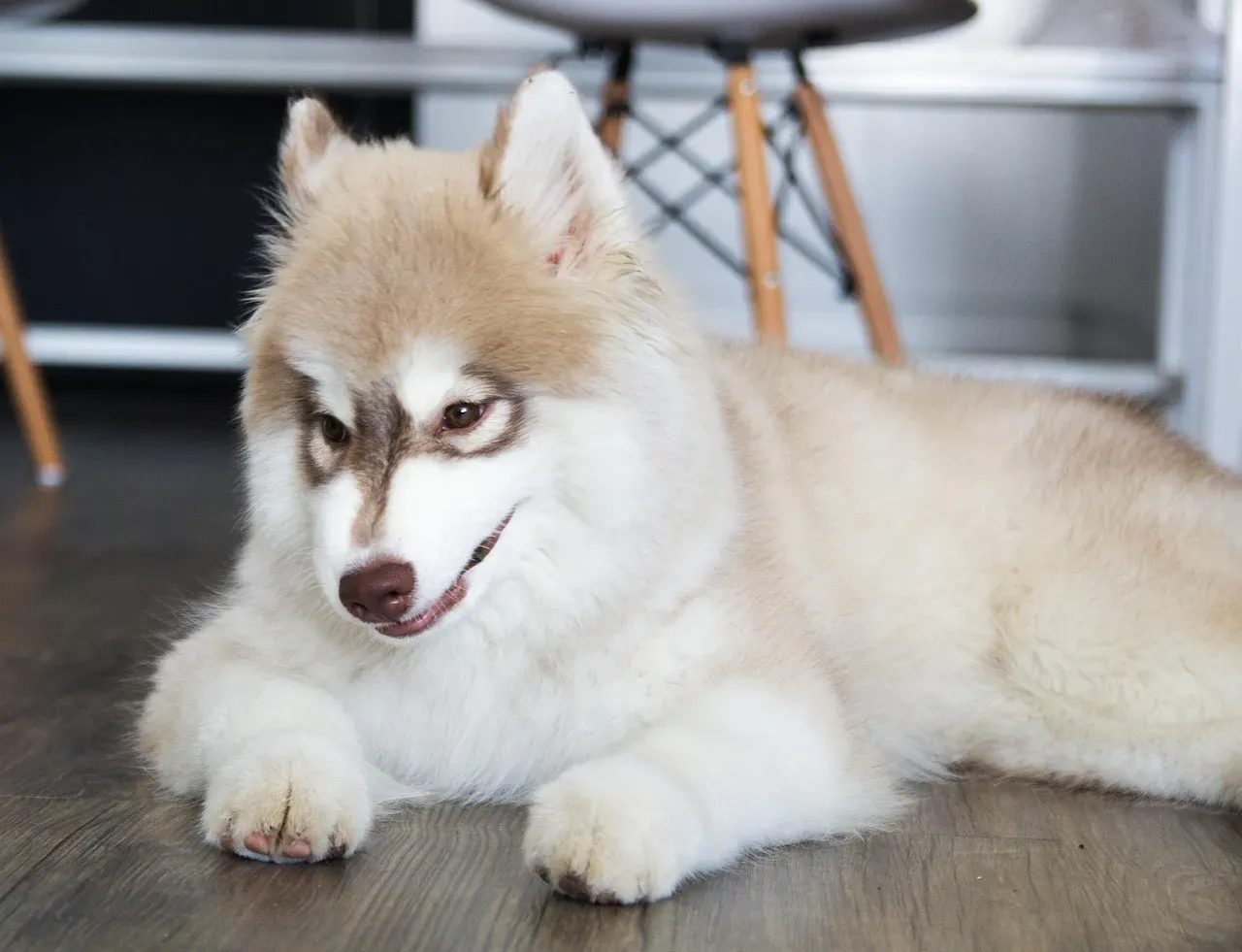
Let’s be real, Huskies are magnificent creatures with those piercing blue eyes and that wild, ancestral energy. Yet that same primal drive can translate into mouthiness that surprises many first time owners.
Testosterone plays a major role in aggression, and dogs with excess testosterone may act out violently and practice bite inhibition less frequently, especially intact males. Huskies were bred to run for miles in harsh conditions, not to gently retrieve birds or herd sheep with soft corrections. Their play style is rough and uninhibited, much like their wolf ancestors. They use their mouths freely during play with other dogs, and when they’re young, they may not understand that human skin is far more delicate than the thick fur of a fellow sled dog.
Training a Husky puppy requires consistency and calm redirection. When those jaws clamp down too hard during play, end the interaction immediately. Walk away. Puppies learn bite inhibition during play with their mother and siblings, discovering that biting too strongly leads to the abrupt termination of play activities, which is crucial later in life. Mimic this natural lesson by removing your attention the moment teeth touch skin.
2. Australian Cattle Dog
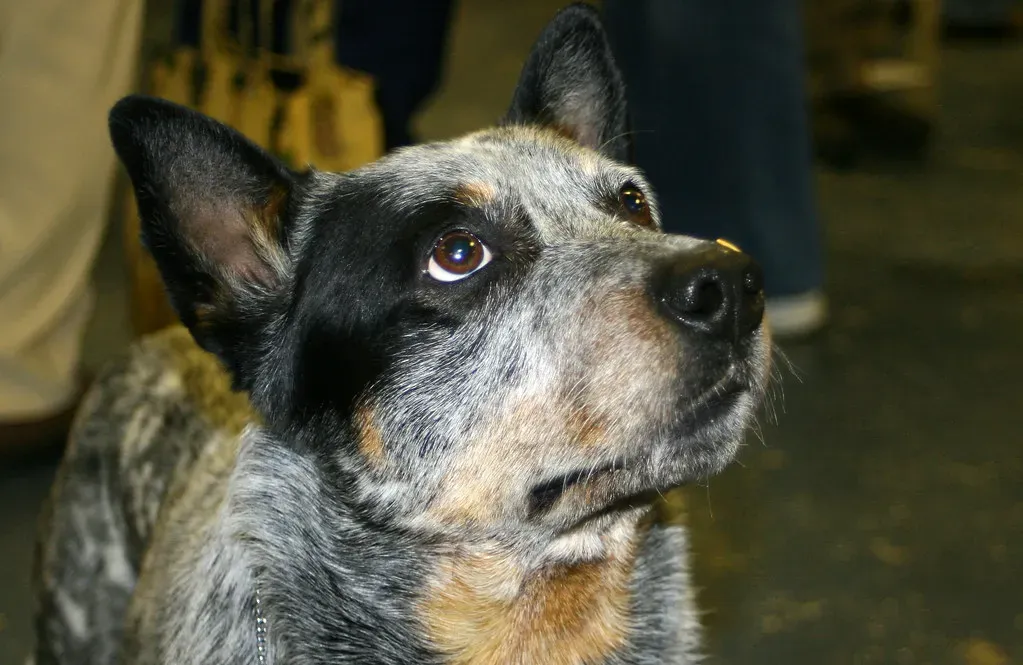
Cattle Dogs are brilliant, driven, and incredibly loyal. They’re also notorious nippers. This isn’t aggression, honestly; it’s deeply ingrained instinct. These dogs were literally bred to control livestock by nipping at their heels, so when your Cattle Dog pup starts herding the kids around the backyard by grabbing at ankles, they’re just doing what generations of breeding told them to do.
Herding breeds and breed mixes tend to nip at a person’s feet or heels, mimicking the livestock herding behavior they were originally bred for. The challenge here is redirecting that instinct into something productive. Mental stimulation is key. Puzzle toys, obedience training, and plenty of structured exercise can help channel that need to control movement into healthier outlets. Without it, the nipping will persist and possibly intensify.
Teach a solid “leave it” command early. When your Cattle Dog goes for your heels, freeze completely. Movement triggers the chase response. Once they release, reward calm behavior and offer an appropriate toy. Repeat this hundreds of times if necessary. Cattle Dogs are smart; they’ll catch on, though it takes time and incredible patience.
3. Jack Russell Terrier
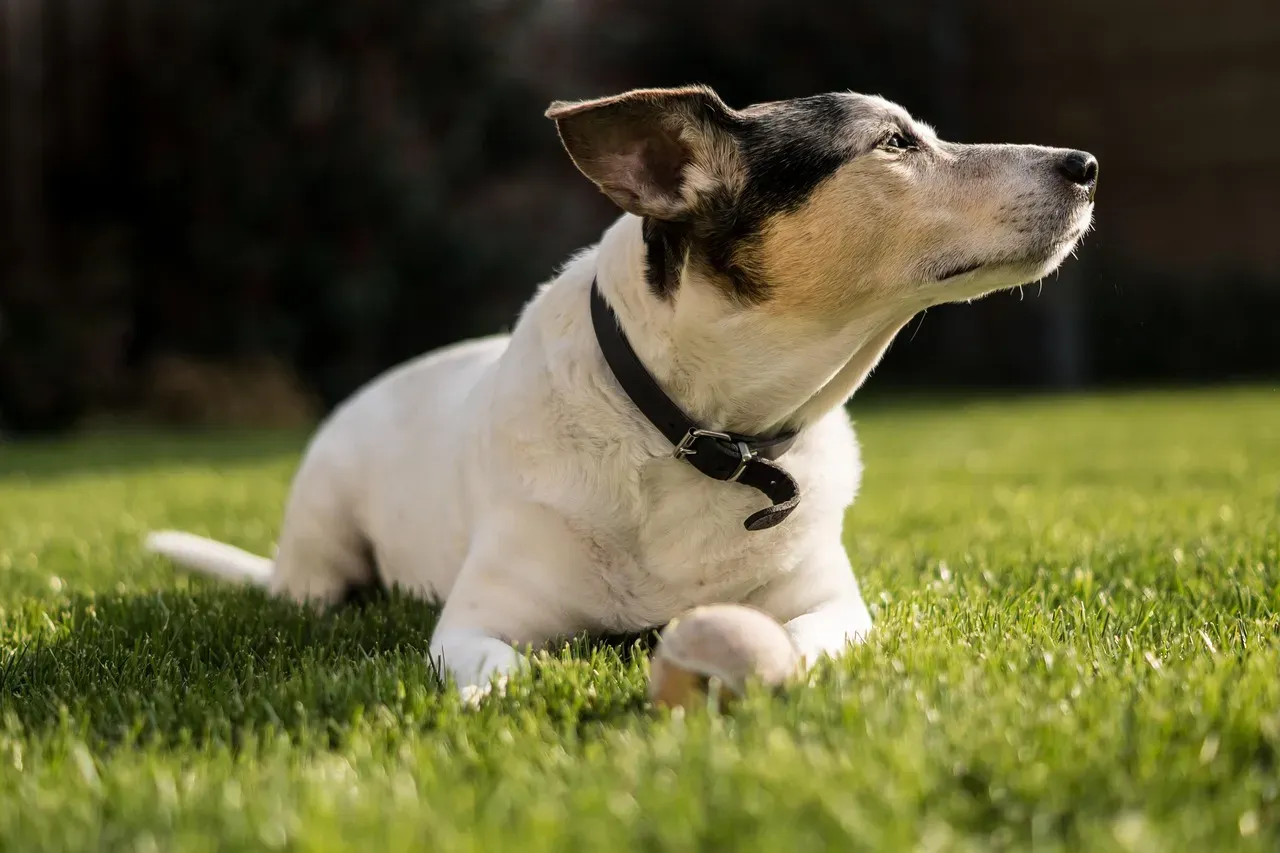
Don’t let the small size fool you. Jack Russells pack a whole lot of attitude and energy into that compact body. These terriers were bred to hunt vermin, which required tenacity, fearlessness, and yes, a hard bite.
Jack Russell Terriers are among classically hard-mouthed breeds, though individuals may vary. That terrier fire means they can get overstimulated quickly, and when excitement peaks, bite inhibition often flies out the window. They’re not trying to hurt you; they’re just so intensely engaged in the moment that they forget to be gentle.
Socialization with other puppies is crucial for Jack Russells. Young dogs normally learn bite inhibition from their littermates before about 18 weeks of age; if they bite too hard, the recipients react. Enrolling your Jack Russell in a well supervised puppy class gives them the chance to learn bite pressure from peers, which is often more effective than human correction alone. Keep play sessions calm and end them before your terrier gets too wound up.
4. Belgian Malinois
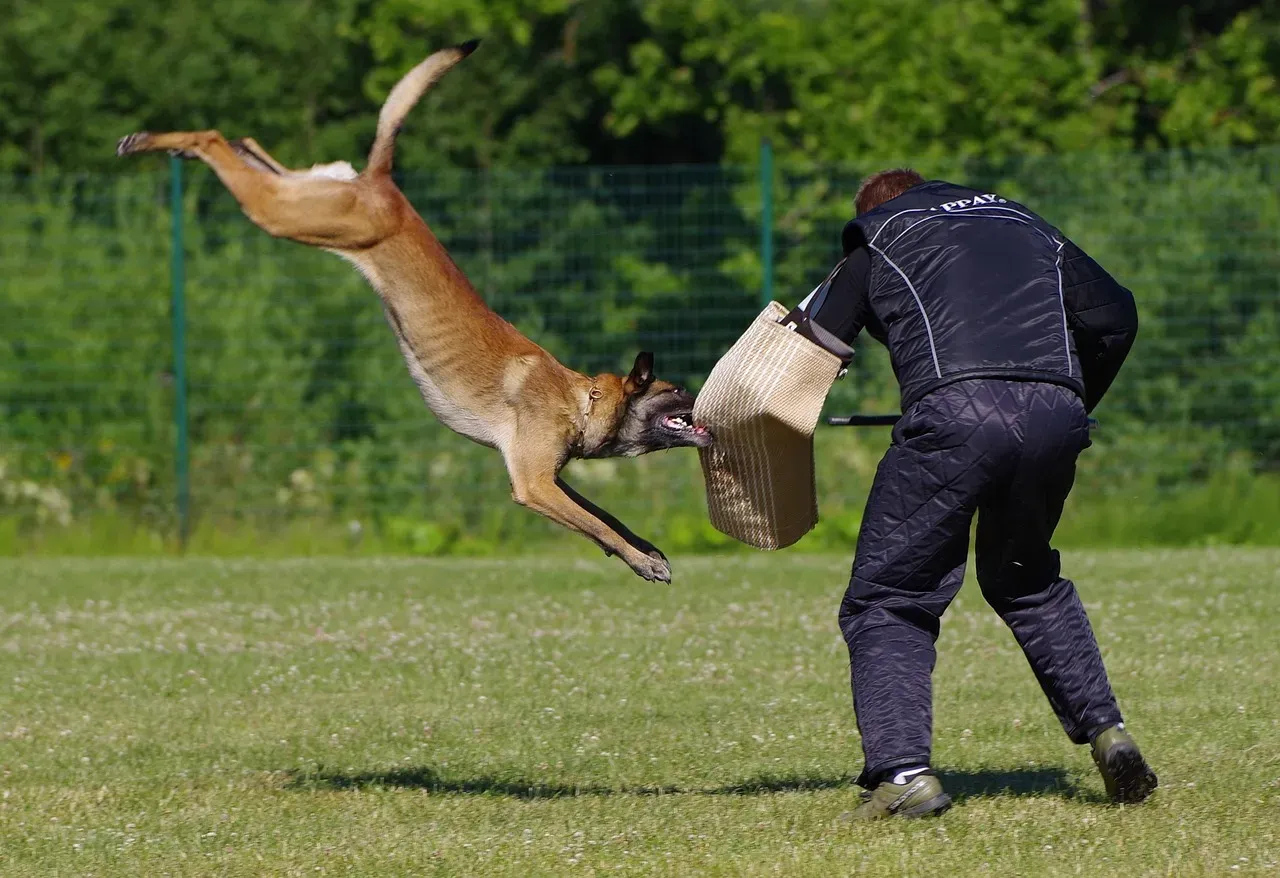
Malinois are the superstars of police and military work for good reason. They’re intensely focused, driven, and possess powerful jaws. These dogs are bred for protection and bite work, so bite inhibition doesn’t always come naturally.
Belgian Malinois, German Shepherds, Australian Shepherds, and Cattle Dogs are breeds that often experience mouthiness and nipping when they are pups. With a Malinois, you’re dealing with a dog that has been selectively bred to bite with purpose and hold on. Even in play, that intensity can be startling. A playful nip from a Malinois puppy can draw blood, not out of malice but because they genuinely don’t realize their own strength.
Start bite inhibition training the moment your Malinois puppy comes home. Teaching bite inhibition is the most important aspect of your puppy’s entire education, and it must be done gradually and progressively. Use a high pitched yelp when teeth touch skin, then immediately withdraw all attention. These dogs are smart and responsive; they want to please you. Consistency and clear communication will help them learn that gentle mouths get continued play, while hard bites end the fun.
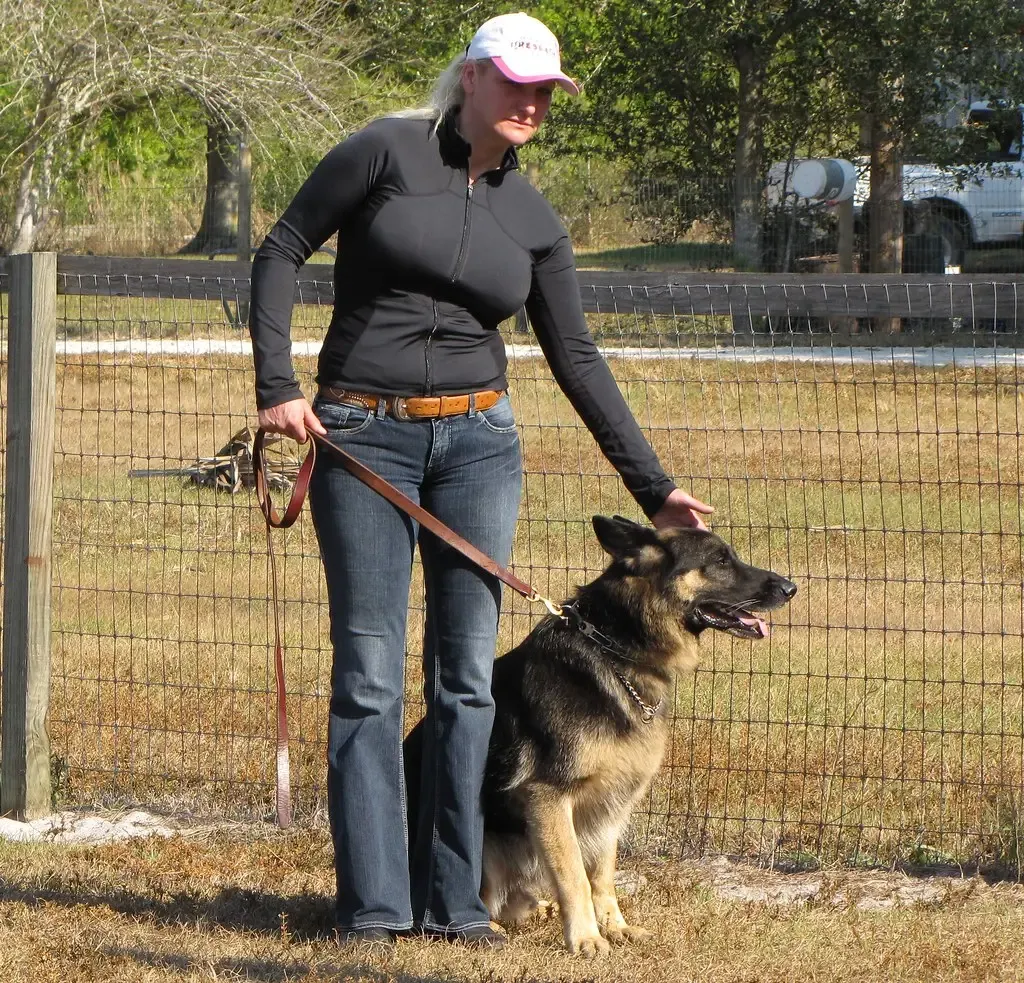
5. German Shepherd
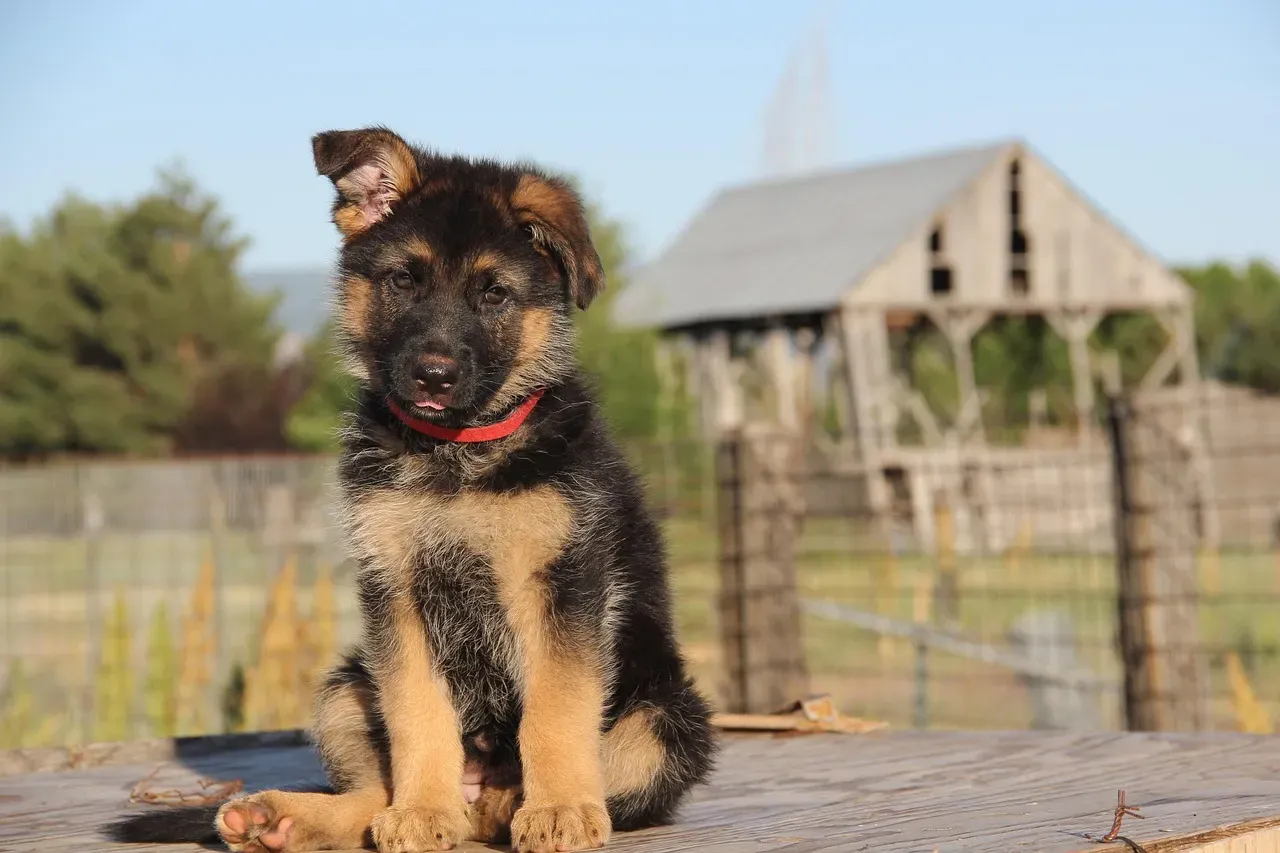
German Shepherds are loyal, protective, and incredibly intelligent. They’re also mouthy, especially as puppies. Like the Malinois, Shepherds have been bred for protection work, which means they have strong jaws and a natural inclination to use them.
The jaws of an adult dog can cause significantly more pain than puppy teeth, and adult dogs can inadvertently cause injury while mouthing. German Shepherd puppies are notorious for their land shark phase, where it seems like every interaction involves teeth. This is normal, yet it must be addressed early. Bite inhibition is engrained in a dog at a young age, usually between 3 to 5 months of age. Miss this window, and correcting the behavior becomes significantly harder.
Redirect, redirect, redirect. Always have a toy within reach when interacting with your Shepherd puppy. When they go for your hand, immediately offer the toy instead. Praise them lavishly when they choose the toy over your skin. Over time, they’ll learn that toys are acceptable chew objects, not human body parts.
6. Border Collie
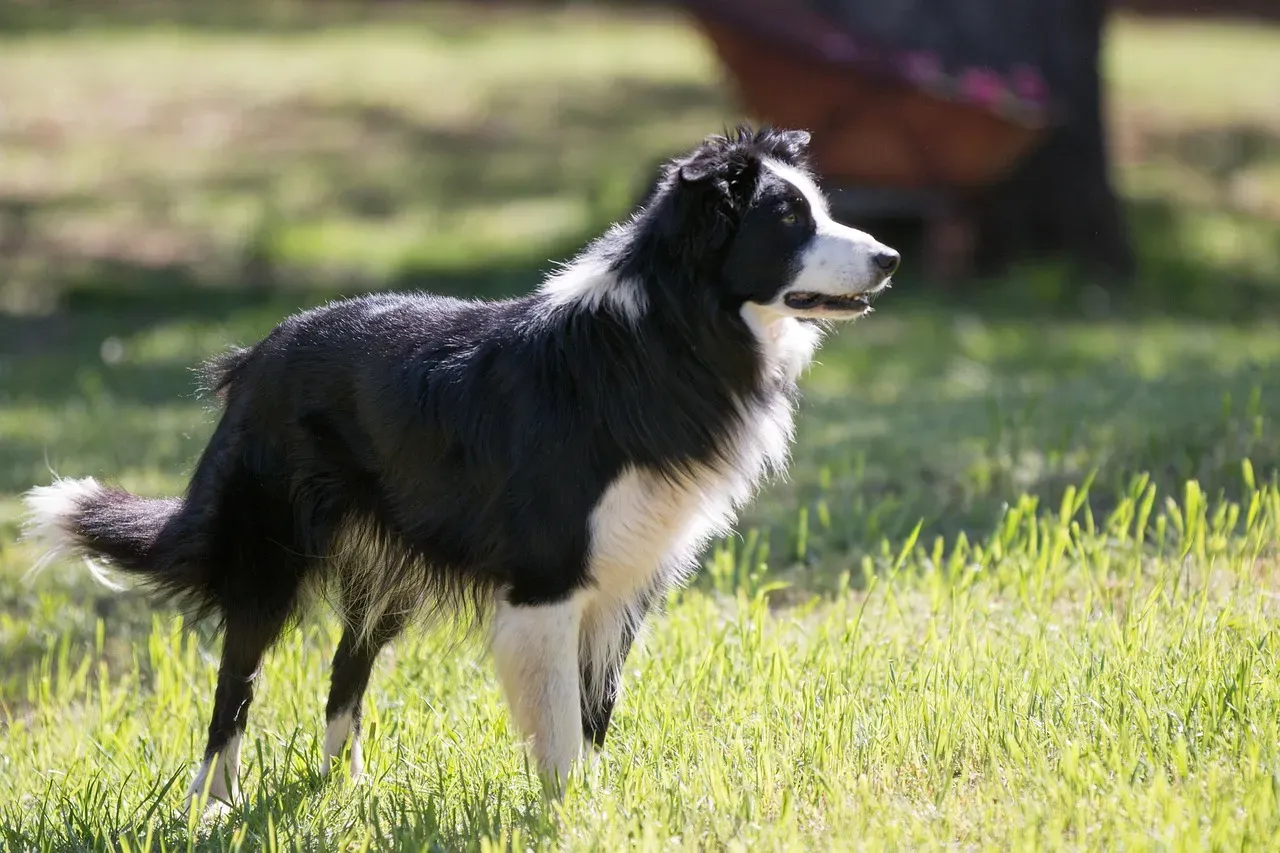
Border Collies are often hailed as the smartest breed, yet that intelligence comes with challenges. These dogs are herding machines, and like Cattle Dogs, they use their mouths to control movement.
Breeds like Border Collies and Australian Shepherds have strong herding instincts, and they might use nipping to try and control the movement of people or other animals. A Border Collie puppy may nip at running children, chase bikes, or grab at moving hands during play. It’s not aggression; it’s instinct. They’re trying to manage the chaos around them the only way they know how.
Exercise and mental stimulation are non negotiable for Border Collies. A tired Collie is a well behaved Collie. Long walks, frisbee sessions, and agility training can help burn off that intense energy. When the nipping happens, freeze. Don’t pull away; that just triggers more chasing and nipping. Wait for them to release, then calmly redirect to an appropriate activity.
7. Labrador Retriever
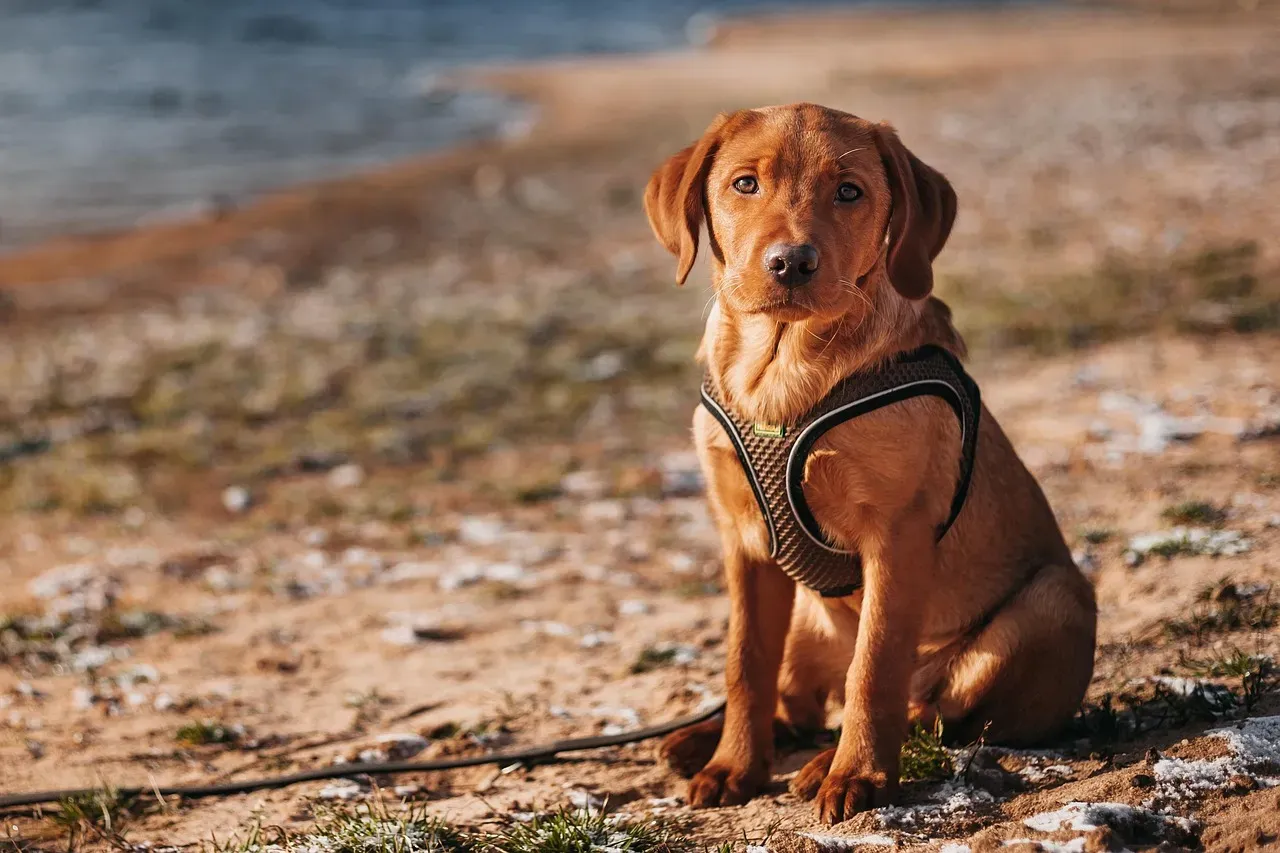
Wait, Labs? Yes, Labs. While they’re often considered soft mouthed because of their retrieving background, many Lab puppies are exceptionally mouthy. The difference is that they’re not trying to nip; they’re trying to hold onto you the way they’d hold a bird. Still, those puppy teeth are sharp, and it hurts.
Golden Retrievers, Labrador Retrievers, Cocker Spaniels, Poodles, and Gordon Setters are known for producing more soft-mouthed individuals, but in any litter some individuals may be much less soft-mouthed than others. Some Labs never quite get the memo that human skin is not a tennis ball. They’re mouthy because they’re oral by nature. Retrievers explore the world with their mouths, and puppies especially will mouth hands, arms, and clothing constantly.
The good news is that Labs are eager to please and highly trainable. Bite inhibition refers to a dog’s ability to control the force of his mouthing. Teach your Lab to take treats gently. Hold a treat in your closed fist, and only release it when they lick or nudge softly rather than biting. This simple exercise reinforces the concept that gentle mouths get rewards.
8. Rottweiler
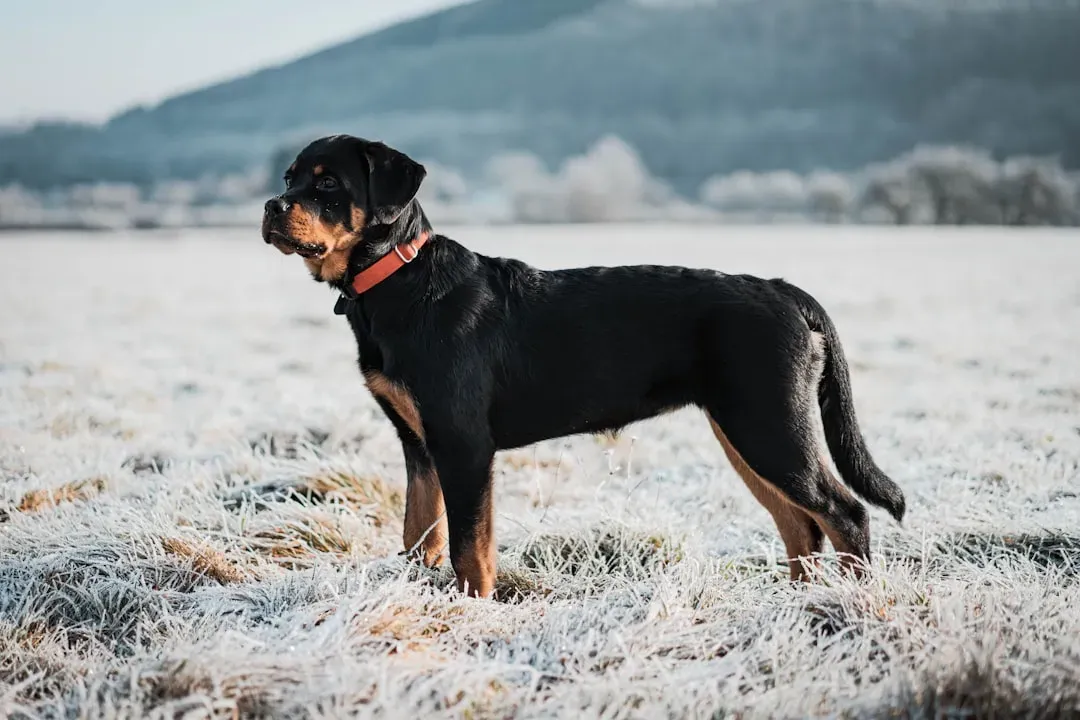
Rottweilers are powerful, confident dogs with strong protective instincts. They’re also surprisingly sensitive and deeply bonded to their families. Yet those jaws are no joke. Even playful mouthing from a Rottweiler can leave bruises.
Adult dogs who mouth people probably never learned not to do so during puppyhood, likely because their human parents didn’t teach them how to be gentle. With Rottweilers, early intervention is critical. These dogs grow fast, and what seems manageable at eight weeks becomes a serious issue by six months. A Rottweiler that hasn’t learned bite inhibition is a liability, both legally and emotionally.
Socialization is essential. Expose your Rottweiler puppy to a variety of people, dogs, and situations. Young dogs normally learn bite inhibition from their littermates before about 18 weeks of age; if they bite too hard, the recipients react. Puppy classes provide that critical feedback from other dogs. At home, use the time out method. When teeth touch skin, calmly stand up, turn away, and ignore your puppy for 30 seconds. Repeat until they understand that biting ends playtime.
9. Pit Bull Terrier
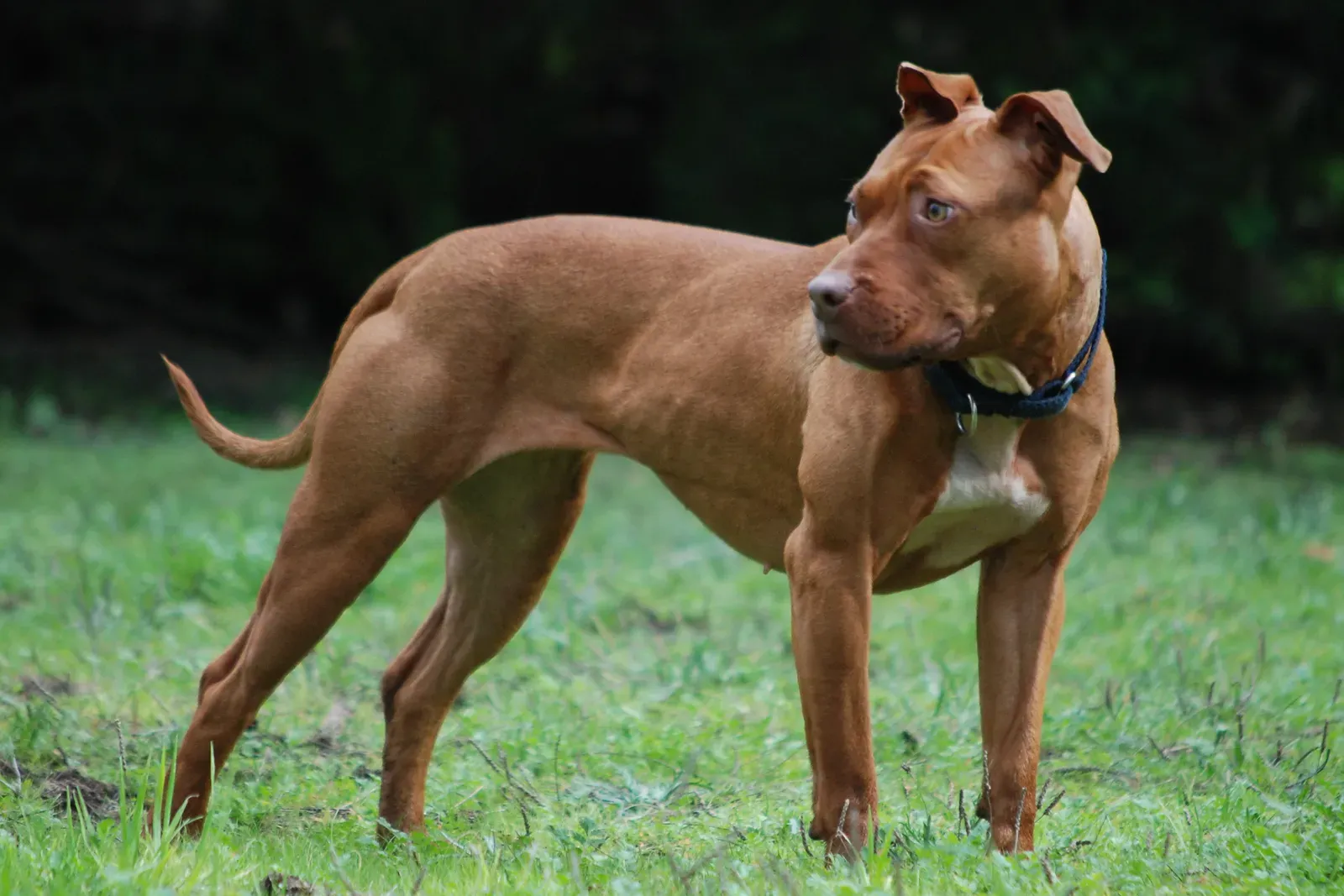
Pit Bulls are often misunderstood. They’re affectionate, goofy, and incredibly loyal. Yet they’re also terriers, which means they have that characteristic terrier intensity and a strong bite. Pit Bulls were historically bred for tenacity, and while modern Pit Bulls are far removed from their fighting ancestry, some of that drive remains.
Some breeds of domestic dogs are less inclined to inhibit their bites than others because the traits were highly desired during the breeding process. Pit Bulls can become overstimulated during play, and when that happens, bite inhibition can diminish. They’re strong dogs with powerful jaws, so even a playful nip can cause injury.
Training must be firm yet positive. Avoid rough play like tug of war until your Pit Bull has mastered bite inhibition. If a dog hasn’t learned bite inhibition, they’re likely to revert to their previous behavior and bite hard when they feel compelled to bite someone. Instead, focus on calm interactions. Reward gentle behavior lavishly, and immediately end play when things get too rough.
10. Dalmatian
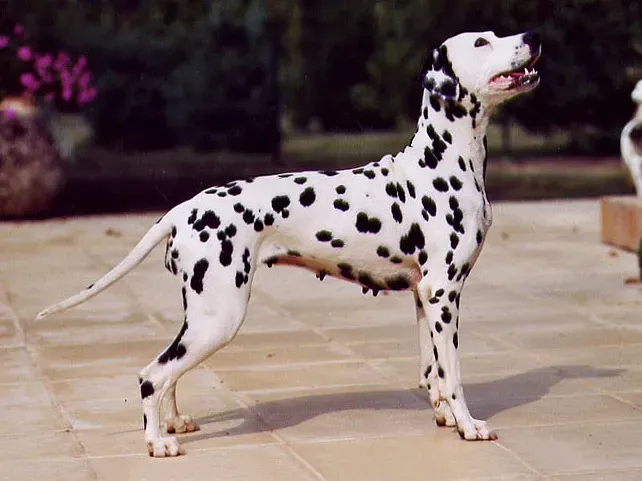
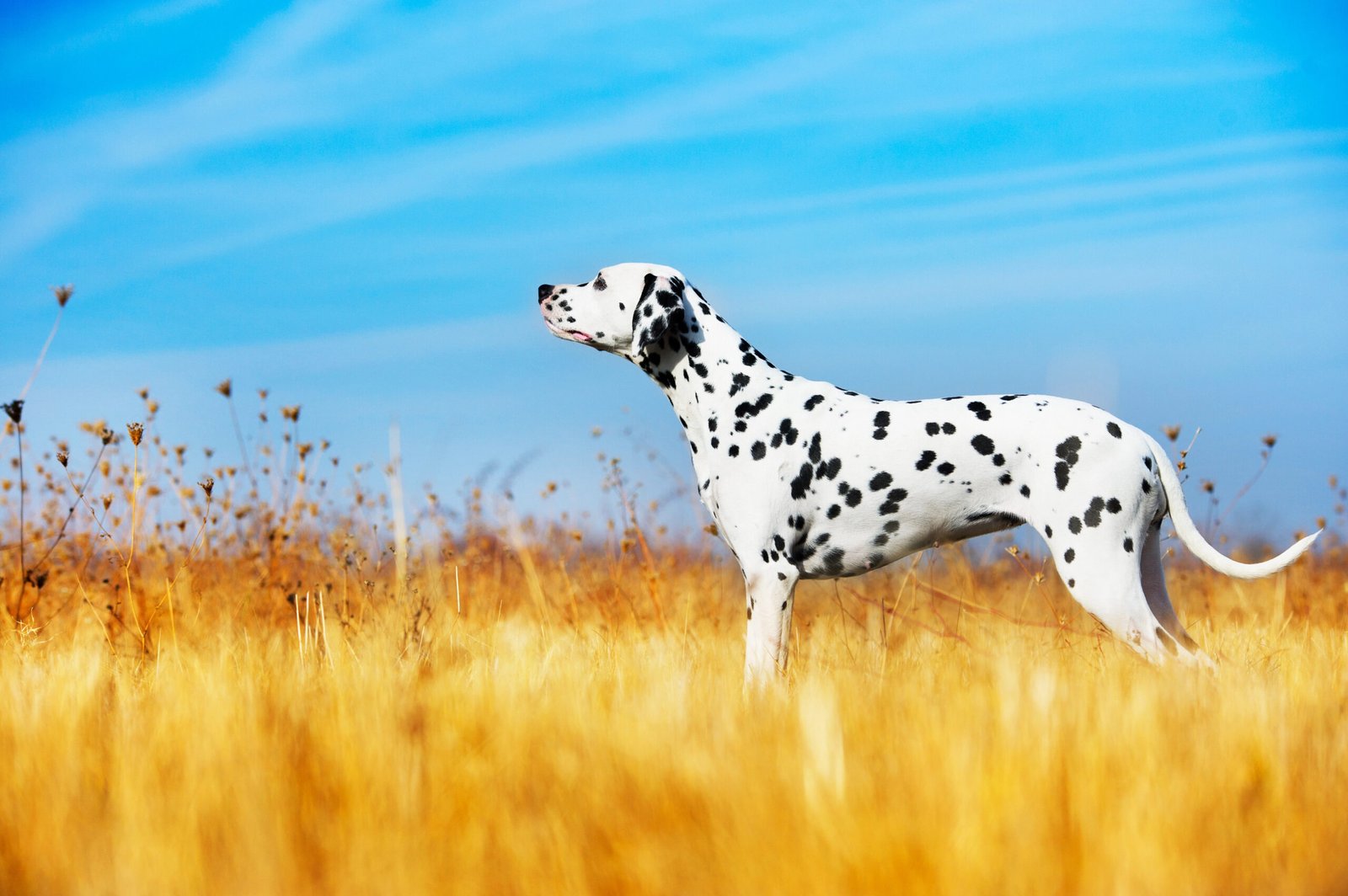
Dalmatians are energetic, independent, and surprisingly mouthy. They were bred to run alongside carriages for miles, which required stamina and a certain level of hardiness. That resilience sometimes translates into a harder mouth.
Dalmatians can be stubborn, which makes bite inhibition training more challenging. They’re not as eager to please as a Lab or a Golden, so training requires patience and creativity. Once puppies are past the socialization window, bite inhibition is not modifiable, based on the lack of any known successful attempt to modify it in adult dogs. This makes early training absolutely critical.
Use high value treats and keep training sessions short and engaging. Dalmatians can get bored easily, so mix up your approach. When they mouth you during play, give a sharp “ouch” and turn away. Wait a few seconds, then resume play. The goal is to teach them that gentle play continues, while rough play stops. It may take longer with a Dalmatian, yet it’s absolutely achievable with consistency.
Conclusion
isn’t about labeling certain breeds as dangerous or bad. It’s about understanding that some dogs, because of their breeding, temperament, or energy levels, need more guidance than others. Bite inhibition is an important factor in the socialization of pets because many breeds do not innately have the ability to moderate the strength of their bites. Every dog, regardless of breed, has the capacity to learn gentleness if we commit to teaching them.
The key is starting early, staying consistent, and never punishing your dog for doing what comes naturally. Redirect, reward, and repeat. Give them appropriate outlets for their energy and instincts. Most importantly, remember that bite inhibition training is one of the greatest gifts you can give your dog. It keeps them safe, keeps others safe, and allows them to navigate the world with confidence.
Did you recognize your own dog in this list? What strategies have worked best for you in teaching ?


