

Finding your perfect canine companion means more than just falling in love with those adorable puppy eyes. As someone who truly cares about dogs, you want a furry friend who’ll be by your side for years to come, healthy and happy. Let’s face it – watching our beloved pets struggle with health issues breaks our hearts and can strain our wallets too.
The good news? Some dog breeds are naturally blessed with better health profiles than others. These hardy companions tend to live longer, visit the vet less frequently, and bounce back quickly from minor ailments. They’re the marathon runners of the dog world, built for the long haul with strong genetics backing them up.
Whether you’re searching for your first dog or considering adding another four-legged family member, choosing a breed known for robust health gives you the best chance at years of adventures together. So let’s dive in and discover which breeds might just be your perfect match for a lifetime of tail wags and loyal companionship.
Australian Cattle Dog: The Energetic Champion
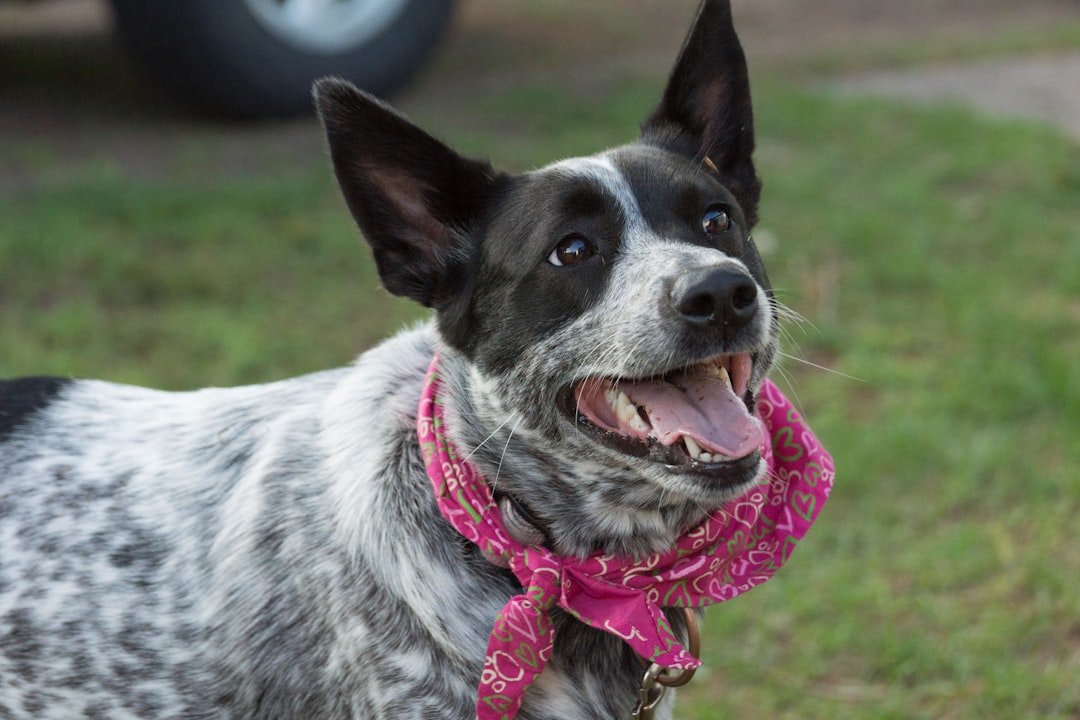
When it comes to canine longevity champions, Australian Cattle Dogs are among the healthiest breeds, living on average 12 – 16 years. These remarkable dogs don’t just live long lives – they live active ones right until their golden years. An ACD named Bluey holds the Guinness World Record for being the oldest dog; he passed away at 29 years old, proving just how exceptional this breed can be.
These dogs were literally bred to be tough. Dr. Cahn says, “Australian Cattle Dogs are built for endurance and benefit greatly from an active lifestyle.” Their working heritage means they’re naturally athletic and thrive when given plenty of physical and mental stimulation. Think of them as the personal trainers of the dog world – they’ll keep you moving and motivated.
While generally robust, they have some major health concerns, including canine hip dysplasia (CHD), elbow dysplasia, progressive retinal atrophy (PRA), and deafness. However, responsible breeding has significantly reduced these issues. If you’re an active person who loves hiking, running, or spending time outdoors, an Australian Cattle Dog might just be your perfect adventure buddy.
Beagle: The Gentle Wanderer

Energetic and friendly, Beagles remain healthy through their love for outdoor adventures. “As active hunting dogs, Beagles stay fit, contributing to their overall robust health,” Cahn explains. These medium-sized companions typically weigh between twenty to twenty-five pounds and stand around fifteen inches tall – perfect for families who want a dog that’s not too big, not too small, but just right.
What makes Beagles special health-wise is their natural love for exercise. They enjoy long, slow walks – on the beach, in the woods, on a hike, or anywhere they can sniff – and are known for being gentle with their owners. They typically live to be 10–15 years. Their curious noses keep them moving, which naturally maintains their fitness levels throughout their lives.
The key to keeping your Beagle healthy is managing their food motivation – these little food hounds can easily pack on pounds if you’re not careful. Regular walks and proper portion control will keep your Beagle bouncing with energy well into their teens. Their sturdy build and easygoing nature make them excellent family pets who adapt well to various living situations.
Border Collie: The Brilliant Athlete
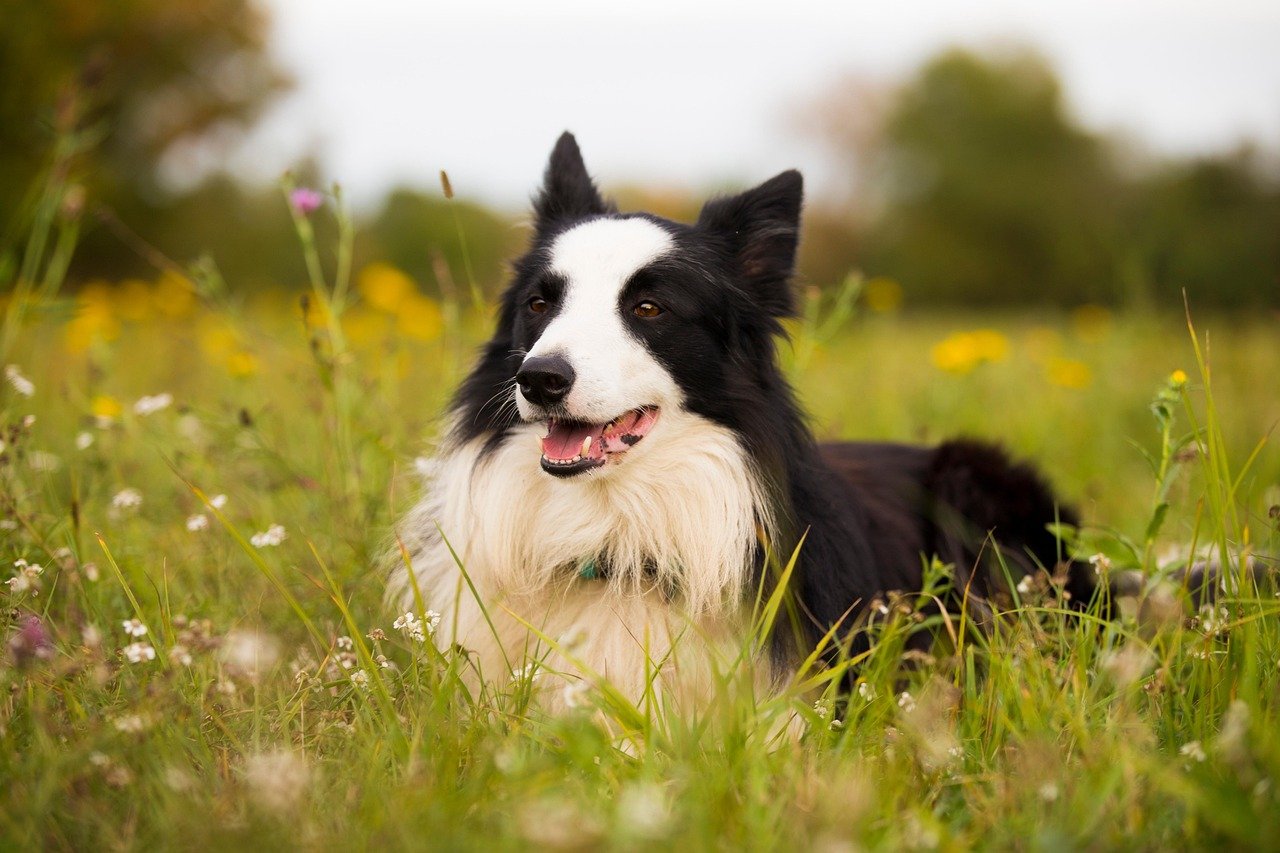
Ranked as one of the smartest dog breeds, Border Collies are also incredibly healthy. These remarkable dogs are like the valedictorians of the canine world – they excel at everything they put their minds to. Bred as herding dogs, Border Collies are brimming with energy and need regular exercise. They enjoy having a job that provides both physical and mental stimulation – after all, they are one of the smartest dog breeds.
Their intelligence isn’t just impressive to watch – it actually contributes to their health. Smart dogs tend to be more aware of their surroundings and better at avoiding dangerous situations. Border Collies live around ten to thirteen years on average, and their active lifestyle keeps them fit and mentally sharp throughout their lives.
The main thing to watch with Border Collies is ensuring they get enough mental stimulation. Border Collies are hardy dogs but are also predisposed to some genetic diseases, such as Collie eye anomaly. A bored Border Collie can develop behavioral issues that indirectly affect their health. These dogs need jobs to do – whether that’s agility training, herding, or even complex puzzle games at home.
Shiba Inu: The Independent Spirit

Known for their fox-like appearance, Shiba Inus are independent and maintain good overall health. “Shibas are an ancient breed with strong genetics, promoting long-standing wellness,” says Cahn. These compact dogs have been around for centuries, and their ancient lineage has blessed them with remarkable genetic diversity and resilience.
This captivating free-thinker is one of six Japanese dogs considered national natural monuments. Quite a distinction, yes, but not a surprise, considering the Shiba Inu has been around since 300 B.C. Their life expectancy is 13–15 years. Think of them as the wise elders of the dog world – they’ve had plenty of time to perfect their genetic makeup.
What’s particularly appealing about Shiba Inus is their low-maintenance health profile. while they have some genetic concerns like every dog, your primary care responsibilities will involve proper dental hygiene and good nutrition to help them avoid obesity. They’re naturally clean dogs who take care of themselves, much like cats, which contributes to their overall wellness and longevity.
German Shorthaired Pointer: The Athletic All-Star
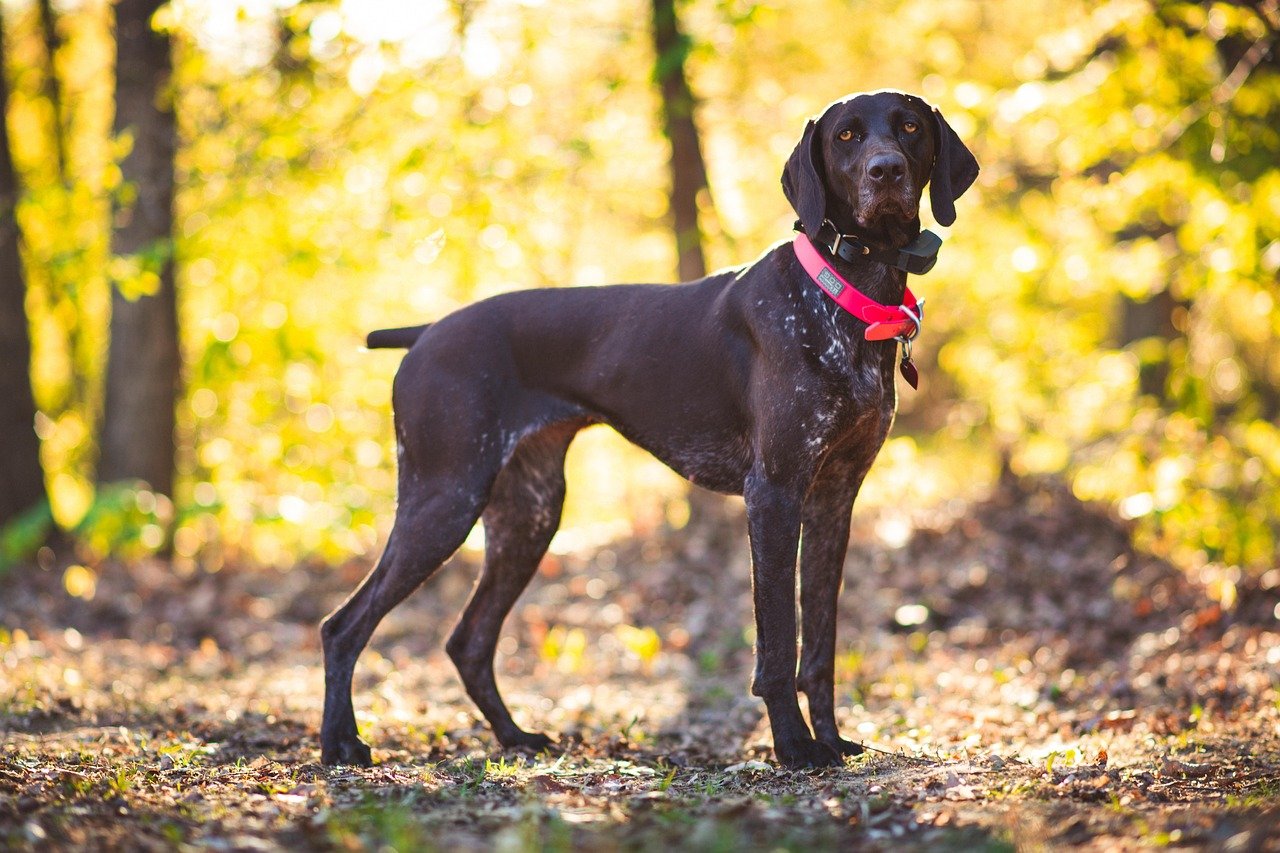
Many hunting dogs, thanks to all their time spent running around outdoors, are healthy breeds. The German shorthaired pointer (or GSP for short) is one of the healthiest. They are a great addition to active families as they are highly trainable and full of exuberance! These versatile athletes were bred for endurance and performance, creating naturally robust constitutions.
German Shorthaired Pointers are one of the healthiest breeds in the sporting dog category, although they can suffer from hypothyroidism and hip dysplasia. Weighing from 45 to 70 pounds and standing between 21 and 25 inches tall, their typical life expectancy is between 10 and 12 years. Their medium to large size means they have fewer of the breathing and joint issues common in very large breeds.
What makes GSPs particularly healthy is their active lifestyle requirement. These dogs were literally designed to work all day in the field, so they naturally maintain excellent cardiovascular health and muscle tone. They also don’t shed much thanks to their short coat, making them an ideal companion both inside and outside, which reduces grooming-related skin issues that can plague other breeds.
Whippet: The Gentle Speedster

The expected Whippet lifespan is 12-15 years. Though this is the average, a dog’s life expectancy can be determined by many factors, including their living environment, diet, exercise regimen, and overall health. These elegant sighthounds are like graceful dancers who happen to be incredibly fast – capable of reaching speeds of 35 miles per hour.
Whippets have a unique exercise pattern that actually contributes to their health. Just like their Greyhound cousins, Whippets are built for sprinting and speed, not stamina and endurance, so they spend their energy in short bursts. Letting them run freely and explore their surroundings is essential to keeping them happy. This sprint-and-rest pattern puts less stress on their joints compared to breeds that need constant moderate exercise.
The Whippet and the Greyhound are both healthy dogs with minimal health issues. Their main concern is their sensitivity to cold due to their thin coat, but this is easily managed with appropriate clothing during chilly weather. They’re essentially low-maintenance athletes who give you maximum companionship with minimal health drama.
Jack Russell Terrier: The Spirited Survivor

The average lifespan for a Jack Russell is around 13–16 years, which isn’t too shabby for a purebred dog! And with proper care, they can live even longer. These small but mighty terriers embody the saying that good things come in small packages. Jack Russells are right little characters and can be hard work to keep entertained, but in terms of health problems they are generally unlikely to have genetic issues – other than a predisposition for patellar luxation (a problem with the knees) – and can live into the mid-teens. If you can keep yours active and out of trouble then vet visits will hopefully be minimal.
What makes Jack Russells particularly healthy is their working terrier background. Their hardy constitution as working terriers also contributes to their longevity. These dogs were bred to be tough, independent workers who could handle whatever came their way. This resilient spirit translates into robust health and longevity.
The secret to a healthy Jack Russell is keeping them mentally and physically stimulated. Jack Russell Terriers are very adaptable dogs. They can live happily in a multitude of settings. They make excellent farm dogs and can adapt well to city and apartment life so long as their exercise needs are being met. A bored Jack Russell might get into mischief, but an engaged one is typically a healthy, happy companion for many years.
Poodle: The Intelligent Aristocrat

Poodles are intelligent, energetic, and hypoallergenic, living 12 – 15 years with minimal health issues. Whether you choose a Standard, Miniature, or Toy Poodle, you’re getting a breed with exceptional longevity potential. The typical Toy Poodle lifespan is 10–18 years, and they’re a healthy breed overall, while Standards typically live between ten to eighteen years.
Poodles are among the most popular dog breeds due to their intelligence, hypoallergenic coat, and friendly disposition. Toy and miniature Poodles have an average lifespan of 13 to 15 years, making them one of the longest-living dog breeds. Poodles are generally healthy dogs, but they can be prone to certain health conditions such as hip dysplasia, ear infections, and cataracts.
What’s remarkable about Poodles is how their intelligence contributes to their health. This breeding makes Poodles excellent athletes. They often excel in feats of agility (for centuries, they were popular as circus performers), and possess sharp minds and friendly temperaments. This top-shelf pedigree means that Poodles possess robust genetics. Smart dogs are easier to train, more adaptable to different situations, and generally better at avoiding dangerous behaviors.
Chihuahua: The Tiny Titan

Chihuahuas are small and spunky, living 12 – 18 years with few health problems. Don’t let their tiny size fool you – these small but personality packed pooches have been known to live for around 20 years old, in fact it’s not uncommon for Chihuahuas to do so. They’re proof that great things indeed come in small packages.
Chihuahua and dachshund often rank among the longest-living breeds,” says Dr. Honnas. Chihuahua lifespans can be as long as 20 years. In fact, a Chihuahua named Spike from Ohio celebrated his 23rd birthday in January 2023. Their small size means less stress on their organs and joints, contributing to their impressive longevity.
The key to Chihuahua health is proper care despite their small size. Proper exercise helps to ensure things like obesity – which can lead to joint issues in small breeds – is less likely to occur. These little dogs need regular exercise and mental stimulation just like their larger cousins, but in smaller, more manageable doses. Their portable size makes them perfect for people who want a long-lived companion they can take anywhere.
Greyhound: The Gentle Giant

Originally from Egypt, Greyhounds are admired for their perfect form and quickness during a chase. Hereditary health issues are rare in this breed. These elegant sighthounds might surprise you with their calm, gentle nature – they’re often called “forty-mile-per-hour couch potatoes” for good reason. Greyhounds are healthy and as a rule, are not predisposed to some of the problems such as hip dysplasia than other large-breed dogs are known for. The life expectancy of the average healthy greyhound is 12-14 years, although many do live even longer.
What makes Greyhounds particularly healthy is their unique physiology. Some large breeds that are generally considered healthy are breeds like Old English Sheepdogs, Anatolian Shepherds and Greyhounds. Their lean build and efficient cardiovascular system, developed through centuries of selective breeding for racing, means fewer joint problems and better heart health compared to many other large breeds.
Despite their racing background, Greyhounds are surprisingly low-maintenance. They’re sprinters, not marathon runners, so they’re perfectly content with a couple of short walks and then spending the rest of the day lounging around the house. This balance of brief intense exercise followed by rest is actually ideal for maintaining long-term joint health and cardiovascular fitness.
Conclusion: Choosing Your Healthy Companion

Remember, while these breeds generally enjoy better health, every individual dog is unique. These and other studies consistently show that while different breeds may be susceptible to breed-specific diseases, one breed is not intrinsically “healthier” than another. The most important factors in your dog’s health will be the love, care, and attention you provide.
Whether you choose an energetic Australian Cattle Dog, a gentle Whippet, or a spirited Jack Russell Terrier, you’re setting yourself up for years of wonderful companionship. These breeds offer you the best chance of having a healthy, long-lived friend who’ll be by your side through all of life’s adventures.
The bond between you and your dog transcends breed characteristics – it’s built on daily walks, training sessions, quiet moments on the couch, and the countless small acts of care that make up a lifetime together. Choose the breed that matches your lifestyle and energy level, and you’ll have found not just a pet, but a devoted family member who’ll enrich your life for years to come. What could be more rewarding than that?


