


Choosing the perfect canine companion involves more than just falling in love with adorable puppy eyes or a wagging tail. Health should be a top priority when selecting your four-legged family member, because nobody wants to watch their beloved pup struggle with chronic conditions or face heartbreaking veterinary bills.
Every dog parent dreams of long walks, playful afternoons, and years of unconditional love. While genetics play a significant role in canine health, some breeds are simply blessed with stronger constitutions than others. Understanding which breeds tend to thrive can help you make an informed decision that benefits both your heart and your wallet.
Australian Cattle Dog: The Ultimate Survivor
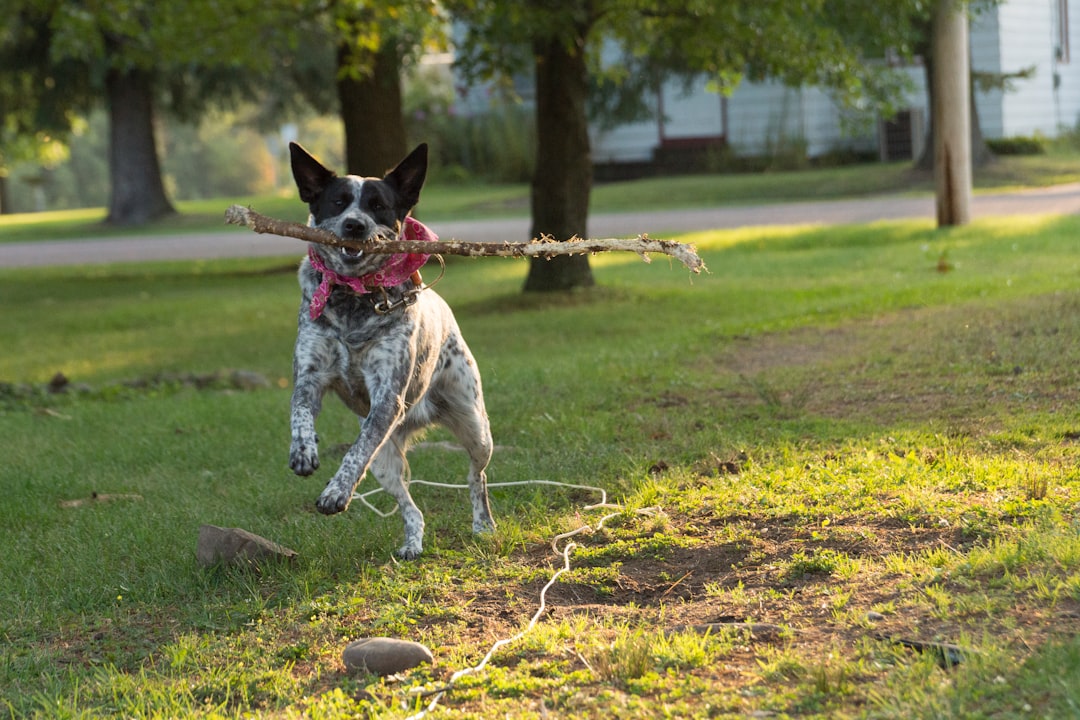
Picture this: a dog so robust that one named Bluey lived to be 29 years old, holding the Guinness World Record for the oldest dog ever recorded. An ACD named Bluey holds the Guinness World Record for being the oldest dog; he passed away at 29 years old. The Australian Cattle Dog is one of the healthiest dogs out there. Known for their intelligence, work ethic, and stamina, these dogs are a typically resilient breed that doesn’t face many health issues.
These energetic powerhouses were bred to herd cattle in the harsh Australian outback, which naturally selected for the toughest and healthiest dogs. Their athleticism and boundless energy contribute directly to their longevity. With an average lifespan between 12-and-16 years, the Australian Cattle dog makes for an intelligent and active companion. Due to their active nature, these dogs can occasionally sustain joint or ligament issues, however, they generally are known to encounter very little health issues.
Chihuahua: Small Size, Big Health

Don’t let their tiny stature fool you. Remarkably resilient to most illnesses, chihuahuas are known to outlive most other dogs with their typical lifespan of 14-16 years. Eager for life and demanding of cuddles, this is a great breed for those who want to retain a loyal companion for a significant chunk of their lives. These pocket-sized dynamos pack incredible health into their miniature frames.
Despite a tendency to forget how small they are, Chihuahuas are among the breeds with the longest lifespans. These loyal and energetic dogs pack a big personality and plenty of smarts. Their small size actually works in their favor, making them less prone to the joint problems that plague larger breeds. However, they do need protection from extreme temperatures and should be monitored for hypoglycemia due to their fast metabolisms.
Beagle: The Hardy Hunter
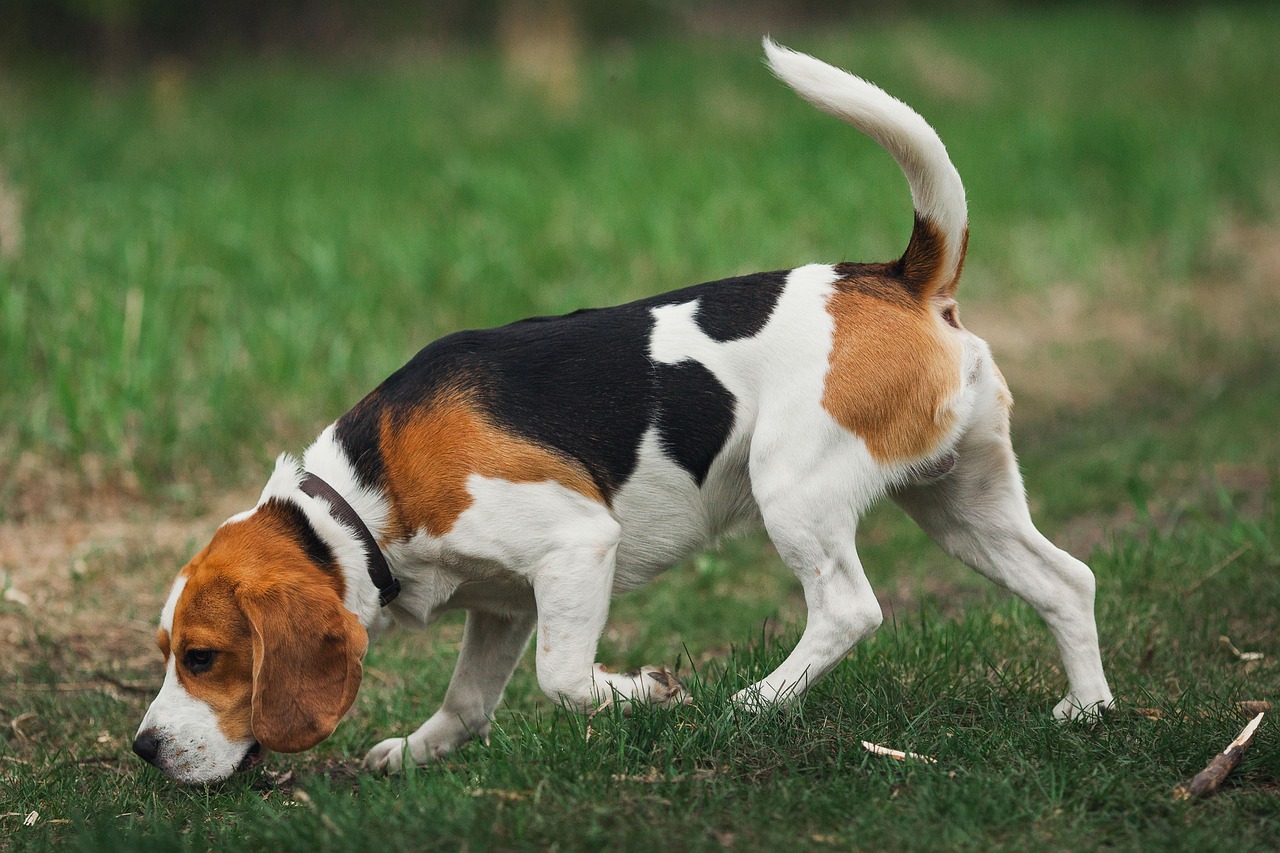
Those soulful eyes and floppy ears belong to one of the most resilient breeds around. Beagles are motivated by food and follow their noses everywhere – even into trouble. As pets, they are loving and affectionate. These dogs benefit from scent training and a controlled diet, since their insatiable appetites mean they will easily overeat given the chance. Their hunting background has gifted them with robust constitutions that serve them well as family pets.
Beagles have a reputation for remaining extremely healthy and durable over their 10-to-15 year long lifespan. Make sure to get your beagle from a credible breeder as ill-bred beagles can encounter heart defects, glaucoma, interverbral disc disease, and other illnesses. Their love for outdoor adventures keeps them physically fit and mentally stimulated throughout their lives.
Greyhound: Speed Meets Health
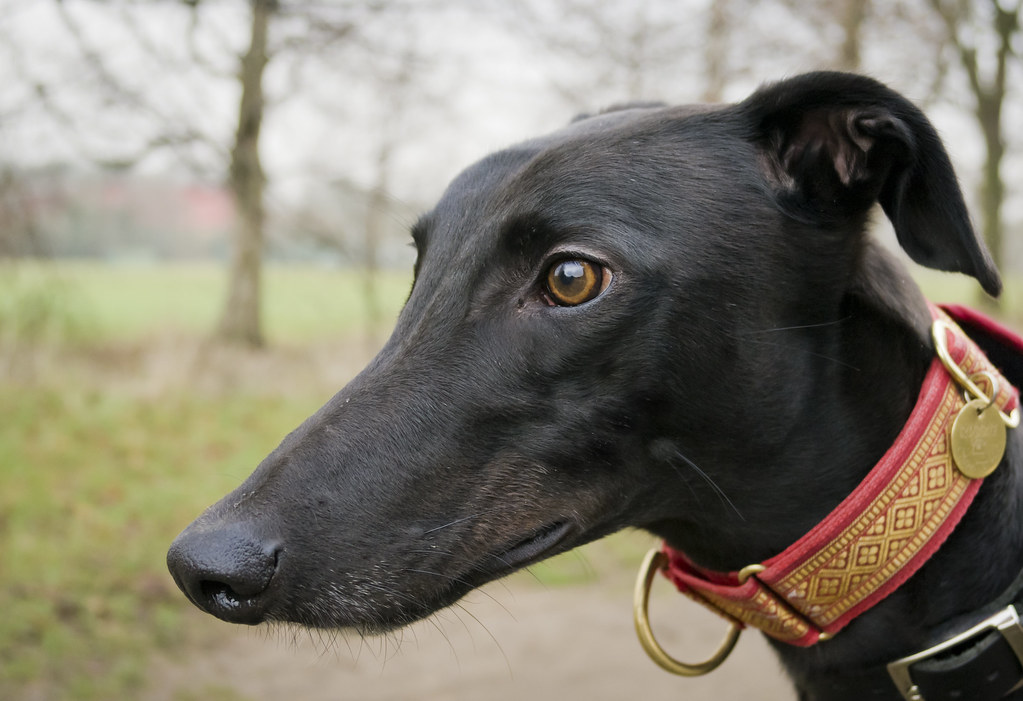
These elegant speedsters are built for both racing and relaxation. Hereditary health issues are rare in this breed. The Greyhound is unique among hounds because it’s a sight hunter, meaning the breed relies on speed and agility to hunt prey. As sight hunters, they might not make good pets in homes with smaller pets, such as cats or rabbits, without proper training and introductions. With their high energy levels and strong prey drive, Greyhounds need regular exercise. However, once they get their zoomies out, they can become cuddly couch potatoes.
Despite their large size, Greyhounds are surprisingly healthy dogs. Their lean build helps them avoid many weight-related health issues common in other breeds. They do require regular exercise and can be sensitive to extreme temperatures due to their thin skin and minimal body fat.
Border Collie: Brains and Brawn
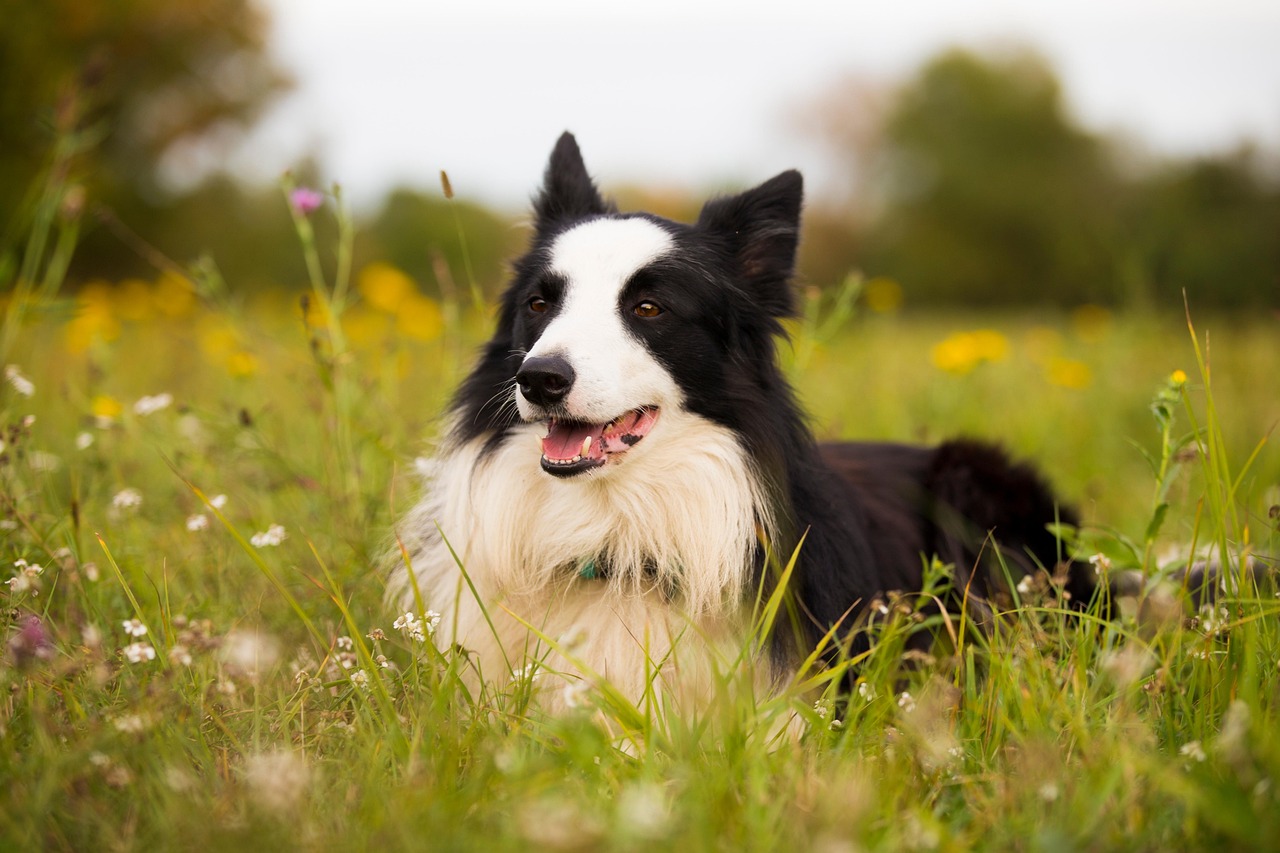
The border collie is a breed that’s fortunate to encounter few health issues, which may be why these hardy dogs have a lifespan of 12 to 15 years. Border collies are cute, cuddly, sporty and smart. Their incredible intelligence is matched only by their physical resilience, making them one of the most well-rounded healthy breeds.
The Border Collie is revered for its unparalleled intelligence and work ethic. These dogs excel in obedience and agility due to their quick wits and high energy. Originally bred to herd livestock in rugged terrains, their robust constitution often means they suffer fewer health problems. Their active lifestyle and mental engagement help keep them physically and emotionally healthy throughout their lives.
Shiba Inu: Ancient Strength
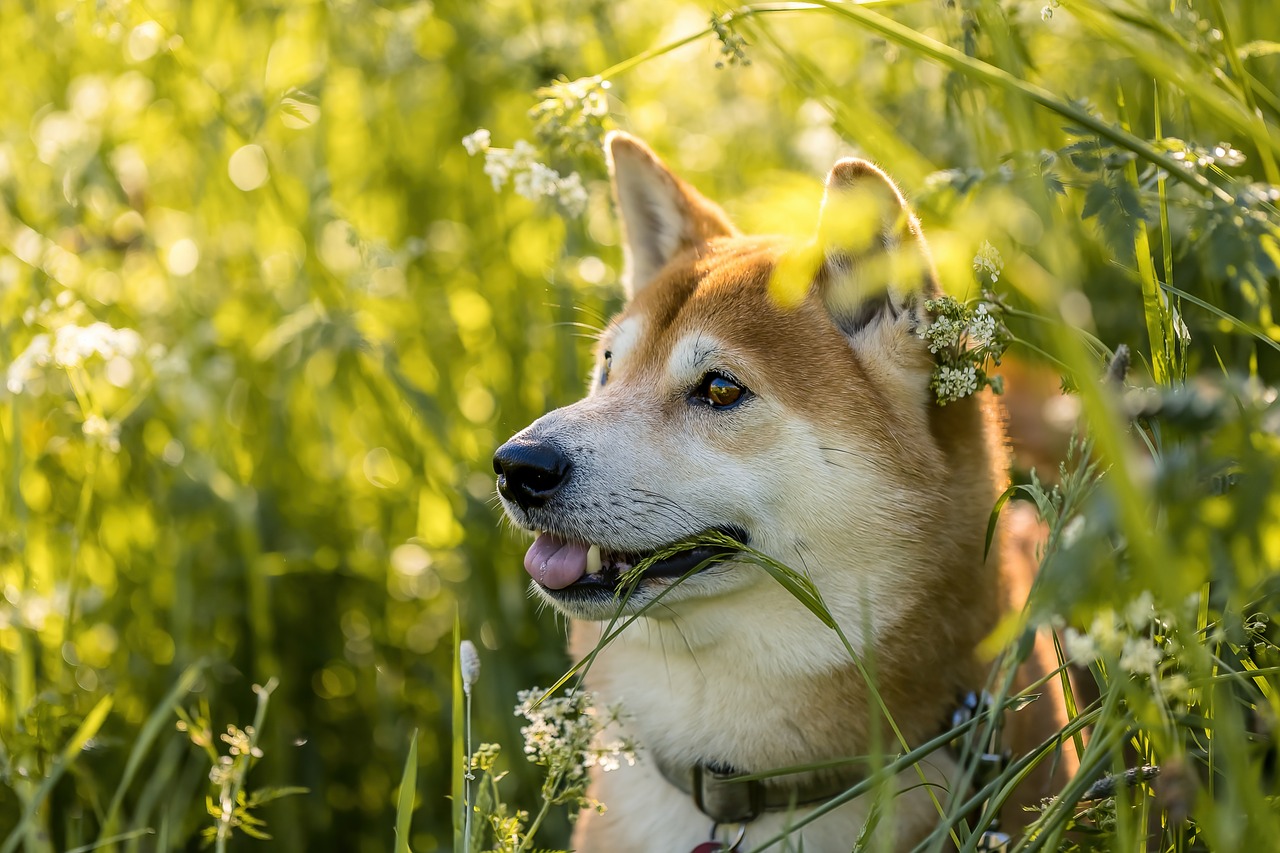
This Japanese breed combines fox-like beauty with remarkable health. Known for their fox-like appearance, Shiba Inus are independent and maintain good overall health. “Shibas are an ancient breed with strong genetics, promoting long-standing wellness,” says Cahn. Their ancient lineage has given them a genetic advantage that serves them well in modern times.
Originating from Japan, the Shiba Inu is another breed with a reputation for health and longevity. They possess a bold, spirited nature and are less likely to suffer from genetic disorders than many other breeds. Shibas require regular exercise to maintain their health and mental well-being, but they typically enjoy a long life with few health complications when well-cared-for. Their fastidious grooming habits, similar to cats, help them maintain excellent hygiene naturally.
Whippet: Sleek and Sound

These graceful sighthounds embody elegance and health in equal measure. The whippet is a calm and loyal doggo that loves a good cuddle sesh and is always eager to spend time with his humans. This pup doesn’t need a lot of space, so he’s a good pick for city folks as well as families with big houses in the ‘burbs. A relative of the greyhound, these doggos love to run, so get them out to the dog park often. With proper nutrition and exercise, whippets can live 12 to 15 years. They’re among the healthiest purebred dogs.
Their lean build helps them avoid joint problems, while their moderate exercise needs make them adaptable to various lifestyles. Whippets are gentle souls who balance their need for speed with a love of comfort, making them ideal companions for active families.
Poodle: Intelligence Meets Longevity

Whether standard, miniature, or toy, Poodles consistently rank among the healthiest breeds. Poodles – whether the Standard Poodle, the Miniature Poodle, or the Toy Poodle – make wonderful pets. Smart, loyal, and easy to train, these dogs tend to get along with other animals and people alike. Whether it’s a standard poodle, miniature poodle, or toy poodle, these intelligent and loyal dogs only tend to face minor health issues over the course of their lives. While occasionally experiencing joint and eyes issues, this furry breed has a reputation of remaining relatively healthy throughout their 10-to-18 year long lifespans.
Their hypoallergenic coats are an added bonus for families with allergies, while their high intelligence makes them easily trainable and mentally stimulated. Regular grooming keeps them looking and feeling their best throughout their long lives.
Havanese: Cuba’s Gift to Health

The only dog breed native to Cuba, the Havanese has a long lifespan of 14–16 years. This affectionate small breed loves his pet parents and is easy to train due to his exceptional smarts. These charming companions combine small size with robust health, making them ideal for families seeking a long-term canine relationship.
Their adaptable nature and sturdy build help them thrive in various living situations. Havanese dogs have small but sturdy bodies that are adaptable in nature, helping them live a long life. They’ll certainly be showing off a dozen hairstyles throughout their 14 years of life. Their social nature and intelligence make them excellent therapy dogs and family companions.
German Shorthaired Pointer: Athletic Excellence
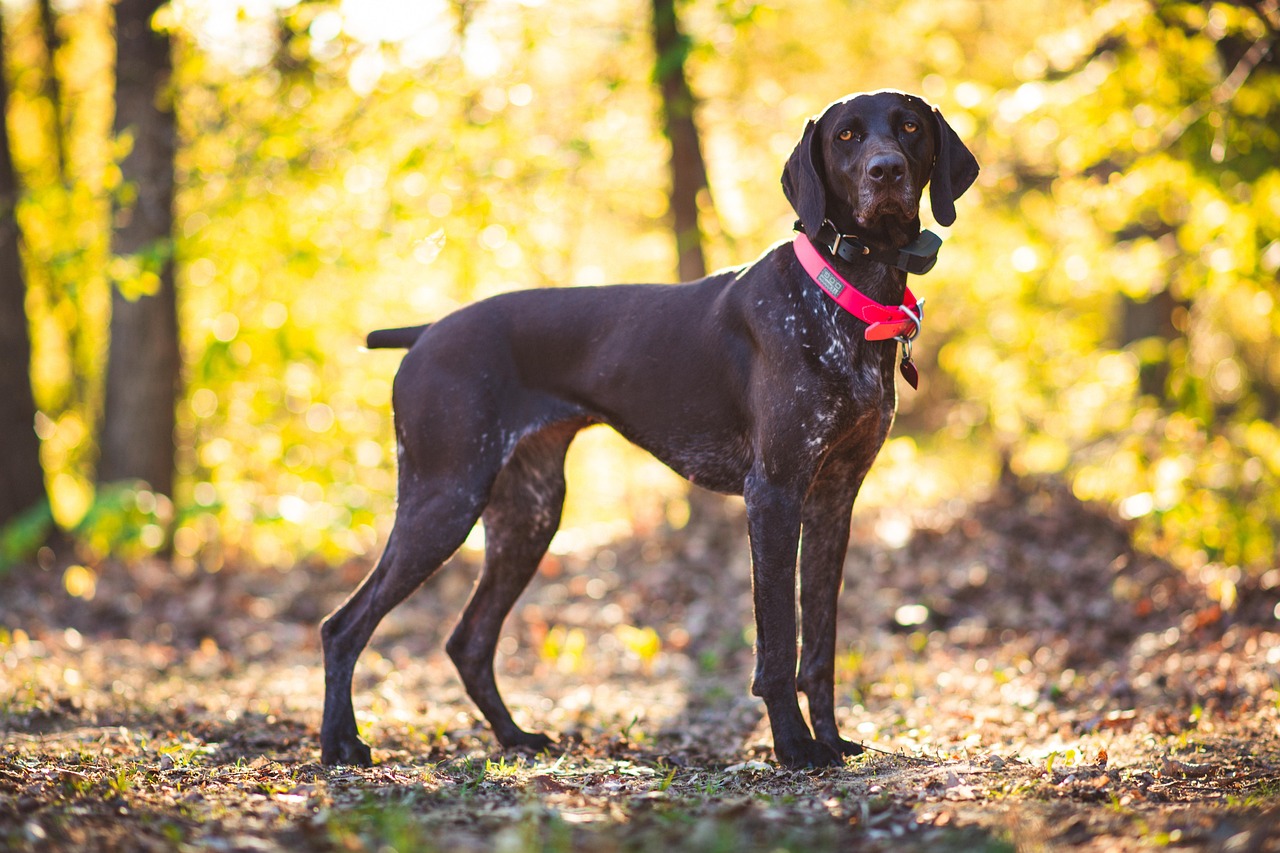
These versatile hunting dogs bring energy and health together beautifully. German Shorthaired Pointers are prized as hunting dogs because of their speed and stamina. GSPs boast high energy levels and need lots of exercise, as well as physical and mental stimulation, to stay healthy and out of trouble. Their athletic build and active lifestyle contribute to their overall wellness.
Their hunting heritage has blessed them with strong hearts and resilient bodies. While they can be prone to some conditions like hip dysplasia, their active nature and proper breeding have minimized many health concerns. They thrive with owners who can match their energy levels and provide adequate mental stimulation.
English Bulldog: The Health Challenge

Here’s where our health story takes a concerning turn. Some Bulldogs are generally very healthy, but they are known as an “unhealthy breed”. This is because they are prone to develop conditions such as respiratory issues (brachycephalic airway syndrome) due to the way their skull is formed. They are stocky dogs so they can develop joint issues like hip and elbow dysplasia and may be more likely to develop skin problems due to the skin folds on their face.
Their flat faces, while endearing, create serious breathing difficulties that can be life-threatening in hot weather. Some bulldogs also develop eye problems like Cherry Eye, which is when the third eyelid gland protrudes between the eyeball and the lower eyelid. The wrinkles that make them so distinctive also trap moisture and bacteria, leading to chronic skin infections that require constant maintenance.
Pug: Breathing Troubles in a Small Package
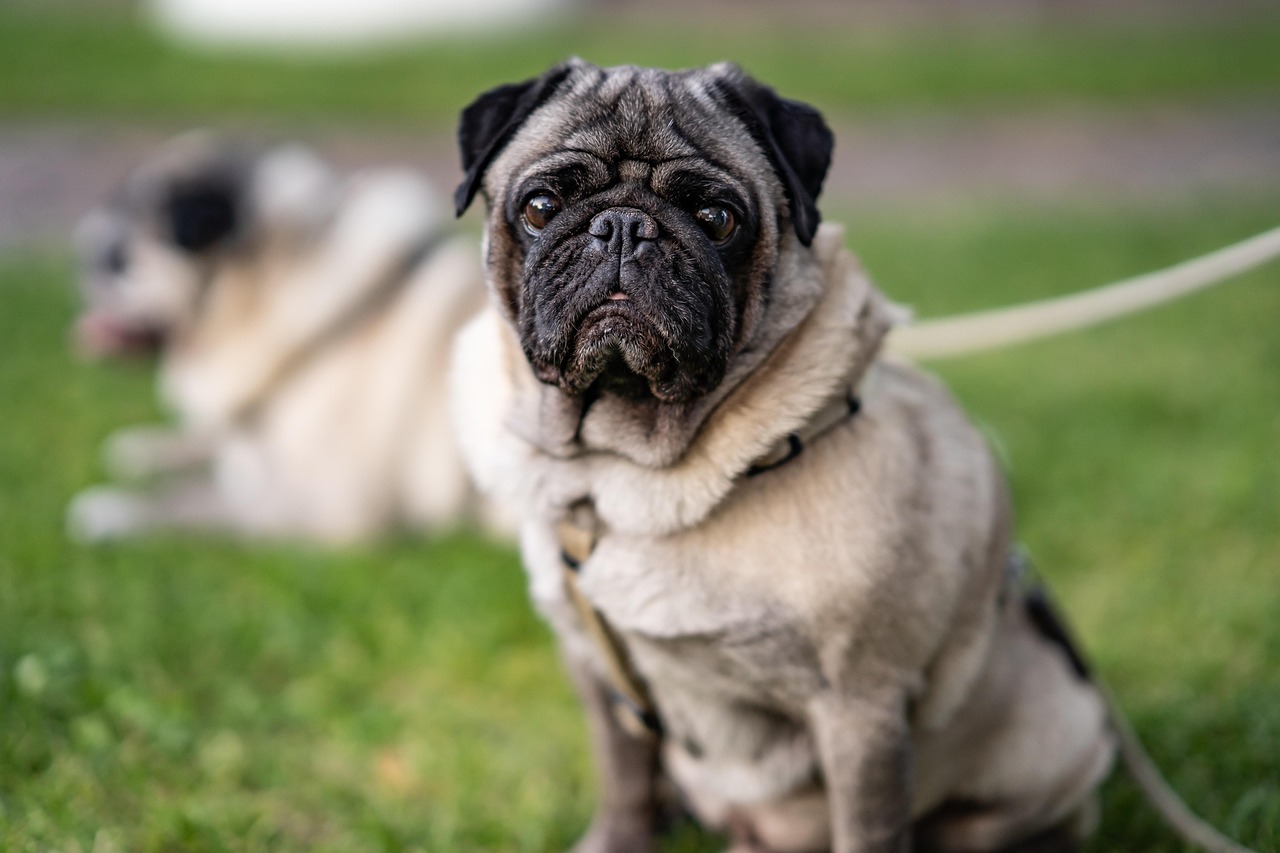
These wrinkled comedians win hearts but struggle with serious health issues. Pugs are generally healthy, but they are often considered to have a few issues due to their predisposition to several medical conditions. Like other brachycephalic breeds, Pugs are prone to breathing difficulties caused by brachycephalic airway syndrome, a result of their shortened skull structure. Their prominent eyes make them vulnerable to eye issues such as proptosis (eye displacement) and corneal ulcers.
They’re prone to Brachycephalic Airway Syndrome, which can be lifelong and debilitating for these dogs. Pugs are also highly prone to obesity, as these little pooches simply love to eat and aren’t as energetic as other breeds. On top of this, they often face skin issues because of all their folds and wrinkles. Their love for food combined with reduced exercise capacity creates a perfect storm for weight-related health problems.
German Shepherd: The Price of Popularity
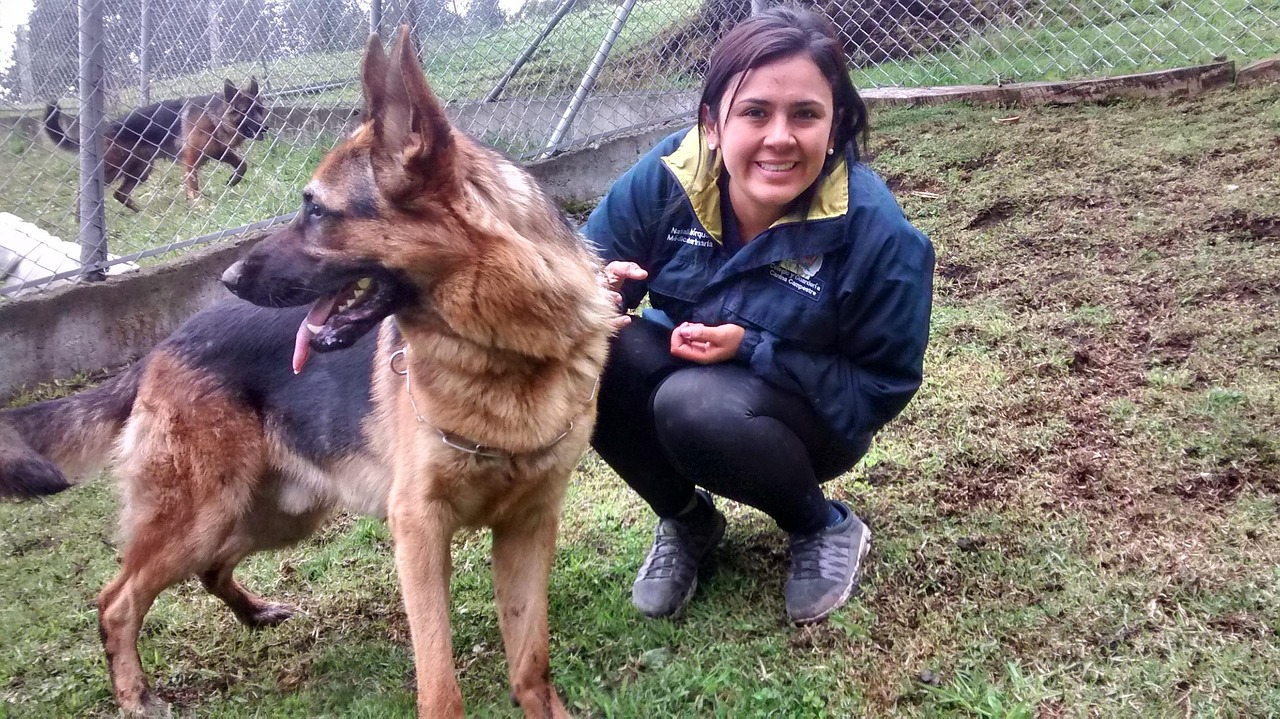
This beloved breed faces multiple health challenges due to their popularity and breeding practices. They are particularly susceptible to joint issues like hip and elbow dysplasia, which can lead to pain and mobility problems as they age. German Shepherds are also at risk for degenerative myelopathy, a progressive neurological disease that affects the spinal cord and can lead to paralysis. Another serious concern is bloat (gastric dilatation-volvulus), a life-threatening condition where the stomach fills with gas and twists.
Their intelligence and loyalty make them wonderful companions, but potential owners must be prepared for significant health challenges. Epilepsy: This neurological disorder causes seizures and cannot be prevented. However, working with a reputable breeder who screens for epilepsy and provides regular veterinary care can help manage the condition. The breed’s popularity has unfortunately led to irresponsible breeding practices that have magnified these genetic issues.
Great Dane: Gentle Giants with Big Problems
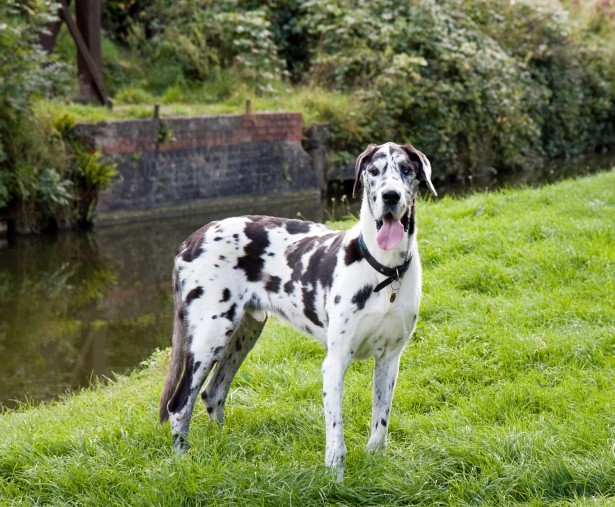
These magnificent dogs capture hearts with their size and gentle nature, but their health challenges are equally large. Sadly, Great Danes only live between eight to 10 years because of their many health issues. Great Danes are one of the tallest dogs in the world. Their massive size puts tremendous strain on their hearts and joints, leading to multiple serious conditions.
Due to the height, weight and mass of Great Danes, however, this breed can be prone to a number of genetic health conditions to be wary of. Hip dysplasia can be common in Great Danes that are overweight, while latest research suggests Hypertrophic Osteodystrophy (an inflammatory bone disease) is increasingly common in large breed puppies. Care should also be taken when feeding and exercising Great Danes, which are prone to Gastric Torsion, a painful and life-threatening condition where the stomach twists on itself. Their short lifespan makes every moment with these gentle giants precious.
Dachshund: Long Body, Big Problems

Those adorable “wiener dogs” with their sausage-like bodies face unique challenges. According to the BVA, research shows that the risk of IVDD in Dachshunds is 10-12 times higher than other dog breeds, with at least one-fifth of all Dachshunds showing clinical signs in their life. Symptoms usually begin between 5-7 years old. Their elongated spine creates a perfect recipe for back problems that can be devastating for these active little dogs.
First off, their strange stature often leads to a common issue known as Intervertebral Disc Disease (IVDD), which can cause them pain, paralysis, or other neurological issues. Essentially, the discs between their vertebrae can degenerate and become damaged, causing discomfort and further complications. Additionally, Dachshunds are prone to weight gain and obesity. Of course, this excess weight can exacerbate their back problems as well as lead to other health issues down the line. Weight management becomes crucial for these dogs, yet their low-to-the-ground build makes exercise challenging when back problems develop.
Boxer: Strong Looks, Hidden Weaknesses

These athletic-looking dogs face some serious health challenges that might surprise you. The first issue to be aware of is Degenerative Myelopathy. This is a debilitating condition that affects the Boxer’s nervous system and lower spinal cord. Over time, dogs affected by this will suffer full paralysis of their lower body. Unfortunately, there is no known cure for this disease, and treatment involves medication to manage pain as well as canine wheelchairs to keep your pooch mobile.
Boxers are also prone to Cardiomyopathy, a heart condition that is more common in Boxers than any other breed. This disease causes an irregular heartbeat and even fainting spells, but can be managed with medication and a healthy lifestyle. Their playful nature and muscular build can mask these serious underlying conditions until they become severe.
Every dog deserves love, regardless of their breed or health predisposition. The key is understanding what you’re getting into so you can provide the best possible care. Regular veterinary checkups, proper nutrition, adequate exercise, and lots of love can help any dog live their healthiest life possible.
Whether you choose one of the hardy survivors like an Australian Cattle Dog or decide to open your heart to a health-challenged breed like a Bulldog, what matters most is being prepared and committed. The healthiest dog is ultimately one that receives consistent, loving care from an informed owner who understands their needs. What would you choose for your family?
Gargi from India has a Masters in History, and a Bachelor of Education. An animal lover, she is keen on crafting stories and creating content while pursuing a career in education.


