
Picture this: you’re in a gorgeous open field, sun beaming, birds singing. You confidently unclip your dog’s leash, and within seconds they’re gone. A dot on the horizon. Your frantic calls echo uselessly across the grass. Sound familiar?
Here’s the thing, not every dog is wired to come racing back to you when you call their name. Some breeds have instincts so powerful that your voice becomes background noise the moment a squirrel twitches or a scent trail beckons. It’s not that they don’t love you. They absolutely do. They’re just programmed differently, and honestly, understanding that makes all the difference. Let’s dive into the breeds that test your patience like no other when it comes to recall.
Beagle – The Nose That Knows No Limits
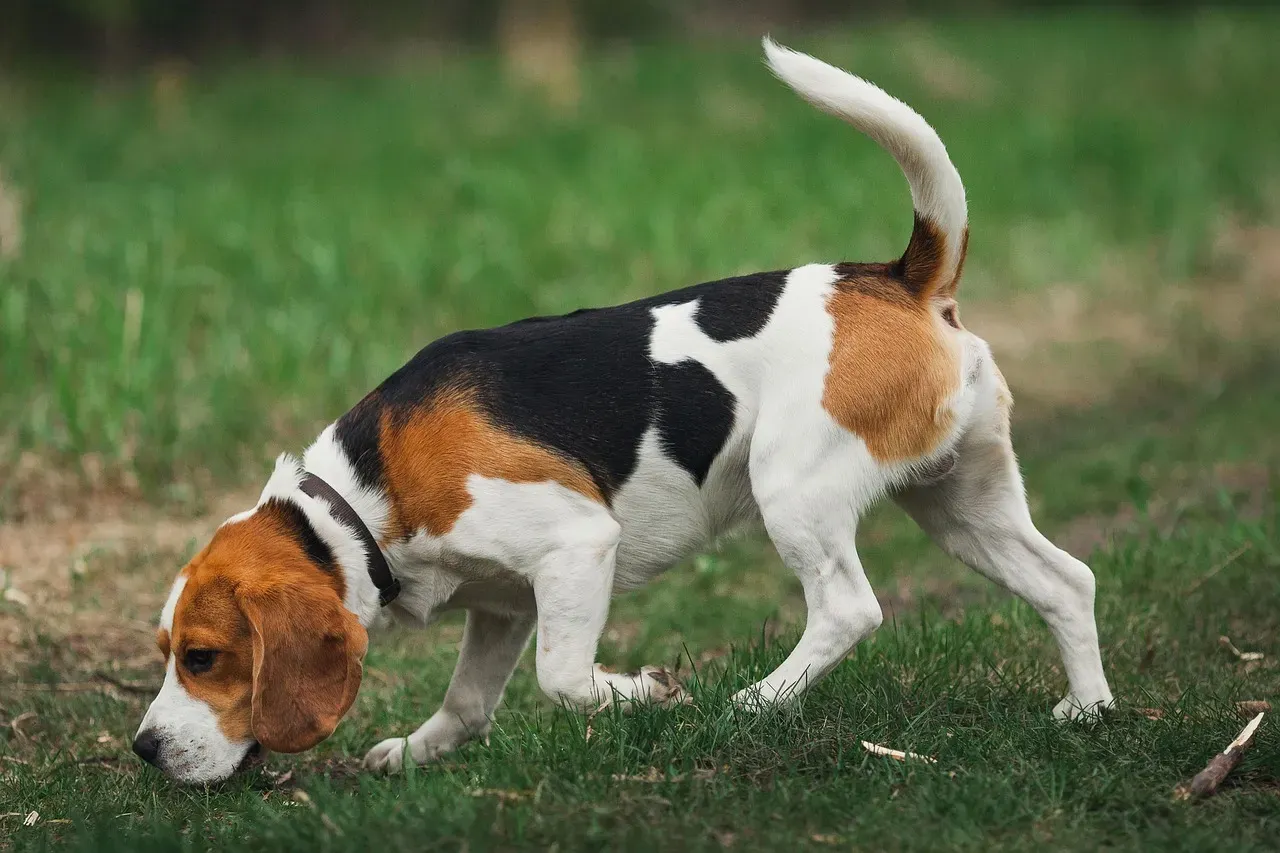
Beagles are scent hounds, bred for tracking small game, which means they can easily become distracted by interesting scents in their environment. When a Beagle catches wind of something fascinating, it’s game over. Their entire world shrinks down to that one smell, and your desperate shouting might as well be a whisper in a hurricane.
These hunting dogs have a very strong focus on the smells around them and a strong genetic inclination to follow scent trails, which makes them one of the hardest dogs to train in distracting outdoor environments and off-leash recalls. I’ve watched Beagles completely ignore the most enticing treats because a rabbit hopped through the bushes three minutes earlier. Beagles were bred to follow their nose all day in pursuit of small game, so getting them to listen to your commands instead of their nose can be challenging, requiring creativity to train them.
The key with Beagles is acknowledging you’re competing with millions of years of evolution. Use high-value rewards, keep training sessions interesting, and accept that some Beagles may never be fully reliable off-leash in unfenced areas.
Siberian Husky – Born to Run and Never Look Back
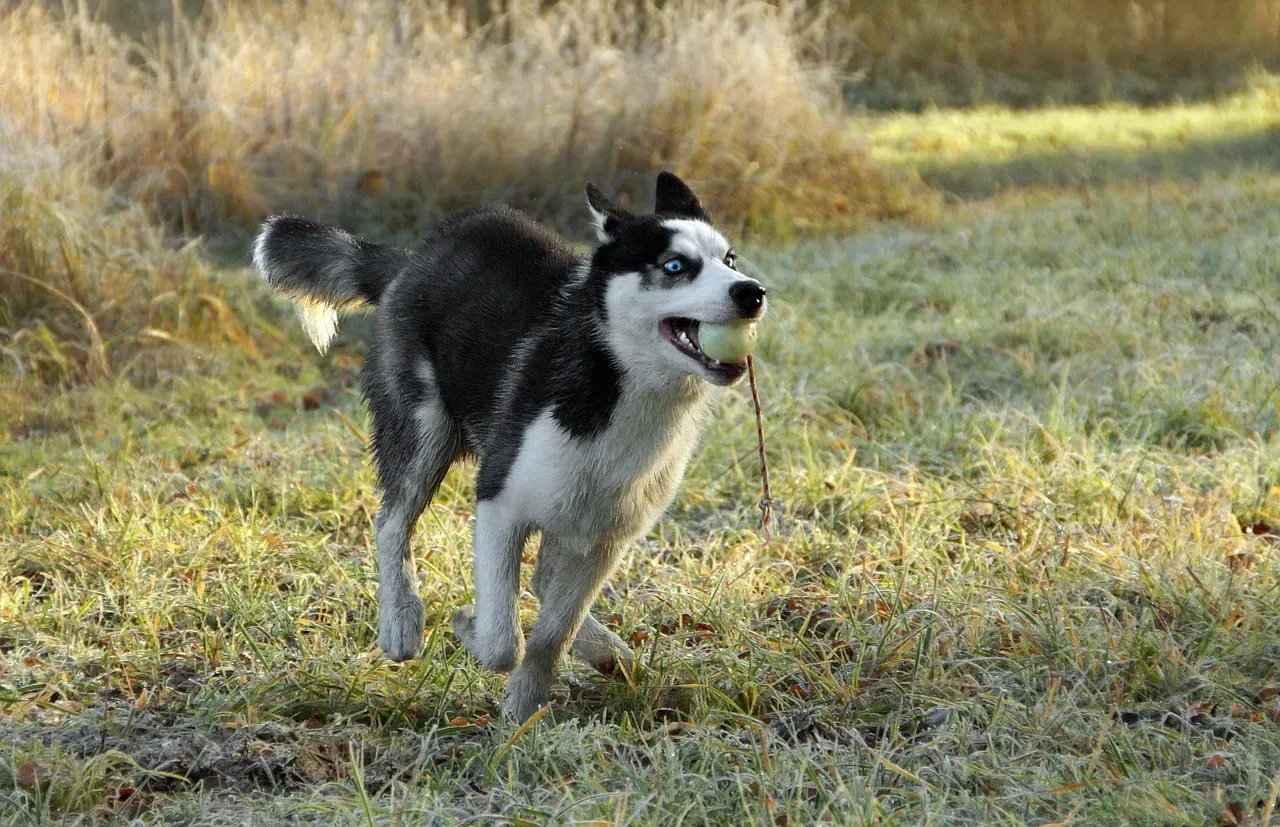
The Husky is a high-energy breed, originally bred to pull sleds over Arctic terrain, with great endurance and a strong independent streak, not bred to follow orders but to think for themselves and make decisions in harsh conditions. Let’s be real, Huskies are escape artists extraordinaire. They were designed to cover vast distances, often making their own decisions miles away from human handlers.
When you combine that independence with ridiculous athleticism and an unwavering desire to explore, you get a dog who views your backyard fence as a fun challenge rather than a boundary. This leads them to test boundaries, ignore commands, and sometimes act aloof.
Despite being one of the intelligent dogs, Huskies often choose to ignore you until they believe it’s worth listening. They’re not trying to be difficult. They’re just wired to be self-sufficient. Many experienced Husky owners keep their dogs on leash or only allow off-leash time in securely fenced areas, period.
Afghan Hound – Elegant Independence in a Silky Package
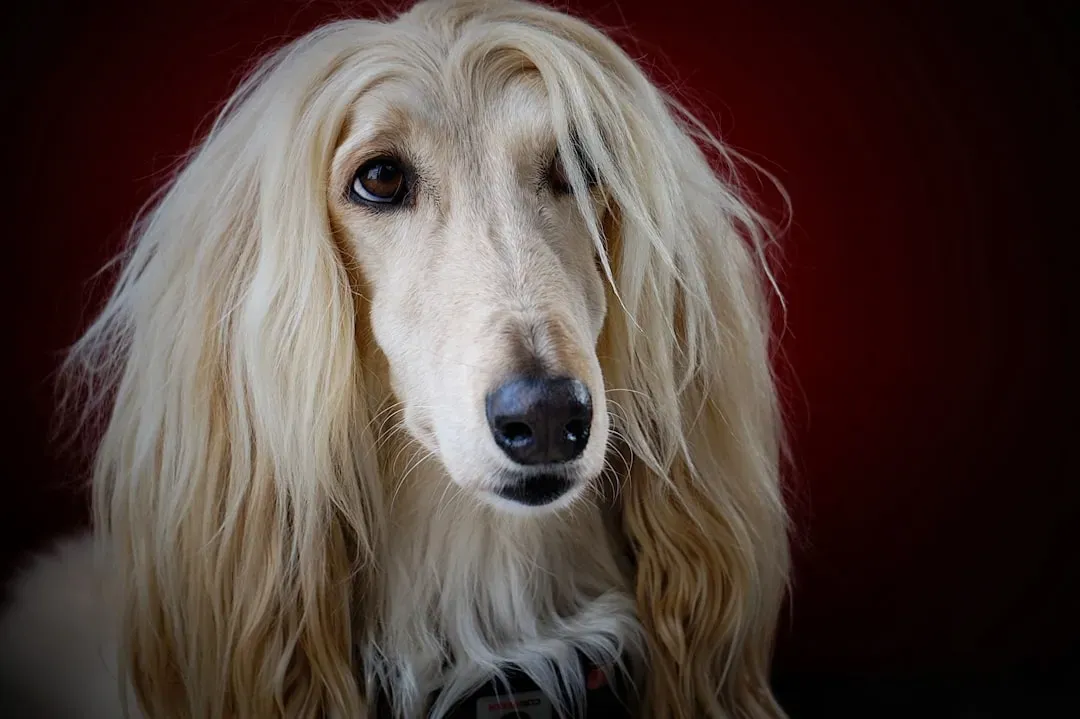
There’s something almost regal about the Afghan Hound. The Afghan is an elegant, striking breed originally bred for hunting in the mountains of Afghanistan, with long, silky coat and high strides made perfect for chasing prey over rough terrain, famous in the dog world for having an independent instinct. They move at their own pace, and commands they don’t feel like following? Ignored.
Afghan Hounds are extremely intelligent, but have independent qualities more in line with cats, preferring to do what they want, when they want, and love pretending you didn’t just call their name. Picture calling your dog and watching them look directly at you, then calmly turn away to inspect a butterfly. That’s the Afghan experience.
They prize freedom and dignity, and these Hounds can show stubbornness during training sessions, especially routines like potty training, recall, or leash work. Their high prey drive and lightning speed make reliable recall nearly impossible once something catches their eye.
Basset Hound – Low to the Ground, High on Stubbornness

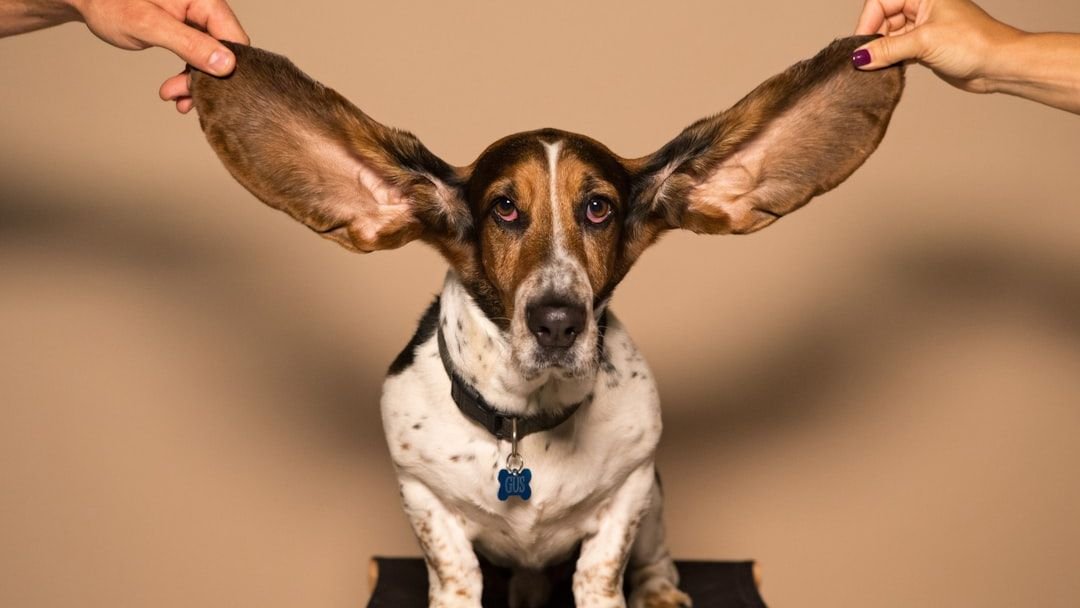
Don’t let those droopy eyes and adorable waddle fool you. Basset Hounds are delightfully stubborn creatures. Their independence and stubborn streak can make training tough, often ignoring commands when they catch a scent, and their focus is hard to break.
When a Basset picks up an interesting smell, they enter what I call “scent trance mode.” You could be holding a steak and they wouldn’t notice. These compact hounds were bred to follow their noses above all else, including human commands, meaning recall training becomes an exercise in optimism rather than obedience.
Their laid-back personality might suggest they’d be easy to manage, but that easygoing nature also means they’re perfectly content to mosey along a scent trail for hours. Long lines and secure fencing are your best friends with this breed.
Greyhound (and Other Sighthounds) – When Speed Meets Prey Drive
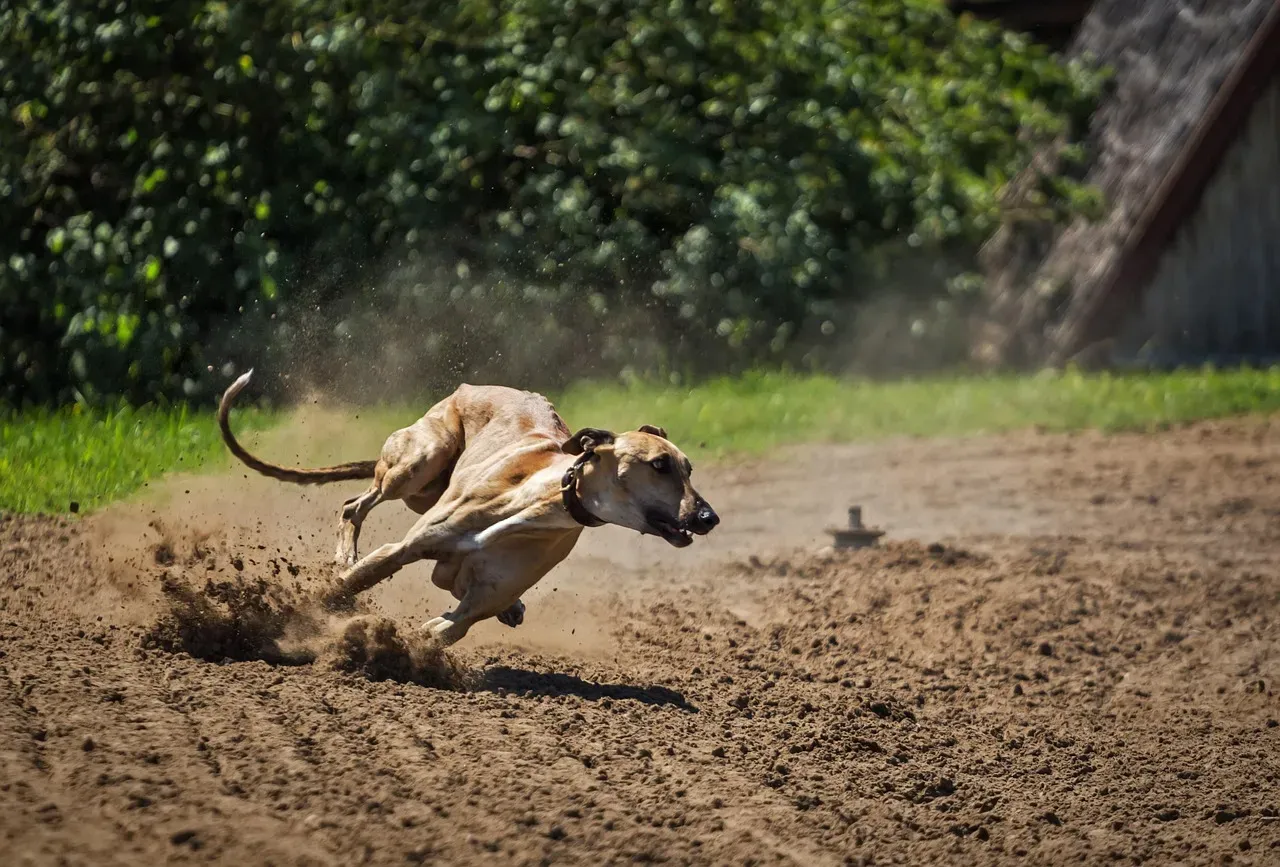
For the owner of what is known as a “sighthound”, the biggest challenge is the breed’s prey drive; these typically tall, lean dogs with acute vision and the ability to run at high speeds rely on their sight to hunt and chase, and well-known members include the Whippet, the Borzoi, the Saluki, and the popular Greyhound.
Here’s what makes sighthounds so challenging: Sighthounds have a strong prey drive and are highly motivated by visual stimuli, and when they spot something moving in the distance, their instinct to chase often overrides other commands. They can go from standing calmly beside you to full sprint in under two seconds.
It is not unusual for hounds who have been taught a reliable recall and who have been running off-lead for years to suddenly take off and disappear under the right set of circumstances, and most experienced sighthound owners are extremely cautious about when and where they allow off-lead exercise, if at all. Even the most well-trained sighthound can have a moment of selective deafness when a squirrel darts across the field.
Jack Russell Terrier – Small Dog, Massive Attitude
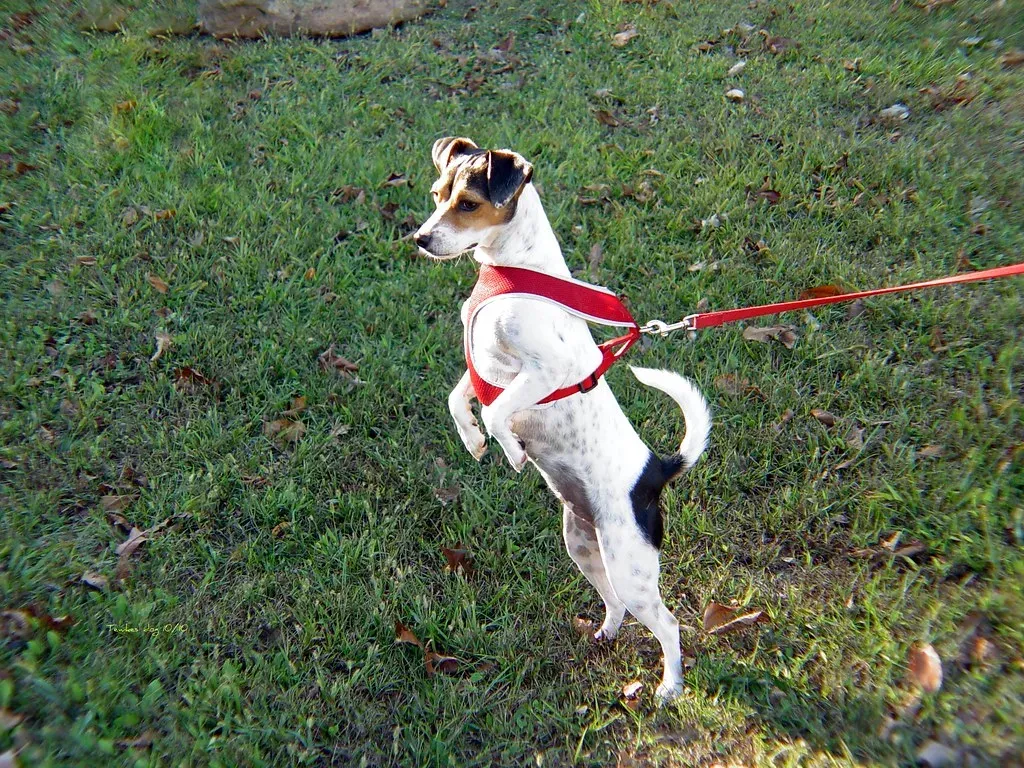
Jack Russell terriers are small, powerful dogs that were bred to be used in fox hunting with a very high prey drive, which makes them one of the hardest dogs to train, requiring lots of exercise and proper outlets for their smart and funny personality. These little firecrackers are bundles of energy wrapped in compact packages.
Jack Russells are whip-smart, but they’re also incredibly independent. They are extremely intelligent but also known to be very stubborn, which may result in difficulties while training. They were bred to make quick decisions underground while hunting vermin, so waiting for your input doesn’t come naturally.
Their high prey drive means anything small and moving becomes an irresistible target. Squirrels, birds, leaves blowing in the wind – you name it, they’ll chase it. Training recall requires creativity, consistency, and accepting that perfection may never happen.
Dachshund – The Badger Hunter Who Still Lives for the Chase
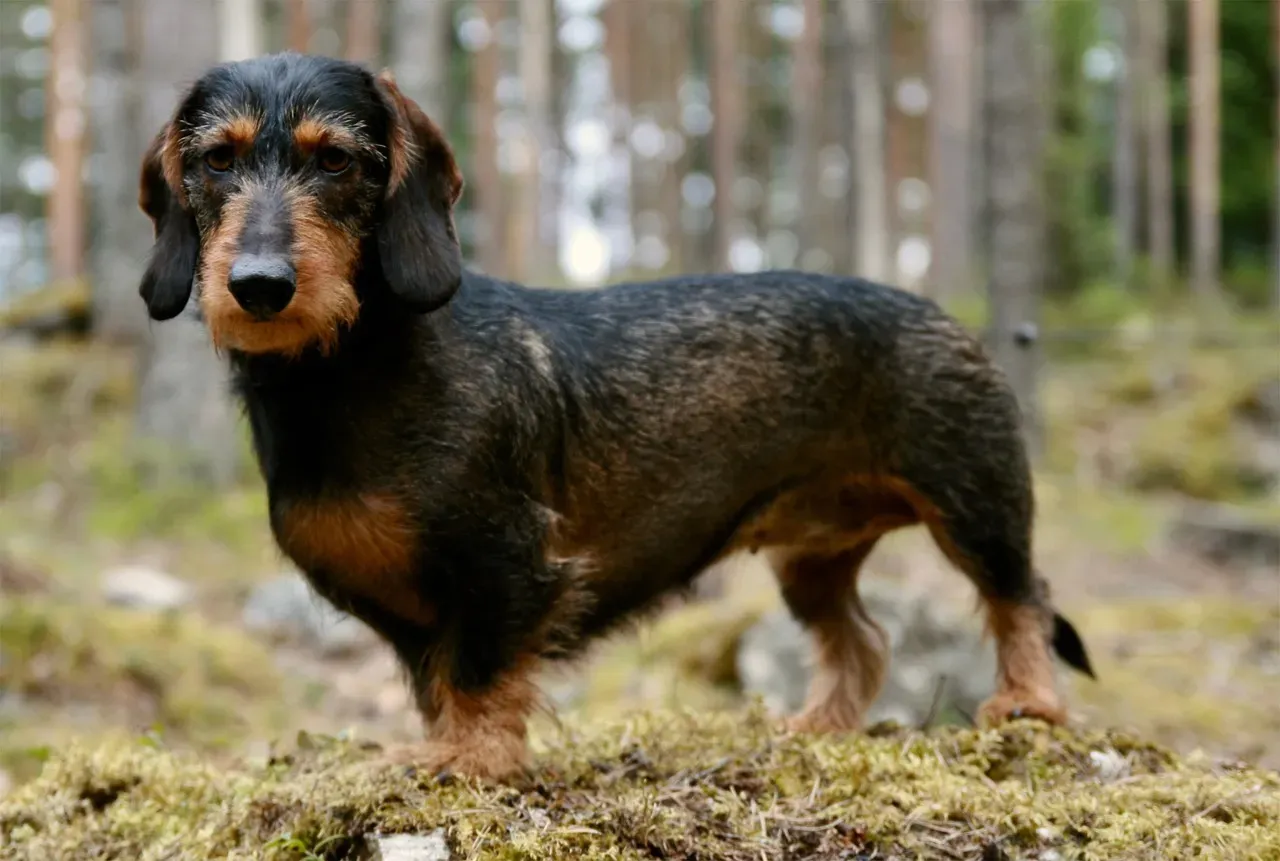
These “sausage dogs” may be low to the ground, but their stubbornness reaches incredible heights; originally bred to hunt badgers in underground burrows, Dachshunds developed fierce independence and determination. That fearless attitude they needed to confront badgers? It translates directly into ignoring your recall commands.
Dachshunds are smart enough to understand exactly what you want. They just have to decide whether it’s worth their time. Sometimes it is. Often it’s not. Their hunting instincts remain strong, and once they’re on a mission, good luck redirecting them.
Their short legs might suggest they can’t get far, but don’t underestimate a determined Dachshund. They can disappear surprisingly fast when motivated.
Basenji – The Barkless Escape Artist
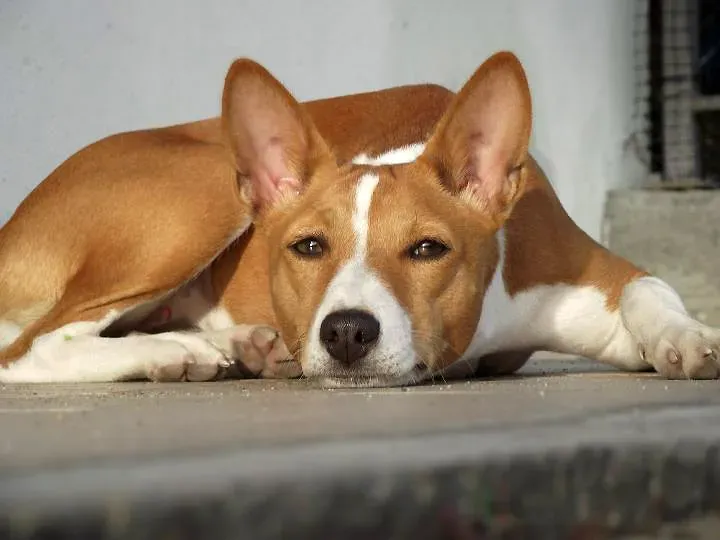
The basenji is another notoriously hard-to-train dog breed; while it is true that they are highly intelligent and curious canines, those traits also contribute to their stubborn, independent demeanor. Known for their catlike personalities, Basenjis approach life on their own terms.
Calm and highly independent, Basenjis stand out thanks to their catlike proclivities and the fact that they don’t bark, though you may find their independent and selective personality a challenge, especially in distracting environments, when their prey drive may overrule any treat or toy. They’re incredibly intelligent, which unfortunately means they’re also incredibly good at figuring out how to get what they want.
Their strong prey drive contributes to their unreliability, which gives yet another reason why basenjis are some of the hardest to train dogs. They require creative, constantly evolving training methods because they get bored easily. What worked yesterday might be completely ignored today.
Shiba Inu – The Japanese Dog With Selective Hearing
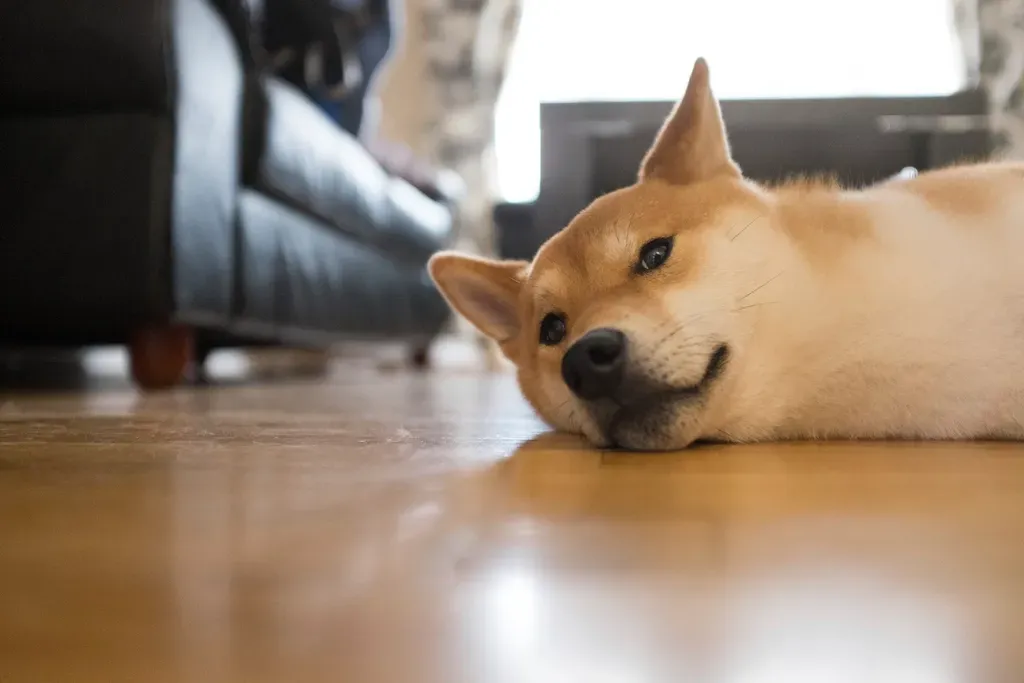
Shiba Inu were bred for flushing small game and hunting large game, meaning they tend to have a very high prey drive, which means that you may never be able to rely on her ability to come back in the presence of distractors that could trigger her prey drive. These beautiful dogs have independent spirits and bold personalities.
Their fierce independence means they’ll happily ignore your commands while maintaining direct eye contact, as if to say “I heard you, I just don’t care,” with many people believing that Shiba Inus are very feline-like due to their independence, aloofness and determination. It’s honestly impressive how stubborn they can be.
Even a well-trained adult dog cannot be trusted off-leash, as their instinct to chase is very strong. Shiba owners often joke that their dogs only come when called if there’s something better waiting at home than whatever they’re currently investigating.
Alaskan Malamute – The Arctic Wanderer
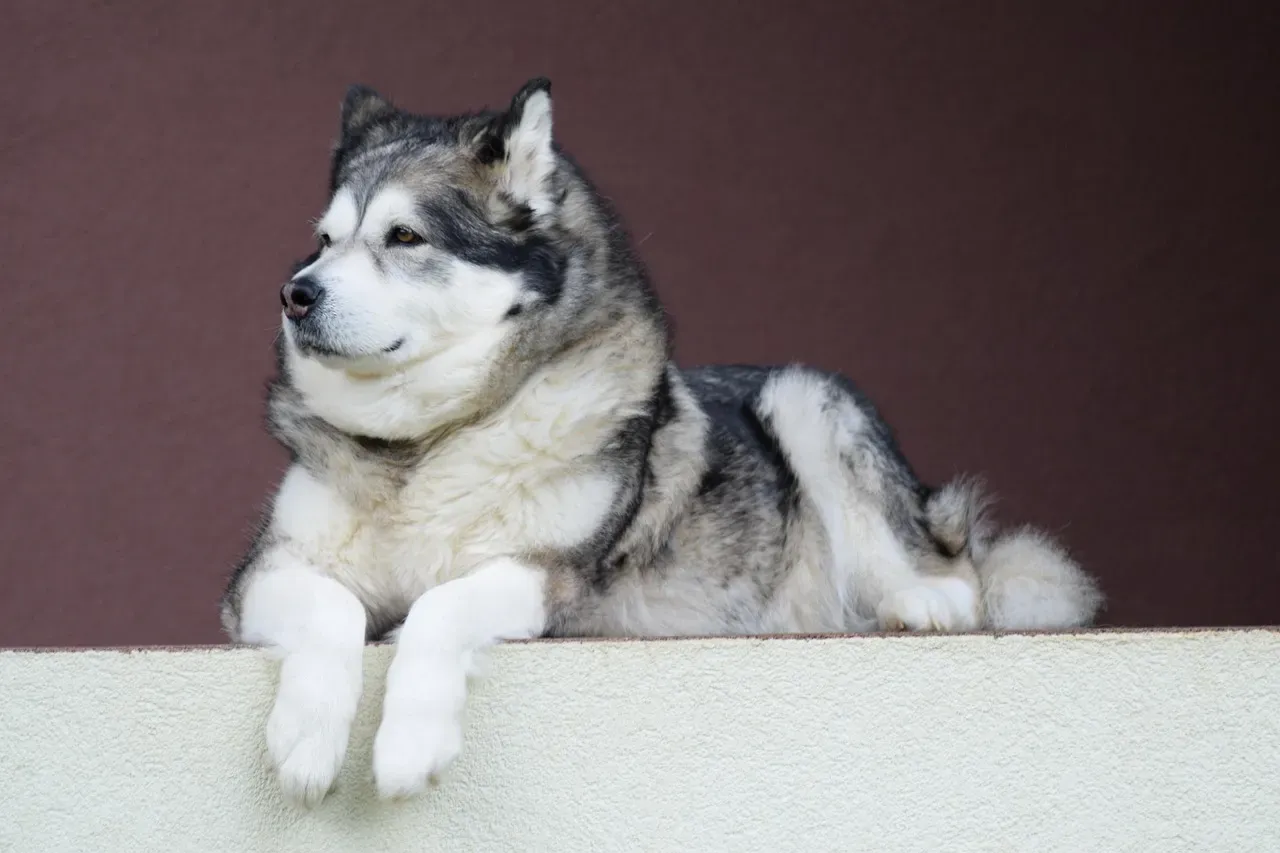
Madson notes that these fluffy dogs aren’t very motivated by food, toys or pleasing their owners, and malamutes have a very high prey drive and will go after cats, chickens and other small dogs, making it important to rein this in. Malamutes are stunning, powerful dogs bred for endurance and independence in harsh Arctic conditions.
Like their Husky cousins, Malamutes were designed to think for themselves over long distances. They’re incredibly intelligent but also incredibly stubborn. Certain breeds are more inclined to be less responsive to recall than others, particularly the more independent breeds that haven’t been selected for a high level of trainability like Spitz breeds (Huskies and Malamutes), sight hounds and scent hounds; these dogs can be trained, but it will be more challenging particularly if you are training them as an adult dog.
Their size and strength make managing them on leash essential. Off-leash time should only happen in securely fenced areas, and even then, some Malamutes are talented escape artists who can jump or dig their way to freedom.
Conclusion
Living with a dog who has questionable recall doesn’t mean you have a bad dog. It means you have a dog with strong instincts that have been carefully bred into them over centuries. The breeds on this list aren’t being difficult for the sake of it; they’re simply following genetic programming that once served vital purposes.
Does this mean you should give up on recall training? Absolutely not. Even if your dog never achieves perfect off-leash reliability, having a solid emergency recall can be lifesaving. Use high-value rewards, practice in low-distraction environments first, and consider tools like long lines for safety.
Some of the most rewarding dog relationships come from understanding and working with your dog’s natural tendencies rather than fighting against them. So if you share your life with one of these independent spirits, embrace the challenge. Keep them safe, love them fiercely, and maybe invest in a really good fence. What’s your experience with stubborn recall? Have you found tricks that work with your escape artist?


