
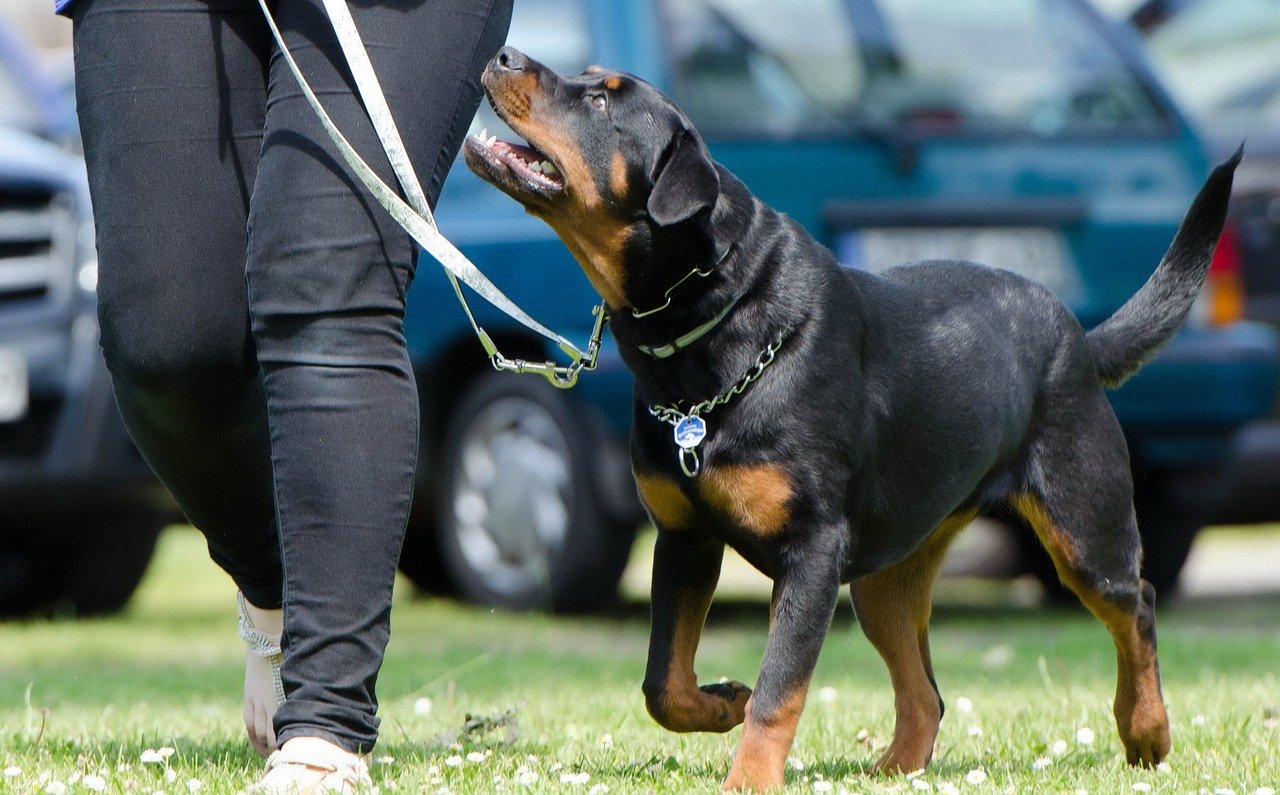

Have you ever met a dog who made your heart skip a beat—for all the wrong reasons? Some breeds just can’t catch a break, thanks to scary headlines or misunderstood behaviors. But behind every “bad dog” story, there’s usually a loyal, loving pup just waiting for a fair shot. If you’ve ever felt nervous around a certain breed or wondered why some dogs get such a bad rap, you’re definitely not alone. Let’s pull back the curtain and meet the ten breeds that struggle most with their reputations—warts, wags, and all.
Pit Bull Terrier: More Than Meets the Eye
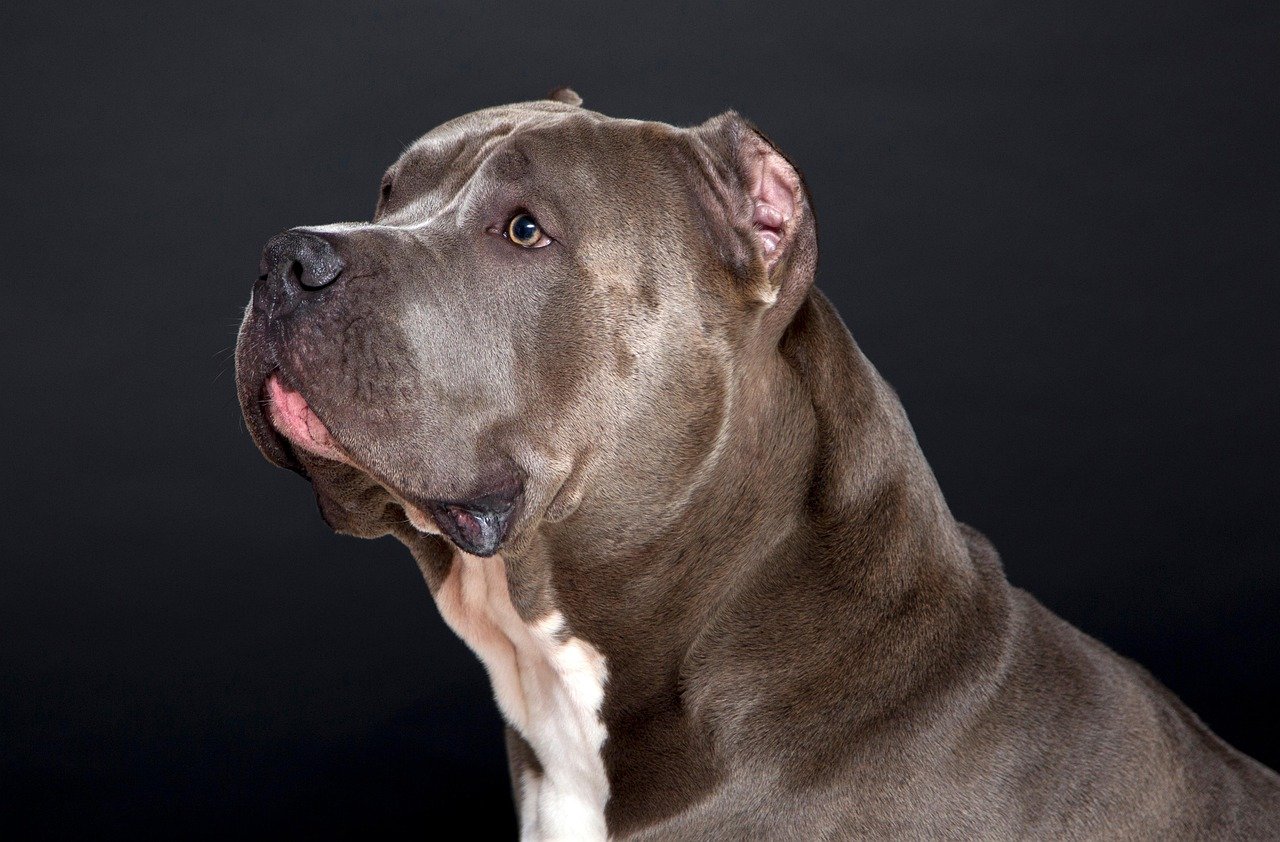
Pit Bulls are often the poster dogs for danger, but that’s only part of their story. With their muscular build and powerful jaws, they can look intimidating, but most are goofy, loyal, and deeply affectionate with the people they trust. The problem is, their strength and energy, if not managed, can lead to accidents and misunderstandings.
Behavioral cues to watch for include intense excitement or jumping up—often mistaken for aggression. Early training and socialization work wonders here. I’ve met countless Pit Bulls who’d rather snuggle than snarl, proving every dog deserves a chance to be known for their heart, not their headlines.
Rottweiler: The Gentle Guardian Misunderstood
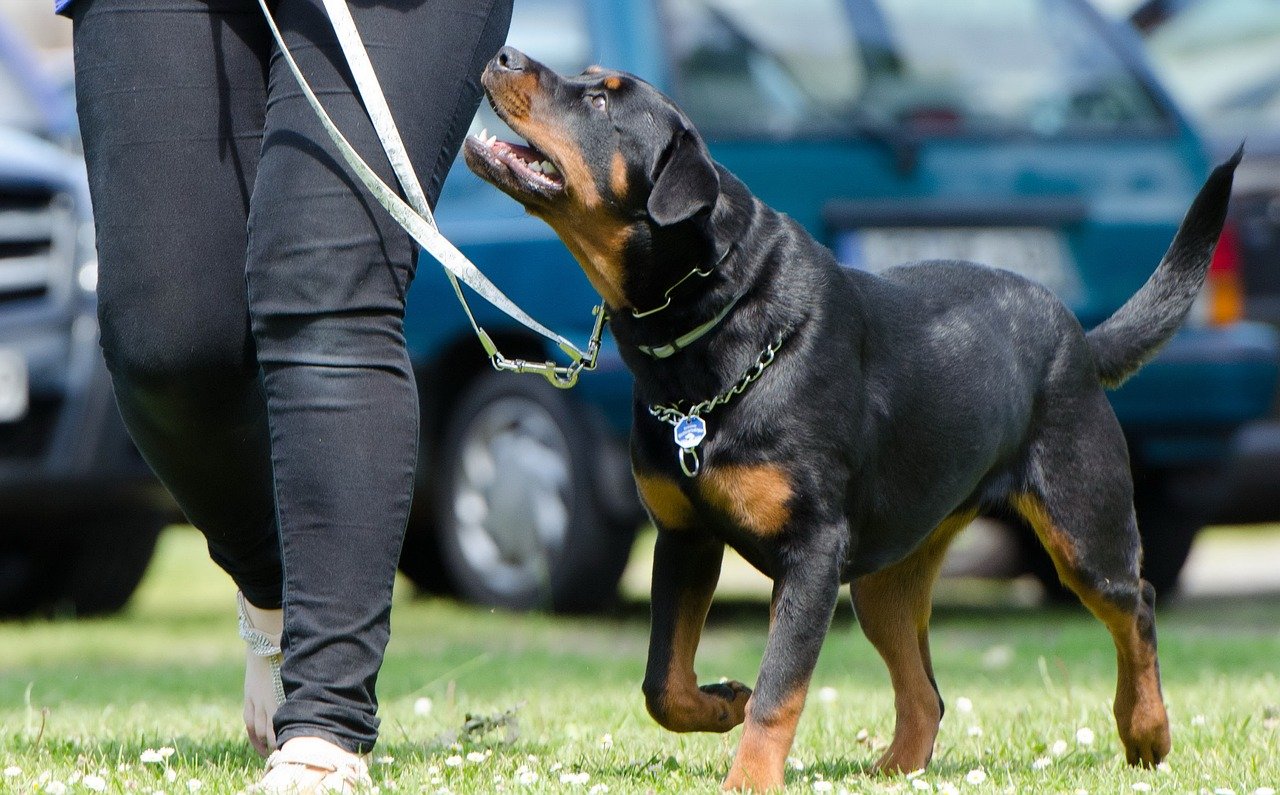
Rottweilers are often seen as ferocious guard dogs, but most are gentle giants with a strong protective instinct for their families. They’re smart, eager to please, and can be excellent with children when raised with kindness and structure. However, their size and deep bark can make strangers uneasy.
If you notice a Rottweiler holding its ground and staring, it’s often curiosity, not aggression. Consistent leadership and positive reinforcement are key to helping them shine. I’ve found that most Rotties just want to be part of the action, whether that’s guarding the yard or stealing the couch.
Doberman Pinscher: Loyalty With an Edge
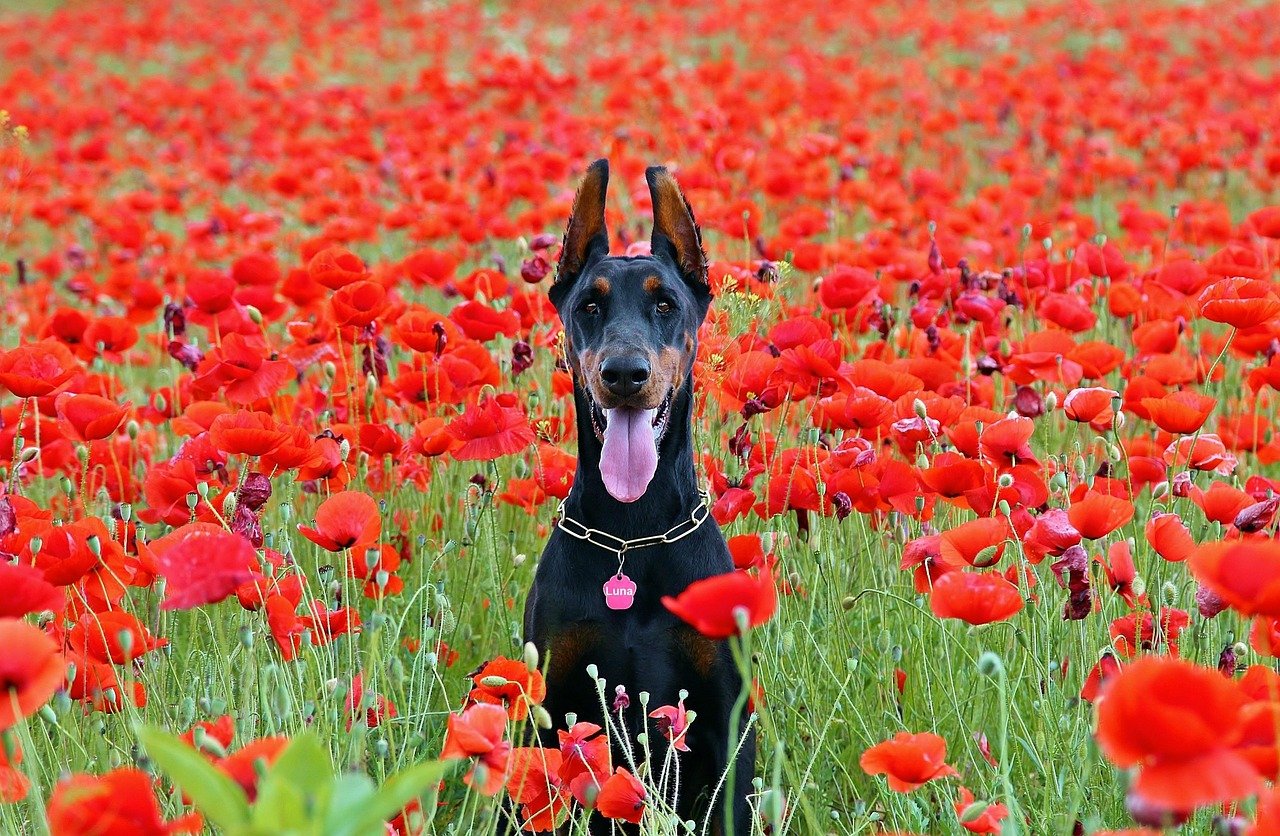
Dobermans have a reputation for being intimidating, thanks to their sleek looks and alert expressions. In reality, they’re sensitive, intelligent, and incredibly loyal to their people. They pick up on moods and thrive when included in family routines.
Look for signs of anxiety, like pacing or licking—often a Doberman’s way of saying they need reassurance, not that they’re plotting trouble. Structured play, mental challenges, and gentle boundaries go a long way. A friend of mine’s Doberman is the first to climb into her lap during a thunderstorm—hardly the villain people expect!
German Shepherd: Intelligence That Needs Direction

German Shepherds are often typecast as police or attack dogs, which feeds their tough-guy image. But at their core, they’re eager workers who crave guidance and meaningful activity. Without enough stimulation, they can become anxious or develop behavioral issues.
You may notice shepherds barking or herding children—classic signs they need a job to do. Regular training and daily exercise help them channel their smarts in positive ways. I’ve watched a “scary” Shepherd transform into a therapy dog with patience and love, showing that reputation isn’t destiny.
American Bulldog: Strong-Willed, Not Mean
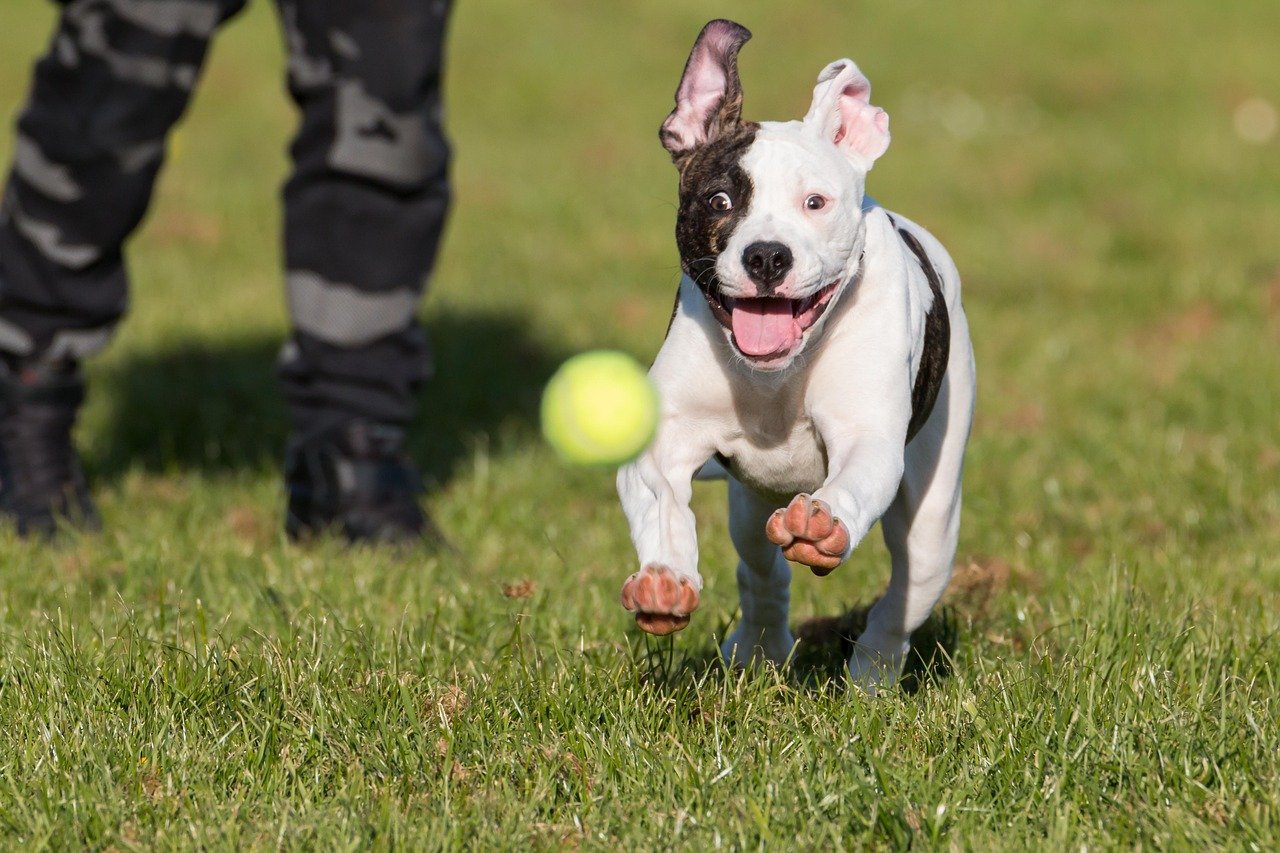
American Bulldogs look imposing, with their muscular frames and serious faces. People often assume they’re aggressive, but most are playful, loyal, and sometimes downright silly. Their stubbornness can be a challenge for first-time owners, leading to frustration on both sides.
Be alert for headstrong behaviors, like ignoring commands or guarding toys. Gentle, consistent training works best—yelling only fuels their resistance. With the right approach, Bulldogs become devoted companions, eager for belly rubs and backyard games.
Chow Chow: Aloofness Mistaken for Aggression
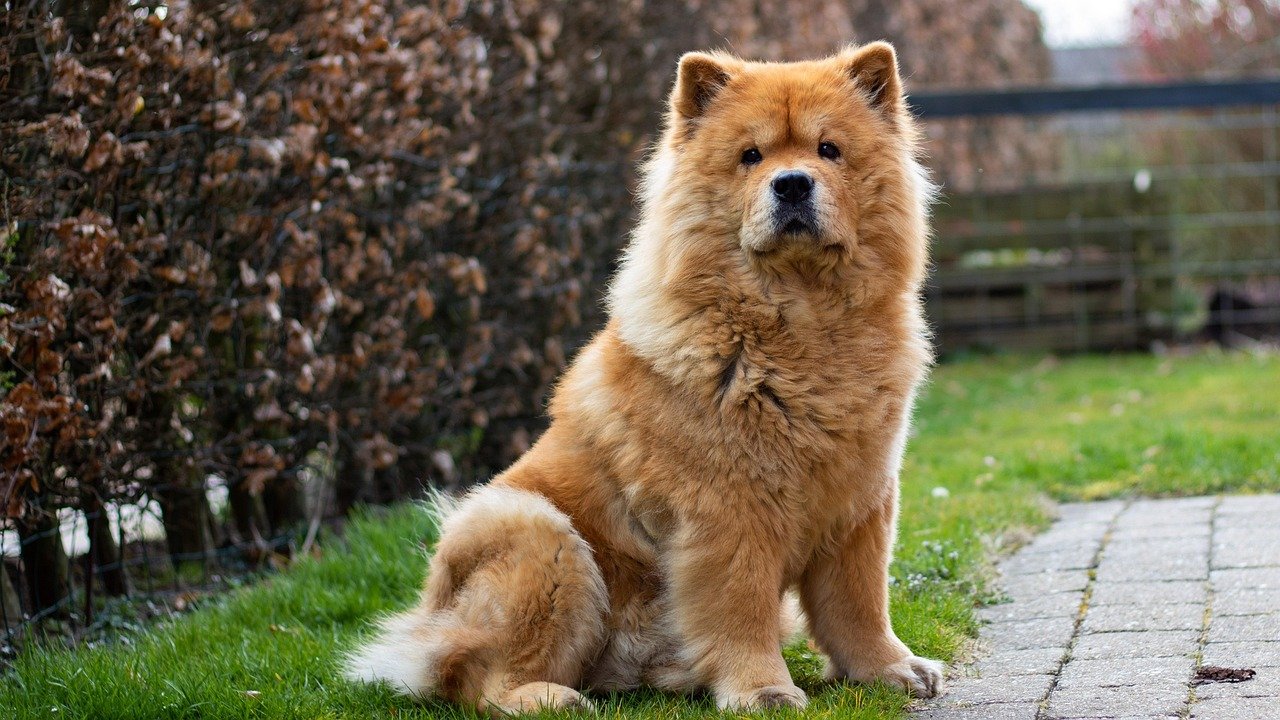
Chow Chows have a majestic lion-like appearance and an independent streak. This aloofness is often mistaken for meanness, but it’s really just their way of showing they’re not pushovers. They bond deeply with their families but can be wary of strangers—think of them as the introverts of the dog world.
Watch for subtle cues like stiff posture or a curled lip; these mean a Chow is uncomfortable and needs space, not punishment. Gentle introductions and respect for their boundaries help them warm up. My neighbor’s Chow spends most afternoons curled quietly at her feet, only barking if someone gets too close without an invite.
Akita: Fiercely Loyal, Not Dangerous
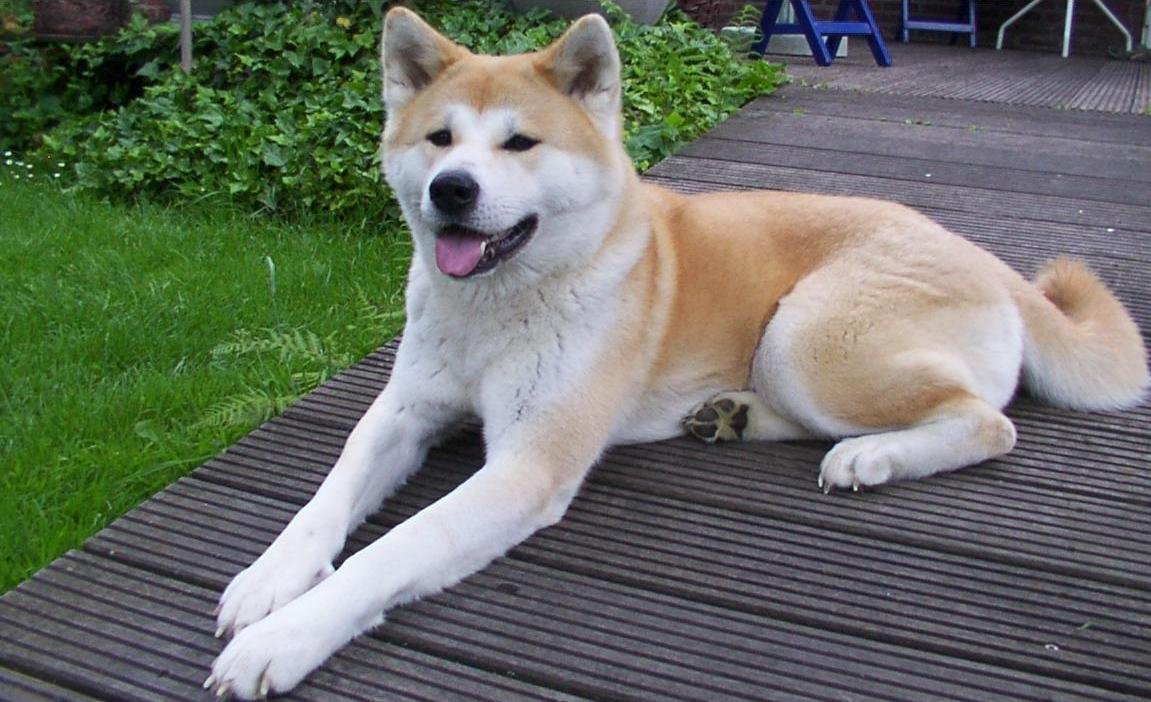
Akitas are often labeled as unpredictable, partly because of their strong guarding instincts and independence. But beneath that stoic exterior is a dog deeply loyal to its people, sometimes to a fault. They don’t tolerate roughhousing or disrespect, which can make them seem unfriendly.
It’s important to recognize warning signs, like a stiff tail or unwavering stare, which signal discomfort. Socializing Akitas from puppyhood and rewarding calm behavior can prevent problems down the line. The Akita I fostered was a gentle soul with my kids, but always alert if a stranger approached the house.
Alaskan Malamute: Misjudged by Their Wild Looks
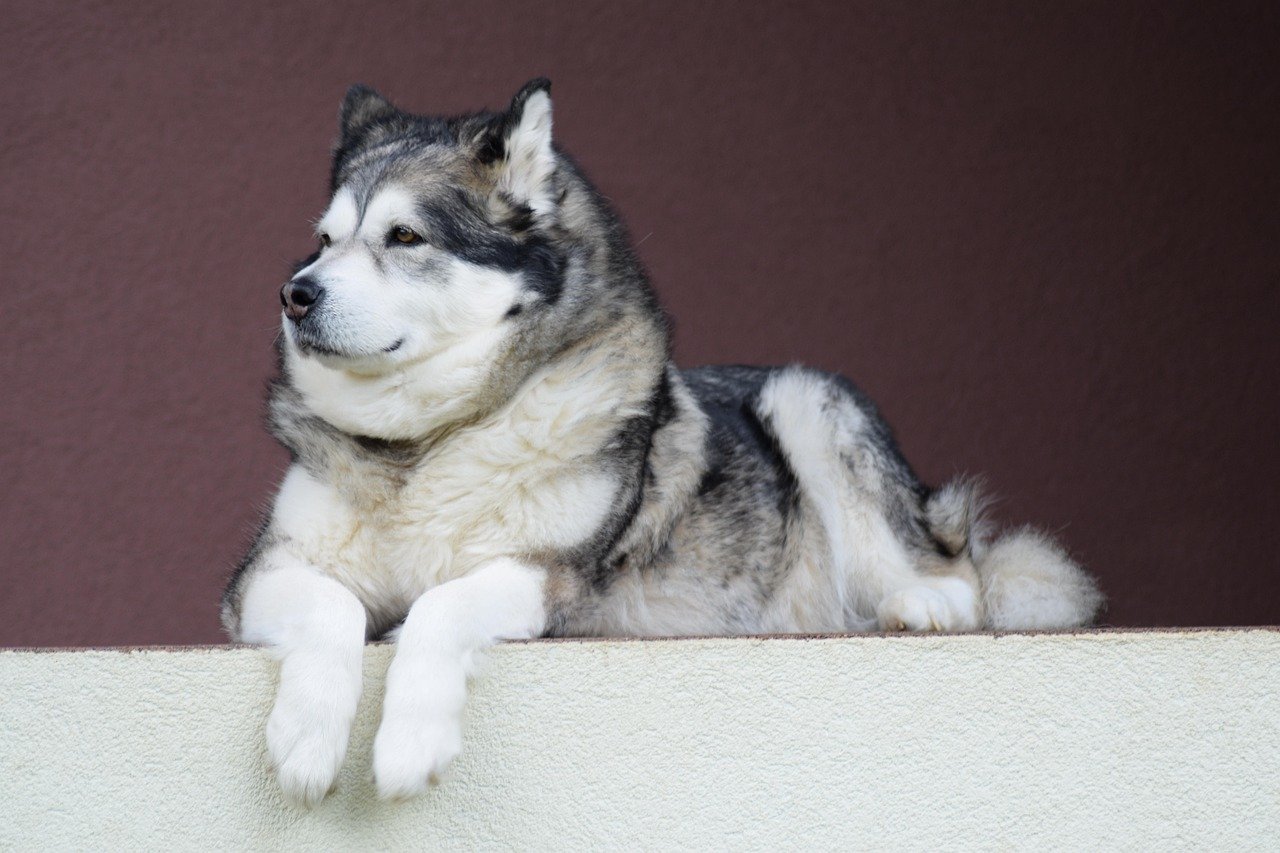
With their wolf-like appearance and boundless energy, Alaskan Malamutes often get mistaken for being wild or uncontrollable. In reality, they’re affectionate, playful, and love being part of a pack—human or canine. Their strength and independence do require experienced handling.
Look out for boredom behaviors, like digging or howling, which are cries for more exercise or mental stimulation. A tired Malamute is a happy Malamute! With plenty of activities and patience, they’re more likely to be your best friend than your worst nightmare.
Dogo Argentino: Protective and Powerful
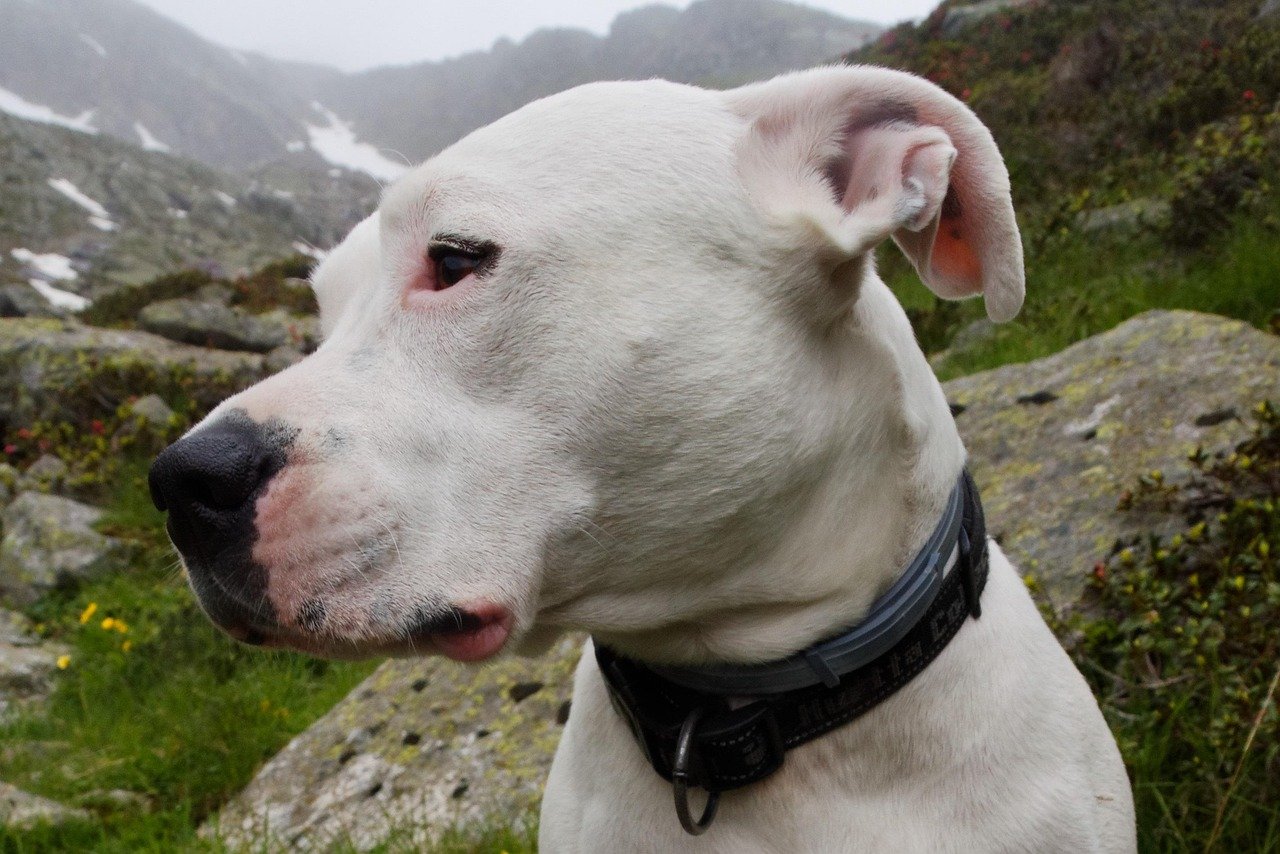
The Dogo Argentino’s muscular build and determined gaze give them a formidable reputation. While bred for hunting, they’re also known for devotion to their families. Without proper guidance, however, their protective instincts can become a problem.
Pay attention to signs of over-guarding, such as growling at visitors or blocking doorways. Early socialization and clear boundaries are crucial. I once cared for a Dogo who would sit quietly at my feet, only springing into action when he sensed I was in distress—a reminder of their true nature beneath the tough exterior.
Jack Russell Terrier: Little Dog, Big Attitude
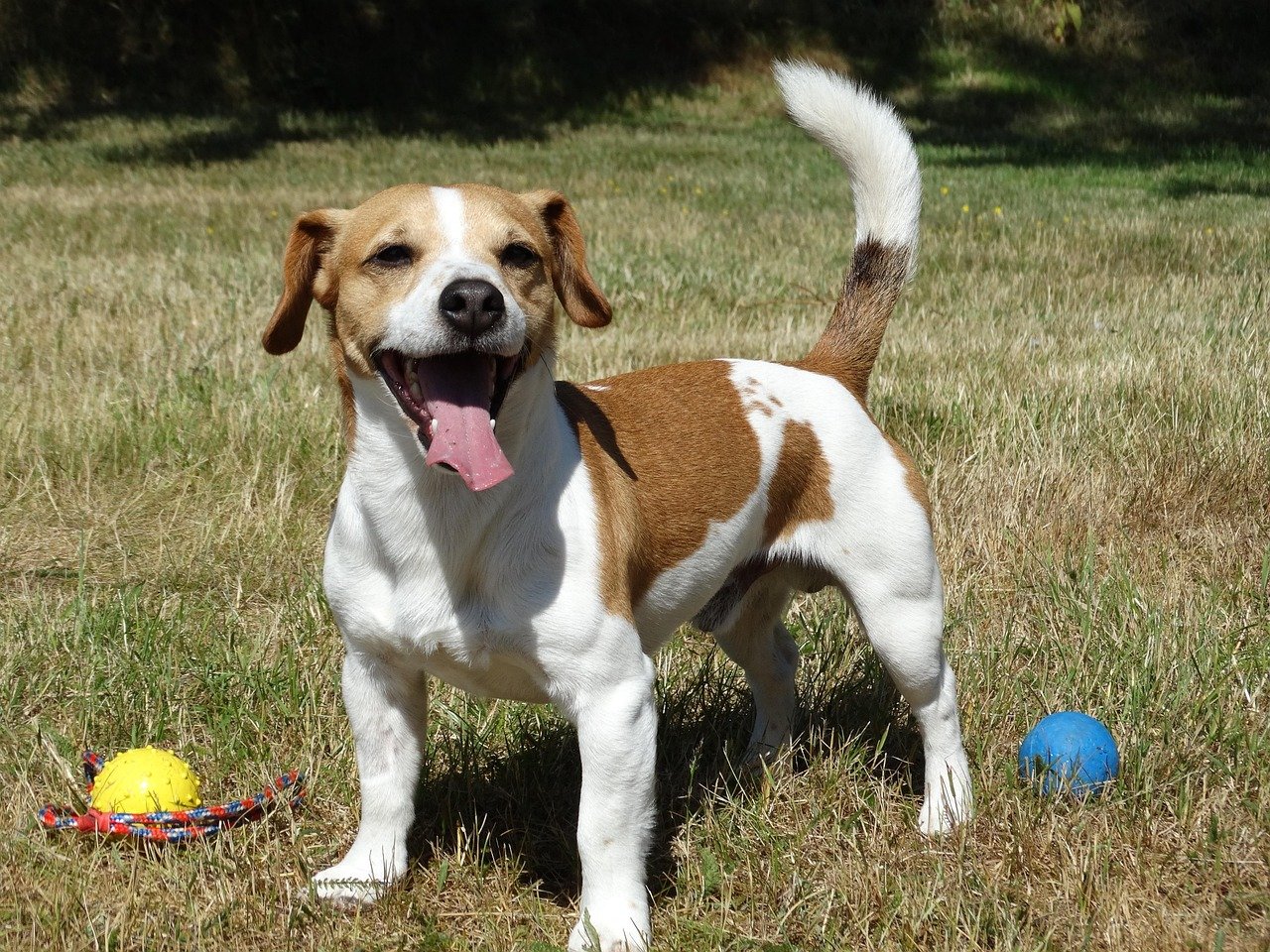
This might surprise you, but Jack Russells land on this list for their feisty spirit and endless energy that can overwhelm unprepared owners. Their intelligence and drive mean they need constant engagement, or they’ll find trouble—think chewed shoes or endless barking.
Behavioral cues like spinning or obsessive digging are cries for more play or stimulation. Training games, puzzle toys, and regular walks keep them happy. My own Jack Russell once stole the Thanksgiving turkey off the counter—proof that even small dogs can have reputations that loom large!
Born and bred in South Africa, a Capetonian at heart. Amy-Leigh’s love for nature and animals was inherited from her Dad. He loves taking the family on road trips to experience nature at its finest; Amy-Leigh’s favourite being whale watching in Hermanus and spotting Kudu along the West Coast. Amy-Leigh holds a BA in English Literature and Communication Studies.


