
Let’s get real for a second. When we talk about dog breeds with challenging temperaments, we’re not saying these dogs are inherently bad or unlovable. Far from it. Every dog deserves a chance at a wonderful life, filled with belly rubs and squeaky toys. What we’re really discussing here is which breeds demand more from their humans in terms of training, patience, and understanding.
Some dogs were bred for jobs that required fierce independence, protective instincts, or relentless determination. Those same traits that made them excellent at their original work can translate into behaviors that test even experienced dog owners. Think of it this way: hiring a professional athlete to do office paperwork might not go smoothly, right? Same principle applies to our canine companions.
So let’s dive in and explore ten breeds that often challenge their owners, not because they’re mean spirited, but because they come with unique personalities that need the right match.
Chow Chow: The Stubborn Fluffball
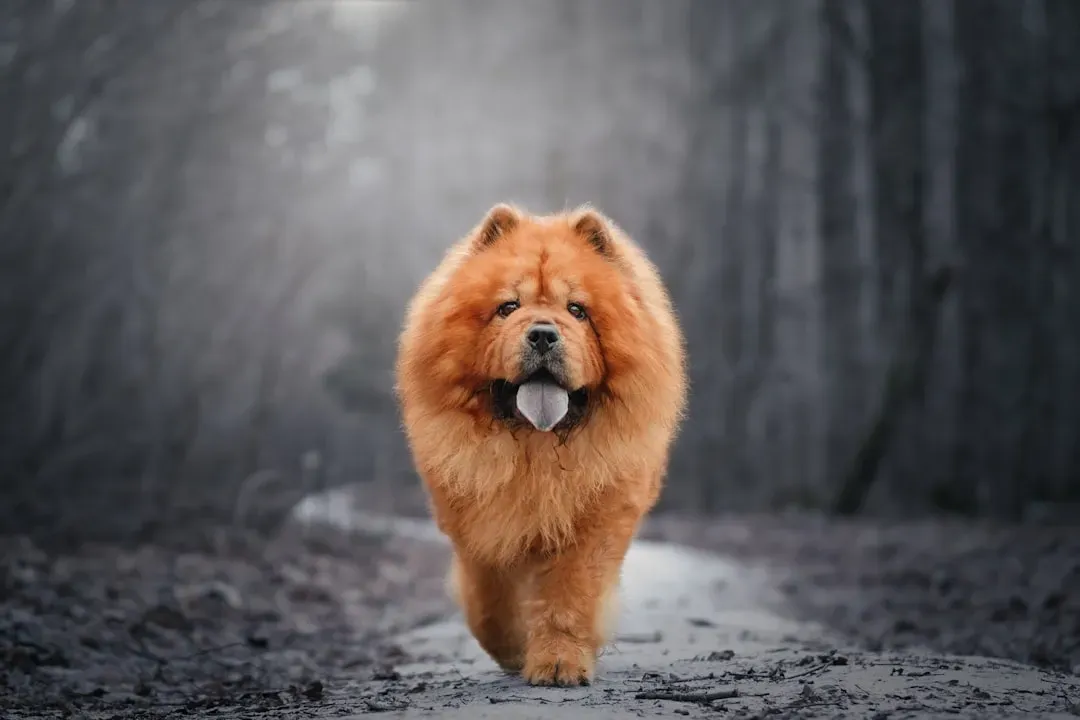
The Chow Chow is a large dog with a thick, soft double coat and a cuddly appearance, yet it’s seemingly aloof, attention-seeking, stubborn and independent. Honestly, this breed can be a real handful if you’re not prepared for their strong willed nature. These tend to be one-person dogs and they can have an awful temperament when it doesn’t get what it wants.
Chow chows are serious, independent and distant, and they are willful and stubborn, which makes them harder to train. What many people don’t realize is that beneath all that adorable fluff lies a dog with ancient guarding instincts. Even with training since puppyhood, it can remain overprotective of its owner and doesn’t like other dogs or pets. Their loyalty is fierce but selective, which means strangers and other animals often aren’t welcome in their world.
Akita: The Powerful Guardian
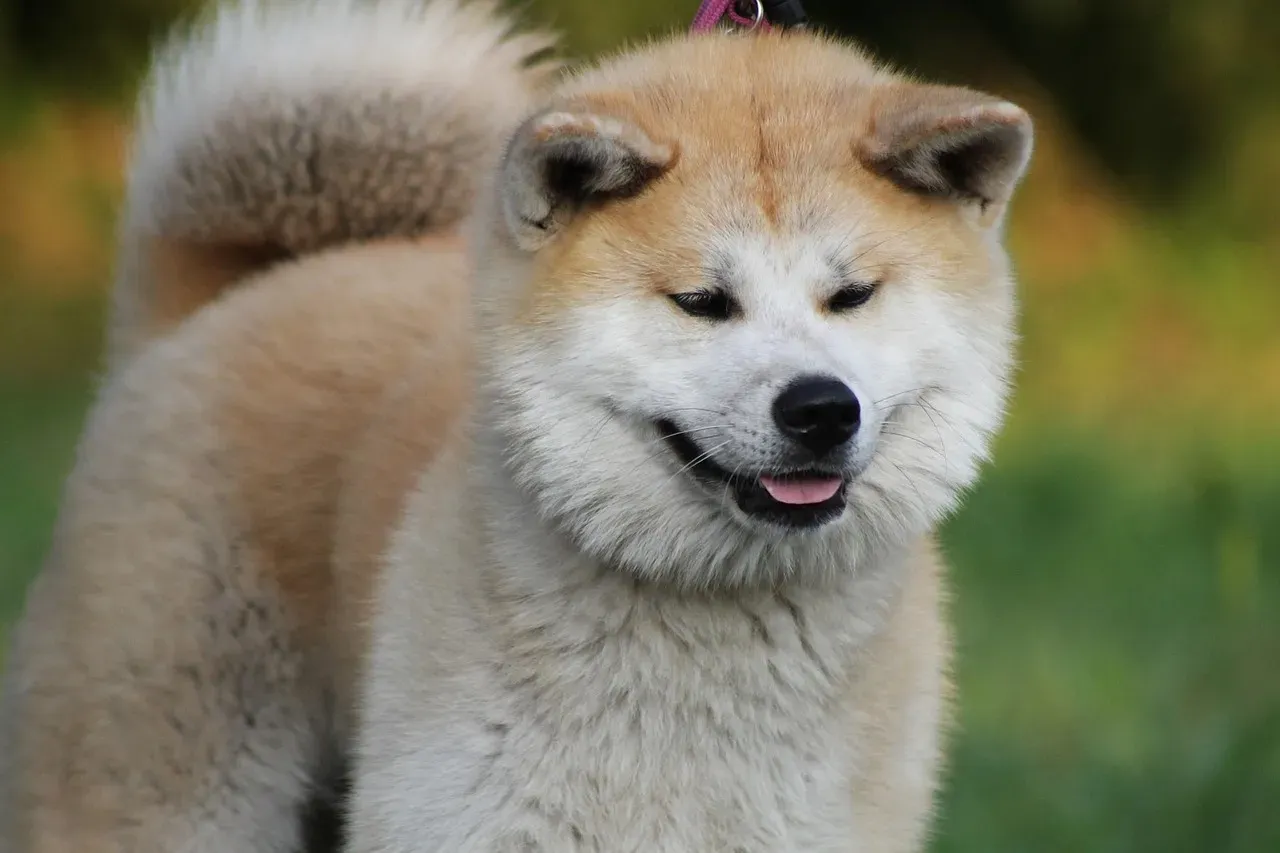
Akitas were bred to hunt big game, so they have a strong prey drive and can be aggressive if not adequately socialized and trained. These magnificent dogs aren’t for beginners, period. Their sheer size combined with their protective nature creates a combination that requires an experienced handler.
Highly protective by nature, these dogs are often wary of strangers and do not always get along with other dogs, and it takes an experienced pet parent to keep Akitas grounded and trained. I’ve seen Akitas who are absolute sweethearts with their families, but that same devotion can quickly turn into overprotectiveness. They need firm boundaries from day one, and socialization isn’t optional, it’s mandatory.
Dachshund: Small Dog, Big Attitude
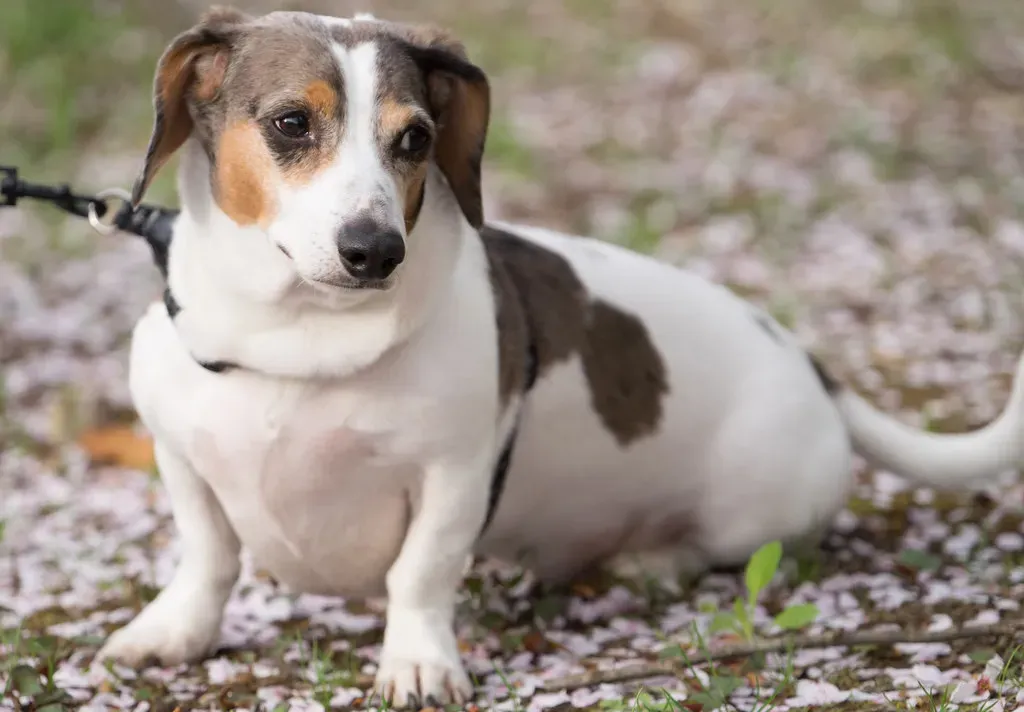
Here’s the thing about Dachshunds that surprises most people: their size doesn’t match their temperament. The Beagle tends to get fixated on smells and tends to not listen to its owner when stuck on a scent. Wait, wrong breed, but Dachshunds share that hunting dog stubbornness. These little “wiener dogs” were originally bred to hunt burrowing animals, which required courage and determination.
That same fearlessness can translate into aggression if they feel threatened or aren’t properly socialized. They’re notorious for being snappy, especially around children who don’t understand their boundaries. Their long backs and short legs might look comical, but their temperament is no joke. Early training is essential, though their independent streak makes it challenging.
Chihuahua: Tiny Terror or Misunderstood Companion?
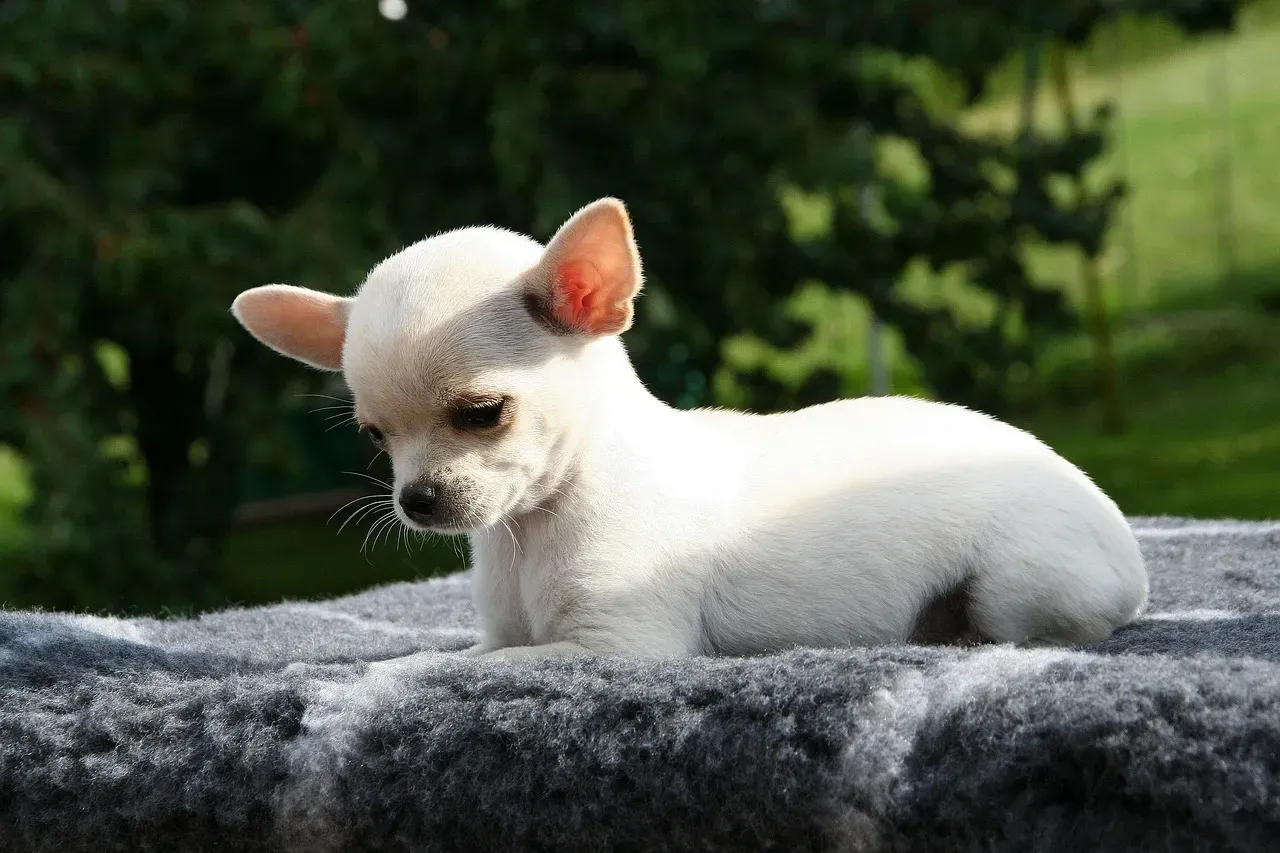
Being the smallest of the dog breeds, many Chihuahuas seem to feel the need to overcompensate for what they lack in physical stature by greeting the world teeth first, something that is often encountered in veterinary practice. Let me tell you, I’ve met Chihuahuas who were absolute angels, but I’ve also encountered ones that seemed convinced they were the size of a Great Dane.
The Chihuahua (long-coated and short-coated) and Chow Chow were classified as very aggressive. Be mindful that they are likely acting out of fear, but try not to let them succeed in getting away with biting. The problem often lies in how we treat small dogs. We pick them up when they’re scared, we let them get away with behaviors we’d never tolerate in a larger breed. This creates insecure, anxious dogs who think aggression is their only defense.
Siberian Husky: Beautiful Chaos
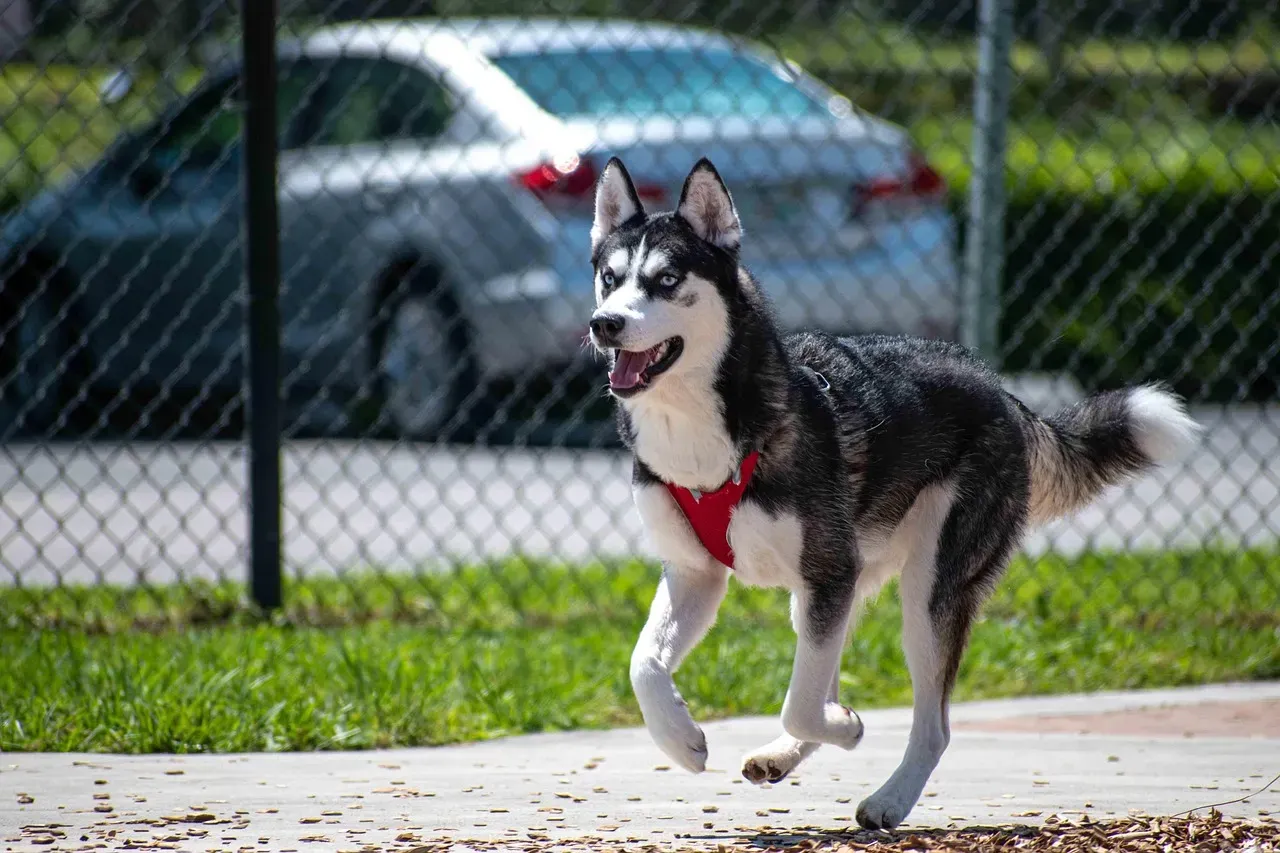
Huskies are famous for their stubborn behavior, bred to pull sleds in harsh climates, they’re independent thinkers who love to run and explore. These stunning dogs with their piercing blue eyes are absolute escape artists with energy levels that would exhaust a marathon runner.
They have extremely high energy levels, are independent thinkers, and possess a strong prey drive that can lead them to chase small animals, including neighborhood pets, and Huskies are also notorious escape artists, prone to digging under or jumping over fences. Without sufficient exercise and mental stimulation, they become destructive. We’re talking furniture destruction, hole digging, and howling that’ll have your neighbors filing complaints. If not given sufficient daily exercise, they can develop significant behavioral issues, including aggression.
Basenji: The Independent Thinker
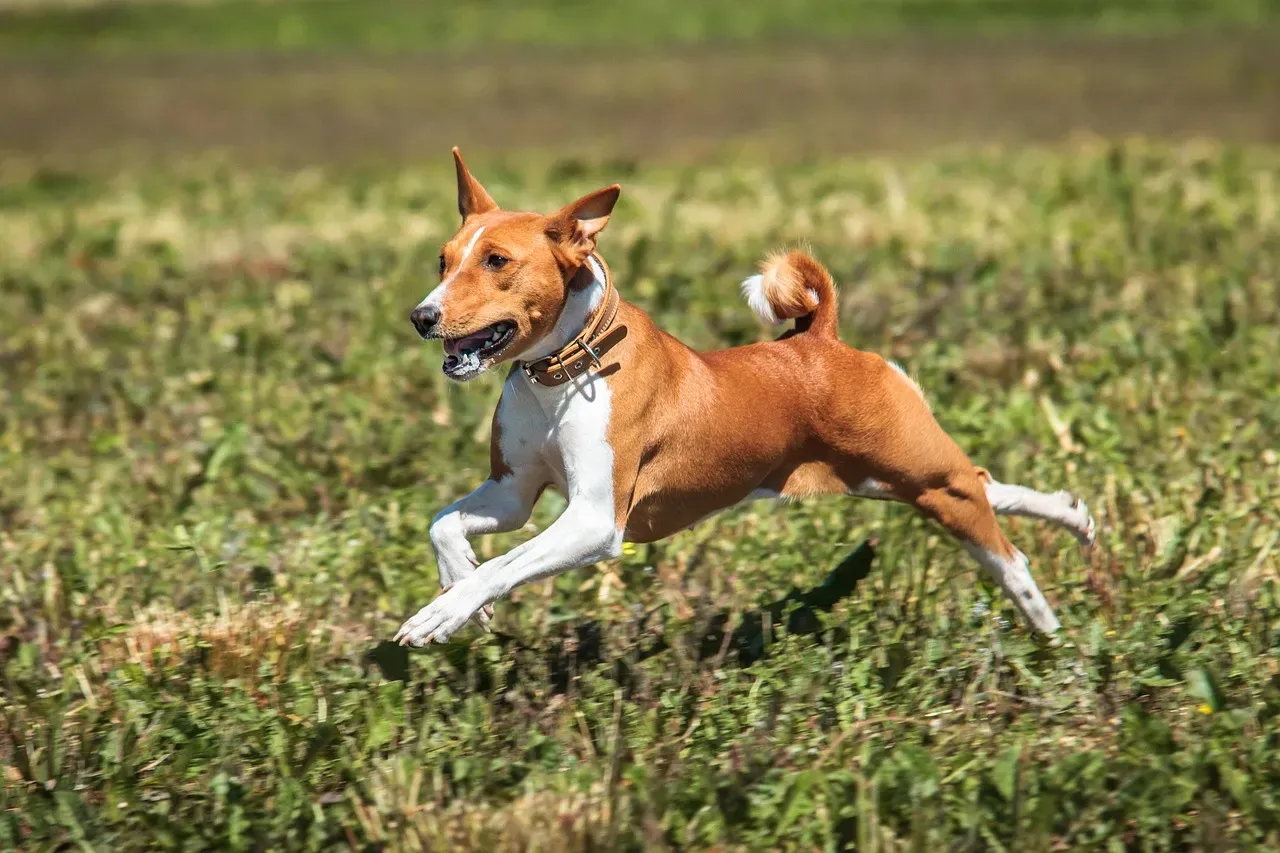
Basenjis are known for their cat-like personalities, being both independent and intelligent, and this breed is notoriously difficult to train due to their stubborn nature. Often called the “barkless dog,” don’t let that fool you into thinking they’re quiet. They make other sounds that are equally entertaining and frustrating.
They are curious and easily bored, requiring creative training techniques to keep them engaged. Training a Basenji feels like negotiating with a teenager who’s convinced they know better than you. They’ll weigh whether following your command benefits them, and if the answer is no, good luck. Their intelligence works against traditional training methods, demanding creativity and endless patience.
Shar Pei: The Territorial Guardian
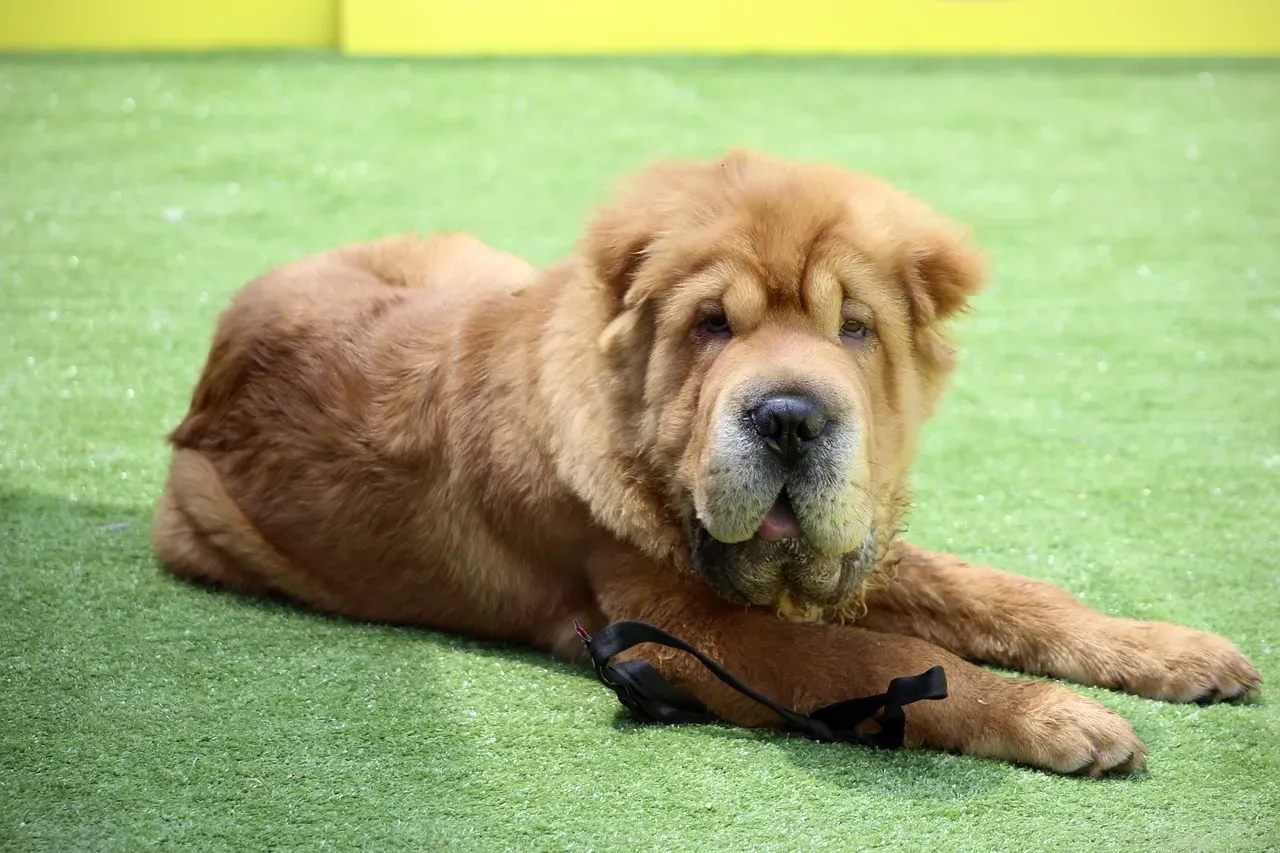
Shar Peis just don’t have a forte for socializing with others outside their family, and they can be easily territorial, and become aggressive with strangers when they’re not properly socialized. Those adorable wrinkles hide a dog with serious guarding instincts that can quickly become problematic.
Their loyalty to their family is absolute, which sounds wonderful until you realize this means they view everyone else with suspicion. They’re not a beginner dog breed! Socialization must start incredibly early and continue throughout their lives. Otherwise, you’re left with a dog who thinks the mailman, your neighbor, and that kid on a bicycle are all threats to be eliminated.
Australian Cattle Dog: The Workaholic Herder
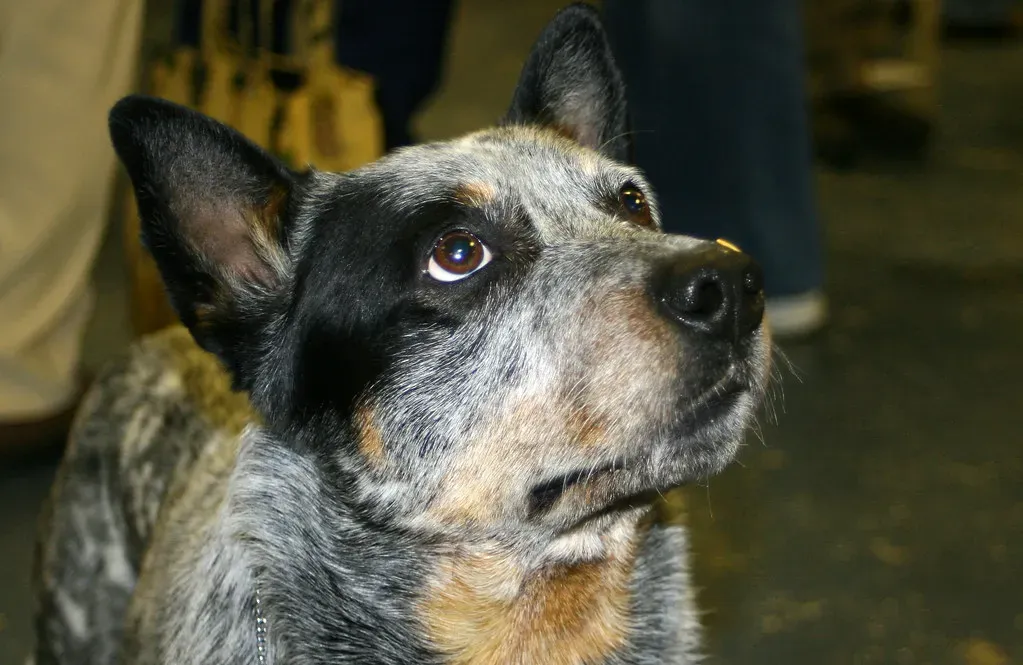
Australian Cattle Dogs (a.k.a Blue Heelers) are a very high-energy herding breed, and if the name hasn’t given it away already, they were originally bred to herd, which means high-energy was a sought after trait. These dogs need a job, and if you don’t give them one, they’ll create their own, which usually involves herding your kids or nipping at heels.
Unfortunately this means they can get a bit aggressive with strange humans and animals if not trained and socialized properly, and they also have a bad habit of nipping at the feet and heels of anyone walking by – as it’s what they were trained to do to herd cattle. They’re brilliant dogs, but that intelligence combined with endless energy creates a perfect storm for behavior problems if they’re not properly exercised and mentally stimulated.
Beagle: The Nose-Driven Wanderer
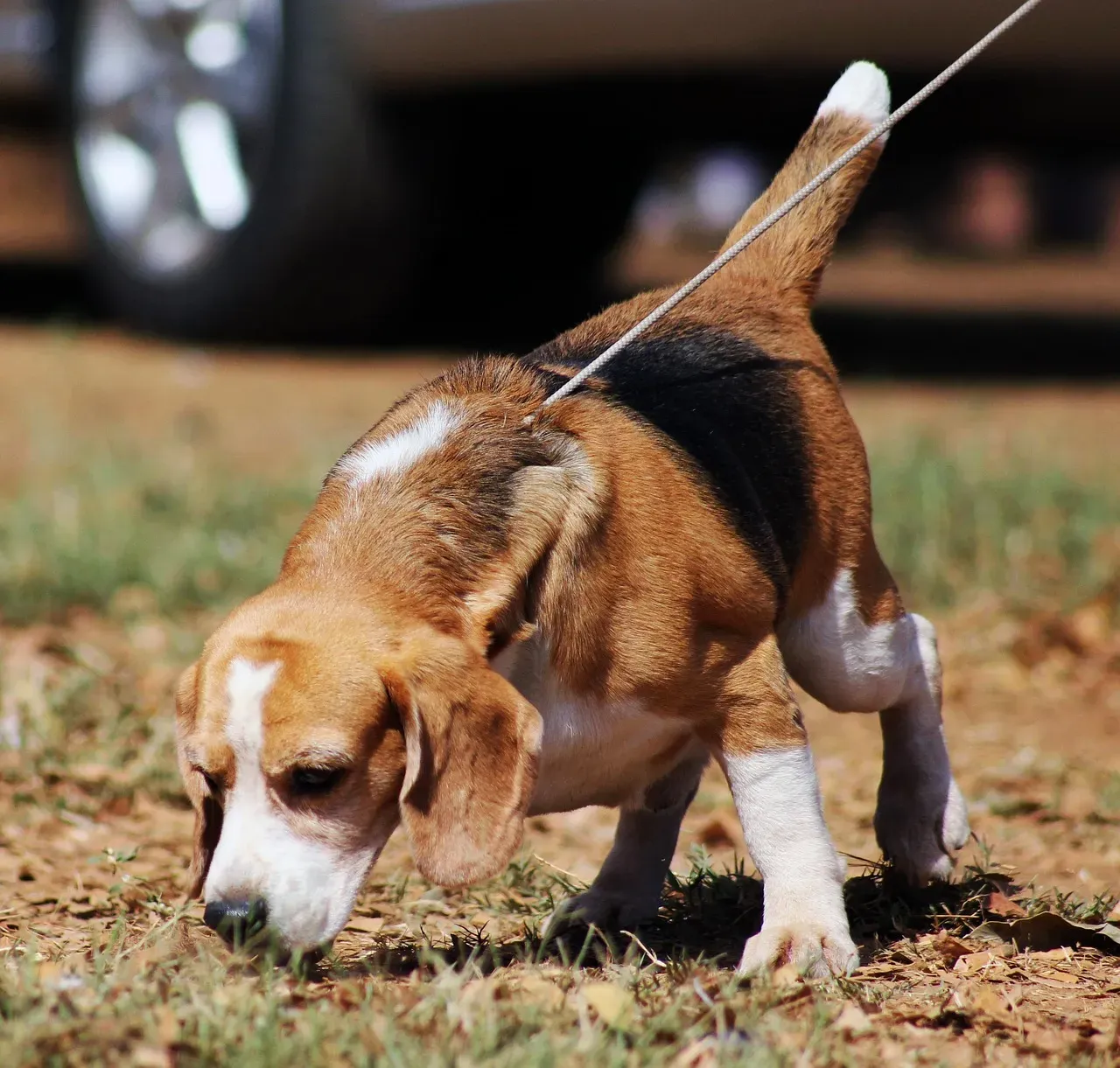
The Beagle is renowned for its even temperament, and as a result, these are the dogs of choice for medical and scientific testing – because they put up with a lot of abuse. That sounds positive, right? Well, here’s the catch. The Beagle tends to get fixated on smells and tends to not listen to its owner when stuck on a scent, and it can even become violent.
Beagles will lash out if they feel threatened, and a child staring into a Beagle’s eyes is a bad idea as it is seen as aggression and may provoke the dog into biting if the child ignores all the signals the dogs give to back off. Their hunting heritage means that once they catch a scent, you basically cease to exist in their world. Recall training? Forget about it when there’s an interesting smell to follow.
Wolf Hybrid: The Unpredictable Wild Card
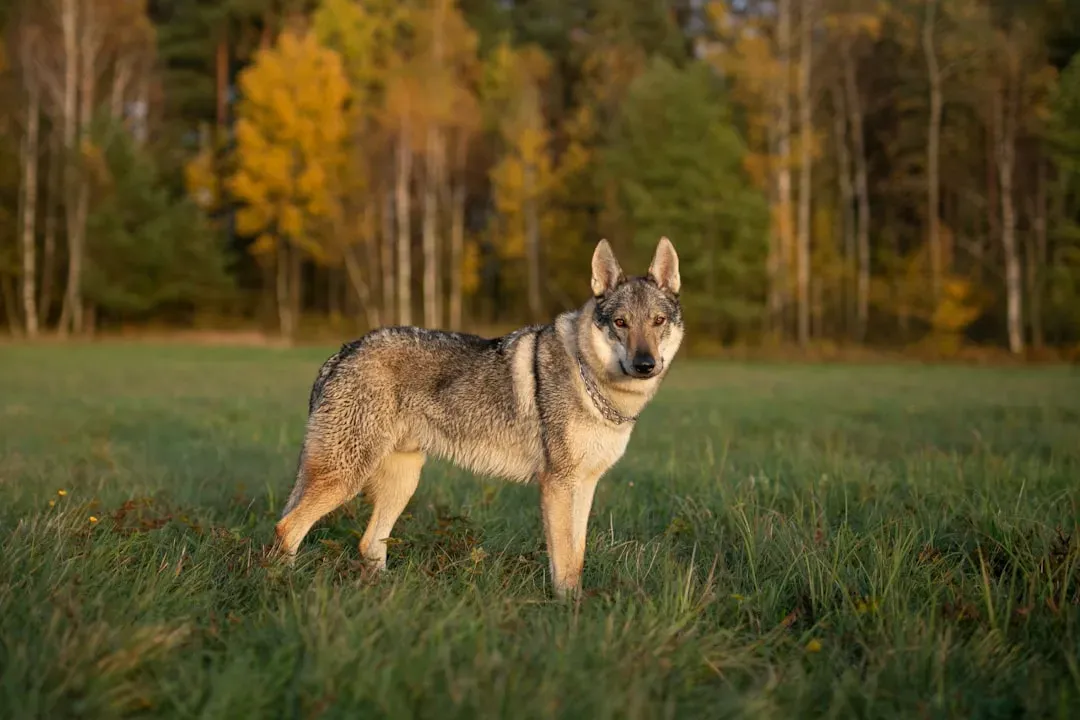
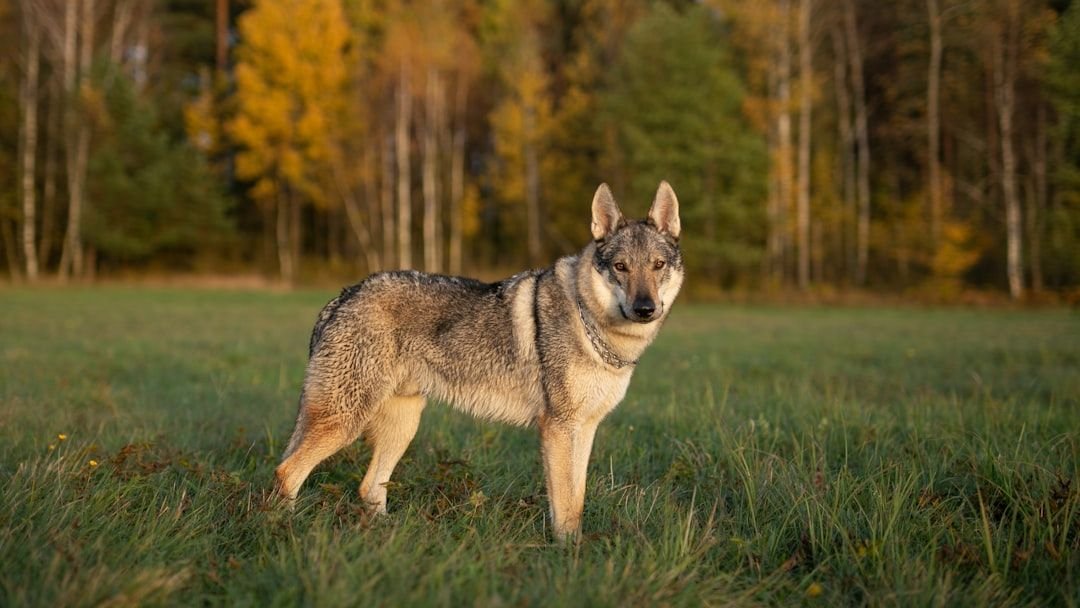
Wolf Hybrids have highly unpredictable temperament, stemming from the mix of wild wolf instincts and domesticated dog traits, and they retain strong wild instincts, high prey drive, and an inherent wariness of humans. This is honestly the breed I’d warn most people away from. The combination of wild and domestic creates something neither fish nor fowl.
Mixing domestic dogs with wolves creates unpredictable results, with wolf hybrids retaining a strong instinct to roam and hunt. Their behavior can be difficult to manage, even for experienced handlers, and they often require specialized containment, and furthermore, there are often legal restrictions on owning Wolf Hybrids, with many areas banning them entirely or requiring special permits. These aren’t pets in the traditional sense. They’re wild animals with some domestic traits sprinkled in, making them dangerous and unsuitable for typical family homes.
Conclusion: Understanding, Not Condemning
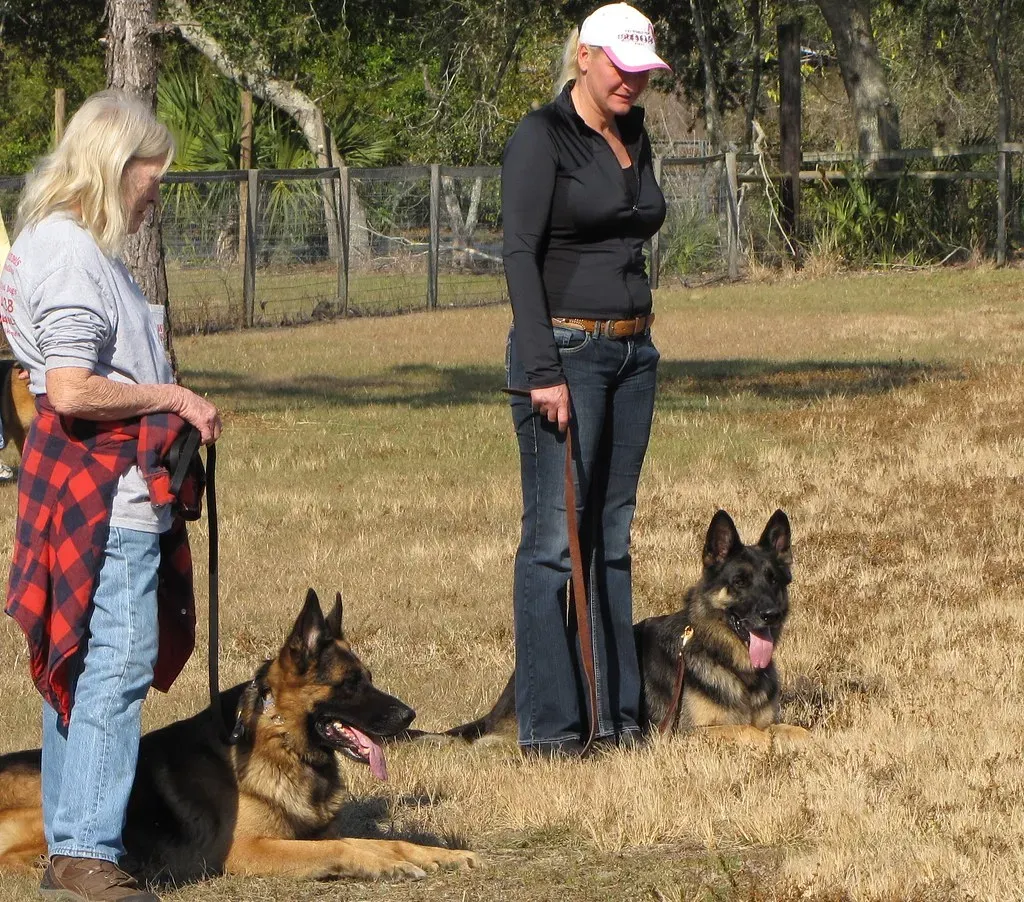
Look, writing about breeds with challenging temperaments doesn’t mean these dogs don’t deserve loving homes. What it means is that potential owners need to go into the relationship with eyes wide open. Almost none of the behaviors we associate with dog breeds are hard-wired, and aside from a few ancient traits, environment seems to play a much larger role than pedigree.
The breeds we’ve discussed require experienced handlers, consistent training, proper socialization, and often more time and energy than the average dog owner can provide. That doesn’t make them bad dogs. It makes them specialized companions who need the right match. People can profoundly impact a pup’s temperament, so that makes proper training and socialization imperative, and while certain statistics might claim that some breeds are more dangerous than others, this often has to do with how a dog was raised.
What do you think about breed temperaments? Have you had experience with any of these challenging breeds that changed your perspective? Every dog has the potential to be amazing with the right owner and environment.


