

Picture this: you’ve done everything right. You’ve read every blog post, watched the training videos, and followed all the advice from that confident neighbor who swears their method works. Yet somehow, your beloved pup is still destroying your favorite shoes, getting into fights at the dog park, or worse, showing up at the emergency vet. Sound familiar? The devastating truth is that much of what we “know” about dogs is actually dangerous fiction that could be putting our furry family members at serious risk.
From believing your dog needs to be the alpha to thinking chocolate is just a minor stomach upset, these widespread myths aren’t just wrong – they’re setting you up for heartbreak, hefty vet bills, and potentially losing your best friend forever. Ready to discover which “truths” about dogs are actually disasters waiting to happen? Let’s dive into the most dangerous misconceptions that could cost you everything.
Your Dog Is Trying to Dominate You

This might be the most damaging myth that refuses to die, even though modern science has completely demolished it. Modern science has completely debunked the alpha dog myth and thoroughly debunked the idea that dogs are constantly trying to climb some imaginary social ladder. When your dog jumps on the couch or pulls on the leash, they’re not plotting a hostile takeover of your household.
Recent research has clearly indicated that the longstanding theory which maintained that alpha wolves control through aggression and relentless management is more myth than fact. These theories have been refuted by wolf biologists and if this theory is no longer considered true for wolves, then how can it be considered true for our dogs? Dogs do what they do to get what they want or need. Their behavior is driven by instinct and their own internal motivations.
Sticking Your Hand Out to Greet Strange Dogs Is Safe

In actuality, you should not stick your hand out toward any dog you’ve just met. “In our human interactions, it’s second nature to offer a handshake or a fist bump, but we must remember that dogs aren’t humans,” says Guillermo Roa, a credentialed dog trainer and founder of GR Pet Services. This well-meaning gesture can actually trigger a defensive response.
For decades we have been taught to stick out a hand to let the dog sniff us when we first meet it. But most dogs consider it a threat, at least to some degree, if another creature reaches out and over it. Many become nervous simply being approached. Instead of reaching out, let the dog approach you on their terms.
A Wagging Tail Always Means a Happy Dog

A dog’s tail can tell you a lot about their mood; however, it’s only one part of the canine body language package. A wagging tail simply means a dog is emotionally aroused. That might be positive arousal, like friendly excitement, or negative, like aggressive intent. This misunderstanding has led to countless bite incidents.
A vigorous tail wag to the right means happiness at seeing its owner, but slow wags of a tail held halfway down can mean fear or insecurity. Additionally, a tail held very high and wagged extremely fast can mean fear or aggression for some dogs. Missing these crucial signals can put you and your dog in serious danger.
Dogs Can Eat Most Human Foods Safely
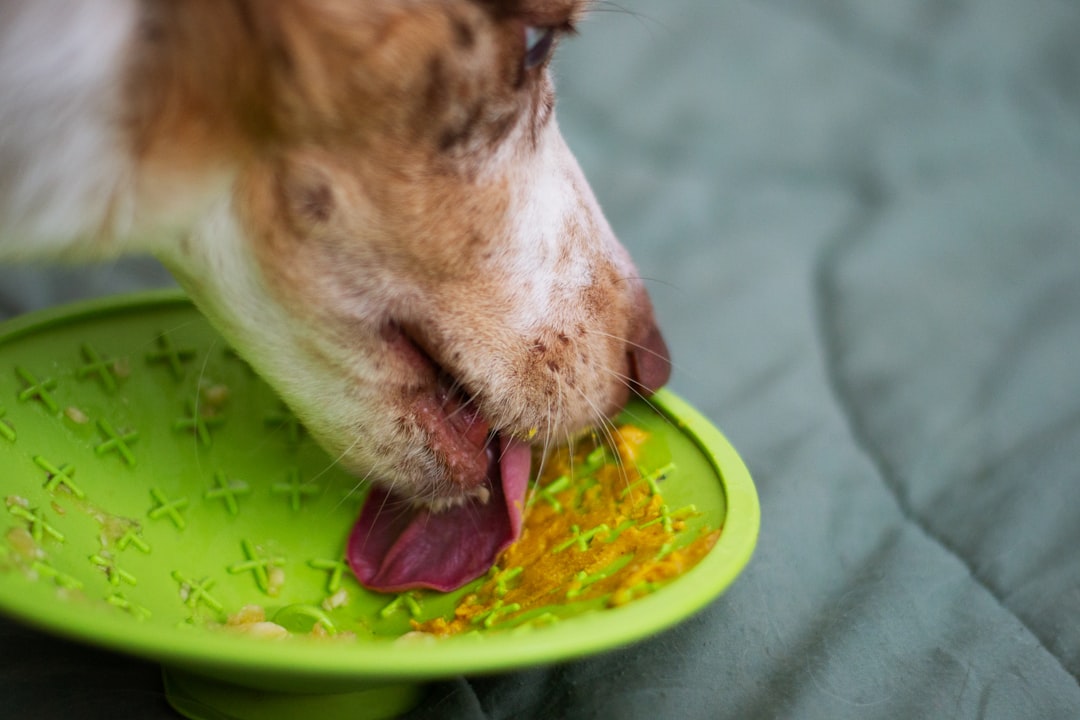
If you can eat something, surely your dog can too, right? Wrong! Lots of foods are perfectly fine in small quantities, but there are other foods that are dangerous for dogs. Some, like almonds, are a choking hazard, some, like macadamia nuts, are poisonous, and even a small amount of chocolate or grapes/raisins can kill.
Many human foods are actually harmful to dogs and can severely disrupt their digestive system. Foods like chocolate, grapes, onions, garlic, and certain artificial sweeteners are toxic to dogs and can cause reactions ranging from vomiting and diarrhea to kidney failure. Even small amounts of seemingly harmless treats can become life-threatening emergencies.
Garlic Will Protect Your Dog From Fleas and Ticks

Unfortunately, this myth is propagated a lot, especially on the internet. Not only will garlic do nothing to help with fleas and ticks in your dog, but garlic has also been known to cause hemolytic anemia in dogs, a condition where the body attacks and destroys its red blood cells. This natural remedy could actually kill your pet.
Garlic will not only have zero effect on fighting off fleas and ticks, but it can also lead to a serious disease known as Immune Mediated Hemolytic Anemia (IMHA). Even though it is a rare disease, IMHA causes the body to destroy its own red blood cells, leading to life-threatening anemia. By feeding garlic, you are unnecessarily risking your pup’s health, expensive hospital bills and multiple blood transfusions.
A Cold, Wet Nose Means Your Dog Is Healthy
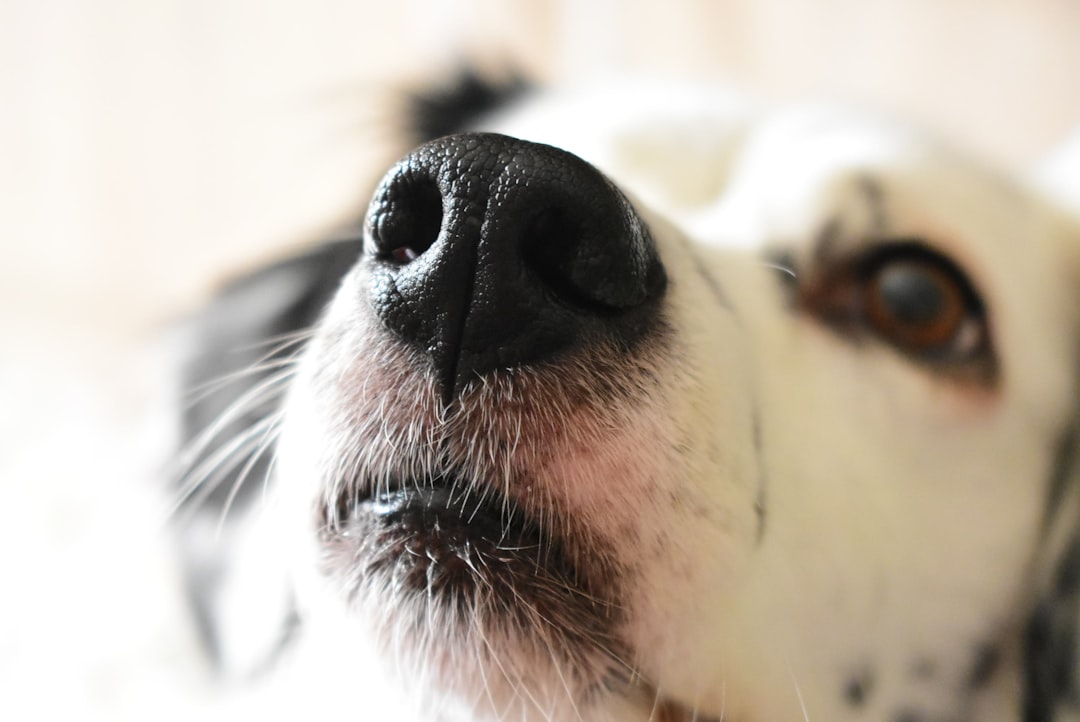
One of the most repeated dog myths out there is about dog illness symptoms and implies that a healthy dog’s nose is always cold and wet. Warm and dry noses are completely normal though, so don’t worry if this is the usual state of your dog’s snout. Everything from dry air and allergies to simply taking a nap can affect the wetness of your dog’s nose.
The temperature and moistness of your dog’s nose has nothing to do with his health, says veterinarian Suzanne Hunter, DVM. The only way to know if he has a fever is to take his temperature (usually with a rectal thermometer). It should be 101-102.5 degrees. A better way to tell if your dog is sick is if he’s not as hungry or active as usual.
Dogs Have Cleaner Mouths Than Humans

Dogs naturally have bacteria in their mouth that help them stay healthy, so there is a myth that their mouths are cleaner than ours. However, the dog’s mouth is full of bacteria that aren’t necessarily good for you. Therefore, dogs can quickly get you sick by licking your face or open wounds. This dangerous myth has led to serious infections.
Just think about where that mouth has been. Most dogs “are willing to lick their own and other dogs’ nether regions, steal cat feces from the litter box for a late night treat, and eat anything they can find on the ground,” says veterinarian Julaine Hunter, DVM. Allowing your dog to lick wounds can actually delay healing and introduce harmful bacteria.
All Dogs Can Swim Naturally
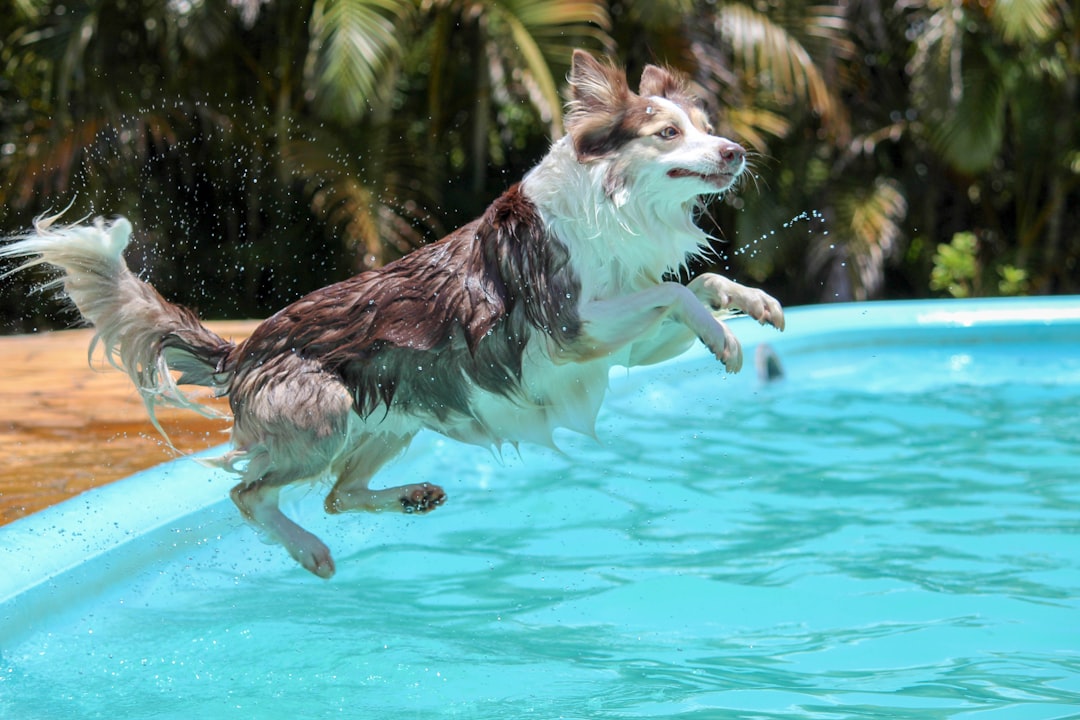
Members of certain breeds, like Portuguese Water Dogs, may like swimming. But it’s a myth that all dogs are as equally at home in the water. Not every dog can naturally swim – some need a little help to feel comfortable, and others, such as dogs with barrel-shaped chests, flat faces, or short legs, have the wrong body shapes entirely.
If your dog is unsure in the water, a life jacket can boost their confidence and keep them safe. Assuming all dogs are natural swimmers has led to tragic drowning incidents that could have been easily prevented with proper precautions and realistic expectations.
You Can Calculate Dog Age by Multiplying by Seven

You might have heard that one year of a dog’s life is equivalent to seven years of a human’s life, but that dog myth is simply not true. You can’t calculate dog years to human years that way. One-year-old dogs are not at the same stage of physical and mental development as seven-year-old children – they are more like fifteen-year-old teenagers.
Plus, different breeds develop and age differently. For example, smaller dogs, like toy breeds, develop faster and live longer than larger breeds and therefore are considered seniors at a later age. This oversimplification can lead to inappropriate care decisions throughout your dog’s life, from training expectations to health management.
Eating Grass Means Your Dog Is Sick
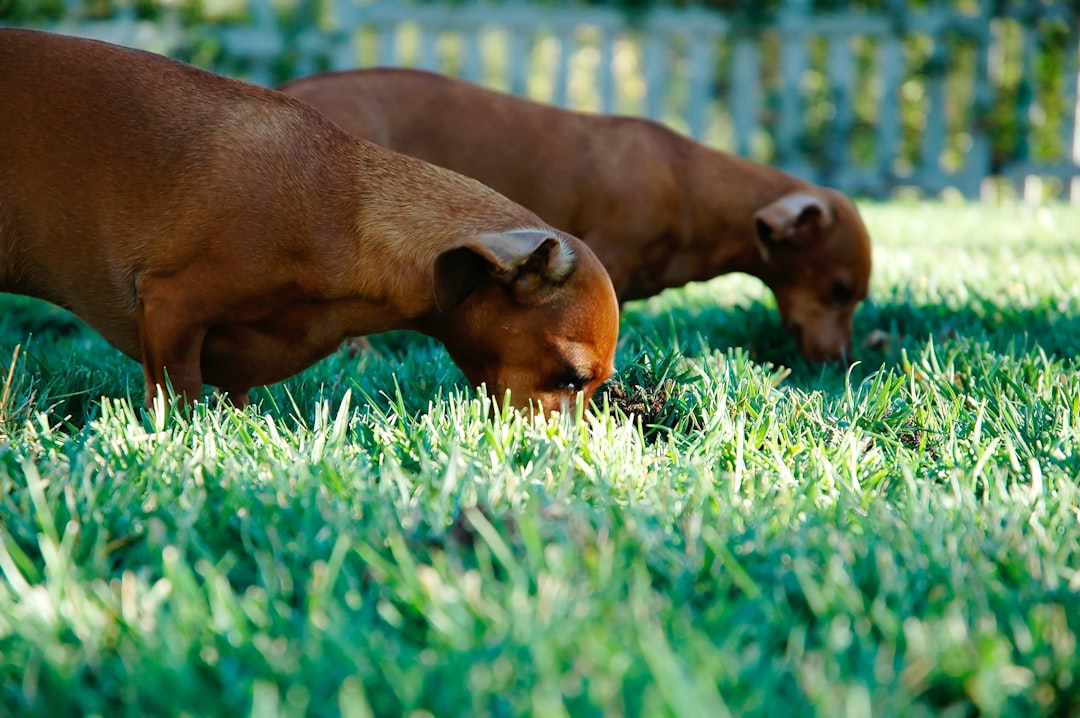
One of the most common dog myths is that eating grass is a sign your dog is sick, but that’s not necessarily true. “So many clients come to me worried when their dog eats grass that they may be coming down with a sickness.” This misconception causes unnecessary panic and vet visits.
In fact, dogs eating grass is much more likely to be because it tastes nice, particularly in the spring and summer months when it’s green and fresh. Just make sure the grass has not been sprayed with harmful chemicals (such as pesticides), and your dog is protected from lungworm to keep them safe. The real danger lies in treated lawns, not the grass itself.
Dogs Feel Guilty When They’ve Done Something Wrong

Have you ever come home to find your pet has chewed up your child’s favourite cuddly toy, or has made a mess on the carpet? The look on their face is not guilt, but you could be forgiven for thinking it is. Owners often mistakenly believe their dog knows they have done wrong, but what you’re actually seeing is appeasement behaviour. Dogs that look guilty are simply responding to an owner’s disappointment, upset or anger. It’s their way of diffusing tension, in response to feeling worried about the changes in your behaviour.
It’s important to not tell your dog off if you get home to any mess they have made while you’re out. Punishing your dog based on this misunderstanding creates anxiety and confusion, making behavioral problems worse rather than better. Your dog isn’t plotting mischief – they’re just being dogs.
Conclusion

The sobering reality is that these myths aren’t just harmless old wives’ tales – they’re potential death sentences for our beloved companions. From the dominance myth that destroys the trust between you and your dog, to the deadly belief that human foods are safe treats, each misconception carries real consequences that could cost you your best friend.
The good news? Now that you know the truth, you’re equipped to give your dog the safe, science-based care they deserve. Every myth you abandon is a step toward a stronger bond, better health, and a longer life together. Remember, the best dog owners aren’t the ones who never make mistakes – they’re the ones who stay curious, keep learning, and aren’t afraid to change course when science shows a better way.
What surprised you most about these dangerous myths? Tell us in the comments which one you’ll be ditching for good.


