
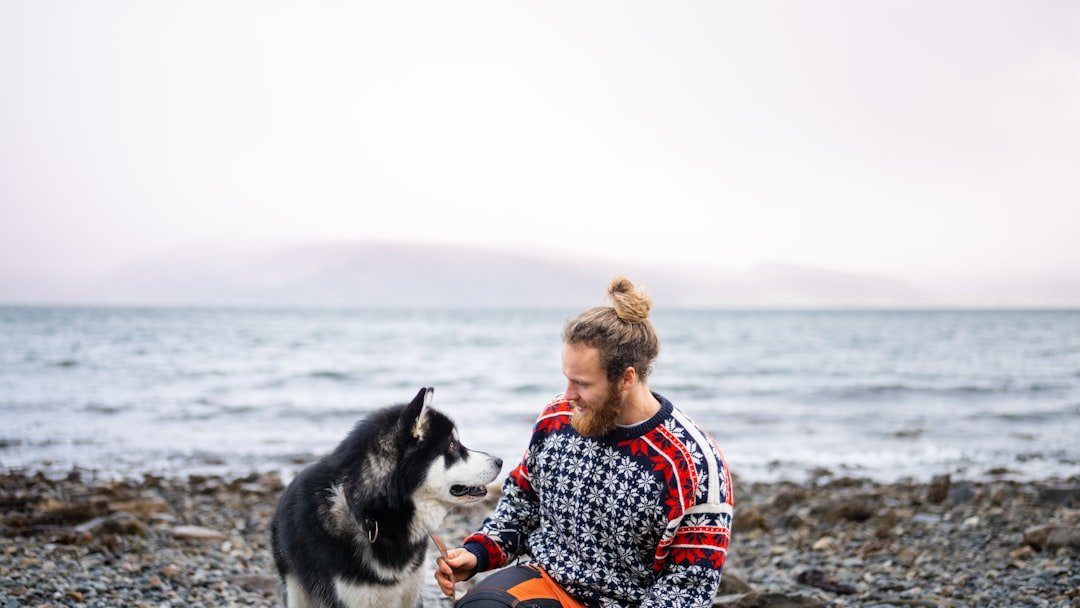
Bringing home your first dog should be one of life’s sweetest moments. You’ve pictured it a thousand times, the cozy cuddles, the playful romps in the park, the gentle nudge of a wet nose when you’re feeling down. What you might not have pictured, though, is the shredded sofa cushions at three in the afternoon, or the neighbor’s complaints about endless howling, or that sinking feeling when your adorable pup plants all four paws and refuses to budge during a walk. Here’s the thing, not all dogs are created equal when it comes to first-time ownership.
Some breeds are like that friend who shows up to help you move and actually works hard all day, except they never stop working, ever. Others come with personalities so strong-willed that even experienced trainers pause before taking them on. Choosing the wrong breed can turn your dream of dog ownership into a daily struggle, one filled with frustration, exhaustion, and maybe even a little regret. What you need is a guide through the canine world, one that doesn’t sugarcoat the challenges but also celebrates the breeds that truly shine with beginners. Let’s dive in.
The Siberian Husky: Beautiful but Relentlessly Independent
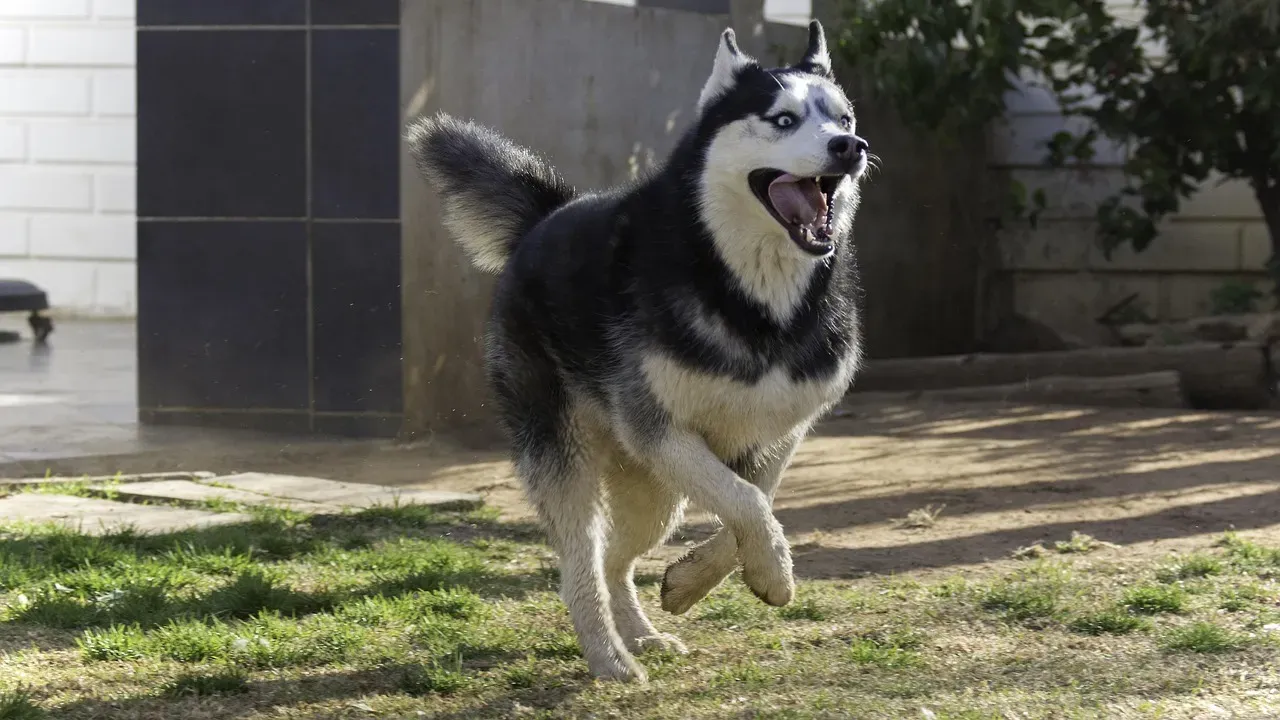
Huskies are demanding, strong-willed and stubborn, making training them anything but a walk in the park, and Siberian huskies are also one of the highest energy dogs out there, no doubt due to the fact that the breed was developed to be sled dogs capable of traversing long distances. They’re stunning, absolutely, with those piercing blue eyes and wolf-like features that make every passerby stop and stare. Yet beauty comes at a price. Their independence and stubborn nature make training a challenge for beginners, and Huskies may look like the perfect family dog, but they are best suited for experienced owners who can meet their demanding needs.
Their heavy shedding, loud vocalizations, and tendency to roam add to the difficulty of owning them, and for novice owners, these traits can quickly become overwhelming. Honestly, if you’ve never owned a dog before, a Husky will test every ounce of patience you didn’t know you had. They require intense daily exercise, a secure yard with tall fencing, and the kind of mental stimulation that keeps their brilliant minds from plotting their next great escape.
Belgian Malinois: The Canine Overachiever
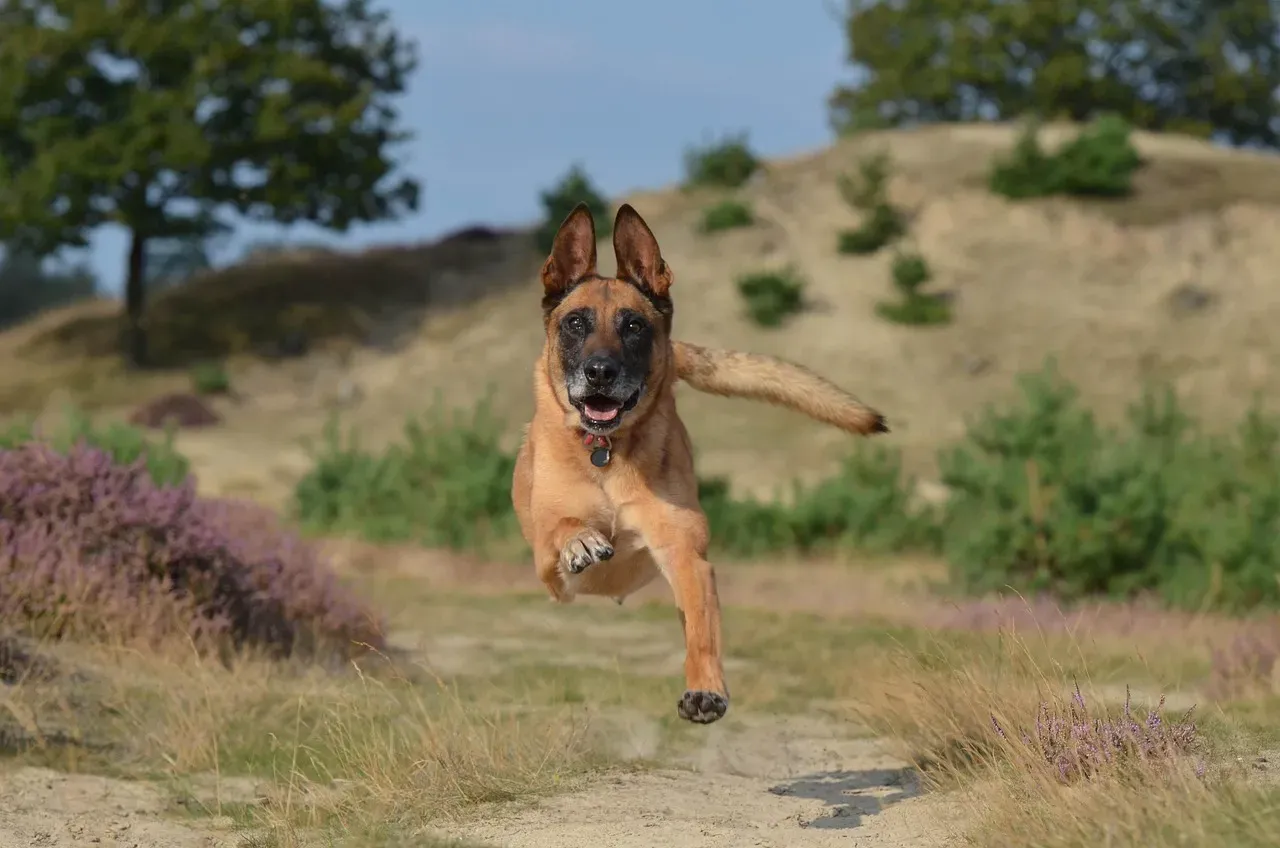
The Belgian Malinois is one of the smartest and hardest-working dog breeds, originally bred for herding, they are now commonly used in military and police roles because of their sharp intelligence and athletic build. These dogs don’t just want a job, they need one, desperately. This is not a breed that can sit idle, and Belgian Malinois demand constant exercise, training, and mental challenges, and if neglected or poorly trained, they can become restless and destructive.
Let’s be real, unless you’re prepared to dedicate hours every single day to structured training and physical activity, this breed will run circles around you, literally and figuratively. Belgian Malinois are a poor choice for a first-time dog owner and can be difficult as pets, being too intelligent and athletic for most mere mortals to manage and keep stimulated. They’re incredible animals, just not for beginners.
Border Collie: The Workaholic Who Never Clocks Out
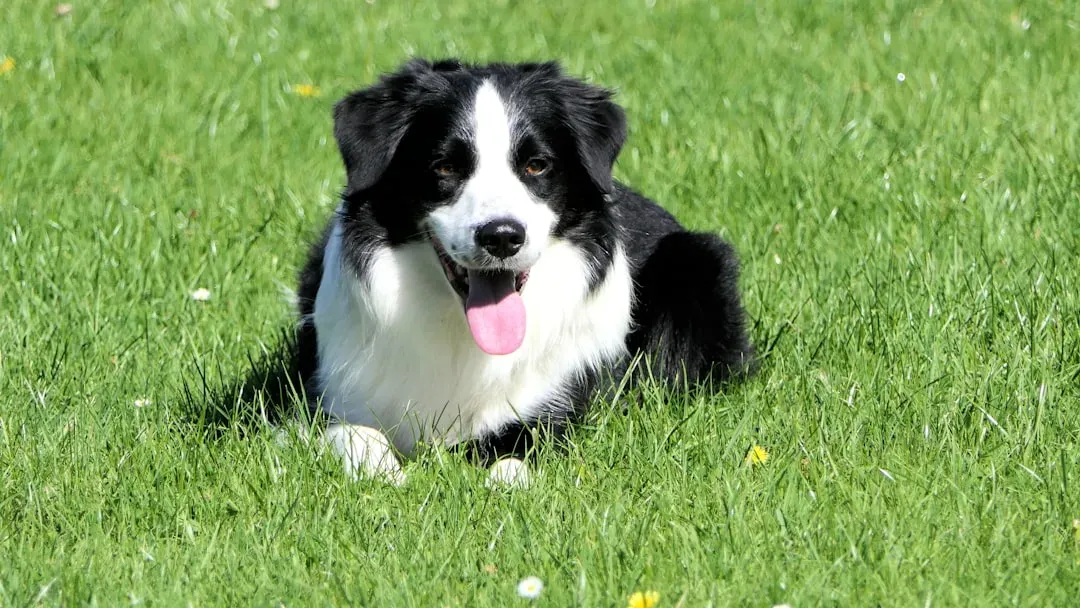
Breeds like the Border Collie require high levels of mental and physical stimulation, they are typically intelligent and energetic and excel at tasks like herding or obedience, and without proper exercise and mental stimulation, they can become bored, develop behavioral issues, or exhibit destructive behaviors. These dogs are basically canine geniuses, which sounds wonderful until you realize that genius needs constant engagement. If you’re not challenging them with agility courses, obedience training, or complex tasks, they’ll find their own entertainment, and trust me, you won’t like what they come up with.
Border Collies are super active so they need to be in a household that loves the outdoors, and they’re also highly intelligent, which makes them easy to train, but which means they need lots of mental stimulation as a bored Collie isn’t good news. They might start herding your kids, your other pets, or even you. Their intense focus and drive make them phenomenal working dogs but overwhelming companions for someone just dipping their toes into dog ownership.
Akita: Dignified, Protective, and Not for the Faint of Heart
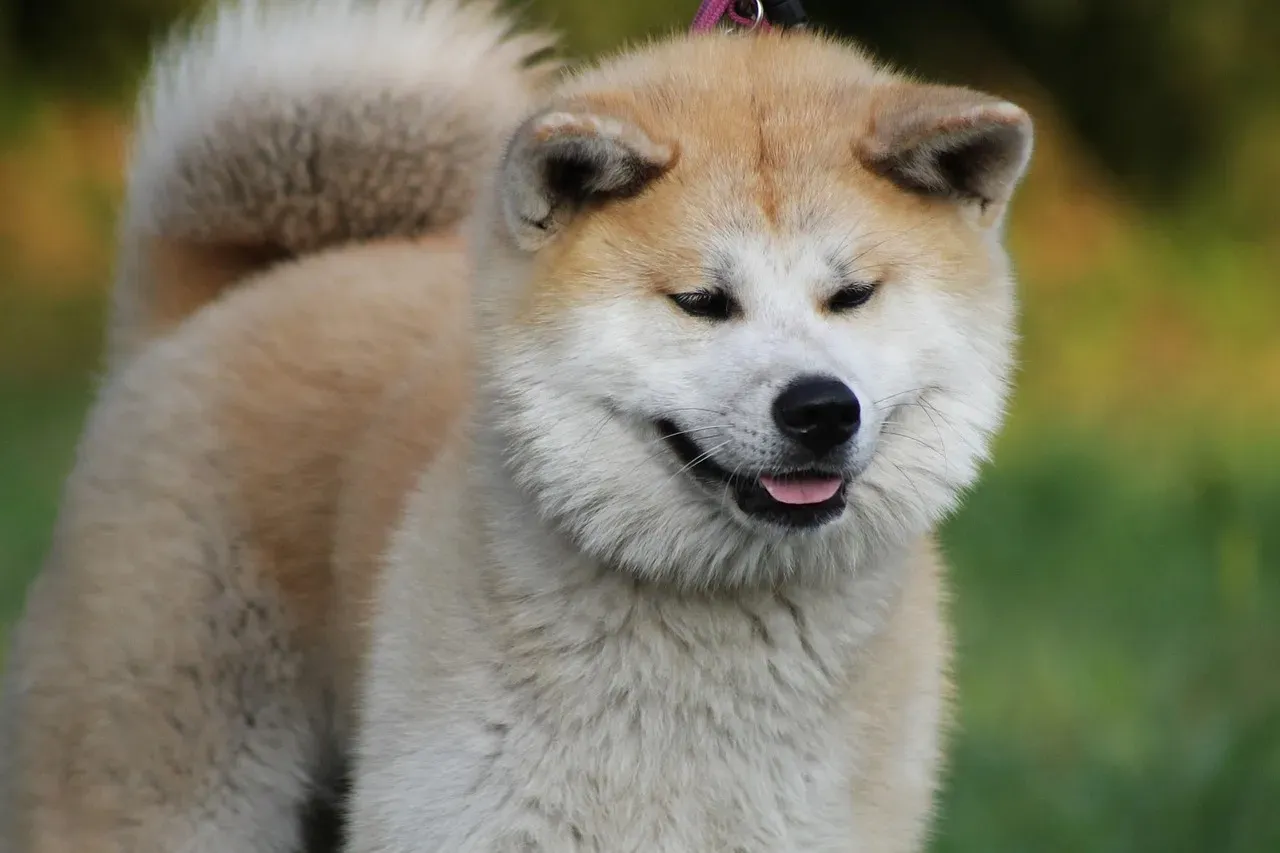
Akitas were bred to hunt big game, so they have a strong prey drive and can be aggressive if not adequately socialized and trained, and highly protective by nature, these dogs are often wary of strangers and do not always get along with other dogs. Their loyalty is fierce, almost intimidating in its intensity. It takes an experienced pet parent to keep Akitas grounded and trained.
Their size and strength can mean Akitas aren’t the best breed for first time owners, and they’re better suited to someone who has the confidence to take control and the strength to control them on the lead; Akitas have a strong prey drive, and if they’re not trained, they will go after what they think is prey. First-time owners often underestimate just how much assertive, consistent training these dogs require. Without it, their natural guarding instincts can quickly become problematic.
Chow Chow: The Stubborn Teddy Bear
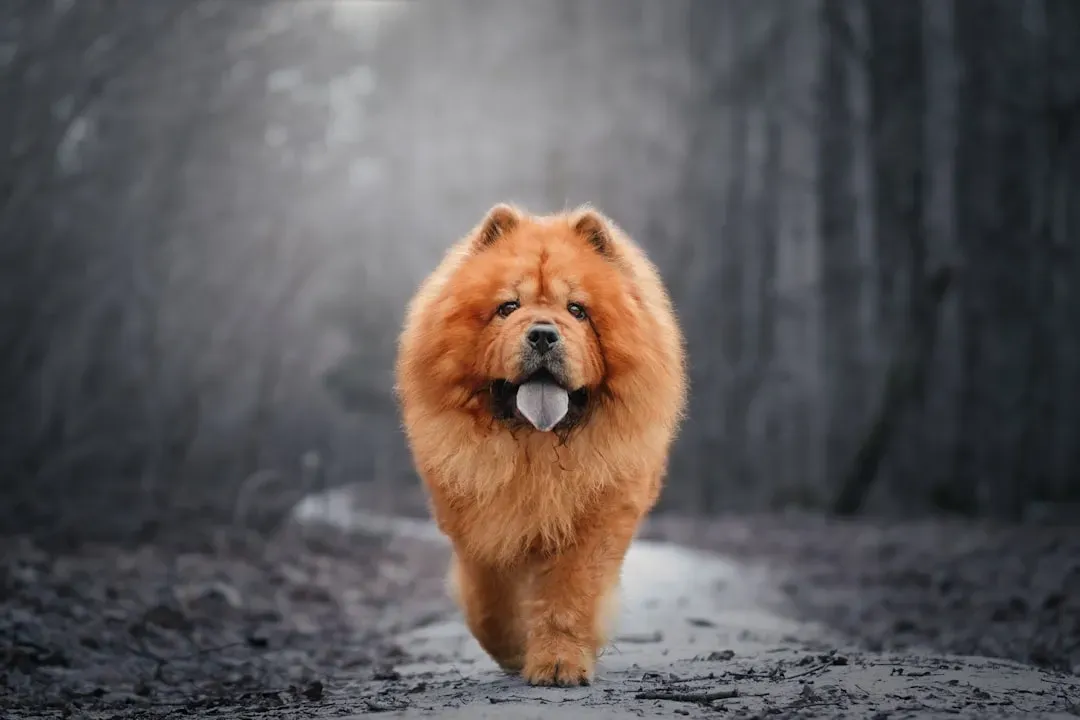
Chow Chows are known for being aloof, stubborn, and highly territorial, and their strong-willed personality makes them difficult to train, often requiring 80 to 100 repetitions for a single command. They look like oversized stuffed animals with that lion-like mane and fluffy coat, but don’t let the cuteness fool you. Training a Chow Chow requires patience, consistency, and a gentle touch – or risk being met with that signature “I’ll decide” stare.
They are naturally suspicious of strangers and can become aggressive if not properly socialized, and with a bite force of about 220 PSI, they can cause serious harm when provoked. These dogs are independent thinkers who question every command you give them. Their stubbornness combined with their aloofness makes them a challenging choice for anyone without serious dog training experience.
Alaskan Malamute: The Escape Artist with Endless Energy
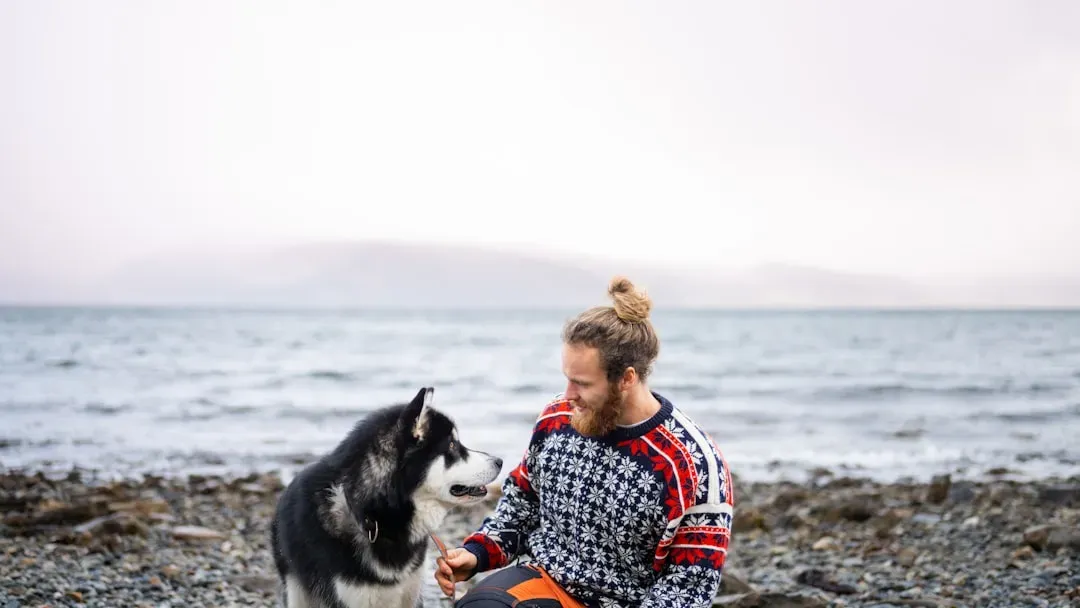
Traditionally bred as sled dogs, Alaskan Malamutes are high energy and shed heavily, and they can be prone to pulling on the leash, which is a safety concern with such a large, strong dog. These gentle giants might seem like oversized teddy bears, but they’re powerful, independent, and always plotting their next adventure. They are escape artists and will run away, given the opportunity.
Malamutes require constant supervision and secure fencing because they’re natural roamers. Similar to other high-energy breeds, these dogs require a lot of exercise and can easily become bored. If you’re picturing lazy Sundays on the couch with your pup, think again. These dogs need structure, activity, and owners who can match their stamina.
Dalmatian: High Energy Meets High Maintenance
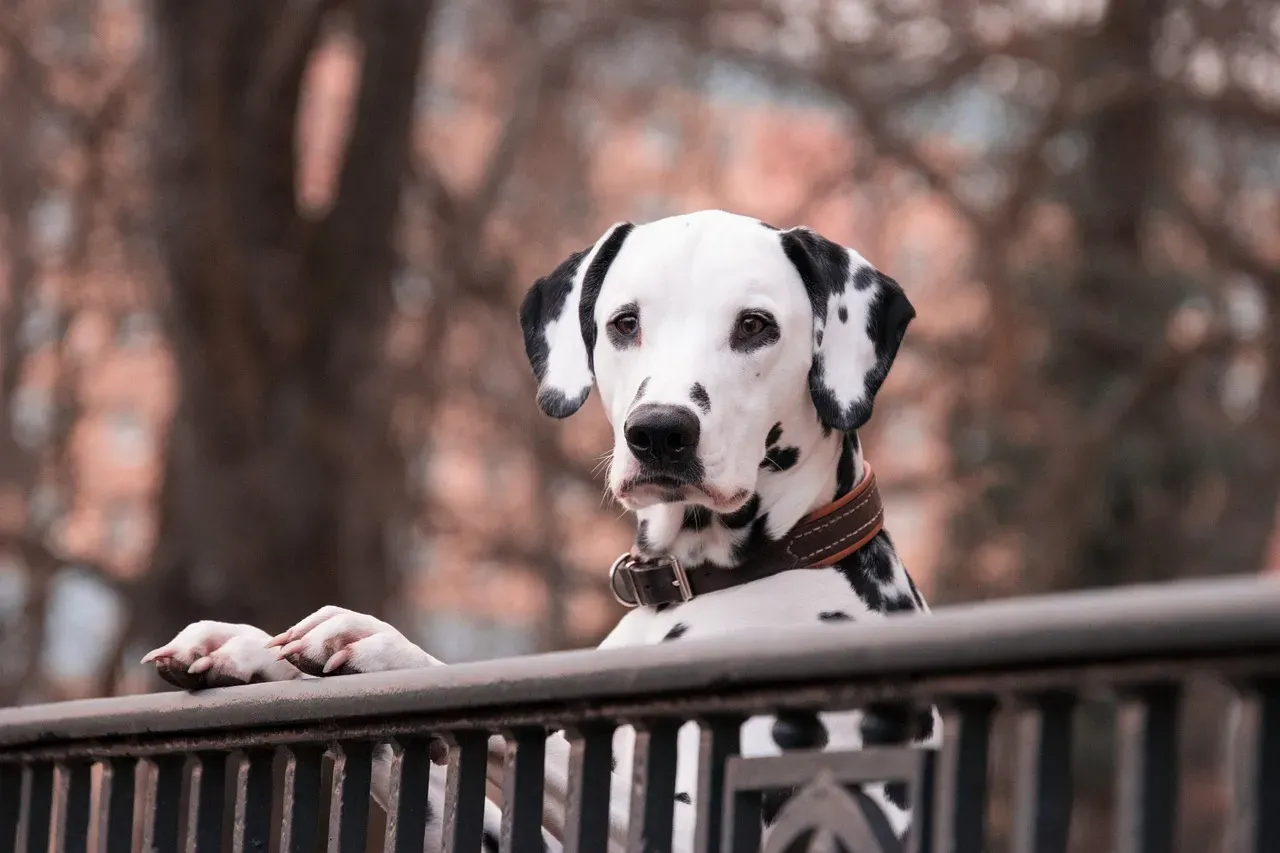
Popularized by the movie 101 Dalmatians, these dogs are notoriously difficult for even experienced owners, and they were originally bred to run barking ahead of fire engines, so they need a lot of energy release and can be quite barky. Those iconic spots come with a personality that’s anything but easy. Dalmatians have boundless energy and a tendency toward stubbornness that makes training feel like a constant negotiation.
Breeds like the Dalmatian may have a high prey drive, leading to potential difficulties when cohabitating with small animals or in off-leash environments, and managing and redirecting their natural instincts requires careful training and reinforcement. They’re also prone to a range of health issues, including deafness, which can complicate training further. First-time owners often find themselves overwhelmed by the sheer amount of work these beautiful dogs demand.
Cane Corso: The Imposing Guardian
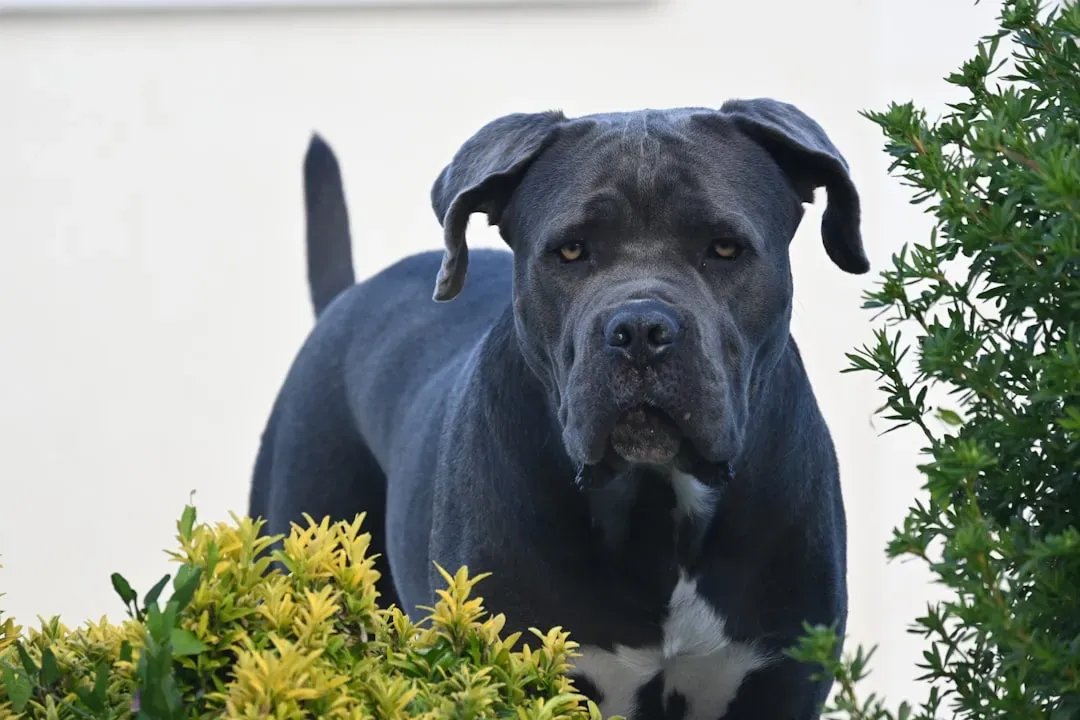
Large and impressive, cani corsi are intimidating dogs, bred to be guard dogs, fostering the tendency to become overly wary and suspicious of strangers and new things, and this makes cani corsi difficult dogs for many homes. Their sheer size alone is enough to give pause, often exceeding a hundred pounds of solid muscle. Their intimidating presence and strong-willed personality make them unsuitable for beginners, and Cane Corsos are naturally protective and territorial, and without being properly trained and socialized, they can become aggressive toward strangers.
With a bite force of about 700 PSI, one of the strongest among dog breeds, they can be extremely dangerous if poorly trained, and this breed needs a confident and experienced owner who can establish leadership early. These dogs aren’t mean, but they’re powerful and protective in ways that require serious handling skills. Without firm, consistent leadership, they can become unmanageable.
Rottweiler: The Gentle Giant Who Needs a Firm Hand
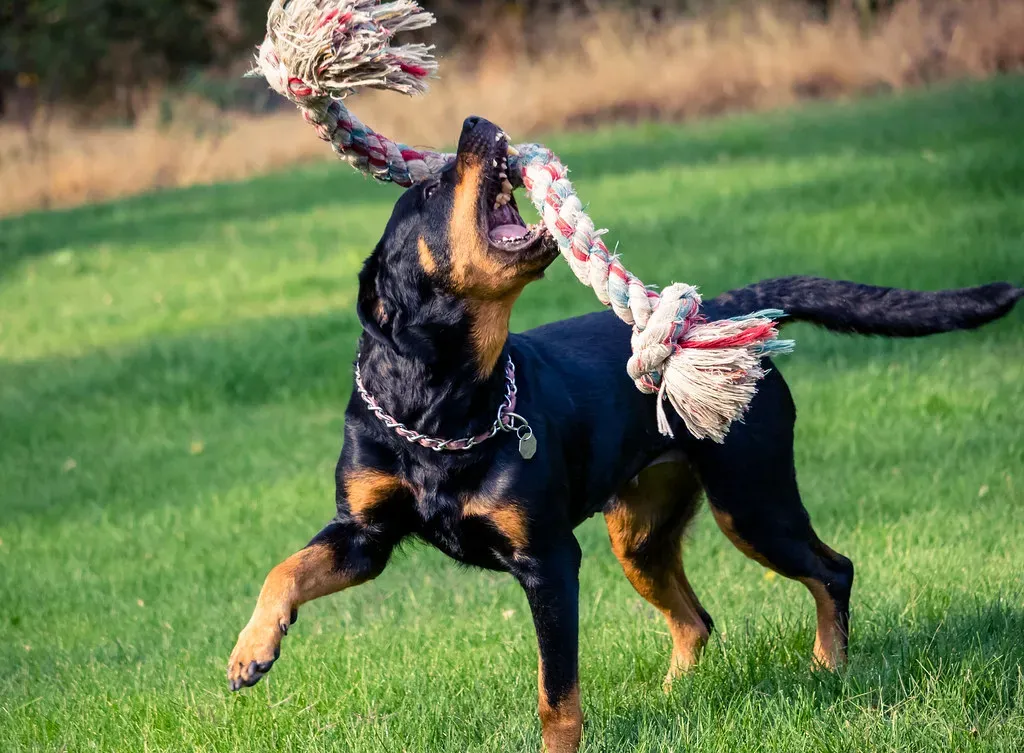
Rottweilers are usually extremely loyal to their owners, especially when properly trained, and the key to training a Rottweiler is early socialization and consistent, firm training, as they can be stubborn and become overly protective if not trained correctly. These dogs have hearts of gold and think they’re lapdogs despite their considerable size. The challenge comes from their strength and their natural guarding instincts.
This breed requires an owner who understands the importance of establishing clear leadership and boundaries. Without proper guidance, their protective nature can tip into aggression, especially around strangers or unfamiliar dogs. First-time owners often struggle with the balance between being affectionate and maintaining authority, and Rottweilers need both in equal measure.
Shiba Inu: The Cat in a Dog’s Body
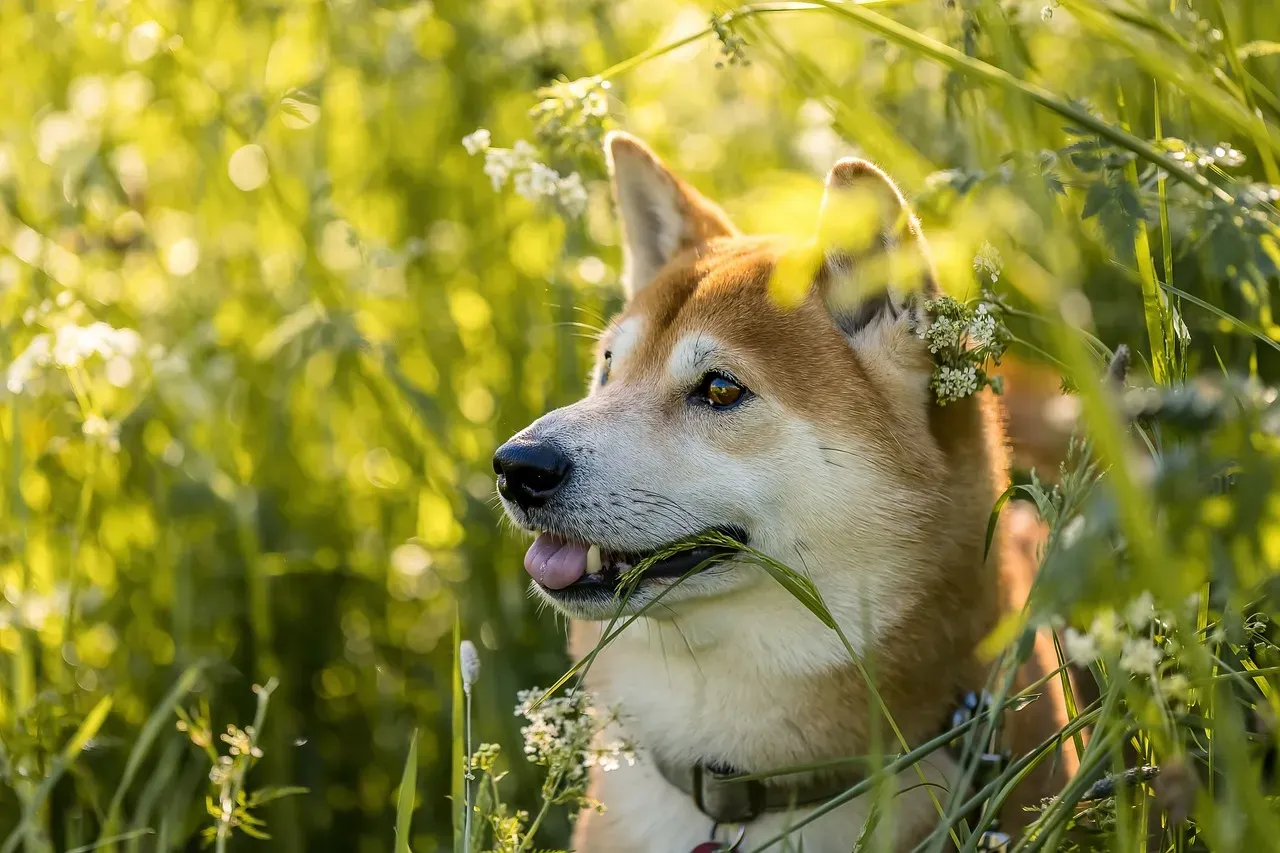
Shiba Inus are potentially the cutest dogs on the internet, but they’re not for beginners, and their independent nature makes people liken them to cats, and they can be very difficult to train. They’re adorable, no question, with their fox-like faces and curled tails. Yet that cuteness masks a stubborn, aloof personality that challenges even experienced trainers. These breeds are generally not recommended for beginner pet parents as Shiba Inus are independent and sometimes stubborn, which can make them a bit more difficult to train, and they are also known for being vocal and can be prone to barking.
They should be kept on leash, though, since they’re often very difficult to train to come when called. Honestly, Shibas will give you that look, the one that says they heard your command but have decided it’s beneath them. Their independence is legendary, and first-time owners often find themselves frustrated by their selective hearing.
Labrador Retriever: The Friendly All-Arounder

The American Kennel Club recognized the Lab as the most popular dog breed in America for 31 years in a row, and “They are active dogs, so they definitely need exercise, but they tend to be easy to train and are good family dogs,” and a Lab is an excellent fit for those who seek an active companion to take on long walks or to the dog park to play. Labs are essentially the golden standard for first-time dog owners. They’re patient, eager to please, and remarkably forgiving of the inevitable mistakes new owners make.
Labradors are famously friendly, intelligent, and loyal, and they are good dogs for first time owners, especially those with the space and time to devote to walks and play. Sure, they need regular exercise and can be enthusiastic eaters, but their temperament makes training a joy rather than a battle. They’re social, adaptable, and genuinely happy just being with their people.
Golden Retriever: The Gentle Soul
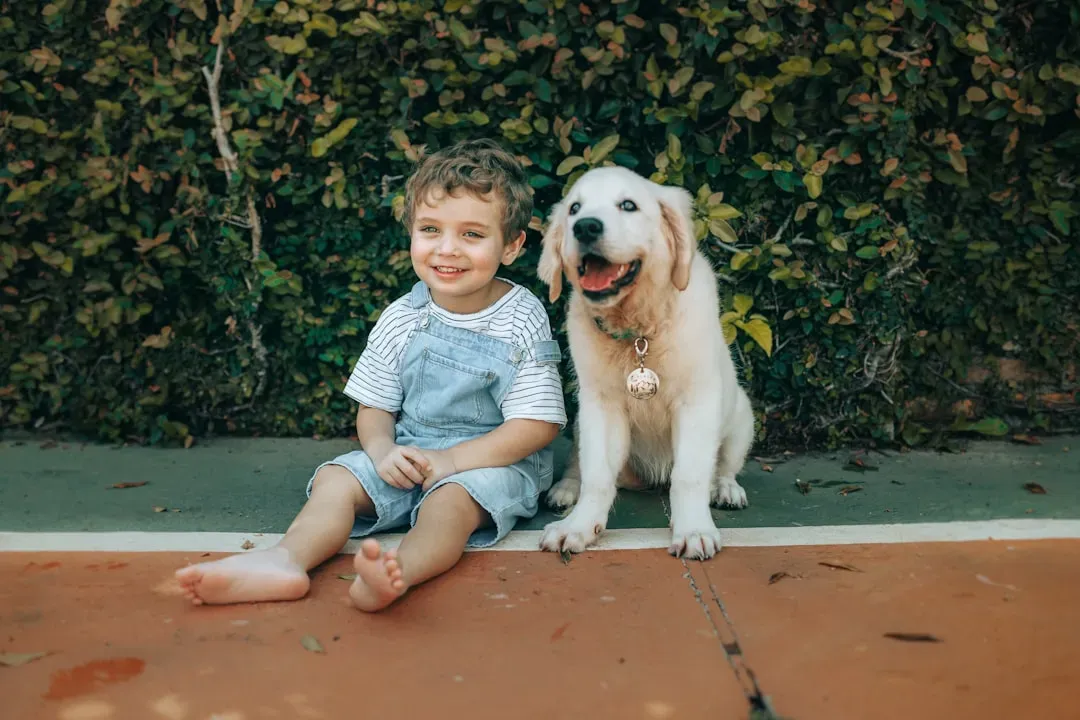
Golden retrievers tend to be easy to train and usually have a very good temperament, and they love to play yet can also snuggle on the couch for movie night. These dogs are practically the definition of family-friendly. They’re intelligent, easy to train, and love being around their family members, and Golden Retrievers are great for first-time owners who want a loving, well-behaved dog that enjoys both outdoor adventures and lounging on the couch.
Their eagerness to please makes training sessions feel like bonding time rather than work. They’re typically gentle, reliable, and often great with kids, making them popular with families and one of the best first-time dog breeds. Goldens do require regular grooming and consistent exercise, but their sweet disposition more than makes up for the maintenance.
Cavalier King Charles Spaniel: The Adaptable Companion
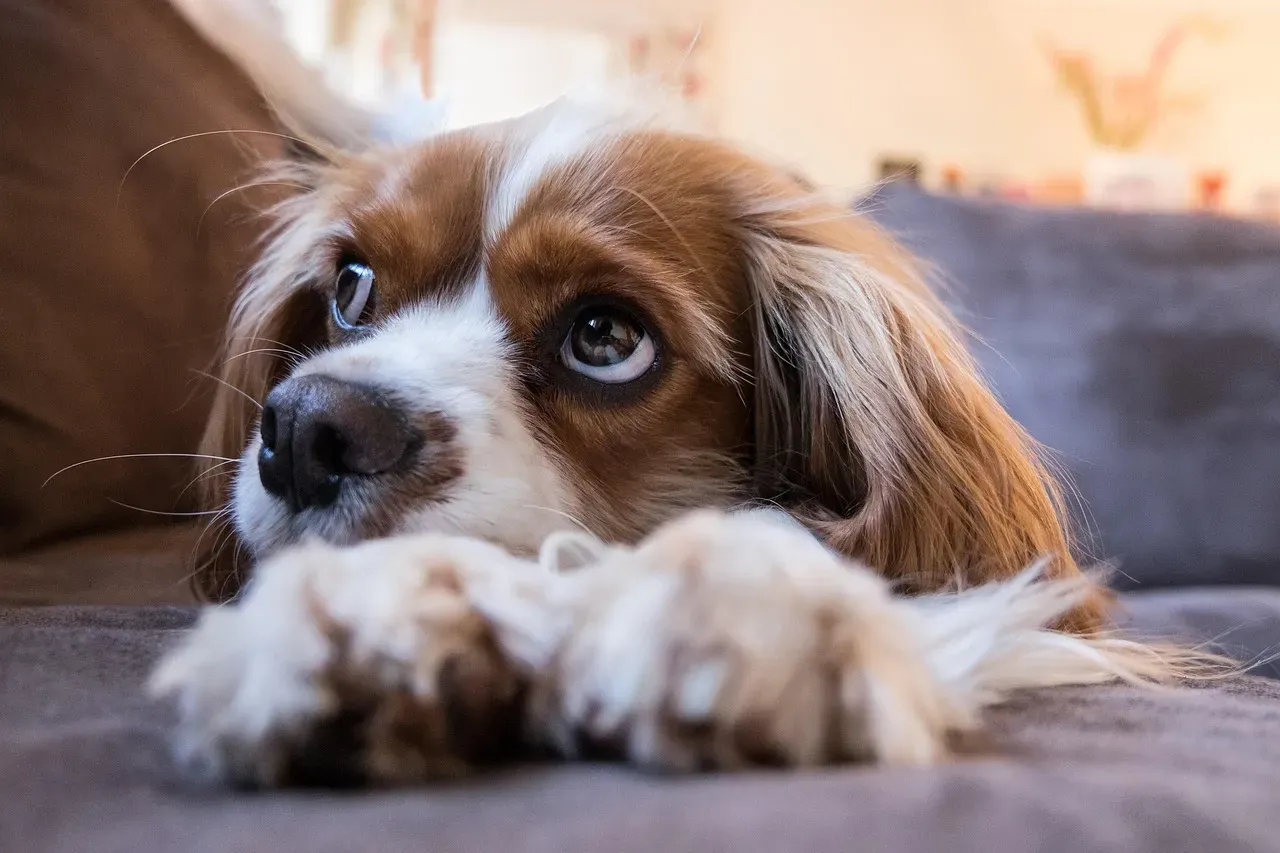
With their soft ears and big, soulful eyes, these dogs are great companions for anybody, but especially for first-time dog owners, and Cavaliers are smart and adaptable, which makes them easier to train than some other dog breeds, and they are typically gentle and eager to please, so they are a great fit for families. These little charmers have personalities that seem custom-designed for beginners. They’re affectionate without being needy, playful without being hyperactive.
Technically classified as a toy breed, they can weigh up to 20 pounds and beyond, and they are a smart, loving and easy dog to own. However, they may be prone to some separation anxiety because they love their people so much. Still, their gentle nature and willingness to adapt to various living situations make them ideal for first-time owners willing to provide companionship and affection.
Bichon Frise: The Cheerful Little Cloud
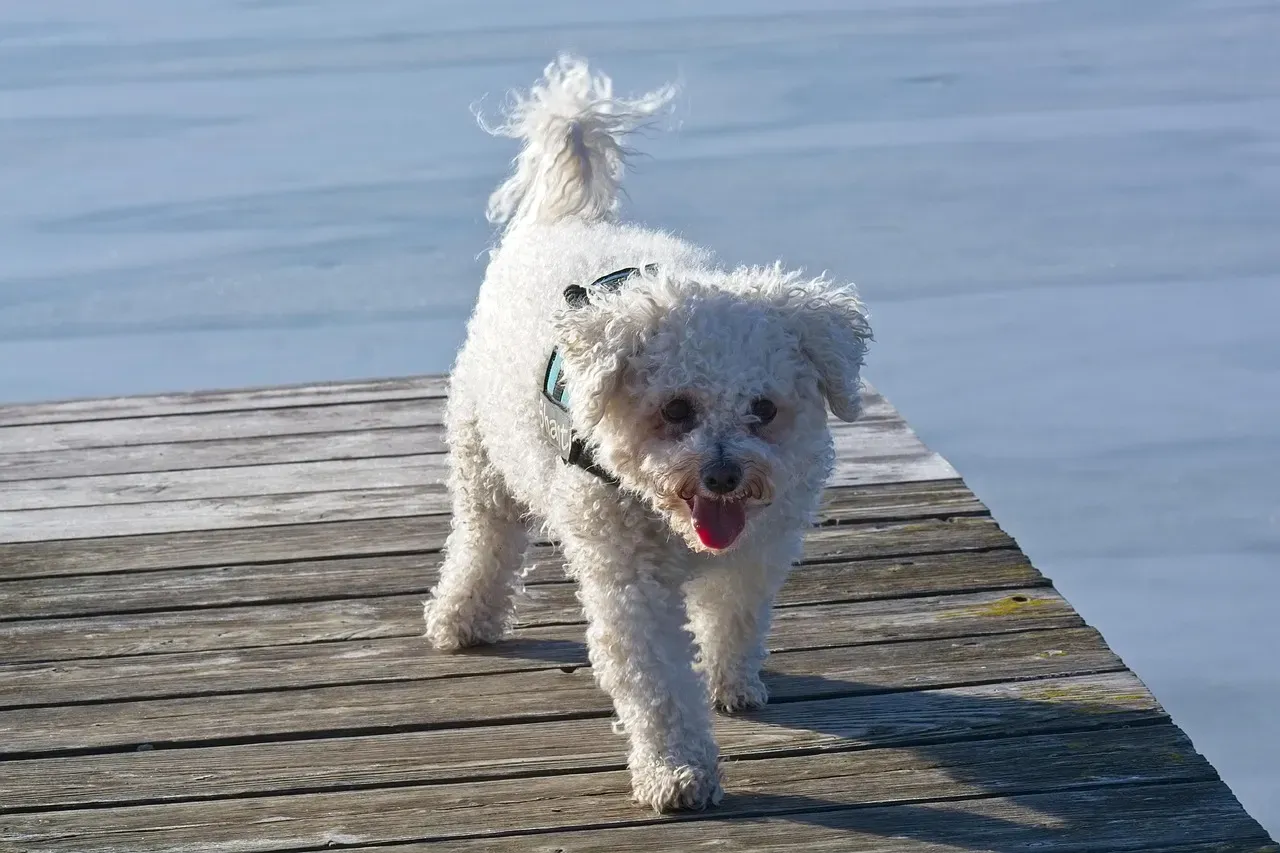
The Bichon Frise is cheerful, sociable, and thrives in smaller homes, and their (almost) hypoallergenic coat makes them a popular choice for allergy sufferers, though it does need regular grooming, and they love people and make wonderful companions without being overly demanding. These fluffy white dogs look like animated cotton balls, and their personalities match their appearance, soft, friendly, and endlessly upbeat.
Bichons are friendly, people-oriented, and very adaptable, and they usually love being around their family and aren’t known for strong guarding or prey instincts. They typically enjoy moderate exercise rather than needing intense daily workouts like working dog breeds. Their size makes them perfect for apartments or smaller homes, and their gentle temperament means they’re rarely overwhelming for novice owners.
Poodle: The Intelligent Charmer
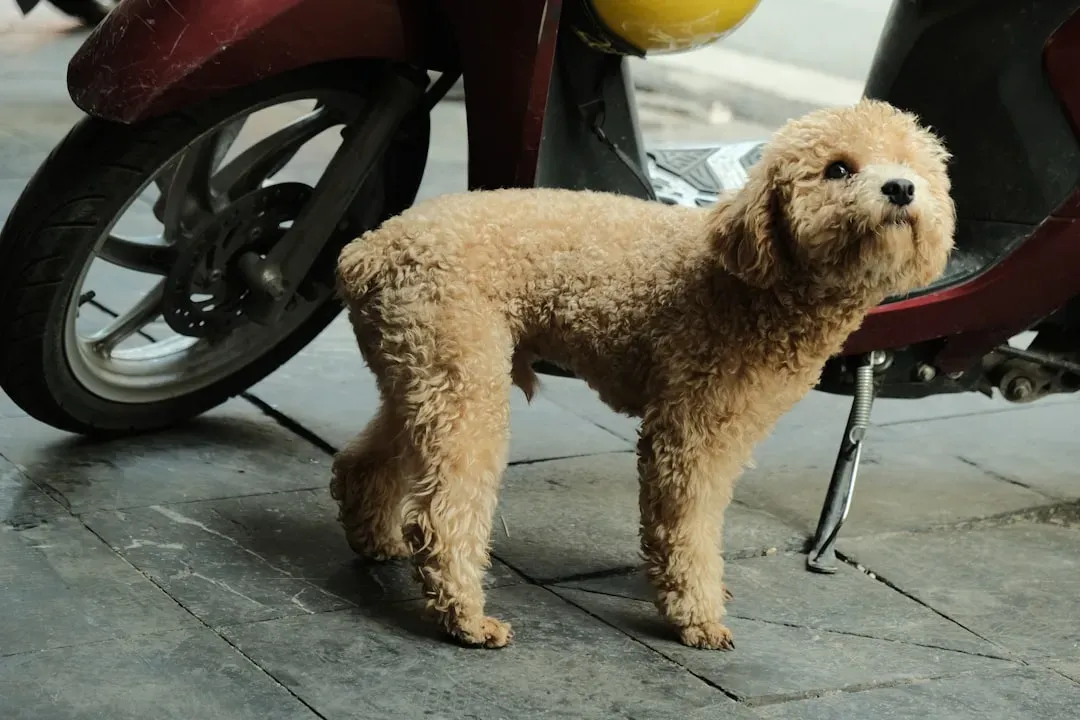
Miniature and Toy Poodles are incredibly intelligent and highly trainable, making them one of the best small dogs for first-time owners, and all are a decent choice for first-timers and all have (almost) hypoallergenic coats. Poodles come in three sizes, giving first-time owners options that fit different living situations. Their intelligence makes training straightforward, and their hypoallergenic coats are a bonus for those with sensitivities.
This breed is a happy ball of fluff and is adaptable to all sorts of lifestyles, and their coats are hypoallergenic too which makes them a fantastic choice for people who suffer with allergies, and an attentive nature and a love of their owners’ company means they will be ready to take part in all your favourite activities, as long as one of those includes going on a walk or heading out to the park. They’re playful, affectionate, and eager to please, which takes much of the stress out of first-time dog ownership.
Finding Your Perfect Match
Choosing your first dog shouldn’t feel like a gamble. The breeds that overwhelm beginners share common traits: extreme independence, relentless energy, strong guarding instincts, or stubborn streaks that require experienced handling. First-time dog parents may not be prepared for a dog who requires extensive grooming, has serious health concerns, needs significant training, or needs a lot of exercise.
Meanwhile, the breeds that shine with beginners bring patience, trainability, and forgiving temperaments to the table. They’re eager to please, adaptable to different lifestyles, and don’t require the intense daily commitment that working breeds demand. The key is honest self-assessment about your lifestyle, energy level, and commitment. What’s your experience with animals? How much time can you realistically dedicate to training and exercise? Do you have a secure yard or live in an apartment?
What really matters is matching your lifestyle to a breed’s needs. A Husky in a small apartment with an owner who works long hours is a recipe for disaster. A Cavalier King Charles Spaniel with an active family who loves companionship? That’s a match made in heaven. Did you expect that the most beautiful or popular breeds might actually be the most challenging? Sometimes the best choice isn’t the flashiest one, it’s the one that fits seamlessly into your life and grows with you through the journey of becoming a confident dog owner.


