We tend to picture dogs as those eager, tail-wagging creatures who live for belly rubs and never want to leave our side. That’s the classic image, right? Yet the dog world is wonderfully diverse, and not every canine craves constant cuddles or follows you around like a shadow. Some breeds possess an almost feline independence, a dignified aloofness that can catch first-time owners off guard.
These dogs aren’t cold or unloving. They bond, absolutely. It’s just done on their terms, in their own time, and without the desperate need for approval that defines so many popular breeds. If you’ve ever wondered why your pup doesn’t demand attention every waking moment, or if you’re considering a breed that values personal space as much as you do, keep reading. You might be surprised by what these independent souls have to offer.
The Basenji: Silent But Not Particularly Social
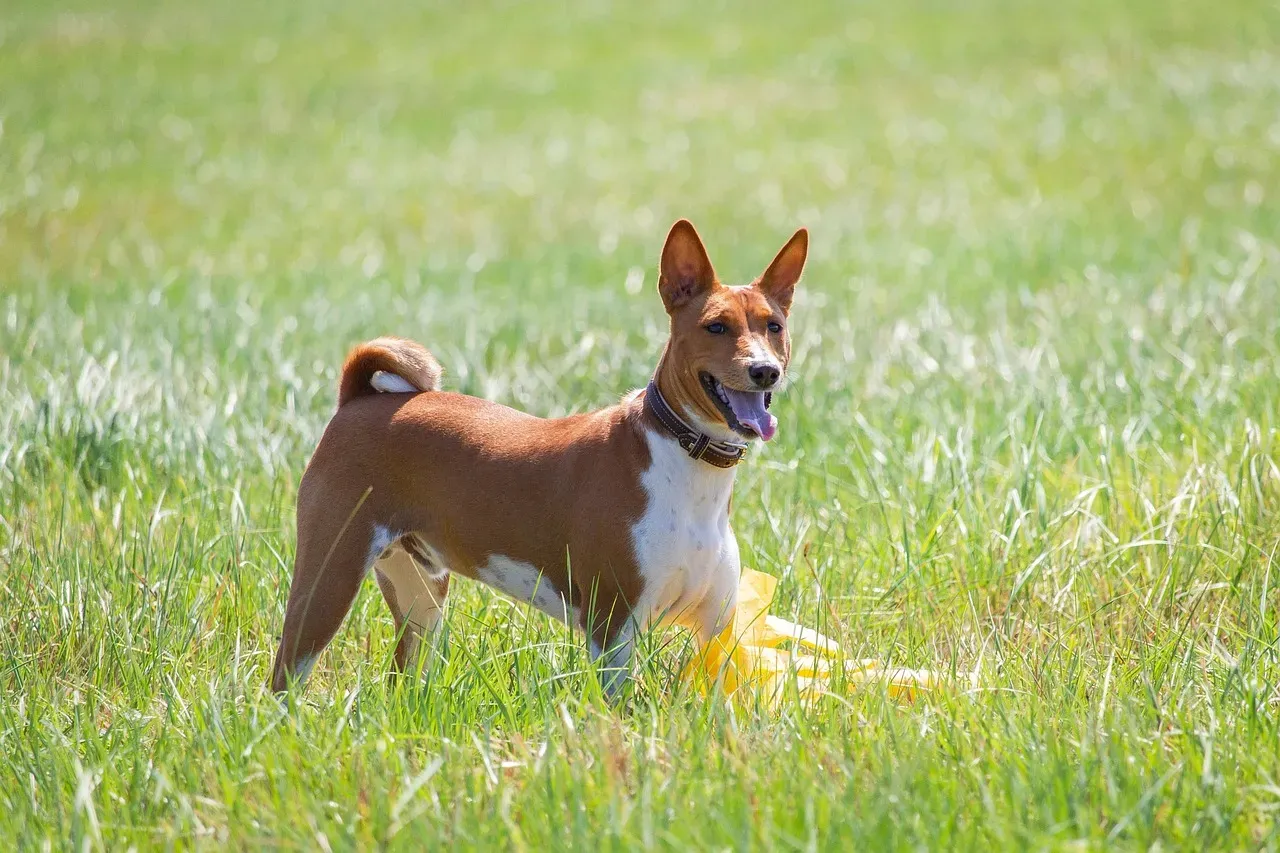
Referred to as the barkless dog, the Basenji has an aloof temperament, reserved nature, and tendency to groom themselves, which makes them seem oddly cat-like in a dog’s body. Originally bred in Africa for hunting, these medium-sized dogs were expected to work independently, far from human guidance. That ancient heritage shows up today in their self-sufficient attitude.
While they form strong bonds with their families, Basenjis aren’t typically demonstrative in their affection, and their reserved demeanor and preference for personal space make them less likely to seek out cuddles or constant attention. They’ll love you, sure, but don’t expect them to beg for your approval. They are usually reserved around strangers, but form strong bonds with their family, and are affectionate once they know you.
Think of a Basenji as the roommate who enjoys your company but also needs alone time to recharge. They’re intelligent, curious, and utterly charming once you accept their boundaries.
The Shiba Inu: Japan’s Spirited Introvert
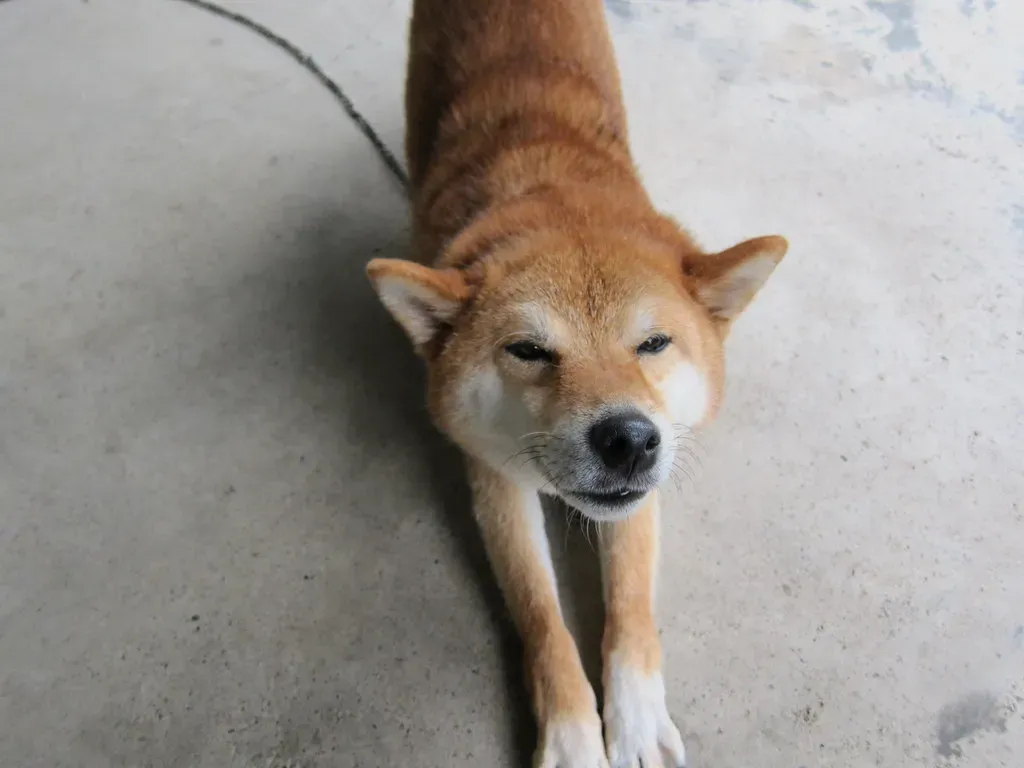
Known to be inherently loyal and independent, Shiba Inus have a reputation for not being overly affectionate, but that is balanced by being happy in their own company. These small Japanese dogs are internet famous for their expressive faces, but in real life they’re surprisingly standoffish with everyone except their chosen person.
Like Basenjis, they’re often considered to have the temperament of cats, being generally aloof and independent. They will bond strongly to owners and enjoy regular play time, but are quite reserved around guests or strangers. Training can be a real challenge because Shibas have their own agenda and aren’t particularly motivated to please humans.
I think what surprises people most about Shibas is how stubborn they can be. They’re smart enough to learn quickly but selective about when they actually listen. It’s not disrespect, honestly. It’s just their personality.
The Afghan Hound: Elegant and Emotionally Distant
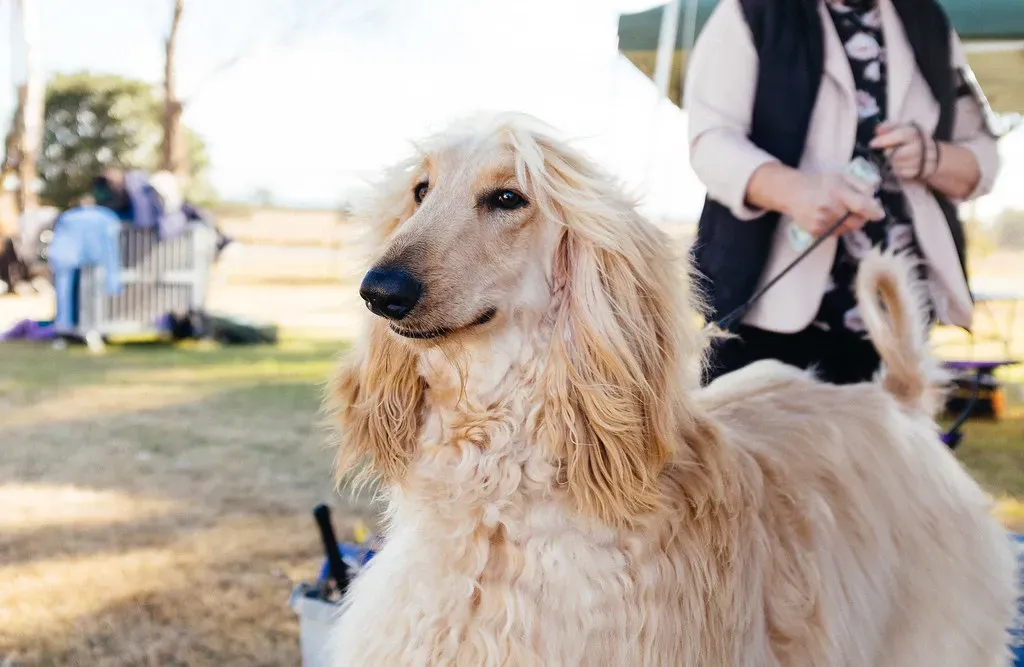
With their flowing coat and aristocratic bearing, Afghan Hounds look like they stepped out of a fairytale. Afghan Hounds are generally independent dogs that have a reserved personality, and with their family members they show affection, but toward strangers the breed can be rather aloof. Their elegance isn’t just physical; it extends to how they interact with the world.
These ancient hunting dogs often bond closely with one person while remaining indifferent to others, and their low desire to please makes them challenging to train. Their aloofness isn’t personal – it’s simply part of their ancient desert heritage, as these independent hunters form bonds that are respectful rather than clingy, and they appreciate owners who don’t demand constant affection.
They’re the type of dog who will gaze past you during training sessions, seemingly lost in thought. Don’t take it personally.
The Chow Chow: Fluffy but Fiercely Independent
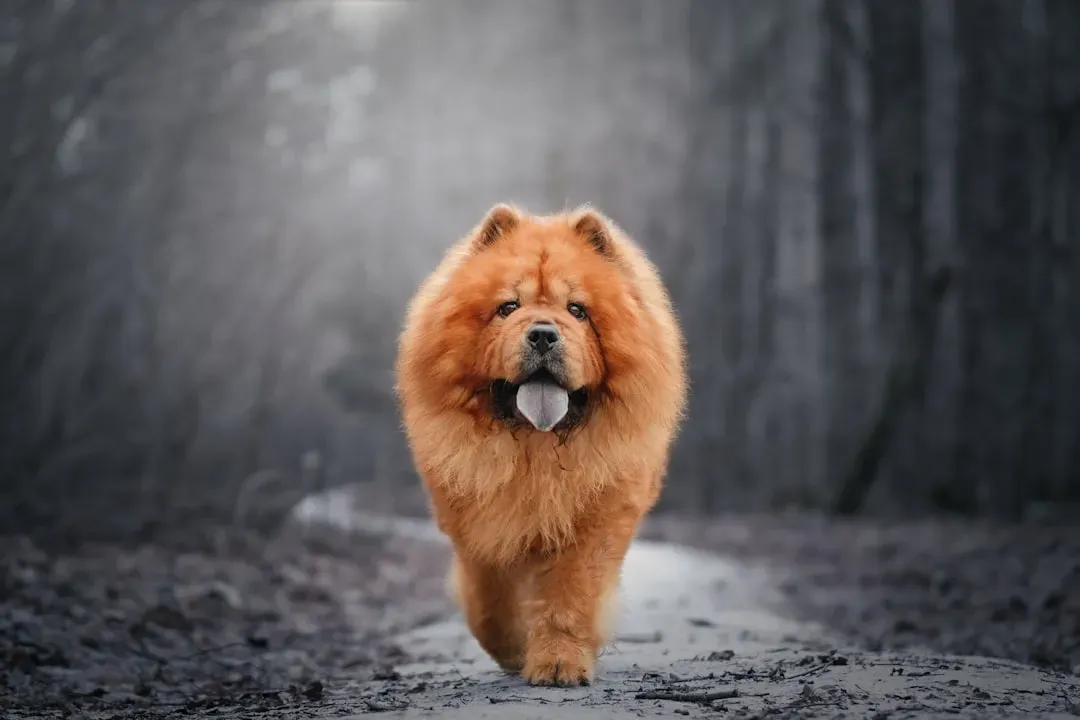
Behind their lion-like mane and cuddly appearance, Chow Chows have a reputation for being standoffish, as they were originally bred as guard dogs in China, are naturally wary of strangers, and are often described as having a cat-like personality – proud and not overly needy for human attention, with their dignified nature meaning they’re more likely to observe from a distance than seek out affection. These ancient Chinese dogs look like teddy bears but definitely don’t act like them.
Though they look like teddy bears, hugging and squeezing is just not their thing, and they will probably resist until they feel totally comfortable, and because of their cool, sometimes unapproachable demeanor, Chow Chows have sometimes been compared to that other aloof pet: the cat. They pick one person to bond with and tolerate everyone else. Let’s be real, that’s not a dog for families expecting a group cuddle buddy.
Chow Chows demand respect and personal space. If you’re okay with that arrangement, they can be wonderfully loyal companions.
The Akita: Loyal But Not Lap Dogs
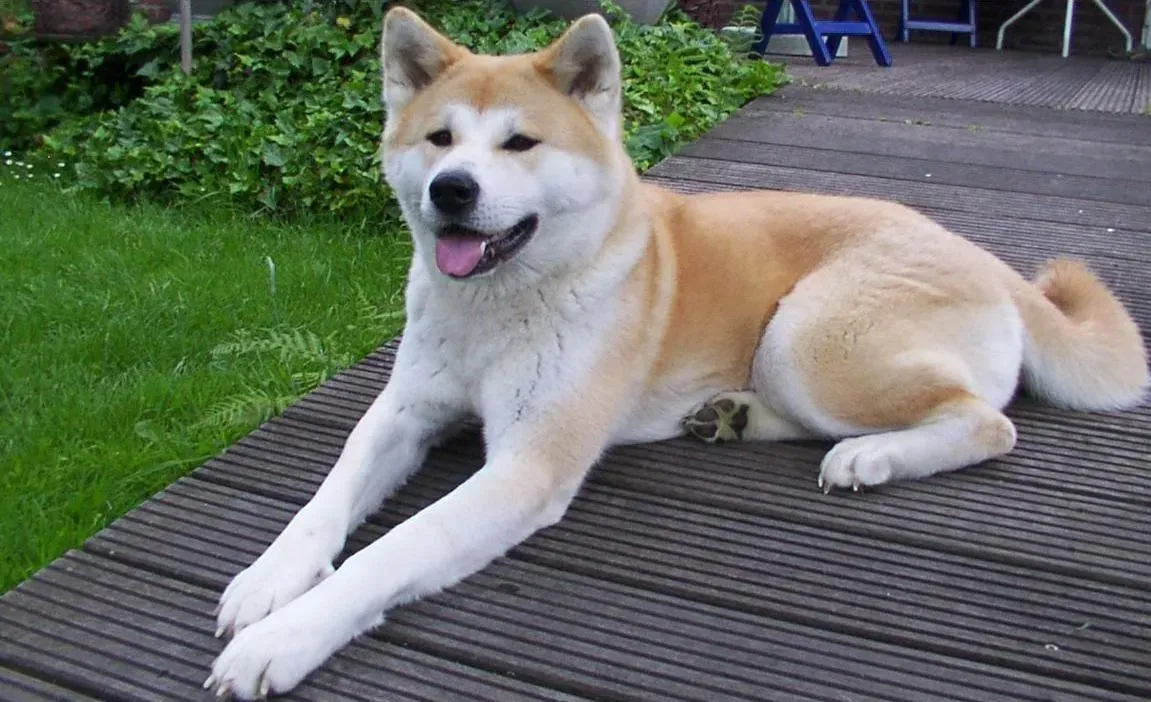
Akitas are known as extremely loyal dogs who will defend their human families to the end, and while they love affection as much as the next dog, they don’t demand it by pawing, barking, climbing up your leg or whining, and steadfast and intuitive, they are arguably the most independent breed. These powerful Japanese dogs were bred to hunt large game and guard nobility, so their serious demeanor makes sense.
While these beautiful dogs are very affectionate towards the members of their families, they can be aloof with strangers and other pets. The Akita is loyal and affectionate toward his family and friends, but quite territorial about his home and aloof with strangers. They show love by being present, not by smothering you with attention.
Honestly, Akitas are for experienced owners who understand that loyalty doesn’t always look like enthusiasm. Their bond is deep but quiet.
The Saluki: The Desert’s Reserved Runner
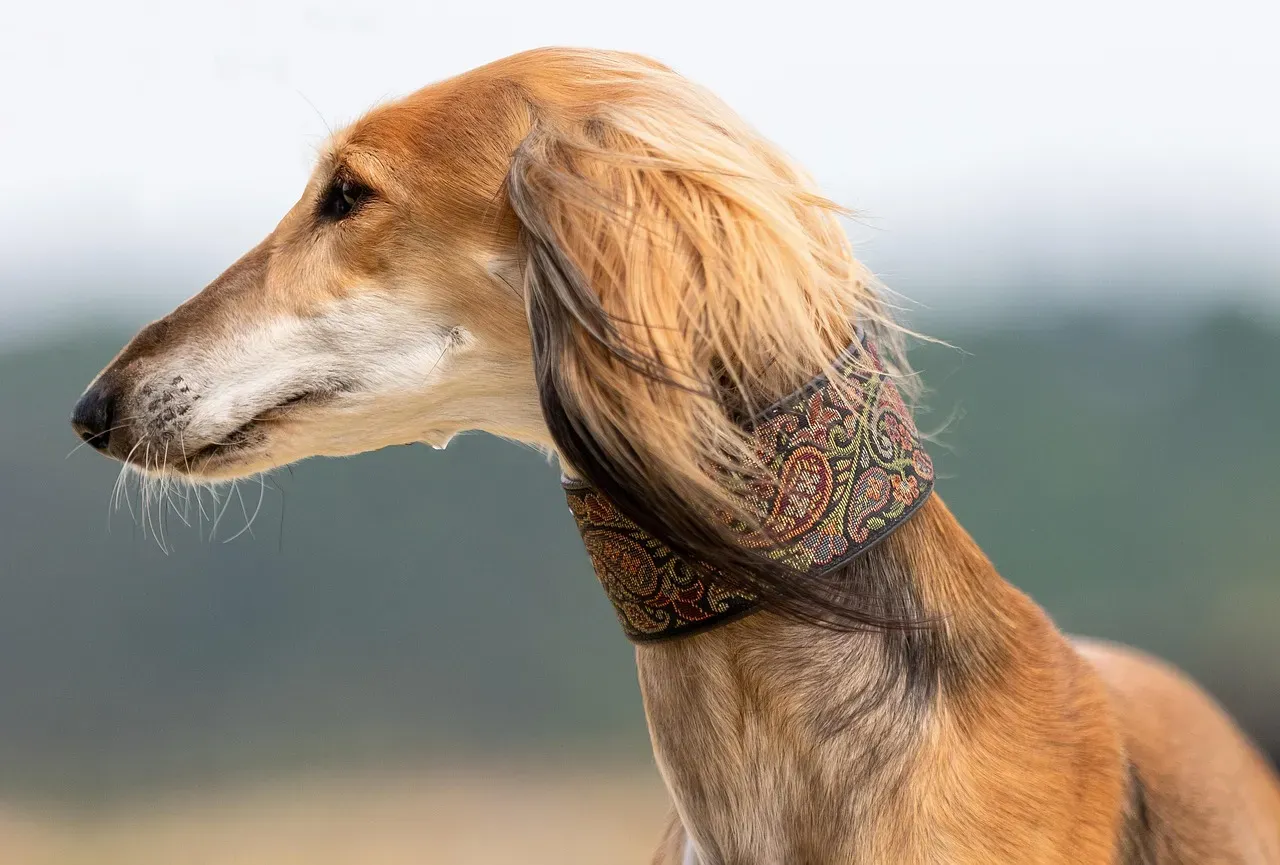
The Saluki temperament is typically quiet and reserved, and as such, this breed doesn’t tend to be super talkative. These ancient sighthounds from the Middle East were bred to hunt at great distances, which trained them to think independently and not rely on constant human input.
Salukis are often described as aloof, particularly with strangers, and this breed tends to bond closely with their families, but they may take their time to warm up to unfamiliar faces. The Saluki is decidedly a one-family dog, tending to be aloof, or even shy, with strangers, and this is a devoted, but not particularly demonstrative, breed that will relish sitting by your side, not on your lap.
They’re elegant, graceful, and emotionally reserved. Salukis express love quietly through proximity rather than exuberant displays. Think of them as the introvert of the dog world who enjoys your company but on a calm, measured level.
The Borzoi: Gentle Giants With Boundaries
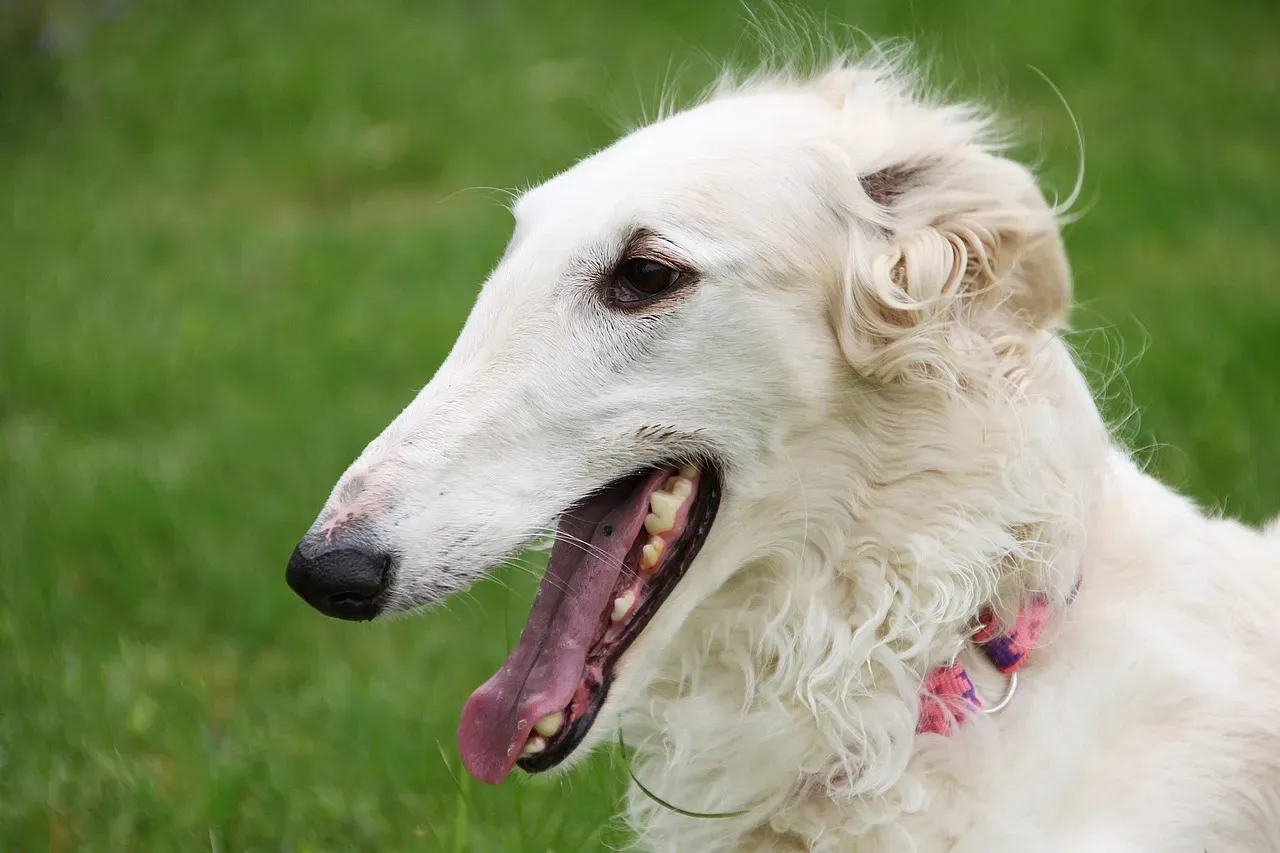
The Borzoi is an independent, strong-willed dog breed with the regal air and gracefulness that are unmistakable traits of a sighthound, and they love their families, but they also like to do things their way. These Russian wolfhounds are strikingly beautiful with their long, silky coats and noble bearing.
Borzoi dogs are known for their calm and gentle temperament, they are typically reserved and dignified but form deep bonds with their families, although they have a calm nature, they can be independent and may not always display the same level of enthusiasm as some other breeds. You may notice a tendency to be aloof around strangers.
When not chasing something, Borzois are content to lounge on the couch for hours. They’re affectionate in a low-key way, perfect for owners who value companionship without clinginess.
The Anatolian Shepherd: Guardian First, Companion Second
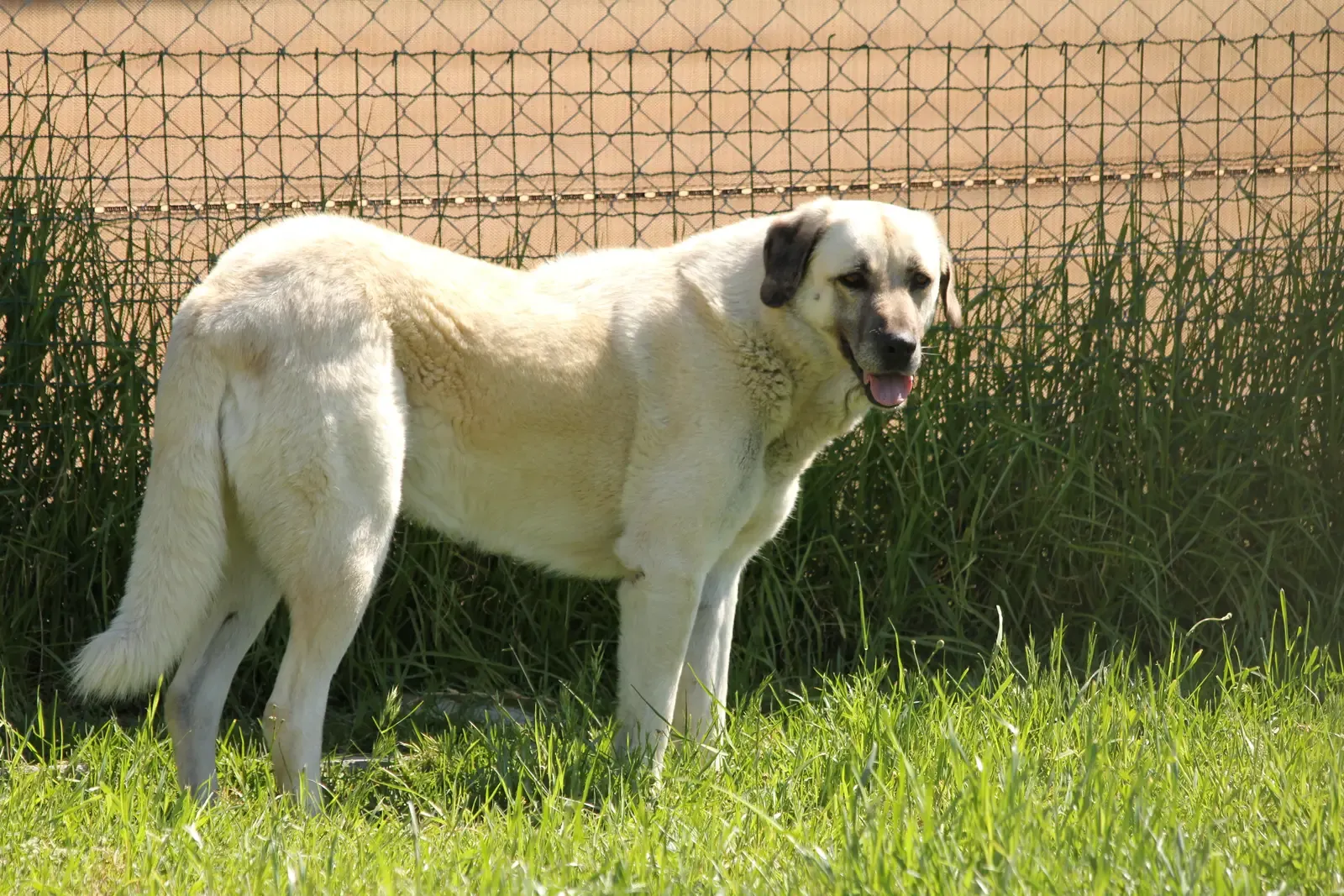
The Anatolian Shepherd personality is calm and reserved, and while Anatolian Shepherds may come off a bit aloof (and they generally are with strangers), they’re a whole other dog to their family: loving, loyal, and kind. These massive Turkish livestock guardians were bred to work independently, protecting flocks from wolves and bears without human direction.
Unlike other dogs, Anatolian shepherds don’t see you as their owner or pack but as their flock, so you should not expect them to show extraordinary obedience. Fiercely loyal and protective, they are wonderful, amiable companions to the family they consider their pack, however, their friendliness rarely extends beyond their immediate families.
These are serious working dogs who bond deeply but don’t seek constant interaction. They’re watching, protecting, and doing their job even when it looks like they’re just lying around.
The Scottish Terrier: Small Dog, Big Attitude
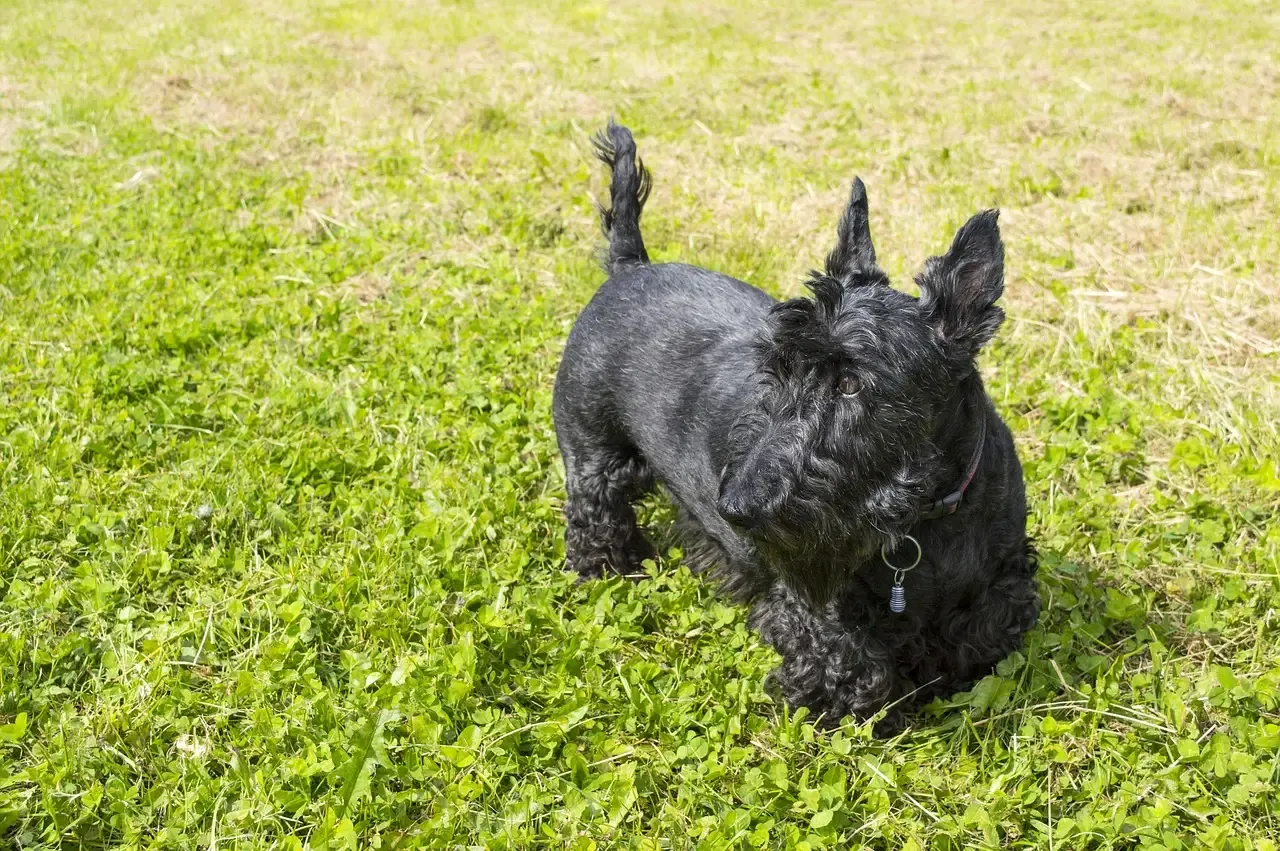
Scottish Terriers may be small, but their personality is anything but cuddly. These sturdy little dogs were bred to hunt independently in the rugged Scottish Highlands, which required courage, determination, and the ability to make decisions without human guidance. That independent streak remains firmly intact today.
Scotties are famously dignified and somewhat aloof, even with their own families. They bond deeply with one or two people but aren’t the type to greet every visitor with wagging enthusiasm. Training requires patience because, like many terriers, they have their own ideas about how things should be done. They’re intelligent but selective about when they actually cooperate.
What I find fascinating about Scottish Terriers is how they balance affection with independence. They’ll curl up beside you on the couch but won’t tolerate being treated like a lap dog. Respect their boundaries, and they’ll be loyal for life.
The Tibetan Mastiff: Ancient Guardian of the Himalayas
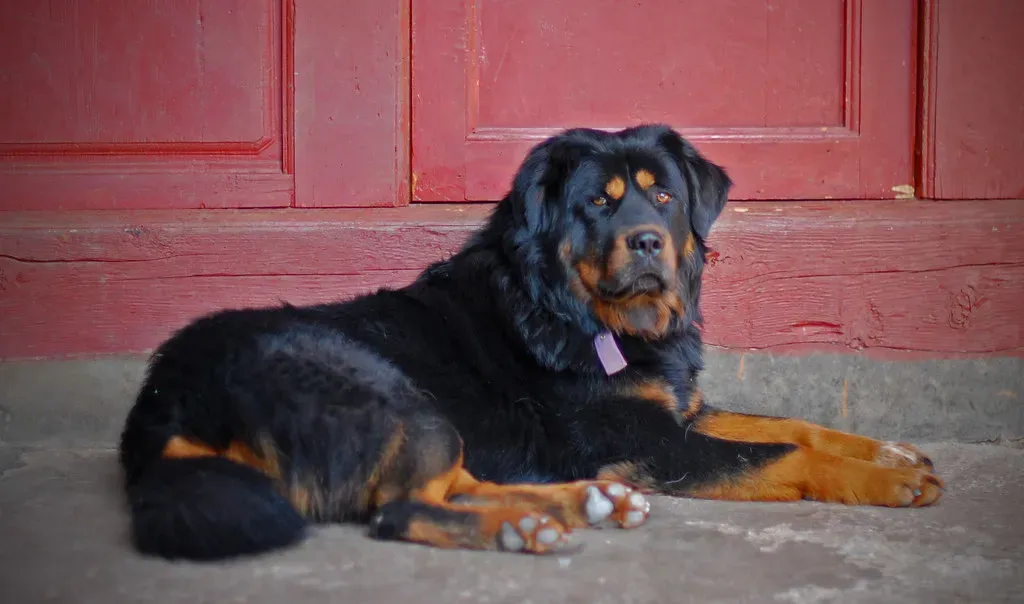
The massive and fluffy Tibetan Mastiff is big and strong-willed, so early training for this independent dog breed is important, however, they are well-known for being loyal and calm with family members and excel when given a job for mental stimulation. These imposing dogs were bred to guard Tibetan monasteries and livestock in harsh mountain conditions, requiring fierce independence and decision-making ability.
Massive and imposing, Tibetan Mastiffs were bred to guard livestock and property, their independent nature and strong protective instincts can make them aloof with strangers, and while loyal to their families, they’re not typically demonstrative in their affection. They assess situations and make their own judgments about threats, which means they don’t automatically warm up to new people just because you say it’s okay.
These dogs need experienced owners who understand that a Tibetan Mastiff’s bond is expressed through vigilance and protection rather than playful enthusiasm. They’re deeply devoted but on their own dignified terms.
Conclusion
Not every dog needs to be your constant shadow, and honestly, that’s perfectly fine. The breeds we’ve explored aren’t lacking in loyalty or love; they simply express it differently. Their independence isn’t a flaw but a deeply ingrained trait shaped by centuries of breeding for specific work that required self-reliance and decision-making without human input.
If you’re considering one of these more reserved breeds, approach the relationship with realistic expectations. You won’t get the desperate-to-please enthusiasm of a Golden Retriever, but you’ll gain a companion who respects your space as much as you respect theirs. The bond might take longer to build, but when it forms, it’s genuine and deeply satisfying.
These dogs teach us that love doesn’t always look like exuberance. Sometimes it’s quiet presence, protective watchfulness, and the choice to sit nearby rather than on top of you. Have you ever lived with one of these independent breeds? What surprised you most about their personality?