
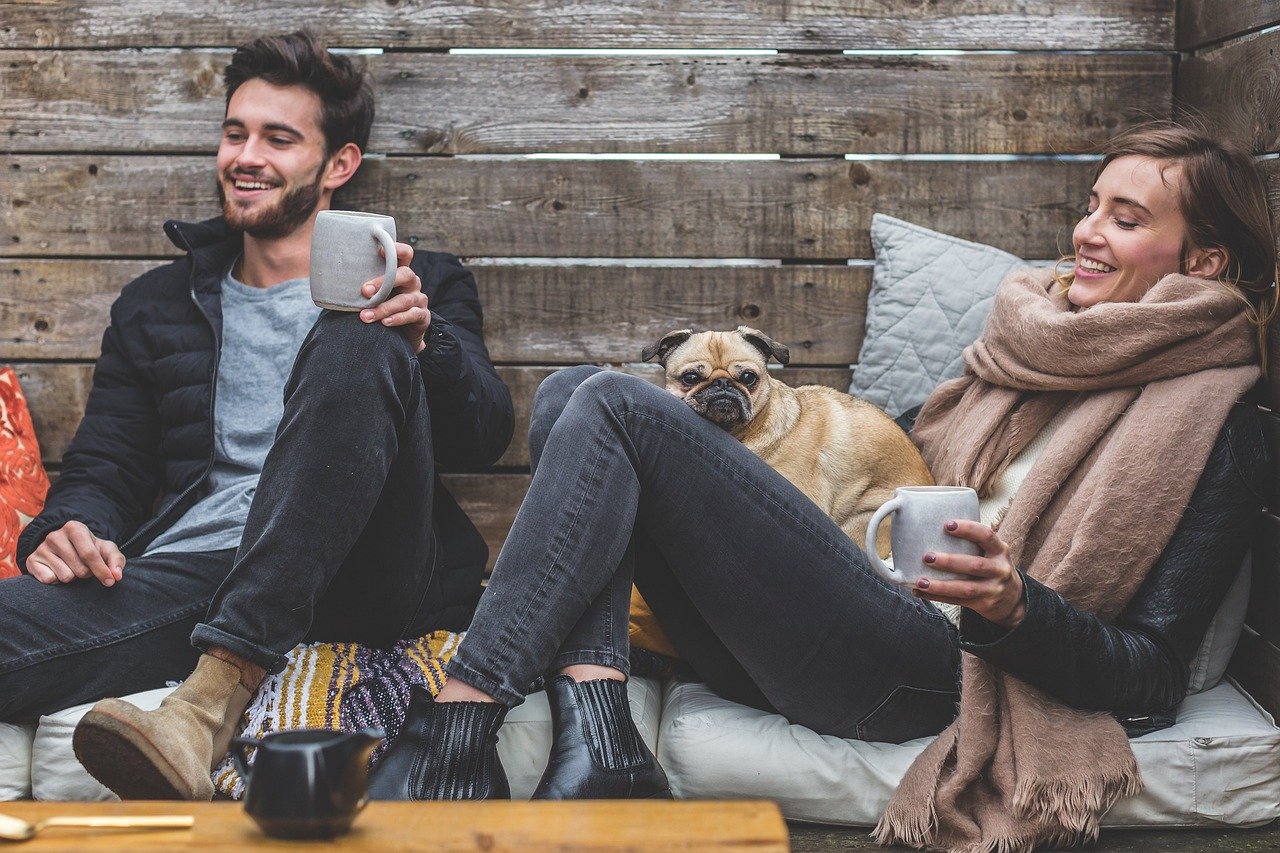
Picture this: you’re scrolling through apartment listings, dreaming of that perfect cozy space, when reality hits. What about getting a dog? The conventional wisdom whispers that small spaces mean no furry friends, but here’s the thing – some dogs were practically born for apartment living, while others need vast landscapes to truly thrive.
I’ve spent years watching dog owners navigate the indoor-outdoor balance, and honestly, the results sometimes surprise even seasoned dog lovers. The best apartment dogs are small, quiet, and satisfied with moderate exercise, but size isn’t everything. Some gentle giants make better apartment companions than hyperactive small breeds.
Whether you’re dreaming of a lapdog who’ll Netflix and chill with you every evening, or you’ve got acres to offer a dog who needs to roam free, understanding these breed personalities changes everything. Let’s explore which dogs absolutely sparkle in small spaces, and which ones need the great outdoors to show their true colors.
French Bulldogs: The Ultimate Indoor Companion
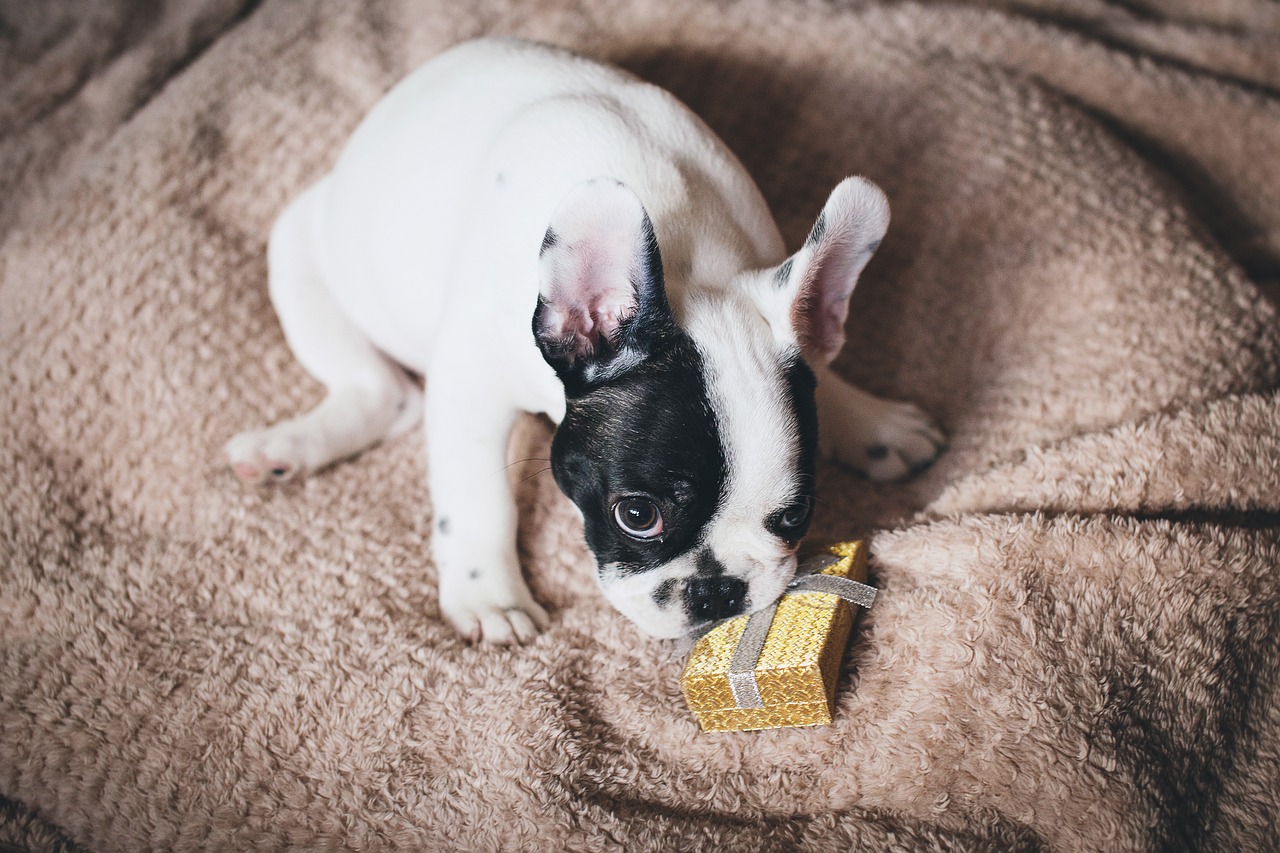
These compact charmers have earned their reputation as apartment royalty, and frankly, they deserve every bit of praise. The French Bulldog is affable and adaptable, making them not only a great apartment dog but also the most popular dog breed in the U.S. Their sturdy build and calm temperament make them perfect for smaller living spaces.
French Bulldogs are popular apartment dogs in the United States, and for good reason. They are small, quiet, and low-energy. Frenchies do well in small spaces, and don’t require much outdoor exercise. When you watch a French Bulldog sprawl out on your couch like they own the place, you’ll understand why city dwellers adore them.
Cavalier King Charles Spaniels: Gentle Hearts in Small Packages
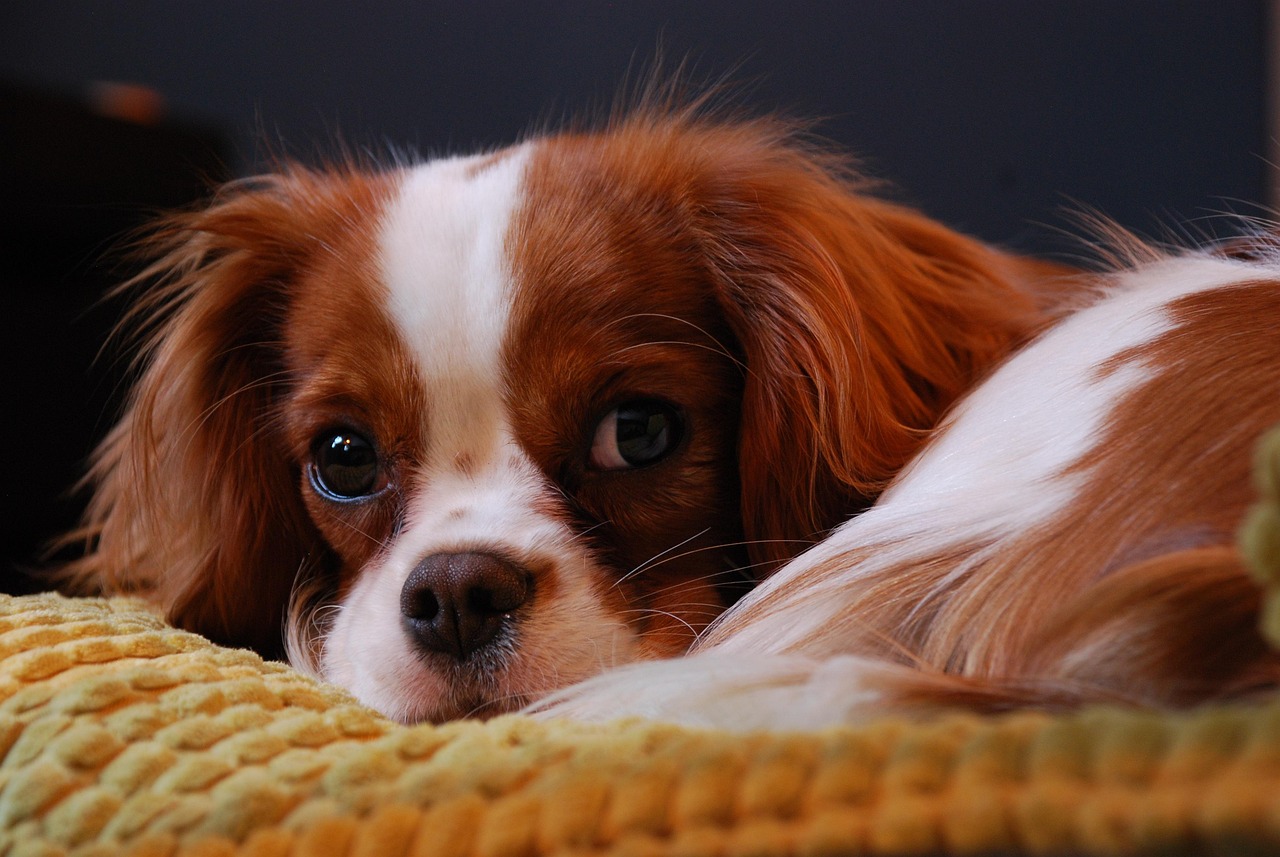
Cavalier King Charles Spaniels are another fantastic small breed for apartment living. These dogs are known for their sweet, gentle, and affectionate nature. They get along well with other pets and are great with children. What strikes me most about Cavaliers is their incredible adaptability – they seem to read their owner’s energy perfectly.
They’re also known for matching their pet parent’s vibe, so whether you’re always on the move or a total homebody, your Cav will adapt. The fact that Cavalier King Charles spaniels were bred to be lap dogs makes them one of the best dog breeds for apartment living, but they are also athletic and ready to run. They’re loyal and enjoy following the person everywhere.
Pugs: Compact Comedians with Big Personalities
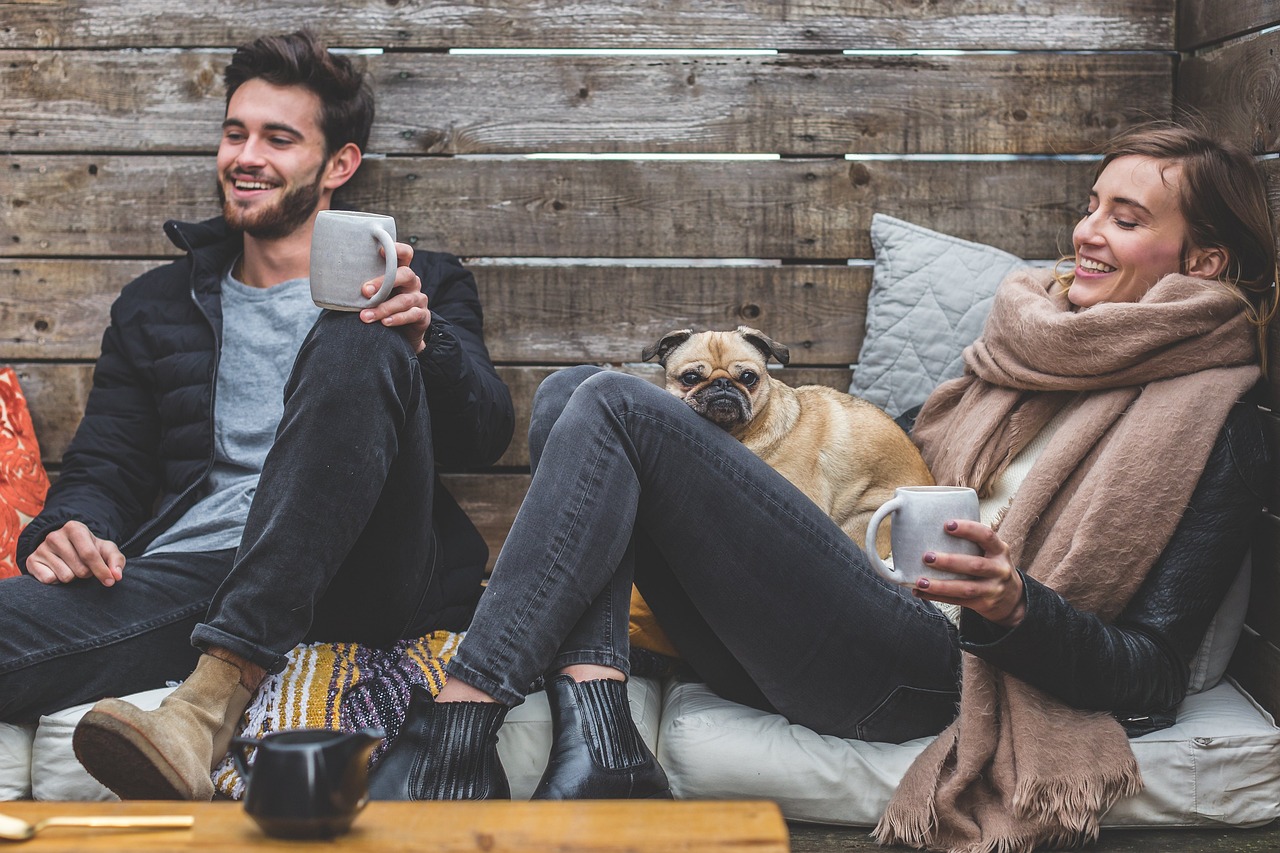
A Pug is a compact breed that isn’t built for vigorous physical activity – which makes them one of the best small dogs for apartments. Pugs love to lounge with their people and enjoy short walks or active play indoors. Their wrinkled faces and snorting sounds might seem quirky, but that’s exactly what makes them so endearing.
Pugs are true companion dogs who enjoy snuggling up on the couch. Perhaps the only thing they love more is food. They’re low-maintenance dogs who thrive in smaller spaces due to their minimal exercise needs. Just be prepared for some serious snoring – it’s part of their charm!
Boston Terriers: The American Gentlemen of Apartments
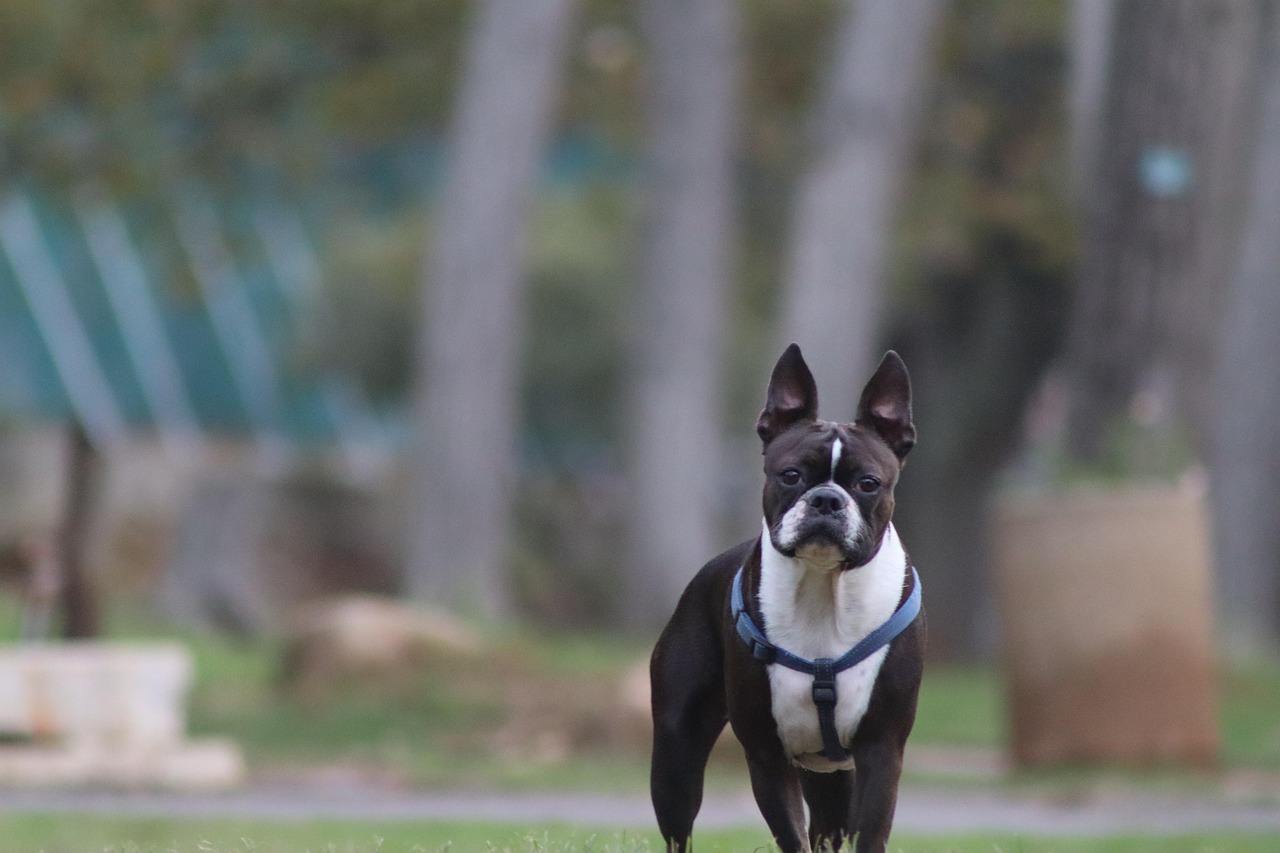
This dapper fellow makes one of the best apartment dogs because of his ideal combination of size and temperament and low-maintenance needs. Almost universally friendly, loving dogs, Boston terriers are also small enough to be able to get almost all of their exercise needs indoors. Their tuxedo-like markings give them a distinguished appearance that matches their polite personality.
Boston Terriers are friendly and relatively low-maintenance. Often called the “American Gentleman” due to their tuxedo-like markings and polite demeanor, they rarely bark excessively and adapt well to small spaces. These dogs genuinely seem to understand apartment etiquette without much training.
Bichon Frises: Fluffy Clouds of Joy
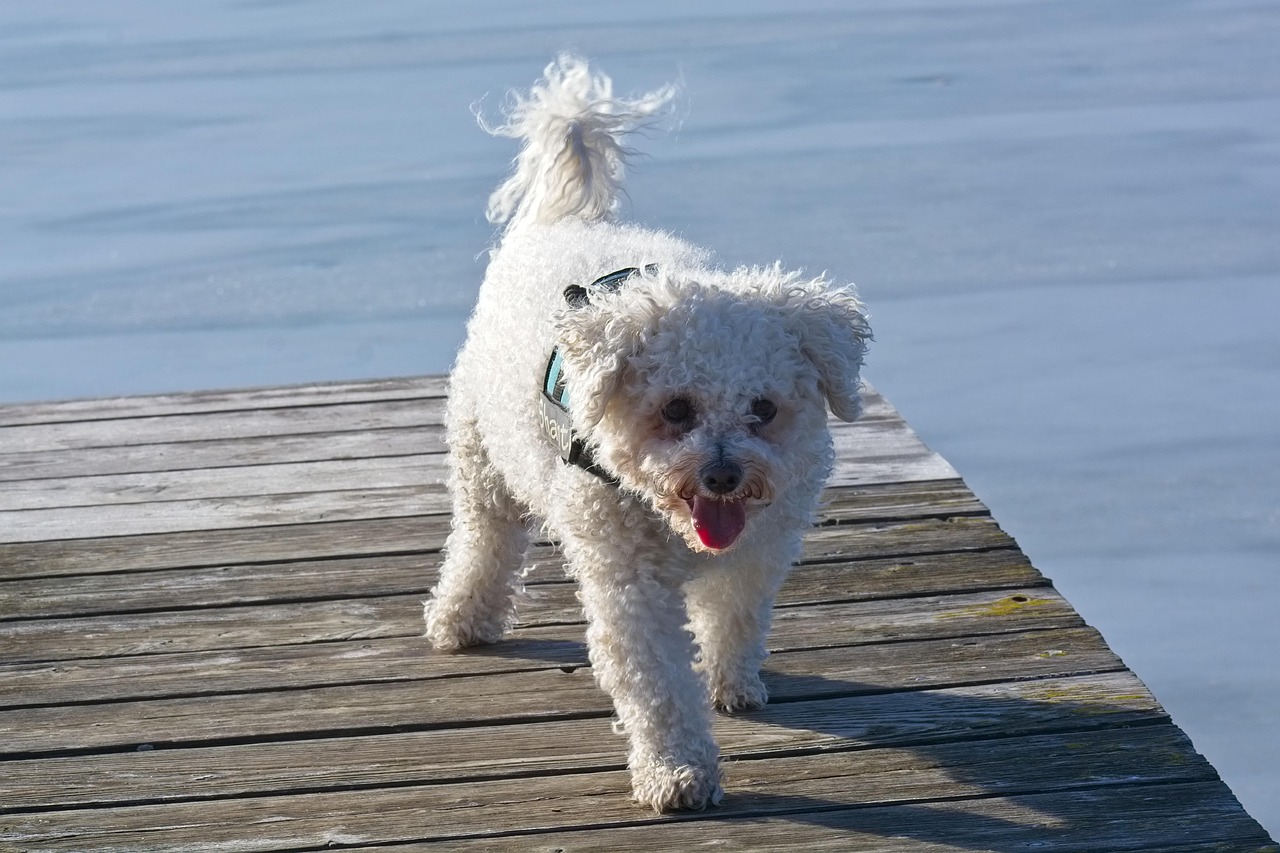
Bichon Frisés are among the best dogs for apartments due to their size, low shedding, and positive disposition. They get along with other pets, kids, and roommates. Their curly white coats are practically hypoallergenic, which means less vacuuming and fewer allergy issues in your cozy space.
The small size and intelligent nature of the Bichon Frise make this breed one of the best dogs for small apartments. A daily walk or game of indoor fetch or tug-of-war is typically enough exercise to satisfy this lapdog. Though they do require regular grooming, their cheerful personalities make the extra care worthwhile.
English Bulldogs: Gentle Giants in Compact Bodies
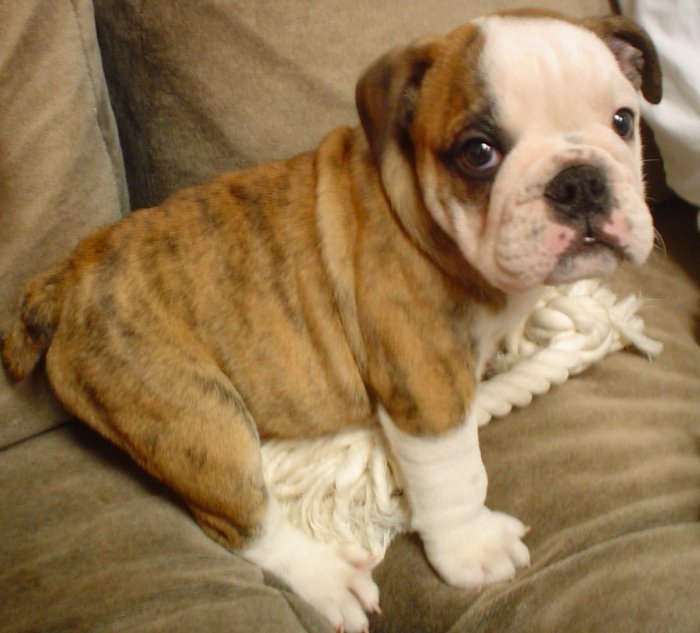
The Bulldog (commonly referred to as the English Bulldog) is a big dog in a small frame, weighing between 40 and 50 pounds but standing only about 15 inches tall. The breed makes one of the best apartment dogs because they are characteristically low-key – some would even say lazy. Their stocky build might suggest they need lots of space, but honestly, they’re happiest lounging around indoors.
Despite their sturdy build, English Bulldogs are actually excellent apartment dogs. They’re naturally calm, require minimal exercise, and are generally quiet. Bulldogs are content with short walks and prefer lounging indoors, making them perfect for apartment living. Just make sure your building has an elevator – stairs can be challenging for these low-slung sweethearts.
Shih Tzus: Royal Lap Warmers
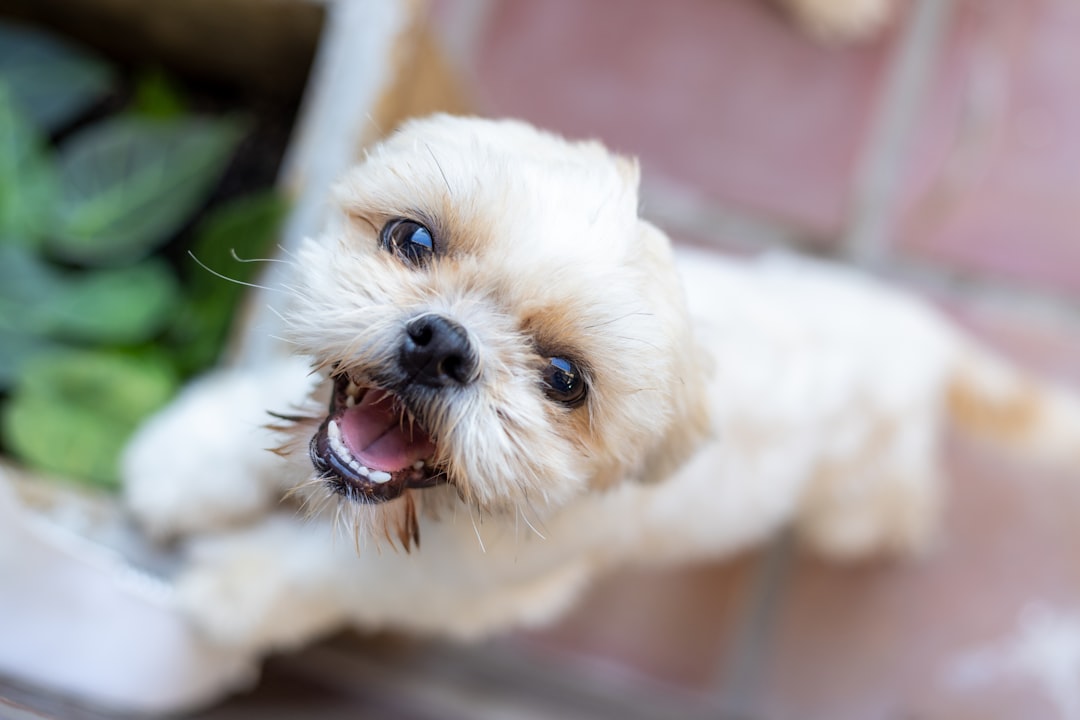
The Shih Tzu is a true lapdog that thrives on close companionship and doesn’t require much room to roam or run. Just 20 to 30 minutes of walking each day is sufficient for keeping a Shih Tzu healthy and active. These dogs stay between 9 and 16 pounds and are known for being sociable with children and other pets.
What I love about Shih Tzus is their regal bearing combined with complete contentment to be your shadow around the apartment. They were literally bred to be palace companions, so your living room becomes their throne room. Their flowing coats do require regular grooming, but their sweet temperament makes every brushing session feel like quality bonding time.
Greyhounds: Surprising Couch Potatoes
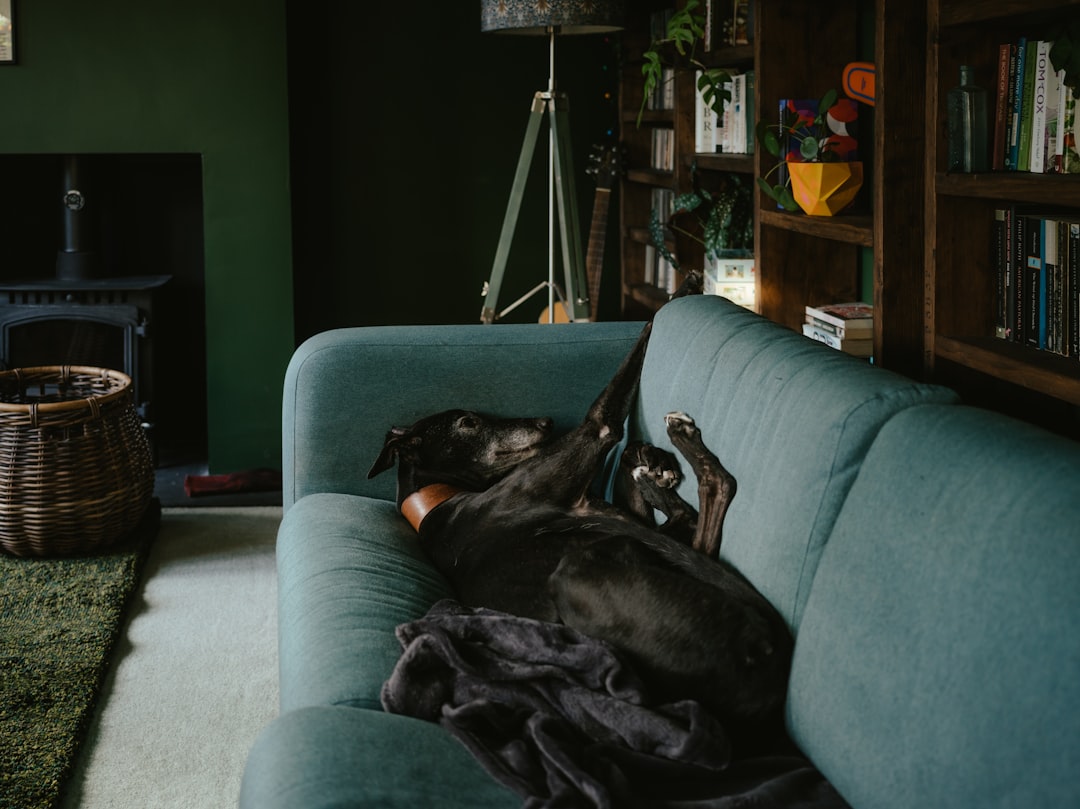
Here’s where things get interesting – Greyhounds make excellent apartment dogs. Although they are large and known for their racing abilities, they are famously lazy when indoors. They enjoy lounging most of the day and need only short bursts of exercise. They are quiet, gentle, and very clean dogs. This might sound counterintuitive, but retired racing greyhounds often make better apartment dogs than many small breeds.
These elegant sighthounds have mastered the art of indoor relaxation. Resembling smaller versions of greyhounds, whippets have streamlined bodies, short, smooth coats and an elegant appearance. Despite their racing heritage, they’re calm and relaxed indoors, enjoying snuggling and lounging. Their nickname “40-mile-per-hour couch potatoes” says it all.
Maltese: Tiny Treasures with Big Hearts
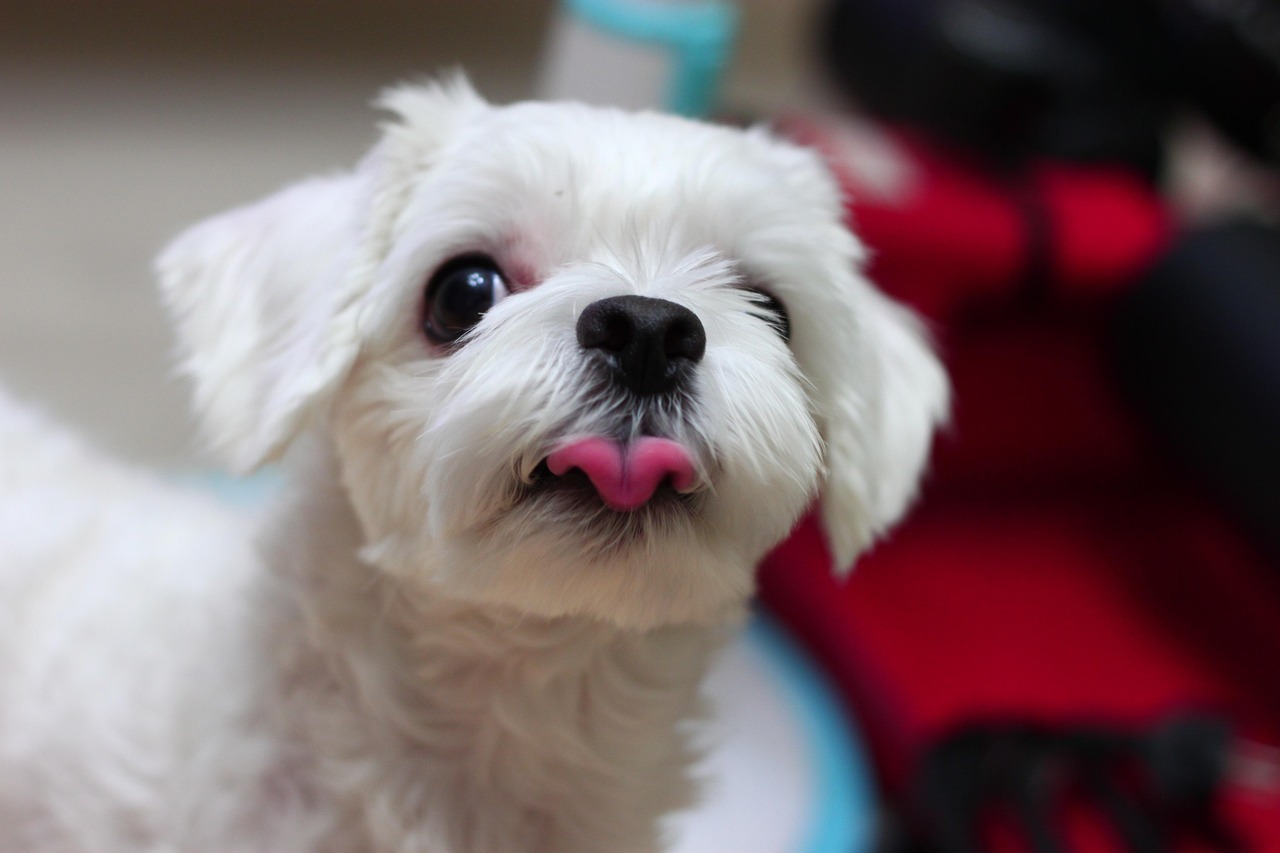
This small companion dog breed weighs less than 10 pounds and is only 8 to 10 inches tall. The Maltese is one of the most popular small dog breeds for a reason – they are sweet, playful, affectionate, and adaptable dogs which do well in small spaces. Their silky white coats make them look like living toys, but their personalities are pure sophistication.
However, there’s one important caveat – they don’t enjoy spending time alone. If left alone for long periods of time, they can become jealous or resentful of other dogs or humans. These little companions truly need their humans around, making them perfect for people who work from home or have flexible schedules.
Italian Greyhounds: Miniature Elegance
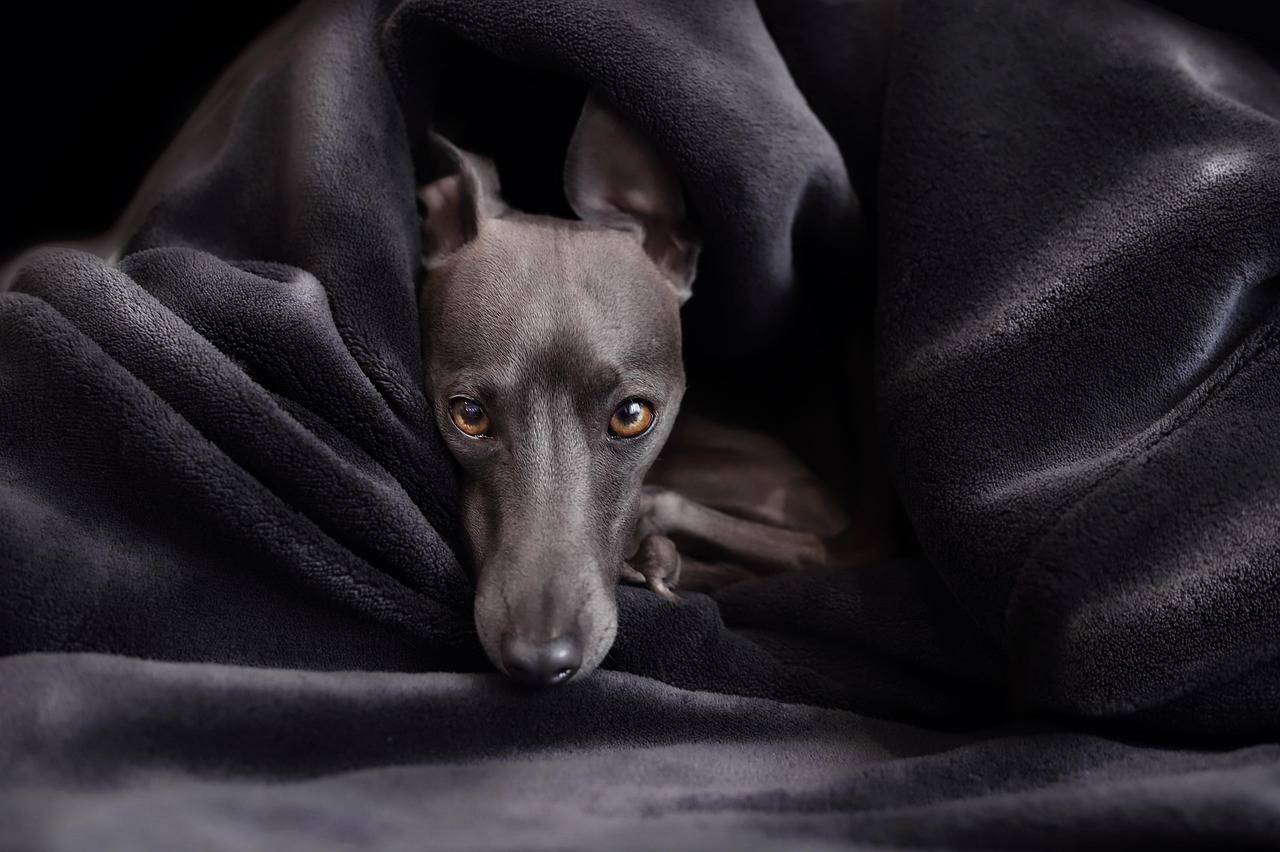
Coming in at about 20 percent the size of their racing cousins, the Italian greyhound brings most of the things people love about the greyhound breed – in a smaller, lighter, and even quieter package. At around 10 pounds, the Italian greyhound makes the “best apartment dogs” list because they’re low-maintenance and quiet.
These miniature sighthounds embody elegance in a tiny package. They love to curl up in warm, sunny spots and can often be found burrowed under blankets. Their thin coats mean they appreciate indoor heating, making them natural apartment dwellers who prefer comfort over outdoor adventures.
Anatolian Shepherds: Born to Roam Free
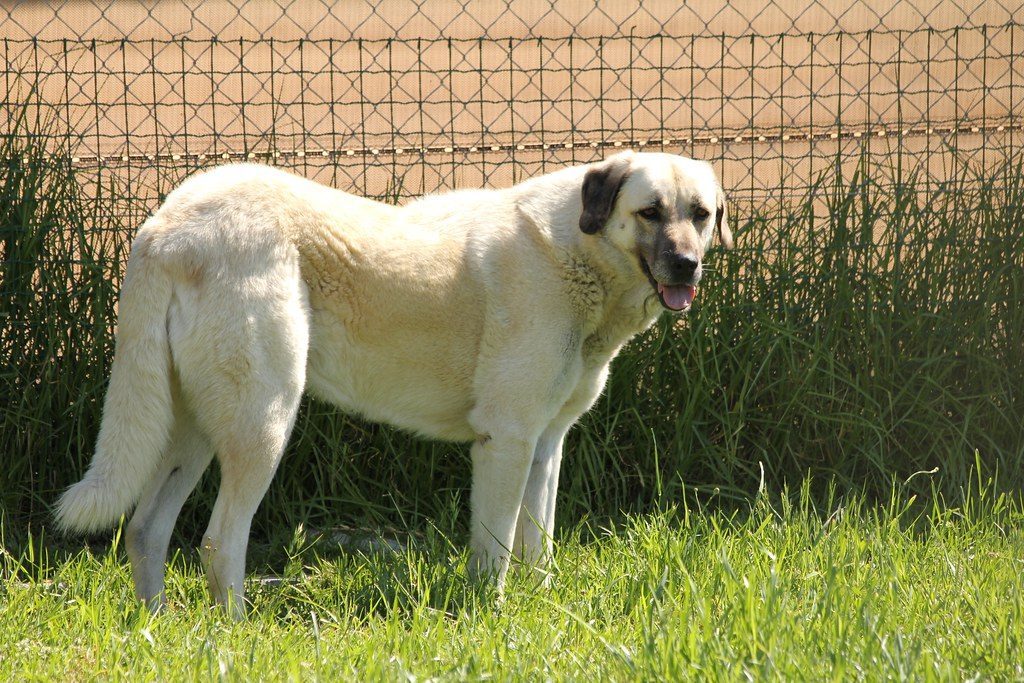
The Anatolian Shepherd loves wide open spaces. They don’t do well cooped up in small yards or apartment. Herders by nature, they need to be on the move and checking the boundaries of their terrain or they become frustrated. These magnificent dogs were bred to protect livestock across Turkey’s vast landscapes, and their instincts demand space to patrol.
The Anatolian Shepherd’s sheer size and endurance suit them perfectly to large yards and open properties. Unlike many breeds that adapt to tighter living quarters, Anatolians need ample room to roam, patrol, and observe. Without sufficient space, they can grow restless. Confining these natural guardians to small spaces is like caging a wild spirit.
Irish Wolfhounds: Gentle Giants Need Giant Spaces
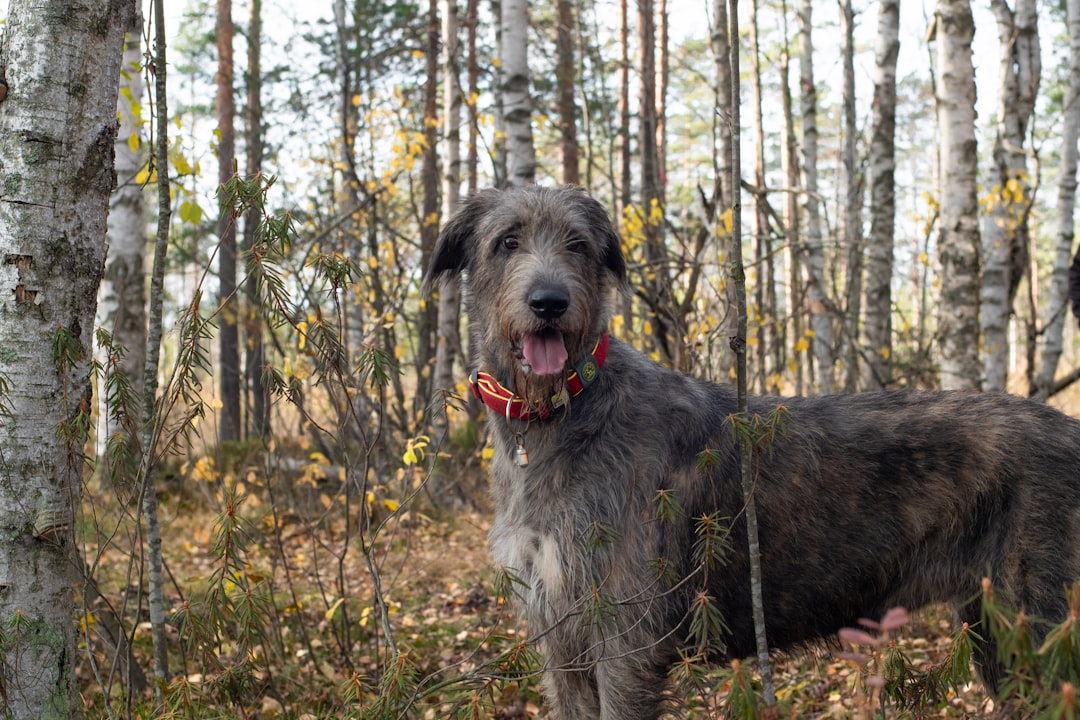
The Irish Wolfhound is a delightful breed of doggo with incredibly long legs. At over thirty inches tall, they can cross a room in one stride, so are much happier when they have got plenty of space to walk around in. Pawsome pups of their size need a large backyard! When you see one of these majestic hounds stretch to their full height, you understand immediately why apartments won’t work.
Irish Wolfhounds might look like fierce warriors, but they are total softies at heart. Calm, gentle, sensitive, and patient, they love sprawling across big open spaces and quietly soaking in the day. These ancient hunting dogs need room to move gracefully, not cramped quarters where their size becomes a liability.
Rhodesian Ridgebacks: Lion Hunters Need Lion-Sized Spaces
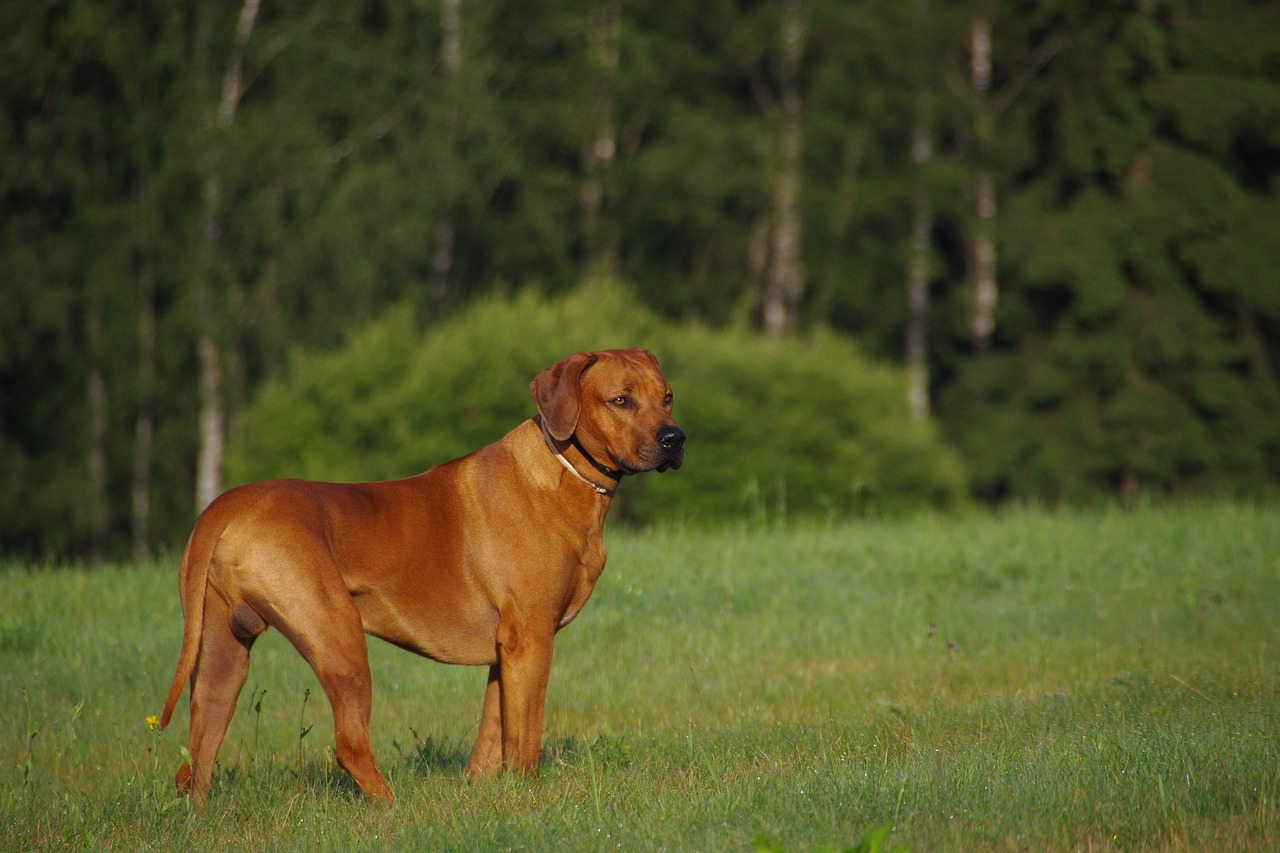
Rhodesian Ridgebacks have a high energy level and are highly playful dogs. This breed tends to be smart and stubborn, with high exercise needs. Their energy and desire for exercise are due to genetics. These dogs were initially bred in Africa to hunt lions. When you consider they were developed to track lions across African plains, apartment living seems almost insulting to their heritage.
They need regular exercise and do well with ample outdoor space, preferably a fenced-in space. These athletic dogs require not just physical space but mental challenges that come from exploring varied terrain and having jobs to do. A daily walk around the block simply won’t cut it for these adventure seekers.
Australian Shepherds: Herding Instincts Need Room to Work
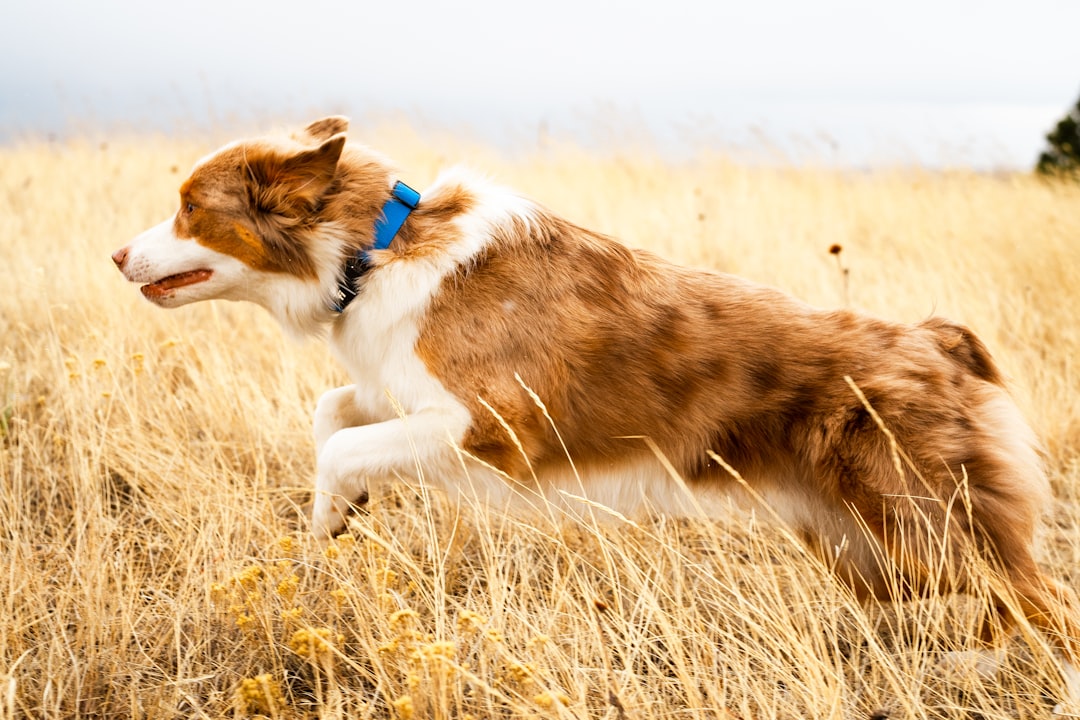
Australian Shepherds are intelligent, hardworking herding dogs who excel at performing jobs on farms and ranches. However, without jobs, they become intelligent, bored dogs – a bad combination. It is impossible to suppress the Aussie’s natural herding instinct. These brilliant dogs were designed to work stock across vast open ranges, making small spaces feel restrictive and frustrating.
What many people don’t realize is that Australian Shepherds will attempt to herd everything in sight – children, cats, other dogs, even vacuum cleaners. In an apartment setting, this instinct can become problematic behavior. They need acreage where their natural drive to gather and control can be properly channeled into productive work or extensive exercise.
German Pointers: Hunting Dogs Need Hunting Grounds
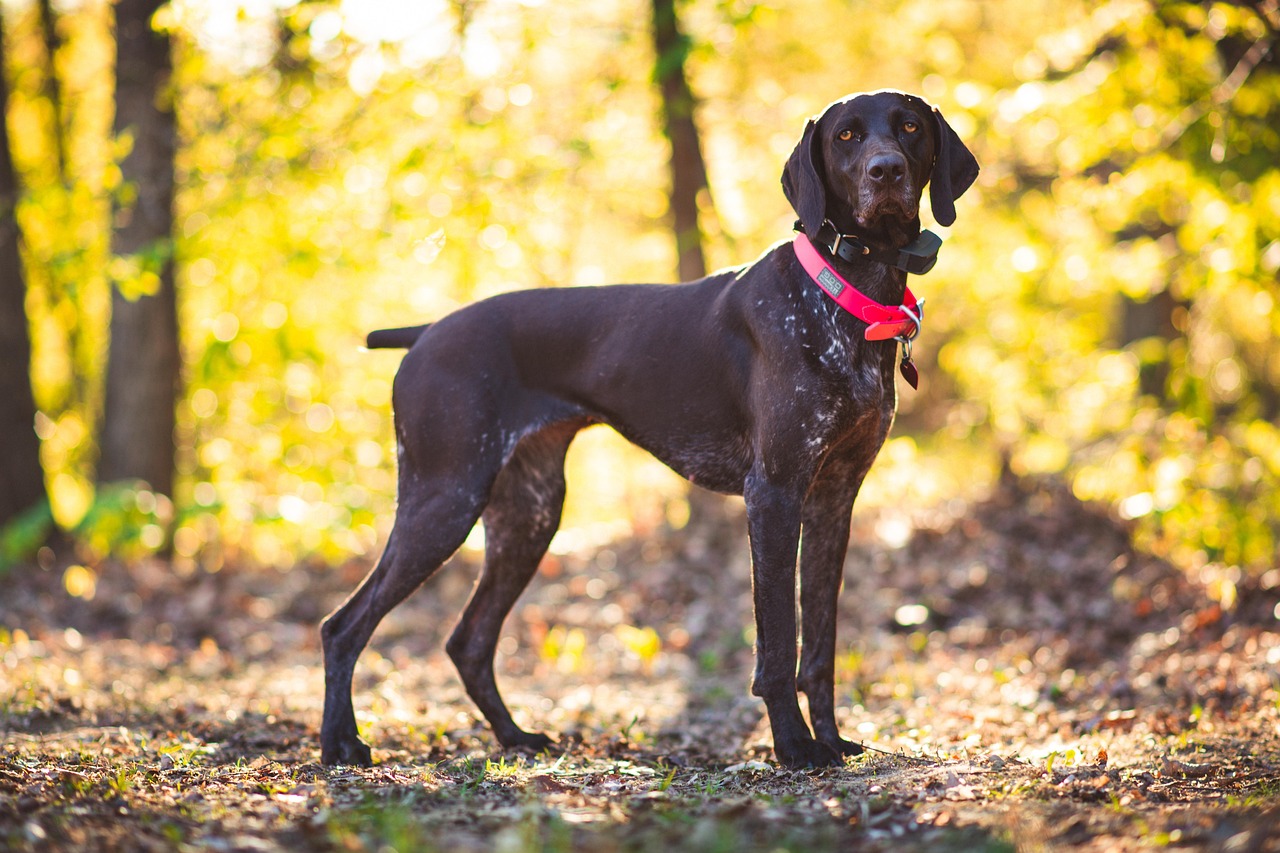
This breed is super intelligent and well known for its extreme energy and athletic ability. Pointers need homes and yards with plenty of space to run and play. They also need lots of regular, daily exercise to prevent them from acting out in negative ways. These are dogs that were bred to quarter fields for hours, covering miles of ground in search of game birds.
Pointers possess an intensity that apartment living simply cannot satisfy. Their athletic ability and drive to hunt mean they need opportunities to run full-out, not just gentle walks on leash. Without adequate physical and mental stimulation, these intelligent dogs can become destructive and develop behavioral problems that make them challenging companions in any setting.
Living with the right dog transforms your space into a haven of companionship and joy, while choosing the wrong match can leave both you and your furry friend feeling frustrated. The dogs that shine indoors bring calm energy and contentment to cozy spaces, while those built for the wild need room to express their natural instincts.
Remember, it’s not about limiting a dog’s potential – it’s about finding breeds whose natural temperaments align with your living situation. The happiest dogs are those whose needs match their environment perfectly.
What surprises you most about these indoor and outdoor preferences? Have you discovered any breed traits that completely changed your perspective on apartment living with dogs?


