

Have you ever stared into your dog’s eyes and wondered who’s really in charge? If you’ve ever found yourself negotiating with a four-legged Houdini, you’re not alone. Some dogs seem born with a PhD in mischief, turning every training session into a game of chess—and they’re always two moves ahead. Let’s pull back the curtain on ten dog breeds that have turned outsmarting their humans into an art form. Grab a treat (for you!) and read on—this is going to be equal parts hilarious, relatable, and eye-opening.
Border Collie: The Canine Genius
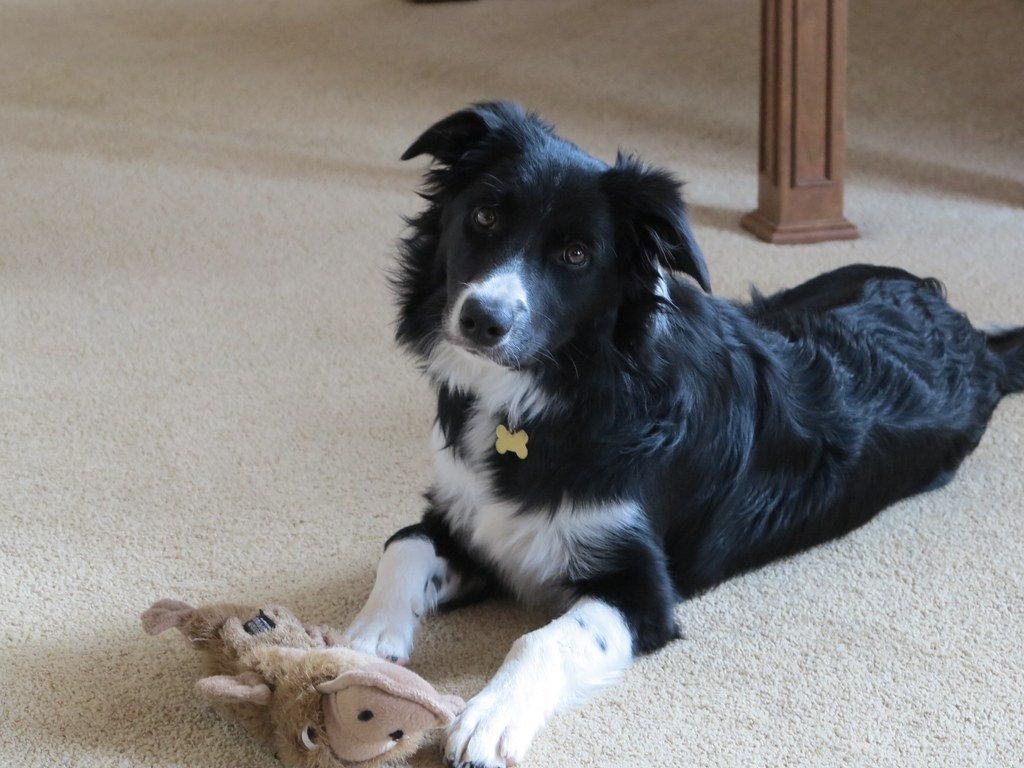
Ask any trainer and they’ll tell you—Border Collies are scary smart. These dogs can learn a new command in a matter of minutes, but that doesn’t mean they’ll obey it forever. The real trouble starts when they realize they can outthink you, turning “fetch” into “hide the ball and watch you look silly.”
I once had a Border Collie named Max who figured out how to open the fridge. He’d wait until I left, nab a snack, and then close the door behind him like nothing happened. Lesson learned: with Border Collies, mental stimulation is everything. Without it, they’ll invent their own—at your expense.
Poodle: The Aristocratic Trickster
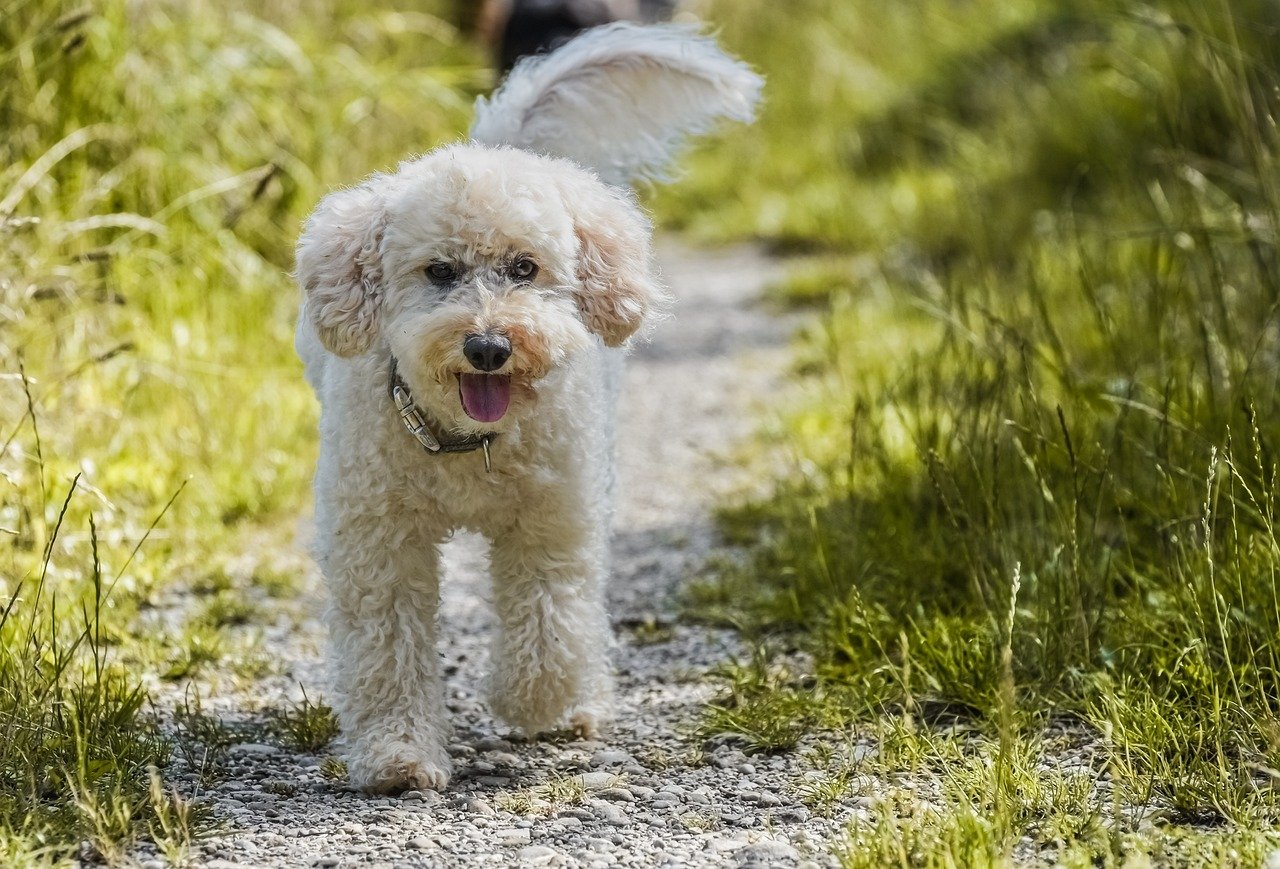
Poodles aren’t just pretty faces at dog shows—they’re incredibly clever. They pick up on routines fast, and if they sense a loophole, they’ll exploit it. Ever tried hiding medication in their food? Good luck. They’ll sniff it out and leave everything else in the bowl.
Even in obedience classes, Poodles often “test” the rules. They might perform a trick perfectly one day, then refuse the next—just to see your reaction. Keep things unpredictable and fun, or your Poodle will rewrite the lesson plan.
Jack Russell Terrier: The Energizer Escape Artist
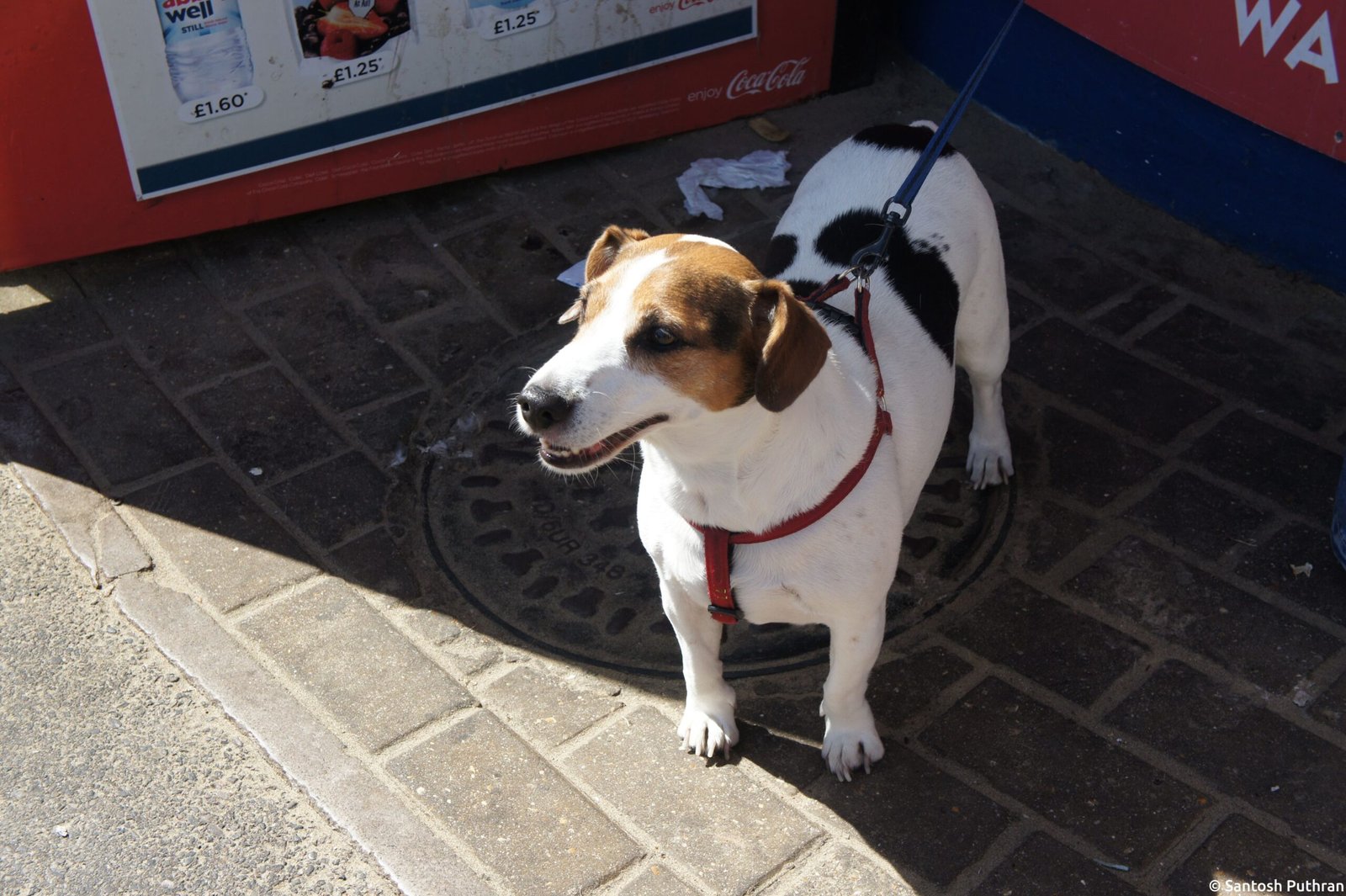
Jack Russells are like little tornadoes with brains. They’re bursting with energy and curiosity, making them notorious escape artists. If there’s a weak spot in your fence, they’ll find it. If you leave a gate unlatched, don’t be shocked to see them sprinting down the street.
Training sessions with Jack Russells require patience and a sense of humor. They get bored easily, so short, varied activities work best. Watch for signs of frustration—like excessive digging or barking. These are clues they need more mental challenges, not just physical ones.
Siberian Husky: The Wolf in Dog’s Clothing
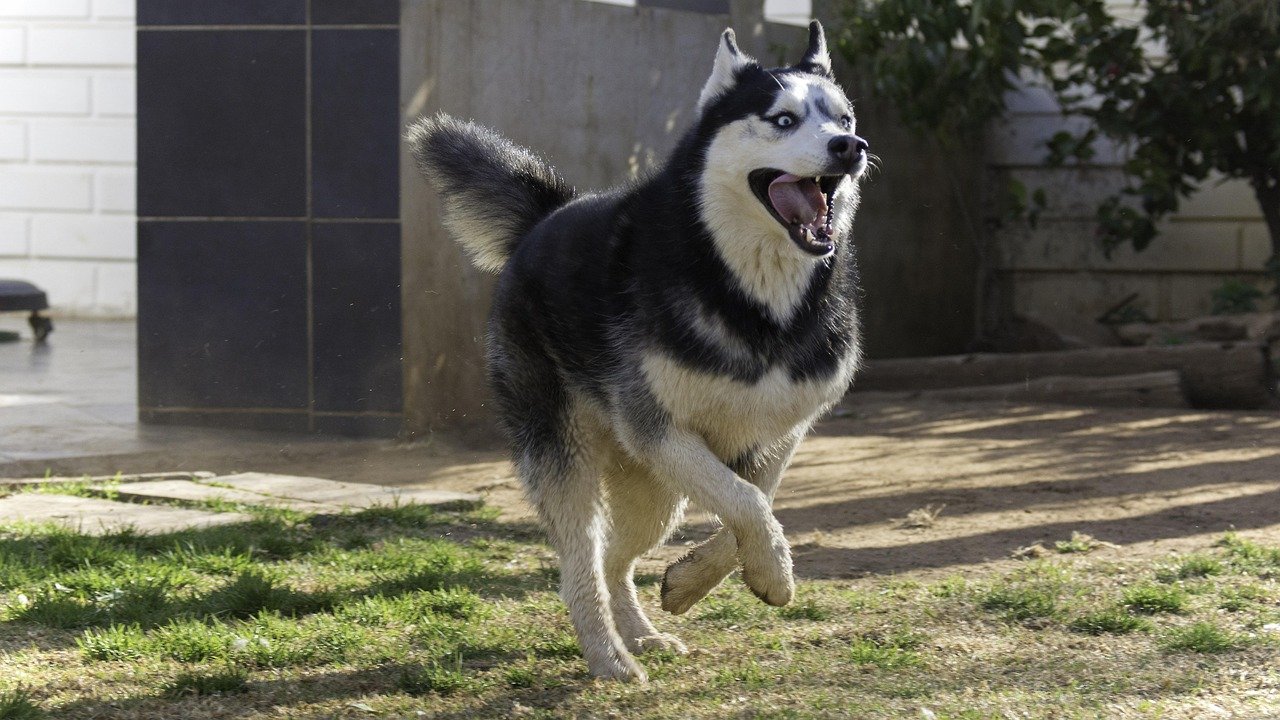
Huskies are breathtakingly beautiful, but don’t let that fool you—they’re master manipulators. With their stubborn streak and intense independence, they often act like they’re auditioning for a role as a wild wolf. Tired of training? They’ll simply “forget” what sit means.
Huskies are notorious for selective hearing. You might call them five times before they even glance your way. Consistency, positive reinforcement, and a good sense of humor are your best tools. And always check your fence—Huskies are pros at jumping and digging their way out!
Australian Shepherd: The Herding Brainiac
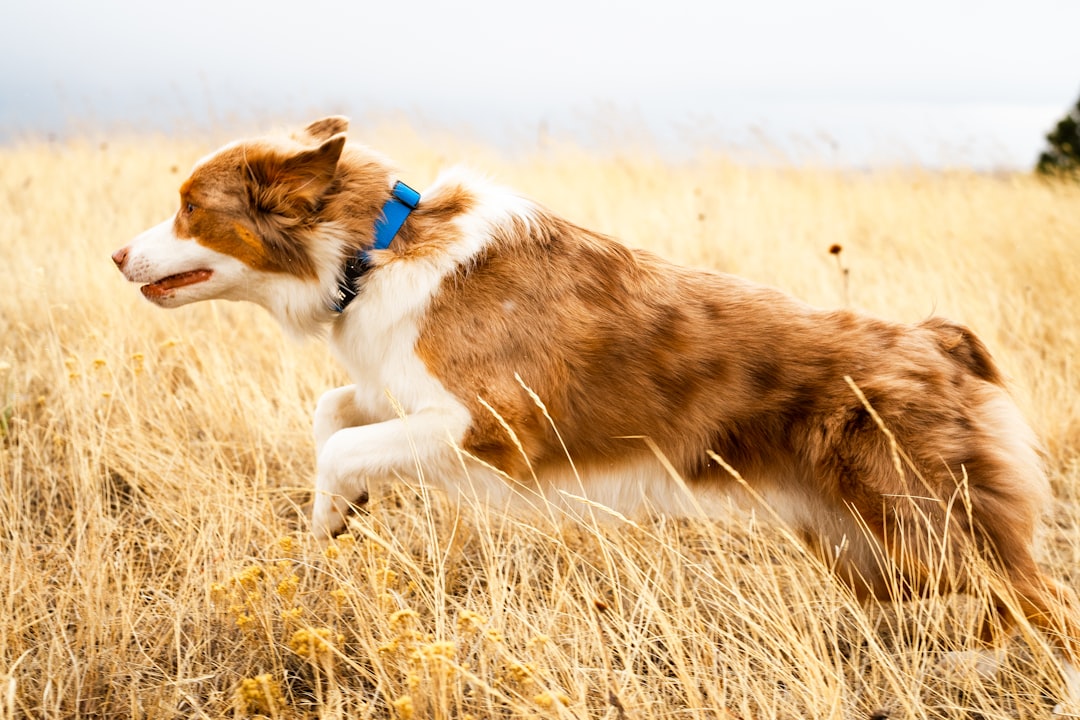
Australian Shepherds are natural problem solvers. Their herding instincts mean they’re constantly analyzing situations and trying to control their environment—including you! If you’re not careful, they’ll start herding your kids, your other pets, or even your guests.
These dogs thrive on jobs and challenges. When training, use games that tap into their herding instincts, like fetch with a twist or agility courses. If you skip their daily “workout,” expect them to invent their own—often involving your shoes or the garbage can.
Beagle: The Nose That Knows Too Much
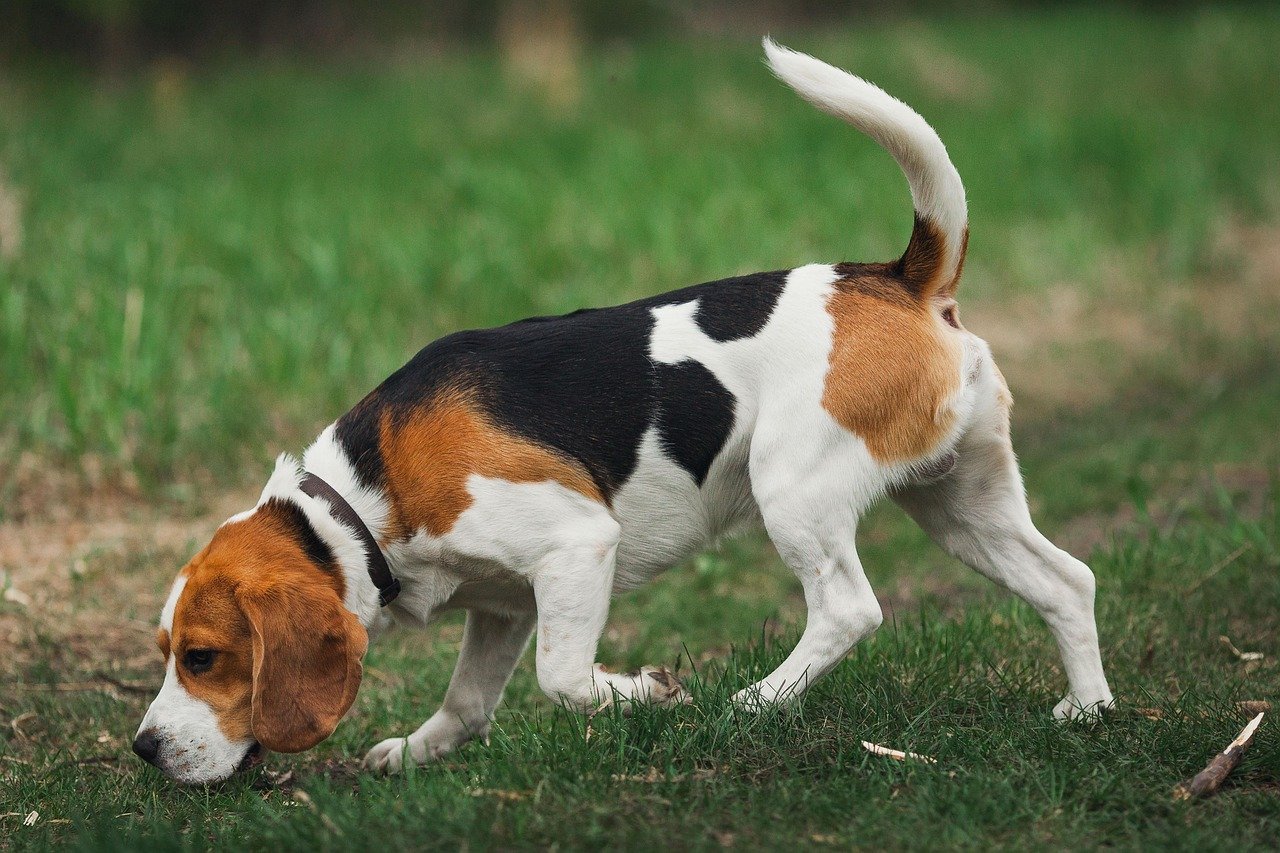
Beagles are ruled by their noses. Once they catch an interesting scent, all bets are off. “Come” means nothing when there’s something fascinating to sniff. I once spent an hour trying to coax a Beagle out from under a bush because he’d found a particularly smelly treasure.
When training, use scent-based games to keep them focused. Beagles respond to food rewards, but don’t let them trick you into endless treat begging. If they start ignoring commands, it’s usually because their nose has found something more interesting.
Schipperke: The Foxy Rebel
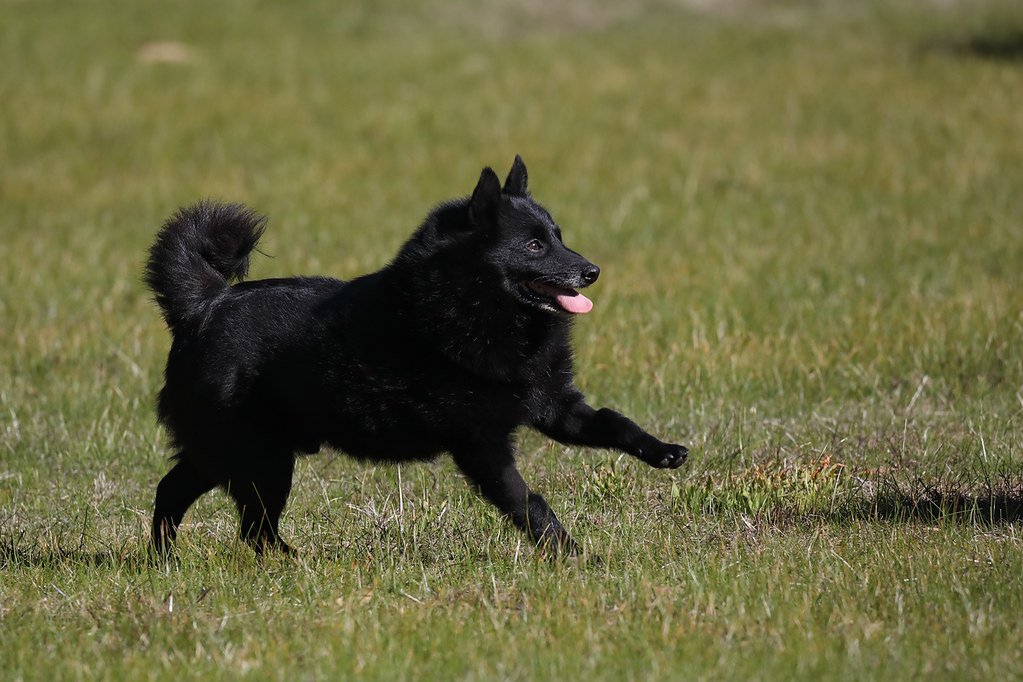
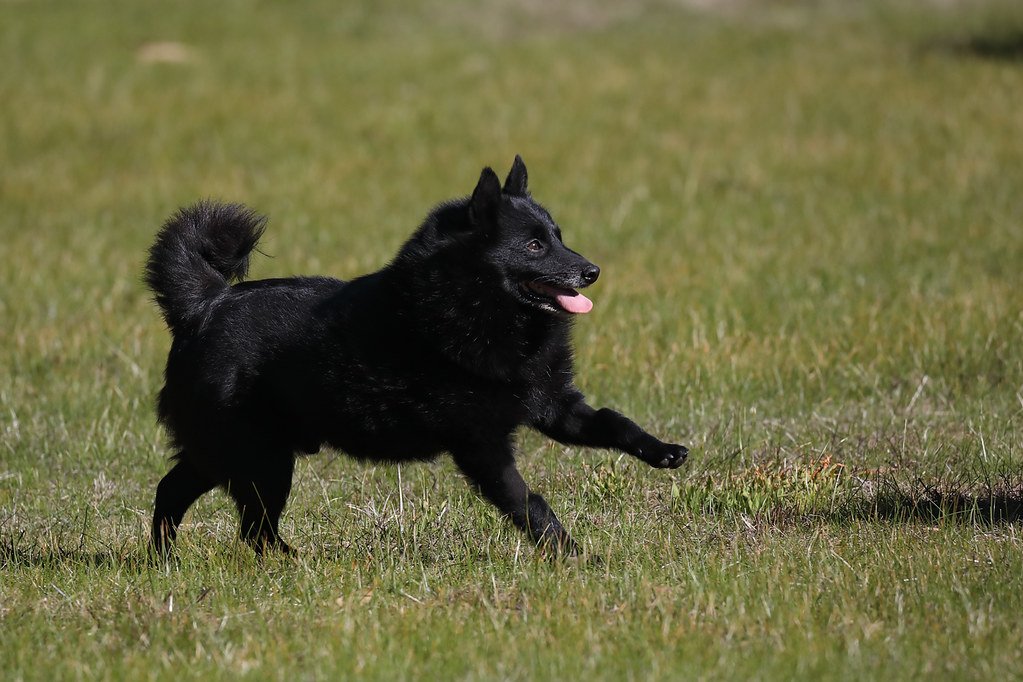
Schipperkes might look small and fox-like, but don’t be fooled—they’ve got outsized personalities. These little rebels love to test boundaries, often pretending not to hear you if you call them away from something fun (like chewing your slippers).
They’re quick learners, but they also get bored quickly. Keep training sessions short and sweet, and watch for body language cues like a wagging tail or pricked ears—they’re always plotting their next move. Regular socialization and puzzle toys can help channel their energy productively.
Weimaraner: The Silver Shadow With a Plan

Weimaraners are as clever as they are elegant. Nicknamed the “ghost dog,” they often seem to appear—and disappear—at will. They bond deeply with their humans but have a knack for taking shortcuts in training if they sense a moment of weakness.
I knew a Weimaraner who learned how to open doors, cabinets, and even the childproof lock on his treat jar. To prevent mischief, keep routines consistent and never underestimate their ability to watch and learn. If they start acting out, it usually means they’re bored or anxious.
Miniature Schnauzer: The Spirited Negotiator
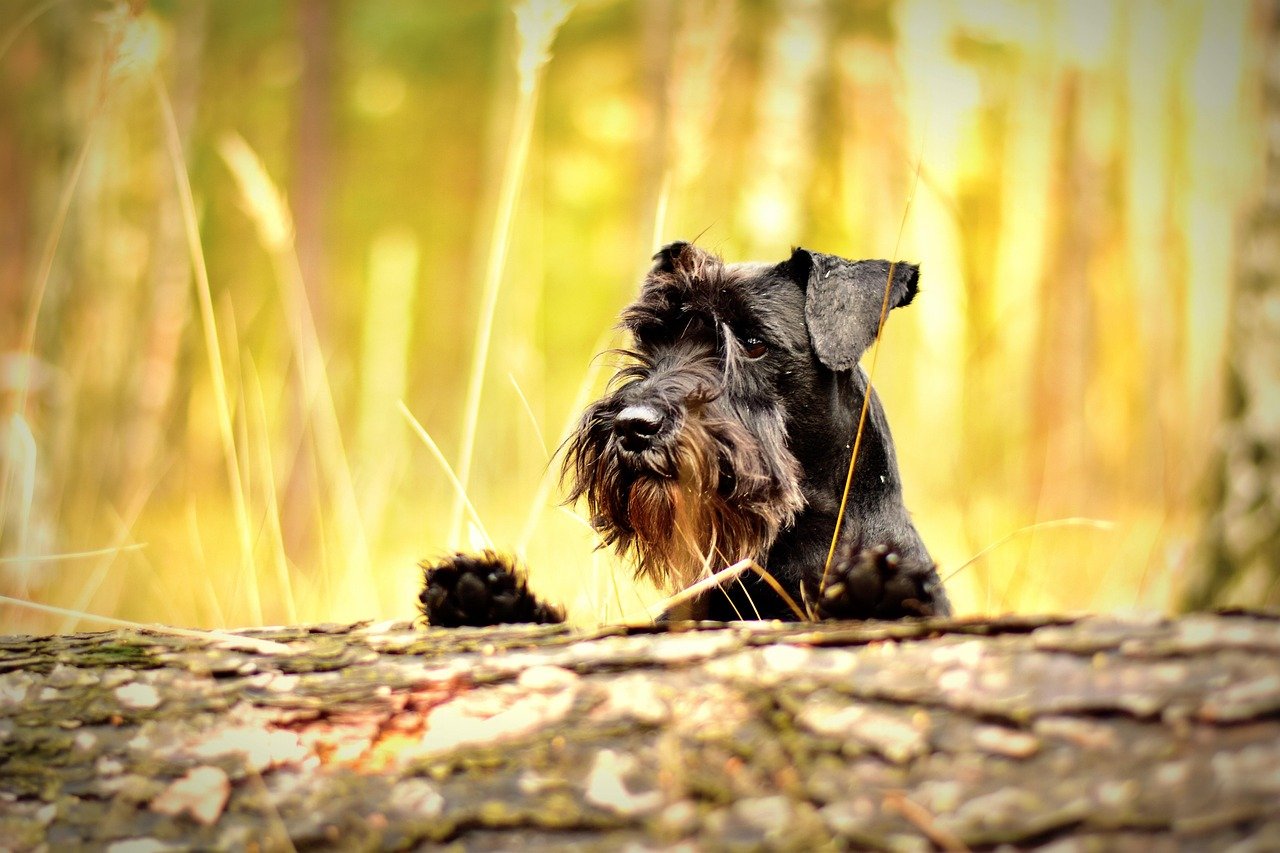
Miniature Schnauzers are stubborn with a capital S. They love to negotiate, often “talking back” with grumbles or little barks during training. If you ask for a sit, they might give you a spin or a paw instead—just to see if you’ll change your mind.
They’re sensitive to tone, so keep commands firm but friendly. When you notice signs of sass—like cocked heads or playful barks—redirect their energy into new tricks or games. Remember, Schnauzers thrive on variety and interaction, so don’t let routines get stale.
Dalmatian: The Spotted Trickster
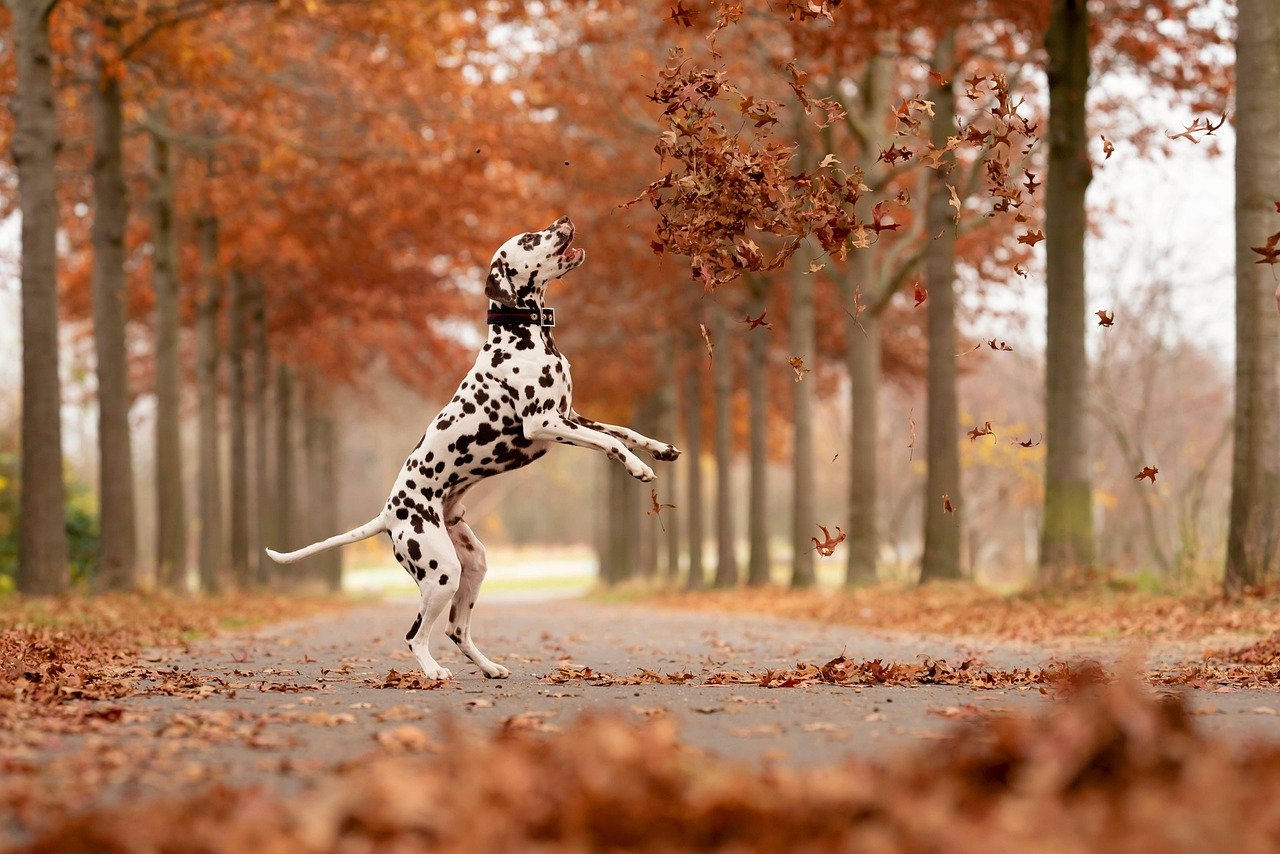
Dalmatians are famous for their striking looks and boundless energy. But behind those spots lies a sharp mind that’s always seeking fun. If you’re not careful, your Dalmatian will invent their own games—like racing around the house with your socks or opening doors to explore forbidden rooms.
Training requires patience and a good sense of humor. Dalmatians can become stubborn if they’re bored or feel ignored. Watch for restlessness or “zoomies”—these are signs they need more mental and physical outlets. Regular exercise and positive reinforcement keep them on track.


