

Have you ever wondered how your furry friend always seems to know when you’re feeling down or ecstatic? It’s almost as if they have a sixth sense, a magical ability to read your emotions. Well, it’s not magic; it’s the deep bond that has evolved over thousands of years between humans and dogs. Dogs are incredibly intuitive creatures capable of picking up on a plethora of emotional cues from their human companions. In this article, we delve into the fascinating world of canine empathy and explore the ten emotional cues dogs can instantly recognize in us.
Your Mood Swings

Dogs are masters of emotional intuition—they don’t need words to understand how you’re feeling. With their keen senses and deep emotional attunement, they can pick up on the subtlest shifts in your mood, energy, and body language. Whether you’re feeling stressed, joyful, anxious, or calm, your dog is often the first to notice—and they respond with an instinctive mix of comfort, curiosity, or companionship.
Dogs are astoundingly perceptive when it comes to detecting changes in your mood. Ever noticed how your dog becomes more attentive when you’re feeling upset or anxious? They can sense changes in your body language, tone of voice, and even your scent. When you’re happy, your movements might be more animated, and your voice carries a lighter tone, which your dog perceives as an invitation to play. Conversely, when you’re sad or stressed, they may notice a slump in your posture or a more subdued voice, prompting them to offer comfort. It’s like they have an emotional radar that never fails!
The Sound of Your Voice

The tone and pitch of your voice convey a lot more than just words to your dog. They can distinguish between a cheerful tone, which might signal playtime, and a stern voice, which might mean they’re in trouble. Dogs have an incredible ability to pick up on subtle vocal cues. When you talk to them in a high-pitched, sing-song voice, they often respond with wagging tails and excited barks. On the other hand, a deep, firm voice could make them pause and listen intently. It’s a fascinating aspect of their communication skills that allows them to respond appropriately to our emotions.
Your Body Language

Dogs are masters at reading body language, a skill they use to communicate with each other and with us. They can interpret your gestures, posture, and even facial expressions. For example, crossing your arms might signal to your dog that you’re closed off or upset, while an open stance with relaxed shoulders may suggest that you’re calm and approachable. If you lean forward and make eye contact, they might perceive it as a sign of affection or a call to action. This sensitivity to body language enables dogs to adapt their behavior to suit your emotional state.
Changes in Routine

Dogs are creatures of habit, and they thrive on routine. When there’s a sudden change in your daily schedule, they can instantly sense that something is amiss. Whether it’s coming home later than usual or skipping their regular walk, these disruptions can make your dog anxious or concerned. They might follow you around more closely or exhibit signs of restlessness. Dogs rely on consistency to feel secure, and any deviation from the norm is a cue that something might be wrong. It’s their way of expressing concern and seeking reassurance.
Your Stress Levels

Stress is an emotion that dogs can pick up on almost instantly. They have a keen sense of smell and can detect changes in your body chemistry when you’re stressed or anxious. Cortisol, often referred to as the stress hormone, can be sensed by dogs, prompting them to react. They might become more clingy, trying to offer comfort and support. Some dogs may even exhibit signs of stress themselves, such as pacing or whining, as they mirror your emotional state. It’s a testament to the deep connection they share with their human companions.
Expressions of Joy

Just as dogs can detect stress, they are equally attuned to your expressions of joy and happiness. Your laughter, smiles, and upbeat energy are infectious to them. When you’re in a good mood, your dog might respond by wagging their tail energetically, bouncing around, or even bringing you their favorite toy. They love to share in your happiness and often mirror your joy with their playful antics. This ability to sense and reflect positive emotions is one of the many reasons why dogs are considered such uplifting companions.
Fear and Anxiety

Dogs are incredibly sensitive to fear and anxiety, not just their own but yours as well. When you’re scared or anxious, your dog might become more alert and protective. They can sense your fear through your body language, voice, and even the subtle changes in your scent. Some dogs may take on a guardian role, staying close by to offer reassurance, while others might become anxious themselves, mirroring your emotional state. It’s their instinctual response to ensure your safety and well-being.
Sadness and Grief

When you’re feeling down or grieving, your dog often becomes your most loyal comforter. They seem to have an innate ability to sense sadness and will often stay by your side, offering silent support. Dogs might rest their head on your lap, nuzzle you gently, or simply sit quietly with you, providing a comforting presence. Their empathetic nature allows them to recognize when you need extra love and attention, making them exceptional companions during tough times.
Excitement and Anticipation
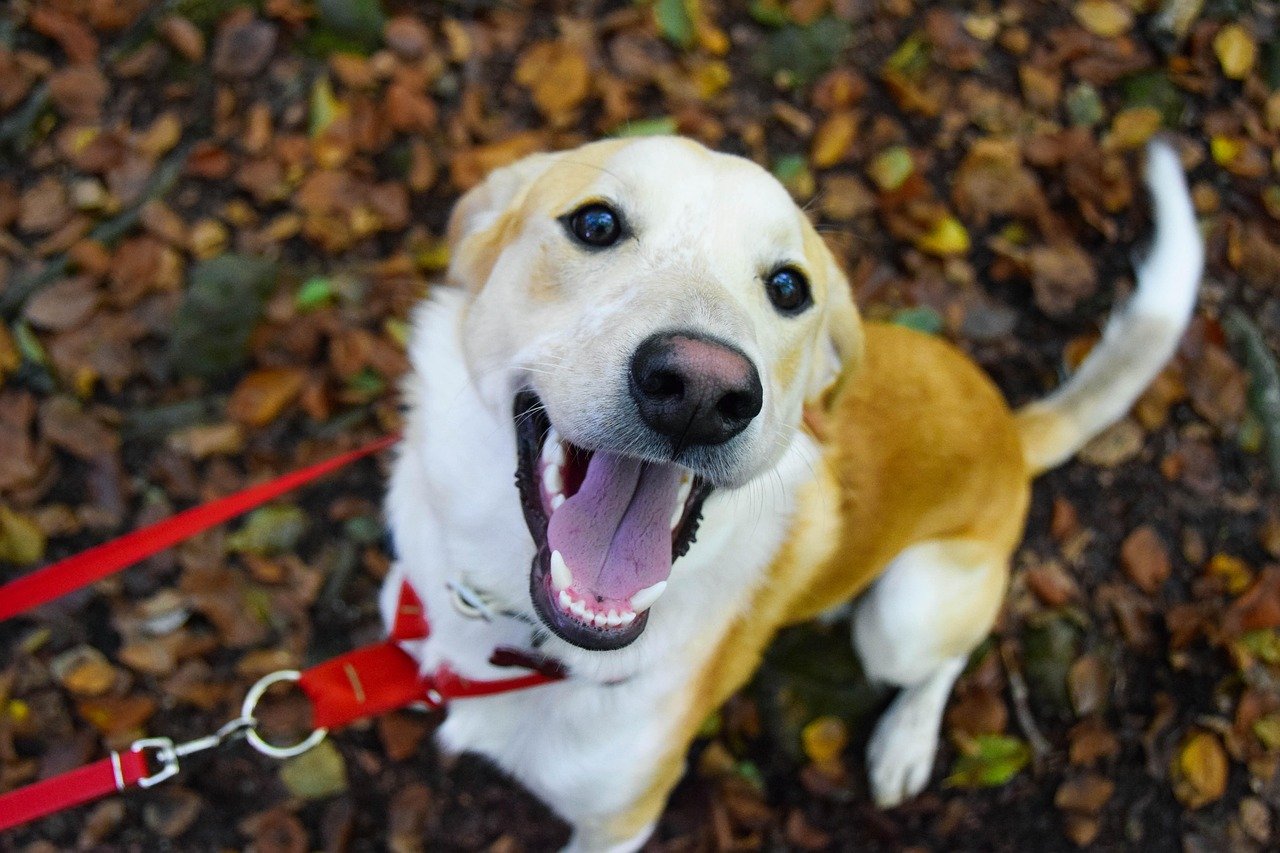
Dogs can sense excitement and anticipation, often mirroring your enthusiasm. Whether you’re getting ready for a walk, a trip, or a special event, they pick up on your energy and respond in kind. You might notice them wagging their tails, jumping around, or barking excitedly. They thrive on shared excitement and are always eager to join in the fun. This ability to sense and react to your positive emotions makes every day feel like an adventure with your furry friend.
Love and Affection

Above all, dogs have an unparalleled ability to sense love and affection. They are incredibly perceptive to the warmth and care you show them. When you pet them, speak to them softly, or simply spend time with them, they feel your love and reciprocate it. Dogs show their affection through wagging tails, gentle nudges, and those soulful eyes that seem to say, “I love you.” This mutual understanding of love and companionship is what makes the bond between humans and dogs so special.
The emotional connection between humans and dogs is nothing short of extraordinary. Their ability to pick up on our emotional cues and respond with empathy and understanding is a testament to the deep bond we share. Dogs truly are our best friends, offering comfort, joy, and unwavering loyalty. So, next time you look into your dog’s eyes, remember that they understand you more than you might think.


